DD
MM
YYYY

PAGES

DD
MM
YYYY

spot_img

PAGES

Home Blog Page 1520

Best Crypto Presales Set for Remarkable Growth in 2025!

0

Crypto presales provide early access to upcoming projects at often reduced prices, presenting opportunities for notable returns. While risks are inherent, choosing wisely can lead to substantial rewards. This guide focuses on the best crypto presales, such as BTC Bull Token, Larva To Moon, Harry Hippo, and BlockDAG, which are stirring considerable interest in 2025.

These projects span blockchain, GameFi, and staking rewards, appealing to seasoned traders and newcomers alike. Assessing elements like economic models, practical applications, and strategic plans is crucial in presale phases. Whether you seek modern features or strong market potential, these crypto presales merit attention. Continue reading to learn which projects are poised to make a mark this year.

1.  BlockDAG: A Presale Marvel with a 2,380% Return

BlockDAG (BDAG) heralds a new era in blockchain technology with its Directed Acyclic Graph (DAG) framework, promoting unmatched scalability and decentralization. Unlike conventional blockchains, which face bottlenecks and slow transactions, BlockDAG’s architecture allows for efficient parallel processing, greatly enhancing throughput.

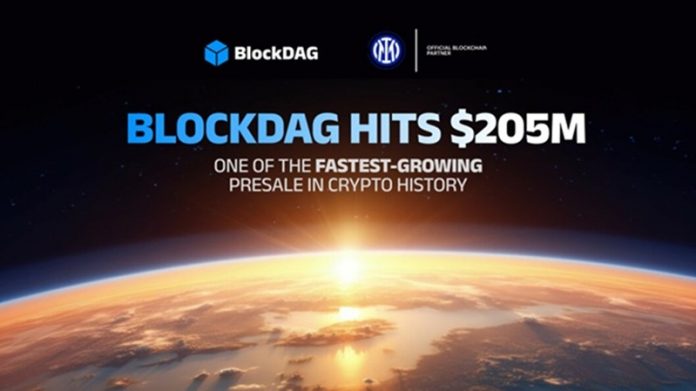
Market trust in BlockDAG is demonstrated by its presale triumph, amassing an impressive $205.5 million across 27 batches. The BDAG price has risen by 2,380%, from $0.001 to $0.0248, indicating increasing demand. With rapid sales completion and robust participation from traders, BlockDAG is on course to achieve its $600 million presale goal soon.

Anticipation for BlockDAG is also driven by its forthcoming mainnet debut and ten major exchange listings, anticipated to bolster both demand and liquidity. Market analysts suggest BDAG’s price could hit $1 after its launch, fueled by broader acceptance and trading activity. With modern technology, unparalleled presale achievements, and eagerly awaited mainnet introduction and exchange listings, BlockDAG is distinguished as the best crypto presale of 2025.

2.  BTC Bull Token: A New Way to Link with Bitcoin’s Economy

BTC Bull Token ($BTCBULL) is an Ethereum-based project crafted to provide an alternative avenue for engaging with Bitcoin’s economic activities. It features staking rewards, BTC airdrops, and a deflationary model via regular burns. Holders are rewarded with Bitcoin airdrops at predetermined price levels, tapping into Bitcoin’s market performance.

Offering a 122% APY through its staking program, the token motivates extended engagement. With $3.5 million secured in its presale, it shows a robust reception. BTC Bull Token capitalizes on Bitcoin’s market shifts and integrates staking functionalities, aiming to attract users interested in Bitcoin-centric benefits within the Ethereum framework.

3.  Larva To Moon: Combining Gaming with Token Utility

Larva To Moon ($LARVA) merges P2E gaming, DAO governance, and staking in its structure. Operating on Ethereum, it enables participation in blockchain games while accumulating $LARVA tokens. Among the best crypto presales, Larva To Moon draws attention with its blend of participatory governance and sustained staking incentives.

Having garnered about $156K in its presale, its decentralized governance model empowers token holders to shape the project’s trajectory actively. As blockchain gaming escalates, Larva To Moon attracts those looking for an amalgamation of entertainment and token-based rewards.

4.  Harry Hippo: Integrating GameFi with Smart Analytics

Harry Hippo ($HIPO) merges blockchain-based GameFi, staking, and AI-enhanced analytics. Participants earn $HIPO tokens via game play, which are eligible for staking at a consistent APY of 601%. The initiative will introduce AI tools intended to refine trading and gaming tactics, merging blockchain innovations with intelligent analytics.

Advancing as blockchain gaming evolves, Harry Hippo has established itself as a best crypto presale, incorporating NFTs, metaverse developments, and lucrative staking options. With $1.8 million amassed, it appeals to blockchain enthusiasts and those seeking AI-powered gaming investments.

Reviewing the Best Crypto Presales of 2025!

As the enthusiasm for crypto presales escalates, BTC Bull Token, Larva To Moon, and Harry Hippo continue to draw interest with their unique staking options, GameFi elements, and user-led features. These best crypto presale ventures offer varied prospects in the digital market. BlockDAG, however, sets a new standard with its advanced DAG-based technology, unprecedented presale success, and imminent mainnet debut.

With $205.5 million raised and a remarkable price increase of 2,380%, it stands as one of the most awaited initiatives in 2025. The plan to list on 10 exchanges further bolsters its potential for enduring success. As presale opportunities continue to influence the market, BlockDAG positions itself as a top choice for those seeking scalability, substantial returns, and tangible blockchain integration.
LEO Price Stays Consistent & BNB Growth Levels Off as BlockDAG Raises $205.5M – Launches Major Developer Drive

0

The price of UNUS SED (LEO) is persisting just below $10, indicating a stable phase that could pivot upwards to $12 if the buying momentum continues. Conversely, if the upward trend shifts, a decrease to $8.84 might be observed. As LEO stabilizes, BNB’s significant rise has been a focal point, propelling it to $582 before it hit a resistance level.

Aside from the fluctuations in price, BlockDAG (BDAG) is influencing the blockchain development space distinctively. Having amassed over $205.5 million during its initial funding phase, BlockDAG is keenly focused on developer engagement, featuring a $30 million grants program and targeting over 10,000 developers to onboard. This proactive engagement is part of why it is becoming a prominent project in the next major wave of Web3.

UNUS SED (LEO) Price Shows Potential Rise, Targets $12

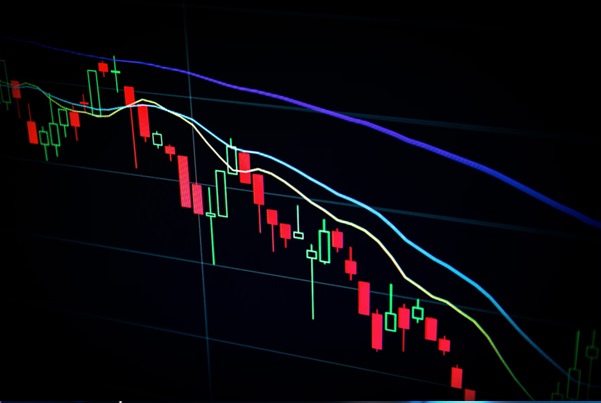
The UNUS SED (LEO) price is holding steady just below $10, indicating a stable phase as buyers maintain their positions. A significant technical pattern, the ascending triangle, points to a possible breakout above $10, which could push the price towards $12.04.

On the flip side, if the price falls below the current uptrend line, this optimistic pattern might not hold, potentially causing a drop to $8.84 or even lower to $8.30. The future direction of the market will hinge on whether buyers continue to drive the momentum forward and overcome resistance, or if increased selling pressure leads to a pullback. Currently, the UNUS SED (LEO) price is at a critical point.

BNB Price Gains Steam, Reaches $582—Will It Continue to Climb?

BNB has made significant strides recently, capturing the interest of traders by escalating from $545 to $582, challenging the general market’s steady phase. This rise was bolstered by a golden cross in the MACD, indicating a positive shift in momentum, while the RSI exceeding 70 suggests that the coin might be overbought.

Having momentarily reached $582, BNB found it challenging to overcome this resistance level, which resulted in the development of an expanding triangle pattern. Should the upward trend of BNB persist, surpassing the $582 mark could drive additional increases. However, if it fails to maintain its current strength, the price could potentially retract to $567. Market watchers are on alert for what comes next.

BlockDAG Initiates Programs Aimed at Developers

BlockDAG is catching the eye with its impressive milestones: raising $205.5 million, selling over 18.8 billion BDAG, and building a community of more than 170,000 members. Yet, it’s clear that robust price metrics alone do not spell lasting success. The foundation of a strong network lies in its developers, the individuals who transform creative concepts into practical applications.

BlockDAG is actively recruiting these innovators. Rather than passively hoping for developers to come onboard, it is proactively providing the necessary resources, financial support, and opportunities from the outset. A significant thrust of this effort is its collaboration with HackerEarth, a global platform that bridges developers with tangible projects. This initiative is expected to attract over 10,000 developers and aims to create more than 200 decentralized applications (dApps), effectively leveraging BlockDAG’s network.

Furthermore, BlockDAG has instituted a $30 million Grants Program to financially back significant projects. Developers can receive up to $100,000 per project, ensuring that viable ideas are brought to fruition and not left idle.

Additionally, the BlockDAG hackathon series invites blockchain developers to display their skills and innovations. Winners of these hackathons receive not only prize money but also opportunities for direct engagement with buyers and major figures in the industry, potentially elevating their projects to greater heights.

Such opportunities are fleeting. BlockDAG’s development ecosystem is growing at an unprecedented rate in the cryptocurrency domain, offering early participants a substantial edge. With the infrastructure and community already established, the race is on for developers to step forward. Those who join early are poised to shape the future of Web3, contributing to what may become one of the most significant crypto projects of the decade.

Overall Perspective

The price of UNUS SED (LEO) remains stable under $10, and its potential rise to $12 or a possible decline will hinge on the prevailing market dynamics. Similarly, BNB has demonstrated robustness in its recent upsurge, reaching a high of $582. However, it faces a crucial test in maintaining this momentum over the coming period.

Amidst the fluctuations of LEO and BNB, BlockDAG is embarking on a more enduring venture. The successful raise of $205.5 million marks only the beginning for BlockDAG. With the launch of a $30 million grants program and an initiative to integrate over 10,000 developers into its network, BlockDAG is proactively setting the groundwork for substantial advancements rather than merely anticipating them.

Both traders seeking long-term investments and developers in search of genuine opportunities are closely monitoring BlockDAG’s progress. Those who understand the trajectory of these developments now are positioning themselves to influence the evolution of Web3 significantly.

Presale: https://purchase.blockdag.network

Website: https://blockdag.network

Telegram: https://t.me/blockDAGnetworkOfficial

Discord: https://discord.gg/Q7BxghMVyu

UBA Posts N766.5bn Profit After Tax in 2024, Spurred By T-bills, FX Windfall And Bonds

0

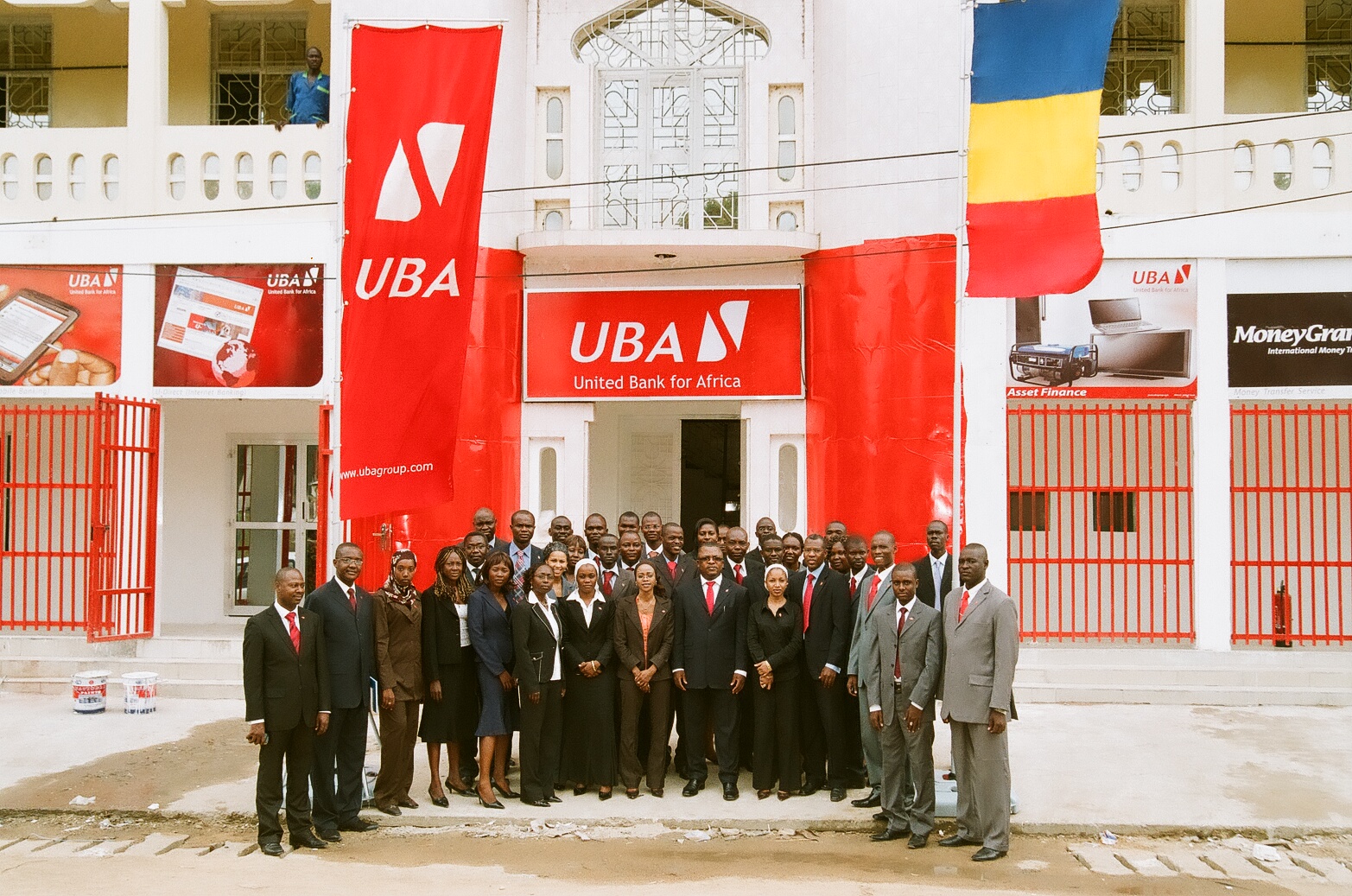
United Bank for Africa (UBA) has announced its audited financial results for the full year ended December 31, 2024, reporting a post-tax profit of N766.5 billion, representing a 26.14% increase from the N607.6 billion posted in 2023.

The bank’s pre-tax profit rose marginally by 6.08% year-over-year (YoY) to N803.7 billion, reflecting steady growth despite rising operational costs and economic headwinds.

UBA’s performance is consistent with a trend seen across Nigeria’s banking sector, where major financial institutions have posted significant profits in the face of economic hardship. Much of this resilience has been attributed to foreign exchange (FX) revaluation gains, which have shielded banks from the full impact of Nigeria’s economic downturn.

Breakdown of UBA’s Performance

UBA’s interest income soared by 120.40% YoY to N2.3 trillion, up from N1 trillion in 2023. A significant portion of this income came from treasury bills (N678.4 billion), term loans to corporates (N569.1 billion), and bonds (N449 billion). Additional revenue sources included loans and advances to banks, overdrafts to corporates, and other lending channels.

The bank’s interest expenses surged by 128.18% to N839.2 billion, reflecting the higher cost of funds and the increased competition for deposits. A substantial part of these expenses stemmed from customer deposits, which accounted for 54.4% of the total interest cost.

However, UBA recorded a net interest income of N1.5 trillion, marking a 116.35% YoY increase from N707.5 billion in the previous year.

Another area of significant growth was in fees and commission income, which rose 91.66% YoY to N589 billion, driven largely by the expansion of UBA’s digital banking and electronic payment services. Electronic banking fees alone contributed N236.3 billion, underscoring the bank’s strategic focus on digital transformation.

However, fees and commission expenses also saw a sharp rise, jumping 97.88% to N233.9 billion, up from N118.2 billion in 2023. This increase was mainly due to higher transaction processing costs and regulatory charges.

One of the few areas where UBA posted a decline was in net trading and foreign exchange gains, which dropped 72.43% to N181.7 billion, compared to N659.2 billion in 2023. The bank’s reduced FX earnings indicate that despite benefiting from exchange rate adjustments earlier in the year, its forex position was less favorable in the latter months of 2024.

On a positive note, other operating income rose by 37.68% to N46 billion, fueled by dividend income (N16.8 billion) and other income sources (N28.2 billion).

Pre-tax profit, Dividend Payout, and Shareholder Returns

UBA’s pre-tax profit stood at N803.7 billion, a 6.08% increase from the N757.6 billion recorded in 2023. After accounting for taxes, the group’s post-tax profit climbed to N766.5 billion, representing a 26.14% increase YoY.

The bank also announced a final dividend of N3.00 per share, bringing the total dividend for 2024 to N5.00 per share. This payout is subject to withholding tax and will be disbursed to shareholders whose names are listed in the Register of Members as of the close of business on April 11, 2025.

Earnings per share (EPS) rose 24.24% to N21.73, up from N17.49 in the previous year, signaling stronger shareholder value creation.

Balance Sheet Growth and Asset Expansion

UBA’s total assets surged to N30.3 trillion, a 46.82% increase from N20.6 trillion in 2023. This expansion was driven by growth in investment securities, higher cash reserves, and an expanded loan book.

The largest asset component remained investment securities, which accounted for N12.535 trillion, followed by cash and bank balances totaling N8.1 trillion. Loans and advances to customers increased to N6.9 trillion, reflecting UBA’s continued efforts to support lending despite economic uncertainties.

Meanwhile, the bank’s total equity rose by 68.39% to N3.419 trillion, further solidifying its financial strength. Retained earnings also increased significantly by 54.92% to N1.4 trillion, indicating a healthy capacity for reinvestment and future expansion.

FX Windfall and Banking Sector Resilience

Over the past year, Nigerian banks have capitalized on the FX windfall resulting from the devaluation of the naira and volatility in the foreign exchange market. The Central Bank of Nigeria (CBN) undertook a series of policy adjustments, including the unification of exchange rates and the liberalization of forex trading, which led to the naira’s sharp depreciation.

For banks with significant FX holdings, this translated into massive revaluation gains, as assets held in dollars surged in local currency terms. UBA, like its peers, leveraged this windfall to boost earnings, even as it faced challenges such as rising impairment charges and increased interest expenses.

Challenging Economic Realities

Despite its impressive results, UBA, like other Nigerian banks, faces growing macroeconomic challenges. The sharp rise in interest expenses and impairment charges highlights the increasing cost of doing business in Nigeria’s high-inflation environment.

Additionally, while the FX windfall provided a temporary earnings boost, fluctuating exchange rates and tighter monetary policies could limit future gains. The sharp decline in FX trading gains suggests that opportunities for banks to capitalize on forex movements may diminish going forward.

Moreover, the broader Nigerian economy continues to struggle with high borrowing costs, liquidity pressures, and fiscal uncertainty. If economic conditions worsen, banks may face higher loan defaults, tighter credit conditions, and reduced consumer spending, all of which could impact profitability in the coming year.

Mobile Transactions to Account For 53% In-Person Shopping by 2030 – Worldpay Report

0

According to the 10th edition of the Worldpay global payments report, the payment landscapes are fast changing, as what was referred to as alternative payments now account for most online spending globally.

As one of the most transformative innovations in technological history, the smartphone has reshaped global consumer payments. Whether shopping in-store, on the go, or from home, smartphones are now at the center of the new era of unified commerce.

Though early models of mobile phones existed in the 1990s, the launch of the iPhone in 2007 and Android in 2008 sparked an unprecedented wave of adoption. In 2007, global smartphone sales stood at 122 million units, according to Statista. By 2014, sales had surged to over 1.2 billion.

However, the smartphone’s role as a dominant payment tool did not materialize overnight. In the early days of mobile e-commerce, users could browse products on their phones but had to finalize purchases on desktops or laptops. Over time, improvements in technology, increased network bandwidth, and mobile-optimized shopping experiences paved the way for the widespread use of smartphones in transactions.

Between 2014 and 2024, mobile’s share of global e-commerce tripled from 19% to 57%. By 2030, mobile is projected to account for nearly two-thirds (64%) of e-commerce across the 40 markets covered in the Global Payments Report 2025.

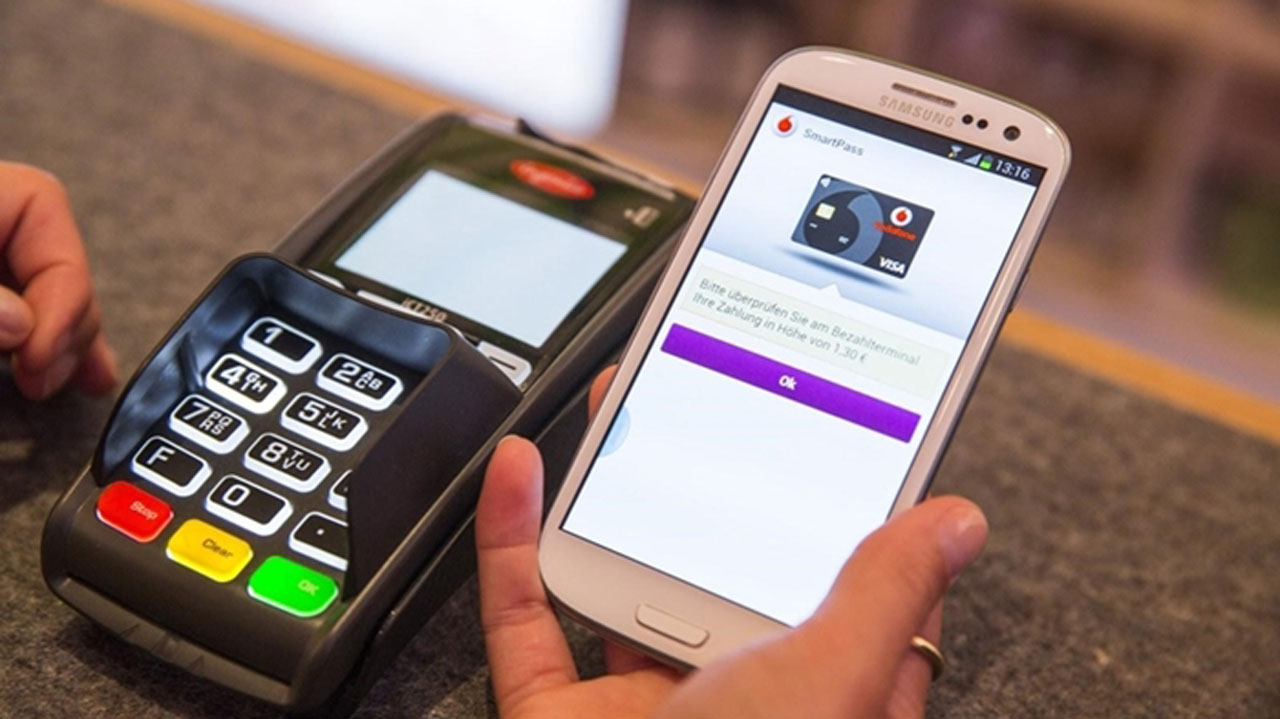
The impact of mobile payments on in-person shopping has been even more dramatic. Digital payments including account-to-account (A2A) transfers, buy now, pay later (BNPL) options, and mobile wallets— have seen rapid adoption. Their share of total point-of-sale (POS) value increased from just 3% in 2014 to 38% in 2024. By 2030, it is projected that 53% of in-person shopping value approximately $25 trillion will be transacted via mobile devices.

As smartphone manufacturers continue to open their systems to third-party payment providers, competition in mobile payments will drive further innovation. The smartphone will remain a dominant force in the payments landscape for years to come.

The Decline of Cash in A Digital World

The rise of digital payments has an inverse effect on the steady decline of cash. While demand for cash persists, its role in the global payments ecosystem is shrinking. A decade ago, cash accounted for 44% of global POS spending, representing slightly more than $16 trillion. Usage varied by region American consumers relied on cash for just 20% of POS transactions, while in the Middle East and Africa, it made up a staggering 82%.

Despite its widespread use, cash has been on a downward trajectory. Its share of global POS transaction value dropped from 44% in 2014 to 26% in 2019. The COVID-19 pandemic accelerated this trend, driving mass adoption of contactless and digital payments. By 2024, cash usage at the POS is estimated at just 15% of transaction value a one-third decline from 2014 and a $10.5 trillion reduction in value.

Several factors contributed to cash’s decline. It is prone to loss and theft, often inconvenient for large purchases, and costly to manage. Consumers have increasingly turned to faster, safer, and more efficient payment alternatives like cards, mobile wallets, and A2A transactions.

Despite its decline, cash still has strong defenders. Some consumers prefer its privacy and tangible nature for financial management. Merchants, especially small businesses, often favor cash to reduce payment processing fees. Governments, particularly in Europe, have introduced regulations to ensure cash remains available, recognizing its role in financial inclusion.

Notably, legislation mandating cash acceptance has been enacted in Denmark, France, and parts of the U.S. Governments across the globe are also exploring innovations like central bank digital currencies (CDCs) to modernize cash. While adoption of CBCs remains limited, they could serve as digital complements to physical cash rather than full replacements-at least until they can effectively function offline.

Looking Ahead

From online transactions to in-person purchases, digital payments continue to redefine commerce worldwide. As mobile payments dominate, and cash continues its decline, the global payments ecosystem is undergoing one of the most significant transformations in history.

Tesla Model Y Has Seen Surging Popularity with Recent Price Adjustments

0

The Model Y, Tesla’s best-selling compact SUV, has seen surging popularity, especially with recent price adjustments and the $7,500 federal EV tax credit still applicable in 2025 (assuming no policy changes). A sell-out across 29 states could reflect a demand spike, possibly tied to seasonal buying (e.g., Q1 closeouts) or a refreshed model rollout like the Juniper variant. Tesla’s production, primarily from Giga Texas and Giga Shanghai, might be lagging due to supply chain issues, factory retooling, or prioritization of other models (e.g., Cybertruck ramp-up). This could deplete new inventory in these states. Tesla’s inventory isn’t uniform nationwide. States like Texas (near Giga Texas) or high-EV-adoption areas like Maryland might clear stock faster due to proximity or market preferences.

Tesla often shifts focus to custom orders when pre-built inventory runs low. A “sold out” claim might mean showroom/demo stock is gone, but buyers can still order for later delivery. If true, immediate buyers in these states might face delays or turn to used Model Ys, potentially driving up secondary market prices. Posts on X hint at excitement over this scarcity, suggesting Tesla’s brand strength. Depleted inventory could signal Tesla pushing production limits or intentionally tightening supply to maintain pricing power—common in their playbook. A multi-state sell-out underscores EVs’ growing foothold, especially in conservative states like Alabama or Mississippi, alongside EV-friendly ones like Maryland.

Tesla has faced a variety of production challenges in 2025 that could contribute to the reported sell-out of new Model Y inventory across multiple U.S. states. While a complete sell-out suggests strong demand, it could also reflect supply-side bottlenecks limiting available stock. Tesla has encountered difficulties securing domestically sourced components for its electric vehicles (EVs) and lithium-ion batteries. Global supply chain issues, including shortages of semiconductors and raw materials like lithium and nickel, have persisted into 2025. These constraints could reduce production output at key facilities like Giga Texas and Giga Shanghai, potentially explaining low inventory levels in states like Texas, Michigan, and others.

For instance, battery supply issues have been flagged as a significant hurdle, with X users suggesting that Tesla’s battery factory is struggling to meet demand. This aligns with Elon Musk’s past comments about the complexity of battery production, which involves dozens of cell variants Tesla aims to streamline. Reports that Giga Austin is “not running well,” with potential halts in Cybertruck deliveries. While Tesla’s Q4 2024 production numbers (459,000 vehicles) were robust, any slowdown in Texas—where Model Y is a primary output—could tighten supply in nearby states like Oklahoma, Arkansas, and Missouri.

European production has faced challenges, with demand in Europe reportedly so low that Giga Berlin operates at a fraction of its 1-million-vehicle annual capacity (around 250,000 units). However, a transition to a new Model Y variant has also slowed output, as confirmed by Tesla GigaBerlin’s Factory Director. This could indirectly affect U.S. inventory if resources are reallocated. As a major exporter to the U.S., any production hiccups in China—due to competition from BYD or geopolitical tensions—might limit Model Y shipments, impacting states like Hawaii or Maryland.

Tesla is reportedly shifting production lines to accommodate a refreshed Model Y (possibly the Juniper variant) and preparing for a lower-cost vehicle slated for mid-2025. Retooling factories, as seen with the Model Y transition in Berlin, often reduces output temporarily. This could explain why new inventory is depleted across 29 states, as Tesla prioritizes future models over current stock replenishment. Historically, Tesla has struggled to scale production efficiently. Elon Musk has called scaling “1,000% to 10,000% harder than making prototypes,” a sentiment echoed in past Reuters reports. In 2025, ramping up Cybertruck production and preparing for a new affordable EV (expected H2 2025) have stretched resources.

Tesla’s 2024 delivery numbers (1.79 million vehicles) marked its first annual decline, with Q1 2025 forecasts at 367,000—down from 386,810 in Q1 2024. While the sell-out might indicate high demand, analysts argue Tesla faces a “demand problem,” with unsold inventory (47,000 units in Q4 2024) piling up earlier this year. Production challenges could exacerbate this by failing to meet even softened demand, depleting stock in states like Georgia, Virginia, and Utah. Posts on X and articles from sources like MotorTrend highlight internal chaos, with claims of “messy” manufacturing, unmet quotas, and reps “making up lies to buy time.”

Musk’s focus on side ventures (e.g., Department of Government Efficiency) has drawn criticism from investors like Christopher Tsai, suggesting distracted leadership might hinder production fixes. Tesla’s aging lineup—Model Y launched in 2020—faces stiff competition from cheaper Chinese EVs like BYD’s offerings, potentially forcing price cuts that squeeze margins and limit funds for production expansion. Supply chain woes, factory inefficiencies, and retooling have capped the number of Model Ys produced, leading to rapid depletion of pre-built stock. Tesla might prioritize high-demand markets (e.g., California, unlisted here) or custom orders over stocking showrooms in less dense states like Wyoming or Montana.

Looking Ahead

Tesla’s production challenges in 2025 could ease if Giga Texas stabilizes, the Model Y refresh completes, and supply chains recover. Musk’s promise of 20-30% delivery growth in 2025 hinges on starting production of a cheaper EV in Texas by mid-year, but skepticism remains due to these persistent hurdles. For now, the sell-out might reflect both Tesla’s popularity and its struggle to keep pace—a bittersweet testament to its market position.