DD
MM
YYYY

PAGES

DD
MM
YYYY

spot_img

PAGES

Home Blog Page 1536

U.S. Slams Nigeria’s Import Ban After 14% Tariff: Says It Creates Trade Barrier, Revenue Loss for U.S. Businesses

0

Nigeria’s long-standing import ban on 25 product categories has drawn fresh criticism from the United States, which accuses Africa’s largest economy of erecting unfair barriers that hurt American exporters.

The U.S. Trade Representative (USTR), in its latest annual report on foreign trade barriers, listed Nigeria among the top ten nations whose trade practices are costing U.S. companies billions in potential export revenue.

The ban, which covers a wide range of items including beef, poultry, pharmaceuticals, fruit juices, and alcoholic beverages, has been flagged by Washington as a major impediment to market access.

“Nigeria’s import ban on 25 different product categories impacts U.S. exporters, particularly in agriculture, pharmaceuticals, beverages, and consumer goods,” the USTR said in a statement shared on X.

The agency warned that these policies are cutting off key American products from the Nigerian market and hampering business growth.

“Restrictions on items like beef, pork, poultry, fruit juices, medicaments, and spirits limit U.S. market access and reduce export opportunities. These policies create significant trade barriers that lead to lost revenue for U.S. businesses looking to expand in the Nigerian market,” it said.

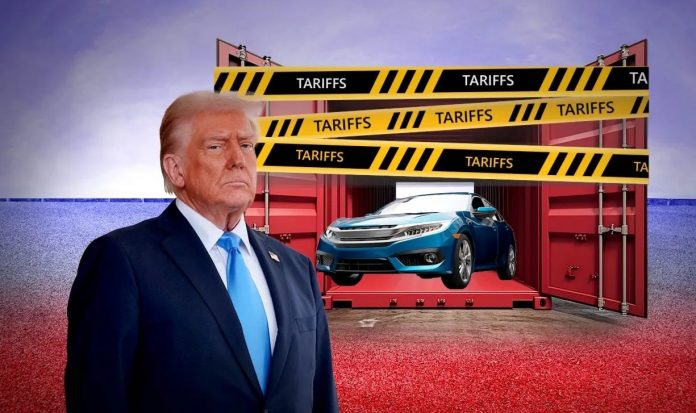
The criticism is part of a broader push by the U.S. to confront what it sees as anti-competitive or discriminatory trade practices globally, especially under President Donald Trump’s renewed “America First” doctrine that aims to shield domestic industries and boost American exports.

The criticism is understood to be a justification for the 14% tariff the U.S. has already placed on select Nigerian exports, except oil.

For Nigeria, this latest rebuke from Washington places added pressure on a government already grappling with a weak currency, high inflation, and a growing dependency on imports amid dwindling foreign exchange reserves. While the import bans were originally designed to encourage local production, boost forex conservation, and protect infant industries, they have also created an underground market for restricted items and led to persistent smuggling across the country’s porous borders.

Indeed, the U.S. is not alone in raising concerns. European Union officials and the World Trade Organization have repeatedly flagged Nigeria’s import restrictions as inconsistent with global trade norms.

A Wider List of Offenders

Nigeria is part of a growing list of countries singled out by the USTR for policies Washington believes harm U.S. farmers and manufacturers. India and Thailand were called out for blocking American ethanol exports, while Kenya was criticized for its 50% tariff on U.S. corn and burdensome regulatory hurdles that effectively kept the market closed.

The USTR noted that Kenya’s feed corn market is currently worth $50 million, with the potential to grow by 30% by 2027.

“Securing market access for American farmers will ensure they can compete on a level playing field,” the report said.

China was also named, particularly for undercutting American flag manufacturers, with losses estimated at $2 million in monthly sales due to cheaper Chinese imports.

Rising Tensions Amid Trump’s Trade Revival

The report underscores growing friction as the United States under Trump’s leadership returns to a protectionist posture reminiscent of his first term. Trade analysts suggest that Washington may soon begin to explore retaliatory measures if perceived trade barriers are not addressed diplomatically.

This poses a significant risk for Nigeria, especially at a time when it is trying to attract foreign direct investment and stabilize its external accounts. Trade relations with the U.S. remain vital, not only because the U.S. is a major destination for Nigerian crude oil exports, but also because American companies play a large role in the country’s energy, pharmaceuticals, and fast-moving consumer goods sectors.

Some in Abuja see the ban as a necessary protection for domestic industries still struggling to recover from years of underinvestment and an influx of cheaper imported goods. But others believe that the policy has outlived its usefulness, with little evidence that it has spurred sustainable local production.

Economic Fallout Looms

The U.S. criticism comes amid Nigeria’s economic downturn. Inflation has remained in double digits for over half a decade, and the naira has lost significant value since the forex unification policy was introduced, deepening the cost of living crisis.

Against this backdrop, the Nigerian government is facing a reckoning as American pressure mounts, leading many to conclude that it may have to revisit its protectionist trade stance. Some analysts have warned that if the U.S. moves to review existing trade concessions, such as Nigeria’s eligibility for preferential access under programs like the African Growth and Opportunity Act (AGOA), the consequences could be far-reaching.

While no official response has yet come from Nigeria’s trade or foreign ministries, pressure is likely to build in the coming weeks for the Tinubu administration to review the controversial ban. Whether it holds firm or begins to roll back restrictions could shape the next phase of U.S.-Nigeria trade relations.

Factors Fuelling Nikkei 225 Index Decline

0

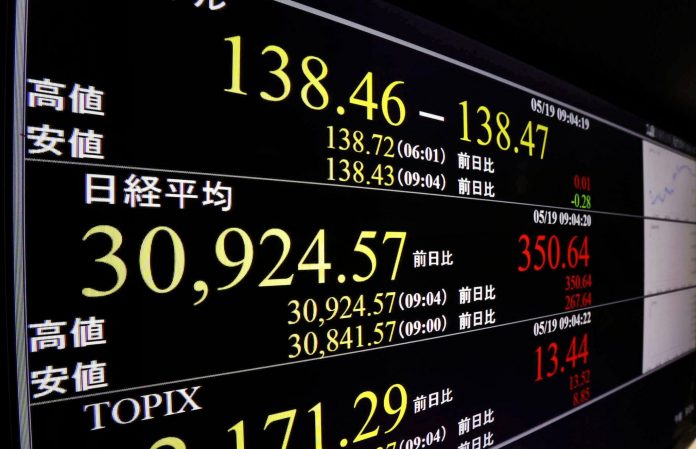
The Nikkei 225 index has experienced a significant drop recently. On April 7, 2025, reports indicated that it fell nearly 8% in early trading, reaching its lowest level since October 2023. This sharp decline was part of a broader global market reaction, largely triggered by concerns over U.S. tariff hikes and fears of a potential global trade recession, compounded by China’s retaliatory measures. The sell-off reflects heightened investor anxiety about Japan’s export-driven economy and the unwinding of financial strategies like the yen carry trade, where investors borrow in yen at low rates to invest elsewhere—a strategy that’s been disrupted by shifting rates and rising volatility.

Trading in Nikkei futures was briefly halted due to the steep losses, underscoring the intensity of the market turmoil. This aligns with the sentiment and data circulating on platforms like X and various news outlets tracking the event. The decline of the Nikkei 225, which dropped over 7% to its lowest level since October 2023 as of April 7, 2025, has been fueled by a combination of global economic pressures and market dynamics. The primary driver is the escalation of U.S. tariffs under President Donald Trump, with reports indicating steep duties—up to 24% on Japanese goods and 25% on car imports.

These tariffs have raised costs for Japanese exporters, particularly in key sectors like automobiles and electronics, which are vital to Japan’s economy. This has eroded corporate revenues and investor confidence, sparking fears of a broader global trade recession. China’s retaliatory measures have further intensified the pressure, amplifying the sense of a looming trade war. Another significant factor is the strengthening yen, which has disrupted the yen carry trade—a strategy where investors borrow in yen at low rates to invest in higher-yielding assets elsewhere. As U.S. interest rate expectations shift and volatility rises, the unwinding of these trades has added downward pressure on Japanese stocks.

The Nikkei’s export-heavy composition makes it particularly vulnerable to these currency shifts, as a stronger yen reduces the competitiveness of Japanese goods abroad. Additionally, the Bank of Japan’s (BOJ) recent moves, such as raising rates to 0.25% in 2024 and signaling further hikes, have tightened financial conditions, contrasting with global markets anticipating U.S. rate cuts amid recession fears. The implications are wide-ranging. For Japan, the immediate economic fallout includes a potential 0.5% dip in household spending and a 2.3% real drop in worker household income, despite nominal wage gains, as economic growth prospects dim.

The banking sector, exemplified by an 11% plunge in shares of Mitsubishi UFJ Financial Group, faces heightened risk, with the banking index down over 17% at one point, reflecting broader market distress. Globally, the Nikkei’s slide has contributed to a synchronized market rout, with European indices like Germany’s DAX falling 9% and Asian markets like Hong Kong’s Hang Seng dropping 13%. This suggests a contagion effect, where tariff-induced uncertainty undermines investor sentiment worldwide. Looking ahead, the Nikkei could face further declines—some analysts suggest a drop to 32,000—if trade tensions persist and the yen continues to strengthen.

However, opportunities may emerge in sectors less exposed to tariffs or poised to benefit from domestic policy shifts, though these are overshadowed by recession fears. The BOJ might adjust monetary policy if inflation expectations rise, but its room to maneuver is limited by global headwinds. For investors, the heightened volatility—evidenced by circuit breakers halting Nikkei futures trading—signals a need for caution, as the interplay of trade policy, currency movements, and central bank actions continues to shape an uncertain economic landscape.

How to Choose the Right Vape Juice Flavours           

0

Vaping has changed how many people enjoy nicotine and flavours, offering a chance to explore many different tastes and experiences. Each bottle of vape juice is more than just a mix of propylene glycol and vegetable glycerin; it opens the door to various flavours that can excite your taste buds and improve your vaping experience. With so many options, finding the right vape juice flavours can be fun and overwhelming. How do you choose the best one for your tastes?

Vape flavours include fruity, sweet, herbal, refreshing, and more. Knowing how to choose flavours can enhance your enjoyment whether you’re an experienced vaper or a newcomer. Here is how you can choose the right vape juice flavours:

Personal Preferences Matter

To find the right vape juice, consider your personal preferences. Consider the flavours you like in other foods and drinks, like your favourite dessert or beverage. Many first choose flavours they love, such as strawberry, vanilla, or mint.

If you enjoy coffee, try the vape juice that capture that rich flavour. This will align with your tastes and create a satisfying experience. If you like to explore new things, consider trying unique flavours, like exotic fruit blends or complex dessert tastes.

Also, think about how strong you want the flavours to be. Some vape juices are sweet and bold, while others are more subtle. Take your time to experiment with different brands and flavours; finding your favourite is part of the excitement.

The Role of the Vape Store

Visiting a good vape store can help you choose flavours more easily. In these stores, you’ll find staff passionate about vaping who can offer guidance and recommendations based on your tastes.

Many stores let you try samples before you buy, helping you refine your choices. This opportunity is valuable in finding what truly appeals to you. The friendly environment encourages you to ask questions and gather information to find your next favourite vape juice. Engaging with other customers in the store can also enrich your experience as you share insights and flavour suggestions.

Exploring Profiles and Categories

Understanding flavour profiles and categories can simplify your search for vape juice. Whether you’re heading into a store or browsing online, you’ll often see juices categorized into fruity, minty, dessert, tobacco, or beverage genres. Each category has its specific fan base, so knowing where your interests lie can guide your selection process.

Fruity vapes often provide a refreshing and sweet experience that can be enjoyable throughout the day. Conversely, dessert flavours can satisfy your sweet tooth without calories. Some people prefer tobacco-flavoured juices that replicate the experience of smoking with a twist, infusing other tastes for added complexity.

In your exploration, consider combinations. Many brands offer unique blends that mix different profiles. For instance, a fruit and menthol combination can give you the sweetness of berries with a cool kick.

Experimenting and Adjusting

Vaping is all about personal enjoyment, so it’s perfectly okay to experiment and adjust. If a flavour initially appeals to you but becomes overwhelming, consider switching to a lower nicotine concentration, which can make for a smoother experience. Don’t hesitate to try different brands as well. Sometimes, the same flavour may vary drastically from one manufacturer to another due to varying ingredient quality and blending techniques.

Keep track of your experiences. A simple notepad or an app can help you jot down what you like and don’t like about specific flavours. This can guide future purchases and allow you to refine your taste preferences steadily.

Collaborative Flavor Journey

Vaping is often a communal experience where friends and communities share their favourite flavours. Don’t be shy about looking for recommendations from fellow vapers. Social media platforms, forums, and local vape communities can provide fresh insights and flavour combinations you might not have discovered otherwise.

Sharing flavours with friends can also lead to fun, social experiences where everyone participates in trying different brands and juices. A flavour-testing session at home can be an enjoyable way to bond and discover new favourites while exchanging thoughts on what works and what doesn’t.

When you take the time to explore, understand, and potentially share your experiences with others, you create an enriching vaping journey that enhances your overall enjoyment.

Finding Your Signature Flavour

As you explore vape juices, try to find a flavour that fits your taste. This could be a flavour that reminds you of a favourite childhood treat or a mix that inspires creativity. Think about the moments in your life linked to specific tastes or smells.

Consider flavours that bring back memories or feelings. For instance, creamy vanilla custard might remind you of baking with family, while refreshing peppermint could bring back memories of holiday celebrations.

To help you choose, think about your mood and where you plan to vape. Are you at home relaxing, out with friends, or enjoying a busy day? Your surroundings can help you find a flavour that matches your experience.

Apple Leans on India to Sidestep Trump Tariffs on China-made Goods as U.S. Consumers Brace for iPhone Price Shock

0

Apple is reportedly ramping up shipments of India-made iPhones to the United States, a major strategic shift aimed at softening the blow of sweeping new tariffs imposed by the Trump administration on goods from China.

The move marks a significant pivot for the company, which has long depended on China as the center of its manufacturing and supply chain operations.

According to sources cited by The Wall Street Journal, Apple now plans to use India to meet as much as half of American demand for iPhones, in a bid to escape the worst of the new tariff hikes. Under the latest U.S. tariff framework, iPhones and other goods imported from China are now subject to duties of at least 54%, compared to a 26% rate for the same products shipped from India.

Apple did not respond to requests for comment, but the company is also said to be lobbying for exemptions similar to the waivers it secured during Trump’s first term — even as it pursues other mitigation strategies.

India Steps In as Apple’s “Plan B”

India’s growing role in Apple’s global production chain is no longer just about diversification, it has become an economic lifeline for the tech giant’s U.S. market. The tariff pressure has accelerated Apple’s shift, with its local manufacturing partners like Foxconn and Pegatron scaling up production lines in Indian facilities to handle more U.S.-bound orders.

Until recently, India had been producing only a fraction of iPhones, mostly older models intended for local or emerging markets. But the scale of the Trump administration’s tariff escalation appears to have forced Apple’s hand. Bloomberg also reported that the company front-loaded inventory shipments before the tariffs kicked in, effectively delaying the hit until the next quarter.

Still, the timeline is tight. Even with India ramping up, the U.S. remains vulnerable to possible shortages if demand surges or production lags — a concern already pushing consumers to stockpile.

U.S. Consumers React, Panic Buy

Over the weekend, Apple stores in several U.S. cities witnessed an unexpected surge in foot traffic, with scenes resembling holiday shopping crowds. Consumers concerned that prices would spike once the tariffs filtered into retail prices, rushed to buy available iPhones and accessories before any price adjustment took effect.

The panic-buying came as fears mounted that Apple would have no choice but to pass on the added costs to customers. While the company has kept the base price of its flagship iPhone at $999 since 2017, analysts say that holding that line may no longer be sustainable, especially if India fails to scale quickly enough or if exemptions are denied.

According to insiders, Apple may attempt to cushion the blow by squeezing supplier margins and cutting internal costs. But given the scale of the tariffs, those measures might only offer short-term relief.

U.S. Tariffs Upend Apple’s Market Cap

Apple’s stock has already taken a beating. Following the tariff announcement, the company saw its shares tumble, joining others like Nike and Wayfair which are heavily reliant on overseas manufacturing. The result: a stunning $300 billion was wiped off Apple’s market capitalization in a matter of days — a direct consequence of investors’ concerns about the company’s exposure to high tariff zones.

Analysts say the reaction underscores just how vulnerable even the world’s most valuable tech company is to shifting trade dynamics. And it comes at a time when Washington is actively pushing to bring manufacturing back home — a goal that Apple, according to the WSJ, has described as a “nonstarter” due to the enormous cost of building and staffing facilities on American soil.

However, Apple’s maneuvering is emblematic of the broader pressure many multinational companies now face under the Trump administration’s revived protectionist agenda. The new wave of tariffs, the steepest yet, has widened the global economic fault lines, especially as U.S. allies and rivals respond with countermeasures.

India, while benefiting from Apple’s shifting focus, is itself caught in the crossfire. The country has previously clashed with Washington over tariffs on American ethanol and other goods.

But for now, Apple appears to be betting on India — both to supply its American customers and to weather a political climate increasingly hostile to Chinese manufacturing dominance. Whether the strategy pays off depends on how long the tariff war drags on, and how quickly India can scale to meet Apple’s quality and volume standards.

90-Day Pause and Trade Rethink: Bill Ackman Proposes Alternate Approach to Trump’s Tariffs

0

Billionaire hedge fund manager Bill Ackman has put forward what he calls a more practical and strategic alternative to the Trump administration’s sweeping tariff policy, warning that the current path could drag the global economy into a “self-induced, economic nuclear winter.”

In a lengthy social media post titled “How’s this for a simple approach?”, the Pershing Square CEO called for an immediate 90-day pause in reciprocal tariff escalation, arguing that such a window would allow for private negotiations with trade partners. His intervention comes amid mounting concerns from economists and business leaders over the long-term implications of President Donald Trump’s protectionist agenda.

Ackman criticized both the intent and execution of the tariff strategy, saying the administration’s formula for measuring foreign tariffs inflated their size “four times larger than they actually are.” That miscalculation, he said, is now steering the U.S. toward what could be a major economic misstep.

“The global economy is being taken down because of bad math,” Ackman wrote. “The President’s advisors need to acknowledge their error before April 9th and make a course correction before the President makes a big mistake based on bad math.”

Tariff Pause and Realignment

At the core of Ackman’s proposal is the idea of a modest, across-the-board 10% tariff for countries doing business with the U.S.—a blanket fee meant to compensate for America’s longstanding investments in global security and health, as well as past trade deficits. But beyond that, he urged for a targeted, case-by-case approach.

“We keep the pressure on China to resolve materially unfair trading practices, IP theft, currency manipulation, and other practices that have disadvantaged our nation,” he said, emphasizing the need for specificity and diplomacy rather than blanket punishment.

The plan, he noted, would begin with a 90-day halt in tit-for-tat tariff escalation, focusing instead on bilateral talks with countries whose policies have most impacted U.S. competitiveness, especially in manufacturing.

Rethinking Trade Deficits

Ackman also challenged some of the foundational ideas that have shaped Trump’s hardline approach to trade, particularly the obsession with reducing the U.S. trade deficit on a country-by-country basis.

“It does not make sense to have balanced trade with countries that are smaller than us and that have fewer resources to spend on U.S. goods,” he argued. “We will forever be buying more from Madagascar than they will buy from us.”

He warned against using export-import parity as a benchmark, calling it a misguided target for a country like the U.S., which has the largest economy and highest standard of living in the world. Instead, Ackman urged the administration to recognize the value of less visible American exports—such as software, intellectual property, and financial services—that don’t show up in traditional trade data but contribute significantly to the economy.

“If these were included, the balance of trade statistics would look much more balanced,” he said.

He added that U.S. multinationals that operate subsidiaries abroad also generate returns in the form of profits, dividends, and strategic influence, even though those revenues are often missing from standard trade metrics.

Manufacturing Realities

Ackman, whose investment firm manages billions in assets, also dismissed the idea of bringing low-wage manufacturing back to the U.S., calling it economically unrealistic and strategically flawed.

“Attempting to bring back jobs in low-wage manufacturing is not good for America,” he said, noting that countries like Bangladesh and Vietnam are naturally better suited for industries such as textile and footwear production.

Instead, he encouraged U.S. policymakers to embrace high-value services and technology exports as the new face of global competitiveness.

A Plea for Prudence

In his closing remarks, Ackman acknowledged the flaws in the existing global trade system but cautioned against tearing it down without a viable plan to replace it.

“The current trading system, while far from perfect or fair to the U.S., has served us extremely well,” he wrote. “We need to be prudent in how we change it so as not to upset the world order in such a manner that it disadvantages our country over the long term.”

The post shared just days before a critical April 9th deadline for the next wave of tariff decisions marks one of the strongest warnings yet from a Wall Street heavyweight about the potential cost of Trump’s approach.

However, it is not clear if the Trump administration will take the advice. Trump has doubled down on the tariff policy, calling on Americans to support it as it’s meant to make the economy better.

“The United States has a chance to do something that should have been done DECADES AGO. Don’t be Weak! Don’t be Stupid! Don’t be a PANICAN (A new party based on Weak and Stupid people!). Be Strong, Courageous, and Patient, and GREATNESS will be the result!” The president said on Monday.

However, with global markets showing signs of strain and recession alarms sounding in key economies, the pressure is mounting for a recalibration. Ackman, like several other investors, is calling for a replacement of hardline posturing with intelligent recalibration, before the U.S. ends up isolating itself in a trade war of its own making.