
DD
MM
YYYY

PAGES

DD
MM
YYYY

spot_img

PAGES

Home Blog Page 1557

Paul Atkins Cleared the Senate Banking Committee by 13/11 Votes

0

Paul Atkins, President Donald Trump’s nominee for SEC Chair, cleared the Senate Banking Committee with a 13-11 vote, advancing his nomination to a full Senate floor vote. The vote was split along party lines, with all Democrats opposing and Republicans securing the majority in the Republican-controlled committee. Atkins, a former SEC commissioner from 2002 to 2008 and current CEO of Patomak Global Partners, is poised to replace Acting Chair Mark Uyeda if confirmed by the full Senate, where Republicans hold a 53-47 majority, needing only 51 votes for confirmation.

Atkins’ pro-crypto stance could influence how such events are perceived and regulated. During his March 27 confirmation hearing, he emphasized providing “a firm regulatory foundation for digital assets through a rational, coherent, and principled approach,” signaling a shift from the enforcement-heavy tenure of former Chair Gary Gensler. Committee Chair Tim Scott praised Atkins for bringing “much-needed clarity for digital assets,” which could stabilize markets post-unlock by fostering innovation and reducing regulatory uncertainty—potentially softening the supply shock from the 1.79 million SOL release.

However, Senator Elizabeth Warren, the ranking Democrat, criticized Atkins, citing his past deregulation votes before the 2008 financial crisis and his firm’s advisory role with the collapsed FTX exchange, raising concerns about conflicts of interest. Despite this opposition, Atkins’ confirmation appears likely given the Senate’s composition, with a full vote expected soon, possibly within weeks, barring scheduling delays. His leadership could reshape SEC priorities, impacting crypto markets, including Solana, by prioritizing capital formation over aggressive enforcement.

A more permissive SEC might bolster confidence, potentially offsetting some of the bearish pressure from today’s 1.79 million SOL unlock by encouraging long-term holding over panic selling. The crypto market often reacts positively to regulatory clarity. Atkins’ confirmation could amplify optimism tied to recent developments, like the SEC acknowledging Fidelity’s Solana ETF filing. If he greenlights ETF approvals or streamlines token classifications, SOL’s price could see upside momentum, countering the short-term supply shock (currently testing $115-120 support). Posts on X already highlight hopes of SOL hitting $300-500 by year-end under a friendlier SEC, though this hinges on broader altcoin trends and Bitcoin’s stability above $82k.

Large unlocks like today’s $200M SOL event (2% of market cap) often spark volatility due to fears of dumping. Atkins’ leadership might introduce policies to mitigate such risks—perhaps guidelines for phased sales or transparency requirements for staked token releases. This could stabilize future unlocks (e.g., Solana’s next big one in 2028), reducing the kind of whale sell-offs seen recently ($46.3M in SOL dumped pre-unlock). In the immediate term, his nomination alone might not sway today’s market reaction, but confirmation could set a precedent for calmer responses to supply events.

Atkins’ prior tenure as an SEC commissioner (2002-2008) and his current role at Patomak Global Partners suggest a focus on capital formation. A pro-business SEC could accelerate institutional entry into crypto, including Solana’s ecosystem, known for high-speed transactions and DeFi growth. This might attract more ETF filings or staking products, increasing demand to absorb unlocked supply over time. However, critics like Senator Warren point to his FTX ties as a risk, potentially undermining trust if conflicts emerge. While Atkins cleared the committee 13-11, the full Senate vote (needing 51 of 100) isn’t guaranteed, though likely with a 53-47 Republican edge.

Delays or unexpected opposition could prolong uncertainty, leaving markets under Acting Chair Mark Uyeda’s interim guidance—less crypto-friendly than Atkins but more so than Gensler. If confirmed soon, Atkins could assume the role by mid-2025, influencing SEC priorities during a critical altcoin recovery phase. Atkins’ tenure could ease enforcement actions against exchanges and projects, fostering innovation across DeFi, NFTs, and layer-1 chains. This might indirectly benefit SOL by strengthening its competitive position against Ethereum and newer rivals, though his deregulation history raises concerns about investor protections, as Warren noted, potentially inviting volatility if oversight weakens too much.

AI Boom Could Disrupt 40% of Jobs, Calls For Proactive Labour Policies – UN Warns

0

The United Nations has disclosed that Artificial Intelligence is on track to reach a staggering $4.8 trillion in market value by 2033, comparable to the size of Germany’s economy, yet its benefits remain unequally distributed.

Furthermore, it notes that leading tech giants, such as Apple, Nvidia, and Microsoft, that stand to benefit from the AI boom have a market value that rivals the gross domestic product of the entire African continent.

According to a new report by the United Nations Conference on Trade and Development (UNCTAD), it disclosed that AI is transforming economies, creating opportunities but also posing risks of greater inequality.

Part of the report reads,

“Artificial intelligence (AI) is transforming economies, creating opportunities but also posing risks of greater inequality. UNCTAD warns that while AI can be a powerful tool for progress, it is not inherently inclusive. Countries should act now by investing in digital infrastructure, building capabilities, and strengthening AI governance to harness the AI potential for sustainable development.”

UNCTAD Secretary-General Rebeca Grynspan underlined the importance of ensuring people are at the center of AI development, calling for stronger international cooperation to “shift the focus from technology to people, enabling countries to co-create a global artificial intelligence framework.

Notably, the UNCTAD estimates that AI could impact up to 40% of jobs globally, raising the specter of widespread job displacement. This displacement is not limited to traditional blue-collar roles but is increasingly shifting toward white-collar professions as AI systems grow more sophisticated.

The UN highlights that this transformation could exacerbate economic inequality, particularly between nations. Wealthier countries with the resources to invest in AI infrastructure may see substantial economic gains, potentially creating markets rivaling the size of major economies by the early 2030s. In contrast, developing nations, lacking similar access to technology and training, risk falling further behind, deepening global disparities. To address these challenges, the UN is calling for proactive labor policies.

To set up effective AI policies, the UN noted that countries should consider three key leverage points; infrastructure, data, and skills. It emphasized that strategic positioning in these areas will determine whether nations can adopt AI effectively, foster local innovation, and align AI development with their socioeconomic needs.

The UNCTAD further noted that it provides expertise to help developing countries assess their strengths and design policies that build resilient innovation systems.

To bridge the widening AI divide, UNCTAD outlines several recommendations for inclusive global growth. These include:

  • Establishing AI public disclosure mechanisms
  • Promoting shared AI infrastructure
  • Supporting the development and adoption of open-source AI models
  • Creating platforms to share AI knowledge and resources

AI is shaping the world’s economic future, yet 118 countries, mostly in the Global South are absent from major AI governance discussions. As AI regulation and ethical frameworks take shape, the UN posits that developing nations must have a seat at the table to ensure AI serves global progress, not just the interests of a few.

Aside from the displacement of jobs by AI, the UN noted that the advanced technology is not just about replacing jobs, but will also create new industries and empower workers. However, it disclosed that investing in reskilling, upskilling, and workforce adaptation is essential to ensure AI enhances employment opportunities rather than eliminating them.

The UN summarised the report by stating that AI can be a catalyst for progress, innovation, and shared prosperity but only if countries actively shape its trajectory. This means shifting the focus from technology to people, putting people at the center of AI development. Strategic investments, inclusive governance, and international cooperation are key to ensuring that AI benefits all, rather than reinforcing existing divides.

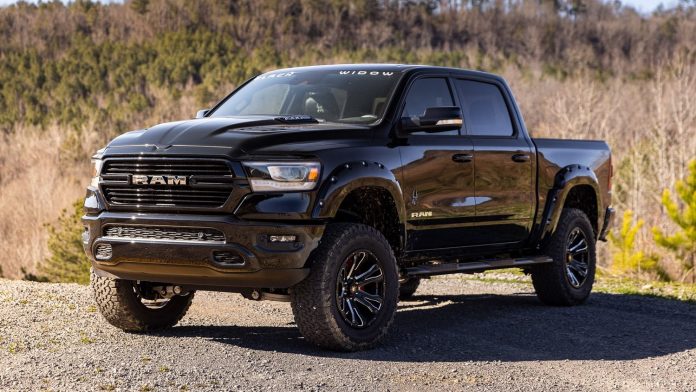
Lifted Ram Trucks: The Ultimate Guide to Performance, Style, and Off-Road Capability

0

When it comes to trucks that offer unparalleled power, durability, and style, Ram trucks are in a league of their own. A rising trend among truck enthusiasts is the modification of these vehicles through lifting. Lifted Ram trucks are highly sought after for their aggressive appearance, enhanced performance, and superior off-road capabilities. Whether you’re looking to conquer tough trails, upgrade your truck’s look, or improve its performance, lifting a Ram truck offers a wide range of benefits.

Performance: Maximizing Power and Handling

Lifting a Ram truck enhances both its appearance and performance. With the right upgrades, it can achieve optimal power, handling, and durability on various terrains.

Engine and Powertrain Modifications

Larger tires from a lift can strain the engine and drivetrain. To compensate, performance upgrades like cold air intakes, exhaust systems, and engine tuners can boost power and fuel efficiency. Upgraded transmissions and engine control unit (ECU) recalibration may also be necessary for smoother shifts and improved handling, especially off-road.

Suspension and Handling

Upgraded suspension systems, such as heavy-duty shocks and coilovers, improve ride quality and handling on rough terrain. These systems enhance wheel travel and articulation, helping the truck navigate rocky trails. However, it’s crucial to balance comfort with performance to avoid an overly stiff ride on paved roads.

Tires and Wheels

Larger tires increase traction, crucial for off-road driving, but may reduce fuel efficiency. All-terrain or mud-terrain tires offer the best grip for lifted trucks. Stronger wheels, like aluminum alloy, help support larger tires, and custom wheels with a wider offset can improve the truck’s appearance and stance.

Braking System Upgrades

Larger tires and increased weight can strain the braking system. Upgrading to larger rotors and calipers ensures adequate stopping power for lifted Ram trucks.

Style: Enhancing the Look of Your Lifted Ram Truck

One of the most exciting aspects of modifying a Ram truck is the ability to customize its appearance. Lifting your truck gives it a bold, aggressive look that stands out on the road, and there are plenty of ways to enhance this look further.

Exterior Design and Customization

The visual appeal of a lifted Ram truck is undeniable. When the truck is raised, it takes on a more muscular and commanding presence. To complement the lift, truck owners often install aftermarket bumpers, grille guards, and fender flares. These accessories not only add to the truck’s rugged look but also offer protection against off-road hazards like debris and rocks.

Another popular upgrade is custom lighting, such as LED light bars and fog lights, which enhance both the aesthetics and functionality of the vehicle. These lights are particularly useful for off-roading at night, providing better visibility on dark trails.

Lighting and Accessories

Lighting plays a significant role in the overall style and practicality of a lifted Ram truck. Many owners install off-road LED lights, light bars, and spotlights to illuminate their path when navigating through rough terrain. Additionally, accessories like running boards, roof racks, and tow hooks can be added to increase both style and functionality.

Interior Customization

While the exterior of a lifted Ram truck gets most of the attention, interior customization is just as important. Upgrading the truck’s interior can significantly improve comfort and luxury. Popular upgrades include leather seats, custom dashboards, and advanced infotainment systems.

For those who plan to use their truck for off-road adventures, adding durable floor mats, a high-quality sound system, and custom upholstery can make the ride more comfortable and enjoyable.

Off-Road Capability: Dominating the Trails

Lifting a Ram truck not only enhances its performance on the road but also significantly improves its off-road capabilities. Increased ground clearance allows it to navigate obstacles like rocks, deep mud, and uneven surfaces without getting stuck. A lifted Ram truck can cross streams, crawl over boulders, and glide through snow, all while avoiding undercarriage damage.

Upgraded suspension components, such as long-travel shocks and reinforced control arms, enable the truck to maintain stability on rugged terrain. These modifications provide superior wheel articulation, ensuring that all four wheels stay in contact with the ground, even on uneven surfaces.

Larger, aggressive tires are another key advantage for off-roading. Mud-terrain and all-terrain tires offer superior traction on various surfaces, making them ideal for lifted trucks. Additionally, protective accessories like skid plates and rock sliders shield the truck’s undercarriage from damage caused by rough trails.

Considerations Before Lifting Your Ram Truck

Before deciding to lift your Ram truck, there are several important factors to consider.

Lifting a truck is an investment, and it’s important to understand the costs involved. Lift kits, larger tires, suspension upgrades, and other accessories can add up quickly. While there are budget-friendly options, high-performance kits and premium upgrades can be more expensive.

Each state has different laws regarding vehicle modifications, including the height of your truck. It’s essential to check local regulations to ensure that your lifted truck complies with road safety and height requirements. Failing to do so can result in fines or the inability to register the vehicle.

Lifting a Ram truck may void certain aspects of its manufacturer’s warranty, especially when modifications affect the suspension or drivetrain. Additionally, it’s a good idea to check with your insurance provider to see how lifting your truck might impact your premiums or coverage.

Conclusion

Lifting your Ram truck is one of the best ways to improve its performance, off-road capabilities, and overall aesthetic appeal. Whether you’re looking to tackle tough trails, enhance your truck’s style, or simply enjoy a smoother ride on rough terrain, a lifted Ram truck can meet all of your needs. By understanding the benefits and modifications that come with lifting a truck, you can ensure that your Ram is optimized for both on-road and off-road adventures.

Poor Bitcoin, Illusion of Digital Gold and the Fear of Tariffs

0

Mike Tyson famously said, “Everyone has a plan until they get punched in the face.” Bitcoin was a digital gold until when it was expected to behave like gold.  JP Morgan laughs: “JPMorgan’s recent analysis, as of April 2025, highlights mounting pressure on Bitcoin’s “digital gold” narrative amid the escalating U.S.-China trade war and market turmoil. The bank points to Bitcoin’s sharp reversal—dropping from $84,600 to $83,000 on April 4 after China’s 34% tariff retaliation—as evidence that it’s behaving more like a risk asset than a safe-haven store of value.

“Unlike gold, which climbed 1% to $2,700 amid the chaos, Bitcoin shed $37 billion in market cap in 20 minutes, tracking the S&P 500’s 4.9% plunge and pre-market 4% slide rather than decoupling as a hedge. JPMorgan argues this undermines the long-held pitch by crypto advocates that Bitcoin mirrors gold’s role as a non-correlated asset in times of economic distress.”

Now, the next theory for Bitcoin!

JPMorgan Highlights Mounting Pressures on Bitcoin as Tariffs Intensify

0

JPMorgan’s recent analysis, as of April 2025, highlights mounting pressure on Bitcoin’s “digital gold” narrative amid the escalating U.S.-China trade war and market turmoil. The bank points to Bitcoin’s sharp reversal—dropping from $84,600 to $83,000 on April 4 after China’s 34% tariff retaliation—as evidence that it’s behaving more like a risk asset than a safe-haven store of value. Unlike gold, which climbed 1% to $2,700 amid the chaos, Bitcoin shed $37 billion in market cap in 20 minutes, tracking the S&P 500’s 4.9% plunge and pre-market 4% slide rather than decoupling as a hedge. JPMorgan argues this undermines the long-held pitch by crypto advocates that Bitcoin mirrors gold’s role as a non-correlated asset in times of economic distress.

The bank ties this to macro dynamics. Trump’s 54% tariff on Chinese goods and China’s counterpunch have spiked recession fears—Goldman Sachs now sees a 60% chance—driving investors to traditional havens like Treasuries (yields down to 4.1%) and gold, not Bitcoin. JPMorgan notes Bitcoin’s correlation with equities has risen to 0.6 in 2025 from 0.3 in 2023, per their data, reflecting its sensitivity to liquidity crunches and risk-off sentiment. With traders pointing to crypto’s sell-off alongside tech stocks (e.g., Nvidia -7%) as proof it’s not yet a crisis asset. The firm also flags structural pressures: U.S. miners face higher costs from tariffed Chinese hardware, and institutional flows—key to Bitcoin’s 2024 rally—may dry up if volatility persists.

JPMorgan doesn’t fully dismiss the narrative. Bitcoin’s finite supply (21 million cap) and decentralization still appeal as a long-term inflation hedge, especially if trade wars weaken fiat currencies. Gold’s $14 trillion market cap dwarfs Bitcoin’s $1.6 trillion, but the BTC-gold ratio’s recent dip suggests room for catch-up if sentiment shifts. For now, though, the bank sees downside risks dominating—potentially testing $70,000—unless a stabilizing catalyst (e.g., Fed cuts or trade de?tente) reframes it as “digital gold” again. The pressure’s real, but the story’s not dead yet.

JPMorgan’s observation that Bitcoin’s “digital gold” narrative is under pressure carries significant implications for its role in markets, investor perception, and the broader crypto ecosystem as of April 42, 2025. Bitcoin’s failure to rally alongside gold ($2,700) during the U.S.-China trade war—dropping $2,000 instead—challenges its marketed status as a safe-haven asset. With the S&P 500 down 4.9% and pre-market futures signaling another 4% slide, Bitcoin’s 0.6 correlation with equities (per JPMorgan) ties it to risk assets like tech stocks, not uncorrelated hedges like gold or Treasuries (yields at 4.1%).

This dents the narrative pushed by advocates like Michael Saylor, who’ve pitched it as a shield against inflation and economic chaos. If Bitcoin can’t decouple in a crisis—unlike gold, which thrives on uncertainty—its appeal as “digital gold” weakens, especially for institutional investors who drove its 2024 surge past $80,000. Short-term, this pressures Bitcoin’s price. JPMorgan’s $70,000 downside risk aligns with technical levels (200-day moving average) and reflects a potential 15% drop from $83,000 if risk-off sentiment deepens. The $37 billion market cap wipeout in 20 minutes shows how fast capital flees when macro fears—60% recession odds per Goldman Sachs—dominate.

Retail traders lament the sell-off, while hedge funds may pivot to gold or bonds, shrinking Bitcoin’s $1.6 trillion market cap further. Long-term, though, a sustained trade war could revive its hedge case: if tariffs spike inflation (Morgan Stanley’s 2-3% CPI forecast) or erode dollar trust, Bitcoin’s 21 million cap might draw inflows, narrowing the gap with gold’s $14 trillion valuation. The narrative’s strain hits more than just Bitcoin. Altcoins, often tethered to BTC’s momentum, face amplified losses—Ethereum and Solana dipped 5-7% in sympathy. U.S. miners, already squeezed by tariffed Chinese rigs (e.g., Bitmain), could see margins collapse, dragging hash rate and network security down post-halving.

Crypto stocks like Coinbase (-6%) and MicroStrategy (-9%) mirror this pain, signaling a sector-wide confidence hit. Stablecoins like Tether, backed by Trump’s dollar-dominance push, might gain traction as a crisis bridge, but only if Bitcoin’s volatility doesn’t taint the broader asset class. The trade war’s fallout—Trump’s 54% tariff in China, China’s 34% retaliation—fuels this pressure. If the Fed cuts rates (four expected in 2025) to offset a GDP drag (JPMorgan’s 1% estimate), liquidity could prop Bitcoin up, but persistent inflation fears favor gold’s proven track record. China’s rare earth export controls and WTO filing add geopolitical noise, yet Bitcoin’s lack of tangible utility (unlike gold in tech) limits its crisis appeal.

Politically, a faltering “digital gold” story might cool Trump’s crypto-friendly stance—his administration’s Tether nod aimed to rival China’s digital yuan—but only if voter backlash from market losses grows. This moment tests Bitcoin’s maturity. A drop to $70,000 could shake out weak hands, but a V-shaped recovery—say, to $85,000 resistance—might restore faith if triggered by a Fed pivot or trade talks (Xi-Trump call rumors swirl). The BTC-gold ratio’s decline suggests a potential inflection: gold’s stability wins now, but Bitcoin’s 160% five-year gain (vs. gold’s 50%) hints at upside if macro shifts favor risk. For the crypto narrative, it’s adapted or fade—either Bitcoin proves its hedge credentials in this chaos.