DD
MM
YYYY

PAGES

DD
MM
YYYY

spot_img

PAGES

Home Blog Page 1560

China Retaliatory Tariffs on U.S. Goods Holds Broader Effects

0

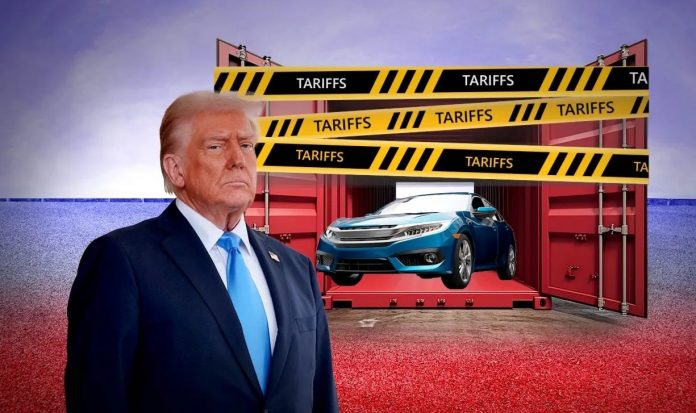
On April 4, 2025, China announced it will impose an additional 34% tariff on all U.S. goods starting April 10, as a countermeasure to President Trump’s escalation of tariffs on Chinese imports to 54%. This move, confirmed by China’s finance ministry, follows Trump’s “Liberation Day” announcement on April 2, which included a 10% baseline tariff on all U.S. trading partners and an additional 34% on China, stacking atop existing 20% duties. Alongside the tariffs, China has requested a World Trade Organization (WTO) consultation, filing a lawsuit claiming the U.S. measures violate international trade rules, undermine WTO members’ rights, and destabilize the global economic order. Beijing labeled the U.S. actions “unilateral bullying,” per a Commerce Ministry statement.

This retaliation targets $164 billion in annual U.S. exports to China, hitting sectors like agriculture (soybeans, pork), aerospace (Boeing), and energy hardest. It’s paired with non-tariff measures: export controls on rare earths critical for tech and defense, bans on 16 U.S. firms from accessing dual-use goods, and customs blocks on certain U.S. poultry and sorghum imports. The WTO consultation request aims to challenge the legality of Trump’s tariffs, invoked under a “national emergency” via the International Emergency Economic Powers Act (IEEPA), a move critics argue stretches the law’s intent beyond external threats to domestic policy.

Markets reacted sharply—S&P 500 futures dropped over 4% pre-market today, after a 4.9% plunge yesterday, signaling recession fears as the trade war deepens. China’s response, while sweeping, is seen by some as restrained given its $439 billion export reliance on the U.S.; analysts like Julian Evans-Pritchard from Capital Economics note Beijing’s limited leverage due to this imbalance. The WTO process could take months, but with Trump’s April 9 deadline for the 54% tariff looming, near-term escalation seems likely unless talks—potentially via a rumored Trump-Xi call—yield a de?tente. For now, global trade norms are buckling under the strain.

The 34% tariff slams $164 billion in U.S. exports to China, amplifying pressure on an already rattled U.S. economy. Agriculture takes a direct hit—soybeans ($14 billion annually) and pork ($1.5 billion) face steep price hikes, threatening farmers in states like Iowa and Illinois, key Trump constituencies. Aerospace (Boeing’s $10 billion in China sales) and energy (LNG exports) also buckle, with ripple effects on jobs and supply chains. U.S. consumers, meanwhile, brace for higher costs as Trump’s 54% tariff on $439 billion in Chinese imports—electronics, apparel, machinery—kicks on April 9.

Goldman Sachs now projects a 2-3% CPI spike by Q3 2025, risking stagflation as growth slows (GDP forecasts cut to 1.8% for 2025). China’s economy isn’t unscathed. Its $275 billion trade surplus with the U.S. shrinks as tariffs bite, and domestic firms like Huawei, already squeezed by U.S. tech bans, face tighter margins. Beijing’s rare earth export controls—covering 70% of global supply—aim to weaponize its leverage, but risk alienating other trade partners like Japan or the EU if overplayed. The WTO filing signals a long game, but with consultations often dragging six months and enforcement weak (the U.S. has ignored past rulings), it’s more symbolic than immediate relief.

Market Turbulence

The S&P 500’s 4.9% drop yesterday and 4%+ pre-market slide today reflect a market in panic mode. The tariff tit-for-tat wipes out $2.4 trillion in S&P value already, with tech (Apple -9%) and industrials (Caterpillar -6%) leading losses. China’s non-tariff moves—banning 16 U.S. firms and blocking poultry—deepen the rout, pushing the VIX to 30 and 10-year Treasury yields down to 4.1% as investors flee to safety. Bitcoin’s $2,000 dip and gold’s $2,700 peak underscore a risk-off shift, though crypto could rebound if dollar weakness emerges from trade imbalances. Global markets echo the pain: Nikkei (-2.77%), Hang Seng (-1.52%), and STOXX 600 (-2%) signal a synchronized sell-off.

This escalation marks a new peak in U.S.-China rivalry, fraying globalization further. China’s WTO play aims to rally multilateral support, framing the U.S. as a trade rogue—potentially swaying BRICS or neutral players like India. But Trump’s “national emergency” justification via IEEPA sidesteps WTO rules, daring China to escalate beyond tariffs (e.g., currency devaluation, a 2019 tactic). The rare earth chokehold targets U.S. defense and tech—think F-35 jets and Tesla batteries—hinting at a broader economic war. If Xi and Trump don’t talk (a call’s rumored), allies like Canada or the EU might face pressure to pick sides, risking a tariff domino effect.

The trade war’s entrenchment could reshape global supply chains permanently. U.S. firms may accelerate reshoring or pivot to Vietnam and Mexico, but that’s years off—near-term, costs soar. China’s stimulus ($1.4 trillion planned for 2025) and non-U.S. trade pacts (e.g., RCEP) aim to offset losses, though its export-driven model creaks. The WTO’s relevance wanes if both powers ignore it, hastening a fragmented, bloc-based world economy. For markets, a 5,300 S&P floor looms unless de-escalation or strong U.S. jobs data (tomorrow) shifts sentiment. Politically, Trump faces a bind: his base cheers tariffs, but Wall Street’s bloodbath and farmer pain could force a rethink by midterms.


Could Humanoid Robots Become Esports Players

0

Artificial intelligence and robotics are transforming industries, and esports could be next. With Australia’s gaming sector generating over A$4 billion annually, AI-driven competitors are sparking debate. According to the Australian National University, machine learning efficiency has surged 60 percent over the past decade, enabling AI to process strategies at unmatched speeds. Online platforms such as payid pokies already use AI-driven features, improving user experience and gameplay. As AI advances, could humanoid robots soon compete alongside or against human players in professional gaming? This evolution may redefine competitive esports and gaming dynamics.

Hellspin Casino Features and AI Integration

As AI reshapes gaming, Hellspin Australia integrates advanced technology to enhance player engagement. Hellspin game library offers over 3200 titles, including AI enhanced drop and win titles and 250+ live croupier options. AI also powers fraud detection for cryptocurrency transactions, ensuring secure payments and fast withdrawal processing for transactions.

Hellspin Casino crafts its promotions to suit a variety of players, offering match bonuses with clear entry points. This structured approach of Hellspin highlights its strategic planning, organically catering to casual punters and high-stakes enthusiasts alike while keeping weekly intrigue alive.

Promotion Bonus Details Minimum Deposit Extras
Welcome Bonus 100% match up to A$270 A$25 100 free spins
Highroller Bonus 100% match up to A$1,150 A$495 None
Secret Bonus (Mon) Varies (details undisclosed) A$65 None

Notably, the free spins at Hell Spin are credited in two batches: 50 spins immediately upon deposit and the remaining 50 spins 24 hours later. The Secret Bonus for Hellspin pokies is available every Monday, whereas specific details are provided upon eligibility.

Popular high RTP games on Hell Spin include Big Bass Hold and Spinner and Big Bass Mission Fishin’, alongside classics like 5 Lions Megaways. As the online casino sector continues to expand, platforms like HellSpin Australia are likely to prioritise game selection strategies that balance high RTP rates with engaging bonus mechanics to sustain competitive advantage. The mobile friendly website allows smooth access across iOS and Android-powered devices, thus downloading HellSpin app is obsolete.

With AI already playing a key role in refining Hellspin game experiences, the prospect of robotic competitors in esports seems increasingly plausible. As AI technology continues to evolve, HellSpin Casino’s adoption of machine learning models and predictive analytics is poised to further refine its player experience, security infrastructure, and market competitiveness.

Advancements in Humanoid AI Competitors

As AI evolves, humanoid robots improve at processing game strategies. A 2023 study on AI-powered Go programs found AI decision-making enhanced human move quality, especially early in gameplay. Players following AI made fewer errors.

AI Development Function Potential Esports Application
Machine Learning Enhances strategic decision-making AI players adapting to opponents in real time
Neural Networks Simulates human cognitive processes Predicting opponent moves and refining tactics
Robotic Interfaces Physical controls for humanoid robots Automating gameplay for AI-driven competitors

These advancements suggest that AI-powered humanoid competitors could soon participate in strategy-based esports tournaments, challenging human reflexes and cognitive skills.

Challenges in AI Driven Esports

Despite rapid technological advancements, integrating humanoid robots into esports competitions presents challenges. The Australian Esports Association highlights concerns regarding fairness, programming ethics, and audience engagement. As AI develops, esports groups must handle critical challenges like:

  • Balance and Fairness: AI competitors process vast amounts of data in real time, creating an unfair competitive landscape where human reflexes cannot match machine efficiency.
  • Regulatory Oversight: Governing bodies must define clear ethical frameworks to regulate AI participation and prevent unfair advantages.
  • Spectator Appeal: Viewership may decline if AI controlled competitors lack the personality, unpredictability, and emotional depth human players bring.

While AI can enhance strategy based gaming, maintaining a level playing field remains a concern for esports regulators worldwide. Effective policies and adjustments will be necessary to ensure AI integration does not undermine competition.

Future Prospects of AI in Competitive Gaming

The Australian Technology Council predicts that AI-driven competitors could enter esports tournaments within the next decade. As automation becomes more sophisticated, esports may need to accommodate AI players in various ways:

  • AI-Only Leagues: Dedicated tournaments where humanoid robots compete against each other.
  • Human-AI Hybrid Teams: Mixed squads where human players collaborate with AI teammates.
  • AI-Assisted Training: Human athletes use AI-powered coaching programs for strategy.

These developments could bring esports into an era where human intelligence and artificial intelligence blend to change the competitive world of gaming.

The gaming industry continues evolving as Humanoid robots move closer to esports. AI is already integrated into platforms like Hellspin Casino to enhance player experiences, reflecting a larger shift in competitive gaming. Whether embraced or restricted, AI competitors will inevitably shape the future of esports.

Play-to-Earn Gaming & Crypto-Powered Worlds

0

By allowing players to create real-world value using blockchain assets and cryptocurrencies, play-to- earn (P2E) gaming has completely changed the gaming industry. Driven by NFT gaming, decentralised finance (DeFi), and metaverse integration, Statista projects a global P2E sector growth reaching A$15.7 billion by 2025. Case in point, Royal Reels combines cryptocurrency-based games and safe transactions, providing Australian bettors with a smooth blockchain gaming experience. This trend demonstrates the rising importance of digital economies in current gaming and gambling ecosystems.

Crypto Games And Bonuses at Royal Reels Casino

Blockchain technology is transforming online casinos by offering greater transparency, security, and decentralised gaming options. Royal Reels casino integrates blockchain-based gaming with a wide selection of 300+ crypto-powered pokies, popular table games, and provably fair algorithms that enhance overall engagement and trust.

Crypto Games Selection

Royal Reels game library offers crypto-friendly titles with blockchain mechanics and AI algorithms. Powered by Bgaming and Mascot Gaming, Aussie punters can wager cryptocurrency on these games:

  1. Book of Cats
  2. The Rite
  3. The Tomb
  4. Aztec Magic Megaways
  5. Plinko XY
  6. Baccarat

As cryptocurrency adoption grows in Australia (over 25.6% of Ausies owned digital assets in 2024), Royal Reels for Australian players has expanded its crypto gaming library to meet demand. Blockchain-powered pokies ensure provably fair gameplay and verify each bet and outcome for transparency. The platform supports Bitcoin, Ethereum, Litecoin, and Tether to cater to a market where crypto transactions now account for 19% of online casino payments. Additionally, AI-driven analytics at Royal Reels personalise player experiences by tracking wagering habits and adjusting bonus offers dynamically.

Fast & Secure Transactions

Apart from quick crypto deposits and withdrawals, Royal Reels Australia accepts various payment options including bank cards, Neteller, Skrill, and Paysafecard. Royal Reels Australian login players can also use bank transfers and Neosurf, which ensure flexibility for different banking preferences. Deposits at Royal Reels are processed instantly, while withdrawal times vary by method. Case in point, crypto transactions take under 10 minutes, whereas e-wallets such as Skrill and Neteller process withdrawals within 24 hours.

Bonuses & Promotions

Royal Reels casino login unlocks a variety of juicy promotions:

  • First Deposit Bonus: 100% match bonus up to A$162 + 200 free spins.
  • Second Deposit Bonus: 50% match bonus with a maximum sum of A$324.
  • Third Deposit Bonus: 50% match bonus totalling max A$486.
  • Tuesday Reload Bonus: 40% match bonus worth up to A$162 every Tuesday.
  • Friday Free Spins: Up to 100 free spins on selected pokies.

These benefits of Royal Reels game selections increase the bankroll and gaming opportunities for both new and existing players.

How Play-to-Earn Games Operate

P2E games let players trade, sell, and earn using blockchain-based assets unlike traditional gaming models, in which gamers buy in-game stuff without real-world value. These games employ tokenised economies whereby in-game incentives are exchangeable for cryptocurrency.

Key P2E Gaming Mechanisms

Several core elements drive P2E gaming:

  1. NFTs in Gaming: Digital assets such as characters, skins, and virtual land hold real-world value.
  2. Smart Contracts: Automated agreements provide fair and safe transactions.
  3. Decentralised Marketplaces: In-game goods are purchased, sold, and traded by players without centralised authority.

These systems provide sustainable environments in which gamers actively participate in the economy, therefore encouraging more acceptance throughout several gaming platforms.

The Economic Impact of Crypto-Powered Worlds

With industry analysts projecting a 17.8% annual growth rate in the field, blockchain gaming is redefining digital economies. DappRadar highlights that NFT transactions led by crypto gaming alone in 2024 amounts to A$9.3 billion. The table below shows the projected growth of blockchain gaming by 2026:

Category Estimated Growth by 2026
NFT Market Value A$42 billion
Blockchain Games 220 million active users
P2E Player Earnings A$2.1 billion annually

The surge in NFT transactions and active blockchain game users highlights the increasing importance of crypto-powered ecosystems in the gaming industry.

The Future of Play-to-Earn & Crypto Gaming

As blockchain advances, P2E gaming evolves with AI-driven personalisation, metaverse integration, and decentralised finance tools. According to Statista, by 2030, 60% of online games will include blockchain mechanics, reshaping digital entertainment. The P2E market is projected to exceed A$90 billion by 2028, driven by Web3 and NFT economies. DappRadar reports 40% of blockchain transactions in 2024 were gaming-related. The rise of virtual assets and decentralised platforms is accelerating P2E growth, with digital currencies increasingly integrated into gaming ecosystems, reshaping player experiences.

The growth of play-to-earn gaming, which is predicted to reach A$15.7 billion in 2025, is causing the gaming and gambling sectors to evolve. The increasing significance of decentralised gaming ecosystems that integrate blockchain technology, cryptocurrency transactions, and provably fair mechanisms is demonstrated by platforms such as Royal Reels.

The Launch of XRP Futures by Coinbase Derivatives Carries Several Implications

0

Coinbase Derivatives has taken a significant step toward expanding its offerings by filing an application with the U.S. Commodity Futures Trading Commission (CFTC) to launch XRP Futures Contracts. The filing, announced on April 3, 2025, is a self-certification under CFTC Rule 40.2(a), which allows Coinbase to introduce these futures contracts without direct CFTC approval, provided they comply with existing regulatory standards. The target launch date for these contracts is April 21, 2025, assuming no regulatory objections arise during the review period.

These XRP futures will be cash-settled, monthly margined contracts trading under the symbol XRL. Each contract will represent 10,000 XRP, valued at approximately $20,000 based on current market prices around $2 per XRP. The initiative aims to provide both institutional and retail investors with a regulated, capital-efficient way to gain exposure to XRP, which Coinbase has described as one of the most liquid digital assets. This move is expected to enhance market liquidity and offer tools for hedging or speculative trading on XRP’s price movements.

This isn’t the first time XRP futures have appeared in the U.S. regulated space—Bitnomial launched CFTC-regulated XRP futures in March 2025, marking the initial entry of such a product. However, Coinbase’s filing follows a broader trend of increasing institutional interest in XRP derivatives, especially after Ripple’s legal resolution with the SEC in March 2025, which clarified XRP’s status and boosted confidence in its market potential. Coinbase’s entry could further legitimize and expand access to XRP derivatives in the U.S., building on its prior launches of futures for assets like Bitcoin, Ethereum, Solana, and Hedera.

The announcement has stirred some discussion, particularly after Coinbase initially referred to the product as “Ripple futures” in a now-deleted tweet, prompting backlash from the XRP community over the distinction between Ripple (the company) and XRP (the token). The corrected terminology reflects XRP futures, aligning with the asset’s identity in the market. While XRP’s price showed little immediate reaction, remaining relatively stable above $2, the development is seen as a potential precursor to further institutional adoption, possibly even paving the way for a spot XRP ETF in the future, following the precedent set by Bitcoin and Ethereum.

Coinbase’s self-certification under CFTC rules reinforces the growing acceptance of cryptocurrency futures in the U.S. regulated financial system. Following Bitnomial’s XRP futures launch in March 2025, Coinbase’s move further normalizes such products, potentially easing the path for other exchanges or assets to follow suit. Ripple’s legal resolution with the SEC in March 2025, which clarified XRP’s non-security status, has reduced regulatory uncertainty. This filing capitalizes on that clarity, signaling confidence that XRP futures won’t face the same legal hurdles that plagued spot market offerings in the past.

While self-certified, the CFTC retains the ability to review and potentially halt the launch if it deems the contracts non-compliant. A smooth rollout could bolster the self-certification process’s credibility, whereas any pushback might tighten future requirements for crypto derivatives. Introducing XRP futures on a major platform like Coinbase Derivatives could enhance liquidity in the XRP market. With each contract sized at 10,000 XRP (~$20,000 at current prices), institutional participation could drive higher trading volumes, stabilizing price discovery.

These cash-settled contracts provide investors—both retail and institutional—with efficient ways to hedge XRP exposure or speculate on price movements without holding the underlying asset. This could attract more sophisticated traders, deepening the market. While XRP’s price hasn’t spiked immediately (hovering above $2), the futures launch could exert upward pressure over time if institutional demand grows. Conversely, if leveraged short positions dominate, it might increase volatility or downward pressure. Coinbase’s entry follows Bitnomial’s lead, setting up a competitive landscape for XRP derivatives. This rivalry could drive innovation, lower trading costs, and improve market infrastructure, benefiting participants.

Adoption and Ecosystem Implications

Offering XRP futures on a reputable, regulated platform signals growing institutional trust in XRP’s viability. This could encourage more financial products tied to XRP, such as ETFs, especially given the precedent of Bitcoin and Ethereum spot ETFs post-futures. While futures are speculative and cash-settled, increased attention to XRP might indirectly spotlight its use case in cross-border payments via the XRP Ledger. Ripple’s ongoing partnerships could gain more traction if XRP’s market profile rises. The XRP community’s sensitivity to terminology (e.g., “Ripple” vs. “XRP”) reflects its active role in shaping the narrative. Coinbase’s quick correction suggests exchanges must navigate this dynamic carefully, but a successful launch could further galvanize community support and mainstream awareness.

XRP gaining regulated derivatives exposure could pave the way for similar products tied to other assets like Cardano or Polkadot, accelerating the integration of crypto into traditional finance.  If the CFTC raises concerns by April 21, 2025, the launch could be delayed, impacting market sentiment. Futures markets can sometimes amplify manipulation risks (e.g., spoofing or wash trading), which regulators and exchanges will need to monitor. While the infrastructure is promising, actual uptake by traders—especially institutions—will determine the product’s success. Low initial volume could temper its impact. Coinbase’s XRP futures launch could mark a turning point for XRP’s institutional adoption and market maturity, reinforcing its position in the crypto ecosystem.

JPMorgan Warns Trump’s Tariffs Could Trigger, U.S., Global Recession as Stock Market Plunges

0
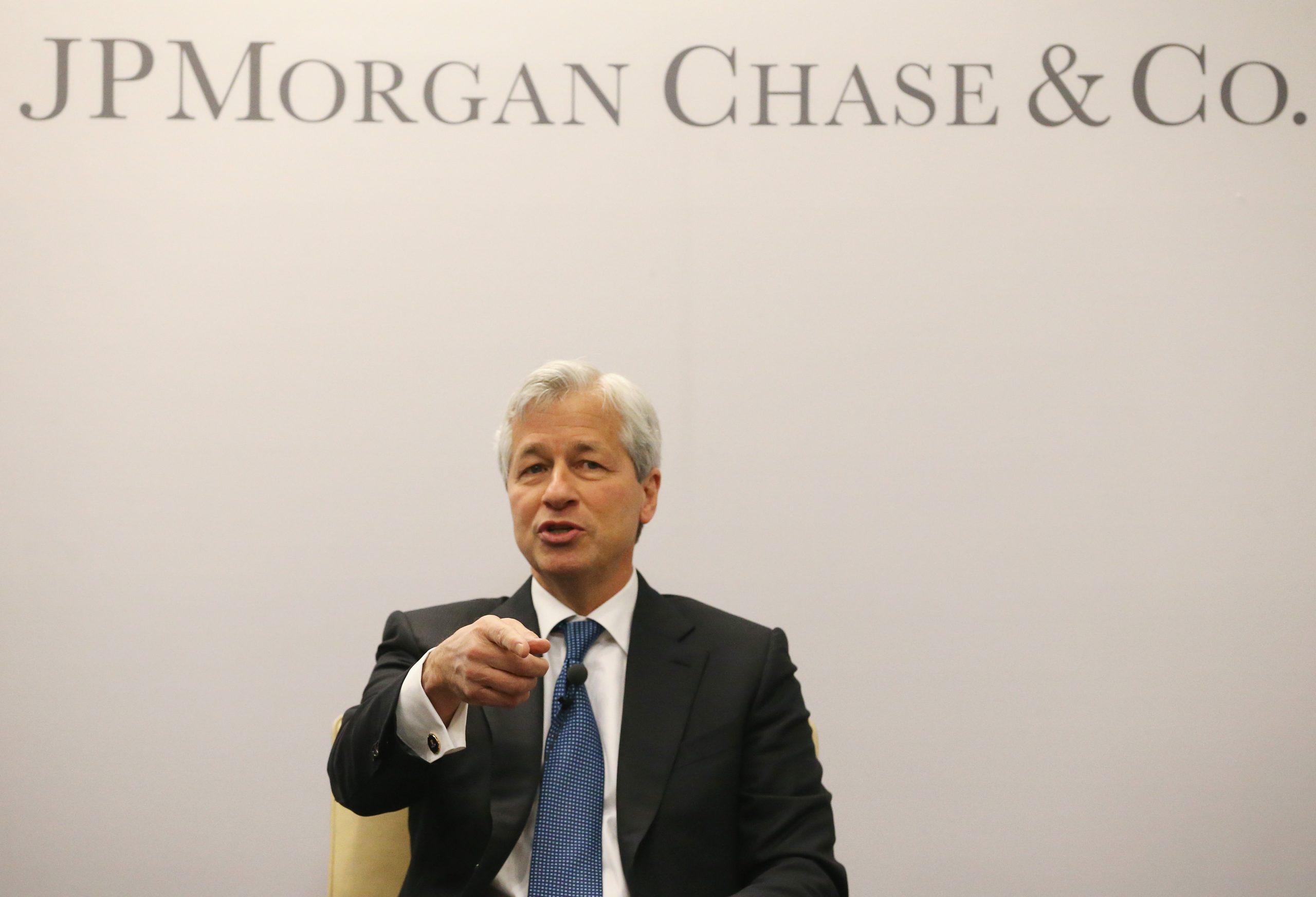
JP Morgan Chase puts contents through its CEO account, it goes viral. But the same content via JPMC account, no one cares (WSJ)

JPMorgan has issued a stark warning that President Donald Trump’s newly proposed tariffs if fully implemented, could drive both the U.S. and the global economy into recession.

The financial institution’s latest analysis points to significant economic risks associated with the policy, which would raise the effective U.S. tariff rate to 25%, the highest level in decades.

The tariffs, which start at a baseline of 10% and go even higher for some countries, are expected to have wide-reaching consequences for inflation, economic growth, and international trade relations. According to JPMorgan, the tariff hikes would shave approximately 2.2% off U.S. GDP while adding nearly 2% to the consumer price index (CPI), exacerbating inflationary pressures at a time when the Federal Reserve is struggling to stabilize prices.

“We view the full implementation of these policies as a substantial macroeconomic shock not currently incorporated in our forecasts,” said Nora Szentivanyi, global economist at JPMorgan. “This shock will likely be magnified by its impact on sentiment and through the retaliation of countries facing significant increases in their tariff rates.”

Immediate Impact: Stock Market Plunges as Investors Panic

The immediate fallout from Trump’s tariff announcement was evident on Wall Street. The Dow Jones Industrial Average futures plummeted by more than 1,200 points on Thursday morning as fears of a global trade war sent shockwaves through financial markets. Investors, already wary of economic uncertainty, responded with a broad selloff that saw major indices tumble.

The technology sector was hit the hardest. Companies such as Apple, Microsoft, and Nvidia saw their stock values decline sharply, with Apple losing nearly 5% in pre-market trading. Tech firms are particularly vulnerable to tariffs because many of their components and final products are manufactured in China or sourced from other international suppliers. The new tariffs threaten to drive up production costs, disrupt supply chains, and dampen demand for high-priced consumer electronics.

Semiconductor companies, which rely heavily on Chinese markets, also suffered significant losses. Shares of Nvidia and AMD each dropped more than 6% as investors worried about retaliatory measures from China that could restrict access to critical materials like rare earth elements—key components in chip manufacturing.

Retaliation Looms as China, EU, and Others Prepare Countermeasures

The global response to Trump’s tariff policy has been swift. China, the European Union, and other major U.S. trading partners are already gearing up for retaliatory measures, a move economists warn could accelerate the path toward a global recession.

China’s Ministry of Commerce issued a statement calling the tariffs “unacceptable” and vowing a “strong response” that could include levies on American exports, restrictions on key commodities, and potential curbs on business operations for U.S. companies in China. The EU has also signaled it is preparing countermeasures, with European Commission officials warning that U.S. exports such as automobiles and agricultural products could be targeted.

The economic fallout from retaliatory tariffs could be particularly damaging for American farmers and manufacturers, who rely heavily on exports to markets such as China and Europe. Soybean producers, already reeling from previous trade disputes, could face further losses if Beijing imposes new tariffs on U.S. agricultural goods. The auto industry, another key player in international trade, is also at risk, with European tariffs on U.S.-made cars potentially leading to job losses and production cuts.

Economists Fear Global Recession as Trade War Escalates

JPMorgan’s analysis suggests that if these tariffs remain in place for an extended period, the risks of a full-blown global recession will become increasingly likely.

“We thus emphasize that these policies, if sustained, would likely push the US and global economy into recession this year,” Szentivanyi added.

The firm’s report highlights the dangers of a worldwide economic slowdown, particularly as global supply chains remain fragile following years of pandemic-related disruptions.

The impact of a trade war will not be limited to the U.S. and its primary trade partners. Emerging markets, which rely on stable trade conditions for growth, could see a sharp contraction in economic activity as uncertainty grips international financial markets. The tariffs could also worsen inflationary pressures worldwide, making it more difficult for central banks to manage monetary policy effectively.

However, JPMorgan has yet to revise its official economic forecasts, as Szentivanyi stated that the firm is waiting to see how Trump’s tariff policies are implemented in the coming weeks. However, given the severity of the potential economic shock, market analysts are already preparing for a turbulent period ahead.

The uncertainty surrounding Trump’s tariff strategy is already causing unease among investors, business leaders, and policymakers. As global markets react to the potential fallout, the risk of an economic downturn looms larger than ever.