DD
MM
YYYY

PAGES

DD
MM
YYYY

spot_img

PAGES

Home Blog Page 1564

Pakistan Cryptocurrency Council And Quest to Integrate Blockchain into Its Financial Systems

0

Pakistan has recently taken a significant step toward integrating blockchain technology and digital assets into its financial system by establishing the Pakistan Cryptocurrency Council (PCC). The council, officially launched in March 2025, is tasked with regulating, promoting, and incorporating blockchain and cryptocurrency innovations into the country’s economic framework. This move reflects Pakistan’s ambition to align with global trends in digital finance while addressing challenges such as financial security, regulatory compliance, and economic growth.

The PCC is chaired by Finance Minister Muhammad Aurangzeb and includes key figures such as the Governor of the State Bank of Pakistan, the Chairman of the Securities and Exchange Commission of Pakistan, the Federal Law Secretary, and the Federal IT Secretary. This diverse leadership structure is designed to ensure a balanced approach, combining expertise in regulatory oversight, financial stability, legal frameworks, and technological advancements. Bilal bin Saqib, appointed as Chief Advisor to the finance minister and CEO of the PCC, has emphasized the council’s broader mission to foster an ecosystem where blockchain and digital finance can thrive, rather than focusing solely on regulation.

The council’s priorities include establishing clear regulatory guidelines to facilitate cryptocurrency adoption, engaging with international blockchain organizations to adopt best practices, and promoting responsible innovation. A key area of focus is leveraging blockchain technology to streamline processes such as remittances, given Pakistan’s position as one of the top recipients of remittances globally, with over $31 billion received in 2023-24. Blockchain could reduce costs and improve the speed of these cross-border transactions, which are often slow and expensive through traditional channels.

This development marks a shift from Pakistan’s earlier cautious stance on cryptocurrencies, which included a 2018 ban by the State Bank of Pakistan on financial institutions facilitating crypto transactions. Despite the ban, Pakistan has seen significant crypto adoption, ranking high on global crypto adoption indices, driven by a young, tech-savvy population and the use of digital assets to hedge against inflation and economic volatility.

The establishment of the PCC signals a more progressive approach, though challenges such as ensuring compliance with anti-money laundering standards and addressing illegal crypto outflows remain critical concerns. While the PCC’s formation is a promising step, its success will depend on its ability to balance innovation with robust regulation, protect investors, and navigate the complexities of integrating blockchain into a developing economy. The council’s efforts to collaborate with fintech startups, investors, and blockchain developers will be crucial in positioning Pakistan as a competitive player in the global digital economy.

Pakistan is one of the top remittance-receiving countries globally, with inflows exceeding $31 billion annually. Blockchain-based solutions can reduce transaction costs, which often range from 5-7% through traditional channels, and speed up transfer times. This could save millions for Pakistani expatriates and their families, boosting disposable income and stimulating economic activity. By fostering a blockchain ecosystem, the PCC could attract investments in fintech startups, create jobs in technology development, and position Pakistan as a hub for blockchain innovation in South Asia. This could diversify the economy, which is heavily reliant on agriculture, textiles, and remittances.

Without proper regulation, cryptocurrencies could exacerbate economic instability, especially in a country prone to inflation and currency depreciation. Unregulated crypto outflows could weaken the Pakistani rupee further, while speculative trading could lead to financial losses for inexperienced investors. The creation of the PCC marks a significant policy shift from Pakistan’s earlier ban on cryptocurrencies to a more progressive regulatory framework. This could set a precedent for other developing nations, demonstrating how to balance innovation with financial security.

Pavel Durov Granted Bail in France and Travelled to Dubai

0

A French court has granted permission for Pavel Durov, the founder of Telegram, to leave France and travel to Dubai. This decision, made on March 13, 2025, temporarily modifies the conditions of his judicial supervision, allowing him to depart the country for several weeks. Durov had been under restrictions following his arrest in August 2024 at Le Bourget Airport near Paris, where he faced charges related to alleged criminal activities on Telegram, including facilitating illegal content. He was released on a €5 million bail but was initially barred from leaving France. The court’s decision to allow his travel has sparked discussions about jurisdiction, privacy, and the responsibilities of tech leaders, particularly given Dubai’s lack of extradition agreements with many countries.

Dubai’s legal system is a complex and dynamic framework that reflects the emirate’s unique position as a global business hub within the United Arab Emirates (UAE). It operates as part of the UAE’s federal structure but maintains significant autonomy, allowing it to develop a distinct judicial system tailored to its economic and cultural needs. The backbone of Dubai’s legal system, like the broader UAE, is based on civil law principles, heavily influenced by French, Roman, and Egyptian legal systems. This is evident in the codification of laws, where statutes and codes serve as the primary sources of law, rather than judicial precedents, as is common in common law jurisdictions.

Legislative codes cover areas such as civil transactions, commercial activities, and criminal law. Sharia law plays a significant role, particularly in personal status matters (e.g., marriage, divorce, inheritance, and custody) for Muslims, as well as in certain criminal and financial contexts. The UAE constitution designates Sharia as a principal source of legislation, and Dubai’s courts apply Sharia principles where codified laws are silent or ambiguous.

Dubai introduced common law systems in specific financial free zones, such as the Dubai International Financial Centre (DIFC). These zones operate under a legal framework modeled on English common law, with their own courts, laws, and judges, primarily to cater to international businesses and investors familiar with common law jurisdictions. This creates a dual legal structure within Dubai, distinguishing it from other emirates. Dubai’s judicial system operates independently of the UAE federal judiciary, a choice permitted under the UAE constitution, which allows emirates to either join the federal court system or maintain their own local courts. Dubai, along with Abu Dhabi and Ras Al Khaimah, opted for the latter, establishing its own judicial framework.

The Dubai Courts, also known as the “onshore” courts, handle most civil, criminal, and personal status cases outside the free zones. These courts operate under a three-tier hierarchy: This is the primary trial court, divided into specialized divisions, including civil, criminal, commercial, real estate, labor, and personal status courts. Cases are typically heard by a single judge, though larger claims (e.g., over AED 10 million) may involve a panel of three judges. This court hears appeals from the Court of First Instance. Appeals must generally be filed within 30 days and are reviewed on both factual and legal grounds. A panel of three judges presides over cases.

As the highest court in Dubai, the Court of Cassation hears final appeals, but only on matters of law, not fact. Its decisions are binding on lower courts, though Dubai’s system does not formally recognize judicial precedent as binding in the common law sense. The Court of Cassation also supervises lower courts to ensure consistent application of the law. The Dubai Courts operate in Arabic, and all proceedings, filings, and judgments are conducted in the local language, requiring translation services for non-Arabic speakers. Legal representation must be provided by advocates licensed to practice in Dubai’s courts.

The DIFC Courts represent a parallel judicial system within Dubai, established to serve the DIFC, a financial free zone. These courts operate under a common law framework, with laws largely based on English law, and proceedings conducted in English. The DIFC Courts have exclusive jurisdiction over civil and commercial disputes involving DIFC entities, contracts performed within the DIFC, or cases where parties have opted into DIFC jurisdiction via contract. They do not handle criminal or personal status matters.

The DIFC Courts are divided into the Small Claims Tribunal (SCT) for claims under AED 500,000, the Court of First Instance, and the Court of Appeal. The Court of Appeal is the final authority within the DIFC, though jurisdictional disputes between DIFC and Dubai Courts may be referred to a Joint Judicial Committee. Unlike the Dubai Courts, the DIFC Courts rely on judicial precedents, allowing for a more predictable legal environment for international businesses. They also have the power to issue interim remedies, such as injunctions, which are not available in the Dubai Courts.

In the mainland Dubai Courts, judicial precedents are not formally binding, unlike in common law systems. However, decisions of the Court of Cassation are highly persuasive and often followed by lower courts, particularly on points of law. In contrast, the DIFC Courts operate on a precedent-based system, where higher court rulings are binding on lower courts, providing greater legal certainty for businesses. The Dubai Courts follow an inquisitorial approach, typical of civil law systems, where judges play an active role in investigating cases, appointing experts, and determining facts. This contrasts with the adversarial system in the DIFC Courts, where parties and their legal representatives drive the proceedings, and judges act as neutral arbiters.

The Dubai Courts have limited powers to grant interim remedies, such as injunctions, though they can issue precautionary measures like asset attachments or travel bans to preserve the status quo. The DIFC Courts, however, have broader powers, including the ability to issue injunctions, summary judgments, and other interim relief, making them more attractive for complex commercial disputes. Dubai has positioned itself as a hub for international arbitration, with institutions like the Dubai International Arbitration Centre (DIAC) offering alternative dispute resolution mechanisms. Arbitration is particularly popular among businesses seeking to avoid the formalities of court proceedings, and arbitral awards can be enforced through both Dubai and DIFC Courts, subject to certain conditions.

In the DIFC Courts, however, international lawyers can appear, provided they are registered with the DIFC, making it easier for foreign businesses to access legal services. Dubai’s legal system is designed to support its role as a global economic hub, balancing traditional values with modern commercial needs. As part of the UAE, Dubai is subject to federal laws in areas like immigration, labor, and criminal law, enacted by the federal legislature and overseen by the Federal Supreme Court in Abu Dhabi. However, Dubai has autonomy to enact local laws, particularly in areas like property, commerce, and free zone regulations, which are not reserved for federal jurisdiction.

Beyond the DIFC, Dubai hosts numerous free zones (e.g., Jebel Ali Free Zone, Dubai Multi Commodities Centre) with their own regulatory frameworks, often offering tax incentives and simplified business setup processes. While most free zones do not have their own courts, disputes may be referred to the Dubai Courts or, by agreement, the DIFC Courts. Dubai has implemented reforms to enhance its legal system’s appeal to investors, such as electronic case management systems, online marriage services, and the decriminalization of certain offenses (e.g., alcohol consumption in 2020). These changes reflect a pragmatic approach to balancing Sharia principles with global business practices.

The coexistence of Dubai Courts and DIFC Courts has led to jurisdictional disputes, particularly over the enforcement of judgments. The establishment of the Joint Judicial Committee in 2016 aimed to resolve such conflicts, but complexities remain. Non-Arabic speakers and those unfamiliar with civil law or Sharia principles may find the Dubai Courts challenging to navigate, due to language barriers and differing legal philosophies. This underscores the importance of local legal expertise. The legal system has faced scrutiny over issues like freedom of expression, with strict cybercrime laws criminalizing criticism of the government or religion, and the application of Sharia-based punishments in certain cases, though these are rare in practice.

Best Cryptos To Buy Now: Top 5 Cryptos To Watch For A Strong Market Recovery And Future Growth Potential

0

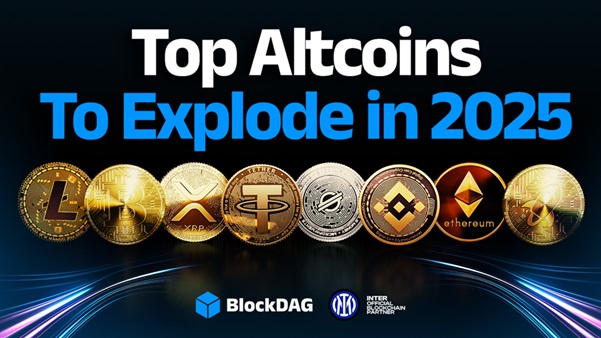
The cryptocurrency market is going through a period of sharp fluctuations, with widespread sell-offs creating uncertainty among traders. While declining prices may seem concerning, they also present opportunities for those looking to enter the market or expand their portfolios at lower valuations. Historically, market downturns have set the stage for significant rebounds, making it crucial to identify assets with strong potential now.

Some cryptocurrencies show resilience, backed by solid fundamentals, growing adoption, and active ecosystems. These factors position them well for a strong recovery when market sentiment shifts. Buyers seeking long-term gains should focus on projects with robust use cases and clear roadmaps. Below, we explore the top cryptocurrencies worth considering, each offering unique advantages and the potential for significant growth in the next market upswing.

BlockDAG: A High-Performance Blockchain

BlockDAG (BDAG) stands out as one of the best cryptos to buy now, thanks to its cutting-edge Directed Acyclic Graph (DAG) technology. Unlike traditional blockchains, BlockDAG enables parallel transaction processing, ensuring faster speeds and lower fees. This scalability makes it a strong contender for mainstream adoption, offering a more efficient solution for decentralized applications and payments.

The project’s presale has been a massive success, surpassing $202.5 million in funding. The current presale price of $0.0248 per BDAG marks an impressive 2,380% increase from its initial offering, signaling strong trading confidence. With the presale currently in batch 27, early adopters continue to capitalize on this promising opportunity.

Beyond fundraising, BlockDAG is preparing for a major leap forward. The team plans to launch its mainnet in 2025 and list 10 leading centralized exchanges, a move that will significantly enhance liquidity and visibility. Another key innovation driving adoption is  BlockDAG’s X1 Miner app, allowing users to mine BDAG coins directly on their smartphones. With over 500,000 downloads, the app is expanding BlockDAG’s global reach.

With its scalable architecture, strong market momentum, and upcoming developments, BlockDAG remains a top contender for those looking to buy high-potential cryptocurrencies.

Avalanche: Expanding Utility for a Strong Market Recovery

Avalanche (AVAX) is positioning itself for a potential resurgence as market conditions improve. Currently trading at $21.64, AVAX is leveraging strategic initiatives to strengthen its ecosystem and drive wider adoption.

One notable development is the Avalanche Card, launched in partnership with Rain, allowing AVAX holders to spend their tokens via a Visa crypto card. This real-world utility enhances the asset’s accessibility and adoption in everyday transactions.

Additionally, market analysts are observing a bullish divergence in Avalanche’s price trend, hinting at a potential rally toward $24. With its expanding use cases and promising technical outlook, Avalanche remains a strong contender among the best cryptos to buy now as market sentiment shifts positively.

Litecoin: A Reliable Crypto with Long-Term Growth Potential

Litecoin (LTC) remains a trusted and stable asset in the crypto market, currently trading at $105.81. Known as the “silver to Bitcoin’s gold,” Litecoin offers faster transactions and lower fees, making it an ideal choice for everyday payments. Its strong market presence and wide acceptance across payment platforms reinforce its credibility as a long-term trading option.

As the market moves toward recovery, Litecoin’s resilience and steady growth make it a top contender among the best cryptos to buy now. Its history of enduring market fluctuations while maintaining a consistent upward trajectory highlights its long-term strength. For buyers seeking a balance between stability and growth, Litecoin remains a solid option.

Celestia: A Modular Blockchain Driving Scalability

Celestia (TIA) is emerging as a promising choice among the best cryptos to buy now, thanks to its innovative modular blockchain architecture. Currently trading at $3.32, Celestia separates consensus and data availability layers, enabling developers to build customizable and highly scalable blockchains. This approach addresses a key challenge in blockchain technology, making Celestia a valuable asset in the growing sector.

Market analysts predict a bullish outlook, with forecasts suggesting TIA could reach $17.84 to $21.22 by the end of 2025. As demand for scalable and flexible blockchain solutions rises, Celestia’s unique technology positions it for significant adoption and long-term growth, making it an attractive option for forward-thinking traders.

Injective: A Leading Force in DeFi and Derivatives Trading

Injective (INJ) is making waves in the decentralized finance (DeFi) sector, offering a high-speed, zero-gas fee trading experience. Currently priced at $12.01, Injective is gaining traction as a powerful decentralized trading platform, particularly in derivatives markets, where efficiency is key.

Its unique approach to DeFi and cost-effective transactions position it as a strong contender among the best cryptos to buy now. With a growing emphasis on advanced trading tools and seamless execution, Injective is set for increased adoption as the market stabilizes. For traders seeking exposure to the expanding DeFi ecosystem, Injective’s innovative infrastructure offers a compelling opportunity for long-term growth.

Positioning for Future Gains with the Best Cryptos to Buy Now

Amid the current market situation, identifying the best crypto to buy now can provide a strategic edge for future growth. BlockDAG stands out with its scalable DAG technology and impressive presale success, offering both innovation and value. Meanwhile, Avalanche and Litecoin present a compelling mix of stability and long-term growth, appealing to risk-conscious traders.

For buyers who seek cutting-edge opportunities, Celestia’s modular blockchain enhances scalability, while Injective’s DeFi-centric approach expands financial possibilities in decentralized trading. By carefully selecting high-potential assets, traders can position themselves for substantial returns when the market rebounds. While conditions remain uncertain, acting decisively now could unlock future gains in the next bullish cycle.

Iran’s Crypto Strategies Reveal a Pragmatic State Centric Approach to Digital Finance

0

Iran’s cryptocurrency strategies have evolved significantly in recent years, driven by the need to navigate stringent U.S. and international sanctions, stabilize its economy, and adapt to global financial trends. These strategies can be broadly categorized into efforts to bypass sanctions, regulate domestic crypto markets, and explore state-backed digital currencies, all while managing economic and geopolitical challenges. Iran has leveraged cryptocurrencies as a tool to evade U.S. sanctions, which have severely restricted its access to the global financial system, particularly for oil exports and international trade.

By using decentralized digital assets, Iran can conduct cross-border transactions without relying on traditional banking networks dominated by the U.S. dollar. For instance, Iran has used cryptocurrencies to facilitate imports, such as a notable $10 million import order in 2022, and to settle trade with partners like Russia, China, and Turkey. This approach allows Iran to convert its energy resources—abundant oil and natural gas—into digital assets, which are then used to purchase goods or services globally. The pseudonymous nature of cryptocurrencies, while not fully anonymous, provides a layer of obfuscation that complicates sanctions enforcement, though it also raises compliance risks for international partners wary of U.S. penalties.

This strategy, however, is not without challenges. The volatility of cryptocurrencies like Bitcoin poses risks to trade stability, and many potential trade partners lack legal frameworks to accept crypto payments, forcing Iran to rely on intermediaries in crypto-friendly jurisdictions or proxy companies. Moreover, the U.S. has intensified efforts to monitor and sanction crypto-related activities, targeting exchanges and entities that facilitate transactions with sanctioned jurisdictions, as seen in actions against platforms like Binance, which processed billions in Iranian transactions despite sanctions.

Iran has capitalized on its cheap, subsidized electricity—derived from its vast oil and gas reserves—to become a significant player in Bitcoin mining, accounting for an estimated 4.5% of global mining activity at its peak. This strategy serves dual purposes: generating revenue and bypassing sanctions. By mining Bitcoin, Iran converts its energy surplus into a digital asset that can be used internationally, effectively “exporting” energy in the form of cryptocurrency without triggering sanctions on oil exports. The government has formalized this approach by legalizing mining in 2019, requiring miners to obtain licenses, pay higher electricity tariffs, and sell mined Bitcoin to the Central Bank of Iran (CBI) for use in state-sanctioned trade.

However, this strategy has faced domestic challenges, including power shortages exacerbated by illegal mining operations, which have strained Iran’s electricity grid, especially during heatwaves. The government has responded with crackdowns on unlicensed miners and even offered bounties for reporting illegal activities, but these measures highlight the tension between economic necessity and infrastructure limitations. Additionally, the involvement of Chinese mining firms, attracted by cheap energy, has raised concerns about foreign influence and potential sanctions risks for international financial institutions engaging with Iranian crypto transactions.

Iran’s domestic cryptocurrency market has seen significant growth, with estimates suggesting up to 22% of the population owns or uses crypto, driven by economic instability, rampant inflation, and a plummeting rial. Cryptocurrencies, particularly stablecoins like Tether (USDT), are used by ordinary Iranians to hedge against inflation, make international purchases, and move capital abroad, especially as sanctions restrict access to traditional financial services. The CBI has imposed strict regulations to control this market, including banning rial-to-crypto conversions on domestic exchanges at various points, most recently in late 2024, to prevent capital flight and further depreciation of the rial, which hit a record low of over 940,000 to the U.S. dollar in early 2025.

The government has also introduced a licensing regime for crypto exchanges and over the counter (OTC) desks, requiring transparency in transactions and invasive data-sharing on users, which has drawn objections from the Iran Fintech Association over privacy concerns. Major domestic exchanges like Nobitex, which handles the majority of Iranian crypto volume, are subject to these regulations, while smaller exchanges have faced closures or compliance pressures. These measures reflect a broader strategy to integrate cryptocurrencies into a state-controlled financial system, balancing economic necessity with the need to maintain oversight and prevent sanctions evasion from being traced back to state actors.

Iran has explored the creation of a national digital currency, the “digital rial,” as part of its cryptocurrency strategy. Launched in a pilot phase on Kish Island in 2024, this CBDC aims to enhance state control over digital transactions, reduce reliance on volatile global cryptocurrencies, and potentially facilitate sanctioned trade. Unlike decentralized cryptocurrencies, the digital rial is centrally issued and backed by the CBI, mirroring the traditional rial’s value, and is intended to replace cash in electronic transactions.

This move aligns with global trends, such as China’s digital yuan, but is primarily geared toward reinforcing state authority rather than fostering financial decentralization. The effectiveness of the digital rial remains uncertain, as its pilot phase has been criticized as unproductive, and its utility for international trade is limited by the same sanctions that hinder traditional banking. Furthermore, the digital rial’s centralized nature contradicts the original ethos of cryptocurrencies, potentially alienating domestic users who value decentralization as a hedge against government control.

The U.S. withdrawal from the Joint Comprehensive Plan of Action (JCPOA) in 2018 and subsequent reimposition of sanctions intensified Iran’s economic isolation, pushing it toward alternative financial systems. The government’s crypto policies are also influenced by deteriorating economic conditions—marked by a widening budget deficit, escalating regional conflicts, and the weakening of its “axis of resistance”—as well as the need to counter U.S. policies, such as the “maximum pressure” campaign under President Donald Trump.

Iran’s collaboration with BRICS nations, particularly Russia and China, to develop payment mechanisms outside the U.S. dollar system, including potential stablecoin or CBDC-based trade settlements, further underscores its strategic shift toward digital finance. However, these strategies carry significant risks. The U.S. and its allies closely monitor Iran’s crypto activities, raising the specter of secondary sanctions on entities that facilitate Iranian transactions, as evidenced by past actions against exchanges and individuals. Domestically, the government’s heavy-handed regulation and restrictions on crypto use have sparked resistance from the fintech community and ordinary citizens, who see cryptocurrencies as a lifeline in a sanctions-stricken economy.

Iran’s cryptocurrency strategies reveal a pragmatic, state-centric approach to digital finance, prioritizing sanctions evasion and economic survival over the decentralized ethos of cryptocurrencies. While innovative, these strategies are not a panacea. The reliance on volatile assets like Bitcoin for trade introduces financial risks, and the domestic crypto market’s growth is constrained by regulatory overreach and infrastructure challenges. Moreover, Iran’s strategies may reinforce the narrative of cryptocurrencies as tools for illicit finance, fueling global regulatory crackdowns that could undermine their utility for sanctioned states.

Iran’s crypto policies challenge the U.S.-led financial order, but their success depends on the cooperation of trade partners and the ability to navigate an increasingly hostile regulatory environment. The involvement of ordinary Iranians in crypto markets, often out of necessity rather than ideology, underscores the humanitarian dimension of sanctions, raising ethical questions about the collateral impact of such measures on civilians. Ultimately, Iran’s experiment with cryptocurrencies is a high-stakes gamble, balancing economic innovation against geopolitical risks and domestic stability.

21Shares Announces Liquidations to Two of Its Bitcoin ETFs

0

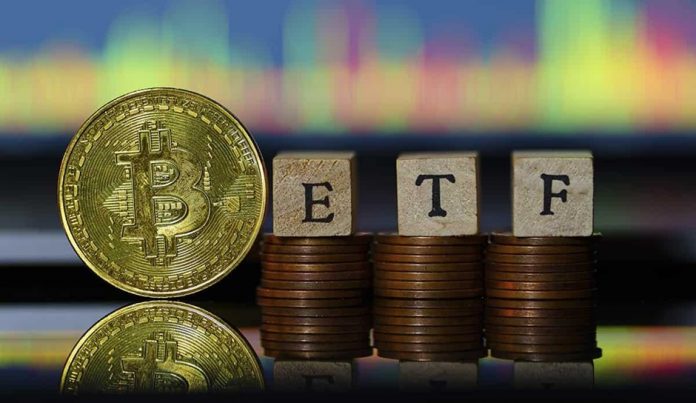
21Shares, a prominent crypto exchange-traded fund (ETF) issuer, has announced plans to liquidate two of its futures-based ETFs, specifically the ARK 21Shares Active Bitcoin Ethereum Strategy ETF and the ARK 21Shares Active On-Chain Bitcoin Strategy ETF. This decision, set to take effect with a tentative liquidation date of March 28, 2025, follows a period of significant outflows in the ETF market, reflecting broader shifts in institutional investment sentiment. The last day for shareholders to sell their holdings in these ETFs is March 27, 2025, after which remaining shareholders will receive a liquidating distribution proportional to their ownership.

The move comes amid a challenging market environment, with recent reports highlighting substantial outflows from spot Bitcoin ETFs, totaling over $1.66 billion, alongside declining premiums in futures-based products. While 21Shares cited a routine review of its product lineup and the need to adapt to evolving market dynamics as the basis for this decision, industry observers suggest the liquidations are likely driven by reduced investor demand, heightened competition from spot ETFs, and the high costs of maintaining futures-based products in a volatile market.

The liquidation of 21Shares’ ETH and BTC futures ETFs—namely the ARK 21Shares Active Bitcoin Ethereum Strategy ETF and the ARK 21Shares Active On-Chain Bitcoin Strategy ETF—has several potential impacts across investors, the ETF market, and the broader cryptocurrency ecosystem. Investors holding shares in these ETFs will face the liquidation process, with the last day to sell their shares on the open market being March 27, 2025. After this date, remaining shareholders will receive a liquidating distribution proportional to their holdings, which may not necessarily reflect the market value of the underlying assets due to transaction costs, market volatility, or inefficiencies in the liquidation process.

Investors may incur losses if the liquidation value is lower than their initial investment, especially if the market experiences downturns leading up to the liquidation date. The liquidation may trigger taxable events for investors, particularly if they realize capital gains or losses upon selling their shares or receiving the liquidating distribution. This could be a significant consideration for investors in jurisdictions with capital gains taxes. Investors who relied on these ETFs for exposure to BTC and ETH futures will need to seek alternative investment vehicles, such as spot ETFs, other futures-based ETFs, or direct cryptocurrency investments. This could lead to additional transaction costs and potential shifts in risk exposure.

The liquidation reflects broader challenges in the futures-based ETF market, particularly for cryptocurrencies. Recent outflows of over $1.66 billion from spot Bitcoin ETFs and declining premiums in futures-based products suggest waning institutional demand for these types of investment vehicles. This could signal a shift in investor preference toward spot ETFs, which offer more direct exposure to cryptocurrency price movements without the complexities of futures roll costs. The ETF market, especially for cryptocurrencies, is becoming increasingly competitive. Spot ETFs, which have lower management fees and avoid the complexities of futures contracts, are gaining traction.

The decision could put pressure on other issuers of futures-based crypto ETFs to justify their products’ value propositions. If investor demand continues to decline, other similar ETFs may also face liquidation, potentially consolidating the market around spot ETFs and other innovative products. While the liquidation highlights challenges, it also underscores the dynamic nature of the ETF market. Issuers like 21Shares may redirect resources toward developing new products that better align with investor preferences, such as spot ETFs, multi-asset crypto ETFs, or products tied to emerging blockchain technologies.

The liquidation of these ETFs could be perceived as a setback for the institutional adoption of cryptocurrencies, particularly through regulated investment products. Critics of crypto ETFs may point to this as evidence of limited demand or structural issues, potentially dampening enthusiasm for similar products in the short term. The challenges faced by futures-based ETFs may accelerate the shift toward spot ETFs, which are seen as more straightforward and cost-effective. This could increase pressure on regulators, particularly in the U.S., to approve additional spot ETH and BTC ETFs, potentially broadening access to crypto investments for retail and institutional investors.

While the liquidation of these ETFs is unlikely to directly cause significant price movements in BTC or ETH, it could contribute to broader market sentiment. If investors interpret the liquidation as a sign of reduced institutional interest, it could exacerbate bearish trends in the crypto market, particularly in an already volatile environment. The liquidation may draw attention to the regulatory challenges of offering futures-based crypto ETFs, such as the high costs of compliance, the complexity of futures contracts, and the need for investor education. Regulators may use this as a case study to refine their approach to approving and overseeing crypto ETFs, potentially influencing future product launches.

While the liquidation is framed as a strategic decision based on a routine product review, it could raise questions about 21Shares’ and ARK Invest’s ability to anticipate market trends and sustain investor interest in their crypto ETF offerings. However, the impact on their reputation is likely to be limited, given the broader market challenges and their continued presence in the ETF space. The liquidation allows 21Shares and ARK Invest to reallocate resources toward more viable products, such as spot ETFs or other innovative investment vehicles.

The liquidation may result in short-term financial losses for 21Shares, including costs associated with winding down the ETFs and potential redemptions. However, exiting underperforming products could improve their overall financial health by reducing operational costs and focusing on higher-demand offerings. The liquidation is part of the natural maturation of the crypto ETF market, where products that fail to attract sufficient assets under management (AUM) or meet investor needs are phased out. This Darwinian process is common in the ETF industry and could lead to a more robust and efficient market over time.

The shift away from futures-based ETFs highlights evolving investor preferences, particularly a demand for lower costs, greater transparency, and direct exposure to underlying assets. This trend could influence not only crypto ETFs but also other asset classes, encouraging issuers to innovate and adapt. While this liquidation pertains to U.S.-listed ETFs, it could influence sentiment in other markets where 21Shares operates, such as Europe, where the firm has a strong presence in crypto ETPs (exchange-traded products). Investors and regulators in other jurisdictions may closely monitor these developments to assess the viability of similar products.

The liquidation of 21Shares’ ETH and BTC futures ETFs is a significant event that reflects broader challenges and opportunities in the crypto ETF market. While it poses immediate challenges for investors and may signal short-term headwinds for futures-based products, it also highlights the dynamic nature of the ETF industry and the potential for innovation. For the broader cryptocurrency ecosystem, the shift toward spot ETFs and other investment vehicles could ultimately enhance accessibility and adoption, provided regulatory and market conditions continue to evolve favorably.