DD
MM
YYYY

PAGES

DD
MM
YYYY

spot_img

PAGES

Home Blog Page 1589

BlockDAG’s Beta Testnet Goes Live With $6K Rewards in BDAG— Solana Gains Polymarket Hype and ADA Battles EMA Resistance

0

Real testing backed by real rewards changes the game. While Solana and Cardano aim to improve their market positions through platform tie-ins and chart patterns, BlockDAG (BDAG) is choosing a different direction—one that gives back to those taking part.

Solana’s engagement with Polymarket and Cardano’s attempt to break past resistance contrast with BlockDAG’s decision to introduce $6,000 in BDAG rewards to encourage direct participation. This method doesn’t just welcome user involvement—it relies on it. With smart contract features already live and presale proceeds hitting $209.5 million, BlockDAG is showing that true activity leads to more than market talk.

Polymarket’s Solana Integration Sets Stage for $170M Growth

Polymarket, a major crypto prediction platform, has added support for Solana (SOL) deposits, improving speed and lowering costs for its users. This decision uses Solana’s fast and low-fee blockchain to create an appealing option compared to Ethereum’s slower, pricier network.

The move is expected to bring in more users to Polymarket, boosting liquidity on the platform. It also confirms Polymarket’s push toward supporting multiple chains, allowing it to stay competitive in Web3 spaces.
As for SOL’s performance, the coin has shown strength. After facing resistance at $144, it found support around $138. Indicators such as the RSI reaching oversold levels suggest sellers may be losing control. If SOL stays above $138, it might retest $141–$142 and could climb back into the $144–$146 range.

ADA Hints at Breakout Possibilities Amid Tight Trading Range

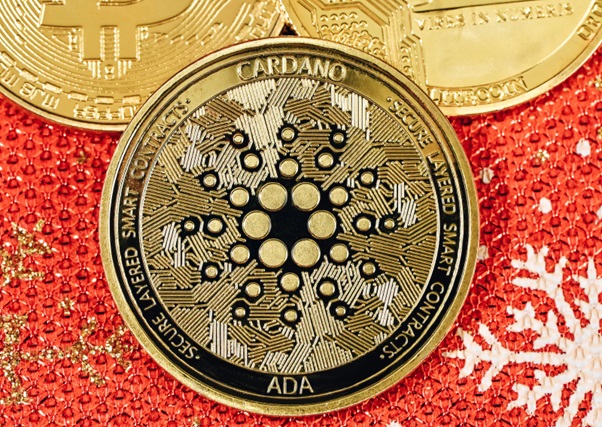
Cardano’s ADA has been moving within a narrow window of $0.695 to $0.75, showing signs of price stability. A daily candle close above $0.756 could open the door to a 12% increase toward $0.85. On the other hand, if ADA dips below $0.69, it might slide to $0.65.

From a technical angle, ADA is currently pushing against the 200-day Exponential Moving Average (EMA), a known resistance zone. Still, sentiment in the market leans positive, with $17 million locked in long positions. A recent 40% surge in trading volume also points to increasing interest from market participants.

BlockDAG Beta Testnet Opens Real Earnings of $6,000 in BDAG

BlockDAG’s Beta “Primordial” Testnet isn’t just a glimpse of what’s coming—it gives users a way to earn BDAG rewards before the mainnet even launches. A total of $6,000 in BDAG is up for grabs. The top 10 most active wallets, the 10 highest-performing miner nodes, and the 10 wallets with the largest holdings will each receive $2,000 worth of BDAG, set at a value of $0.05 per coin. Crucially, these aren’t just trial tokens—winners will receive actual mainnet BDAG, offering real-world value.

For those building on the platform, this Testnet is more than just testing. It gives coders the chance to launch smart contracts, push scalability tests, and gain recognition. The system includes helpful tools such as a built-in IDE, block explorer, and full EVM compatibility to ensure a smooth development process.

This reward-based approach is driving wider momentum. BlockDAG’s crypto presale has already raised $209.5 million. Now in its 27th batch, BDAG’s price sits at $0.0248—an increase of 2,380% from its earliest phase. Over 19 billion coins have already been sold, showing strong participation and growing support behind the project.
Set to continue through May 31, the Beta Testnet is more than a trial—it gives users and builders a role to play before the full network goes live. Whether testing code or running nodes, those involved today are being directly rewarded for their early contributions.

Wrapping Up!

While Solana moves ahead with integrations and Cardano works through resistance levels, BlockDAG is bringing attention to what truly matters—hands-on action and real output.

By tying rewards directly to what people do on the testnet—and with over 19 billion BDAG coins sold so far—the project focuses on practical use instead of just future promises. With the May 31 cutoff getting closer, those building, mining, or testing aren’t sitting back—they’re actively helping shape what’s next. And in a space where results speak loudest, BlockDAG is giving people the tools to show what they can do.


Presale: https://purchase.blockdag.network

Website: https://blockdag.network

Telegram: https://t.me/blockDAGnetworkOfficial

Discord: https://discord.gg/Q7BxghMVyu
NEITI Recovers $4.85bn from Oil Companies, Raises Concerns Over Unpaid Liabilities Amid Nigeria’s Budget Deficit

0

The Nigeria Extractive Industries Transparency Initiative (NEITI) said it has successfully recovered $4.85 billion from unpaid liabilities owed by oil and gas companies in Nigeria, marking a significant step in the agency’s ongoing efforts to promote transparency and accountability in the extractive sector.

The recovered sum is part of a larger $8.26 billion in outstanding obligations identified in NEITI’s 2021 oil and gas audit report. However, despite this recovery, billions remain unpaid, raising concerns about revenue leakages and the financial burden on the government as it struggles to fund critical projects.

Speaking at a press conference in Abuja, NEITI’s Executive Secretary, Dr. Orji Ogbonnaya Orji, stated that while significant progress has been made in recovering funds, unresolved financial liabilities continue to pose a major challenge.

“So far, over $4.85 billion was recovered from the disclosures of $8.26 billion made by NEITI in its 2021 oil and gas report. In the 2023 industry reports released in September 2024, NEITI disclosed liabilities of $6.175 billion and N66.378 billion, showing a significant decline from the liabilities of the 2021 reports, yet worrisome because of the need for government to find resources to fund its 2025 budget,” Orji said.

He lamented that despite NEITI’s continuous efforts to ensure financial accountability, several oil and gas companies still default on their payments. He urged the Federal Inland Revenue Service (FIRS) and the Nigerian Upstream Petroleum Regulatory Commission (NUPRC) to adopt more stringent enforcement measures against defaulters to prevent further revenue losses.

“NEITI is therefore calling on relevant agencies responsible for collecting these revenues to do the needful and support our governments at all levels to provide the much-needed infrastructure for our citizens,” Orji stated.

To highlight the economic significance of these unpaid debts, Orji provided an analysis of how the funds could impact national development if fully recovered.

“Analyses of how these liabilities, when paid, could support the federal government’s domestic revenue mobilization reveals that the liabilities, when converted at N1,500 to one dollar, would amount to N9.33 trillion.

“The sum is more than the federal government’s total budget for health, education, agriculture, and food security, which totaled N8.73 trillion. Further analyses show that the sum is also more than the total budget for national security at N6.11 trillion, health at N2.48 trillion, and social welfare of N724 billion all put together. The liabilities can also knock off about 72% of the federal government’s budget deficit of N13 trillion for 2025,” he explained.

Orji stressed that the urgency of revenue recovery could not be overstated, as Nigeria faces mounting fiscal challenges. He called on relevant government agencies to ensure that oil companies meet their financial obligations, noting that improved revenue mobilization is essential for the country’s economic stability.

In a related development, NEITI announced plans to review a series of oil block divestments worth $6.03 billion, involving 26 assets sold by five International Oil Companies (IOCs). The divestments include major deals such as Shell’s $2.4 billion sale to Renaissance, ExxonMobil’s $1.28 billion transfer to Seplat, and TotalEnergies’ $860 million sale to Chappal Energies. Orji stated that these transactions are reshaping Nigeria’s oil and gas landscape, making it imperative to ensure that they are conducted transparently and in line with regulatory requirements.

“NEITI recognizes the urgent need for transparency in these transactions to protect national interests, host communities, and revenue flows. To achieve this, NEITI will expand industry reports to include dedicated sections on divestments and intensify collaboration with NNPC Ltd. and other government agencies to disclose forward sales data,” Orji said.

He explained that NEITI would work closely with the Nigerian Upstream Petroleum Regulatory Commission (NUPRC) and the Nigerian National Petroleum Company Limited (NNPC Ltd.) to oversee these divestments and ensure full disclosure of all financial, social, and environmental aspects of the transactions. The agency will expand its industry reports to include detailed sections on divestments while intensifying collaboration with government agencies to disclose forward sales data.

Beyond financial transparency, Orji raised concerns about the environmental impact of these divestments. He cautioned that some oil firms might have exited their operations without adequately addressing the environmental damage caused by their past activities.

“NEITI will work with regulatory agencies, including the Ministry of Environment, to ensure oil firms are held accountable for clean-up costs and remediation efforts,” Orji said.

He stressed that host communities must not be left to suffer the consequences of oil exploration and that proper clean-up efforts must be enforced before companies are allowed to complete their exits.

In addition to the divestment review, NEITI is set to examine Nigeria’s forward sales of crude oil, particularly transactions where oil is exchanged for loans. The decision comes amid growing concerns from local refineries about inadequate crude oil supply, which has affected domestic refining operations.

Providing a broader industry overview, Orji revealed that Nigeria had earned $831 billion from oil and gas revenues since NEITI began sector audits 23 years ago. He also disclosed that over $4.85 billion had been recovered from the disclosures of $8.26 billion made in NEITI’s 2021 oil and gas report.

“As we commence the 2024 Oil, Gas, and Solid Minerals Reports, we will expand our reporting framework to address forward sales and pre-export financing transactions,” he stated.

While acknowledging Nigeria’s progress in promoting transparency within the extractive sector, Orji noted that institutional constraints and funding limitations continue to pose challenges to achieving full accountability.

NEITI’s findings come at a time when the Nigerian oil industry is experiencing a shift, with IOCs exiting onshore and shallow-water operations due to security concerns.

Earlier this year, Shell completed the sale of its Nigerian onshore subsidiary, Shell Petroleum Development Company (SPDC), to Renaissance, a consortium of mostly local companies. The move was part of Shell’s broader strategy to focus on deepwater and integrated gas assets. Similarly, TotalEnergies sold its 10 percent stake in 15 oil mining leases and the Forcados and Bonny export terminals to Mauritius-based Chappal Energies for $860 million.

Experts attribute these exits to the growing insecurity and vandalism of oil infrastructure in the Niger Delta. With pipeline attacks and crude theft becoming more rampant, multinational oil companies have found it increasingly difficult to sustain onshore operations. This has led them to shift focus to offshore fields, where security risks are significantly lower.

NEITI’s latest report underscores the urgent need for stricter enforcement of financial accountability in Nigeria’s oil sector. With billions in unpaid obligations, the government faces a critical challenge in ensuring that oil companies fulfill their financial responsibilities while also addressing the economic consequences of IOC divestments.

Mali, Burkina Faso, and Niger Impose 0.5% Levy on ECOWAS Imports, Risking Economic Backlash

0
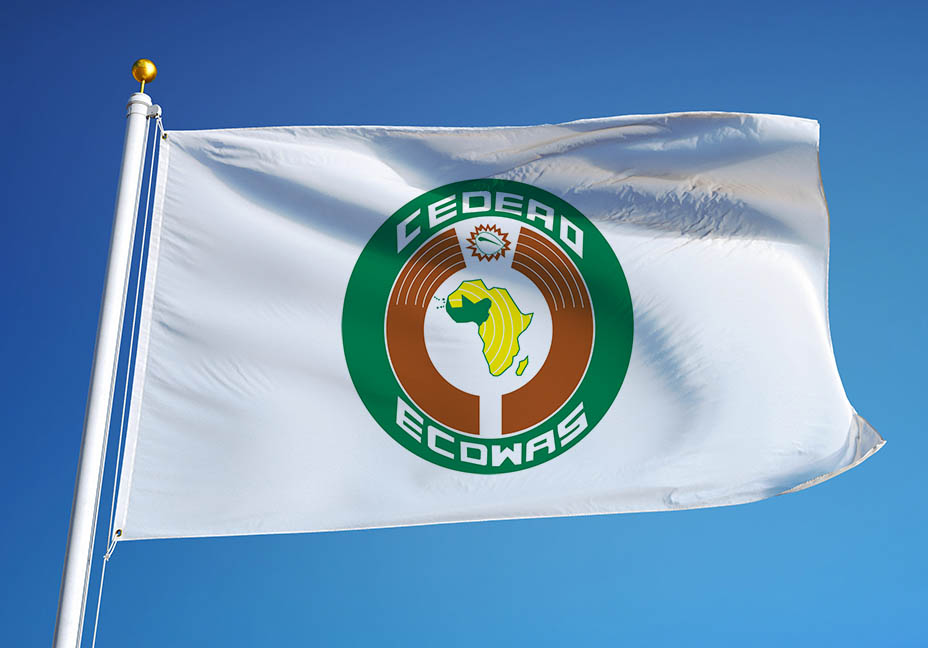
Empty white clear flag waving against clean blue sky, close up, isolated with clipping path mask alpha channel transparency

Mali, Burkina Faso, and Niger have announced a 0.5% levy on imported goods from the Economic Community of West African States (ECOWAS) member nations, including Nigeria, in a move that is expected to further strain relations with the regional bloc.

The levy, which takes effect immediately, is aimed at funding the newly formed Alliance of Sahel States (AES)—the three-nation military bloc that broke away from ECOWAS earlier this year.

The decision marks a significant departure from the long-standing free trade agreements within West Africa and signals a new phase in the economic realignment of the three Sahel nations, which have been governed by military juntas since their respective coups.

While junta leaders claim the levy is necessary to sustain their alliance, economic analysts warn that this new tariff could backfire, ultimately harming their fragile economies by driving up prices and discouraging cross-border trade.

The Alliance of Sahel States was initially established in 2023 as a security pact to combat Islamist insurgencies, but it has since expanded its ambitions into the economic sphere. Military rulers in Mali, Burkina Faso, and Niger have pushed for deeper financial and trade integration, including plans to introduce a common biometric passport and other policies to boost internal cooperation.

Under the newly announced trade policy, all imports entering the three countries from ECOWAS nations will be subject to a 0.5% levy, excluding humanitarian aid. The funds generated from the tariff, according to officials, will help finance the operations of the Alliance of Sahel States. However, no specifics have been provided on how the funds will be allocated, raising concerns about transparency and economic sustainability.

Potential Economic Backlash

While the junta governments see the tariff as a means to raise funds for their economic independence, analysts warn that the measure could hurt the very economies it is meant to support.

The three Sahel nations are among the poorest in the world, heavily reliant on trade and imports for essential goods, particularly from coastal ECOWAS states like Nigeria, Ghana, Côte d’Ivoire, and Senegal. People are concerned that besides disrupting the economic objective of the African Continental Free Trade Area (AfCFTA), the new levy could drive up the cost of goods in Mali, Burkina Faso, and Niger, exacerbating inflation and worsening living conditions for their already struggling populations.

Additionally, businesses that rely on importing materials from ECOWAS nations could see their profit margins shrink, potentially leading to job losses and further economic stagnation. The World Bank has previously warned that trade restrictions in West Africa could reduce economic growth, particularly in landlocked nations like Mali and Burkina Faso, which depend on external trade routes.

Impact on Nigeria and Regional Trade

Nigeria, which has long been one of Niger’s top trading partners, is among the countries likely to be affected by this tariff. In 2022, Nigeria exported $290 million worth of goods to Niger, but by 2023, exports had already declined to $209 million, reflecting the strain in economic ties. Major Nigerian exports to Niger include:

  • Petroleum Gas ($44.6M)
  • Electricity ($41.5M)
  • Cement ($32.8M)

The introduction of the 0.5% levy could further discourage Nigerian exporters from trading with Niger, as additional costs may make it less profitable to do business in the region.

Beyond Nigeria, the broader ECOWAS trade network could face disruptions, particularly for Burkina Faso and Mali, which depend on coastal nations for access to seaports. If trade slows down due to the new tax, the supply of crucial goods like food, fuel, and raw materials could be impacted, leading to higher prices and economic hardship for local populations.

Deepening Rift Between ECOWAS and the Military Juntas

The imposition of this tariff is the latest move in the ongoing standoff between ECOWAS and the Alliance of Sahel States. The three countries officially withdrew from ECOWAS earlier this year, citing frustration over what they described as the bloc’s failure to support their fight against Islamist insurgents.

ECOWAS had imposed economic sanctions on these nations following their military coups, hoping to pressure them into returning to democratic rule. However, rather than giving in to the pressure, the juntas have doubled down on their independent political and economic strategies, effectively cementing their breakaway from the regional bloc.

With relations between ECOWAS and the Sahel bloc at an all-time low, experts say the introduction of the levy further reduces the chances of reconciliation. Some observers warn that if the Sahel countries continue down this path, they risk isolating themselves economically, which could worsen their financial and security challenges in the long run.

Uncertain Future for the Alliance of Sahel States

Despite the juntas’ ambitions to create an alternative to ECOWAS, it remains unclear whether the Alliance of Sahel States has the financial and institutional capacity to sustain itself. The economies of Mali, Burkina Faso, and Niger are weak and heavily dependent on foreign aid, and their access to international credit markets has been severely limited since their respective military takeovers.

With the introduction of the 0.5% tariff, the military leaders are betting on trade revenues to keep their governments afloat. However, if economic activity slows down and foreign businesses pull out of the region, the move could ultimately backfire, leaving the countries in a deeper financial crisis.

Analysts say that while the juntas are trying to project economic strength and self-reliance, they may have underestimated the long-term consequences of alienating ECOWAS and imposing additional barriers to trade.

For businesses operating in West Africa, the new levy is a clear sign that the region’s political and economic landscape is shifting rapidly, with growing uncertainty over the future of regional cooperation.

Young People, Have A Positive Attitude To Win The Future

0

If you dislike your teacher, you will likely struggle in that class. If you hate your school, you will not have the energy to give your best right there. And if you hate what you do, you will remain unsettled, and will not offer the best doing it. And if you hate your country, most times, your mind will not be open to see the “good” in it.

Young People in Nigeria, the message is to overcome despair with optimism, and in that construct see why the billionaires are getting richer, and startups minting $millionaires, despite all the challenges: “Jim Ovia, the chairman and founder of Zenith Bank, and Tony Elumelu, the Chairman of UBA, are set to receive a staggering N25.4 billion and N12.71 billion dividend payout respectively for the 2024 financial year, an outcome of their banks’ record-breaking performance.”

The Zenith payout, scheduled for April 15, 2025, follows a year in which the bank delivered an exceptional profit after tax of N1.03 trillion, a significant 52.5% increase from the N676.9 billion reported in the previous year.

The financial statements for the year ended December 31, 2024, reveal that the Board of Directors has proposed a final dividend of N4.00 per share. This, when combined with the N1.00 interim dividend per share paid earlier in the year, brings the total dividend payout to N5.00 per share.

For Ovia, whose direct shareholding stands at 3,552,949,395 shares and indirect holding at 1,529,851,344 shares, the total shareholding of 5,082,800,739 shares translates to a windfall of N25,414,003,695.

Tomorrow is a promise and you can win it. Live positively! The sounds of crickets will come through. The happy birds will break. And the future will turn out GREAT provided you can focus on doing PRODUCTIVE things, one step at a time.

People will tell you that you have no connections. Those things do not matter: excellence will connect you to any level.  You just need to work hard to make people know what you do well. Over time, opportunities will break. The day they asked me to come to Harvard Business Review because of an article I wrote, I could not believe it. I did not know that someone in the finest business temple was reading me. It was the same connecting into Elumelu, Bill Gates, etc worlds; people just discover you! Think positive. Be positive. Put in more effort. You will win the FUTURE.

I have put some things you can do to improve your webinality (web + personality). Do them and keep improving with sheer optimism.

GT Bank Fintech Subsidiary HabariPay Records N3.8 Billion Profit After Tax in 2024

0

HabariPay, a digital payments platform owned by Guaranty Trust Holding Company (GTCO), recorded remarkable financial performance in 2024, amid strategic fintech expansion.

According to the 2024 financial report, HabariPay’s gross revenue increased by 23% to N5.8 billion in 2024 from N4.7 billion recorded in 2023, underpinned by significant growth on all key income lines.

Announcing the report, the company stated,

“Habari specializes in secure payment gateways that allow businesses to effortlessly make and receive payments, benefiting from an increasingly digital trend. By prioritizing the empowerment of businesses with essential tools for success in the digital age, Habari goes beyond merely enabling transactions, it actively contributes to economic growth and inclusivity across various sectors”.

A significant contributor to the fintech’s record profit was the substantial increase in the Total Payment Value (TPV) of Naira transactions processed. The TOV surged by over 170%, reaching N9.8 trillion in H1 2024, up from N3.6 trillion recorded for the entire year of 2023. Additionally, the TPV for Dollar transactions experienced growth m, standing at $1.2 million compared to $1.1 million in the corresponding period of the previous year.

HabariPay’s flagship platform, Squad, has been instrumental in this growth. Squad integrates payment processing and marketplace services tailored for small businesses, facilitating seamless transactions through various channels, including virtual accounts, USSD, cards, and bank transfers. The platform also offers value-added services such as bill payments and bulk SMS distribution, contributing to the company’s diversified income streams.

Launched in 2018, by GT Bank as part of its strategic push into the fintech space, HabariPay is emerging as a transformative player in the Nigerian financial technology arena, amid the increasing competition. Since its launch, the market response to the platform has been positive, as it continues to witness a steady adoption by businesses of different scales.

Recall that the fintech which started operation in June 2022, became profitable in the first month. GTco noted that it recorded N926 million in the first 6 months of its operations, while its revenue for the period stood at N1.52 billion. In 2023, Habari achieved a milestone of crossing N200 billion transactions in 2023.

For the full year 2023, it recorded N2.3 billion profit before tax, which was revealed by the company in its full-year 2023 financial presentation to investors. The fintech profit represents 147.9% growth when compared with N944.7 million it recorded in 2022. In addition, HabariPay’s international payment transactions value also jumped from $175,927 in 2022 to $2.3 billion in 2023.

HabariPay’s core business operations include a payment gateway – payments are processed via virtual accounts, USSD, card, and bank transfer channels. It also engages in switching verticals, value-added verticals – bill payments for airtime vending, and distribution of bulk SMS processed through Value Added Service Aggregators licensed by the Nigerian Communications Commission (NCC).

In line with its commitment to fostering technological advancement and nurturing young talent, HabariPay organizes the “Take on Squad Hackathon.” This annual event invites young innovators from universities and tertiary institutions across Africa to develop creative solutions addressing real-world challenges. The hackathon not only showcases emerging tech talent but also reinforces HabariPay’s dedication to empowering the next generation of tech leaders in Africa.

By leveraging GTCO’s extensive network and banking expertise, HabariPay aims to promote financial inclusion, drive digital payments, and support businesses throughout Africa. Its initiatives and products position it as a formidable competitor to existing fintech companies, contributing significantly to the evolving digital economy in the region.