DD
MM
YYYY

PAGES

DD
MM
YYYY

spot_img

PAGES

Home Blog Page 16

Why FIFA Pays Only $871 Million in Prize Money Despite Earning Billions

0

The 2026 FIFA World Cup is shaping up to be not only the biggest sporting event in history but also one of the most lucrative commercial enterprises ever created.

Estimates suggest that FIFA could generate approximately $13 billion in revenue from the tournament, while distributing around $871 million in prize money to participating teams. The enormous disparity between earnings and payouts highlights a broader reality of the modern global economy.

Humanity now possesses unprecedented levels of disposable income, and sports have become one of the primary beneficiaries of this wealth. Football has always been the world’s most popular sport, but the scale of its monetization has changed dramatically over the past few decades.

The 2026 World Cup, hosted jointly by the United States, Canada, and Mexico, will feature an expanded format of 48 teams and more matches than any previous edition.

This expansion alone creates additional opportunities for ticket sales, broadcasting rights, sponsorship agreements, merchandise, tourism, and digital engagement. The largest source of FIFA’s expected revenue will likely come from media rights.

Broadcasters and streaming platforms across the globe are willing to spend billions for exclusive access to World Cup content because football remains one of the few events capable of attracting massive live audiences simultaneously. In an age where entertainment options are increasingly fragmented, live sports continue to command premium advertising rates and subscriber demand.

Corporate sponsorships are also expected to reach record levels. Global brands see the World Cup as a unique platform to reach billions of consumers in a matter of weeks. Technology companies, financial institutions, automotive manufacturers, airlines, and beverage giants all compete for visibility during the tournament.

The value of associating with football’s biggest event has increased alongside global consumer spending power. The astonishing revenues generated by the World Cup also reflect a broader economic transformation.

Rising incomes in emerging markets, growing middle classes in Asia and Africa, and the digitalization of media consumption have expanded football’s audience far beyond traditional markets. Fans are no longer merely watching matches; they are purchasing subscriptions, jerseys, collectibles, gaming products, and travel packages linked to the tournament.

The figures also raise important questions about wealth distribution within global sports.

While $871 million in prize money is an enormous sum by historical standards, it represents only a small fraction of FIFA’s anticipated revenues. National teams, players, and football associations are the ones providing the spectacle that generates these billions, yet the governing body retains the overwhelming majority of financial gains.

Critics argue that a larger portion of World Cup profits should be reinvested into grassroots football development, infrastructure projects, women’s football, and support programs for smaller nations. Supporters of FIFA counter that the organization already funds development initiatives around the world and requires substantial reserves to sustain global football operations.

Regardless of where one stands in this debate, the numbers reveal something profound about modern society. The fact that a month-long sporting event can generate $13 billion in revenue demonstrates the extraordinary purchasing power that now exists globally.

People have more disposable income to spend on entertainment, travel, digital subscriptions, and sports experiences than at any previous point in human history. The 2026 FIFA World Cup therefore represents more than just a football tournament.

It is a symbol of the commercialization of culture, the globalization of entertainment, and the immense economic value that collective attention now commands. In many ways, football has become a mirror of the modern economy itself—where passion, technology, media, and consumer spending converge to create unprecedented financial opportunities.

Cambridge Study Reveals Ethereum Uses Less Power Than the British Museum

0

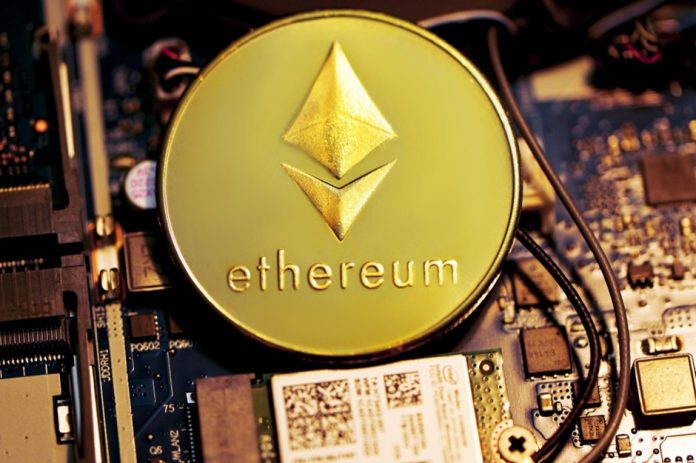
Ethereum’s dramatic reduction in energy consumption following the Merge represents one of the most significant sustainability transformations in the history of digital technology.

A recent audit conducted by researchers at the University of Cambridge, examining 8,522 Ethereum nodes worldwide, estimates that the network now consumes only 7.87 gigawatt-hours (GWh) of electricity annually. This figure is staggering not because of its size, but because it represents a 99.9% decline in energy usage compared to Ethereum’s pre-Merge era.

For years, critics of blockchain technology pointed to its environmental footprint as a major weakness. Ethereum, like Bitcoin, originally relied on a Proof-of-Work (PoW) consensus mechanism, where miners competed using energy-intensive computational processes to validate transactions and secure the network.

This system required vast amounts of electricity and specialized hardware, leading to concerns about carbon emissions and the long-term sustainability of blockchain networks.

Ethereum fundamentally changed this narrative in September 2022 through the Merge, an ambitious technological transition that replaced Proof-of-Work with Proof-of-Stake (PoS). Under the new model, network security no longer depends on computational power but instead on validators who stake their Ether holdings to participate in transaction verification.

This shift eliminated the need for energy-hungry mining operations and transformed Ethereum into one of the most energy-efficient large-scale blockchain networks in existence. The Cambridge audit provides concrete evidence of the success of this transition.

Annual electricity consumption of 7.87 GWh is remarkably small for a global financial and computational infrastructure that supports decentralized finance, tokenized assets, stablecoins, NFTs, and thousands of decentralized applications.

To put this figure into perspective, researchers noted that Ethereum now uses less than half the electricity consumed annually by the British Museum, one of the world’s most renowned cultural institutions.

This comparison highlights a profound shift in the public understanding of blockchain technology. A network facilitating billions of dollars in daily transactions and serving as the backbone of much of the digital asset economy now operates with an energy footprint comparable to that of a medium-sized institution rather than an industrial-scale power consumer.

The implications extend far beyond environmental public relations. Reduced energy consumption may help address regulatory concerns that have previously hindered blockchain adoption in certain jurisdictions.

Policymakers and institutional investors increasingly prioritize Environmental, Social, and Governance (ESG) standards, and Ethereum’s efficiency improvements position it more favorably within these frameworks.

Ethereum’s transition may serve as a blueprint for future blockchain innovation. It demonstrates that decentralized networks can achieve security and scalability while dramatically reducing resource consumption.

This could encourage broader experimentation with energy-efficient consensus mechanisms across the digital asset industry. Debates remain regarding blockchain sustainability as a whole.

Bitcoin, the largest cryptocurrency by market capitalization, continues to rely on Proof-of-Work and consumes significantly more energy than Ethereum. Critics argue that while Ethereum’s achievements are noteworthy, the broader industry must continue exploring methods to balance decentralization, security, and environmental responsibility.

Despite these ongoing discussions, the Cambridge findings mark an important milestone. Ethereum has effectively rewritten the narrative surrounding blockchain energy consumption. What was once criticized as an environmentally burdensome network has become an example of technological adaptation and efficiency.

In an era increasingly focused on sustainability, Ethereum’s 99.9% reduction in energy use stands as a powerful reminder that technological systems are not static. Through innovation and consensus-driven change, even the most energy-intensive digital infrastructures can evolve into significantly more sustainable forms.

The Future of Public and Private Competition in European Rail Networks

0

Germany’s rail sector is once again at the center of a major legal and political battle as disputes over market access and competition intensify. The conflict highlights a broader European debate over how essential infrastructure should be managed in an era where governments seek to encourage competition while preserving reliable public services.

At the heart of the dispute is Deutsche Bahn (DB), Germany’s state-owned railway giant, which controls much of the country’s rail infrastructure and remains the dominant operator in passenger and freight services.

Rival operators have increasingly accused DB of creating barriers that make it difficult for competitors to access tracks, stations, maintenance facilities, and scheduling opportunities on fair terms.

Private and regional rail companies argue that despite European Union reforms aimed at liberalizing railway markets, Germany’s system still heavily favors the incumbent operator.

They claim that the structure gives Deutsche Bahn an unfair advantage because the company simultaneously owns the infrastructure network and competes directly against other train operators. This dual role has long been criticized by competitors and regulators alike.

The legal fight comes at a critical time for European transportation policy. Rail travel is being promoted as a key pillar of the continent’s green transition. Governments are encouraging citizens and businesses to shift away from cars and short-haul flights toward more environmentally sustainable rail services.

Achieving this objective requires significant investment and a competitive environment that encourages innovation, efficiency, and lower prices. Rival operators contend that limited access to infrastructure undermines these goals.

They argue that greater competition could improve service quality, expand route options, and reduce ticket prices for passengers. Companies have pointed to examples in other European countries where liberalized rail markets have increased customer choice and stimulated investment in modern rolling stock and digital services.

Deutsche Bahn, rejects allegations of anti-competitive behavior. The company maintains that managing a complex national rail network requires centralized coordination and long-term investment planning.

It argues that infrastructure maintenance, network modernization, and scheduling complexities make complete separation between infrastructure management and train operations difficult.

DB emphasizes that it faces enormous financial pressures, including rising maintenance costs, aging infrastructure, and increasing demand for rail transport. The legal proceedings could have significant implications for Germany and the broader European Union.

If courts or regulators rule in favor of rival operators, Germany may face renewed pressure to further separate rail infrastructure management from train operations. Such reforms could fundamentally reshape the country’s transportation landscape.

Beyond legal considerations, the dispute also reflects growing concerns about Europe’s economic competitiveness. Efficient transportation networks are essential for industrial productivity, supply chain resilience, and regional integration.

Delays, congestion, and limited competition can hinder economic growth and reduce the attractiveness of rail transport for both passengers and freight customers.

The timing is particularly sensitive because Germany’s rail network has faced mounting criticism in recent years due to delays, infrastructure bottlenecks, and declining punctuality.

Many passengers have expressed frustration with service disruptions, while freight operators have warned that logistical inefficiencies are affecting business operations.

The legal battle over rival access to Germany’s rail system represents more than a corporate dispute. It is a test of how Europe balances public ownership, market competition, and environmental ambitions.

The outcome could influence future transport policies across the continent and determine whether rail networks can successfully meet the demands of a greener and more interconnected European economy.

Future of Micropayments in Digital Media and AI Services

0

The internet was originally envisioned as an open marketplace of information and services, where users could pay for exactly what they consumed. Yet over the last decade, the digital economy has drifted toward a different model—one dominated by subscriptions.

Today, consumers face an endless list of recurring payments for news websites, streaming services, software tools, cloud storage, AI applications, and creative platforms. This phenomenon has become so widespread that it now has a name: subscription fatigue.

The problem is not that subscriptions are inherently bad. For businesses, recurring revenue provides predictable cash flow and allows companies to invest in long-term development.

For users who frequently use a service, subscriptions can also offer value. The issue arises when subscriptions become the only option. Consider the modern internet user. Reading a single premium article on a news website may require a monthly membership costing $10 or more.

Editing one photo using an advanced AI tool might demand another subscription. Accessing research papers, specialized analytics dashboards, or premium newsletters often adds even more recurring expenses. Individually, these fees may appear manageable, but collectively they create a fragmented and expensive digital experience.

This growing burden is largely a consequence of legacy payment infrastructure. Traditional payment networks were not designed for internet-native micropayments. Every card transaction typically carries fixed processing fees alongside percentage-based charges.

A payment of ten cents or fifty cents becomes economically impractical when a significant portion of that amount is consumed by transaction costs.

As a result, digital businesses have little incentive to offer pay-per-use services.

Charging users twenty-five cents to read an article or one dollar to generate an AI image simply does not make financial sense under conventional payment rails. Subscription models emerged as a workaround to this limitation.

Instead of processing thousands of tiny transactions, companies bundle services into monthly plans that justify payment processing expenses. This workaround has introduced its own inefficiencies.

Users frequently pay for services they barely use, while smaller creators struggle to monetize occasional visitors who may not want a full subscription commitment. The result is a market where both consumers and creators lose flexibility.

The rise of blockchain technology and digital payment innovations is beginning to challenge this paradigm. Low-cost settlement networks and programmable payments now make it technically possible to process transactions worth only a few cents.

This creates the opportunity for a new internet economy built around micropayments.

Imagine an ecosystem where a reader could spend twenty cents to unlock a single investigative article, fifty cents to use an AI image generator once, or one dollar to access a premium research report. Instead of maintaining dozens of subscriptions, users would pay precisely for the value they consume.

Such a model could fundamentally reshape online business. Independent journalists, niche creators, and small software developers could monetize their work more effectively without forcing users into recurring commitments. Consumers would regain control over their spending, selecting services on demand rather than accumulating unused subscriptions.

The broader implication is significant. Subscription fatigue is not merely a consumer inconvenience; it is a symptom of outdated financial infrastructure struggling to support the modern internet.

As payment systems evolve, the digital economy may finally return to a more flexible and efficient model—one where ownership, access, and value exchange occur seamlessly and at internet scale.

The future of the web may not be defined by another monthly bill appearing on a bank statement. Instead, it could be characterized by frictionless micropayments that enable people to pay only for what they truly need, when they need it.

The Relationship Dynamics Between AI’s Power Players Are Just Like a Movie

0

The artificial intelligence industry increasingly resembles a Hollywood blockbuster, complete with rival factions, strategic alliances, betrayals, and unexpected plot twists.

What began as a collaborative scientific movement aimed at advancing machine intelligence has evolved into a high-stakes geopolitical and corporate drama involving some of the world’s most influential figures and companies.

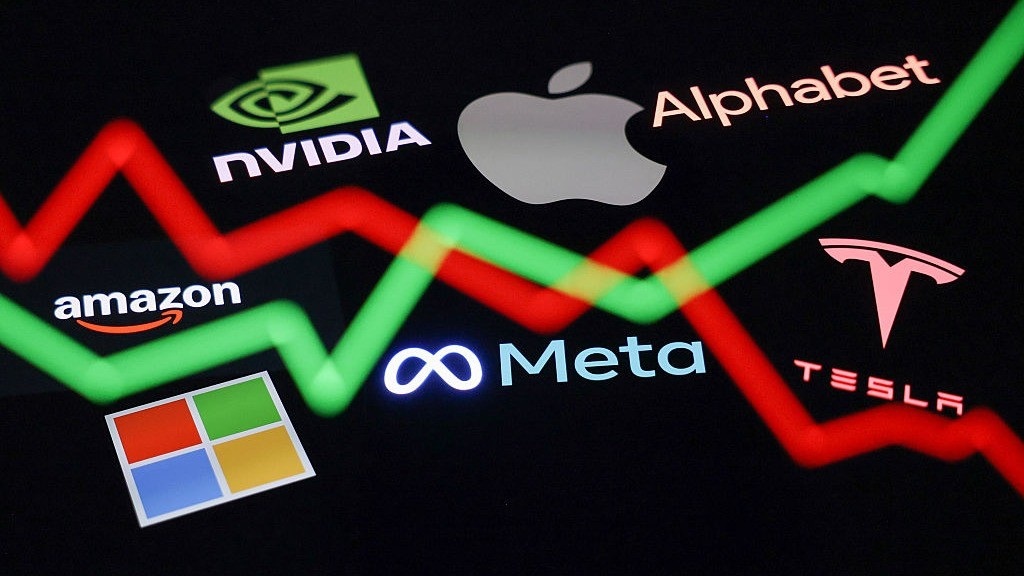
At the center of this unfolding story are companies such as OpenAI, Google, Meta, Anthropic, Microsoft, Amazon, and Nvidia. Their relationships are neither entirely cooperative nor wholly competitive.

Instead, they exist in a complex web of partnerships and rivalries that resembles the shifting alliances often seen in epic films like Game of Thrones or The Godfather.

Microsoft and OpenAI represent one of the most fascinating relationships in the AI landscape. Microsoft invested billions of dollars into OpenAI, helping transform it from a research organization into a global AI powerhouse.

In return, Microsoft integrated OpenAI’s technologies into its products, from Azure cloud services to Office applications. Yet, as OpenAI grows more independent and develops its own consumer ecosystem, questions emerge regarding how long this alliance will remain harmonious. It is a classic mentor-partner relationship that may eventually evolve into direct competition.

Meanwhile, Google finds itself in the role of the established empire defending its throne. For years, Google dominated internet search and AI research, producing breakthroughs that laid the foundation for today’s generative AI revolution.

The rapid rise of ChatGPT disrupted Google’s position, forcing the company into an accelerated race to release Gemini and other AI initiatives. Like a powerful kingdom challenged by a rising force, Google now balances innovation with the need to protect its lucrative search business.

Meta, under the leadership of Mark Zuckerberg, plays the role of the unconventional disruptor. By open-sourcing many of its Llama models, Meta has positioned itself differently from competitors that rely heavily on closed ecosystems.

This strategy has earned the company significant goodwill among developers while simultaneously increasing pressure on rivals. Yet Meta’s approach also introduces tension, as open-source AI may reduce barriers to entry and redistribute power across the industry.

Then there is Anthropic, founded by former OpenAI employees. Its story mirrors the classic movie trope of former allies establishing a new faction based on different principles. Backed by both Amazon and Google, Anthropic has become one of the most important AI firms focused on safety and alignment.

The fact that two competitors are simultaneously supporting Anthropic illustrates the unusual and often contradictory nature of AI alliances. No movie would be complete without the indispensable supplier, and in the AI story, that role belongs to Nvidia.

Every major AI company depends heavily on Nvidia’s chips to train and deploy advanced models. In many ways, Nvidia is the arms dealer of the AI era, benefiting regardless of which company gains the upper hand. Its strategic position has transformed it into one of the world’s most valuable companies.

Beyond corporate rivalries, governments are increasingly becoming major characters in this narrative. The United States, China, and the European Union are all pursuing policies designed to secure technological leadership and digital sovereignty. AI is no longer merely a commercial competition; it has become a matter of economic influence, national security, and geopolitical power.

The dynamics between AI’s power players resemble a cinematic saga because the stakes are immense and the alliances are constantly changing. Today’s partner may become tomorrow’s competitor, while today’s rival may become tomorrow’s strategic ally.

As the AI revolution continues, the world is witnessing not just a technological transformation but an unfolding drama that could shape the future of global power for decades to come.