DD
MM
YYYY

PAGES

DD
MM
YYYY

spot_img

PAGES

Home Blog Page 1606

Waymo Expands Robotaxi Service in Silicon Valley, Beating Tesla to the Autonomous Transportation

0

Waymo has officially launched the process of making its robotaxi service commercially available to the general public in Silicon Valley, marking a significant milestone in the race for fully autonomous transportation.

The company announced that its Waymo One ride-hailing app will now be available 24/7 to select customers across a 27-square-mile service area in California, covering Mountain View, Palo Alto, Los Altos, and parts of Sunnyvale.

The move cements Waymo’s status as the undisputed leader in the driverless ride-hailing industry, expanding its presence in the very region where its self-driving journey began. This comes as a major blow to Tesla, whose CEO Elon Musk once touted robotaxis as an integral part of the EV company’s future—a vision that has failed to materialize.

Waymo Leaves Tesla in the Dust on Robotaxis

While Waymo has spent over a decade refining its autonomous technology and deploying commercial services across U.S. cities, Tesla’s robotaxi ambitions have stalled completely. Musk once promised that Tesla vehicles would be capable of full self-driving and operating as robotaxis by 2020, allowing Tesla owners to send their cars out to pick up passengers while they slept or worked. He predicted that a Tesla owner could make up to $30,000 per year from their car acting as an autonomous taxi.

However, Tesla’s Full Self-Driving (FSD) system remains far from achieving true autonomy, and Musk himself has gradually stopped mentioning robotaxis as a near-term goal. Tesla’s focus has instead shifted toward increasing EV production, developing humanoid robots, and improving battery technology.

Waymo, on the other hand, has moved beyond mere promises. The company has successfully launched commercial, fully driverless taxi services in cities like San Francisco, Los Angeles, and Phoenix, while Tesla has yet to deploy a single operational robotaxi anywhere in the world.

A Strategic Expansion in a Historic Region

Waymo’s decision to bring its fully driverless ride-hailing service to Silicon Valley carries significant symbolic weight. This region is not only home to Google’s self-driving car project, which eventually evolved into Waymo, but it is also where Tesla’s headquarters are located—making this a direct challenge to Musk’s unfulfilled ambitions.

Waymo was originally developed under Google X, the company’s high-risk research and development lab before it spun off into an independent entity under Alphabet. The project dates back to 2009, when Google’s co-founders, Sergey Brin, and Larry Page, challenged engineers to develop a self-driving system capable of completing ten 100-mile autonomous routes without human intervention. By the end of that year, the first of those routes had been completed, and by mid-2010, the project had achieved its ambitious goal.

Since then, Waymo has emerged as a leader in the autonomous vehicle industry, deploying its commercial driverless taxi service in multiple U.S. cities, including San Francisco, Los Angeles, and Phoenix.

Now, by bringing its commercial robotaxi operations back to Silicon Valley, the company is effectively coming full circle.

“This is where Waymo began and where we’re headquartered,” said Saswat Panigrahi, Waymo’s Chief Product Officer, in a statement. “Now we’re bringing seamless rides, safer streets, and sustainable transportation to our local community.”

Waymo’s Expanding Footprint and Partnership with Uber

The announcement also follows Waymo’s recent partnership with Uber in Austin, Texas, where Uber customers can now hail a Waymo robotaxi directly from the Uber app within a designated service area. That collaboration is set to expand to Atlanta later this year, marking another milestone in Waymo’s strategic push to integrate its self-driving technology into existing ride-hailing platforms.

Despite the partnership with Uber, Waymo continues to independently operate its own ride-hailing app, Waymo One, in San Francisco, Los Angeles, and Phoenix. The company’s decision to maintain its own direct-to-customer service model, even as it collaborates with Uber, reflects its broader ambition of becoming a dominant player in the autonomous transportation market.

Challenges and the Future of Autonomous Ride-Hailing

Waymo’s gradual rollout strategy in Silicon Valley suggests a cautious approach as it works to refine its self-driving technology and build public trust in autonomous transportation. The company, like other players in the industry, continues to face challenges related to safety regulations, public skepticism, and occasional incidents involving its self-driving cars.

Additionally, the success of Waymo’s commercial expansion will depend on factors such as user adoption rates, regulatory support, and the ability to scale up operations beyond initial invite-only access.

X Outage Deepens Fears of Compromised Datas to Hackers’

0

X, the social media platform formerly known as Twitter, experienced multiple global outages, affecting users in countries including the United States, the United Kingdom, India, Australia, Nigeria and Canada. These disruptions, which occurred in at least three distinct waves, began around 5:30 a.m. ET on 10th March and continued intermittently throughout the day, with peak reports of issues reaching over 41,000 according to outage tracking site Downdetector. Users reported problems such as inability to load the app or website, refresh timelines, post content, or log in, with the majority of issues affecting the mobile app (around 58% of complaints) and the website (32%).

Elon Musk, the owner of X, attributed the outages to a “massive cyberattack,” specifically claiming it was a distributed denial-of-service (DDoS) attack, which overwhelms servers with traffic to disrupt service. He suggested the attack required significant resources, potentially involving a “large, coordinated group and/or a country,” and in a Fox Business interview, he claimed that the IP addresses involved originated in the “Ukraine area.”

However, cybersecurity experts have expressed skepticism about these claims, noting that tracing IP addresses in DDoS attacks is unreliable due to the use of compromised devices worldwide, which can mask the true origin. Additionally, a pro-Palestinian hacktivist group called DarkStorm claimed responsibility for the attack via a Telegram post, stating it was a DDoS attack aimed at disrupting X’s services, though this claim has not been independently verified.

The outages were significant, with some lasting up to several hours, marking one of the longest disruptions in X’s recent history. While the platform experienced partial restoration of services in some regions, the repeated nature of the outages raised questions about the platform’s stability, especially following significant staff reductions and infrastructure changes since Musk’s acquisition of the company in October 2022.

Critics have pointed to these changes, including the layoffs of around 80% of the original staff, as potential factors weakening the platform’s resilience to such incidents. However, without official confirmation of the attack’s cause or perpetrators, the exact reason for the outages remains uncertain, and the narrative of a state-sponsored attack, particularly from Ukraine, has been met with caution by experts due to lack of concrete evidence.

In addition to Dark Storm, the pro-Palestinian hacktivist group that claimed responsibility for the March 10, 2025, cyberattacks on X, numerous other hacktivist groups have been active globally, often driven by ideological, political, nationalistic, or opportunistic motives. Below is an overview of some notable hacktivist groups, their motivations, and their typical targets, providing context to the broader landscape of hacktivism.

One of the most well-known hacktivist collectives is Anonymous, a decentralized, non-hierarchical movement that emerged in the early 2000s. Anonymous is recognized for its advocacy of free speech, government transparency, internet freedom, and social justice, often targeting entities perceived as corrupt or oppressive, such as governments, corporations, religious organizations, and extremist groups.

Their operations, including high-profile campaigns like Project Chanology against the Church of Scientology and cyberattacks on Russian targets following the 2022 invasion of Ukraine, have made them a prominent symbol of hacktivism. Anonymous often employs tactics like DDoS attacks, data leaks, and website defacements, though some within the movement, like former member Oxblood Ruffin, have criticized the use of DDoS attacks as contrary to free speech principles.

Another significant group is RedHack, a Turkish Marxist-Leninist hacktivist collective founded in 1997. RedHack focuses on promoting social and political change in Turkey and beyond, targeting government agencies, political parties, and corporations to support causes such as workers’ rights and opposition to internet censorship. Their actions, such as releasing sensitive government documents and defacing websites, have led to conflicts with the Turkish government, resulting in arrests and prosecutions of several members, though the group remains active.

GhostSec, a spinoff of Anonymous that emerged in 2015, is known for its efforts to combat online extremism and terrorism, particularly targeting the online propaganda and recruitment efforts of groups like ISIS. GhostSec monitors social media platforms, identifies extremist content, and takes down associated websites and accounts. While praised for disrupting terrorist activities, their vigilante tactics have raised ethical and legal concerns, particularly around censorship and accountability.

AntiSec, formed in 2011 as a collaboration between Anonymous and LulzSec, aims to expose and disrupt systems of government and corporate power perceived as unjust or oppressive. Their tactics include website defacements, data breaches, and DDoS attacks, often targeting high-profile organizations to highlight vulnerabilities and challenge authority. AntiSec’s activities underscore the overlap between hacktivism and cybercrime, as their methods, while ideologically driven, often involve illegal actions.

The IT Army of Ukraine, formed in response to the 2022 Russian invasion of Ukraine, is a volunteer cyberwarfare organization focused on protecting Ukraine from Russian cyberattacks and launching counteroperations against Russian targets. This group exemplifies nationalistic hacktivism, leveraging technical expertise to support state interests during geopolitical conflicts, often targeting Russian government and infrastructure websites.

Other notable groups include Killnet, a pro-Russian hacktivist collective known for attacking government institutions in countries opposing Russian interests, and NoName057(16), a pro-Russian group that has been highly active in DDoS attacks, particularly against nations supporting Ukraine, such as Israel, India, and Poland.

Anonymous Sudan, despite its name, is a religiously motivated group rather than a politically aligned one, often targeting entities perceived as anti-Muslim, though some speculate ties to Russian interests due to attack patterns. These groups illustrate the diverse motivations within hacktivism, ranging from ideological and political agendas to nationalistic and opportunistic goals.

While some, like Anonymous, frame their actions as digital civil disobedience, others, such as Killnet or NoName057(16), align closely with state interests, blurring the line between hacktivism and state-sponsored cyber operations. The tactics used—DDoS attacks, data leaks, website defacements, and doxing—are consistent across groups, but their targets and justifications vary widely, reflecting the complex and often contentious nature of hacktivism in the digital age.

Nigerian Lawmakers Order Internet Service Providers to Block Pornographic Websites

0

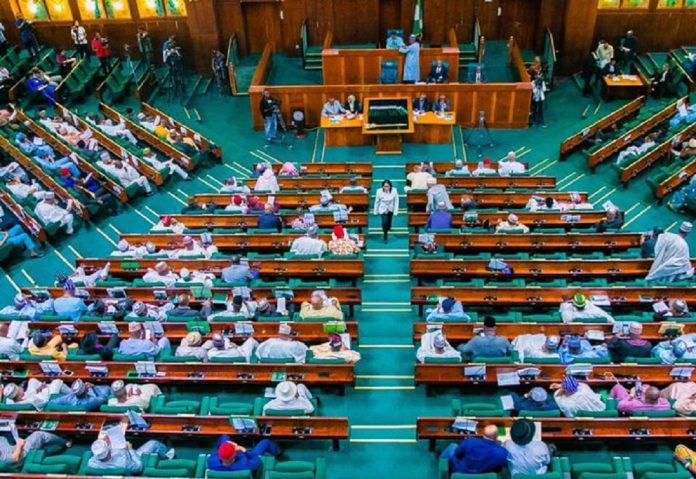
The Nigerian House of Representatives has directed the Nigerian Communications Commission (NCC) to mandate all internet service providers (ISPs) in the country to block access to pornographic websites, in what lawmakers say is a move to protect moral values.

The resolution was passed on Tuesday following a motion moved by Dalhatu Tafoki, a lawmaker from Katsina State, who argued that unrestricted access to pornography is eroding societal values, particularly among Nigerian youth. Tafoki cited concerns from psychologists and sociologists, warning that exposure to explicit content fuels adultery, prostitution, addiction, and moral decline.

During his presentation, Tafoki pointed to several countries in Asia, Africa, and the Middle East that have legislated against pornography, urging Nigeria to follow suit. He insisted that allowing continued access to such content would have dire consequences for the nation’s moral fabric.

“Renowned psychologists and sociologists worldwide have issued strong warnings about the psychological, sociological, and mental consequences of consuming pornographic content,” Tafoki stated.

The motion was overwhelmingly supported, with many lawmakers stressing the need to protect Nigerian cultural and moral standards. In a voice vote conducted by House Speaker Tajudeen Abbas, the motion was adopted without opposition.

Critics Call It a Futile Exercise

Following the resolution, the House directed the NCC to ensure immediate compliance by internet service providers, warning that service providers who fail to comply should be sanctioned.

However, the move has sparked a wave of criticism from Nigerians, many of whom see it as yet another misplaced priority by the lawmakers. The criticism stems from many fronts. Many believe that at a time when Nigeria is facing severe economic hardship, worsening insecurity, and a failing power sector, the House is focusing on censoring the internet instead of addressing urgent national issues.

“Priorities in shambles. With all the pressing issues in Nigeria—economic crisis, insecurity, power shortages—this is what the House of Reps is focusing on? They should better channel this energy to another thing fruitful,” Akinkunmi Saheed said on X.

Social media reactions have been largely dismissive of the directive, with many pointing out that it will likely be a futile exercise. They argue that pornography addicts will easily bypass such restrictions using Virtual Private Networks (VPNs), which allow users to mask their location and access blocked content.

Concerns Over Internet Censorship and Government Overreach

Beyond the practicality of the ban, there are concerns that this move could set a dangerous precedent for government control over the internet. Some digital rights activists warn that if the NCC enforces restrictions on pornography, the next step could be broader censorship of content deemed “undesirable” by the government.

In recent years, Nigerian authorities have attempted to clamp down on online freedom, including previous efforts to regulate social media and monitor digital communications. Under the past administration headed by Muhammadu Buhari, social media platform X, then known as Twitter, was banned for about six months for angering the government. Many believe that the development has set a precedent that will occasionally come into play, attempting to squeeze the Nigerian civic space.

Against this backdrop, while lawmakers argue that banning pornography will help restore moral values, many Nigerians remain unconvinced, seeing it as another symbolic move with little real impact. They note that issues like inflation, unemployment, and the rising cost of living remain unaddressed by the same lawmakers who are eager to regulate what people watch in private.

“At least since they can’t provide jobs, stable electricity, single digit inflation, protection of lives and properties, food for Nigerian, housing and fix out of school children. They should be able to do something! Good job to them,” a social media user wrote.

Africa Overtakes Europe and Asia as Nigeria’s Largest Export Destination in 2024

0

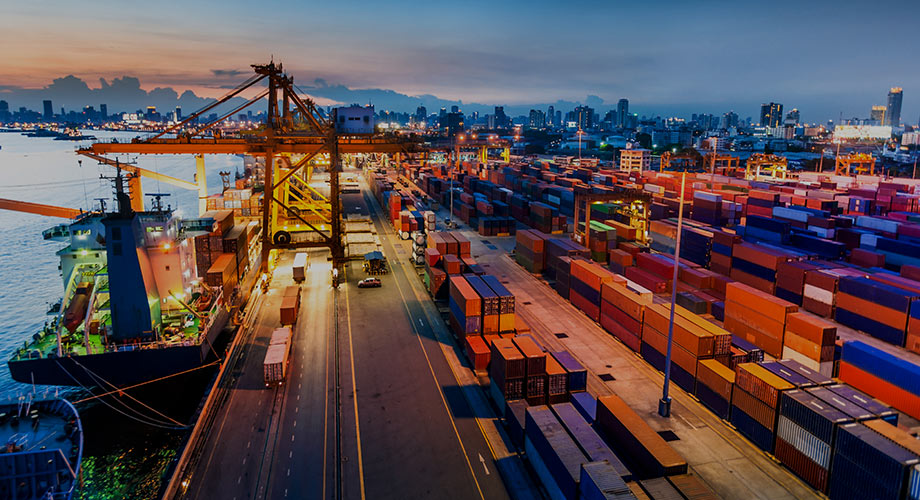
Nigeria has experienced a significant shift in its trade dynamics, with Africa emerging as the country’s largest export destination in 2024. This development, as highlighted in the latest trade data released by the National Bureau of Statistics (NBS), marks a turning point in Nigeria’s economic relationships, with intra-African trade playing an increasingly dominant role.

The report reveals that Nigeria’s total exports for the year stood at N59.44 trillion, significantly surpassing imports of N37.59 trillion, resulting in a trade surplus of N21.85 trillion. While traditional trading partners such as China, India, the United States, and Spain remain essential to Nigeria’s exports, Africa has collectively taken the lead as Nigeria’s largest regional export market, accounting for N8.74 trillion in exports.

This shift is believed to have been largely driven by the growing influence of the African Continental Free Trade Area (AfCFTA), which has provided an integrated framework for increased intra-African trade. With its implementation formally taking off on January 1, 2021, the AfCFTA aims to create a single continental market, allowing African businesses to trade with fewer restrictions and reduced tariffs. The latest trade data indicates that Nigeria is beginning to reap the benefits of this agreement, with more Nigerian goods flowing into African markets than ever before.

A comparison with previous years illustrates the scale of this transformation. In 2023, Nigeria’s total trade with Africa stood at just N3.71 trillion, slightly behind the Netherlands, which accounted for N4.51 trillion in trade with Nigeria. However, by 2024, Nigerian exports to Africa had more than doubled, firmly positioning the continent as Nigeria’s most significant export destination.

The NBS trade report further reveals that in Q4 2024, Nigeria’s exports to Africa were valued at N2.04 trillion, representing 10.2% of the country’s total exports. Exports to ECOWAS nations alone were valued at N1.18 trillion, meaning that West Africa accounted for 57.56% of Nigeria’s total exports to the continent. This highlights the growing importance of regional economic integration, particularly among Nigeria’s closest neighbors.

Top Export Destinations for Nigerian Goods in 2024

The largest export markets for Nigerian goods in 2024 reflect this shift. While Africa as a whole took the top spot with N8.74 trillion, key European and Asian markets remained relevant. Spain received N8.13 trillion worth of Nigerian exports, France accounted for N6.96 trillion, and the Netherlands imported N6.93 trillion worth of goods. Other major destinations included India, the USA, China, Italy, Canada, Germany, the UK, Brazil, and Japan, with values ranging from N5.78 trillion to N825.41 billion.

A closer analysis of Nigeria’s trade within Africa shows that exports were mainly concentrated in a few key countries. South Africa emerged as the leading buyer, with imports worth N761.95 billion, followed closely by Ivory Coast at N756.37 billion. Senegal, Cameroon, and Togo were also among the top five African importers of Nigerian goods, collectively accounting for 90.95% of Nigeria’s total exports to the continent. This concentration suggests that while Africa has become Nigeria’s largest market, trade remains heavily reliant on a handful of economies.

Key Export Commodities Driving Nigeria’s Trade Growth

A breakdown of Nigeria’s key exports reveals the dominance of energy and industrial commodities in driving trade growth. Petroleum oils and oils obtained from bituminous minerals were the most significant exports to Africa, valued at N1.63 trillion, representing 79.77% of total exports to the continent. Electrical energy followed, accounting for N75.66 billion or 3.71%, while dredgers, urea, and cigarettes containing tobacco rounded out the top five exports. These commodities collectively made up 90.66% of Nigeria’s total exports to Africa, underscoring the importance of energy, manufacturing, and industrial products in the country’s trade balance.

Outside Africa, Nigeria’s crude oil and gas exports remained highly sought after in European markets, with Spain, France, and the Netherlands leading demand. India and the USA also played crucial roles in Nigeria’s energy and manufacturing export markets, while China remained a dominant destination for Nigerian agricultural produce and raw materials.

This shift in trade patterns carries significant implications for Nigeria’s economy. The rise of Africa as Nigeria’s primary export market signals a stronger focus on intra-African trade, which could reduce Nigeria’s reliance on Western economies and traditional trade routes. As AfCFTA continues to be implemented, Nigerian businesses stand to gain greater access to a vast market of over 1.3 billion people.

Beyond the benefits of diversification, the continued trade surplus suggests that Nigeria’s export revenues are increasing, which could contribute to stronger foreign exchange reserves and greater economic stability. This is particularly significant at a time when foreign exchange volatility and naira depreciation remain pressing concerns for policymakers and businesses.

Economists believe that the more Nigeria can expand its trade relationships within Africa, the less vulnerable its economy may be to external shocks and fluctuations in global oil prices.

The expansion of intra-African trade also presents new opportunities for industrialization. While crude oil remains Nigeria’s dominant export, the increasing flow of goods to Africa suggests that non-oil sectors, such as manufacturing and industrial production, are beginning to gain momentum. The export of fertilizers (urea), electrical energy, and industrial machinery signals an early shift toward a more diversified trade portfolio, though much work remains in reducing the country’s overdependence on oil.

Challenges and Risks in Nigeria’s Trade Expansion

Despite the promising trends, several challenges remain. Policy analysts note that poor transport infrastructure, high logistics costs, and unreliable power supply limit Nigeria’s competitiveness in global trade. Inconsistent policies and customs inefficiencies also create barriers to seamless trade within Africa, despite the AfCFTA’s objectives. To reach its export potential and to remain competitive in the African and international markets, Nigeria has been advised to improve its export quality standards, especially in the agricultural and processed goods sectors.

This transformation in Nigeria’s export landscape signals a pivotal moment for the country’s trade policy and economic strategy. The AfCFTA is proving to be a catalyst for stronger regional economic ties, and Nigeria’s growing exports within Africa indicate that businesses and industries are beginning to seize the opportunities created by the agreement. However, to sustain this momentum, policymakers are urged to prioritize trade-friendly reforms, infrastructure development, and export diversification.

Mt. Gox Moves 11501 BTC Throught Unmasked Wallet Fuelling Sell-off Pressure

0

Mt. Gox, the defunct cryptocurrency exchange that collapsed in 2014 after a major hack, transferred 11,501 Bitcoin (BTC), valued at approximately $905 million, to an unidentified wallet, according to blockchain analytics firm Arkham Intelligence. This transfer followed a smaller test transaction of 166 BTC to the cryptocurrency exchange BitGo on the previous Friday.

The movement is part of a series of recent Bitcoin transfers by Mt. Gox, including over $1 billion moved to a wallet beginning with “1Mo1n” the previous week, which was later masked as one of the entity’s wallets. After the latest transfer, Mt. Gox retains ownership of more than 35,915 BTC, currently valued at approximately $2.8 billion at market prices.

Mt. Gox, once the world’s largest Bitcoin exchange, filed for bankruptcy in February 2014 after halting withdrawals due to “technical issues.” It was later revealed that the exchange had lost around 850,000 BTC, worth over $58 billion at current prices, though approximately 200,000 BTC were later recovered. This incident affected roughly 127,000 creditors, who have been waiting over a decade for compensation.

Following the bankruptcy, Japanese authorities initiated a legal process known as “civil rehabilitation” in 2018, which aimed to distribute the exchange’s remaining assets to creditors more equitably than traditional bankruptcy proceedings. Unlike bankruptcy, civil rehabilitation allowed creditors to receive repayments in Bitcoin and Bitcoin Cash (BCH) rather than Japanese Yen at the 2014 Bitcoin price, preserving the value of their claims given Bitcoin’s significant price appreciation. In March 2019, the Tokyo District Court accepted a rehabilitation plan, which was finalized in November 2021.

These wallet activities are likely linked to Mt. Gox’s ongoing efforts to repay creditors, a process that began in July 2024 following years of bankruptcy proceedings. The exchange, once the largest Bitcoin exchange globally, lost around 850,000 BTC in a 2014 security breach, affecting thousands of creditors. Historically, such large Bitcoin movements by Mt. Gox have preceded creditor distributions, often facilitated through exchanges like Kraken, Bitstamp, and BitGo.

However, the exact purpose of the latest transfer remains unclear, as Mt. Gox has not publicly confirmed whether it is part of an imminent payout. The repayment deadline for creditors was recently extended to October 31, 2025, due to ongoing verification and processing requirements, further delaying full resolution for affected users. The transfer coincided with a period of market volatility, as Bitcoin’s price dropped below $77,000, deepening a correction after a weak start to the week.

Some market analysts, such as BitMEX co-founder Arthur Hayes, have warned of potential further declines, suggesting Bitcoin could retest the $75,000 level or even fall to $70,000–$72,000 if support levels fail. Conversely, others, like Bitget Research’s chief analyst Ryan Lee, indicate a possible recovery to the $80,000–$85,000 range if Bitcoin stabilizes. Large transfers like this often spark concerns about potential selling pressure, as creditors receiving repayments might liquidate their Bitcoin, though past distributions have shown mixed behavior, with some creditors opting to hold their BTC due to significant price appreciation since the 2014 collapse.

Some exchanges, like Bitstamp, cannot accommodate creditors in certain countries (e.g., China, Iran, Japan, North Korea, and Ukraine regions like Crimea, Donetsk, and Luhansk) due to regulatory restrictions. The repayment process has been marked by numerous delays, largely due to legal challenges, logistical issues, and the complexity of verifying claims. The original repayment deadline was set for October 31, 2023, but was extended multiple times due to creditors’ difficulties in completing required procedures, such as account verification and KYC (Know Your Customer) compliance.

Repayments began in July 2024, with Mt. Gox distributing Bitcoin and Bitcoin Cash to approximately 21,000 creditors by August 21, 2024. Fiat currency repayments in JPY were also initiated, with some creditors reporting deposits in their bank accounts as early as March 2024, often one to two months after their claims were updated in the system.