DD
MM
YYYY

PAGES

DD
MM
YYYY

spot_img

PAGES

Home Blog Page 165

Could VR Be the Next Major Upgrade to Slingo?

0

Slingo’s recent success highlights the continuously evolving nature of the iGaming market, and how developers are always striving to offer enhancements to what already exists. The game has proven to be hugely popular, and now it’s likely to undergo some evolution of its own.

There are various ways that Slingo could advance in the years ahead, such as the integration of virtual reality. The futuristic technology could lead to brand new and more immersive Slingo experiences.

Slingo is Likely to Continue Evolving

Whenever a game is a massive hit in the iGaming market, studios put a lot of effort into improving it and giving people new ways to play. This was most recently seen with live casino games, and now there are countless ways to play these titles.

The same thing is already happening with Slingo. If you look at Slingo at Paddy Power, you’ll see that there are various diverse genres on offer. Many of the games come with immersive themes, with Slingo Thunder of the Gods and Slingo Cash Eruption among those with the most detailed graphics.

As more people get into Slingo, there will be fresh game releases. Just like in the slots and live casino markets, developers will try to innovate and come up with new ways to play the game. This could involve integrating new technology, with virtual reality likely to be an option in the future when the technology becomes mainstream.

How Could VR Lead to New Slingo Experiences?

If VR gets incorporated in Slingo games, it has the potential to take them to a whole new level of immersion. The themes on offer today already try to take players to different worlds, but VR headsets like the Meta Quest 3 could literally achieve this. For example, when playing a game like Slingo Reel King, players could find themselves on a digital boat floating on the water. Likewise, Book of Slingo could transport players to an ancient Egyptian setting surrounded by pyramids.

There’s also a chance that VR could lead to major changes in Slingo, such as the introduction of live bingo settings that include some slot elements. Imagine a combination of live streaming with Slingo, where real-world hosts present the action in an immersive digital setting.

When Will VR Have an Impact on the iGaming Market?

The big question is, when will VR come and take the iGaming market by storm like so many experts have prophesied? The technology has been around for a while now, but it’s still not a common household item.

That could be set to change soon, however, as NMSC predicts that the industry will be worth over $192.99 billion by 2030. This would mean some serious growth between now and then, so it may require the backing of major sectors like iGaming to make it happen.

If the projections about VR are accurate, then there’s a high chance it will be used in the iGaming sector in the next few years. This could lead to upgrades to Slingo, as studios will be keen to take the game forward into the future.

Chowdeck Expands Beyond Delivery, Integrates Fintech And Merchant Tools Into Platform

0

Chowdeck, Nigeria’s leading on-demand online food delivery platform, is extending its services beyond food and grocery delivery. The company has introduced a new Bills feature on its app, allowing users to purchase airtime and data directly. 

In parallel, Chowdeck has completed the full technical migration of Mira, the point-of-sale (POS) startup it acquired in June 2025. An update sent on Monday, November 10, confirmed that Mira’s infrastructure and operations are now fully integrated into Chowdeck’s system.

Mira, known for its modern POS solutions tailored to restaurants and hospitality businesses, was acquired to strengthen Chowdeck’s technology offering to merchants. At the time of the acquisition, the company explained that bringing Mira into its ecosystem would enable it to offer both delivery services and back-office operational tools designed to address the challenges faced by African food businesses.

Industry analysts also noted that the move strategically deepens Chowdeck’s presence in the competitive food delivery space, where players like Glovo, FoodCourt, and ChopTown operate. Mira’s POS systems, which support card and QR payments and provide inventory and operational insights, are expected to give Chowdeck deeper visibility into restaurant performance. According to a company statement, “With Mira, the goal is to help restaurants transition from inventory chaos to growth clarity.”

The recent launch of the Bills feature and the Mira migration illustrate a two-sided expansion strategy: strengthening consumer engagement on one end and merchant operations on the other. This evolution signals a broader shift in Chowdeck’s business model. By increasing user engagement frequency, the company is creating behavioral habits that can support layered financial services.

The addition of bill payment features is an early step towards monetizing beyond delivery fees by driving financial activity within the app and on the merchant side. By integrating Mira, Chowdeck positions itself not just as a logistics provider but as a full-stack technology partner that manages everything from order flow to in-store transactions.

Chowdeck is effectively building a closed-loop ecosystem where transactions occur across its own rails. Users can order food, groceries, and everyday essentials while also purchasing airtime and data. Merchants gain a unified tool for delivery fulfillment, POS operations, and settlements. This reduces reliance on multiple service providers and concentrates financial flows within the Chowdeck network.

The significant updates on the platform align with the company’s earlier $9 million Series A funding announced in August 2025. The equity round was led by Novastar Ventures, with participation from Y Combinator, AAIC Investment, Rebel Fund, GFR Fund, Kaleo, HoaQ, and others.

Chowdeck maintains that the core of its business remains operational excellence. The company continues to invest in logistics infrastructure, rider support, and delivery efficiency to sustain the trust of its user base. To improve speed and expand product access, Chowdeck is also rolling out dark stores: small fulfillment hubs located within neighborhoods to shorten delivery time for groceries and essentials. The company states that this model is central to its vision of becoming Africa’s primary app for everyday needs.

Since launching in October 2021, Chowdeck has grown to over 1.5 million users and more than 20,000 delivery riders across 11 cities. Its stated goal is to become the most reliable and trusted delivery and convenience platform on the continent. As the competition in Africa’s on-demand and fintech sectors continues to intensify, Chowdeck is positioning itself not just to participate, but to lead.

How to Earn Free Crypto? 5 Best Bitcoin Cloud Mining Tools to Help You Earn Bitcoin Daily

0

In 2025, earning Bitcoin without owning hardware has become increasingly accessible thanks to cloud-mining tools and platforms. Beginners now have access to free or very low-cost options to enter the mining universe. One standout platform leading this charge is AutoHash, which offers a $100 free trial and Swiss-regulated operations.

Below, we review five of the best cloud mining tools and platforms that make daily Bitcoin earnings achievable even for newcomers with a closer look at how they compare, their benefits and drawbacks, and how you can get started.

  1. AutoHash – Free Trial, AI-Optimization & Swiss Compliance

AutoHash sets itself apart by combining AI-powered hashrate allocation, renewable-energy infrastructure, and formal Swiss registration. The platform gives new users a $100 free trial balance so you can begin mining Bitcoin immediately without any hardware investment. Its “OptiHash” AI engine dynamically allocates computing power based on market conditions, network difficulty, and energy costs.

Plans at a glance:

Program Name Power Amount (USD) Contract Term Daily Rewards (USD) Total Revenue (USD) ROI
Solar Free 5 TH/s 100 month 1 1.4 1.4 1.40%
Solar Boost 10 TH/s 150 months 2 5 10 3.33%
Hydro Core 20 TH/s 550 months 3 17.6 52.8 3.20%
Wind Flow 35 TH/s 1200 months 3 43.2 129.6 3.60%
Hydro Prime 45 TH/s 2300 months 3 89.7 269.1 3.90%
GeoTherm Core 60 TH/s 4200 months 2 168 336 4.00%
Solar Fusion 100 TH/s 8900 months 2 373.8 747.6 4.20%
Hydro Fusion 150 TH/s 17800 months 2 872.2 1744.4 4.90%
GeoTherm Max 240 TH/s 26800 month 1 1688.4 1688.4 6.30%
Hydro Ultra 390 TH/s 39800 month 1 3263.6 3263.6 8.20%


Visit AutoHash to claim your $100 free bonus and view the full contract details?

Why it’s a top choice for free crypto:

  • You start with no hardware and a meaningful “free trial” budget
  • AI manages complexity so you don’t need mining expertise
  • Transparency via Swiss regulation and green-energy sourcing
    Potential drawback:
  • Free trial is limited in scale compared to paid plans
  • Advanced users might want more manual mining controls
  1. QuantumCloud – Low Barrier via Desktop Mining Tool

QuantumCloud functions more like a tool than a traditional contract-platform. It allows users to “rent” excess computing power (or use simplified access) to mine Bitcoin or other coins with minimal setup. This makes it suitable for those who already have a laptop/desktop and want to earn extra crypto idle time.

Pros: easy entry, minimal setup, good for beginners
Cons: May earn lower rewards vs dedicated cloud contracts; requires computer running

  1. CloudMineCrypto – Free Trial Contract for Beginners

CloudMineCrypto offers a free cloud-mining contract to new users, allowing them to start mining Bitcoin with no upfront investment. The interface is straightforward and geared toward non-technical users who want to test the mining world before committing.

Pros: true “free mining” trial, beginner-friendly
Cons: free trial may have limited hashrate, fewer advanced features

  1. HashBeat – Smartphone Friendly Free Cloud Mining Option

HashBeat is designed to let users start mining via mobile devices. While not exclusively Bitcoin-only, it offers low barrier entry and free/low cost mining options. Great for mobile-first beginners.

Pros: mobile-friendly, minimal investment
Cons: earnings might be small; might require app usage and regular login

  1. HashMart – Transparent Low-Cost Contract Platform

HashMart appeals to those who want a transparent contract, including maintenance costs upfront. Although not strictly free, its low-cost entry and clarity make it a useful “tool” for beginners who are ready to invest small and learn mining mechanics.

Pros: low initial cost, clear pricing
Cons: minimal free component; still an upfront cost

Practical Steps: How to Get Started Earn Free Bitcoin Daily

Step 1: Choose a platform with a free or trial offer

Start with platforms that give you a free trial or small hash allocation—like AutoHash’s free $100 credit—so you can experiment with mining without committing large funds.

Step 2: Complete KYC/registration

Even free-trial platforms often require identity verification (KYC). This is standard for reputable platforms and adds to security/trust.

Step 3: Monitor earnings & withdraw

Once your mining plan is active, track your dashboard regularly. Many platforms pay out daily or every few hours. Ensure you know the withdrawal minimums.

Step 4: Consider scaling

After your free trial or initial learning phase, you may choose to upgrade to paid plans. Always evaluate hashrate efficiency, energy cost, contract term, and ROI.

Step 5: Manage expectations

Free trials are helpful but not yield-generating miracles. Mining profitability depends on coin price, network difficulty, and contract cost. Use them as learning tools and stepping stones.

Watch-Outs: Risks & Things to Check

Cloud mining has become vastly improved, yet some risks remain. According to reviews and analysis:

  • Look out for platforms with guaranteed “free” returns that sound too good to be true.
  • Verify company registration, data-centre transparency, and withdrawal track record.
  • Understand tax implications in your country for mined crypto.
  • Free trials may have limited hashrate, short contract terms, or higher fees for upgrades.

Why Free Crypto Tools Matter in 2025

The mining landscape in 2025 benefits from advances in automation, AI, and sustainable energy. These tools make crypto mining accessible for beginners like never before:

  • You no longer need to handle hardware, heat, ventilation.
  • Platforms integrate dashboards, mobile apps, and auto-optimization.
  • Green-energy backed operations reduce long-term risk.
    Tools like AutoHash and others listed above help you earn Bitcoin daily with minimal friction—and educate you as you go.

Conclusion

If you’re wondering, “How can I earn free crypto in 2025?” start by exploring trusted cloud-mining tools that allow hardware-free access to Bitcoin mining. With platforms like AutoHash offering a $100 free trial, you can begin your mining journey today without upfront investment. The five tools listed above provide viable pathways—from fully free trial models to inexpensive entry contracts—and give you the chance to earn Bitcoin daily while you learn and scale.

Goldman Sachs Upgrades India to ‘Overweight,’ Citing Earnings Revival and Policy Support

0

Global investment bank Goldman Sachs has upgraded India’s equity market outlook to “overweight” from “neutral,” reversing its October 2024 downgrade.

The firm cited a sharp improvement in corporate earnings momentum and a raft of policy tailwinds that it said are set to bolster growth through 2026.

The brokerage has set a year-end 2026 target of 29,000 for the benchmark Nifty 50 index, implying a 14 percent upside from Friday’s close. The Nifty 50 has gained about 8.5 percent year-to-date, lagging several other emerging markets during what has been one of their strongest years in recent history.

Goldman’s analysts, led by Sunil Koul, said the “year-long earnings downgrade cycle” for Indian companies has now bottomed out, signaling the start of a recovery phase. In a note released after Indian market hours on Friday, the firm said India’s economic and policy environment has turned decisively supportive for corporate profitability.

Policy Tailwinds and Earnings Recovery

Goldman cited a mix of growth-supportive policies — including recent rate cuts by the Reserve Bank of India, liquidity easing, bank deregulation, reductions in the Goods and Services Tax (GST), and a slower pace of fiscal consolidation — as key enablers of economic expansion. These measures, the bank said, have begun to translate into stronger corporate performance across major sectors.

The firm noted that September-quarter results were largely better than expected, prompting analysts to revise earnings estimates upward in several industries. The recovery, Goldman said, is likely to be led by financials, consumer goods, automobiles, defense, oil marketing companies, and technology-driven telecom and internet businesses.

However, the report maintained a cautious stance on export-oriented sectors such as information technology, pharmaceuticals, industrials, and chemicals, where global demand uncertainty and slowing public capital expenditure could weigh on earnings.

Domestic Strength Offsets Foreign Outflows

Despite substantial foreign portfolio outflows — around $30 billion since the Nifty’s 2024 peak and another $17.4 billion so far in 2025 — Goldman believes domestic liquidity will continue to support the market. The firm pointed to record $70 billion in equity purchases by domestic institutions in 2025, buoyed by steady inflows from retail investors and systematic investment plans (SIPs).

The report also highlighted a structural shift in India’s investor base, where local participation has increasingly cushioned markets from the volatility of foreign fund flows. Goldman said that with India’s valuation premium to other emerging markets now significantly lower than in late 2024, the country’s relative expensiveness has become “defensible,” particularly given its superior earnings visibility and macro stability.

Amid rising global geopolitical and trade tensions, Goldman expects domestic resilience to remain India’s defining strength. It emphasized investment themes centered on self-sufficiency, a revival in mass consumption, and expansion of new-economy sectors such as digital infrastructure, clean energy, and defense manufacturing.

These areas are expected to offer high-growth opportunities at fair valuations, underpinned by strong domestic demand and supportive government initiatives.

Goldman’s move follows a similar upgrade by HSBC in late September, which also cited improving corporate earnings, robust policy momentum, and India’s growing insulation from global financial shocks as reasons for optimism.

Analysts say the back-to-back endorsements from major global banks mark a turning point in investor sentiment toward India, suggesting that the world’s fifth-largest economy could re-emerge as a top performer among emerging markets in 2026.

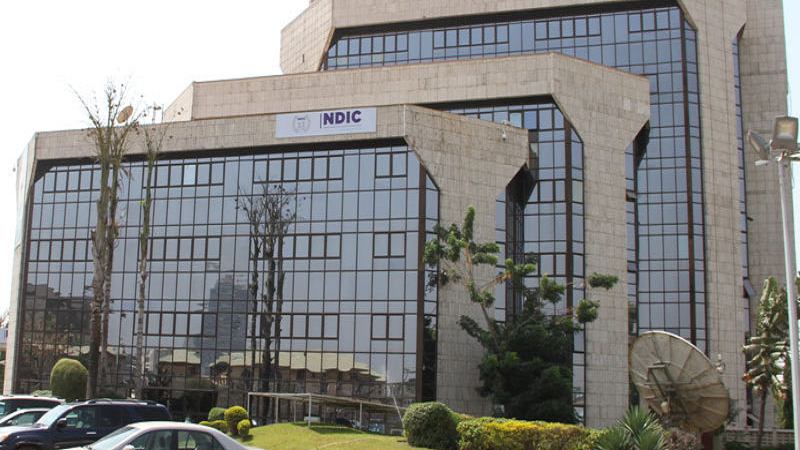
NDIC Strengthens Legal Powers to Prosecute Bank Failure Culprits, Expedite Liquidation of Failed Banks

0

The Nigeria Deposit Insurance Corporation (NDIC) says it has significantly fortified its legal and regulatory framework to improve the liquidation of failed banks and ensure that individuals responsible for the collapse of financial institutions are held accountable.

In a statement issued on Sunday by its Head of Communication and Public Affairs, Hawwau Gambo, NDIC’s Managing Director, Mr. Thompson Sunday, said the enactment of the NDIC Act No. 30 of 2023 had strengthened the Corporation’s powers in bank resolution and liquidation, allowing it to move more swiftly and decisively in dealing with distressed institutions.

Sunday explained that the combined provisions of the new NDIC Act and the Banks and Other Financial Institutions Act (BOFIA) 2020 have enhanced the Corporation’s capacity to prosecute individuals found culpable in bank failures.

“The NDIC is now better positioned to prosecute parties at fault in bank failures, unlike in the past when insufficient legal provisions allowed such individuals to evade accountability,” he said.

He commended the National Assembly for bridging the long-standing gaps in the legal framework that had constrained the Corporation’s effectiveness for decades, and also praised the judiciary for its improved understanding and adjudication of deposit insurance cases.

“Through more informed adjudication of failed bank cases, judgments are now bringing real relief to depositors,” Sunday added.

Citing the case of Heritage Bank Limited, whose license was revoked by the Central Bank of Nigeria (CBN) in June 2024, Sunday said the NDIC’s new powers allowed for a faster recovery and distribution process.

“The Corporation’s ability to realize sufficient assets to declare a first round of liquidation dividends to the uninsured depositors within one year of the revocation of its license is due to the positive impact of the new legal framework,” he stated.

The NDIC began payment of N46.6 billion as the first tranche of liquidation dividends to depositors of the defunct Heritage Bank in April 2025. The payment, which started on April 25, targeted customers with account balances exceeding the insured limit of N5 million. The Corporation said the funds were recovered from the sale of Heritage Bank’s assets and the repayment of outstanding loans, describing the move as a “major step” in fully reimbursing all affected depositors.

Sunday also disclosed that the Corporation has seen a rise in out-of-court settlements with individuals and institutions under investigation for their roles in failed banks.

“With stronger legal backing, individuals now approach the Corporation to settle out of court—not necessarily because the law has caught up with them, but because they can see that the noose is tightening around those responsible for bank failures,” he said.

The NDIC chief reiterated the Corporation’s determination to continue leveraging its enhanced legal powers to safeguard depositors’ funds and uphold the integrity of Nigeria’s financial system.

“The Corporation will continue to work with stakeholders to ensure the effective discharge of its mandate and promote financial system stability,” he said.

The NDIC Act No. 30 of 2023, signed into law last year, expanded the Corporation’s statutory powers to include broader authority in investigating failed bank directors, recovering assets, and instituting criminal proceedings against those whose actions led to insolvency. It also clarified the Corporation’s role in collaboration with the CBN and the Ministry of Finance in the early resolution of troubled banks.

Analysts have described the new legal framework as one of the most consequential reforms in Nigeria’s banking regulatory history, coming at a time when the financial system faces growing pressure from non-performing loans, weakened liquidity, and governance failures in several institutions.

The NDIC’s move to strengthen accountability in the sector, they say, signals a shift toward more stringent enforcement against reckless bank management and a firmer commitment to protecting depositors from systemic shocks.