

‘Anger and Disappointment’: Ghanaian Fans Say They’ve Been Priced Out of the World Cup Dream

Quote from Alex Bobby on December 14, 2025, 8:53 AMGhanaian football fans voice anger and disappointment as soaring World Cup ticket and travel costs price them out of supporting the Black Stars on football’s biggest stage.
For generations of Ghanaian football fans, the World Cup has been more than a tournament — it has been a shared national experience, a moment when streets empty, flags fly and collective hope fills the air. But as ticket prices for the upcoming FIFA World Cup continue to soar, many supporters in Ghana say that dream is slipping out of reach, replaced by frustration, anger and deep disappointment.
Across Accra, Kumasi and beyond, fans who once planned to travel or even simply follow the tournament more closely now say the cost has become prohibitive. From match tickets to accommodation, visas and flights, the financial barriers are leaving ordinary supporters feeling excluded from a competition they believe was built on the passion of fans like them.
A Tournament for the Wealthy?
The anger stems largely from FIFA’s ticket pricing structure, which many fans feel caters overwhelmingly to wealthy spectators while sidelining supporters from football-loving nations with weaker currencies. For Ghanaian fans earning in cedis, prices listed in euros or dollars translate into staggering sums — often equivalent to several months, or even a year’s income.
“I’ve followed the Black Stars all my life,” said Kojo Mensah, a lifelong fan in Accra. “I saved for years thinking I could finally see Ghana play at a World Cup abroad. Now I realise it’s impossible. This World Cup is not for people like us.”
Many fans point out that even so-called “category four” or lower-priced tickets are far beyond reach once travel and accommodation are factored in. What was once considered a once-in-a-lifetime opportunity now feels like a luxury reserved for elites.
Emotional Cost Beyond Money
The frustration goes beyond finances. Supporters say being priced out feels like a betrayal of football’s core values — inclusivity, unity and global connection. Ghana’s football culture is deeply rooted in community, with fans often sacrificing personal comfort to support their teams.
“When Ghana qualified for the World Cup, it should have been a moment of joy,” said university student Ama Boateng. “Instead, it feels bittersweet. We know our team will be there, but we won’t.”
For many, the pain lies in watching stadiums filled with spectators who have little emotional connection to the teams on the pitch, while die-hard supporters remain thousands of kilometres away.
Wider African Frustration
Ghana is not alone in this sentiment. Across Africa, fans from Nigeria, Senegal, Morocco and Cameroon have voiced similar concerns. The issue highlights long-standing inequalities in global football, where African nations provide talent, passion and atmosphere, yet their supporters struggle to access the sport’s biggest stage.
Some fans argue that FIFA has failed to honour its promises of accessibility, particularly after years of rhetoric about expanding football’s global reach. The sense of exclusion has reignited debates about whether the World Cup is drifting away from its roots as a people’s tournament.
Economic Reality at Home
Ghana’s current economic challenges have only intensified the frustration. Rising living costs, currency pressures and unemployment mean discretionary spending is already limited for many households. In that context, World Cup travel feels unrealistic, no matter how strong the emotional pull.
Football analyst Nana Yaw Opoku notes that this disconnect could have long-term consequences. “When fans feel alienated, it weakens the bond between the tournament and the people who give football its soul,” he said. “That should worry FIFA.”
Calls for Change
Some supporters are calling for FIFA to rethink its ticketing model, particularly for fans from qualifying nations. Proposals include allocating more affordable tickets through national associations, offering regional pricing, or creating subsidised supporter sections to ensure genuine fans are represented in the stands.
Others argue that African football federations should be more vocal in advocating for their supporters, rather than accepting systems that disproportionately benefit wealthier markets.
Conclusion
The anger and disappointment among Ghanaian fans reflect a broader crisis facing modern football: the growing gap between the game’s commercial ambitions and the supporters who sustain it. For many in Ghana, the World Cup still represents pride, identity and unity — but those values feel increasingly distant when the cost of participation is simply too high.
As the tournament approaches, the voices of fans priced out of their World Cup dream serve as a stark reminder that football’s global appeal depends not on luxury packages or VIP seats, but on ordinary supporters whose passion transcends borders.
Final Thought
If the World Cup is truly meant to belong to the world, then its gates must remain open to the fans who live and breathe the game — not just those who can afford the price of admission.
Ghanaian football fans voice anger and disappointment as soaring World Cup ticket and travel costs price them out of supporting the Black Stars on football’s biggest stage.
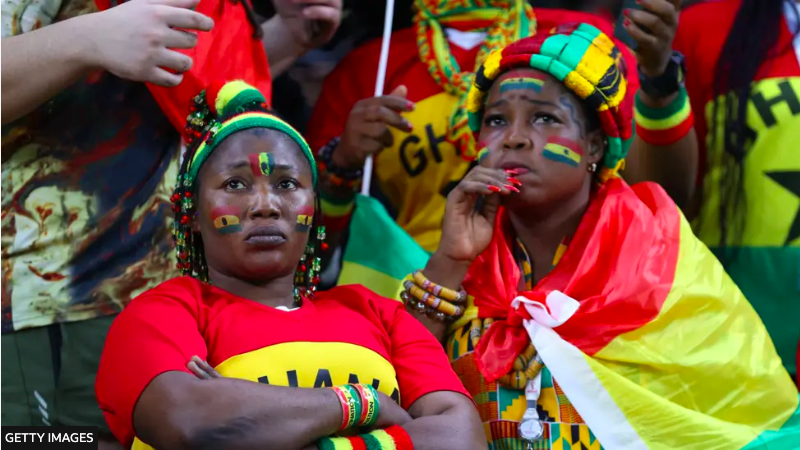
For generations of Ghanaian football fans, the World Cup has been more than a tournament — it has been a shared national experience, a moment when streets empty, flags fly and collective hope fills the air. But as ticket prices for the upcoming FIFA World Cup continue to soar, many supporters in Ghana say that dream is slipping out of reach, replaced by frustration, anger and deep disappointment.
Across Accra, Kumasi and beyond, fans who once planned to travel or even simply follow the tournament more closely now say the cost has become prohibitive. From match tickets to accommodation, visas and flights, the financial barriers are leaving ordinary supporters feeling excluded from a competition they believe was built on the passion of fans like them.
A Tournament for the Wealthy?
Register for Tekedia Mini-MBA edition 19 (Feb 9 – May 2, 2026).
Register for Tekedia AI in Business Masterclass.
Join Tekedia Capital Syndicate and co-invest in great global startups.
Register for Tekedia AI Lab.
The anger stems largely from FIFA’s ticket pricing structure, which many fans feel caters overwhelmingly to wealthy spectators while sidelining supporters from football-loving nations with weaker currencies. For Ghanaian fans earning in cedis, prices listed in euros or dollars translate into staggering sums — often equivalent to several months, or even a year’s income.
“I’ve followed the Black Stars all my life,” said Kojo Mensah, a lifelong fan in Accra. “I saved for years thinking I could finally see Ghana play at a World Cup abroad. Now I realise it’s impossible. This World Cup is not for people like us.”
Many fans point out that even so-called “category four” or lower-priced tickets are far beyond reach once travel and accommodation are factored in. What was once considered a once-in-a-lifetime opportunity now feels like a luxury reserved for elites.

Emotional Cost Beyond Money
The frustration goes beyond finances. Supporters say being priced out feels like a betrayal of football’s core values — inclusivity, unity and global connection. Ghana’s football culture is deeply rooted in community, with fans often sacrificing personal comfort to support their teams.
“When Ghana qualified for the World Cup, it should have been a moment of joy,” said university student Ama Boateng. “Instead, it feels bittersweet. We know our team will be there, but we won’t.”

For many, the pain lies in watching stadiums filled with spectators who have little emotional connection to the teams on the pitch, while die-hard supporters remain thousands of kilometres away.
Wider African Frustration
Ghana is not alone in this sentiment. Across Africa, fans from Nigeria, Senegal, Morocco and Cameroon have voiced similar concerns. The issue highlights long-standing inequalities in global football, where African nations provide talent, passion and atmosphere, yet their supporters struggle to access the sport’s biggest stage.
Some fans argue that FIFA has failed to honour its promises of accessibility, particularly after years of rhetoric about expanding football’s global reach. The sense of exclusion has reignited debates about whether the World Cup is drifting away from its roots as a people’s tournament.
Economic Reality at Home
Ghana’s current economic challenges have only intensified the frustration. Rising living costs, currency pressures and unemployment mean discretionary spending is already limited for many households. In that context, World Cup travel feels unrealistic, no matter how strong the emotional pull.
Football analyst Nana Yaw Opoku notes that this disconnect could have long-term consequences. “When fans feel alienated, it weakens the bond between the tournament and the people who give football its soul,” he said. “That should worry FIFA.”
Calls for Change
Some supporters are calling for FIFA to rethink its ticketing model, particularly for fans from qualifying nations. Proposals include allocating more affordable tickets through national associations, offering regional pricing, or creating subsidised supporter sections to ensure genuine fans are represented in the stands.
Others argue that African football federations should be more vocal in advocating for their supporters, rather than accepting systems that disproportionately benefit wealthier markets.
Conclusion
The anger and disappointment among Ghanaian fans reflect a broader crisis facing modern football: the growing gap between the game’s commercial ambitions and the supporters who sustain it. For many in Ghana, the World Cup still represents pride, identity and unity — but those values feel increasingly distant when the cost of participation is simply too high.
As the tournament approaches, the voices of fans priced out of their World Cup dream serve as a stark reminder that football’s global appeal depends not on luxury packages or VIP seats, but on ordinary supporters whose passion transcends borders.
Final Thought
If the World Cup is truly meant to belong to the world, then its gates must remain open to the fans who live and breathe the game — not just those who can afford the price of admission.
Uploaded files:Share this:
- Click to share on Facebook (Opens in new window) Facebook
- Click to share on X (Opens in new window) X
- Click to share on WhatsApp (Opens in new window) WhatsApp
- Click to share on LinkedIn (Opens in new window) LinkedIn
- Click to email a link to a friend (Opens in new window) Email
- Click to print (Opens in new window) Print