

DD
MM
YYYY

PAGES

DD
MM
YYYY

spot_img

PAGES

Home Blog Page 1658

First Solana Futures ETFs Goes Live Today in the USA

0

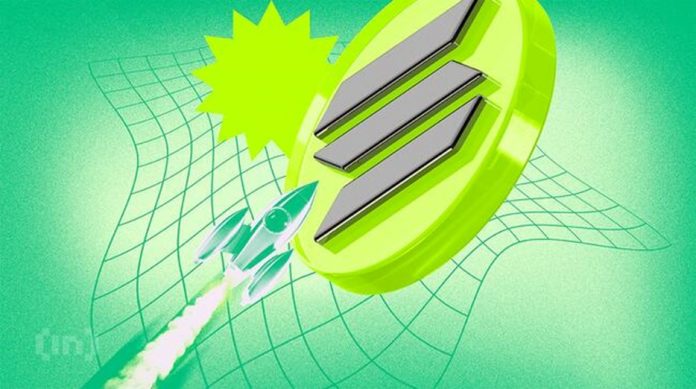
Today, March 20, 2025, marks the launch of the first Solana Futures ETFs in the United States. Volatility Shares LLC is introducing two exchange-traded funds (ETFs) tracking Solana (SOL) futures: the Volatility Shares Solana ETF (ticker: SOLZ), which follows Solana futures, and the Volatility Shares 2X Solana ETF (ticker: SOLT), which offers leveraged 2x exposure. This debut follows the Chicago Mercantile Exchange (CME) Group’s introduction of Solana futures trading on March 17, 2025, and is seen as a significant step toward mainstream adoption of Solana in traditional finance.

Solana futures are financial contracts that allow investors to speculate on or hedge against the future price of Solana (SOL), a popular cryptocurrency known for its high-speed blockchain. These are derivative products, meaning their value is derived from the underlying asset—in this case, SOL—without requiring ownership of the actual cryptocurrency. A futures contract is an agreement to buy or sell an asset (like SOL) at a predetermined price on a specific date in the future. Solana futures, traders commit to either purchasing or selling SOL at that set price when the contract expires.

Futures often allow traders to use leverage, meaning they can control a large position with a relatively small amount of capital (e.g., 2x or more). For example, the Volatility Shares 2X Solana ETF (SOLT) aims to deliver twice the daily price movement of SOL futures. Futures can be cash-settled (where no actual SOL changes hands, just the difference in price) or physically settled (where SOL is delivered). Most crypto futures ETFs, like those launched today, are cash-settled based on a reference index of SOL’s price.

Contracts have a set expiration date (e.g., monthly or quarterly). At expiration, the contract settles based on SOL’s price. However, traders can roll over contracts to a new expiration date to maintain their position. With the CME Group launching SOL futures on March 17, 2025, these contracts trade on a regulated exchange, offering transparency and oversight, unlike some decentralized crypto platforms. If you expect SOL’s price to rise, you “go long” by buying a futures contract.

If SOL’s price increases by expiration, you profit from the difference between the contract price and the higher market price. If you predict a price drop, you “go short” by selling a futures contract. If SOL’s price falls, you profit by buying it back at a lower price. Investors holding SOL can use futures to protect against price drops. For example, if you own SOL and fear a decline, you short a futures contract to offset potential losses.

The ETFs launched today—Volatility Shares Solana ETF (SOLZ) and 2X Solana ETF (SOLT)—track the performance of these futures contracts rather than SOL’s spot price. SOLZ aims to mirror the daily performance of SOL futures, while SOLT seeks 2x the daily return, amplifying both gains and losses. These ETFs don’t hold SOL directly; instead, they invest in futures contracts listed on exchanges like the CME, making them accessible via traditional brokerage accounts.

They allow traditional investors to gain exposure to SOL without navigating crypto wallets or exchanges. Trading on the CME and being offered as ETFs brings Solana into a regulated financial framework, boosting credibility. Futures cater to both speculators betting on price swings and institutions managing crypto exposure. Solana futures are a bridge between the crypto world and traditional finance, offering a way to bet on or protect against SOL’s price movements in a structured, regulated environment. Today’s ETF launch is a milestone in that integration.
Nigerians Braces for A Fresh Surge in Fuel Prices As Dangote Refinery Halts Sale of Fuel in Naira

0

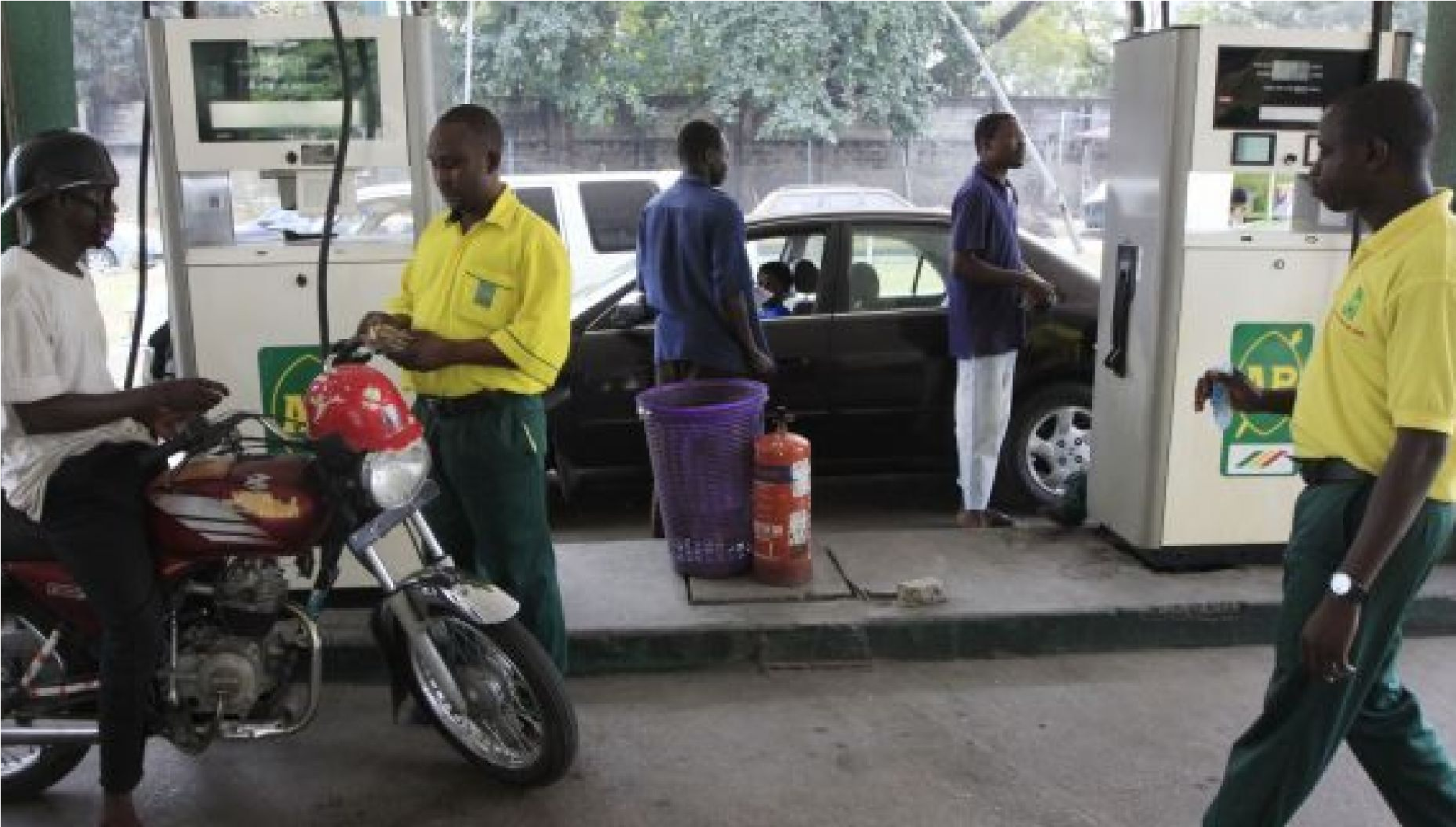
Nigeria is bracing for a fresh surge in fuel prices following Dangote Petroleum Refinery’s decision to halt the sale of petroleum products in Naira, a move that industry experts say could compound the country’s economic hardship and intensify pressure on foreign exchange.

In a statement released on Wednesday, Dangote Petroleum Refinery, Africa’s largest refinery, explained that the temporary halt in Naira transactions was necessitated by a misalignment between its revenue streams and crude oil procurement obligations, which are settled in US dollars.

“This decision is necessary to avoid a mismatch between our sales proceeds and our crude oil purchase obligations, which are currently denominated in US dollars,” the company stated.

According to the $20 billion refinery based in Lagos, the volume of petroleum products it has sold in Naira now surpasses the amount of Naira-denominated crude oil it has received from the Nigerian National Petroleum Company Limited (NNPCL). The company maintains that once it secures new crude oil supplies in Naira, it will promptly resume local currency sales.

The move follows the expiration of the crude-for-Naira agreement between Dangote Refinery and the NNPCL on March 1, 2025. The government introduced the arrangement in mid-2024 as a measure to ease pressure on the US dollar and ensure price stability in the downstream oil sector. Under the six-month agreement, Dangote Refinery and other local refineries received crude oil from NNPCL in Naira rather than US dollars.

However, with the expiry of the arrangement, Dangote Refinery is now forced to procure crude in foreign currency, which in turn affects the currency in which it sells its refined products.

The NNPCL, in its defense, said that negotiations were ongoing to replace the expired contract and pointed out that since the start of the arrangement, it had supplied Dangote Refinery with over 48 million barrels of crude oil in Naira and a total of 84 million barrels since the refinery began operations in 2023.

Analysts Decry Policy Reversal

The decision to end the Naira crude sales arrangement has sparked concerns, with financial and energy analysts arguing that sustaining the policy would have shielded Nigeria from currency fluctuations and rising fuel costs.

Financial analyst Kalu Aja described the crude-for-Naira arrangement as a subsidy that protected consumers when oil prices were falling. However, he questioned what would happen if global crude oil prices surged, suggesting that the policy shift could have severe consequences for Nigeria’s economy.

Energy analyst Kelvin Emmanuel attributed Dangote’s decision to two key factors:

  1. Market Manipulation by Competitors – According to Emmanuel, a cartel of oil marketers who feel threatened by Dangote Refinery’s lower pricing strategy may have lobbied to terminate the Naira-based crude swap. This, he said, was a move to force Dangote to increase prices, thereby leveling the playing field for importers.
  2. Government’s Desperation for Foreign Exchange – Emmanuel also suggested that discussions were underway for a new forward-sale agreement that would extend until 2034 and be 2.2 times larger than the 2023 arrangement. This, he said, was driven by the Central Bank of Nigeria’s urgent need to settle $3.2 billion in foreign exchange obligations, including $1.2 billion in Eurobond yields due in 2025.

Oil Marketers Warn of Price Hikes

Oil marketers have warned that the shift in Dangote’s sales policy could lead to a sharp increase in fuel prices in the coming days.

Public Relations Officer of the Independent Petroleum Marketers Association of Nigeria (IPMAN), Chief Chinedu Ukadike, noted that the shift would worsen the pressure on the dollar, which has now become the primary exchange currency for petroleum products.

“The pressure on the dollar will increase because it has become the means of exchange. Marketers will begin to sell petrol at filling stations in dollars. And this will have a negative impact on the prices of petroleum products across the country,” Ukadike stated.

He further revealed that marketers had been informed that the crude-for-Naira deal officially ended on March 1, contradicting claims by some government officials that it was still in place.

With this development, pump prices, which had temporarily dropped below N1,000 per liter, are expected to climb again. Though the Major Energy Marketers Association of Nigeria (MEMAN) recently reported a slight reduction in the landing cost of imported petrol—from N817.82 per liter on March 14 to N797.66 per liter—analysts warn that without local crude supply from Dangote Refinery, the downward trend will be short-lived.

Rising Fuel Costs and Economic Strain

Nigeria’s energy sector remains in crisis, sustained by the longstanding inefficiency of state-owned refineries, which have been non-operational for decades until 2024. Despite efforts to revive the sector, the country still heavily relies on imported refined petroleum products, with NNPCL serving as the major importer.

The removal of fuel subsidies in May 2023 by President Bola Tinubu further worsened the situation, causing petrol prices to skyrocket from around N200 per liter to as high as N1,000 per liter. This has deepened economic hardship for millions of Nigerians who depend on petrol not just for transportation but also for powering generators in the absence of a stable electricity supply.

Last December, Dangote Refinery commenced operations with an initial refining capacity of 350,000 barrels per day, with plans to reach its full 650,000 barrels per day capacity by the end of 2025. While the refinery has already begun supplying diesel, aviation fuel, and now petrol to the domestic market, its pricing strategy and its ongoing negotiations with the government remain critical in determining the future of fuel affordability in Nigeria.

However, halting the naira-for-crude deal means that Nigeria is returning to full dollarization of the petroleum sector, a situation that will bring further strain on the economy by potentially worsening inflationary pleasures.

Ways to Secure the Funding You Need for Your Next Big Project

0

Starting a big project can be exciting, but securing the right funding can be challenging. Whether you are launching a business, expanding an existing one, or working on a personal passion project, finding the money to make it happen is crucial. Many people struggle with knowing where to start or what options are available. Choosing the right funding source depends on your project’s needs and how much effort you are willing to put into the process.

In this blog, we will share practical ways to secure funding for your next big project. We will cover different options, how they work, and what you need to consider before making a decision.

Explore Personal Savings and Investments

Using your savings is one of the simplest ways to fund a project. If you have been setting money aside, now may be the time to use it. This method gives you complete control over your project since you do not have to rely on outside investors or lenders. It also means you won’t owe anyone money, which can reduce stress in the long run. However, it is important to evaluate how much of your savings you can afford to use without putting yourself in financial trouble. Having a backup plan for unexpected costs is a good idea.

If your savings are not enough, consider the investments you have made. Selling stocks, bonds, or other assets can provide extra funding. Some people also take out a home equity loan or withdraw from retirement funds, but these options come with risks. It is essential to think carefully before making a decision, as you want to secure funding without harming your financial future.

Apply for a Business or Personal Loan

A loan is a common way to secure funding for big projects. Banks, credit unions, and online lenders offer different types of loans depending on your needs. A business loan is great for entrepreneurs looking to start or expand a company. They typically require a solid business plan and proof of income or creditworthiness. A personal loan, on the other hand, can be used for various projects, including creative or personal ventures.

Before applying for a loan, compare interest rates, repayment terms, and fees. Some have strict repayment schedules, so be sure you can meet them. A government-backed loan, such as a SBA loan, offers lower interest rates and better terms for businesses. If you have good credit and a steady income, you might qualify for better loan options, making this a reliable way to secure funding.

Look for Grants and Government Funding

Grants are an excellent way to fund a project without having to repay money. Many organizations and government agencies offer grants for businesses, research, education, and creative projects. These funds are often given based on need, project impact, or industry. Applying for a grant takes time and effort because you need to meet specific requirements and submit detailed proposals. However, if you qualify, this can be a valuable source of funding.

Government funding is another option worth exploring. Federal and state programs support small businesses, startups, and community initiatives. Some grants are designed for specific industries, such as technology, healthcare, and environmental projects. Researching and applying for grants early can increase your chances of securing funding. Since grants are competitive, having a well-prepared application is crucial.

Consider Crowdfunding Platforms

Crowdfunding allows you to raise money from a large group of people, usually through online platforms. Websites like Kickstarter, GoFundMe, and Indiegogo let individuals and businesses present their projects and request financial support. In return, backers may receive rewards, products, or recognition. Crowdfunding is a great option for creative, community-driven, or innovative projects. It also helps validate your idea by showing that people are interested in what you are creating.

To run a successful crowdfunding campaign, you need a clear and engaging pitch. Explain your project, why it matters, and how the funds will be used. Sharing your campaign on social media and other networks can help attract more backers. While crowdfunding can be a powerful tool, it requires effort in marketing and engagement to reach your funding goal.

Seek Out Angel Investors or Venture Capital

Angel investors and venture capital firms provide funding to businesses with growth potential. Angel investors are individuals who use their own money to invest in startups or promising projects. They often provide mentorship and guidance in addition to funding. Venture capital firms, on the other hand, invest larger amounts in exchange for equity in a company. These investors look for high-growth opportunities and expect a return on their investment.

To attract investors, you need a strong business plan, market research, and a clear strategy for how your project will succeed. Investors want to see the potential for growth and profit. While this funding option can provide significant financial support, it also means sharing control of your project. Make sure you understand the terms before accepting investment offers.

Explore Partnerships and Sponsorships

Partnering with businesses or securing sponsorships can be another way to fund your project. Companies often invest in projects that align with their brand or values. Sponsorships work well for events, community projects, and creative ventures. In exchange for funding, sponsors may request brand visibility, advertisements, or partnerships in your project.

To secure a partnership or sponsorship, research companies that fit your project’s goals. Reach out with a professional proposal explaining how their support benefits both parties. Building relationships with potential sponsors can increase your chances of securing funding. Being transparent about your project’s goals and impact will help attract the right partners.

Raise Money Through Pre-Sales or Early Access

If your project involves creating a product, service, or event, offering pre-sales can help raise funds. Pre-selling allows customers to buy in advance, giving you the money needed to complete your project. This method is commonly used for books, courses, software, and other creative projects. It also helps test demand and build excitement before launch.

Offering early access or exclusive perks can encourage people to support your project early. Creating a sense of urgency or limited-time offers can boost sales. To succeed with this approach, make sure to deliver on promises and maintain clear communication with supporters.

In conclusion, securing funding for a big project requires careful planning and effort. Whether you use personal savings, apply for a loan, seek grants, or explore alternative methods like crowdfunding and sponsorships, each option comes with pros and cons. Choosing the right funding source depends on your project’s needs and financial situation.

The Future of Onchain and Stablecoin Payments in Africa

0

The future of onchain and stablecoin payments in Africa looks incredibly promising, driven by the continent’s unique economic challenges and its rapid adoption of digital technologies. Africa is poised to become a global leader in leveraging blockchain-based solutions like onchain payments and stablecoins to address issues such as financial exclusion, high remittance costs, currency volatility, and inefficiencies in cross-border trade.

With only about 34% of adults in Africa having formal bank accounts, traditional financial systems leave millions underserved. Stablecoins, which operate on blockchain networks (onchain), require only an internet connection and a digital wallet—bypassing the need for banks. This makes them accessible to the unbanked, especially in rural areas where mobile phone penetration is high (around 75%). Many African currencies suffer from high inflation rates—averaging 14% annually across the continent—and foreign exchange shortages.

Stablecoins, typically pegged to stable assets like the US dollar, offer a reliable alternative for storing value and conducting transactions without the risk of sudden depreciation. Africa faces the world’s highest remittance fees, averaging 8% of the transaction value, despite nearly $100 billion in annual inflows. Stablecoins can slash these costs significantly—sometimes to as low as 0.5-1%—while enabling near-instant settlements, making them a game-changer for the diaspora sending money home.

With 42 different currencies and fragmented payment systems, intra-African trade is costly and slow. Onchain payments using stablecoins provide a unified, efficient, and low-cost solution, running on global blockchain rails that settle transactions quickly and securely. Countries like Nigeria and Kenya are already seeing massive uptake. Nigeria, for instance, ranks second globally in crypto adoption and had $59 billion in cryptocurrency transactions between July 2023 and June 2024, much of it driven by stablecoins like USDT and USDC.

In Kenya, platforms like M-Pesa are exploring stablecoin integration for remittances and payments. South Africa is paving the way with a progressive regulatory environment, having classified crypto as a financial product and approved licenses for 59 crypto businesses by March 2024. Locally pegged stablecoins like ZARP and ZARC are already in use, and the government is working on specific stablecoin regulations, potentially making it the first African nation to do so.

Companies like Yellow Card, a pan-African fintech, are building stablecoin-based infrastructure, connecting millions of users across 20 countries to local banks and mobile money providers. This is enabling businesses and individuals to leapfrog traditional systems. Africa’s widespread use of mobile money (e.g., M-Pesa in East Africa) pairs naturally with stablecoins, creating seamless on/off ramps between fiat and digital currencies. This synergy is driving adoption for everyday transactions, from bill payments to retail purchases.

As internet access and smartphone use continue to grow—coupled with a young, tech-savvy population (median age of 20)—stablecoins could become a mainstream payment method. Predictions suggest that by 2030, stablecoin transactions could account for a significant portion of Africa’s $3.1 trillion GDP. While regulatory frameworks are still maturing, proactive steps in countries like Nigeria and South Africa signal a shift toward embracing stablecoins with consumer protections in place. The European Union’s MiCA framework could inspire similar harmonized regulations across African nations, boosting trust and investment.

Beyond USD-pegged coins, we may see more fiat-pegged stablecoins tied to local currencies (like Nigeria’s planned Naira stablecoin) or even regional stablecoins to facilitate AfCFTA (African Continental Free Trade Area) transactions, reducing reliance on foreign currencies. Stablecoins are already fueling decentralized finance (DeFi) in Africa, where Sub-Saharan Africa leads globally in adoption. This could expand into lending, savings, and supply chain financing, empowering small businesses and individuals with tools previously inaccessible.

As stablecoin transaction volumes grow—$2.6 trillion settled globally in the first half of 2024 alone—Africa could become a hub for onchain payments, attracting international businesses and investors seeking efficient entry into its high-growth markets. Reliable internet and electricity remain barriers in some regions, though mobile networks are rapidly bridging this gap. Uncertainty and fragmented policies could slow adoption if not addressed collaboratively across borders.

The future of onchain and stablecoin payments in Africa is not just about technology—it’s about solving real-world problems with practical, scalable solutions. By offering a cheaper, faster, and more inclusive alternative to traditional finance, stablecoins could transform how Africans save, spend, and trade, both locally and globally. With the right mix of innovation, regulation, and infrastructure, Africa might not only catch up but leapfrog other regions in building a blockchain-powered financial ecosystem.

Kenya Reneges on IMF $3.6bn Deal, Forfeits $850m

0

Kenya has reneged on the deal with the International Monetary Fund (IMF) after failing to meet key financial commitments under a $3.6 billion funding program.

The East African nation had agreed in 2021 to curb spending and increase tax collection as part of the deal, but the administration of President William Ruto has struggled to implement the required measures. The IMF has now called off its scheduled review of Kenya’s financial position, meaning a final $850 million payout will not be disbursed.

The government’s failure to meet its IMF obligations follows widespread domestic backlash against its tax policies. In 2023, Ruto’s administration attempted to introduce new levies to shore up public finances but was forced to backtrack after mass protests erupted across the country.

The demonstrations, driven largely by young Kenyans frustrated with soaring living costs and dwindling economic opportunities, turned into one of the most significant challenges to Ruto’s presidency. The protests, which intensified in cities like Nairobi and Kisumu, saw thousands of citizens take to the streets in defiance of the proposed Finance Act, which sought to introduce new taxes on essential goods and services.

The unrest escalated as security forces clashed with demonstrators, leading to violent confrontations that resulted in multiple fatalities. Reports indicate that dozens of young Kenyans lost their lives in the protests, either due to direct police action or chaotic stampedes as security forces sought to disperse crowds.

The killings triggered further outrage, with many accusing the government of using excessive force to silence dissent. Ruto’s administration, which initially defended the tax measures as necessary for economic stability, found itself on the defensive as public anger mounted. The scale of the backlash ultimately forced the government to rescind key elements of the Finance Act, marking a significant policy retreat.

Ruto, acutely aware of the political damage caused by his handling of the protests, now faces a delicate balancing act. With an eye on re-election in 2027, he appears cautious about further antagonizing the public. His administration’s decision to abandon the tax hikes and default on IMF commitments suggests a strategic pivot aimed at restoring public favor. However, the move comes at a cost. Kenya now faces financial uncertainty, with the IMF withdrawing a crucial tranche of funding and global investors growing increasingly skeptical about the government’s ability to manage its debts.

To bridge the widening budget deficit, Ruto’s administration has sought alternative sources of funding. Kenya recently secured a $1.5 billion loan from the United Arab Emirates (UAE), which, while providing temporary fiscal relief, raises concerns about the country’s growing dependence on external borrowing. The UAE deal also exposes Kenya to foreign exchange risks, potentially worsening the nation’s debt burden. Additionally, the government has restructured a Eurobond, extending its maturity by 11 years to ease immediate repayment pressures. However, such measures are merely stopgaps, and experts warn that Kenya’s financial position remains precarious.

The financial markets have responded negatively to the IMF’s withdrawal. The Kenyan shilling has weakened significantly, and the country’s foreign debt has seen a selloff, reflecting investor fears about the long-term sustainability of Kenya’s fiscal policies. Analysts caution that any alternative funding arrangement that fails to enforce strict financial discipline could further erode investor confidence, increasing borrowing costs for the country.

To mitigate the risks of further economic instability, Ruto has also sought to stabilize his political standing by striking a power-sharing agreement with his main rival, Raila Odinga. The pact is expected to help the government push budgetary measures through parliament with less resistance, ensuring smoother governance in the run-up to the next elections. However, it remains uncertain whether Ruto will be willing to implement another round of controversial economic reforms before 2027, given the political risks involved.