DD
MM
YYYY

PAGES

DD
MM
YYYY

spot_img

PAGES

Home Blog Page 1661

Get Blucera Free with Next Tekedia Mini-MBA Annual Plan

0

Greetings! We have opened registrations for the next edition of Tekedia Mini-MBA (June 9 – Sept 6, 2025). The annual plan of Tekedia Mini-MBA which currently includes 3 consecutive Tekedia Mini-MBA editions and 2 optional capstones will now include an annual access to Blucera.com. 

Blucera will launch at the start of Mini-MBA edition 17 on June 9, 2025. Blucera provides eVault custodial services, business tools, libraries of Tekedia videos & course materials, Blucera WinGPT (AI business educator and personal interview coach engineered with libraries of Tekedia materials and more), etc. This video explains the product. 

WinGPT:  Business Education Tool

  • It’s a personalized business education tool.
  • It uses AI to guide learners through business concepts.
  • It draws from Tekedia’s course materials and other selected libraries.
  • It can provide specific guidance based on real-world scenarios.
  • Everything is baked with the nuances of doing business in Africa.

WinGPT: Personal Interview Coach

  • It’s an AI-powered interview and career preparation tool.
  • It analyzes resumes and experience to tailor coaching.
  • It simulates interview scenarios through video.
  • It leverages knowledge of specific companies and industries.

Go here and register, and plan to join the next edition of Tekedia Mini-MBA. Blucera is designed to become an ecosystem that will provide learners, small businesses and everyone tools to drive their visions.

Code Description Cost
MINI Tekedia Mini-MBA. Comes with WhatsApp School US$170 or N120,000
MINF Annual Package: 3 consecutive MINI and 2 optional capstones AND annual access to Blucera.com. $340 or N180,000
MINR (optional) Homework review; faculty will review your homework with feedback. $30 or N10,000
CAPS (optional) Tekedia capstone is a research paper, analogous to a final college project. $60 or N20,000 per track


Regards,

Tekedia Mini-MBA Team

Shiba Inu vs PEPE: Which Meme Coin Will Dominate 2025? Experts AI Agent Wins

0

Meme coins in the past have achieved explosive growth, seeing Shiba Inu (SHIB) along with PEPE emerge as leading tokens among investors. While these tokens created substantial communities to go along with substantial price growth their future dominance in 2025 remains uncertain. Most investors are moving away from meme coins because utility-based cryptocurrencies align better with their emerging requirements. This is why industry experts project that this AI agent altcoin could become the best performing crypto on the market.

Shiba Inu (SHIB) Struggle Continues: 17% Down On The Monthly Charts

The meme coin Shiba Inu (SHIB) launched in August 2020 to become one of the most popular meme coins in the market. Shiba Inu entered the market as a decentralized, community-driven alternative to Dogecoin (DOGE). SHIB utilized social media platforms together with intentional token-burning procedures, which propelled it to reach its all-time high value of $0.00008845 on October 28, 2021.

The fast rise of this token generated numerous millionaires overnight which established its standing as one of the leading memecoins. Investors now doubt Shiba Inu’s continued growth potential after its recent performance. Currently SHIB is trading at $0.000013 which stands as 85% lower than its ATH and 17% lower on the monthly charts.

Apart from developing projects like Shibarium, the project confronts weaker-than-expected adoption levels for its existing initiatives. Despite these developments, SHIB remains primarily a speculative asset, and its dependence on social sentiment and hype makes it a high-risk investment compared to this AI coin.

What Lies Ahead For Pepecoin (PEPE)?

PEPE launched in 2023 as one of many new memecoins following its popularity surge because of its link to the globally famous Pepe the Frog meme. Memecoins depend on cultural importance and popularity for success, and PEPE has managed to achieve both. Pepecoin achieved its historical price peak at $0.00002825 when it reached its position as one of the most traded tokens in the cycle on December 9, 2024.

PEPE has experienced substantial price drops, which led to its present value of $0.000006, representing a 76% decrease in its ATH. Several retail traders continue to treat PEPE as a short-term option as expert analysts doubt its capability to sustain long-lasting development because of absent fundamental growth factors that could push it upward.

IntelMarkets (INTL): The AI Agent Coin That Could Dominate 2025

IntelMarkets (INTL) differs from typical meme coins since it offers an AI-powered trading platform for decentralized finance which combines artificial intelligence with blockchain technology. INTL’s platform provides an AI-operated trading system which deploys self-learning robots which process large market data instantly to help users profit in market trades. IntelMarkets is currently in its tenth stage of its ICO and lets investors enter at $0.09 per token, seeing it rise more than 550% in just the presale..

INTL’s AI-DeFi narrative shows promise to surpass meme coins like SHIB and PEPE since the latter depend heavily on community speculations instead of technological developments. IntelMarkets has already raised more than $10.8M during its presale stage and analysts expect it to easily outpace PEPE after it obtains listing positions on major trading platforms. Additionally, while SHIB and PEPE have already experienced their major breakout rallies, INTL is still in its early stages, meaning there is significant room for growth.

Key Takeaways

Shiba Inu and PEPE have had their moments, but their growth depends largely on hype rather than real-world value. With AI and DeFi leading the next crypto wave, IntelMarkets (INTL) offers a stronger investment case. Its AI-powered trading platform provides real utility, making it a smarter choice over meme coins. Investors looking for sustainable, high-growth potential should keep INTL on their radar.

Learn More About IntelMarkets:

Buy Presale

Website

Telegram


German Lawmakers Approve Increased Spending for Next Chancellor

0

German lawmakers approved a significant spending plan that loosens the country’s strict debt rules to allow for increased investment in defense and infrastructure. This historic decision, led by Friedrich Merz, the prospective next chancellor, passed with a vote of 513 to 207 in the Bundestag, the lower house of parliament. The plan required a two-thirds majority (at least 489 votes) due to its amendments to Germany’s constitutional “debt brake,” which traditionally limits borrowing to 0.35% of annual GDP.

The package exempts defense and security spending exceeding 1% of GDP from these debt restrictions, covering areas like military enhancements, intelligence agencies, and aid to Ukraine. Additionally, it establishes a 500-billion-euro ($544 billion) fund, financed through borrowing, to revitalize Germany’s infrastructure over the next 12 years. This fund aims to address the country’s stagnant economy—Europe’s largest—by investing in critical areas such as transportation, energy, and housing, with 100 billion euros specifically allocated for climate-related initiatives at the insistence of the Greens party.

The approval came amidst growing concerns over the reliability of the trans-Atlantic alliance, particularly with doubts about U.S. commitment under President Donald Trump, and ongoing geopolitical tensions, including Russia’s invasion of Ukraine. The vote was strategically pushed through the outgoing parliament before the newly elected one convenes on March 25, 2025, to avoid potential opposition from parties like the far-right Alternative for Germany (AfD) and the Left Party, which hold significant seats in the new parliament and oppose aspects of the plan.

The plan amends Germany’s constitutional “debt brake,” which caps annual borrowing at 0.35% of GDP, to exempt defense and security spending that exceeds 1% of GDP. This allows for substantial increases in military funding without triggering the usual fiscal constraints. The exemption applies not only to the armed forces (Bundeswehr) but also to intelligence agencies, civil defense, and Germany’s contributions to international security efforts, such as aid to Ukraine.

The decision is driven by concerns over the reliability of the U.S. as a NATO partner, particularly with President Donald Trump’s administration raising doubts about trans-Atlantic commitments. Germany aims to strengthen its role within NATO and the European Union’s defense framework. Russia’s ongoing war in Ukraine, now in its third year, has heightened the urgency to modernize Germany’s military capabilities and support allies in the region. While exact figures for annual defense spending weren’t specified in the initial vote, the exemption enables Germany to surpass its previous NATO commitment of 2% of GDP—a target it first met in 2024 with a special 100-billion-euro fund established after Russia’s 2022 invasion of Ukraine.

Unlike the 2022 special fund, which was a one-off measure, this plan integrates defense spending into a long-term framework. It leverages borrowing capacity freed up by the debt brake amendment, potentially drawing from the broader 500-billion-euro ($544 billion) fund established for infrastructure and climate initiatives over the next 12 years. The defense portion isn’t separately quantified in public statements, but its prioritization suggests a significant allocation, likely in the tens of billions annually, given Germany’s GDP of approximately 4 trillion euros.

The vote (513 to 207) in the Bundestag secured the necessary two-thirds majority to amend the constitution, reflecting broad support from Friedrich Merz’s Christian Democratic Union (CDU), its Bavarian sister party CSU, and coalition partners like the Social Democrats (SPD) and Greens. Opposition came from the far-right Alternative for Germany (AfD) and the Left Party, who criticized the militarization and debt increase. The outgoing parliament rushed the vote before the new session on March 25, 2025, to avoid complications from the AfD’s stronger presence in the incoming legislature.

The plan awaits approval from the Bundesrat, Germany’s upper house, representing the 16 federal states. Given the cross-party support in the Bundestag and the urgency of the security situation, passage is anticipated, though some states may negotiate adjustments. This defense spending overhaul marks a turning point for Germany, shifting from its post-World War II reluctance toward military engagement to a more assertive stance, aligning with its economic weight in Europe.

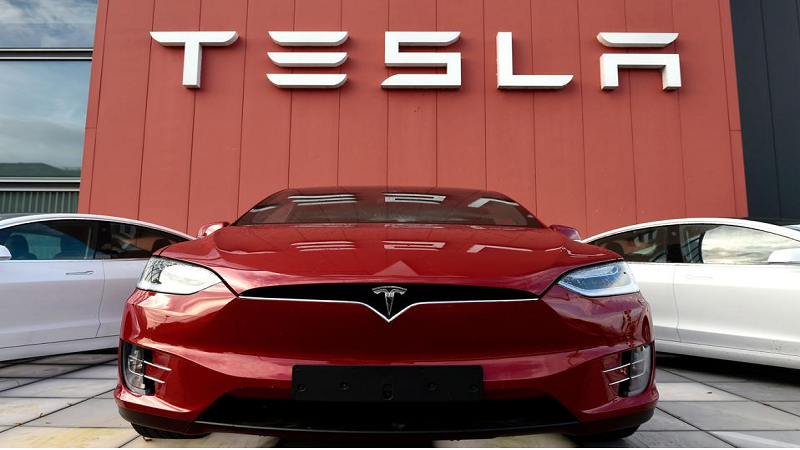
Tesla Board Members Sold Over $100m in Stock, Analysts Expect Worst Q1 Report, Lower Stock to $120 per share

0

Tesla has been facing a rough stretch in recent weeks, with its stock price plummeting and key executives offloading millions of dollars in shares. Since early February, four top officers at the electric vehicle maker have sold over $100 million in stock, according to filings with the U.S. Securities and Exchange Commission (SEC).

Among those selling shares is James Murdoch, a longtime ally of Elon Musk and a Tesla board member since 2017. Murdoch exercised a stock option and sold shares worth approximately $13 million on March 10, the same day Tesla suffered its largest single-day stock decline in five years. According to SEC filings, the sale was made to cover the exercise price of stock options set to expire in 2025.

Kimbal Musk, Elon Musk’s brother and a fellow Tesla board member, also cashed out 75,000 shares worth roughly $27 million last month. Additionally, Robyn Denholm, Tesla’s board chair, sold over $75 million worth of stock in two transactions over the past five weeks. Denholm’s sales were executed under a prearranged trading plan adopted in July 2024, designed to prevent executives from being accused of trading on insider information.

The selloffs come at a particularly challenging time for Tesla. The company’s stock has fallen nearly 50% from its mid-December peak, a decline that has only accelerated in recent weeks. The situation has been compounded by weak demand, increasing competition, and growing investor unease over Musk’s political controversies.

“Whenever insiders, including directors, are selling shares, it’s not a positive signal,” said Jay Ritter, a finance professor at the University of Florida. While prearranged sales like Denholm’s are common, the timing of the broader selloff has raised concerns among investors.

Tesla Chief Financial Officer Vaibhav Taneja also sold over $5 million worth of shares in recent weeks, including one transaction not tied to a predetermined sales plan, further fueling speculation about the company’s future performance.

Adding to Tesla’s woes, JPMorgan recently slashed its forecast for the company’s first-quarter deliveries. Initially projecting 444,000 units, the bank has now revised that estimate down to just 355,000 units—well below Wall Street’s broader consensus of 430,000. If the latest projection holds, Tesla will report an 8% year-over-year drop in deliveries for Q1 2025.

The downturn in Tesla’s sales is already evident across key global markets. In January and February, Tesla’s sales in Norway plunged 44.4%, while Germany saw an even steeper drop of 70.6%. Sales in Australia and China have also suffered, signaling that demand for Tesla’s vehicles is waning.

JPMorgan analysts have further lowered their price target for Tesla’s stock to just $120 per share, a drastic cut from the $249 price it was trading at last week. The downgrade reflects growing skepticism about Tesla’s near-term performance, with analysts describing the stock’s dramatic decline as “unprecedented in the automotive industry.”

“We struggle to think of anything analogous in the history of the automotive industry, in which a brand has lost so much value so quickly,” said Ryan Brinkman, an auto analyst at JPMorgan.

A key factor weighing on Tesla’s brand and stock performance is Musk’s increasingly polarizing political stance. His alignment with controversial figures and his vocal criticism of regulatory policies have alienated some investors and consumers. Experts warn that Musk’s politics, combined with the recent stock selloffs by Tesla’s board, are likely to contribute to a disappointing Q1 earnings report.

Investor confidence in Tesla has been further shaken by reports of growing discontent among customers, with some showrooms witnessing protests and instances of vandalism targeting Tesla vehicles and Supercharger stations. Analysts caution that unless the company can reverse its downward sales trend, Tesla’s market value and global dominance in the EV sector may continue to erode in the months ahead.

Nigeria’s Crude Cargoes Remain Unsold As Weak Demand Threatens Country’s Export

0

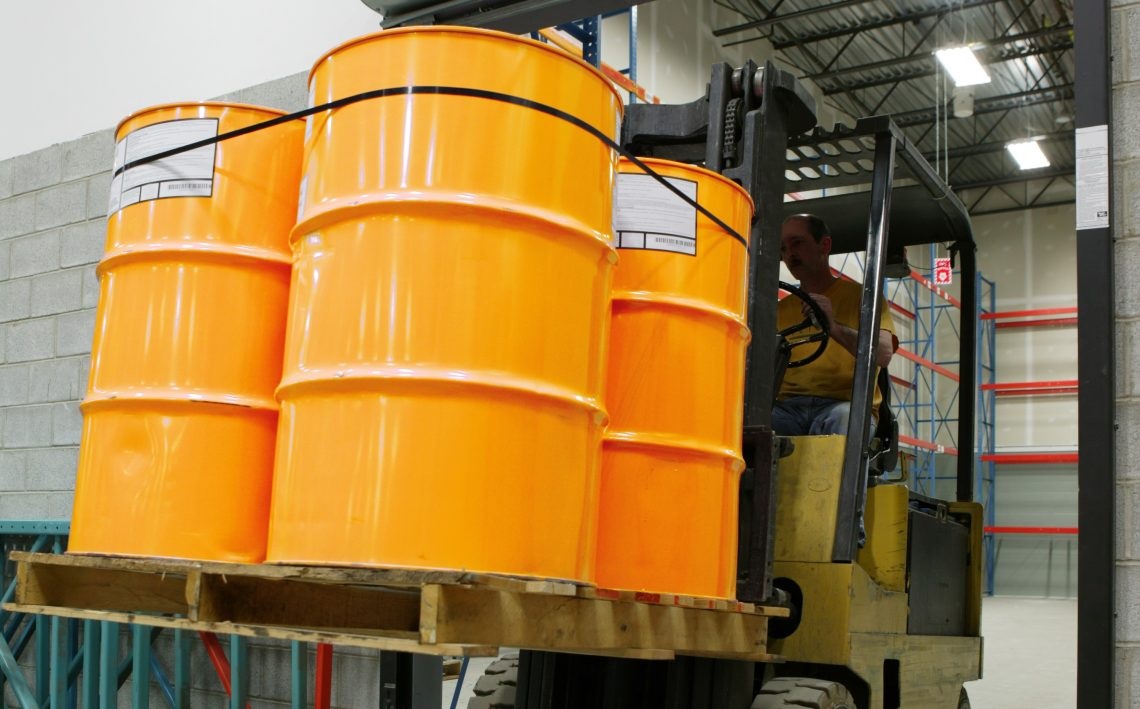
A fresh challenge has hit Nigeria’s oil sector as 12 March-loading crude cargoes remain unsold, highlighting weak demand for the country’s exports.

Traders reported that as of 10 March, buyers for these cargoes were still being sought, with much of the April export schedule also available, according to data from Argus. The sluggish sales come as Nigerian crude faces stiff competition from cheaper alternatives such as Kazakh-origin light sour CPC Blend, US WTI, and Mediterranean sweet crudes in Europe, where refinery maintenance season is set to begin.

The oversupply of competitively priced alternatives has pushed down the value of April-loading Nigerian cargoes, compounding the challenges for Africa’s largest oil producer. Industry analysts say this is a worrying trend for Nigeria, whose economy remains heavily dependent on oil revenues to stabilize foreign exchange reserves and fund government expenditures. The oil sector is already struggling with low oil output.

The International Energy Agency (IEA) warned earlier this month that global oil supply may exceed demand by approximately 600,000 barrels per day (bpd) in 2025, posing a serious risk of oversupply in the market. This forecast adds to Nigeria’s concerns, as weakening global demand and rising production from non-OPEC sources threaten to put further downward pressure on oil prices.

Nigeria’s oil sector has long been constrained by issues such as theft, pipeline vandalism, and declining investments in upstream projects. However, the challenge of weak demand is relatively new, signaling that the country must rethink its oil market strategies. With many of its traditional buyers shifting to alternative suppliers, Nigerian crude is struggling to secure contracts. The West African country experienced something similar during COVID-19 when its tanks sailed for months in search of buyers.

Usually, traders see Nigeria’s crude as historically a strong seller in Europe and Asia, but the influx of competing grades at lower prices is forcing refiners to look elsewhere. Energy analysts note that the market dynamics are shifting, and unless Nigeria adapts quickly, the country risks being sidelined.

One major consequence of the current situation is the potential impact on Nigeria’s fiscal stability. Oil sales account for the bulk of Nigeria’s foreign exchange earnings, and with weak demand, the country may struggle to meet revenue targets. This comes at a time when Nigeria is already grappling with an economic crisis marked by high inflation, a weakening naira, and rising debt.

The National Bureau of Statistics (NBS) has repeatedly highlighted the vulnerability of Nigeria’s economy due to its overreliance on oil exports. Experts warn that failure to secure buyers for crude cargoes could have a cascading effect on government spending, exchange rate stability, and the broader economic outlook.

Furthermore, geopolitical factors are playing a role in the shifting oil market. The ongoing Russia-Ukraine conflict has led to changing trade flows, with European buyers reducing their dependence on Russian crude and instead sourcing oil from alternative suppliers such as the US and Kazakhstan.

However, given that Nigeria’s oil industry has been here before, and has historically found ways to navigate difficult market conditions, the government and Nigerian National Petroleum Company (NNPC) have been advised to adopt more aggressive marketing strategies and explore new buyers, particularly in Asia, where demand remains relatively strong. Additionally, the NNPC has been urged to speed up rehabilitation work at the refineries as strengthening local refining capacity could help reduce dependence on exports and create more value domestically.