DD
MM
YYYY

PAGES

DD
MM
YYYY

spot_img

PAGES

Home Blog Page 1673

Harvard to Offer Free Tuition for Families Earning $200,000 Or Less As DEI Shutters

0

Harvard University has announced a major expansion of its financial aid program, stating that, beginning in the 2025-26 academic year, it will offer free tuition to students from families earning $200,000 or less annually.

The move significantly broadens the accessibility of one of the world’s most prestigious institutions and ensures that more middle- and low-income students can enroll without financial barriers.

The decision comes amid growing political opposition to Diversity, Equity, and Inclusion (DEI) initiatives, particularly under the Trump administration, which has sought to eliminate such programs from higher education institutions. While Harvard’s new policy is framed as an effort to make education more affordable, it also reflects the shifting landscape of college admissions as race-conscious DEI policies come under scrutiny.

Harvard President Alan M. Garber emphasized that expanding financial aid will enrich the university’s student body by welcoming more students from diverse economic backgrounds. He said that putting Harvard within financial reach for more individuals widens the array of backgrounds, experiences, and perspectives that students encounter, fostering intellectual and personal growth.

“By bringing people of outstanding promise together to learn with and from one another, we truly realize the tremendous potential of the University,” he added.

The new policy will allow about 86% of U.S. families to qualify for some form of Harvard financial aid, significantly increasing the number of students eligible for tuition-free education. Additionally, undergraduate students from families with annual incomes of $100,000 or less will receive full coverage for tuition, housing, food, health services, and other student fees.

Harvard’s decision marks a significant shift in its financial aid approach. In the past two decades, the university has gradually raised the income threshold for full financial aid. In 2004, families earning $40,000 or less were eligible for free tuition. The threshold increased to $60,000 in 2006 and then to $85,000 in 2023. Now, in 2025, Harvard has set a record-high threshold of $200,000, making a substantial portion of middle-class families eligible.

Harvard has awarded more than $3.6 billion?in undergraduate financial aid since launching the Harvard Financial Aid Initiative in 2004, according to the university.

About 55% of Harvard undergraduates receive some type of financial aid, according to the university. In the 2023-2024 school year, families of students receiving financial aid paid an average of $15,700 toward education costs, school officials said.

“Our team works closely with each student to ensure full inclusion in the Harvard experience,” said Jake Kaufman, Harvard’s director of financial aid. “The financial aid program is designed so that Harvard students can study, train, research, create, and fully engage in the Harvard experience with minimal constraints.”

The move comes at a time when many families struggle with the rising cost of higher education. Harvard’s annual tuition currently stands at $56,550, but when combined with housing, food, health services, and other fees, the total cost of attendance reaches $82,866 per year. By significantly increasing financial aid, the university is addressing concerns over student debt and college affordability.

“We know the most talented students come from different socioeconomic backgrounds and experiences, from every state and around the globe,” William R. Fitzsimmons, Harvard College’s dean of admissions and financial aid, said in a statement. “Our financial aid is critical to ensuring that these students know Harvard College is a place where they can be part of a vibrant learning community strengthened by their presence and participation.”

A Reprieve As DEI Shutters

DEI programs were designed to address historical disparities in higher education by supporting underrepresented students, particularly Black, Hispanic, Indigenous, and low-income individuals. These initiatives provided financial aid, academic support, and outreach programs to ensure greater access to elite universities for students who historically faced systemic barriers.

Under DEI programs, Harvard and other Ivy League schools implemented policies to increase enrollment from disadvantaged backgrounds. Affirmative action, a key component of DEI, played a significant role in diversifying student populations until the Supreme Court struck it down in 2023. Following this ruling, universities like Harvard faced immense pressure to reform their admissions processes, particularly from conservative groups and Republican lawmakers who argued that race-conscious admissions discriminated against White and Asian students.

The Trump administration has actively pursued policies to defund DEI offices at universities, arguing that they promote “woke ideology” and create racial and ideological divisions on campuses. Several Republican-led states have already banned DEI funding in public universities, and elite private institutions like Harvard have come under scrutiny for their policies.

However, DEI initiatives played a crucial role in supporting economically disadvantaged students at elite universities. These programs expanded financial aid, allowing first-generation and low-income students to receive grants covering tuition and other expenses. They also ran recruitment efforts in underserved communities to ensure that talented students had access to elite education. In addition, many diversity scholarships were targeted toward historically underrepresented groups, allowing them to graduate without massive debt.

With DEI policies now under threat, Harvard’s new tuition-free plan for middle- and low-income families could be seen as a response to the loss of these programs, ensuring that financial barriers do not disproportionately affect students from diverse backgrounds.

Harvard’s expansion of financial aid could put pressure on other elite universities to adopt similar policies, particularly as student loan debt remains a national crisis. Many institutions, particularly Ivy League schools, have already been forced to reevaluate their admissions strategies in light of the Supreme Court’s ruling on affirmative action.

Online Casino Singapore: Tips and Tricks to Choose a Safe & Trusted Casino Site

0

The online casino industry in Singapore is booming, offering players a vast range of options to enjoy real money gaming. However, with so many platforms available, it can be difficult to determine which sites are safe and trustworthy. Choosing the right online casino is crucial to ensure fair play, secure transactions, and reliable payouts. In this guide, we’ll share essential tips and tricks to help you select a reputable online casino in Singapore.

1. Check for a Valid License and Regulation

A legitimate online casino must hold a valid gambling license from a recognized authority. Some of the most reputable licensing bodies include:

  • Malta Gaming Authority (MGA)
  • United Kingdom Gambling Commission (UKGC)
  • Curacao eGaming
  • Philippine Amusement and Gaming Corporation (PAGCOR)

A licensed casino operates under strict regulations to ensure fair gaming practices and player protection. Before signing up, check the casino’s website for licensing information, usually found at the bottom of the homepage.

2. Verify Security Measures

A safe online casino should use advanced security technology to protect players’ personal and financial information. Look for the following security features:

  • SSL Encryption: Ensures that all transactions and data transfers are secure.
  • Two-Factor Authentication (2FA): Adds an extra layer of security to your account.
  • Fair Play Certification: eCOGRA and iTech Labs certify games for fairness.

Before depositing money, ensure that the casino prioritizes security to protect your data and transactions.

3. Read Player Reviews and Ratings

One of the best ways to determine a casino’s reputation is by checking player reviews and expert ratings. Look for feedback on:

  • Payment speed and reliability
  • Customer support responsiveness
  • Game fairness and quality
  • Bonus terms and conditions

Be cautious of casinos with numerous unresolved complaints, delayed payouts, or suspicious policies.

4. Review Payment Methods and Withdrawal Times

A trusted online casino should offer multiple secure payment options, including:

  • Credit/Debit Cards (Visa, MasterCard)
  • E-Wallets (Skrill, Neteller, PayPal)
  • Cryptocurrency (Bitcoin, Ethereum)
  • Bank Transfers

Additionally, check the casino’s withdrawal processing time. Some reputable platforms process withdrawals within 24 hours, while others may take several days. Avoid casinos with unreasonable withdrawal delays or high fees.

5. Analyze Bonus Terms and Conditions

Many online casinos in Singapore offer attractive bonuses, such as welcome bonuses, free spins, and cashback rewards. However, not all bonuses are as good as they seem. Before claiming any bonus, carefully read the terms and conditions, paying attention to:

  • Wagering requirements (e.g., 30x, 40x)
  • Game restrictions
  • Maximum withdrawal limits

A trusted casino provides clear and fair bonus terms without hidden conditions.

6. Explore the Game Selection

A high-quality online casino should offer a diverse selection of games from leading software providers like:

  • Pragmatic Play
  • Microgaming
  • NetEnt
  • Playtech

Popular game categories include:

  • Online Slots (progressive jackpots, classic slots, video slots)
  • Live Casino (blackjack, baccarat, roulette, poker)
  • Sports Betting (football, basketball, eSports)

A trusted casino partners with reputable providers to ensure fair and high-quality gaming experiences.

7. Test Customer Support Responsiveness

Reliable customer support is a key indicator of a trustworthy casino. Before joining a site, test their customer support by:

  • Sending a live chat message and checking response time.
  • Emailing support with a query.
  • Checking if they offer 24/7 support.

A good casino should provide fast, friendly, and professional assistance whenever needed.

8. Ensure Mobile Compatibility

With mobile gaming on the rise, a reputable online casino should have a responsive mobile site or a dedicated app. Look for casinos that offer:

  • Seamless mobile navigation
  • Fast loading speeds
  • Full game selection on mobile

This ensures you can enjoy your favorite casino games anytime, anywhere.

9. Look for Responsible Gambling Measures

A responsible casino promotes safe gaming practices and provides tools to help players control their gambling habits. Features to look for include:

  • Deposit limits
  • Self-exclusion options
  • Reality check reminders

These measures show that the casino prioritizes player well-being and responsible gaming.

10. Choose a Casino with a Proven Track Record

Finally, the best way to ensure safety and trust is by choosing a well-established casino with a proven track record. Casinos that have been operating for several years with a strong reputation are often more reliable than newly launched platforms.

Conclusion

Choosing a safe and trusted online casino in Singapore requires careful consideration of factors such as licensing, security, payment methods, game selection, and customer support. By following these tips and tricks, you can ensure a secure and enjoyable gaming experience.

If you’re looking for a trusted online casino Singapore, EP88 is one of the best choices available. With its strong reputation, licensed operations, secure transactions, and a wide range of games, EP88 provides players with a premium online gaming experience. Sign up today and enjoy exclusive bonuses, thrilling games, and fast withdrawals at EP88 Online Casino Singapore!

4 High-Yield Cryptos Poised to Outperform Bitcoin (BTC) and Ethereum (ETH), Turning $150 into $15,000 in Only 5 Months

0

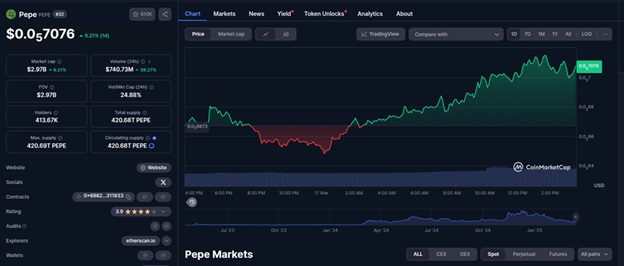
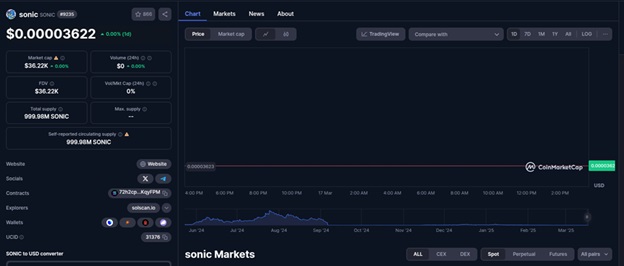
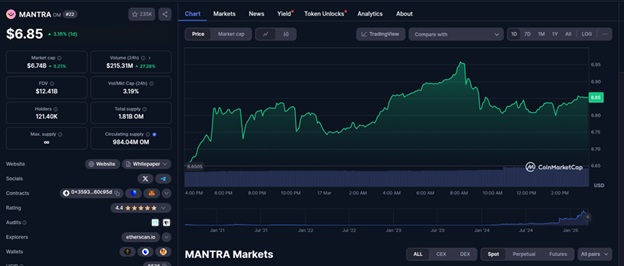
Bitcoin (BTC) and Ethereum (ETH) retain their position as leaders in the evolving cryptocurrency market, where high-yield alternative coins demonstrate quick potential for substantial returns. New cryptocurrency tokens attract financial investors looking for alternatives to conventional coins through their rapid development potential and industry-shaping characteristics. The crypto market registers PEPE SONIC and MANTRA as main competitors because these tokens offer distinct value propositions that generate strong market interest. Despite growing market competition, Remittix has secured its position as the ‘New XRP’ through fast early growth and innovative technical features. Multiple cryptocurrencies seek to dominate the market for substantial gains. Which cryptocurrency will become most dominant in 2025?

PEPE: The Meme Coin with Staying Power

PEPE was initially considered a transient meme token but has proved durable through unexpected market traction and resilience. The project lacks technical depth compared to established ventures but maintains momentum through speculative interest and community support. Traders face high stakes when they invest in PEPE because its unpredictable behavior makes it both a risky venture and a potential financial windfall in the realm where memes become multimillion-dollar assets quickly.

Social media momentum powers the token’s regular spikes in value. As trading volumes rise and the number of exchange listings grows, PEPE continues to attract the attention of traders who enjoy market-driven speculation. Meme coins achieve swift gains but their lasting viability remains uncertain.

SONIC: The Speed-Driven Challenger

SONIC has emerged as a top contender among layer-1 blockchains by delivering blazing transaction speeds with near-instant finality. Through its low fees and high efficiency, SONIC provides developers and users with an attractive alternative in a market where Bitcoin and Ethereum face network congestion problems.

SONIC aims to benefit from its scalability advantages by developing its ecosystem, which now includes DeFi apps alongside gaming integrations and NFT marketplaces. The ultimate challenge for SONIC will be whether it can attract sufficient developers and users to establish itself as a sustainable competitor. Its potential is promising, but whether it will surpass existing blockchains is still uncertain.

MANTRA: Staking and DeFi Excellence

The MANTRA platform stands out in the staking and decentralized finance (DeFi) sector by providing the highest annual percentage yields (APYs) available. MANTRA’s ecosystem enables small investors to enjoy passive income opportunities, while Bitcoin and Ethereum require substantial investments to earn substantial staking rewards.

MANTRA extends its scope by creating connections to multiple DeFi protocols, cross-chain solutions and real-world financial applications beyond its staking operations. The organization’s expansion has been driven by growing numbers of users and larger liquidity pools. MANTRA exhibits strong fundamentals but continues to function within a niche market compared to leading PoS platforms and it still needs to establish sustained market dominance.

Remittix: The ‘New XRP’ Revolutionizing Cross-Border Payments

Remittix (RTX) establishes itself as the future of cross-border transactions while PEPE, SONIC and MANTRA develop their unique market positions. Remittix combines financial inclusion objectives with practical applications and uses blockchain technology to connect cryptocurrency with traditional financial systems. Due to its ultra-low fees combined with fast transaction speeds and top-tier institutional security, Remittix stands poised to become a leading force in global remittance markets.

The RTX token presale has achieved significant success by raising over $13.9 million while selling 60.42% of its tokens. The project’s vision and execution have gained early investor confidence through this development. With a current price of $0.0734, Remittix offers real-world solutions that turn it into a high-utility asset, unlike speculative meme coins that serve only as trading vehicles. The presale performance exceeding expectations strengthens Remittix’s credibility.

Remittix distinguishes itself from blockchain projects that chase speculative profits by incorporating crypto-to-FIAT solutions. Remittix is a presale project with an exceptional technical foundation that promises to disrupt the multi-trillion-dollar payments industry. Investors seeking the next major breakout coin are less concerned about Remittix succeeding because it will grow but rather about how fast it will become prominent.

Conclusion: Which Crypto Will Lead the Charge?

The PEPE, SONIC and MANTRA market dynamics may change since Remittix will introduce itself to the market. Remittix distinguishes itself from meme coins and high-speed chains through its commitment to real-world adoption, its advanced technology, and successful presale results.

Will Remittix transform the financial sector like XRP’s impact? It has the potential to compete with SOL and BNB for real-world adoption. However, we may only witness the first phase of a tremendous transformation within cryptocurrency markets. Remittix’s successful presale has put it in a position where investors watch it closely as a potential top-performing altcoin of 2025.


Join the Remittix (RTX) presale and community:

Join Remittix (RTX) Presale

Join the Remittix (RTX) Community

The technologies used in the online gaming industry

0

In the last few years, the online gaming and casino industry has experienced growth in the number of customers. This incredible result has been possible thanks to companies focusing on technology-driven advancements that have boosted the industry and provided users with a more satisfying overall experience. By leveraging these technologies, many online gaming platforms have achieved a more engaged audience and increased revenues and reputation. And many more could do the same in the years to come.

The role of Artificial Intelligence in enhancing game personalization and fairness

Artificial Intelligence, or AI, has completely transformed many industries and is set to become increasingly relevant in various areas of human interaction. Gaming platforms have already discovered some of its key features. Artificial intelligence allows platforms to offer advanced customer support systems via chatbots, personalized recommendations, and tailored promotions based on users’ behavioral analysis, but most importantly, to analyze a large amount of data in a very short time. This technology is also used by comparison sites, such as Oddschecker, to offer users up-to-date odds as well as increasingly accurate forecasts and recommendations.

This technology is also used to ensure a fair and honest game. Through pattern recognition and behavioral analysis, AI can identify fraudulent activities and spam accounts. This helps platforms expel any account attempting to cheat, providing users with a safer and fairer gaming experience. Trust between platform and players is crucial in letting them be more secure in playing a fair game without distractions.

Transparency and secure transactions through blockchain 

Blockchain technology is another key advancement in the gaming industry. When playing online, people need to be sure that their personal data and financial interactions remain protected. Blockchain does exactly that, ensuring that every financial transaction is encrypted, protected, and immutable. The introduction of cryptocurrencies such as QuBetics, Hedera and VeChain also helps maintain user anonymity and removes traditional banking intermediaries. Being immutable, blockchain ensures that transactions and bet outcomes are verifiable, reducing the risk of fraud and manipulation both for casino websites and users.

Another related activity is the usage of smart contracts. Every time a user deposits money into their account, the agreement is automatically settled, remaining immutable and safe for both parties. These automated agreements execute payments and rewards instantly when predefined conditions are met, eliminating disputes and delays. Blockchain-based casino systems also allow provably fair gaming, where players can verify the integrity of the outcomes through cryptographic algorithms. As regulatory bodies increasingly recognize the advantages of blockchain, more online casinos are adopting this technology to build trust and compliance in the industry.

Virtual or Augmented Reality: the best way to ensure an immersive experience

The last technological advancement successfully implemented in online casinos and iGaming platforms is VR or AR. Through specialized hardware and software, users are able to experience immersive gameplay. This technology bridges the gap between online gambling and a real casino experience. Platforms are able to attract more engaged customers, who are completely immersed in the game and more likely to return. They can also personalize the game creating lifelike environments, themed casino rooms, magical and fantasy atmospheres in which gamers will feel at home.

The potential for customization in this department is nearly infinite and proved to increase users’ engagement. Any gaming company can create a large number of different settings and personalized games, engaging more and more customers and ensuring better gameplay. When people feel immersed in an online experience, they are less likely to leave: this means more customers, more time spent on the platform and ultimately more revenue for online casinos. Surely these technological innovations will drive steady growth in this sector of the entertainment industry.

KPMG Calls on Nigerian Banks to Embrace Blockchain and Crypto Partnerships Despite CBN Roadblocks

0

As Nigeria solidifies its position as a global leader in cryptocurrency adoption, KPMG has urged the country’s financial institutions to embrace blockchain technology and form partnerships with cryptocurrency firms.

The advisory firm’s latest report challenges Nigerian banks to move beyond cautious approaches and actively leverage digital finance opportunities to remain competitive in the evolving financial landscape.

KPMG’s March 2025 report, “Crypto Risk and Opportunities in Nigeria: A New Banking Paradigm,” provides an in-depth analysis of the resilience of Nigeria’s crypto market, the evolving regulatory landscape, and the potential for blockchain technology to transform banking operations. However, the report also underscores the challenges posed by the Central Bank of Nigeria (CBN), which continues to stifle cryptocurrency adoption within the financial sector.

CBN’s Restrictions Have Stymied Crypto Adoption

Despite KPMG’s recommendations, Nigerian banks remain constrained by the CBN’s longstanding restrictions on cryptocurrency-related transactions. While many financial institutions have shown a willingness to explore cryptocurrency services and integrate blockchain solutions, the CBN’s firm stance has prevented them from doing so.

The CBN first imposed a ban on cryptocurrency transactions in February 2021, instructing all commercial banks and financial institutions to block accounts linked to cryptocurrency trading. The apex bank also threatened severe sanctions against any institution that violated its directive, including hefty fines. This aggressive regulatory posture effectively shut down formal crypto adoption within the Nigerian banking sector, forcing crypto users and exchanges to operate through informal peer-to-peer (P2P) networks.

Although the CBN eased its stance in December 2023 by allowing banks to offer services to Virtual Asset Service Providers (VASPs) under strict regulations, it continued to prohibit banks from holding, trading, or directly transacting in cryptocurrencies. This halfway measure has left the financial sector in limbo, with banks hesitant to fully engage in crypto-related activities due to fears of a regulatory backlash.

The Impact of CBN’s Restrictions on Crypto Growth

KPMG’s report highlights how the CBN’s restrictions have ultimately failed to curb crypto adoption in Nigeria. Instead, they have driven the sector underground, with users relying heavily on P2P transactions to bypass banking restrictions.

According to data from blockchain analytics firm Chainalysis, Nigeria recorded $59 billion in cryptocurrency transactions between July 2023 and June 2024, making it the largest crypto market in Africa. The country’s crypto inflows rebounded by 25% in 2024, despite the banking sector’s exclusion from digital asset services.

The report also underscores how high remittance costs in traditional banking channels have fueled Nigeria’s growing reliance on cryptocurrencies. Many Nigerians, particularly those in the diaspora, prefer crypto for cross-border transactions due to its lower fees and faster processing times.

However, the lack of banking integration has created inefficiencies in the market, preventing Nigerian banks from tapping into the lucrative digital asset economy. The absence of formal banking support has also exposed crypto users to greater risks, including scams, fraud, and security breaches.

Regulatory Shifts and Emerging Opportunities

While the CBN’s restrictions have slowed institutional crypto adoption, Nigerian regulators have begun shifting toward structured engagement with the sector.

The CBN introduced guidelines for VASPs, allowing licensed crypto firms to open bank accounts and offer limited financial services. Similarly, the Securities and Exchange Commission (SEC) launched the Accelerated Regulatory Incubation Program (ARIP) to provide a framework for crypto firms to operate legally under regulatory oversight.

These developments indicate a gradual policy shift, but KPMG argues that they do not go far enough. The firm stresses that Nigerian banks must be allowed to fully integrate blockchain technology into their operations to remain competitive in the digital economy.

Why Nigerian Banks Must Embrace Blockchain

KPMG’s report strongly advocates for Nigerian banks to adopt blockchain technology, arguing that it could revolutionize compliance, operational efficiency, and financial inclusion.

Banks can better detect illicit financial activities and enhance transparency in financial transactions by incorporating blockchain analytics into their compliance frameworks. Blockchain-based solutions can also streamline banking operations, lower transaction costs, and unlock new financial services, particularly in cross-border payments and remittances.

“Forward-thinking banks can position themselves at the forefront of an increasingly digital financial system by leveraging blockchain technology,” KPMG stated.

The firm also noted that beyond compliance, banks that adopt blockchain innovations would be better positioned to compete with fintech and crypto-native companies, which are already capitalizing on digital finance trends.

The Future of Crypto in Nigerian Banking

Despite the regulatory roadblocks, KPMG’s report suggests that Nigerian banks cannot afford to ignore the crypto revolution. The increasing adoption of digital assets, combined with global advancements in blockchain technology, presents a unique opportunity for financial institutions to modernize their operations.

KPMG warns that if Nigerian banks fail to adapt, they risk being left behind as fintech firms and decentralized finance (DeFi) platforms continue to capture market share. The report concludes that for Nigeria to fully harness the benefits of digital finance, regulators must adopt a more progressive approach—one that balances risk management with innovation.

The question now is whether the CBN will finally step out of the way and allow the financial sector to embrace the inevitable shift toward cryptocurrency and blockchain technology.