DD
MM
YYYY

PAGES

DD
MM
YYYY

spot_img

PAGES

Home Blog Page 1721

Nigerian Women Embrace Entrepreneurship at Extraordinary Rate, Outpacing Regional Average – Mastercard Research Reveals

0

Nigerian women are embracing entrepreneurship at an extraordinary rate, with a significant number of them starting and running businesses at a higher rate.

Research by Mastercard titled “Empowerment for All”, reveals that 83% of women in Nigeria identify as entrepreneurs, significantly higher than the regional average of 51% across Eastern Europe, the Middle East, and Africa (EEMEA). Millennial women are at the forefront, with 86% considering themselves entrepreneurs, surpassing their male counterparts at 79%.

Key motivations fueling this surge include; financial independence, personal ambition, and the desire to turn innovative ideas into reality. Among Nigerian business owners, 49% started their business to pursue a dream, while 45% aimed to bring a great idea to life, underscoring their strong sense of purpose.

“The entrepreneurial spirit among women is strong and growing, with younger generations leading the way. With access to the right financial tools, mentorship, and digital resources, women entrepreneurs can unlock new opportunities, drive innovation, and significantly contribute to economic development”, said Selin Bahadirli, Executive Vice President, of Services, EEMEA, Mastercard.

Nigerian women are not just starting businesses, they are actively engaged in side hustles, with 87% participating in income-generating activities outside their primary jobs. This highlights their determination to achieve financial security and independence.

The research reveals that Millennial women (86%) are the most likely to consider themsleves entrepreneurs, followed by Gen Z (81%) and Gen X (73%).

90% of Nigerian women aspire to start their businesses driven by;

  • Increasing earnings (83%)
  • Achieving financial independence (67%)
  • Creating a financial safety net (52%)

Also, 93% of Nigerian business owners (both men and women) anticipate revenue growth over the next five years.

Top sectors for women Entrepreneurs in Nigeria include; Agriculture (36%), Food and Beverage (22%), and Education and Tutoring (20%). However, Despite their entrepreneurial drive, Nigerian women encounter significant barriers, with confidence being a major concern. 15% of women more than twice the proportion of men (7%), feel they lack the confidence to start a business.

Other major challenges include:

  • Lack of funding (57%)
  • Limited financial resources (56%)
  • Difficulty securing startup capital (40%)

“Nigerian women entrepreneurs are redefining business success with their ambition, creativity, and resilience. With 83% of women considering entrepreneurship, the potential for inclusive economic growth is immense. However, barriers like access to finance, digital infrastructure, and business skills must be addressed to unlock their full potential,” said Folasade Femi-Lawal, Country Manager and Area Business Head for West Africa, Mastercard.

To overcome these barriers, Nigerian women identified key areas of support that would enable them to thrive:

  • More accessible funding options (65%)
  • Better business skills training (55%)
  • Greater access to grants and public funding (47%)

Women entrepreneurs are also more likely than men to see technology guidance (37% vs. 29%) and sustainable business practices (35% vs. 25%) as criteria for long-term success. Also, it is interesting to note that women lead in Al Adoption, as Nigerian women entrepreneurs are at the forefront of Al adoption, with:

  • 80% regularly use Al in their business-—nearly twice the rate of men (45%).
  • 82% reporting significant. Cost and time savings from Al, compared to 63% of men.

Looking Ahead

As Nigerian women continue to lead the entrepreneurial revolution, addressing their key challenges, funding, digital access, and business skills will be crucial in ensuring their long-term success and economic impact.

Apple Cofounder Steve Wozniak Slams Tesla’s User Interface Amid Company’s Struggles: “The Worst in the World”

0

Apple co-founder Steve Wozniak, who once adored his Tesla Model S, has publicly criticized the electric vehicle (EV) maker’s user interface, calling it “the worst in the world.”

His comments come as Tesla grapples with its longest stock slump in over a year, declining for seven consecutive weeks.

Wozniak, a technology pioneer with a keen eye for intuitive design, praised Tesla’s innovation a decade ago but now says the car’s interface has become “miserable” due to frequent and confusing software changes.

“Coming from Apple, the user interface, the way you deal with technology, is the most important thing in the world to me,” Wozniak told CNBC. “And Tesla is the worst in the world at that.”

He expressed frustration over the vehicle’s ever-changing software that makes simple tasks, such as finding the time of day or using favorite radio channels, overly complicated.

“The modes hide things that aren’t there, and your finger knows how to get them. Nothing makes sense in that car, intuitively,” he said.

Wozniak highlighted a particular incident involving Tesla’s controversial yoke steering wheel. His wife was pulled over for failing to signal a turn because she struggled to locate the turn signal button on the touchscreen. The situation worsened when she couldn’t find the glove box button to retrieve the car’s insurance, as it was buried within the screen’s menus.

A Criticism Amid Tesla’s Stock Slump

Wozniak’s criticism comes at a challenging time for Tesla. The automaker’s stock has fallen for seven straight weeks, its longest losing streak since December 2022. The downturn has wiped out billions of dollars in market value, raising concerns among investors.

Tesla’s struggles are linked to multiple factors, including CEO Elon Musk’s controversial politics and rising competition from Chinese EV makers.

Musk’s political stance has increasingly become a double-edged sword for Tesla. Once hailed as a visionary, Musk’s public alignment with right-wing politics and his unfiltered comments on social media platform X have polarized Tesla’s customer base.

In 2022, Musk declared his support for Republican candidates, ending his history of voting for Democrats. He has frequently waded into divisive debates, criticizing the Biden administration, promoting conspiracy theories, and attacking the mainstream media. His political views have alienated some environmentally conscious consumers who were among Tesla’s earliest supporters.

The fallout is evident in surveys and anecdotal evidence suggesting that some customers are hesitant to buy Tesla vehicles due to Musk’s behavior. A 2023 Morning Consult survey revealed that Tesla’s brand favorability among Democrats plummeted by over 20 percentage points since Musk acquired Twitter in late 2022.

Rising Competition from China

At the same time, Tesla faces mounting competition from Chinese automakers such as BYD, Nio, and Xpeng. These companies are not only undercutting Tesla on price but also offering innovative features that appeal to tech-savvy consumers.

BYD, in particular, has surpassed Tesla in global EV sales, leveraging China’s vast domestic market and aggressive expansion overseas. Chinese EV makers have also benefited from robust government support, which includes subsidies and incentives that have helped them gain a foothold in Europe and other regions.

Musk Acknowledges Tesla’s Struggles

On Sunday, Elon Musk acknowledged the challenges Tesla is facing. Responding to a customer who bought a new Cybertruck, Musk expressed gratitude to Tesla’s supporters, hinting at the adversities the company is enduring.

“Heartfelt thanks to everyone supporting @Tesla, despite many attacks against our stores and offices,” he posted on X.

Musk did not elaborate on the nature of the attacks. However, Tesla has faced legal challenges, including a lawsuit from California’s Department of Fair Employment and Housing over alleged racial discrimination at its Fremont factory. Additionally, Tesla showrooms in some locations have been targeted by protestors over labor practices and customer service issues.

Industry Experts Allay Concerns Over Tesla’s Future

While Wozniak’s criticism and Tesla’s stock slump paint a grim picture, some industry experts believe the company’s underlying fundamentals remain strong. They argue that Tesla’s brand loyalty and its advancements in battery technology and autonomous driving will continue to drive sales.

However, they warn that Tesla must address its user interface and other concerns and navigate its political and competitive challenges carefully to maintain its market position.

Comparison of Crypto Regulatory Approaches and Laws Between Brazil and United States

0

Comparing Brazil and U.S. cryptocurrency laws reveals stark differences in approach, clarity, and implementation. Brazil has taken a more progressive and unified stance, while the U.S. relies on a fragmented, enforcement-driven framework. Law No. 14,478/2022 enacted in December 2022 and effective since June 2023, this law formally recognizes “virtual assets” (e.g., Bitcoin) as digital representations of value that can be used for payments or investments. It doesn’t classify crypto as legal tender but legitimizes its use in commerce and finance.

These applies to individuals and companies, enabling firms like Me?liuz to hold Bitcoin as a treasury asset without specific prohibitions. The law is broad, leaving room for interpretation and future regulation by the Central Bank of Brazil (BCB). In the U.S. no single federal law defines cryptocurrencies. Instead, classification depends on the regulator.

US views most tokens as securities under the Howey Test if they involve businesses and must navigate overlapping agency jurisdictions, often facing retroactive enforcement rather than proactive guidance. Brazil offers a clear legal foundation for crypto as an asset class, while the U.S. relies on a patchwork of agency interpretations, complicating compliance.

Central Bank of Brazil (BCB): Designated as the primary regulator under Law 14,478, overseeing crypto service providers (e.g., exchanges). The BCB focuses on financial stability and consumer protection but has yet to issue comprehensive rules as of March 2025. CVM (Securities Commission) regulates crypto only if it qualifies as a security (e.g., tokenized stocks). Offers a regulatory sandbox for experimentation, showing openness to innovation. Centralized and permissive, with a focus on enabling adoption while addressing risks like fraud.

Aggressively US regulates crypto as securities, targeting unregistered offerings (e.g., Ripple lawsuit, 2020). Tokenizing COIN would require SEC registration or exemptions. CFTC oversees crypto derivatives and commodity markets, less relevant to Coinbase’s stock tokenization but key for Bitcoin trading. The FinCEN enforces AML/KYC rules for crypto transactions under the Bank Secrecy Act. Regulation varies widely across States in the US (e.g., New York’s BitLicense), adding complexity.

Decentralized and enforcement-heavy, with agencies often competing for jurisdiction. A new SEC crypto task force (circa 2025) signals potential reform, but details remain unclear. The Brazil’s centralized BCB oversight contrasts with the U.S.’s multi-agency tangle, making Brazil’s system more predictable for companies like Me?liuz, while Coinbase faces a regulatory maze.

In Brazil Taxation under the Federal Revenue Service (RFB): Crypto is treated as movable property. Gains from sales are subject to capital gains tax (15%-22.5%, progressive based on profit size). Monthly reporting is required for transactions over BRL 30,000 (~$5,400 USD). Me?liuz must report Bitcoin gains/losses in its financials, a standard process for public companies, with no unique crypto-specific barriers. While in the US Crypto is property, with every sale or trade triggering a taxable event (capital gains tax: 0%-37% depending on income and holding period).

No specific threshold triggers reporting, but Form 1099s are required from exchanges. Users face complex tax tracking, especially for tokenized assets, where fractional sales could multiply taxable events. Both countries tax crypto gains similarly, but Brazil’s higher reporting threshold simplifies compliance for smaller transactions. The U.S.’s broader tax net creates more administrative burden, particularly for innovative projects.

In Brazil Crypto exchanges and financial institutions must comply with AML/KYC under general financial laws (e.g., Law 9,613/1998). Law 14,478 mandates these rules for crypto service providers, enforced by the BCB. Me?liuz, as a fintech, likely already meets these standards, easing its Bitcoin reserve adoption. The U.S. FinCEN requires AML/KYC for all “money services businesses,” including crypto exchanges. Both require AML/KYC, but Brazil’s rules are less burdensome due to a lighter enforcement history and clearer application to crypto firms. The U.S.’s stringent standards complicate Coinbase’s blockchain ambitions.

The CVM regulates securities, but Bitcoin itself isn’t a security. Tokenizing stocks (like Coinbase’s plan) would require CVM approval, though Brazil’s sandbox (e.g., 2021 tokenized real estate trials) suggests openness.
Me?liuz’s strategy avoids this by directly holding Bitcoin, sidestepping securities rules. In the Tokenized assets would be a security under SEC rules, requiring registration, broker-dealer licensing, and custody compliance.

Exemptions exist (e.g., Reg A), but they’re narrow and costly. Regulatory uncertainty has stalled similar U.S. efforts (e.g., Coinbase’s 2020 shelving of tokenization plans). Brazil’s sandbox and lighter touch enable experimentation, while the U.S.’s rigid securities framework hinders Coinbase’s tokenization, favoring enforcement over innovation.

Brazil’s clear legal status and permissive stance allow it to allocate 10% of cash to Bitcoin with minimal friction, focusing on tax and governance compliance. The U.S.’s unclear securities laws, multi-agency oversight, and enforcement risk make tokenizing of digital assets a regulatory marathon, requiring significant resources and patience. Brazil’s framework supports straightforward crypto adoption, while the U.S.’s complexity demands innovation be tempered by legal navigation—a key reason Me?liuz’s strategy is operational in 2025.

NNPC Reportedly Ends Naira-for-Crude Deal with Local Refineries, Stirring Fears of Fuel Price Hike

0

The Nigerian National Petroleum Company (NNPC) Limited has suspended its naira-for-crude arrangement with Dangote Petroleum Refinery and other local refineries, raising concerns over a potential hike in petrol prices., according to The Cable.

However, industry experts have downplayed the likelihood of a significant impact on pump prices, citing the NNPC’s inconsistent crude supply under the deal.

The naira-for-crude initiative was launched on October 1, 2024, to reduce Nigeria’s dependence on costly petroleum product imports, conserve foreign exchange (FX), and bring down petrol prices. The initiative allowed local refineries to buy crude oil in naira instead of dollars, a measure aimed at stabilizing the local currency and ensuring consistent supply to domestic refiners.

Under the scheme, the Federal Executive Council (FEC) allocated 450,000 barrels of crude per day for domestic consumption, with the Dangote Refinery as the pilot project. The NNPC was to supply at least 385,000 barrels per day (bpd) to the refinery, which has a capacity of 650,000 bpd. However, the national oil company has failed significantly.

Industry Experts Allay Fears of Price Hike

Despite concerns that ending the naira-for-crude deal might reverse recent price reductions, experts say the initiative had minimal influence on petrol pricing. They argue that since the NNPC never supplied sufficient crude under the arrangement, the impact of its suspension on pump prices will likely be negligible.

Dangote Refinery’s Vice-President, Edwin Devakumar, described the supply from the state-owned company as “peanuts.”

An oil sector analyst noted that the supply from NNPC was inconsistent, and the volume provided was not enough to influence market stability.

Indeed, the naira-for-crude arrangement struggled from the start. By November 2024, the Dangote Refinery reported that it was still unable to secure adequate crude supplies. Devakumar noted, “We need 650,000 barrels per day. NNPC agreed to give a minimum of 385,000 bpd but they are not even delivering that.”

Dashed Hopes for FX Market Relief

While the impact on petrol prices may be limited, the suspension of the naira-for-crude deal is a blow to Nigeria’s FX market. One of the primary goals of the initiative was to ease pressure on the naira by reducing the need for refineries to source dollars for crude oil purchases.

With the deal off the table until at least 2030, local refineries, including Dangote, will now need to buy crude from international markets using foreign exchange. This shift will increase demand for dollars, potentially straining Nigeria’s FX reserves and reversing recent gains in the naira’s value.

Financial analysts caution that this could lead to a volatile FX market, with negative repercussions for businesses and consumers. Financial analysts have noted that although the naira-for-crude deal had its flaws, it offered a buffer against FX volatility. With its suspension, local refineries will scramble for dollars, adding pressure to the naira and possibly affecting other sectors of the economy.

Nigeria’s Rising Oil Output

The timing of this policy change adds to the challenges. Nigeria’s oil production has recently risen to over 1.5 million barrels per day, meeting the Organization of the Petroleum Exporting Countries (OPEC) quota for the first time in a long while. The increase in production had raised hopes that local refineries could receive more crude, boosting domestic fuel supply and reducing the need for costly imports.

However, with the NNPC’s crude now forward-sold until 2030, the expected benefits of higher production may not materialize. Instead of feeding local refineries and stabilizing the domestic market, Nigeria’s increased output will primarily support export commitments, generating foreign exchange but offering limited relief to the local economy.

A Blow to Domestic Refining Aspirations

The suspension of the naira-for-crude deal is a setback for Nigeria’s ambition to achieve self-sufficiency in petroleum products. Despite the massive investment in the Dangote Refinery and efforts to revive state-owned refineries, the country remains heavily dependent on imports.

The National Bureau of Statistics (NBS) revealed that Nigeria spent over $4.3 billion on importing 6.38 billion liters of petrol and diesel in just five months, highlighting the ongoing challenges in the downstream sector. The NNPC remains a key importer of petroleum products, despite the deregulation of the sector aimed at encouraging private investment and reducing government involvement.

Market participants are bracing for potential price volatility in the fuel market. While experts downplay the immediate impact on pump prices, the long-term effects could be significant if the naira depreciates due to increased demand for foreign exchange.

The NNPC has yet to officially comment on the suspension of the naira-for-crude initiative, and there is little clarity on what led to this abrupt policy change. The decision to forward-sell all crude until 2030 suggests a strategic shift, possibly aimed at boosting export earnings. However, the lack of communication has left stakeholders uncertain about the government’s long-term strategy for the oil and gas sector.

5 Best Mystery Box Sites: Unbox the Thrill of Surprises!

0

Mystery box sites have gained popularity among enthusiasts who enjoy the thrill of discovering new items. These platforms offer a diverse range of products, from gaming merchandise to unique collectibles. Exploring the best mystery box sites can lead to exciting finds that cater to individual interests and preferences.

Among the many options available, JemLit stands out for its curated selection and reliable service. By visiting JemLit, users can dive into a world of surprises. This article will highlight five of the best mystery box sites, each offering their own unique twists on the mystery box experience.
1) JemLit

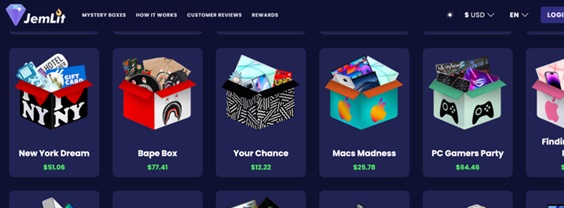
Jemlit is a top choice for those who love surprises and high-value prizes. Each mystery box offers a chance to win premium electronics, gaming gear, luxury fashion, and more. Whether you’re a tech enthusiast, gamer, or sneaker collector, Jemlit brings an exciting unboxing experience tailored to your interests.

Users can choose from a variety of themed mystery boxes, each packed with carefully selected items. From high-end gadgets and gaming accessories to designer apparel and exclusive collectibles, there’s always a chance to score something amazing. This element of surprise keeps players coming back for more.

Jemlit also enhances the experience with additional perks. Some mystery boxes include limited-edition products that aren’t easily found elsewhere, adding an extra layer of exclusivity. The platform ensures fairness with a transparent system, giving all users an equal shot at winning top-tier prizes.

Pricing options vary, making Jemlit accessible to a wide audience. Whether you’re looking for a budget-friendly mystery box or a high-stakes unboxing experience, there’s an option for every player. With secure transactions and a user-friendly interface, Jemlit delivers a seamless and exciting shopping experience for mystery box enthusiasts.

2) Loot Crate

Loot Crate delivers themed mystery boxes packed with exclusive collectibles, apparel, and gear from beloved franchises. Each month centers around a different theme, appealing to fans of gaming, comics, movies, and more.

Subscribers can expect high-quality items that often include limited editions and unique collaborations. The excitement of receiving a box filled with surprises adds a thrill to the unboxing experience.

Loot Crate also offers various subscription levels, catering to different interests and budgets. Options range from standard boxes to premium packages that feature even more exclusive items.

The company frequently partners with popular brands like Marvel, DC, and Star Wars. This ensures that fans receive memorabilia related to their favorite worlds and characters.

Additionally, Loot Crate fosters a strong community of fans. Subscribers can share their unboxings and connect with others who share their passion for the latest in pop culture.

For anyone looking to enhance their collection or find the perfect gift for a fellow fan, Loot Crate makes a fantastic choice. The blend of surprise and themed excitement keeps fans eagerly awaiting each month’s delivery.

3) Geek Fuel

Geek Fuel delivers a treasure trove of goodies for fans of gaming and pop culture. Each mystery box is packed with exclusive items that cater to every enthusiast’s interests.

Subscribers can expect to find collectibles, apparel, and gaming gear. Each box includes a themed T-shirt, featuring designs from beloved franchises. This surprise element adds excitement for every box revealed.

The quality of items in Geek Fuel is commendable. Gamers appreciate the attention to detail and variety in each shipment. From unique gaming memorabilia to fun lifestyle products, it never disappoints.

Seasonal boxes are another highlight. Geek Fuel often introduces limited-time themes that appeal to current trends. They embrace popular game releases or movie franchises, enhancing the overall experience.

Members also enjoy the advantages of a digital magazine. This magazine features exclusive content such as interviews and tips. It’s an added bonus that complements the physical items received.

With its strong community focus, Geek Fuel fosters interaction among fans. Subscribers often share their unboxings and reviews online. This creates an engaging environment that celebrates their shared passions.

4) The Bam! Box

The Bam! Box delivers an exciting mix of collectibles and memorabilia tailored for pop culture fans. Each box typically features exclusive items from movies, TV shows, and video games, making it a treasure trove for enthusiasts.

The creators of The Bam! Box collaborate with popular franchises to ensure standout items. Gamers can often find signed prints, prop replicas, and unique merchandise that enhance their collections. The quality and variety keep subscribers eagerly awaiting each month’s reveal.

One notable aspect is its themed boxes. Each month usually revolves around a specific genre or franchise, giving fans the chance to receive items related to their favorites. This element of surprise adds to the excitement and makes unboxing an event.

The community surrounding The Bam! Box is also vibrant. Fans often share their favorite finds on social media, creating a buzz around each release. This connection fosters a sense of belonging, especially for those who share similar interests in gaming and pop culture.

In terms of value, The Bam! Box often includes items worth more than the subscription price. This makes it appealing for those who enjoy adding unique pieces to their collection without breaking the bank.

5) ZBOX

ZBOX has made a name for itself among mystery box enthusiasts. This service offers a themed box filled with collectibles, merchandise, and surprises tailored for avid gamers and pop culture fans. Each month, subscribers enjoy a new theme, ensuring excitement with every delivery.

What sets ZBOX apart is its commitment to quality. Inside each box, recipients can find licensed gear related to games, movies, and TV shows. This curated approach means that fans receive well-crafted items that resonate with their interests.

The subscription model is flexible, with different box sizes available to suit various budgets. Subscribers can choose between monthly and longer subscription plans, making it accessible for casual fans and dedicated collectors alike. This variety allows gamers to customize their experience.

ZBOX often collaborates with popular franchises, meaning that boxes can feature exclusive items. This uniqueness adds an element of thrill, as fans uncover rare collectibles they might not find anywhere else. It’s a perfect way to expand a gaming or pop culture collection.

The community around ZBOX is also vibrant. Many fans share their unboxings on social media, creating a buzz that adds to the overall excitement. This interaction further enhances the experience of being a ZBOX subscriber.

Understanding Mystery Box Sites

Mystery box sites have gained popularity for their unique shopping experience. They offer a mix of excitement and surprise, allowing customers to receive products without knowing exactly what will be inside the box.

How Mystery Boxes Work

Mystery box sites typically involve users purchasing a box for a fixed price. The contents of the box remain unknown until it is opened. Customers can choose from various themes or categories, such as electronics, toys, or fashion items.

Upon purchase, the box is shipped to the buyer. The allure lies in the potential to receive high-value items at a fraction of their retail price. Some sites even feature rare or exclusive items, heightening the excitement.

Pricing varies, and customers should research the site’s reputation and reviews to ensure a good experience. Knowing the terms, such as shipping costs and return policies, is also essential.

Types of Mystery Box Sites

There are several types of mystery box sites, catering to different interests and preferences. Here are a few categories:

  • General Mystery Box Sites
    These offer a mix of products from various categories, allowing for a well-rounded surprise.
  • Themed Mystery Boxes
    These cater to specific interests, such as beauty products, gaming gear, or pet supplies. Customers choose based on their favorite themes.
  • Subscription Mystery Boxes
    These involve a recurring fee, delivering boxes monthly or quarterly. It’s a continuous surprise for enthusiasts.
  • Auction-Based Mystery Boxes
    Customers bid on boxes, often with the chance to win unique or rare items. This adds an extra layer of excitement.

Mystery box sites appeal to those who enjoy surprises and the thrill of the unknown. They combine shopping with a sense of adventure.

Benefits and Drawbacks

Mystery box sites offer a mix of thrill and unpredictability. Users experience excitement with every delivery, yet there are also potential pitfalls to consider.

Excitement and Surprise Factor

The thrill of purchasing a mystery box lies in the anticipation of what it may contain. Each box can offer unique items ranging from collectibles to gaming gear, catering to diverse interests.

Buyers often feel a rush of excitement when unboxing. The surprise element keeps the experience fresh and engaging.

Many users enjoy sharing their unboxing experiences on social media, turning the purchase into a community event. This interaction enhances the enjoyment, creating a sense of belonging among fellow enthusiasts.

Receiving an unexpectedly valuable item can add to the thrill. The joy of discovering something rare or high-value makes each box an adventure.

Potential Risks Involved

While the excitement is palpable, there are risks to consider. Users may find that the contents are not as valuable or appealing as anticipated.

Some boxes may include low-quality or generic items, leading to disappointment. It is crucial for buyers to research the reputation of the site.

Additionally, there can be a lack of transparency regarding what is included. Without clear descriptions, buyers may not receive items that resonate with their interests.

Shipping issues can arise as well, such as delays or lost packages. Understanding the site’s policies can help mitigate these risks, ensuring a smoother experience.

Being aware of these potential drawbacks allows buyers to make informed decisions.