DD
MM
YYYY

PAGES

DD
MM
YYYY

spot_img

PAGES

Home Blog Page 1723

BlockDAG’s $201M Presale Attracts Massive Influx of Traders as They Seek 800x Gains — More on LINK & NEAR Market Analysis

0

The evolving digital asset space presents varied opportunities, and current observations show a mix of potential and caution. To start, a close look at the Near Protocol (NEAR) market analysis indicates a test of a significant level near $3.55, with the possibility of progression to $4.00 if a positive shift occurs.

However, sustained increases may depend on broader community interaction. Likewise, Chainlink’s price analysis suggests a period of downward pressure, with critical support points at $12.8, $11, and $10.

Conversely, BlockDAG (BDAG), a newer entry, has achieved a remarkable $201 million in its ongoing presale, marking a high point in digital asset presales. Early participants have experienced a 2380% increase to date. With the presale aiming for $600 million and with ten major exchange listings planned, BlockDAG’s future looks exceedingly promising. Experts project further increases, forecasting potential returns of over 800x in the coming years!

NEAR Protocol (NEAR) Market Analysis: Evaluating Key Thresholds

The latest Near Protocol (NEAR) market analysis reveals NEAR testing a crucial price area near $3.55. Currently, the price is $3.25, showing a recent 5.03% rise. Should NEAR manage to move past this level, a climb towards $4.00 is possible, supported by positive technical indicators.

However, if this attempt is unsuccessful, the price might return to $2.97. Despite the recent price increase, community involvement with NEAR remains moderate, which could affect its ability to maintain growth. Overall, the Near Protocol (NEAR) market analysis shows a cautious outlook, and a successful push or a return could lead to increased market movement, depending on the direction taken. The Near Protocol (NEAR) market analysis is showing that $3.55 is a key level.

Chainlink’s Potential Resurgence: Key Support Levels Defined

Recent Chainlink price analysis indicates that the asset has faced significant selling activity, with its market structure leaning downward. After moving below $17, Chainlink tested $15 and reached a three-month low of $13.45. While some small increases have occurred, the asset continues to experience downward pressure and has not yet shown a substantial recovery.

Important support levels to observe in this Chainlink price analysis include $12.8, $11, and $10. If the price moves above $15.4, a retest of $17.1 could happen, but a move beyond $19.8 might signal a positive shift towards $22.3 and $27.

BlockDAG’s Rising Tide: Assessing the 800x Potential

BlockDAG’s presale has achieved a significant milestone, surpassing $201 million. This performance has given early BDAG participants a 2380% increase, and with the presale progressing towards its $600 million target, further gains are expected. A key factor driving this growth is strong support from large-scale buyers, who are actively acquiring significant amounts of BDAG, increasing demand.

Adding to the anticipation, BlockDAG is scheduled for listings on the top 10 centralized exchanges (CEX), which will expand its global reach and attract a wider audience. Given the project’s consistent progress, experts are projecting continued success for BlockDAG in the coming years. Long-term projections suggest BDAG, currently at $0.0248 in batch 27, could reach $20 by 2027.

This could provide over 800x returns for those participating in the current presale phase, further solidifying BlockDAG’s position in the digital asset space. With strong large-scale support, upcoming exchange listings, and increasing demand, the network is on track to achieve its $600 million presale target sooner than expected. Those participating now are securing BDAG at the current price, knowing that once batch 27 is sold, prices will increase, making future participation more challenging.
Navigating the Road Ahead

Near Protocol (NEAR) market analysis identifies $3.55 as a key resistance point, with a move beyond this level potentially leading to $4.00, although community engagement could affect its growth. Similarly, Chainlink’s price analysis indicates downward pressure, with critical support levels near $12.8, $11, and $10.

However, BlockDAG is quickly becoming a focal point, with forecasts indicating a potential reach of $20 by 2027—offering over 800x returns for current participants. The network’s presale has already raised $201 million and is rapidly approaching its $600 million goal, which many believe could be reached sooner than expected. This means there is limited time to secure BDAG at its current price of $0.0248—once Batch 27 is sold, BDAG will not be available at this price again.


Presale: https://purchase.blockdag.network

Website: https://blockdag.network

Telegram: https://t.me/blockDAGnetworkOfficial

Discord: https://discord.gg/Q7BxghMVyu

Texas Senate Bill 21 Passed for Texas Bitcoin Reserve

0

The Texas Senate recently passed Senate Bill 21, which establishes the Texas Bitcoin Reserve, marking a significant step toward integrating cryptocurrency into the state’s financial framework. The bill, authored by State Senator Charles Schwertner, received bipartisan support with a 25-5 vote and now awaits consideration in the Texas House. If signed into law by Governor Greg Abbott, Texas could become one of the first states in the U.S. to create a state-managed cryptocurrency reserve, allowing the Texas Comptroller to invest state funds in cryptocurrencies like Bitcoin, provided they have a market capitalization of at least $500 billion over a 12-month period.

Lieutenant Governor Dan Patrick, who presides over the Senate, has emphasized the bill as a priority, stating his hope to position Texas as the “epicenter of America’s digital future.” This vision aligns with broader ambitions, including those expressed by President Donald Trump, who has advocated for making the U.S. the cryptocurrency capital of the world. The bill is seen by supporters as a hedge against inflation and economic volatility, with Bitcoin often compared to “digital gold” due to its limited supply and decentralized nature. However, critics have raised concerns about the volatility of cryptocurrencies, regulatory risks, and the appropriateness of government involvement in such speculative assets.

Cryptocurrency regulations vary widely across the globe, reflecting differing governmental approaches to managing the risks and opportunities presented by digital assets. In the context of recent developments, such as the Texas Senate’s passage of Senate Bill 21 to establish a state Bitcoin reserve, it’s clear that regulatory frameworks are evolving to accommodate the growing role of cryptocurrencies in financial systems. Below is an overview of key aspects of cryptocurrency regulations, with a focus on the U.S. and broader global trends, while critically examining the implications of these policies.

The Texas Bitcoin reserve bill, indicate a shift toward state-level experimentation with cryptocurrency adoption. Texas’s Senate Bill 21, passed on March 6, 2025, allows the state comptroller to invest in cryptocurrencies with a market capitalization of at least $500 billion, positioning Bitcoin as a strategic asset akin to gold. This move, supported by figures like Lieutenant Governor Dan Patrick and aligned with President Donald Trump’s vision of making the U.S. a cryptocurrency hub, reflects a pro-crypto stance that contrasts with federal caution. However, critics argue that such state-level initiatives could expose public funds to significant risks, given Bitcoin’s volatility—evidenced by a 20% price drop from its January 2025 peak—and the lack of a cohesive federal regulatory framework.

At the federal level, proposals like the BITCOIN Act of 2024, introduced by Senator Cynthia Lummis, aim to establish a national Bitcoin reserve, signaling growing institutional interest in treating cryptocurrencies as strategic assets. Yet, these proposals face challenges, including concerns over fiscal responsibility and the potential for government intervention to distort free markets—a core tenet of cryptocurrency’s original ethos. The Office of the Comptroller of the Currency (OCC) has also issued guidance affirming that banks can engage in certain cryptocurrency activities, suggesting a gradual normalization of crypto within traditional finance.

However, the repeal of SEC rules like SAB-121, which required crypto to be marked as a liability on balance sheets, could further ease institutional adoption, though it raises questions about transparency and risk management. Globally, cryptocurrency regulations range from outright bans to proactive integration, reflecting diverse economic, political, and cultural priorities. The European Union has taken a comprehensive approach with the Markets in Crypto-Assets (MiCA) regulation, set to be fully implemented by late 2024.

MiCA aims to harmonize crypto regulations across member states, providing clarity on licensing, consumer protection, and AML requirements. While praised for fostering innovation, MiCA’s stringent rules, such as capital requirements for stablecoin issuers, have excluded major players like Tether, potentially limiting competition and favoring established financial institutions.

NNPC, FIRST E&P Unveil Major Hydrocarbon Discovery at Songhai Field Amid Nigeria’s Quest for Oil Production Boost

0

The Nigerian National Petroleum Company Limited (NNPC) and FIRST Exploration & Petroleum Development Company Limited (FIRST E&P) Joint Venture (JV) have announced a significant hydrocarbon discovery at the Songhai Field in Oil Mining Lease (OML) 85.

This landmark discovery is a critical development as Nigeria seeks to boost its oil and gas production to meet domestic demands and increase foreign exchange earnings through exports.

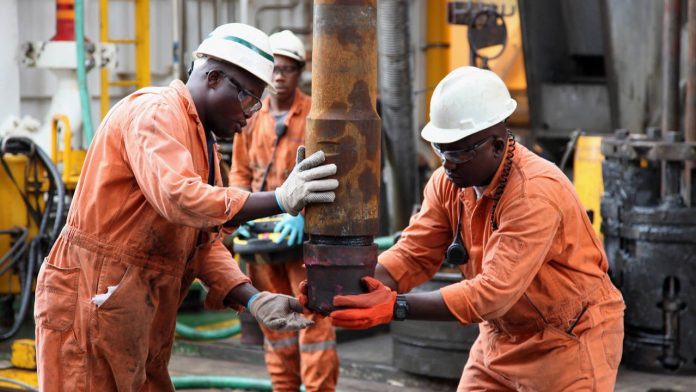
The Songhai well was spudded on November 18, 2024, as part of the JV’s five-year plan to enhance oil production. Drilled to a total depth of 8,883 feet measured depth (MD) in 30 meters of water, the well-encountered hydrocarbons across eight reservoirs. The reservoirs feature over 1,000 feet of hydrocarbon-bearing sands, many demonstrating excellent reservoir properties.

Preliminary analyses suggest substantial volumes of oil and gas, reinforcing the Songhai Field’s commercial potential. Further evaluations, including formation testing and well data integration, are expected to refine resource estimates and optimize field development strategies.

This discovery arrives at a crucial time for Nigeria. The country recently increased its oil production to over 1.5 million barrels per day (mbpd), meeting the Organization of the Petroleum Exporting Countries (OPEC) production quota for the first time in a long while. The milestone is a significant recovery from periods of underperformance, which were marred by operational challenges, oil theft, and pipeline vandalism.

The success at Songhai Field aligns with Nigeria’s broader objective of ramping up oil and gas output not only to ensure the availability of petroleum products for domestic consumption but also to enhance export potential. Increased production will support Nigeria’s foreign exchange (forex) earnings, crucial for an economy heavily reliant on oil revenue.

Segun Owolabi, General Manager of Exploration and Development at FIRST E&P, highlighted the strategic importance of the discovery.

“This discovery marks a major milestone in our efforts to unlock the full potential of our assets. The success at Songhai Field underscores the effectiveness of our exploration strategy and our commitment to delivering sustainable value to all stakeholders,” he said.

NNPC, as the majority partner in the JV, also emphasized the discovery’s potential in advancing Nigeria’s upstream production goals. Chief Upstream Investment Officer of NUIMS, Seyi Omotowa, noted: “This aligns with NNPC Limited’s mandate to drive production growth and cost optimization. The success at Songhai Field reflects our commitment to strategic partnerships, advanced technology, and efficient operations to maximize Nigeria’s hydrocarbon potential sustainably.”

NNPC’s Group Chief Executive Officer, Mallam Mele Kyari, reiterated the company’s dedication to efficiency and long-term value creation.

“This discovery reaffirms the potential of Nigeria’s offshore assets and the importance of collaboration in boosting reserves and production. NNPC Limited remains committed to driving efficiency and long-term value creation for the nation,” he said.

Current and Future Operations

The NNPC/FIRST E&P JV currently maintains a steady production of approximately 57,000 barrels of oil per day (bopd) from its OML 83 and 85 assets. The new discovery at Songhai Field is expected to further enhance this output, bolstering Nigeria’s energy security and contributing to the country’s overall production targets.

The JV’s operations are guided by rigorous safety standards, technical expertise, and efficient project execution. The company has achieved over 9 million man-hours of Lost Time Injury (LTI)-free operations, demonstrating its leadership in safe and responsible hydrocarbon development.

With Nigeria’s forex reserves under pressure, increased oil production offers a potential lifeline. The Central Bank of Nigeria (CBN) has struggled to maintain stable forex reserves, impacting the naira’s stability and fueling inflation. Energy experts have touted boosting oil exports to generate much-needed foreign currency, helping to stabilize the economy.

Furthermore, higher production volumes would reduce Nigeria’s dependence on costly petroleum product imports. With the Dangote Refinery yet to start full-scale production, additional crude output could support local refineries.

Gas Utilization Drive

In addition to the Songhai Field discovery, NNPC Gas Marketing Ltd (NGML) and its partner, NIPCO Gas Ltd, have signed a Gas Sale and Purchase Agreement (GSPA) with Ssonic Petroleum Ltd. Under the agreement, the NGML-NIPCO Unincorporated Joint Venture (UJV) will supply 80 million standard cubic feet per day of natural gas to Ssonic Petroleum’s proposed Liquefied Natural Gas (LNG) plant in the Lekki Free Trade Zone, Lagos State, for 20 years.

The agreement aligns with NNPC’s strategy to boost domestic gas utilization, promoting gas as a cleaner, cheaper, and more environmentally friendly fuel in support of global efforts to reduce carbon emissions.

Olufemi Soneye, Chief Corporate Communications Officer of NNPC, said “This agreement is part of our broader strategy to enhance domestic gas utilization, drive industrial and economic growth, and promote the use of gas as a cleaner alternative to traditional fuels.”

Tucker Carlson’s Interview with Sam Bankman-Fried Fuels Hope of Lighter Pardons

0
Sam Bankman-Fried

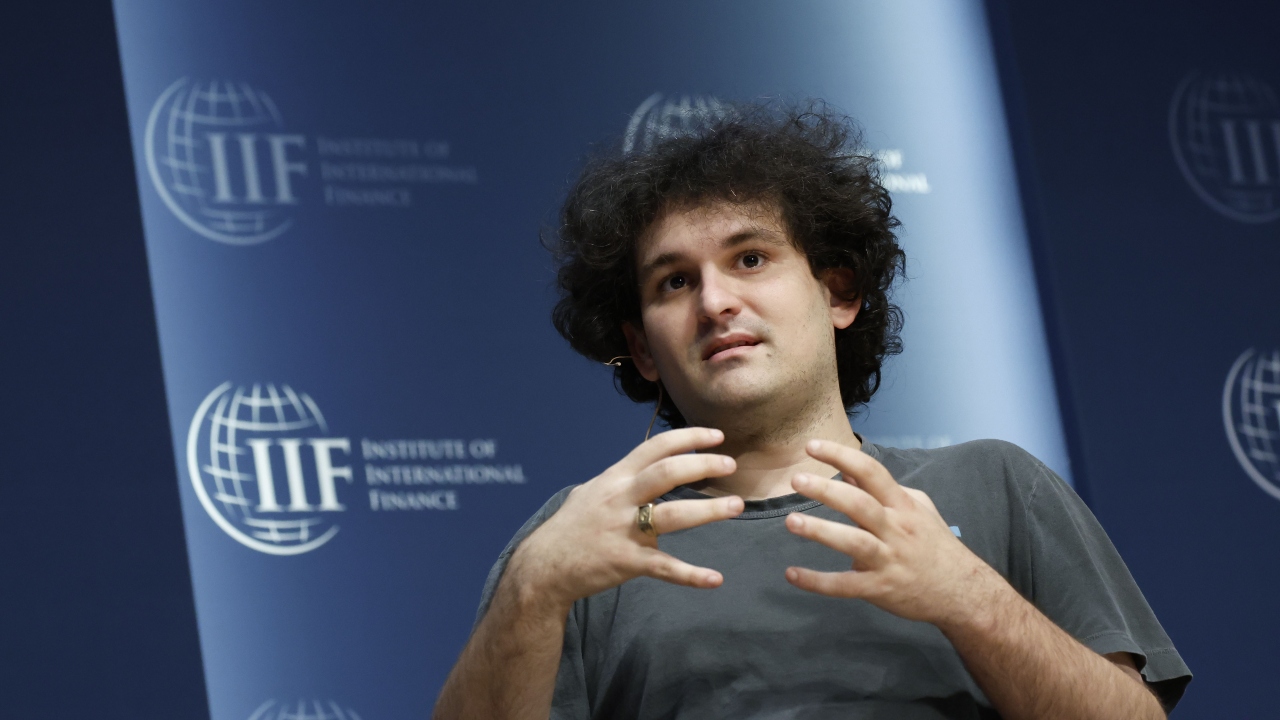
Tucker Carlson conducted an interview with Sam Bankman-Fried from prison, where Bankman-Fried is serving a 25-year sentence for fraud and other crimes related to the collapse of the cryptocurrency exchange FTX. The interview, which was released on March 6, 2025, covered various topics, including Bankman-Fried’s experiences in prison, his interactions with fellow inmate Sean “Diddy” Combs, and his views on cryptocurrency regulation and politics. The nearly 45-minute conversation took place via video call from the Metropolitan Detention Center in Brooklyn, where Bankman-Fried has been held since August 2023.

During the interview, Bankman-Fried described prison life as “dystopian” and “soul-crushing,” mentioning activities like reading books, playing chess, and working on his legal case to pass the time. He also spoke positively of Combs, noting that he had been “kind” to him and others in their unit. Additionally, Bankman-Fried expressed disappointment with the Democratic Party, despite having been a significant donor to their causes, and indicated a shift in his political donations toward Republicans by late 2022.

He also discussed his hopes for more favorable cryptocurrency policies under the Trump administration. Notably, the interview was not approved by the U.S. Bureau of Prisons, which has strict rules about inmate communications. As a result, Bankman-Fried was reportedly placed in solitary confinement following the interview’s release. The collapse of FTX in November 2022 was one of the most significant events in the cryptocurrency industry, with far-reaching financial, regulatory, and societal impacts. The collapse of FTX, once valued at $32 billion, resulted in massive financial losses for customers, investors, and other stakeholders.

FTX had over 1 million users, many of whom lost access to their funds. An estimated $8 billion in customer assets were misappropriated or lost, with depositors unable to withdraw their money after FTX filed for bankruptcy. While some recovery efforts have been made (e.g., through bankruptcy proceedings), many customers are unlikely to recover their full investments.
Investor Losses: High-profile investors, including venture capital firms like Sequoia Capital, SoftBank, and Temasek, as well as hedge funds, lost billions of dollars. These firms had invested heavily in FTX during its meteoric rise, only to see their investments wiped out.

The collapse triggered a domino effect across the cryptocurrency industry, exacerbating an already challenging “crypto winter.” Bitcoin and other cryptocurrencies saw sharp declines, with Bitcoin dropping below $16,000 shortly after the collapse (down from its peak of nearly $69,000 in late 2021). Other crypto companies, such as BlockFi and Genesis, faced liquidity crises and filed for bankruptcy, partly due to exposure to FTX or its sister hedge fund, Alameda Research.

Alameda Research Exposure: FTX’s collapse revealed that Alameda Research, a hedge fund closely tied to FTX and also founded by Sam Bankman-Fried, had borrowed billions in customer funds from FTX to cover its risky trading bets. This misuse of customer funds was a central factor in the collapse.

Governments and regulators worldwide, particularly in the United States, accelerated efforts to regulate cryptocurrencies and exchanges. In the U.S., the Securities and Exchange Commission (SEC), Commodity Futures Trading Commission (CFTC), and Department of Justice (DOJ) ramped up investigations into crypto firms. The collapse highlighted the lack of consumer protections in the crypto space, fueling debates over whether cryptocurrencies should be treated as securities, commodities, or something else.

In the U.S., lawmakers introduced bills aimed at regulating crypto exchanges, stablecoins, and other digital assets. The FTX collapse became a rallying cry for those advocating for clearer rules to prevent similar incidents. For example, the Digital Commodities Consumer Protection Act gained traction as a potential framework for regulating crypto markets. Internationally, regulators in the European Union, Japan, Singapore, and other jurisdictions tightened their oversight of crypto exchanges. The collapse underscored the risks of unregulated offshore entities, as FTX was based in the Bahamas, a jurisdiction with relatively lax crypto regulations at the time.

The scandal damaged the reputation of the cryptocurrency industry, reinforcing perceptions of it as a speculative and risky space prone to fraud. This setback slowed mainstream adoption and eroded trust among retail and institutional investors. Sam Bankman-Fried, FTX’s founder and CEO, was arrested in the Bahamas in December 2022, extradited to the U.S., and charged with multiple counts of fraud, money laundering, and conspiracy. In November 2023, he was convicted on all seven counts, and in March 2024, he was sentenced to 25 years in prison and ordered to pay $11 billion in forfeiture for what prosecutors described as one of the largest financial frauds in history.

Several FTX and Alameda executives, including Caroline Ellison (former CEO of Alameda), Gary Wang (FTX co-founder), and Nishad Singh (FTX’s former engineering director), pleaded guilty to related charges and cooperated with prosecutors. Their testimony was instrumental in Bankman-Fried’s conviction. FTX filed for Chapter 11 bankruptcy in the U.S., and John J. Ray III, a veteran of corporate restructurings (notably Enron), was appointed to oversee the process. The bankruptcy estate has been working to recover assets, including clawing back funds from investments, political donations, and other expenditures made by FTX and Bankman-Fried.

By early 2025, the estate had recovered over $12 billion and announced plans to repay customers, though full recovery remains uncertain. Bankman-Fried was one of the largest political donors in the U.S., contributing over $70 million, primarily to Democratic candidates and causes, during the 2020 and 2022 election cycles. The revelation that some of these donations may have been funded with misappropriated customer money led to calls for recipients to return the funds. Several politicians and organizations either returned the donations or donated equivalent amounts to charity.

Bankman-Fried was a prominent figure in the “effective altruism” (EA) movement, which encourages using wealth to maximize positive societal impact. His actions, including using customer funds to fund his personal and altruistic ventures, damaged the credibility of the EA movement, prompting debates within the community about ethics and accountability.

The collapse eroded public trust in cryptocurrency as a legitimate financial system. High-profile endorsements of FTX by celebrities like Tom Brady, Gisele Bu?ndchen, and Larry David, as well as its naming rights deal for the Miami Heat’s arena, amplified the perception of widespread irresponsibility in the crypto industry. The failure of a centralized exchange like FTX renewed interest in decentralized finance (DeFi) platforms, which operate without intermediaries and are seen by some as less prone to mismanagement or fraud. However, DeFi platforms also face their own regulatory and security challenges.

The collapse highlighted the need for greater transparency in crypto exchanges, such as proof-of-reserves audits, to ensure customer funds are properly safeguarded. Some exchanges, like Binance and Coinbase exchanges, adopted such measures to rebuild trust. Venture capital investment in crypto startups declined significantly in the wake of the collapse, as investors became more cautious. This slowdown affected the pace of innovation in the sector, though some argue it forced the industry to focus on more sustainable and legitimate projects.

The collapse is seen by some as a “cleansing event” for the crypto industry, weeding out bad actors and unsustainable business models. It has forced surviving companies to prioritize compliance, risk management, and customer protections. The crypto market has shown signs of recovery in 2024 and 2025, with Bitcoin reaching new all-time highs and institutional adoption growing. However, the scars of the FTX collapse continue to influence investor sentiment and regulatory approaches.

The collapse of FTX was a watershed moment for the cryptocurrency industry, exposing vulnerabilities in centralized exchanges, lax oversight, and the risks of unchecked ambition. Its impact was felt across financial markets, regulatory frameworks, legal systems, and public perceptions of cryptocurrency. While the industry has taken steps to recover and mature, the lessons of FTX—particularly the importance of transparency, accountability, and robust regulation—will shape its future for years to come.

Top Cryptos to Keep a Watchful Eye on in 2025: 100x Growth is Imminent

0

The crypto market is evolving rapidly, and 2025 is shaping up to be a defining year. While Bitcoin and Ethereum dominate, emerging projects are drawing significant attention.

BlockDAG (BDAG), Berachain (BERA), Movement (MOVE), Hyperliquid (HYPE), Toshi (TOSHI), and Kaito (KAITO) are some of the most talked-about cryptocurrencies right now. Each brings unique innovations to the space, but one project stands out—BlockDAG.

With a record-breaking $201M presale, fast transaction speeds, and upcoming exchange listings, BlockDAG is emerging as a major Layer 1 blockchain to watch.

BlockDAG (BDAG): The Leading Layer 1 Blockchain in 2025

Unlike projects that focus on minor upgrades, BlockDAG is rethinking how blockchain networks operate. Traditional blockchains struggle with congestion and high fees, but BlockDAG’s Directed Acyclic Graph (DAG) structure enables parallel transaction processing, ensuring faster speeds and lower costs.

Why BlockDAG Is Gaining Momentum:

Presale Success: Over $201 million raised, 18.7 billion BDAG coins sold at $0.0248 in batch 27, and a 2,380% surge in price before exchange listings.

Upcoming Exchange Listings: BDAG will launch on 10 major centralized exchanges (CEXs) post-presale, which could trigger a price jump.

March 2025 Testnet Launch: The testnet will test BDAG’s scalability, offering incentives for developers and node operators before the full release.

$30M Developer Grants Program: BlockDAG is driving Web3 adoption by offering grants ranging from $10,000 to $100,000, in partnership with HackerEarth for global hackathons.

X1 Miner App: With 500,000+ downloads, this app allows mobile mining, making BDAG more accessible.

BlockDAG is not just another Layer 1 blockchain—it’s redefining decentralized networks, and the market is taking notice.

2. Berachain (BERA): Solving DeFi’s Liquidity Puzzle

Berachain (BERA) is solving DeFi’s biggest challenge—liquidity fragmentation. Its Proof-of-Liquidity (PoL) model rewards liquidity providers with governance and gas tokens, ensuring a more efficient capital flow.

Unlike traditional blockchains that separate governance and staking rewards, Berachain integrates them to encourage broader participation. Its unique multi-token system helps manage inflation while optimizing transactions. As DeFi continues to expand, Berachain’s innovative approach could make it a dominant force.

3. MOVE: Streamlining Cross-Chain Transactions

Movement (MOVE) is advancing blockchain interoperability through its M1 Shared Sequencing Layer and M2 zk-rollups. These innovations streamline cross-chain transactions, removing delays and security vulnerabilities associated with traditional bridges.

By using a decentralized sequencing layer, Movement enhances transaction processing, making it ideal for DeFi platforms, gaming applications, and enterprise blockchain integrations that require fast and low-cost transfers.

4. Hyperliquid (HYPE): High-Performance Decentralized Trading

Hyperliquid (HYPE) is reshaping decentralized finance by offering zero-slippage trading, rivaling centralized exchanges. Unlike DEXs that rely on liquidity pools with price volatility, Hyperliquid’s advanced order book system ensures deep liquidity and accurate trade execution.

Its copy trading vaults allow users to follow the strategies of top traders. With up to 50x leverage on major assets, Hyperliquid is gaining traction among both experienced and new traders seeking transparent and efficient trading platforms.

3. Kaito (KAITO): AI-Powered Search Redefining Web3

Kaito (KAITO) is integrating artificial intelligence with blockchain research, changing how crypto users access and analyze data. Its AI-powered search engine scans over 10,000 Web3 sources, offering real-time insights for traders, developers, and market participants.

A standout feature of Kaito is its Yap-to-Earn program, which rewards users for engagement, fostering a community-driven model. By leveraging machine learning, Kaito refines search results, helping users navigate the overwhelming volume of crypto news and analytics.

Which Cyrto’s Will Surge Ahead?

The crypto landscape is evolving fast, with new projects emerging regularly. While Berachain, Movement, Hyperliquid, Toshi, and Kaito are gaining recognition, BlockDAG remains at the forefront with its revolutionary technology, successful presale, and upcoming exchange listings.

As BDAG moves closer to its testnet and major exchange debuts, its potential to reach $1 post-listing is becoming increasingly realistic. Those looking for the next major Layer 1 opportunity should take action before presale prices increase.