DD
MM
YYYY

PAGES

DD
MM
YYYY

spot_img

PAGES

Home Blog Page 1766

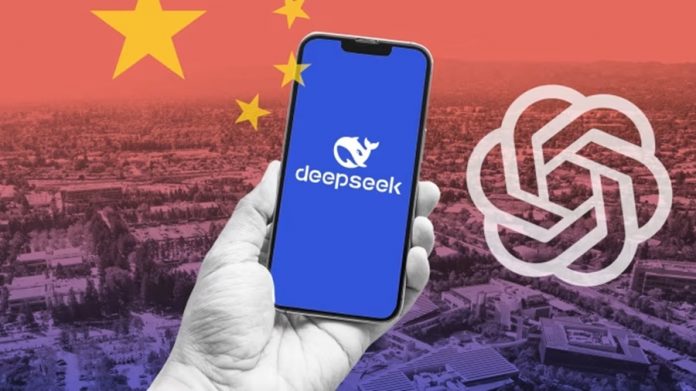
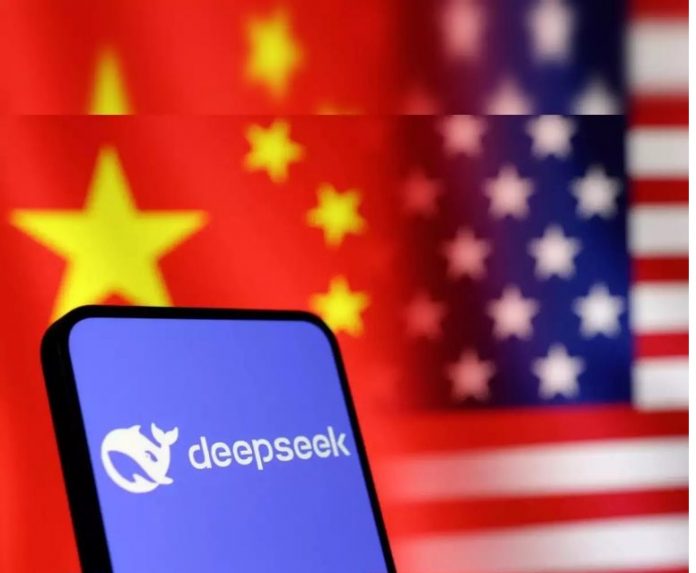
The Fear of China as OpenAI Calls for Ban of DeepSeek

0

The fear of China: “In a policy proposal submitted to the Trump administration’s “AI Action Plan” initiative, OpenAI has called for a ban on AI models developed by Chinese lab DeepSeek and other firms it claims are backed by the People’s Republic of China (PRC). The move comes as DeepSeek rapidly gains traction in the AI industry, raising speculation that OpenAI’s push may be driven more by competitive concerns than security risks.”

In a policy proposal submitted to the Trump administration’s “AI Action Plan” initiative, OpenAI has called for a ban on AI models developed by Chinese lab DeepSeek and other firms it claims are backed by the People’s Republic of China (PRC).

The move comes as DeepSeek rapidly gains traction in the AI industry, raising speculation that OpenAI’s push may be driven more by competitive concerns than security risks.

OpenAI describes DeepSeek as “state-subsidized” and “state-controlled,” warning that the lab is subject to Chinese regulations that could compel it to share user data with the government. It argues that allowing “PRC-produced” AI models to operate in key U.S. markets poses a significant risk, citing privacy concerns and potential intellectual property (IP) theft.

Hope Nigeria is learning that globalization is expiring. We need to tighten our borders and stop the dumping.  My amazing Ovim tablet was doing well until Nigeria allowed the flooding of the nation with tablets. There is nothing people cannot export to Nigeria. As that happens, our Nigerian customs service rejoices because it is making money via fees, when doing that is a poison pill.

See here: OpenAI wants its main competitor banned just as Tesla will not wish for China’s BYD in the USA. But in Nigeria, do companies get any protection?

OpenAI Calls for Ban on Chinese AI Lab DeepSeek, Citing Security Risks and PRC Ties

OpenAI Calls for Ban on Chinese AI Lab DeepSeek, Citing Security Risks and PRC Ties

1

In a policy proposal submitted to the Trump administration’s “AI Action Plan” initiative, OpenAI has called for a ban on AI models developed by Chinese lab DeepSeek and other firms it claims are backed by the People’s Republic of China (PRC).

The move comes as DeepSeek rapidly gains traction in the AI industry, raising speculation that OpenAI’s push may be driven more by competitive concerns than security risks.

OpenAI describes DeepSeek as “state-subsidized” and “state-controlled,” warning that the lab is subject to Chinese regulations that could compel it to share user data with the government. It argues that allowing “PRC-produced” AI models to operate in key U.S. markets poses a significant risk, citing privacy concerns and potential intellectual property (IP) theft.

However, many in the industry see OpenAI’s actions as an attempt to curb a fast-rising competitor—one that is making significant technological strides at a fraction of the cost of its American counterparts.

The Rise of DeepSeek: A Growing Threat to OpenAI?

DeepSeek, a relatively new entrant in the AI race, has quickly emerged as a formidable rival to OpenAI. The lab’s R1 “reasoning” model has received praise for its efficiency, and its open-source models have been adopted by major firms, including Microsoft, Amazon, and Perplexity. Unlike OpenAI, which operates under a closed-source model, DeepSeek has taken a different approach—offering powerful AI tools for free, making them accessible to a wider range of developers and businesses.

What makes DeepSeek particularly disruptive is its cost-efficiency. The Chinese firm is reportedly operating on a budget significantly smaller than that of U.S. giants like OpenAI, Google DeepMind, and Anthropic. While OpenAI has spent billions training and fine-tuning its models, DeepSeek has leveraged China’s AI infrastructure and aggressive R&D strategies to produce competitive models at a fraction of the cost. This efficiency has not gone unnoticed in Silicon Valley, where concerns are growing that DeepSeek’s rise could reshape the AI industry.

OpenAI’s Security Concerns—or Competitive Fears?

DeepSeek’s ingenuity has supported the belief that OpenAI’s call for a DeepSeek ban is also an effort to stifle competition. While OpenAI has cited potential security vulnerabilities due to China’s strict data-sharing laws, DeepSeek’s open models do not contain built-in mechanisms that would allow the Chinese government to extract user data.

Furthermore, OpenAI’s proposal comes at a time when the company has been increasingly vocal about its own financial struggles. Reports indicate that OpenAI is burning through cash at an unsustainable rate, raising concerns about its long-term viability. In contrast, DeepSeek’s lower-cost operations could give it a crucial advantage in the race for AI supremacy.

Beijing’s Interest in DeepSeek Gives A Cause for Alarm

While OpenAI’s proposal may have competitive undertones, it’s also true that Beijing has shown increased interest in DeepSeek’s success. The Chinese government has long viewed AI as a strategic industry, and DeepSeek’s rise aligns with its broader ambitions to establish global leadership in artificial intelligence.

In a sign of DeepSeek’s growing importance, its founder, Liang Wenfeng, recently met with Chinese President Xi Jinping. While no details of the meeting have been disclosed, the move has fueled speculation that the PRC sees DeepSeek as a critical player in China’s AI future.

Given Washington’s ongoing efforts to restrict China’s access to advanced AI technologies—such as the Biden administration’s sweeping semiconductor export bans—OpenAI’s proposal fits within a broader U.S. strategy to curb China’s AI progress.

Following initial backlash over its proposal, OpenAI spokesperson Liz Bourgeois released a statement clarifying the company’s position.

“We’re not advocating for restrictions on people using models like DeepSeek,” Bourgeois said. “What we’re proposing are changes to U.S. export rules that would allow additional countries to access U.S. compute on the condition that their datacenters don’t rely on PRC technology that presents security risks—instead of restricting their access to chips based on the assumption that they will divert technology to the PRC.”

Despite this attempt at damage control, OpenAI’s own AI-powered deep research tool described Bourgeois’ statement as “equivocal, employing deflective and softening language that partially contradicts the stronger stance documented in [the company’s] original submission.”

Many in the industry remain skeptical of OpenAI’s motives. While national security concerns over China’s AI development are valid, the timing of OpenAI’s proposal—coming just as DeepSeek is gaining global traction—raises questions about whether the push is more about eliminating competition than protecting user data.

Blockchain and Horse Racing: Can Digital Ownership Disrupt The Industry?

0

Use words like “blockchain,” and you immediately start losing people. The virtual ledger technology is admittedly confusing. Using interlocked computers, it keeps transactions safe, anonymous, and easily accessible to account owners.

Your next question might be: Ok, how? And that is an understandable inquiry. Ask yourself this, though: How much do you know about non-blockchain transactions?

The most salient difference between blockchain and what you are used to is that the virtual ledger removes barriers caused by traditional banking. This ensures that your experiences are more streamlined and transparent.

Blockchain can be used to support “micro” horse ownership. What is that, and how will it influence the overall horse racing industry?

Fractional Horse Ownership Overview

In 2020, the Kentucky Derby was held under unusual circumstances. Covid-19 had hit North America harder than a comet just thirty-something days before. Live sporting events everywhere were getting shut down. There was concern that the Derby would be impossible.

Ultimately it was held, though in an empty stadium. All of the event’s usual fanfare—the fashion shows, the mini-events held all day, the celebrity cameos, were absent.

But even Covid can’t completely hinder the most exciting two minutes in racing. The race went on and was eventually won by Authentic. This victory earned famed trainer Bob Baffert a record-tying sixth derby win.

Authentic’s owners couldn’t have been happier. All 4000 of them.

Fractional Ownership

A website called “MyRaceHorse.com” owned 12% of Authentic. A billionaire by the name of B. Wayne Hughes owned the rest. MyRaceHorse.com sold ownership stakes in Authentic for the relatively affordable price of $200 per share.

Obviously, that’s not pocket change to those of us without B. Wayne Hughes sort of money, but compared to the hundreds of thousands of dollars it takes to own and train a Derby-grade horse, the price was right. Winners received a small but meaningful share of the winnings proportionate to how much they put in. Their ownership stake in the horse not only translates into a piece of tournament winnings but also a potentially more lucrative take on stud fees and other monetization strategies used to squeeze money out of championship horses.

This innovative approach to horse ownership democratized a sport long dominated by the ultra-wealthy elite. Through this fractional ownership model, thousands of everyday racing enthusiasts became micro-owners of a Kentucky Derby winner, sharing in both the financial rewards and the emotional experience of watching “their” horse compete at the highest levels.

Each shareholder received official ownership documentation and had access to exclusive updates about Authentic’s training, health, and racing schedule. While individual investors couldn’t make decisions about the horse’s career, they gained unprecedented access to the inner workings of elite horse racing operations normally closed to all but the wealthiest owners.

When Authentic won the Kentucky Derby and later the Breeders’ Cup Classic, these micro-owners celebrated alongside billionaire Hughes, experiencing the thrill of victory that was previously reserved for racing’s most exclusive circles. This successful experiment has inspired similar ownership models across the racing industry, making the “Sport of Kings” more accessible to passionate fans from all economic backgrounds.

How Blockchain Helps

The process that made Authentic sellable to the masses is called “tokenization.” This means dividing a valuable asset into smaller pieces. Each piece becomes a token that represents partial ownership. Anyone can buy these tokens.

Blockchain technology makes this possible by creating a secure digital record of ownership. Each transaction is recorded on a shared ledger. No one can alter this record once it’s made. Smart contracts automatically handle payments and transfers. This removes the need for middlemen. Blockchain ensures that each owner’s stake is legitimate and traceable.

Changing the Game?

Before you get overly excited, understand that no one got rich from Authentic. Well—maybe the likes of Hughes did, but he was already rich, and probably didn’t notice.

The everyman who purchased digital tokens enthusiastically at $200 a pop? He probably earned back his initial investment, with maybe a little left over for movie tickets and a small popcorn.

Owning 1/4000th of 12% of a horse is not much money—no matter how great that horse turns out to be. If your goal is to make money on the Kentucky Derby, you’ll do better by making a few well-informed bets. Find more information here: twinspires.com/kentuckyderby/contenders/

The payouts even for a high-ranked horse can be 8 to 1, which is a considerably better ROI than Authentic’s owners received.

Fractional ownership is less about making money and more about growing interest in the sport. Blockchain and tokenization have long been used as a way to make things like art ownership, or even investment strategies, accessible to the masses.

Fractional horse ownership is just another stage in that development. By making championship racehorses more accessible, blockchain is bringing the “game of kings,” to anyone who wants to participate.

How Canada Kratom Can Help Enhance Your Health Naturally

0

In an age dictated by technology, many silently struggle with chronic pain, persistent stress, and low energy levels. While countless artificial remedies promise quick fixes, truly effective and natural solutions can feel hard to come by. That’s why more and more individuals are turning to plant-based alternatives—gentle, holistic options that support the body’s natural healing and boost overall well-being.

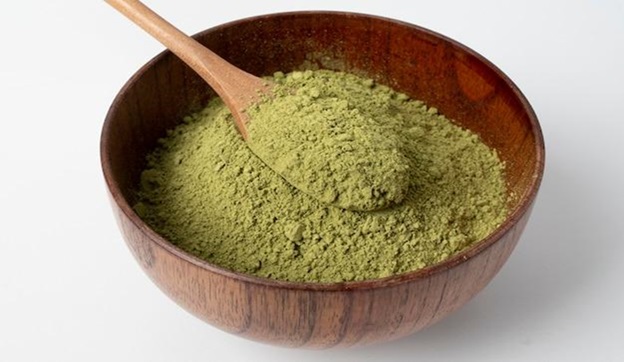
Kratom, a tropical tree native to Southeast Asia, gained popularity because it is believed to have certain benefits for the body. Research shows that almost 15 million Americans use Kratom to ease pain, improve energy, or just for relaxation. With increased awareness, Canadians have also shown special interest in trying its effects.

Hence, could Kratom have been the natural solution you have been seeking? This plant has been used for years to boost energy, relieve pain, and improve mood. In this article, you will discover how Canada Kratom can improve your health naturally.

1. Can Boost Energy Level

If you are feeling tired or sluggish, it would be worth looking for what can make you energized. Canada Kratom will make you energized as some substances exist in the plant that help energize the body. These substances carry out their role by binding to the brain receptors so that you can become alert and focused. For that reason, you may find yourself more energized and ready to take on your day.

Moreover, with Kratom use, you can achieve a natural energy boost without the jitters most likely to be experienced with the consumption of coffee or energy drinks. You get to enjoy constant energy throughout the day, keeping you active without making you overly stimulated.

2. May Alleviate Pain Naturally

Pain can be frustrating, whether chronic pain due to injury or sore muscles due to exercise. Canada Kratom is popular for its potential ability to offer natural pain relief. It contains alkaloids that can suppress the pain signals in the body. These alkaloids bind to receptors in your brain, relieving you from pain.

For example, many people use Kratom to potentially help them ease back pain, arthritis, or headaches. It may also reduce the pain sensation so that you can continue with normal activities. It is even safer than taking pain relievers that you can get over the counter and which have side effects. Thus, Kratom can be an ideal option if you would like to use a natural remedy for managing pain.
3. Can Enhance Mental Well-being

Your state of mind plays an important role in all-around well-being. Kratom can make you calm and even improve your mood, for it helps balance the chemicals responsible for maintaining the state of the mood by acting on the brain’s receptors. Thus, it relaxes you by reducing stress and anxiety.

Moreover, Kratom can make you mentally focused and concentrated. If you are unable to concentrate fully, taking Kratom in a controlled dosage can make you focused and alert to whatever you’re doing. This mental boost can carry you through to doing better at work, school, or other areas of life.

4. May Promote Feelings of Euphoria

Who does not want to be euphoric and happy?

Kratom also may lead to euphoria as it can cause the release of endorphins in the brain, which are happy-making chemicals. When you are euphoric, you become more cheerful and optimistic about life. Such an enhancement in mood can make it easier for you to handle everyday challenges with a peaceful state of mind.

Furthermore, the euphoria caused by Kratom is not as intense as what some other substances might provide, but it is a more natural and calming feeling. You can enjoy the benefits of feeling more positive without the side effects of losing control or being too hyper. Thus, Kratom can be a natural remedy when you need the extra kick during an exhausting day or if you simply like to become more energized.

5. Can Assist in Opioid Withdrawal

Kratom can be utilized to alleviate the pain and discomfort of opioid withdrawal for people who want to reduce or abstain from opioid use. The compounds in Kratom can bind to the same receptors in the brain that opioids use to bind with and, thus, reduce the discomfort of withdrawal.

Moreover, while Kratom is hardly ever a cure for addiction, it can be used to help people cope with the symptoms in their journey to recovery. It does this by reducing the severity of the signs and symptoms like nausea, body pains, and anxiety.

Remember, you should approach Kratom with care, especially for those who have a history of substance abuse. Thus, it’s always a good idea to talk to a healthcare professional before using Kratom for withdrawal.

Conclusion

Canada Kratom is the natural solution to enhancing the overall state of your health. Whether improving energy or relieving pain, it can enhance your overall physical and mental health. Additionally, whether you’re experiencing chronic pain, stress, or even the symptoms of opioid withdrawal, Canada Kratom can bring relief.

However, it is essential to remember that Kratom, like any other supplement, should be used responsibly and with guidance from your healthcare provider. Therefore, if you’re looking for a natural solution to enhancing the state of your health, Canada Kratom is an option that you should consider.

The Evolution of Casino Gambling: How New Technologies Are Shaping the Future of Gaming

0

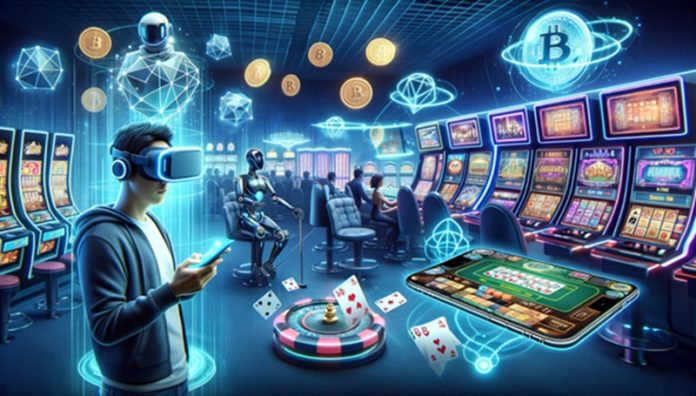
Gambling has undergone a significant evolution from land-based casinos with mechanical slots to digital platforms available at any time. Technological development has become a key factor in these changes, determining not only the format of games but also the level of security, transaction speed and personalization for players.

Today, the market is influenced by artificial intelligence, blockchain, virtual reality, and 5G, changing the approach to gambling for both users and operators. The introduction of these technologies is already forming a new industry standard, and further developments can completely reformat the interaction with gambling.

In this article, we will consider how innovations change the market, what solutions have already been implemented, and what prospects are opening up for the gambling industry.

History of Casino Development and the Impact of Technology

The earliest casinos were in a traditional form, in which all the games were based on mechanical mechanisms or deals of cards. Mechanical slots, developed in the late 19th century, were the earliest automatic gambling games, yet their potential was restricted.

The creation of electronic slots in the second half of the XX century revolutionized the market – electronics substituted for mechanics, providing new fields for gaming. The final milestone was online gambling, which emerged with the creation of the Internet in the 1990s. Electronic casinos made it possible for players to get access to games without a direct connection to institutions.

The proliferation of mobile devices further changed the industry, making gambling accessible from anywhere. Thanks to mobile casinos, players were able to play in real-time, and operators began to implement responsive design, fast payments, and optimized randomness algorithms. At the same time, Vegas free slots online became a popular choice among players looking for risk-free entertainment while experiencing the excitement of classic slot gameplay. Innovations in technology have shaped the modern gambling market, creating the basis for further changes.

Key Technologies That Are Changing Gambling

Technological developments are significantly transforming the gambling industry, improving the security, personalization, and accessibility of casinos. The main drivers of these changes are artificial intelligence, virtual reality, blockchain, and cloud technologies.

  • Artificial intelligence and machine learning. Operators use AI to study the behavior of the players, enabling them to make personalized propositions, slot and bonus recommendations. Algorithms also forecast the likelihood of user churn and modify marketing campaigns. AI is also instrumental in the anti-fraud fight: machine learning systems review transactions and detect suspicious patterns. In responsible gambling, artificial intelligence identifies the symptoms of gambling addiction and imposes limitations or warnings on the players.
  • Virtual and augmented reality (VR/AR). VR casinos recreate the atmosphere of a land-based casino, with the possibility to walk around the virtual room and communicate with dealers and other players. They apply such technologies to live casinos, poker, and slots and achieve a sense of presence. Augmented reality (AR) adds more interactivity, e.g., displaying virtual items on real surfaces or adding animations to mobile games. AR slots bring bonus rounds into the player’s real world, enhancing interaction.
  • Blockchain and cryptocurrencies. Blockchain technologies facilitate the game’s fairness and transparency by utilizing smart contracts that exclude any type of third-party influence on the outcome. Provably Fair algorithms are applied by operators to enable players’ independent verification of round outcomes. Bitcoin, Ethereum, and USDT are gaining popularity as alternative payment methods at casinos. They enable real-time transactions without the intervention of banks, reducing fees and improving the level of anonymity of the players.
  • Cloud technology and 5G. Cloud solutions enable you to launch games without downloading on the client side, on a streaming basis. It removes the necessity of possessing high-end devices and enables gaming on any device. 5G speeds up data transmission and lowers latency, which is essential for live games and VR casinos. Operators have a secure connection with players, and operators can develop features of interactive games without any performance compromise.

Technological innovations continue to change gambling, increasing the level of security, personalization and accessibility of casinos for both operators and players.

What does the Future Hold for the Industry?

Gambling will continue to adopt new technologies. AI dealers can replace human croupiers in live games, automating the process and reducing costs for operators. Metaversions will allow players to chat in virtual casinos, making the gameplay even more realistic.

The growing demand for interactive games will facilitate the development of adaptive slots that change mechanics in response to player actions. In the meantime, the industry will need to overcome challenges: the need to regulate AI solutions, data protection, and adaptation to changes in legislation. Casinos that invest in new technologies will gain a competitive advantage in the future.

Conclusion

Technologies have already changed gambling – from land-based casinos to VR games, AI analysis, and blockchain solutions. They have increased security, personalization, and speed of games.

Further development of innovations will be a key factor in the evolution of the industry. To keep up with the changes, it is worth following new trends and adapting to technological changes.