DD
MM
YYYY

PAGES

DD
MM
YYYY

spot_img

PAGES

Home Blog Page 18

NVIDIA Vera Rubin Chips and the Future of AI Training

0

OpenAI’s first NVIDIA Vera Rubin racks have reportedly arrived and begun running the company’s training stack, marking an important step in the race to build increasingly powerful artificial intelligence infrastructure.

The development highlights how the next phase of AI competition is moving beyond model architecture and software toward the physical systems capable of training and deploying increasingly demanding models.

NVIDIA’s Vera Rubin platform represents a new generation of AI computing infrastructure designed around the enormous computational requirements of advanced model training.

Its arrival at OpenAI therefore carries significance beyond the installation of new hardware.

It signals an effort to secure access to cutting-edge compute as AI companies compete to scale models, improve reasoning capabilities and reduce the time required to train increasingly complex systems.

For OpenAI, the timing is particularly important. The company is simultaneously expanding its model capabilities, infrastructure footprint and commercial products. Training frontier models requires enormous quantities of GPUs operating together as a coordinated system.

The performance of individual chips matters, but so do networking, memory bandwidth, storage, cooling and software orchestration. A modern AI training cluster is effectively an integrated computing machine rather than simply a collection of processors.

The Vera Rubin architecture is designed around this principle. NVIDIA has increasingly focused on tightly integrated rack-scale systems, combining GPUs, CPUs, high-speed networking and other components into platforms optimized for AI workloads.

Such systems can allow organizations to extract greater performance from their hardware while managing the complexity associated with massive distributed training operations.

OpenAI beginning to run its training stack on the new racks could consequently provide an early indication of how quickly the latest generation of infrastructure can be integrated into production environments.

Training software must be optimized to distribute workloads efficiently across thousands of accelerators while minimizing communication bottlenecks and maximizing utilization. Even the most powerful hardware can deliver disappointing results if the software stack cannot keep pace.

The development illustrates NVIDIA’s increasingly strategic role in the AI ecosystem. While competitors are developing alternative accelerators and hyperscalers are designing custom silicon, NVIDIA remains deeply embedded in the software and hardware layers supporting frontier AI.

Its CUDA ecosystem, networking technologies and increasingly integrated data-center platforms create a substantial infrastructure advantage. For OpenAI, access to advanced compute is equally strategic.

The company’s ability to train future models will depend not only on algorithms and data but also on securing sufficient computing capacity. As model development becomes more computationally intensive, infrastructure availability can increasingly determine which organizations are capable of pushing the technological frontier.

The arrival of Vera Rubin racks underscores a broader transformation in the economics of AI. Capital expenditure on data centers, accelerators, power generation and networking is becoming one of the defining investments of the technology industry.

Companies are effectively building enormous industrial systems to support software products that can be updated continuously. If OpenAI’s new Vera Rubin infrastructure performs as expected, the immediate result may be faster experimentation and more ambitious training runs.

Over time, that could translate into more capable models and new AI products. The significance of the development therefore extends beyond a hardware shipment. It represents another step toward an AI industry where computational scale has become a central competitive advantage.

As OpenAI and its rivals deploy increasingly sophisticated infrastructure, the battle for the future of artificial intelligence is increasingly being fought inside the data center.

Food Shortage Fears and Unitree Robotics’ Extraordinary IPO Surge

0

The global economy is facing two strikingly different signals: growing concern over food security and extraordinary investor enthusiasm for advanced robotics.

Warnings that food shortages could become a major global problem as early as next year are emerging alongside one of the most spectacular technology stock-market debuts of 2026, as Chinese humanoid robot maker Unitree Robotics surged more than 600% during its Shanghai listing.

The developments highlight the increasingly uneven character of the global economy, where essential resources face mounting pressures while capital races toward emerging technologies.

Food security remains one of the world’s most vulnerable economic issues. Rising energy costs, geopolitical conflicts, disrupted trade routes, extreme weather and expensive agricultural inputs can all affect the ability of farmers and food distributors to maintain reliable supplies.

Previous global food crises have demonstrated how quickly disruptions in fertilizer, fuel and transportation can translate into higher prices for consumers. The World Food Programme has previously warned that temporary food-access problems can evolve into broader shortages if underlying supply disruptions persist.

A potential shortage would not necessarily mean that the world suddenly runs out of food. More often, food insecurity develops through a combination of inadequate production, disrupted distribution and unaffordable prices.

Poorer countries and households are particularly exposed because they have less capacity to absorb increases in the cost of staples. For developing economies that rely heavily on imports, a global supply shock could put additional pressure on currencies, government budgets and household incomes.

Against this uncertain backdrop, the financial markets are displaying extraordinary confidence in another part of the economy: robotics. Unitree Robotics‘ debut in Shanghai demonstrated just how powerful investor demand for artificial intelligence and embodied technology has become.

The company’s shares opened at 1,100 yuan, roughly 629% above its IPO price of 150.8 yuan, before ending the first session at 845 yuan, still 460% above the offer price.

The scale of the demand was remarkable. Unitree’s IPO reportedly attracted subscriptions thousands of times greater than the shares available to retail investors, while the company raised more than $900 million.

Much of the capital is intended to support research, manufacturing expansion and artificial-intelligence development. The enthusiasm reflects expectations that humanoid robots could become a major technology market over the next decade.

Unitree has gained global attention through demonstrations of robots running, dancing and performing martial arts. Analysts cited by The Guardian estimate that the humanoid-robot market could expand dramatically from roughly $2 billion in 2025 toward $300 billion by 2035.

Yet Unitree’s explosive debut illustrates the risks of technological exuberance. A 600%-plus move in a single trading session means expectations have been priced aggressively into the company. Its valuation can rise much faster than its underlying revenues, production capacity and commercial applications.

Even Unitree’s chief executive has cautioned that major breakthroughs in robot software could still be years away. The contrast between food-security anxiety and robotics euphoria is therefore significant.

One represents the pressure facing humanity’s most basic needs; the other represents expectations surrounding a potentially transformative technology. Both stories ultimately depend on investment, infrastructure and long-term planning.

For policymakers, the food-shortage warning reinforces the importance of resilient agricultural supply chains, strategic reserves and affordable fertilizer and energy. For investors, Unitree’s debut demonstrates both the enormous appetite for AI-related opportunities and the danger of chasing spectacular price movements.

The global economy is increasingly defined by this tension: scarcity in essential goods can coexist with abundance of capital flowing into future technologies. How governments and markets manage that imbalance may shape the economic landscape of the years ahead.

USCIS Is Now Using AI to Screen Filings – What That Means for Your Translations

0

USCIS has been playing some changes in the manner it processes immigration applications, and unfortunately, many applicants are not aware of it. The agency has been using AI and machine-learning capabilities in some of its document processing processes over the last few years. They help in things such as categorizing evidence, organizing materials submitted, and marking anomalies for human review, and they directly affect anyone who is submitting a translated document with a petition or application.

This isn’t an emerging concern about the future. It is the current state of how filings are processed, and understanding it is useful whether you’re an applicant preparing your own documents or an immigration attorney reviewing a client’s submission. The core point is straightforward: when automated systems are involved in processing your filing, the quality and consistency of your translated documents matter in ways they didn’t previously. Services such as Rapid Translate can help applicants prepare professionally translated documents before submission, reducing the risk of avoidable translation inconsistencies.

How AI Has Entered the USCIS Processing Workflow

USCIS adjudicates millions of petitions and applications each year. The volume alone warrants systematic support, and the agency has publicly acknowledged the use of machine learning and artificial intelligence tools in a continuing modernization program. These tools operate across functions, including document processing support, evidence classification, and fraud-related analysis. They interact with submitted filings before a human officer engages with the case.

For applicants, the direct implication is this: the information in your submitted documents needs to be internally consistent, accurately translated, and properly structured. When classification tools process a document, they work with what’s there. A discrepancy that a human reviewer might recognize and place into context doesn’t just disappear. It controls how the document is indexed and stored during processing.

What USCIS AI Tools Do Not Do

Equally important is to be clear about what these tools do not do. USCIS has not delegated its decision making to automated systems. AI is a pre-screening tool in the workflow, and the agency’s adjudicators have complete discretion over the results of cases. That said, the preparation still affects how information gets to the officer making the final call.

The Final Decision Belongs to the Adjudicating Officer

Every immigration determination – whether a petition is approved, denied, or subject to a Request for Evidence – is made by a human officer. AI tools help organize and process the documentation involved, but they do not replace the professional judgment of the person reviewing the case.

What matters here is the sequence. If problems exist in how your documents are classified or how translation data is recorded during automated processing, the officer reviewing your case receives an already-imperfect record. That is a preventable outcome. The accuracy of your translated documents is one of the most direct variables within your control before submission.

Why Translation Accuracy Has Greater Significance Now

USCIS has required certified, complete, word-for-word translations of foreign-language documents for a long time. That requirement hasn’t changed. What has changed is that filings now pass through a more automated environment. One where consistency across documents is assessed not only by a human reader but also by classification tools that evaluate field-level data across submitted materials.

Names are a frequent source of problems. Consider an applicant whose given name appears differently in a translated birth certificate than in a translated passport – a variation in spelling or transliteration between the two documents. To a human reader, the connection is often obvious. In an automated document processing context, that variation registers as a discrepancy in the data. The same applies to dates, document registration numbers, expiration dates, and similar fields. 

Omissions Create Incomplete Records

One area where translations regularly fall short involves elements like stamps, official seals, and signature blocks. A qualified translator acknowledges these in the translation text even when visual reproduction isn’t possible. Phrases indicating the presence and general content of a notarial seal or an official stamp are part of a complete translation – not optional annotations.

When these elements are omitted, the translated document doesn’t fully reflect the original. In a filing that undergoes automated document processing, an incomplete translation creates an incomplete record. That can become apparent as a complication at a point when correction is more difficult than it would have been prior to initial submission.

What the Certification Requirement Actually Involves

USCIS’s requirements for certified translations are specific. The translation must be accompanied by a signed statement from the translator confirming two things: their competency in the relevant language pair, and their attestation that the translation is accurate and complete. This signed certification is a formal element of the submission, not supplementary paperwork.

A certification produced without a named, qualified human translator does not meet this standard. Neither does a statement prepared by a bilingual individual without professional standing in translation. The requirement exists because USCIS needs to attribute the translation to a responsible professional, someone who has explicitly certified the accuracy of the work and can be identified as doing so.

What to Look for in a Translation Service

For applicants and attorneys who need certified translations prepared to USCIS’s specific standards, Rapid Translate offers professional human-prepared translations across more than 80 languages. Each translation includes a signed Certificate of Translation Accuracy and a translator competence statement – the two components USCIS’s certification requirements directly address.

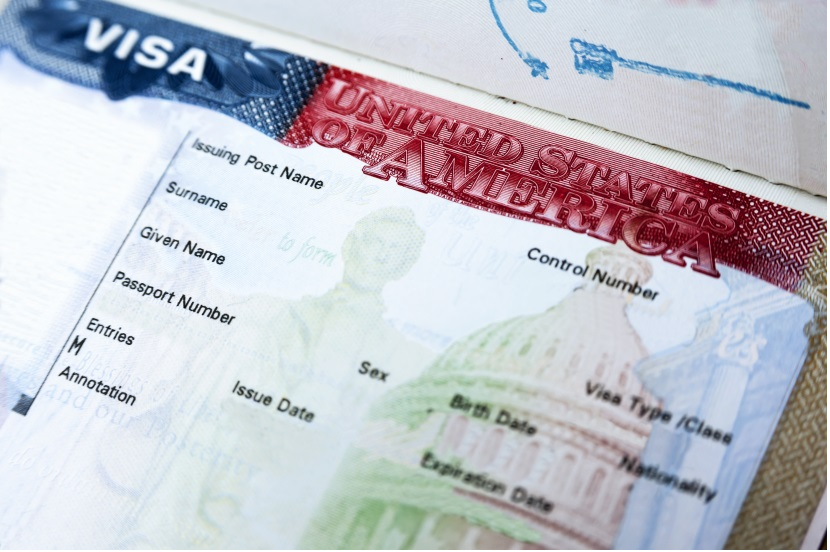
The documents covered include those most commonly submitted in immigration filings: birth certificates, marriage and divorce records, passports, driver’s licenses, academic transcripts, and visa documents. Pricing begins at $27.99 per page, with a page defined as up to 250 words. Standard delivery is 24 hours for one to three pages and 48 hours for four to six pages, with expedited options available when a submission is time-sensitive.

Bottom Line

As USCIS continues expanding its AI-assisted processing capabilities, the accuracy and proper certification of translated documents become one of the factors that determine how cleanly a filing proceeds. For applicants putting significant effort into every other component of their submission, the translation itself deserves the same standard of preparation.

Robotics and Physical AI Attract Record $16.3 Billion in First-Quarter Funding

0

The robotics and physical artificial intelligence industry has entered a new phase of rapid expansion, attracting a record $16.3 billion in funding across 492 deals during the first quarter of the year.

The scale of investment highlights growing confidence among venture capital firms, technology companies and institutional investors that intelligent machines capable of operating in the physical world could become one of the most important technology markets of the coming decade.

Unlike traditional software-based artificial intelligence, physical AI combines advanced machine learning with robotics, sensors, computer vision and autonomous decision-making.

These technologies allow machines to perceive their surroundings, learn from physical environments and perform tasks with limited human intervention.

The increasing availability of powerful AI models and specialized computing hardware has accelerated development, making sophisticated robots more commercially viable. The $16.3 billion raised in the first quarter represents a significant milestone for the sector.

Funding across nearly 500 transactions indicates that investor interest is not concentrated in a handful of companies but is spreading across different areas of the robotics ecosystem.

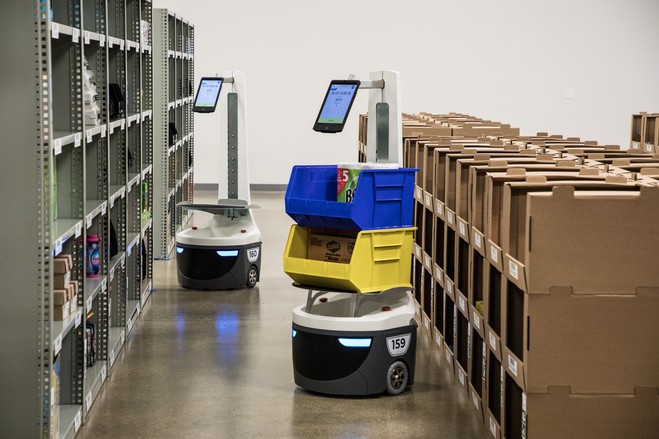
Startups are developing technologies for manufacturing, logistics, healthcare, agriculture, warehouses, construction and consumer applications.

One of the biggest drivers behind the investment boom is the global shortage of workers in physically demanding and repetitive industries.

Companies are searching for ways to increase productivity while reducing their dependence on manual labor. Robots equipped with AI could help address these challenges by performing tasks continuously and adapting to changing environments.

Manufacturing is expected to remain one of the largest markets for physical AI. Industrial robots have already transformed factories, but newer systems are becoming more flexible. Instead of being programmed to perform one repetitive task.

AI-powered robots can potentially recognize objects, understand instructions and adjust their actions according to circumstances. Warehousing and logistics are also attracting significant attention.

E-commerce has created demand for faster and more efficient fulfillment systems, while labor costs continue to pressure businesses. Autonomous mobile robots, robotic arms and AI-powered sorting systems could improve productivity throughout supply chains.

The emergence of humanoid robots has added another dimension to the investment story. Developers are attempting to create machines capable of operating in environments designed for humans, potentially allowing robots to work alongside people without requiring companies to completely redesign their facilities.

However, the sector still faces major challenges. Developing reliable hardware is expensive, while robots must operate safely in unpredictable real-world environments. Battery limitations, manufacturing costs, regulatory requirements and difficulties in scaling production could slow commercialization.

Despite these obstacles, the record first-quarter funding demonstrates that investors increasingly view robotics and physical AI as more than speculative technology. The combination of AI breakthroughs, automation demand and advances in hardware is creating a powerful investment narrative.

If startups can successfully convert capital into commercially useful machines, physical AI could become a major pillar of the next technology cycle. The $16.3 billion raised in the first quarter may therefore represent not simply a funding record.

But an early indication of how quickly intelligent machines are moving from research laboratories into the real economy.

Commerzbank Chair Calls For German Takeover Rules Review After UniCredit Gains Control

0

Commerzbank supervisory board chairman Jens Weidmann has called for Germany to review its takeover rules, noting that UniCredit was able to secure effective control of the German lender without paying shareholders an adequate control premium.

Weidmann told Sueddeutsche Zeitung that UniCredit’s approach raised questions because the Italian bank was able to build a majority position even though relatively few shareholders accepted its offer and the terms were not financially attractive.

“UniCredit was thus able to achieve a majority with a financially unattractive offer without paying an appropriate control premium,” Weidmann said. “That raises questions about takeover law in Germany, which lawmakers may want to examine.”

Of the roughly 73% of Commerzbank shares that were eligible to be tendered to UniCredit, fewer than 18% were actually tendered, according to Weidmann. Institutional and retail investors accounted for less than three percentage points of the shares tendered, while the remainder came from banks linked to UniCredit, he said.

The figures highlight the unusual route through which UniCredit has expanded its influence at Commerzbank. Rather than relying primarily on broad shareholder acceptance of a conventional takeover offer, the Italian bank has gradually accumulated a large stake in the German lender.

UniCredit’s stake reached about 48% in July, a level that gives it sufficient voting power to determine shareholder resolutions even though it has not acquired 50% or more of Commerzbank’s shares. The offer period has ended, but the transaction is not yet fully settled because regulatory approvals are still required before UniCredit can take possession of the shares tendered through the offer.

The dispute places Germany’s takeover framework under renewed scrutiny because the case raises a broader question about how an investor can obtain effective corporate control without making a traditional offer that attracts a large proportion of minority shareholders.

A conventional takeover normally involves a control premium, with the acquiring company offering shareholders a price above the prevailing market value in exchange for surrendering control. Weidmann’s criticism centers on whether Germany’s rules adequately protect shareholders when control can instead be accumulated through market purchases and other transactions.

The issue is considered sensitive because Commerzbank is one of Germany’s major commercial banks and has long been viewed as strategically important to the country’s financial system and corporate sector. The German government also remains a significant shareholder. Its stake originated from the state rescue of Commerzbank during the global financial crisis, when Berlin provided support to the bank.

Weidmann said the government should ultimately dispose of that holding because it was acquired as part of a temporary rescue measure. He argued, however, that the current situation justifies keeping the stake for the time being.

“The stake was part of a rescue measure, so the federal government should eventually withdraw,” Weidmann said. “But in the current phase, it makes sense for the government to remain a shareholder in order to actively represent the interests of Germany as a business location.”

The comments underline the political dimension of UniCredit’s expansion. The proposed combination has raised concerns in Germany about the future ownership and strategic direction of a major domestic bank, particularly given UniCredit’s status as an Italian lender.

For Commerzbank, UniCredit’s 48% position significantly changes the balance of power. Even without outright majority ownership, the stake gives UniCredit substantial influence over shareholder decisions and makes the Italian lender a dominant force in determining Commerzbank’s future.

Weidmann’s intervention also suggests that the dispute could outlast the immediate takeover process. A review of German takeover rules could focus on whether existing thresholds and procedures give shareholders sufficient protection when a bidder accumulates a controlling position without securing broad participation in a formal offer.

The case could therefore become a reference point in Germany’s debate over how to balance the rights of shareholders, the interests of potential acquirers and the importance of large domestic companies.