

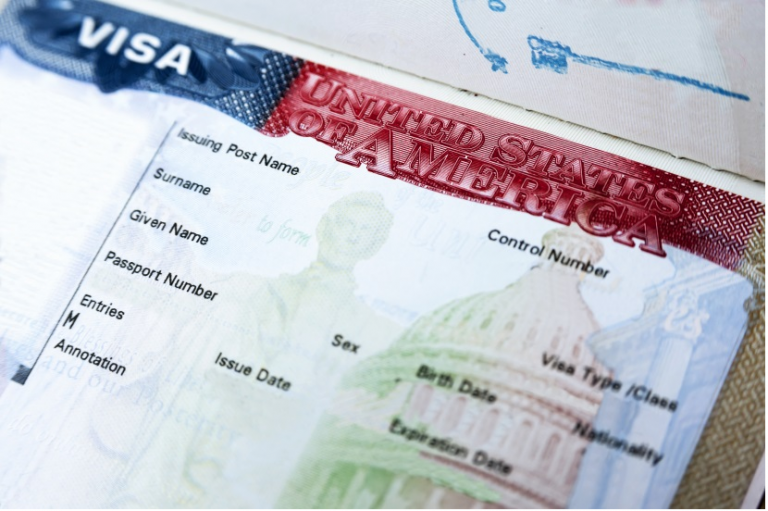
USCIS has been playing some changes in the manner it processes immigration applications, and unfortunately, many applicants are not aware of it. The agency has been using AI and machine-learning capabilities in some of its document processing processes over the last few years. They help in things such as categorizing evidence, organizing materials submitted, and marking anomalies for human review, and they directly affect anyone who is submitting a translated document with a petition or application.
This isn’t an emerging concern about the future. It is the current state of how filings are processed, and understanding it is useful whether you’re an applicant preparing your own documents or an immigration attorney reviewing a client’s submission. The core point is straightforward: when automated systems are involved in processing your filing, the quality and consistency of your translated documents matter in ways they didn’t previously. Services such as Rapid Translate can help applicants prepare professionally translated documents before submission, reducing the risk of avoidable translation inconsistencies.
How AI Has Entered the USCIS Processing Workflow
USCIS adjudicates millions of petitions and applications each year. The volume alone warrants systematic support, and the agency has publicly acknowledged the use of machine learning and artificial intelligence tools in a continuing modernization program. These tools operate across functions, including document processing support, evidence classification, and fraud-related analysis. They interact with submitted filings before a human officer engages with the case.
For applicants, the direct implication is this: the information in your submitted documents needs to be internally consistent, accurately translated, and properly structured. When classification tools process a document, they work with what’s there. A discrepancy that a human reviewer might recognize and place into context doesn’t just disappear. It controls how the document is indexed and stored during processing.
What USCIS AI Tools Do Not Do
Equally important is to be clear about what these tools do not do. USCIS has not delegated its decision making to automated systems. AI is a pre-screening tool in the workflow, and the agency’s adjudicators have complete discretion over the results of cases. That said, the preparation still affects how information gets to the officer making the final call.
The Final Decision Belongs to the Adjudicating Officer
Every immigration determination – whether a petition is approved, denied, or subject to a Request for Evidence – is made by a human officer. AI tools help organize and process the documentation involved, but they do not replace the professional judgment of the person reviewing the case.
What matters here is the sequence. If problems exist in how your documents are classified or how translation data is recorded during automated processing, the officer reviewing your case receives an already-imperfect record. That is a preventable outcome. The accuracy of your translated documents is one of the most direct variables within your control before submission.
Why Translation Accuracy Has Greater Significance Now
USCIS has required certified, complete, word-for-word translations of foreign-language documents for a long time. That requirement hasn’t changed. What has changed is that filings now pass through a more automated environment. One where consistency across documents is assessed not only by a human reader but also by classification tools that evaluate field-level data across submitted materials.
Names are a frequent source of problems. Consider an applicant whose given name appears differently in a translated birth certificate than in a translated passport – a variation in spelling or transliteration between the two documents. To a human reader, the connection is often obvious. In an automated document processing context, that variation registers as a discrepancy in the data. The same applies to dates, document registration numbers, expiration dates, and similar fields.
Omissions Create Incomplete Records
One area where translations regularly fall short involves elements like stamps, official seals, and signature blocks. A qualified translator acknowledges these in the translation text even when visual reproduction isn’t possible. Phrases indicating the presence and general content of a notarial seal or an official stamp are part of a complete translation – not optional annotations.
When these elements are omitted, the translated document doesn’t fully reflect the original. In a filing that undergoes automated document processing, an incomplete translation creates an incomplete record. That can become apparent as a complication at a point when correction is more difficult than it would have been prior to initial submission.
What the Certification Requirement Actually Involves
USCIS’s requirements for certified translations are specific. The translation must be accompanied by a signed statement from the translator confirming two things: their competency in the relevant language pair, and their attestation that the translation is accurate and complete. This signed certification is a formal element of the submission, not supplementary paperwork.
A certification produced without a named, qualified human translator does not meet this standard. Neither does a statement prepared by a bilingual individual without professional standing in translation. The requirement exists because USCIS needs to attribute the translation to a responsible professional, someone who has explicitly certified the accuracy of the work and can be identified as doing so.
What to Look for in a Translation Service
For applicants and attorneys who need certified translations prepared to USCIS’s specific standards, Rapid Translate offers professional human-prepared translations across more than 80 languages. Each translation includes a signed Certificate of Translation Accuracy and a translator competence statement – the two components USCIS’s certification requirements directly address.
The documents covered include those most commonly submitted in immigration filings: birth certificates, marriage and divorce records, passports, driver’s licenses, academic transcripts, and visa documents. Pricing begins at $27.99 per page, with a page defined as up to 250 words. Standard delivery is 24 hours for one to three pages and 48 hours for four to six pages, with expedited options available when a submission is time-sensitive.
Bottom Line
As USCIS continues expanding its AI-assisted processing capabilities, the accuracy and proper certification of translated documents become one of the factors that determine how cleanly a filing proceeds. For applicants putting significant effort into every other component of their submission, the translation itself deserves the same standard of preparation.