DD
MM
YYYY

PAGES

DD
MM
YYYY

spot_img

PAGES

Home Blog Page 1985

Today’s Ethereum Chooses Immutability over Intervention

0

The question of why Ethereum cannot simply “rollback” its blockchain to reverse the massive $1.4 billion Bybit hack, which occurred on February 21, 2025, hinges on a mix of technical, philosophical, and practical factors tied to Ethereum’s design and ecosystem. The hack, attributed to North Korea’s Lazarus Group, saw hackers exploit a compromised multisig wallet interface to siphon off 401,000 ETH and other tokens, prompting some, like BitMEX co-founder Arthur Hayes, to suggest a rollback. However, Ethereum developers and the broader community have overwhelmingly rejected this idea as infeasible and undesirable.

Ethereum’s architecture makes a traditional “rollback”—reverting the blockchain to a pre-hack state—extremely difficult. Unlike Bitcoin’s UTXO (unspent transaction output) system, Ethereum uses an account model where balances are stored like bank accounts. A rollback isn’t a simple rewind of transactions; it would require rewriting account states across the entire network. The 2016 DAO hack, often cited as precedent, wasn’t a rollback either—it was an “irregular state transition” that moved funds to a refund contract via a hard fork, not a reversal of the chain itself. In the Bybit case, the hack exploited a deceptive multisig interface, not a flaw in Ethereum’s protocol.

The transactions appeared legitimate to the network, following all consensus rules. Ethereum core developer Tim Beiko noted that, unlike the DAO exploit which targeted a smart contract bug with a 30-day freeze on funds, the Bybit funds were immediately movable, leaving no technical hook for intervention. Since 2016, Ethereum has grown vastly more complex with decentralized finance, Layer 2 rollups, cross-chain bridges, and tokenized real-world assets. Reversing the chain would undo not just the hack but all legitimate transactions since February 21—disrupting trades, settlements, and off-chain agreements. Beiko described this as causing “near-intractable ripple effects,” potentially breaking stablecoins, bridges, and L2s.

Immutability as a Core Principle

Ethereum’s community and developers prioritize immutability—the idea that once transactions are confirmed, they’re final: A rollback would undermine Ethereum’s credibility as a decentralized, trustless system. If transactions can be reversed at will, it erodes the blockchain’s promise of censorship resistance and finality. Critics like educator Anthony Sassano argue, “That’s not how any of this works,” emphasizing that even the DAO fork was a one-off exception, not a norm. Post-DAO, Ethereum has avoided rollbacks for major hacks (e.g., Ronin, Poly Network), reinforcing immutability. The 2016 fork split the chain into Ethereum (ETH) and Ethereum Classic (ETC), with ETC preserving the original, unaltered ledger. Another split today would fragment an already intricate ecosystem, likely alienating users and developers.

Even if technically possible, executing a rollback faces insurmountable hurdles. A rollback requires broad agreement among Ethereum’s validators, node operators, and community. In 2016, the DAO fork had significant support due to the hack’s scale (15% of ETH) and a clear recovery path. The Bybit hack, while large ($1.4 billion), lacks a similar freeze or isolation of funds, and the community consensus is firmly against intervention, as seen in X posts and developer statements. The hackers swiftly moved the stolen ETH through decentralized exchanges and split it across 54 wallets (e.g., 489,395 ETH and 15,000 Mantle Restaked ETH).

Bybit CEO Ben Zhou noted efforts to track these via a $140 million bounty and law enforcement, but a rollback can’t undo laundering that’s already occurred without reversing unrelated transactions too. Unlike the DAO’s 30-day window, the Bybit hack was instantaneous. Bitcoin advocate Jimmy Song pointed out on X that the DAO had a delay, whereas Bybit’s attack was “already finalized,” making a clean reversal “too much of a mess.” Undoing days of transactions would hit innocent users, DeFi protocols, and cross-chain systems, potentially costing more than the hack itself.

A rollback could signal Ethereum is centralized, subject to human whims—fueling Bitcoin maximalist critiques (e.g., posts on X mocking ETH’s “centralization”). This might drive users to alternatives like Ethereum Classic or rival chains. With claims the funds could aid North Korea’s nuclear program, a rollback might invite scrutiny, but inaction aligns with Ethereum’s neutrality, leaving recovery to exchanges and law enforcement.

Why It Won’t Happen

Ethereum’s developers, like Beiko, call a rollback “technically intractable” and “disruptive.” The community sees it as a betrayal of decentralization—unlike 2016, when Ethereum was younger and less entangled. Bybit’s Zhou took a neutral stance, suggesting a community vote, but the sentiment (e.g., “This is not a f***ing WALMART”) shows rollback talk as a non-starter. Instead, focus has shifted to security improvements and tracking the hackers, with Bybit closing its ETH gap via loans and partnerships. Ethereum can’t rollback the Bybit hack because its design, principles, and current complexity forbid it—and the community won’t allow it. The DAO was an anomaly; today’s Ethereum chooses immutability over intervention, even at a $1.4 billion cost.

Only 6 Days Left Until BlockDAG’s Hyped Keynote 3—Amidst Shiba Inu’s Bullish Outlook & Bittensor’s $900 Forecast Trends

0

The crypto market is experiencing significant changes, with three key events capturing attention: Shiba Inu’s potential surge, Bittensor’s market predictions, and BlockDAG’s anticipated Keynote 3 release.

The Shiba Inu (SHIB) bullish outlook is drawing interest as SHIB approaches a crucial resistance point, fueling expectations of an upswing. Simultaneously, the Bittensor (TAO) price forecast is positive, with discussions on whether TAO could climb over $900 soon.

Focus is turning to BlockDAG’s Keynote 3 set for March 28. With BDAG’s presale already collecting over $205.5 million and 10 CEX listings on the horizon, anticipation is building. Could Keynote 3 mark rise of BlockDAG (BDAG) as a prominent player in the crypto market? Lets find out.

Shiba Inu (SHIB) Bullish Outlook: Breakout Imminent?

Shiba Inu’s bullish outlook is strengthening as the token rebounds, with momentum building towards a crucial resistance point. After a period of lull, SHIB is gaining ground, with increased buying activity and rising trading volume. A breach of the $0.000013 level could propel it towards $0.000016 and higher.

The Shiba Inu (SHIB) bullish outlook is supported by intensified interest from large-scale holders and a positive overall market trend. As the market indicators turn favorable, the Shiba Inu (SHIB) bullish outlook becomes more prominent, signaling potential for an upcoming breakout.

Bittensor (TAO) Price Forecast: Potential for a Major Rally

Bittensor (TAO) is capturing significant interest in the cryptocurrency sector, with market watchers eager to see its next move. The Bittensor (TAO) price forecast shows variability, with some analysts predicting a significant rally if current momentum continues. Presently valued at around $233, TAO experiences substantial fluctuations, keeping investors alert. Some predictions suggest it could reach $933.74 by September 2025, although more conservative estimates set it around $361.69.

The Bittensor (TAO) price forecast is influenced by market dynamics, increasing adoption rates, and the general trajectory of the cryptocurrency market. With ongoing interest in decentralized AI technologies, TAO is poised for potential growth, making it a notable cryptocurrency to monitor.

Anticipating BlockDAG’s Keynote 3: A Pivotal Moment in Crypto

BlockDAG’s Keynote 3 is set for March 28, and the anticipation is mounting for this event, expected to be a major spectacle in the cryptocurrency market. Produced by a renowned Hollywood talent, this keynote aims to captivate the audience with cinematic quality unlike any seen in typical blockchain presentations.

The event will unveil major updates concerning integrations, advancements, strategic partnerships, ecosystem enhancements, and future plans. This could be a transformative moment for BDAG, potentially ushering in widespread adoption.

BlockDAG has previously made waves with its exciting launch events. The first keynote transformed Tokyo’s Shibuya Crossing and introduced BlockDAG boldly to the market. The second event, themed around the moon, underscored the project’s ambitious plans. Now, Keynote 3 is poised to be the most critical update yet, expected to spark a new frenzy in presales.

BlockDAG’s presale success continues to climb, with over $205.5 million raised and 18.8 billion BDAG sold. Initial participants have seen a return of 2,380% since the first batch. Additionally, the BlockDAG mining community has grown to over 500,000 users, thanks to the accessible X1 crypto miner app.

There is growing excitement about BDAG’s potential listings on 10 different exchanges. This anticipation is not just about updates to the ecosystem; it also heightens expectations for BDAG’s performance in the markets.

The upcoming Keynote 3 is watched keenly, with many expecting it to catalyze a further surge in presale activity and enhance BDAG’s price trajectory, potentially marking the most significant presale boost to date.

Shaping the Future of Crypto

As Shiba Inu aims to reach new heights and the Bittensor (TAO) price forecast stirs market enthusiasm, BlockDAG’s Keynote 3 is preparing to lay the groundwork for a major shift. Orchestrated by a prominent Hollywood producer and having already accumulated $205.5 million in presale funds, BDAG is distinguishing itself as a formidable force in the cryptocurrency market.

With the approach of 10 CEX listings and the Keynote 3 launch, BDAG stands on the brink of potentially its largest market surge yet. Observers who remain on the sidelines might miss out on what could be the most dynamic development among the top crypto coins right now.

Presale: https://purchase.blockdag.network

Website: https://blockdag.network

Telegram: https://t.me/blockDAGnetworkOfficial

Discord: https://discord.gg/Q7BxghMVyu

Best Crypto Presales Set for Remarkable Growth in 2025!

0

Crypto presales provide early access to upcoming projects at often reduced prices, presenting opportunities for notable returns. While risks are inherent, choosing wisely can lead to substantial rewards. This guide focuses on the best crypto presales, such as BTC Bull Token, Larva To Moon, Harry Hippo, and BlockDAG, which are stirring considerable interest in 2025.

These projects span blockchain, GameFi, and staking rewards, appealing to seasoned traders and newcomers alike. Assessing elements like economic models, practical applications, and strategic plans is crucial in presale phases. Whether you seek modern features or strong market potential, these crypto presales merit attention. Continue reading to learn which projects are poised to make a mark this year.

1.  BlockDAG: A Presale Marvel with a 2,380% Return

BlockDAG (BDAG) heralds a new era in blockchain technology with its Directed Acyclic Graph (DAG) framework, promoting unmatched scalability and decentralization. Unlike conventional blockchains, which face bottlenecks and slow transactions, BlockDAG’s architecture allows for efficient parallel processing, greatly enhancing throughput.

Market trust in BlockDAG is demonstrated by its presale triumph, amassing an impressive $205.5 million across 27 batches. The BDAG price has risen by 2,380%, from $0.001 to $0.0248, indicating increasing demand. With rapid sales completion and robust participation from traders, BlockDAG is on course to achieve its $600 million presale goal soon.

Anticipation for BlockDAG is also driven by its forthcoming mainnet debut and ten major exchange listings, anticipated to bolster both demand and liquidity. Market analysts suggest BDAG’s price could hit $1 after its launch, fueled by broader acceptance and trading activity. With modern technology, unparalleled presale achievements, and eagerly awaited mainnet introduction and exchange listings, BlockDAG is distinguished as the best crypto presale of 2025.

2.  BTC Bull Token: A New Way to Link with Bitcoin’s Economy

BTC Bull Token ($BTCBULL) is an Ethereum-based project crafted to provide an alternative avenue for engaging with Bitcoin’s economic activities. It features staking rewards, BTC airdrops, and a deflationary model via regular burns. Holders are rewarded with Bitcoin airdrops at predetermined price levels, tapping into Bitcoin’s market performance.

Offering a 122% APY through its staking program, the token motivates extended engagement. With $3.5 million secured in its presale, it shows a robust reception. BTC Bull Token capitalizes on Bitcoin’s market shifts and integrates staking functionalities, aiming to attract users interested in Bitcoin-centric benefits within the Ethereum framework.

3.  Larva To Moon: Combining Gaming with Token Utility

Larva To Moon ($LARVA) merges P2E gaming, DAO governance, and staking in its structure. Operating on Ethereum, it enables participation in blockchain games while accumulating $LARVA tokens. Among the best crypto presales, Larva To Moon draws attention with its blend of participatory governance and sustained staking incentives.

Having garnered about $156K in its presale, its decentralized governance model empowers token holders to shape the project’s trajectory actively. As blockchain gaming escalates, Larva To Moon attracts those looking for an amalgamation of entertainment and token-based rewards.

4.  Harry Hippo: Integrating GameFi with Smart Analytics

Harry Hippo ($HIPO) merges blockchain-based GameFi, staking, and AI-enhanced analytics. Participants earn $HIPO tokens via game play, which are eligible for staking at a consistent APY of 601%. The initiative will introduce AI tools intended to refine trading and gaming tactics, merging blockchain innovations with intelligent analytics.

Advancing as blockchain gaming evolves, Harry Hippo has established itself as a best crypto presale, incorporating NFTs, metaverse developments, and lucrative staking options. With $1.8 million amassed, it appeals to blockchain enthusiasts and those seeking AI-powered gaming investments.

Reviewing the Best Crypto Presales of 2025!

As the enthusiasm for crypto presales escalates, BTC Bull Token, Larva To Moon, and Harry Hippo continue to draw interest with their unique staking options, GameFi elements, and user-led features. These best crypto presale ventures offer varied prospects in the digital market. BlockDAG, however, sets a new standard with its advanced DAG-based technology, unprecedented presale success, and imminent mainnet debut.

With $205.5 million raised and a remarkable price increase of 2,380%, it stands as one of the most awaited initiatives in 2025. The plan to list on 10 exchanges further bolsters its potential for enduring success. As presale opportunities continue to influence the market, BlockDAG positions itself as a top choice for those seeking scalability, substantial returns, and tangible blockchain integration.

LEO Price Stays Consistent & BNB Growth Levels Off as BlockDAG Raises $205.5M – Launches Major Developer Drive

0

The price of UNUS SED (LEO) is persisting just below $10, indicating a stable phase that could pivot upwards to $12 if the buying momentum continues. Conversely, if the upward trend shifts, a decrease to $8.84 might be observed. As LEO stabilizes, BNB’s significant rise has been a focal point, propelling it to $582 before it hit a resistance level.

Aside from the fluctuations in price, BlockDAG (BDAG) is influencing the blockchain development space distinctively. Having amassed over $205.5 million during its initial funding phase, BlockDAG is keenly focused on developer engagement, featuring a $30 million grants program and targeting over 10,000 developers to onboard. This proactive engagement is part of why it is becoming a prominent project in the next major wave of Web3.

UNUS SED (LEO) Price Shows Potential Rise, Targets $12

The UNUS SED (LEO) price is holding steady just below $10, indicating a stable phase as buyers maintain their positions. A significant technical pattern, the ascending triangle, points to a possible breakout above $10, which could push the price towards $12.04.

On the flip side, if the price falls below the current uptrend line, this optimistic pattern might not hold, potentially causing a drop to $8.84 or even lower to $8.30. The future direction of the market will hinge on whether buyers continue to drive the momentum forward and overcome resistance, or if increased selling pressure leads to a pullback. Currently, the UNUS SED (LEO) price is at a critical point.

BNB Price Gains Steam, Reaches $582—Will It Continue to Climb?

BNB has made significant strides recently, capturing the interest of traders by escalating from $545 to $582, challenging the general market’s steady phase. This rise was bolstered by a golden cross in the MACD, indicating a positive shift in momentum, while the RSI exceeding 70 suggests that the coin might be overbought.

Having momentarily reached $582, BNB found it challenging to overcome this resistance level, which resulted in the development of an expanding triangle pattern. Should the upward trend of BNB persist, surpassing the $582 mark could drive additional increases. However, if it fails to maintain its current strength, the price could potentially retract to $567. Market watchers are on alert for what comes next.

BlockDAG Initiates Programs Aimed at Developers

BlockDAG is catching the eye with its impressive milestones: raising $205.5 million, selling over 18.8 billion BDAG, and building a community of more than 170,000 members. Yet, it’s clear that robust price metrics alone do not spell lasting success. The foundation of a strong network lies in its developers, the individuals who transform creative concepts into practical applications.

BlockDAG is actively recruiting these innovators. Rather than passively hoping for developers to come onboard, it is proactively providing the necessary resources, financial support, and opportunities from the outset. A significant thrust of this effort is its collaboration with HackerEarth, a global platform that bridges developers with tangible projects. This initiative is expected to attract over 10,000 developers and aims to create more than 200 decentralized applications (dApps), effectively leveraging BlockDAG’s network.

Furthermore, BlockDAG has instituted a $30 million Grants Program to financially back significant projects. Developers can receive up to $100,000 per project, ensuring that viable ideas are brought to fruition and not left idle.

Additionally, the BlockDAG hackathon series invites blockchain developers to display their skills and innovations. Winners of these hackathons receive not only prize money but also opportunities for direct engagement with buyers and major figures in the industry, potentially elevating their projects to greater heights.

Such opportunities are fleeting. BlockDAG’s development ecosystem is growing at an unprecedented rate in the cryptocurrency domain, offering early participants a substantial edge. With the infrastructure and community already established, the race is on for developers to step forward. Those who join early are poised to shape the future of Web3, contributing to what may become one of the most significant crypto projects of the decade.

Overall Perspective

The price of UNUS SED (LEO) remains stable under $10, and its potential rise to $12 or a possible decline will hinge on the prevailing market dynamics. Similarly, BNB has demonstrated robustness in its recent upsurge, reaching a high of $582. However, it faces a crucial test in maintaining this momentum over the coming period.

Amidst the fluctuations of LEO and BNB, BlockDAG is embarking on a more enduring venture. The successful raise of $205.5 million marks only the beginning for BlockDAG. With the launch of a $30 million grants program and an initiative to integrate over 10,000 developers into its network, BlockDAG is proactively setting the groundwork for substantial advancements rather than merely anticipating them.

Both traders seeking long-term investments and developers in search of genuine opportunities are closely monitoring BlockDAG’s progress. Those who understand the trajectory of these developments now are positioning themselves to influence the evolution of Web3 significantly.

Presale: https://purchase.blockdag.network

Website: https://blockdag.network

Telegram: https://t.me/blockDAGnetworkOfficial

Discord: https://discord.gg/Q7BxghMVyu

UBA Posts N766.5bn Profit After Tax in 2024, Spurred By T-bills, FX Windfall And Bonds

0

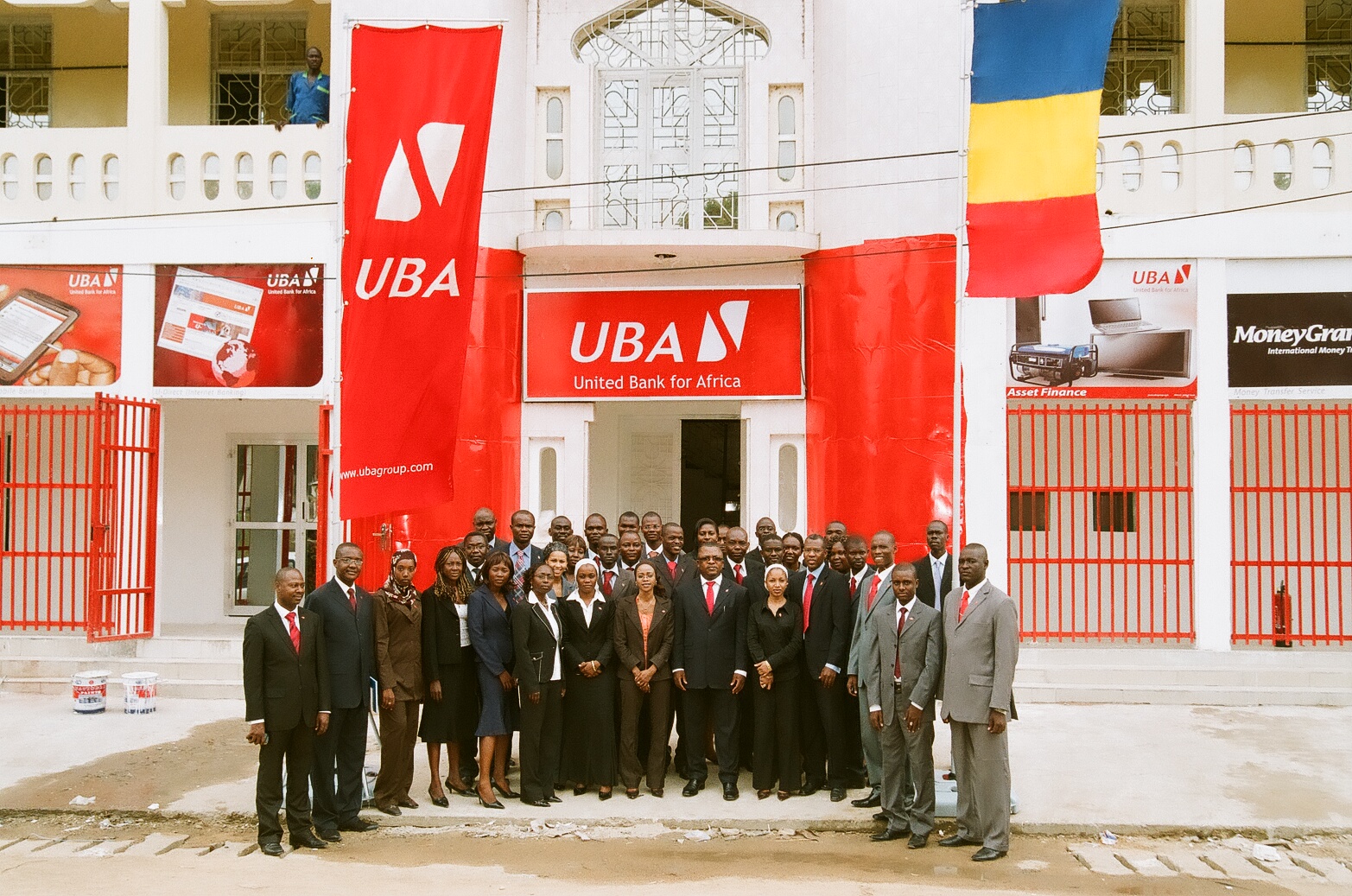
United Bank for Africa (UBA) has announced its audited financial results for the full year ended December 31, 2024, reporting a post-tax profit of N766.5 billion, representing a 26.14% increase from the N607.6 billion posted in 2023.

The bank’s pre-tax profit rose marginally by 6.08% year-over-year (YoY) to N803.7 billion, reflecting steady growth despite rising operational costs and economic headwinds.

UBA’s performance is consistent with a trend seen across Nigeria’s banking sector, where major financial institutions have posted significant profits in the face of economic hardship. Much of this resilience has been attributed to foreign exchange (FX) revaluation gains, which have shielded banks from the full impact of Nigeria’s economic downturn.

Breakdown of UBA’s Performance

UBA’s interest income soared by 120.40% YoY to N2.3 trillion, up from N1 trillion in 2023. A significant portion of this income came from treasury bills (N678.4 billion), term loans to corporates (N569.1 billion), and bonds (N449 billion). Additional revenue sources included loans and advances to banks, overdrafts to corporates, and other lending channels.

The bank’s interest expenses surged by 128.18% to N839.2 billion, reflecting the higher cost of funds and the increased competition for deposits. A substantial part of these expenses stemmed from customer deposits, which accounted for 54.4% of the total interest cost.

However, UBA recorded a net interest income of N1.5 trillion, marking a 116.35% YoY increase from N707.5 billion in the previous year.

Another area of significant growth was in fees and commission income, which rose 91.66% YoY to N589 billion, driven largely by the expansion of UBA’s digital banking and electronic payment services. Electronic banking fees alone contributed N236.3 billion, underscoring the bank’s strategic focus on digital transformation.

However, fees and commission expenses also saw a sharp rise, jumping 97.88% to N233.9 billion, up from N118.2 billion in 2023. This increase was mainly due to higher transaction processing costs and regulatory charges.

One of the few areas where UBA posted a decline was in net trading and foreign exchange gains, which dropped 72.43% to N181.7 billion, compared to N659.2 billion in 2023. The bank’s reduced FX earnings indicate that despite benefiting from exchange rate adjustments earlier in the year, its forex position was less favorable in the latter months of 2024.

On a positive note, other operating income rose by 37.68% to N46 billion, fueled by dividend income (N16.8 billion) and other income sources (N28.2 billion).

Pre-tax profit, Dividend Payout, and Shareholder Returns

UBA’s pre-tax profit stood at N803.7 billion, a 6.08% increase from the N757.6 billion recorded in 2023. After accounting for taxes, the group’s post-tax profit climbed to N766.5 billion, representing a 26.14% increase YoY.

The bank also announced a final dividend of N3.00 per share, bringing the total dividend for 2024 to N5.00 per share. This payout is subject to withholding tax and will be disbursed to shareholders whose names are listed in the Register of Members as of the close of business on April 11, 2025.

Earnings per share (EPS) rose 24.24% to N21.73, up from N17.49 in the previous year, signaling stronger shareholder value creation.

Balance Sheet Growth and Asset Expansion

UBA’s total assets surged to N30.3 trillion, a 46.82% increase from N20.6 trillion in 2023. This expansion was driven by growth in investment securities, higher cash reserves, and an expanded loan book.

The largest asset component remained investment securities, which accounted for N12.535 trillion, followed by cash and bank balances totaling N8.1 trillion. Loans and advances to customers increased to N6.9 trillion, reflecting UBA’s continued efforts to support lending despite economic uncertainties.

Meanwhile, the bank’s total equity rose by 68.39% to N3.419 trillion, further solidifying its financial strength. Retained earnings also increased significantly by 54.92% to N1.4 trillion, indicating a healthy capacity for reinvestment and future expansion.

FX Windfall and Banking Sector Resilience

Over the past year, Nigerian banks have capitalized on the FX windfall resulting from the devaluation of the naira and volatility in the foreign exchange market. The Central Bank of Nigeria (CBN) undertook a series of policy adjustments, including the unification of exchange rates and the liberalization of forex trading, which led to the naira’s sharp depreciation.

For banks with significant FX holdings, this translated into massive revaluation gains, as assets held in dollars surged in local currency terms. UBA, like its peers, leveraged this windfall to boost earnings, even as it faced challenges such as rising impairment charges and increased interest expenses.

Challenging Economic Realities

Despite its impressive results, UBA, like other Nigerian banks, faces growing macroeconomic challenges. The sharp rise in interest expenses and impairment charges highlights the increasing cost of doing business in Nigeria’s high-inflation environment.

Additionally, while the FX windfall provided a temporary earnings boost, fluctuating exchange rates and tighter monetary policies could limit future gains. The sharp decline in FX trading gains suggests that opportunities for banks to capitalize on forex movements may diminish going forward.

Moreover, the broader Nigerian economy continues to struggle with high borrowing costs, liquidity pressures, and fiscal uncertainty. If economic conditions worsen, banks may face higher loan defaults, tighter credit conditions, and reduced consumer spending, all of which could impact profitability in the coming year.