DD
MM
YYYY

PAGES

DD
MM
YYYY

spot_img

PAGES

Home Blog Page 1989

Fantasy Top Announces a New Feature, “Clout”, on X

0

Fantasy Top, a gamified social finance (SocialFi) platform focused on crypto influencers, recently announced updates including the introduction of the “Clout” feature and changes to its seasonal structure. Clout is a new metric designed to reflect a user’s impact in crypto-related conversations on X. It allows active players to earn their way to becoming a “hero” (a high-value card in the game), while also replacing underperforming heroes.

The feature aims to democratize hero status, rewarding engagement and activity rather than limiting it to a select few. However, some users note it still favors the top 0.1% of active X users, suggesting it may not be as inclusive as promoted. Clout rewards points for X activity, similar to systems like KaitoAI. The algorithm has been adjusted to score proportionally based on account size, giving smaller accounts a fairer chance to compete. Exact details on how Clout is calculated remain undisclosed.

Clout introduces predictability to hero selection, automatically rotating top performers into hero status every season (approximately 4 weeks). It also facilitates the removal of inactive heroes, enhancing the platform’s dynamism. Fantasy Top operates on a seasonal model, with each season lasting roughly 4 weeks. The new updates allow for automatic hero rotation based on Clout performance, ensuring fresh content and engagement.

The platform has scrapped its ELO and Stars systems, likely to streamline gameplay and focus on Clout as the primary metric for performance and rewards. Updates include changes to weekly reward distributions, though specific details were not elaborated in the posts. The changes have sparked mixed reactions. Some users are excited about the viral potential and opportunities to “farm” Clout, while others feel the “everyone can be a hero” narrative was overhyped, as the system still rewards already influential accounts.

Fantasy Top is a fantasy sports-style game where users collect and trade cards representing crypto influencers (“heroes”) on the Blast blockchain. It has gained significant traction, with over $30 million in deposits before its full launch in 2024. Posts on X highlight the platform’s viral growth and the excitement around Clout, but also skepticism about its accessibility and fairness. Users are encouraged to join early to claim Clout points and participate in the evolving ecosystem.

The lack of detailed mechanics for Clout raises questions about transparency. The platform’s focus on X activity could favor users with large followings, potentially skewing rewards despite the proportional scoring adjustment.
Without official documentation, the full scope of seasonal changes and their impact on gameplay remains unclear.

The Clout algorithm used by Fantasy Top is a points-based system designed to measure a user’s influence and engagement in crypto-related conversations on X, determining who becomes a “hero” (a high-value card) in the Fantasy Top game. While the exact mechanics of the algorithm are not fully disclosed, the following explanation is based on available information from X posts and related sources, providing a clear and concise overview of how it works.

Clout quantifies a user’s activity and impact in crypto discussions on X. It determines the top 15 users who become heroes each season (approximately 4 weeks) and identifies the bottom 15 heroes for replacement, ensuring dynamic rotatio. Users earn Clout points by participating in crypto-related conversations on X.

Points are awarded based on quality and virality of posts, emphasizing meaningful engagement over mere volume. The algorithm adjusts scores to account for account size, giving smaller accounts a fair chance to compete with larger, more influential ones. This proportionality aims to democratize hero status, though some users argue it still favors highly active or established accounts.

Clout likely evaluates metrics such as, Post frequency and regular activity in crypto discussions. Likes, reposts, replies, and quote posts on crypto-related content. How widely a post spreads, reflecting its impact. Focus on crypto-specific topics to ensure alignment with Fantasy Top’s theme. The system is described as similar to KaitoAI’s Yaps, which scores based on writing posts and engaging with others, suggesting a comparable engagement-driven model.

At the end of each season, the top 15 Clout earners are selected as new heroes, while the bottom 15 existing heroes are replaced. This automated rotation ensures the game remains fresh and rewards consistent performers. Users post crypto-related content, engage with others’ posts, and build their Clout score. For example, insightful posts or viral threads about crypto trends could yield higher points. The algorithm ranks users by Clout score at the season’s end. The top 15 become heroes, featured as tradable cards in Fantasy Top.

By scaling scores relative to account size, a smaller account with high engagement can theoretically outrank a larger but less active one. The exact weighting of metrics (e.g., how much a like vs. a repost contributes) is not public, leading to some user skepticism about fairness. The Clout algorithm resembles KaitoAI’s Yaps, which rewards users for posting and engaging on X, but is tailored specifically to crypto content.

Unlike traditional fantasy sports algorithms (e.g., Fantasy Premier League’s points based on player stats), Clout focuses on social media influence rather than on-field performance. The algorithm’s specifics are not fully disclosed, making it hard for users to optimize their strategies. Despite proportional scoring, some argue that top Clout earners are often already influential, limiting accessibility for average users.

The system may encourage spammy or low-quality posts to boost engagement, though the emphasis on “quality and virality” aims to mitigate this. Information is primarily sourced from X posts, which may include speculative or incomplete details. Without official documentation, the algorithm’s inner workings remain partially opaque, and user perceptions on X may not fully reflect reality. The system’s fairness depends on how effectively the proportional scoring balances account size disparities, which is unverified without data.

The Clout algorithm is a dynamic system that rewards crypto-related engagement on X, aiming to make hero status accessible while maintaining a competitive edge. It evaluates posts and interactions, adjusts for account size, and refreshes the hero roster seasonally. However, its lack of transparency and potential bias toward influential accounts are points of contention. For users, focusing on high-quality, crypto-focused content and consistent engagement is the best way to maximize Clout points.

Digital Credit: Transforming Financial Inclusion in Low And Middle-Income Countries

0

Digital credit has continued to surge in the past years, significantly transforming financial inclusion. Digital credit generally refers to small and short-term loans that can be accessed instantly, automatically, and remotely, offering borrowers access to funds without a formal credit history.

This form of credit has revolutionized financial access in low and middle-income countries (LMICs), such as Côte d’Ivoire, Ghana, Nigeria, and Kenya, amongst others.

In regions like Sub-Saharan Africa, where only 48% of adults have bank accounts, digital credit platforms like Kenya’s M-Pesa, provide loans to individuals excluded from traditional banking. Many previously unbanked individuals have quick access to credit. This has enabled individuals and small businesses to manage daily expenses and cope with emergencies.

M-Pesa’s digital credit products like M-Shwari, and Fuliza have disbursed billions of dollars in loans since 2012, with millions of users accessing credit for daily needs. In India, fintechs like Paytm and PhonePe offer instant microloans, providing credit access for millions.

Borrowers experienced with digital credit have reported greater financial confidence, as many have maintained their savings while dealing with both planned and unexpected expenses. The rapid growth of digital credit shows its potential to significantly boost financial inclusion, when provided responsibly.

However, while the enormous demand for digital credit shows that millions of consumers need sources of easy liquidity, and though financial access is viewed as a crucial component of economic development, easy access to digital credit presents several risks. Consumers are often drawn to apply for multiple, easy-to-access loans from various providers, facing hidden fees and high interest rates that can compound their financial burdens.

Many consumers are not aware of the loan terms and many end up repaying late, thus incurring fees or defaulting which affects their future ability to borrow. High rates of default in some countries, such as Kenya (86%) and Tanzania (70%), as reported in the GSMA 2024 report, have led to a rise in over-indebtedness.

Notably, aggressive marketing tactics used by lenders and a lack of transparency have worsened these risks, leading many borrowers to accumulate debts. Without proper safeguards, digital credit can push vulnerable consumers into financial instability rather than lifting them out.

Across the globe, Mobile Money providers are increasingly aware of the risks of over-indebtedness and are being proactive in mitigating the impacts. Some regulators have adopted a proactive stance on championing financial literacy. Pakistan is reported to have seen remarkable progress, with nationwide financial literacy camps offered by the State Bank of Pakistan during Financial Literacy Week in March 2024.

Also, in October 2024, the Central Bank of Nigeria announced its intention to add financial literacy to school curricula, with a focus on the importance of earning, saving, and investing from an early age. Collectively, these initiatives are important steps towards tackling the growing issue of over-indebtedness in emerging markets. They focus on educating customers about responsible financial behavior and closely involve regulators to ensure proper consumer protection.

By creating a responsible lending environment, mobile money services are contributing to more sustainable financial inclusion even in underserved areas. While concerns about over-indebtedness may persist, a pragmatic, data-driven approach to digital credit is essential. However, the benefits of financial inclusion via responsible digital credit outweigh the risks of over-indebtedness, so smart regulation should be balanced with consumer protection.

However, a major regulatory gap for MMPs is the lack of open data policies. This can lead to data asymmetry, making it impossible to assess the creditworthiness of a customer who does not have a history with a specific MMP. Even in countries with strong credit reference agencies, obtaining information quickly and in full can be challenging.

Conclusion

Digital credit has continued to revolutionize financial access in LMICs by providing rapid, inclusive, and flexible lending solutions to millions previously excluded from formal financial systems. It supports economic empowerment, resilience, and entrepreneurship but requires careful regulation to mitigate risks like over-indebtedness and privacy violations.

With ongoing innovations and stronger consumer protections, digital credit can further bridge the financial inclusion gap, driving sustainable development in LMICs.

Government, Not Shareholders, Emerges the Biggest Winner in Nigeria’s Banking Boom, Earning Over N1.16tn in 2024

0

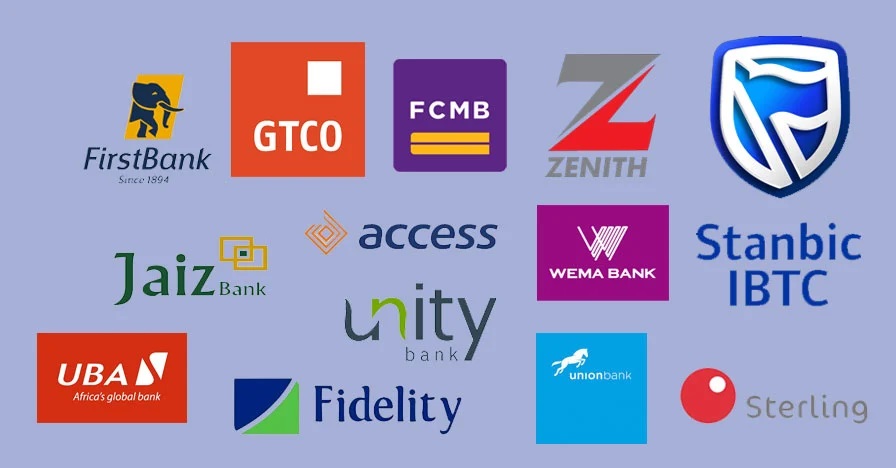
In 2024, Nigeria’s leading banks rode a wave of macroeconomic volatility to record-breaking profits. Collectively, nine top banks—Access Holdings, FCMB, Fidelity, First Holdco, GTCO, Stanbic IBTC, UBA, Wema Bank, and Zenith—declared a staggering N4.786 trillion in profit after tax, a 53.34% rise from the N3.121 trillion posted in 2023.

But beyond the surge in bottom-line figures lies a more compelling revelation: these banks generated N8.871 trillion in total wealth, according to their Value-Added Statements (VAS)—a 66.3% increase from N5.335 trillion the previous year. This wealth, though created by private institutions, was more generously shared with the government than with the banks’ shareholders.

The VAS, often overlooked in financial analyses, breaks down how generated wealth is distributed among key stakeholders—governments, employees, capital providers, shareholders, and the banks themselves through retained earnings. What it shows in 2024 is a consistent trend across institutions: governments, particularly through taxes, emerged as the largest external beneficiaries.

Government Bags the Lion’s Share in Taxes

While banks paid out a record N951.4 billion to shareholders, representing an 87% increase from 2023, the federal and state governments collectively walked away with an even larger share—N1.166 trillion in taxes. This represents a 111.4% jump from the previous year, making public coffers the biggest winner of the banking boom.

Zenith Bank, Nigeria’s most profitable bank in 2024 with a profit after tax of N1.032 trillion, paid the government N294 billion in taxes and levies—147% more than the previous year. Shareholders, by comparison, received N196.676 billion. The bank retained N1.085 trillion, which includes statutory reserves and allocations for future use.

GTCO followed closely, reporting a N1.018 trillion profit and generating N1.410 trillion in value. Government receipts from GTCO hit N248.443 billion—a 257% increase. Though shareholders were paid N236.332 billion, it was still short of what the state received.

Access Holdings, which generated the highest value-added of all at N1.622 trillion, paid N224.802 billion to the government and N261 billion to finance providers. Shareholders got N125.299 billion, highlighting a lopsided distribution.

First Holdco, with N1.593 trillion in generated value, saw government taxes reach N132.977 billion, while shareholders took home a mere N25.127 billion—five times less than the state’s cut.

Fidelity Bank’s case was even starker. It paid N95.454 billion in taxes—an astronomical leap from the N4.170 billion paid in 2023. Yet shareholder dividends were N89.965 billion, slightly less than the government’s haul despite a 231% year-on-year jump.

Stanbic IBTC paid N78.485 billion in taxes from a total of N408.586 billion value-added, while employees received N86.681 billion—more than what the government or shareholders earned. Shareholders got N64.758 billion, the lowest of the three.

Even FCMB, which experienced a 21% decline in profit after tax, paid more to the government (N38.558 billion) than it did to shareholders (N21.783 billion), reinforcing the broader pattern.

UBA and Wema Bank were rare exceptions. UBA paid N37.158 billion to the government and N170.997 billion to shareholders, while Wema’s dividend payout (N21.430 billion) outpaced the N16.235 billion in taxes. But such reversals were the exception rather than the norm.

A Shift in Value Distribution

The results underscore a significant shift in value distribution—one where the Nigerian government, through its tax mechanisms, has become the largest external recipient of private banking wealth. In total, banks retained N5.467 trillion for reinvestment and expansion, reflecting prudence amid economic uncertainty. However, the amount received by the government far exceeded the sums returned to the very investors who took the risk in the first place.

This growing share of national revenue sourced from the financial sector also underscores a broader economic reality: Nigeria’s fiscal reliance on private capital may be deepening, particularly as oil revenues remain underwhelming and foreign investments continue to waver.

Taxation of the banking sector is, by all indications, filling some of the gaps. But the scale and pace of tax growth, more than doubling in some institutions, raises questions about the sustainability of this model, and whether governments are leaning too heavily on a handful of highly capitalized corporations to fund bloated budgets.

For context, the government’s N1.166 trillion tax taken from just nine banks is not far off from key capital expenditures in the national budget. The same year, capital allocations to sectors such as education, health, and public infrastructure combined struggled to meet similar figures. This disproportion reinforces the narrative of private capital being tapped to keep the state afloat.

But it also exposes a risk. If macroeconomic volatility intensifies, and these profit levels begin to taper, especially amid tighter monetary policies or currency instability, the state’s over-reliance on bank taxes could pose a fiscal risk.

Austin Law Firms Specializing in Car Accident Cases

0

Car accidents can turn life upside down in an instant. Medical bills pile up, injuries cause pain, and dealing with insurance companies feels overwhelming. 

Finding the right lawyer can make all the difference. Lawyers in Austin focus on helping car accident victims get the compensation they deserve. 

They offer free consultations, fight insurance companies, and work on a “no win, no fee” basis. 

Below is a list of trusted law firms in Austin specializing in car accident cases.

Sutliff & Stout Injury & Accident Law Firm

Sutliff & Stout has been handling car accident cases in Austin since 2008. Founded by Graham Sutliff and Hank Stout, the firm focuses on helping injured victims secure fair compensation. Their team works on a contingency fee basis, meaning clients do not pay unless they win.

Areas of Expertise

  • Car and truck accidents
  • Wrongful death cases
  • Catastrophic injuries
  • Product liability claims
  • Maritime law cases

Client-Centered Approach

  • Direct communication with experienced attorneys
  • Personalized attention for each case
  • Free initial consultations
  • No upfront fees

Proven Case Results

The firm has successfully recovered millions for clients in Texas. They have handled cases involving severe injuries, permanent disabilities, and wrongful death claims. 

Many clients have received substantial settlements, including six and seven-figure payouts, due to their strategic legal approach and aggressive representation.

Contact Information

  • Address: 9433 Bee Cave Road, Building III, Suite 200, Austin, TX 78733
  • Phone: (512) 616-2222
  • Availability: 24/7 for free case reviews

Texas Law Guns, Injury & Accident Lawyers (Villarreal & Begum)

Texas Law Guns, also known as Villarreal & Begum, is a top-rated personal injury law firm in Austin. 

Their team has secured over $500 million in settlements for clients injured in car accidents. They work on a contingency fee basis, meaning clients pay nothing unless they win.

Areas of Expertise

  • Car accidents, including rear-end and multi-vehicle crashes
  • Truck and 18-wheeler accidents
  • Motorcycle and pedestrian accidents
  • Wrongful death cases
  • Slip and fall injuries

Aggressive Legal Representation

The firm is known for taking on insurance companies and fighting for maximum compensation. They use expert accident reconstruction, medical evaluations, and negotiation tactics to build strong cases. 

Many clients report that their legal team secured settlements that insurance companies initially refused to pay.

High-Value Settlements

Texas Law Guns has a history of securing large settlements for clients, including cases involving life-altering injuries and wrongful deaths. Their experience handling complex claims allows them to maximize compensation, covering medical expenses, lost wages, and pain and suffering.

Contact Information

  • Address: 2211 S. Interstate 35, Ste 109, Austin, TX 78741
  • Phone: (512) 800-0000
  • Availability: 24/7 for free case reviews

Lorenz & Lorenz Accident & Injury Lawyers PLLC

Lorenz & Lorenz is a well-known personal injury law firm in Austin, Texas, focusing on car and truck accident cases. Their legal team has built a strong reputation for securing high-value settlements and taking on insurance companies to ensure clients receive fair compensation.

Significant Case Outcomes

The firm has successfully handled complex car accident claims, securing:

  • $6 Million for a truck accident resulting in severe injuries
  • $3 Million for a blind spot accident causing multiple injuries
  • $2 Million for a rear-end collision leading to paralysis

These results highlight their ability to fight for maximum compensation in serious injury cases.

Client Success Stories

Clients frequently praise Lorenz & Lorenz for their professionalism and dedication. Many describe their experience as stress-free, with lawyers providing clear communication and guidance throughout the legal process. One client shared that after a major car accident, the firm handled everything smoothly, making a difficult situation much easier.

Contact Information

  • Address: 1515 S. Capital of Texas Hwy, Suite 500, Austin, TX 78746
  • Phone: (512) 477-7333
  • Availability: 24/7 for free case reviews

The Bonilla Law Firm

The Bonilla Law Firm is a family-owned personal injury firm serving Austin and Central Texas. 

With over 30 years of experience, they have handled severe injury and wrongful death cases, working with accident reconstructionists and medical experts to build strong claims.

Proven Case Results

The firm has secured significant settlements for accident victims, including:

  • $2.1 Million for a commercial vehicle accident requiring back surgery
  • $2 Million for a large truck crash resulting in wrongful death
  • $1 Million for an 18-wheeler accident leading to spinal surgery

What Clients Say

Clients often praise the Bonilla Law Firm for their professionalism and support. One client shared that after their accident, the firm guided them through the claims process smoothly, securing a fair settlement within six months. 

Others highlight the team’s clear communication and dedication to client needs.

Contact Information

  • Address: 3910 South IH-35, Suite 200, Austin, Texas 78704
  • Phone: (512) 441-1111
  • Availability: Free consultations, no fees unless they win

How to Choose the Best Car Accident Lawyer in Austin

Not all lawyers are the same. Choosing the right car accident attorney can make a huge difference in the outcome of your case. 

Some firms focus on quick settlements, while others fight for maximum compensation. Knowing what to look for helps you make an informed decision.

Key Factors to Consider

  • Experience with Car Accident Cases – A lawyer with a strong history of handling car accident claims will know how to deal with insurance companies and legal hurdles.
  • Proven Track Record – Look for firms with high-value settlements and successful trial outcomes.
  • Client Reviews and Reputation – Read reviews and ask for referrals to see how past clients felt about their experience.
  • Communication and Availability – Your lawyer should keep you updated and answer your questions promptly.
  • Fee Structure – Most car accident lawyers work on contingency, meaning you pay nothing unless they win.

Red Flags to Avoid

  • Lawyers who pressure you into signing quickly
  • Firms that lack real case results or testimonials
  • Poor communication or long response times
  • Hidden fees or unclear billing practices

Steps to Take After a Car Accident

Taking the right steps after a car accident can protect your health and strengthen your legal claim. Many victims make mistakes that hurt their chances of getting full compensation.

Immediate Actions at the Scene

  • Check for Injuries – Get medical help for yourself and others.
  • Call the Police – A police report can serve as key evidence in your case.
  • Document Everything – Take pictures of the vehicles, injuries, and surroundings.
  • Get Contact Information – Collect details from drivers, passengers, and witnesses.
  • Avoid Admitting Fault – Do not apologize or speculate about what happened.

What to Do in the Days After

  • Seek Medical Attention – Some injuries appear later, so get checked even if you feel fine.
  • Notify Your Insurance – Report the accident but avoid detailed statements before consulting a lawyer.
  • Consult a Car Accident Attorney – A lawyer can help you understand your rights and deal with insurance companies.

Common Mistakes to Avoid

  • Waiting too long to seek medical treatment
  • Accepting a low settlement without legal advice
  • Posting about the accident on social media
  • Giving a recorded statement to an insurance company without a lawyer’s guidance

What Compensation Can You Expect?

The value of a car accident claim depends on many factors, including the severity of injuries, medical costs, and lost wages. 

An experienced attorney can calculate a fair settlement based on your losses.

Types of Compensation Available

  • Medical Expenses – Covers emergency care, hospital bills, surgeries, therapy, and medication.
  • Lost Wages – Compensation for missed work, reduced earning capacity, or permanent disability.
  • Property Damage – Repairs or replacement of your vehicle and personal belongings.
  • Pain and Suffering – Compensation for emotional distress, physical pain, and long-term trauma.
  • Punitive Damages – In rare cases, courts may award extra compensation if the accident was caused by reckless behavior, such as drunk driving.

Factors That Affect Settlement Amounts

  • Severity of Injuries – More serious injuries usually result in higher settlements.
  • Fault and Liability – If you are partially at fault, your compensation may be reduced.
  • Insurance Coverage – Available insurance policies play a big role in payout limits.
  • Long-Term Impact – Permanent injuries or disabilities increase settlement value.

When to Contact a Lawyer for Your Car Accident Case

Not every car accident requires a lawyer, but having one can make a huge difference when dealing with insurance companies.

The best time to contact a lawyer is as soon as possible after the accident. The earlier a lawyer is involved, the stronger your case can be. Many firms offer free consultations, so you can learn your options without any financial risk.

Signs You Need a Lawyer

  • You suffered serious injuries or long-term disability.
  • The other driver’s insurance company is disputing liability.
  • Your medical bills and lost wages are adding up.
  • You received a lowball settlement offer.
  • The accident involved a commercial vehicle or multiple parties.

FAQs

Can I still file a claim if I was partially at fault for the accident?

Yes. Texas follows a modified comparative negligence rule, meaning you can recover compensation as long as you are less than 51% at fault. However, your settlement will be reduced by your percentage of fault.

What if the driver who hit me was uninsured?

If the at-fault driver has no insurance, you may still have options. You can file a claim under your own uninsured/underinsured motorist coverage (UM/UIM) if you have it. A lawyer can also help determine if other sources of compensation are available.

Do I have to go to court to get compensation?

Most car accident claims settle outside of court through negotiations with insurance companies. However, if the insurance company refuses to offer a fair settlement, your lawyer may recommend filing a lawsuit to seek full compensation.

How long does a car accident case take to settle?

It depends on the complexity of the case. Minor accident claims may settle in a few months, while cases involving severe injuries, disputed liability, or lawsuits can take a year or more.

Can I change lawyers if I am unhappy with my current attorney?

Yes. You have the right to switch lawyers at any time if you are not satisfied with their communication, progress, or approach. A new lawyer can take over your case and handle the transition smoothly.

Last Words

Finding the right car accident lawyer in Austin can make all the difference in securing fair compensation. The law firms listed above have strong track records, extensive experience, and a commitment to fighting for injured victims. 

Taking the right steps after an accident, avoiding common mistakes, and knowing when to seek legal help can protect your rights. 

If you have been injured in a crash, consulting with a skilled attorney as soon as possible can help you get the compensation you deserve.

World’s Largest Sovereign Wealth Fund Posts $40bn Q1 Loss Amid Tech Rout and Trump Tariff War

0

Norges Bank Investment Management (NBIM), which oversees the world’s largest sovereign wealth fund, reported a first-quarter loss of 415 billion Norwegian kroner ($40 billion), with tech-sector weakness and renewed trade tensions, particularly from Washington, pulling down returns and adding fresh volatility to global markets.

“Our equity investments had a negative return, largely driven by the tech sector,” NBIM CEO Nicolai Tangen said Thursday. “The quarter has been impacted by significant market fluctuations.”

The fund’s total value stood at 18.53 trillion kroner at the end of March, with equities—accounting for 70% of holdings—posting a 1.6% loss. The broader decline in value, however, was compounded by significant foreign exchange headwinds, especially the strengthening of the krone, which knocked off 879 billion kroner from the fund’s paper value. Overall, the fund’s market worth contracted by 1.215 trillion kroner through the quarter.

While fixed-income investments returned a modest 1.6% and unlisted real estate delivered 2.4%, these gains were not enough to offset the damage from equities, particularly from the tech sector where NBIM holds significant positions in companies like Nvidia, Meta, Alphabet, Microsoft, Amazon, and Tesla.

Trump’s Tariff Strategy Sparks Global Market Anxiety

This is the second time in just three months that major market players have had to reckon with the weight of U.S. President Donald Trump’s trade agenda. While tensions with Beijing are not new, Trump’s revived focus on imposing sweeping tariffs on Chinese goods, and threatening similar measures against European economies, has stirred fears that the global economy could be pushed into a fresh slowdown.

NBIM’s exposure to tech has made it especially vulnerable to these developments. The March tech sell-off, which erased $2.7 trillion in market value from industry giants, was driven in large part by fears that Trump’s tariffs would disrupt U.S.-China supply chains and drive up operational costs for American companies.

NBIM’s sharp quarterly decline followed closely on the heels of a January market tremor triggered by a surprising leap in Chinese AI development. DeepSeek, a little-known Chinese startup, developed a powerful large language model at a fraction of the cost of OpenAI’s ChatGPT—an announcement that rocked investor confidence in the U.S. tech sector’s future pricing power and dominance.

Analysts say the fund’s losses could deepen if Trump’s rhetoric translates into action. Trump recently slammed Beijing for its “ridiculous” 145% tariffs on imported cars and suggested that the U.S. will impose a retaliatory tariff—not as high, but “nowhere near zero.” In what many analysts believe is an orchestrated strategy, Scott Bessent, a former Trump campaign economic adviser, had earlier described the U.S.-China trade setup as “unsustainable,” suggesting the administration wants Beijing to return to the negotiating table without Trump making a direct overture.

Trump added that he expects to “get along just nicely” with President Xi Jinping, suggesting there’s still room for a diplomatic solution. But in the meantime, the uncertainty is weighing on markets.

NBIM Faces Test of Long-Term Strategy

NBIM, which manages Norway’s oil revenue surplus and invests across more than 8,600 companies in 63 countries, has traditionally emphasized its long-term horizon, staying resilient through multiple cycles. Last year, the fund recorded its best performance on record with a $222 billion annual gain, driven by the AI-fueled rally in tech stocks.

But this year’s first-quarter stumble shows that even the most diversified, well-capitalized funds are susceptible to the shifting geopolitical winds. A protracted trade war, especially one involving retaliatory tariffs on consumer electronics, semiconductors, and automotive components, could severely disrupt the valuations of companies central to NBIM’s portfolio.

Currency Strength Adds Pressure

While equities bore the brunt, Norway’s stronger krone delivered another blow. Gains against the U.S. dollar and other major currencies during the quarter further reduced the fund’s value on paper by nearly 900 billion kroner. This dynamic underscores how even market-neutral or positive performances in foreign stocks can translate to losses once converted into Norwegian currency.

NBIM’s management has played down the loss as part of normal market fluctuations, reaffirming its commitment to long-term investing. However, with Trump pushing a more confrontational trade stance and with China still working to reassert itself in global tech, the fund faces a delicate stretch ahead.

Markets are now watching whether the White House and Beijing can tone down the saber-rattling. But if not, as the NBIM report illustrates, more pain may be coming—not just for sovereign investors, but for global markets already struggling with AI disruption, inflation, and the return of great-power economic rivalry.