
DD
MM
YYYY

PAGES

DD
MM
YYYY

spot_img

PAGES

Home Blog Page 2

Amazon Expands Into Obesity Care With GLP-1 Program, Bringing Logistics Playbook to Healthcare

0

Amazon is expanding further into healthcare, launching a GLP-1 management programme that embeds high-demand weight-loss treatments into its primary care and pharmacy ecosystem, signaling a deeper push to control how patients access, manage, and pay for chronic therapies.

Delivered through Amazon One Medical and Amazon Pharmacy, the offering combines virtual consultations, in-person care, prescription fulfilment, and ongoing medication management. The structure denotes a deliberate shift away from one-time prescriptions toward a longitudinal care model, positioning obesity as a chronic condition requiring continuous oversight.

“Providing customers with fast, convenient medication access and clear, transparent pricing is integral to how Amazon Pharmacy is transforming the pharmacy experience,” said Tanvi Patel, vice president and general manager of Amazon Pharmacy. “By expanding access to the latest GLP-1 medications with upfront, clear pricing, we’re making it easier for customers to get the treatments their health care providers prescribe and to stay on those medications because they are delivered reliably directly to patients.”

The programme gives patients access to leading GLP-1 therapies, including Wegovy from Novo Nordisk and Zepbound from Eli Lilly, alongside newer oral alternatives. Pricing starts at $25 per month for insured users, while cash-pay options begin at $149 for oral drugs and $299 for injectables, broadly in line with prevailing market rates.

Amazon’s differentiation lies less in price than in execution. By integrating prescribing, dispensing, and delivery, the company reduces friction at each step of the patient journey, a factor that has historically limited adherence to GLP-1 therapies. These drugs often require long-term use to maintain weight loss, making retention and convenience central to commercial success.

The company is also extending same-day medication delivery, targeting 4,500 cities by the end of 2026. That scale could materially alter competitive dynamics, particularly in a market where delays in access and refill complexity can lead to discontinuation. Amazon is complementing this with on-demand renewals priced at $29 for messaging and $49 for video consultations, effectively lowering the threshold for ongoing engagement.

The logic is consistent with Amazon’s broader healthcare approach: capture high-frequency patient interactions and build a recurring revenue base around chronic conditions. GLP-1 therapies, with their sustained usage patterns and high demand, provide a natural entry point. Once patients are integrated into the system, Amazon can expand into adjacent services, from diagnostics to broader primary care.

The market reaction underscores the perceived disruption. Shares of companies exposed to the obesity treatment ecosystem, including Hims & Hers Health, Viking Therapeutics, Amgen, and Septerna, declined following the announcement, reflecting concerns that Amazon’s scale and logistics could compress margins and erode differentiation.

The implications extend beyond telehealth, also. Traditional pharmacy benefit managers and retail pharmacies may also face pressure as Amazon bypasses intermediaries and builds a more direct relationship with patients. Over time, this could shift bargaining power toward platforms that control both distribution and patient access.

The development is double-edged for drugmakers because expanded access through Amazon’s network could accelerate adoption and volume growth. However, as Amazon consolidates patient relationships, it may gain leverage in pricing negotiations and formulary placement, particularly if it succeeds in aggregating demand at scale.

The broader context is a rapidly expanding obesity drug market. Analysts project global GLP-1 sales to reach tens of billions of dollars annually, driven by rising obesity rates and increasing clinical validation. Yet the market remains constrained by supply limitations, insurance coverage variability, and questions around long-term adherence.

Amazon’s model is designed to address at least one of those constraints: continuity of care. The company is attempting to improve adherence, which in turn supports both clinical outcomes and revenue predictability. There is also a data dimension. Integrating care delivery with pharmacy operations gives Amazon visibility into patient behavior, treatment patterns, and outcomes. Over time, that data could inform personalized treatment pathways, pricing strategies, and partnerships with pharmaceutical companies.
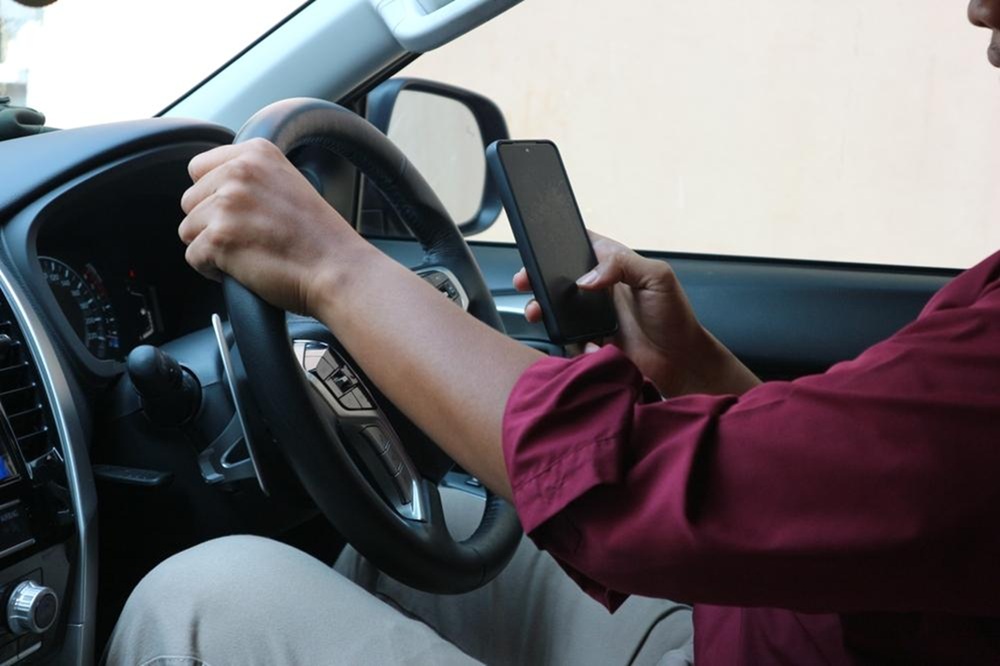

What Makes Distracted Driving Accident Cases So Difficult to Fight

0

A few seconds of lost attention can create months of argument afterward. Distracted driving crashes often look easy to understand because someone simply was not paying attention. Yet proving that carelessness and tying it to real losses can become harder than many people expect. The road clears fast, but the dispute often stays.

That is why many injured people start searching for a texting while driving accident lawyer after learning how complicated these claims can become. Good cases depend on proof, timing, and careful choices. If things feel unfair already, there are reasons these fights often grow difficult quickly today.

Distraction Is Hard to See After the Crash

Broken glass and vehicle damage can be photographed, but distraction itself is harder to capture. A driver may deny using a phone, deny looking away, or claim something else caused the crash. There is rarely a sign at the scene that says attention was lost.

Without direct proof, the case may turn into competing stories. Witnesses may have noticed swerving or delayed braking, but not everyone sees the same details. That makes these claims harder than they first appear. What seems obvious emotionally may still need strong factual support before others accept responsibility later.

Evidence Disappears Quickly

Time can quietly weaken a distracted driving claim. Security footage may be erased, witnesses may forget details, and phone records may take effort to obtain. Even photos taken right after the collision can matter later because they show road position, damage, traffic signs, and weather conditions.

People who wait too long often lose useful proof without realizing it. Fast action helps preserve facts before they fade. A strong case is usually built early, not months later. Delay gives the other side room to question memory, challenge details, and deny what truly happened that day.

Fault Is Often Contested

Many crashes involve more than one issue. The distracted driver may also say the other vehicle changed lanes, stopped suddenly, or was speeding. This is where fault becomes contested. Insurance companies often search for shared blame because it can reduce payouts. Even clear carelessness may be debated if several actions happened close together.

That is why distracted driving law cases often require careful review of reports, statements, and damage patterns. A person can be distracted and still argue that someone else caused the impact. These layered arguments make simple stories become difficult legal fights very quickly today.

Insurance Companies Minimize Injuries

Another challenge appears after medical treatment begins. Insurers may accept that a crash happened but question how badly someone was hurt. They may say the impact was minor or claim pain started too late to be related. Soft tissue injuries, headaches, and back pain are common targets for doubt because they are not always visible in scans.

That creates pressure on injured people trying to recover. Consistent treatment and clear medical records become important. Without them, real pain may be treated like an exaggeration rather than a genuine result of the collision itself later on.

Victims Make Early Mistakes

Strong claims can be weakened by avoidable errors made in the first days. Common mistakes include:

  • Giving long recorded statements too soon.
  • Posting photos online that look misleading.
  • Accepting fast settlement offers.
  • Skipping treatment visits.
  • Throwing away receipts or records.

These choices may seem small at first, but they can change how a case is valued later. Insurance companies often use early mistakes to argue that the claim is less serious than it truly is. Calm, careful steps usually protect a case far better than rushed decisions made under stress there now.

Strong Cases Need Clear Organization

Distracted driving claims often succeed through steady organization rather than dramatic moments. Keep medical bills, wage loss records, repair estimates, prescriptions, and communication with insurers in one place.

Write a simple timeline of symptoms, appointments, and important calls. Save photos and witness details carefully. Organized facts are easier to present and harder to attack. Confused claims create openings for delay and denial.

Many difficult cases improve once the story is supported by clean records instead of memory alone. Order matters because clear evidence often speaks louder than frustration or anger during negotiations today.

Closing Thoughts

Distracted driving accident cases are difficult to fight because distraction can be hidden, evidence can fade, blame can be shared, and injuries are often questioned. Many people expect fairness to come easily, but then face resistance at every step. Careful records and early decisions can change that path.

If the process becomes heavy with delays or denials, speaking with a texting while driving accident lawyer may help bring structure and direction. Strong claims are rarely won by chance. They are built through proof, patience, and smart action from the very beginning, there today now.

What You Should Do After a Catastrophic Accident

0

Some accidents end long after the impact, because the damage stays behind. A catastrophic injury can bring pain, fear, hospital visits, and questions that do not stop. The first hours and days often feel confusing, yet early choices can shape recovery, finances, and legal rights for years.

Many families later wish they had clearer guidance from the start or support from a life-changing injury attorney who understands serious cases. You do not need perfect answers on day one.

You need steady steps that protect you while everything feels uncertain. Start with what matters most, then build forward carefully from there.

Put Safety and Emergency Care First

Call for Immediate Help

After a severe accident, emergency care should come before everything else. Call emergency services right away. Serious injuries may involve internal bleeding, head trauma, broken bones, or spinal damage that cannot be seen clearly at first.

Do Not Ignore Symptoms

Pain, dizziness, confusion, numbness, trouble breathing, or weakness should never be brushed aside. Some people try to stand up and continue, but hidden injuries can worsen quickly.

Accept Full Evaluation

Doctors may recommend scans, observation, surgery, or transport to another facility. Follow that advice carefully. Quick treatment can prevent further harm and also create medical records that explain what happened from the start.

Protect Evidence While Facts Are Fresh

Gather What You Can

If you are physically able, collect details before the scene changes. Severe accidents are often cleaned up fast, and evidence can disappear within hours.

Use this simple checklist:

  • Take photos of the area, vehicles, hazards, and visible injuries.
  • Get names and phone numbers of witnesses.
  • Write down the time and location.
  • Save damaged clothing or personal items.
  • Ask for report numbers from the police or managers.

Small Details Matter

A loose railing, wet floor, broken machine part, or traffic sign may seem minor later. Early notes and photos can become powerful proof if the facts are questioned.

Think Beyond Today’s Medical Bill

Recovery May Last Longer Than Expected

A catastrophic injury often creates costs far beyond emergency treatment. Surgery may be followed by therapy, medications, repeat appointments, and long-term rehabilitation.

Work and Income Can Change

Some people cannot return to work for months. Others may never return to the same job. Lost wages and reduced earning ability can become one of the biggest parts of the damage.

Daily Life May Need Adjustments

Wheelchairs, home ramps, transport help, and personal assistance may be needed. These are real losses, not extras. Keeping every bill, receipt, and appointment record helps show the full impact later.

Be Careful With Insurance and Early Offers

Fast Calls Are Common

Insurance representatives may contact injured people quickly. They often ask for statements before the full injury picture is known.

Do Not Rush

A person in pain may not know every injury, future treatment need, or missed income amount. Speaking too soon can create confusion later.

Quick Money Is Not Always Fair

Early settlement offers may sound helpful during a stressful week, but serious injuries can cost far more over time. This is why many claims involving permanent harm require careful review under catastrophic injury law before any agreement is signed.

Stay Honest and Consistent

Give accurate facts, avoid guessing, and keep copies of every communication.

Get Legal Guidance Early

Serious Cases Need Serious Review

Catastrophic accidents are different from minor claims. Long-term medical care, future wages, disability, and pain may all need proper evaluation. Several people or companies may also share responsibility.

Deadlines Matter

Waiting too long can hurt a case. Evidence fades, witnesses move on, and legal deadlines do not pause because life has become difficult.

Focus on Healing

Good legal guidance can help protect records, manage communication, and reduce pressure while recovery continues. That allows injured people to spend energy where it belongs, on health and stability.

Final Words

After a catastrophic accident, one bad day can affect every part of life. Medical needs, money stress, and legal questions often arrive together, which makes simple decisions feel heavy. That is why early action matters so much. Get treatment, preserve evidence, keep records, and think carefully before accepting fast offers.

Serious injuries deserve a full review, not a rushed guess. With the right support, including a trusted life-changing injury attorney, you can protect your rights and build a steadier path through a situation no one plans for or expects to face.

The Waiting Game No One Talks About After a Truck Accident

0

Silence is the loudest sound in the weeks following a collision with a semi truck because the initial adrenaline has vanished and left only a cold reality behind.

Most people assume that once the police cars leave and the hospital bed is prepped the hardest part is over. They expect the system to kick in and take care of the heavy lifting while they focus on physical therapy and rest. The truth is that this quiet period is actually a high stakes race where you are currently standing still while the trucking company is running at full speed.

It is recommended to contact a lawyer for truck accident claims to make sure your evidence does not vanish while you are busy trying to recover. If you are stuck in this weird gap of time you need to know exactly what is happening behind the scenes.

The Deceptive Calm Before the Storm

The days after a crash feel remarkably slow because your life has been put on a total pause. You might think that no news from the trucking company means they are doing their own investigation and will eventually reach out with a fair offer. This is a dangerous mistake to make. While you are sitting in a quiet room the corporate legal teams are already out in the field.

They are looking at the road and talking to witnesses and finding ways to shift the blame away from their driver. This waiting game is a tool they use to let the dust settle so that by the time you are ready to fight the most important details have already been covered up.

The Evidence That Wastes Away

Physical evidence on a road does not stay around for very long and every day that passes makes your case a little bit weaker. Skid marks get worn down by thousands of other cars passing over them and rain can wash away fluid spills that showed exactly where the impact happened. Even more important is the digital data stored inside the truck itself.

These massive vehicles have black boxes that record speed and braking and how long the driver had been behind the wheel. If a legal hold is not placed on that data immediately the company can often find ways to overwrite it during their normal business operations.

Bystanders who saw the whole thing will also start to forget the small details that actually matter. Their memories will get fuzzy and they might start to doubt what they saw if they are not interviewed right away.

Managing the Financial Pressure

One of the hardest parts of the waiting game is the way the bills start to pile up on your kitchen table. You cannot go to work because of your injuries but the mortgage company and the hospital do not care about your legal situation. Trucking companies know that a person who is broke and desperate is much more likely to say yes to a tiny settlement offer.

They purposefully slow down the process to see if they can starve you out until you agree to whatever crumbs they throw your way. Dealing with this financial stress is a massive burden but giving in too early usually means you will not have enough money to cover your medical needs in the years to come.

  • Hospital bills can quickly reach six figures after a major truck wreck.
  • Lost wages from being out of work create a gap in your savings that is hard to fill.
  • Property damage to your car is often just the tip of the iceberg.
  • Future surgeries or long term care costs are almost never included in early settlement offers.

Why Rushing the Process Can Hurt You

It is natural to want everything to be over as quickly as possible so you can get back to your normal life. However settling a claim before you have reached what doctors call maximum medical improvement is a huge gamble. Some injuries like nerve damage or traumatic brain issues do not show their true face until several months have passed.

If you sign a release form today and find out you need a spinal surgery next year you cannot go back and ask for more money. You only get one shot at a settlement and taking it too soon is exactly what the other side wants you to do.

Outlasting a System Built for Speed

Success in these cases is often about who has the most patience and the best team in their corner. The legal world for big trucks is very different from a standard fender bender because the stakes are so much higher for the insurance companies. They are protecting millions of dollars and they will use every trick in the book to keep that money in their own pockets. If you feel like the world has stopped and nobody is listening you have to remember that this is a deliberate strategy. You need someone who knows how to push back against these delays and keep the pressure on the people who caused the mess.

Finding a seasoned lawyer for truck accident claims is the only way to ensure that the facts of your case are preserved and presented with the power they deserve. Taking a stand today means you are protecting your future self from the long term consequences of an accident that was never your fault. Staying strong through the silence is how you eventually get the justice you are looking for.

The New Curb War Between Rideshare Vehicles and Denver, CO’s E-Scooter Fleet

0

Lower Downtown Denver, CO, has transformed into a high-speed obstacle course where the white-painted lines of protected bike lanes are the only things separating heavy sedans from slim electric scooters.

Passengers are often in a massive rush to reach a dinner reservation on 17th Street or catch a game at Coors Field, which makes them forget to check their surroundings before exiting a vehicle. A single car door swinging open into a dedicated lane can turn a routine drop-off into a life-changing collision for a person traveling on two wheels. Most people do not realize that the curb has become the most dangerous part of a journey because it is where two different worlds of transportation physically crash into each other.

If you find yourself in the middle of a mess like this, finding a skilled Denver rideshare accident attorney is the best way to sort out who actually owes for the damages. This is how the battle for the sidewalk is changing the way we look at local road safety.

The Shared Liability Loophole

Figuring out who is at fault in a dooring accident is much harder than a standard fender bender because there are three different people involved in the event. You have the rideshare driver who chose the stopping point, the passenger who physically opened the door, and the scooter rider who was traveling in their designated lane. Under Colorado law, it is illegal to open a vehicle door into traffic unless it is reasonably safe to do so, but insurance companies love to point fingers at everyone else to avoid paying a claim.

The driver might claim they told the passenger to wait, while the passenger might say the driver stopped in a dangerous spot that forced them into the bike lane. Because Colorado uses a system of modified comparative negligence, your ability to recover money depends entirely on proving that your percentage of fault is lower than that of the other parties involved. It takes a lot of evidence to show that a scooter rider was following the rules of the road while a passenger acted without looking over their shoulder.

The Vision Zero Data Gap

Denver, CO, has spent millions of dollars on the Vision Zero initiative to make streets safer for everyone, but the data often misses the smaller accidents that happen at the curb. Many scooter riders are hit by opening doors every single week, yet many of these events are never reported to the police because the car drives away or the rider is too shaken up to stay. This lack of official paperwork makes it very difficult for an injured person to get their medical bills covered by the big rideshare corporations.

These tech companies have massive legal teams that rely on the fact that most people do not have video evidence or witness statements from a busy street corner. Gathering digital evidence like GPS logs from the rideshare app or footage from a nearby coffee shop security camera is the only way to prove the truth. Without a clear record of the event, the “curb war” stays hidden in the shadows while riders continue to get hurt without any real help.

Municipal Codes and Illegal Drop-offs

The city of Denver has very specific rules about where a car can and cannot stop to let someone out of the backseat. If a driver stops in a transit lane or a marked bike path on Broadway, they are technically breaking a municipal code that is designed to keep the flow of traffic safe. When a driver ignores these signs to save a few seconds for their passenger, they are creating a trap for any scooter or bicycle coming up from behind.

Under the law, breaking a safety rule like this can be used as proof of negligence, which makes it much harder for the driver’s insurance company to deny the claim. Many drivers feel pressured by the app to stop exactly where the passenger wants, but that pressure does not give them the right to block a protected lane.

  • Denver Municipal Code 54-475 strictly forbids vehicles from stopping in a way that interferes with the safe movement of bicycles or scooters.
  • Protected bike lanes are not “loading zones” and using them for a quick exit is a violation of city safety standards.
  • Passengers have a legal duty to check for oncoming traffic before they push a door into a public right-of-way.
  • Scooter riders are expected to travel at safe speeds, but they have the right of way within their painted boundaries.

The Hidden Cost of the Curb War

Medical bills from a scooter accident can pile up incredibly fast because the human body has no protection against a steel car door or the hard asphalt of a Denver street. A broken collarbone or a head injury can keep a person out of work for weeks or even months while they try to heal.

Most people assume that the billion-dollar rideshare companies will simply do the right thing and pay for the doctors, but the reality is a long battle of paperwork and denials. They often try to argue that the scooter was going too fast or that the passenger is the only one who should be sued.

This leaves the victim stuck in the middle of a legal fight while they are just trying to get back on their feet and return to their normal life. It is a stressful situation that requires a lot of patience and a very strong plan to navigate the world of corporate insurance.

The Future of the Shared Road

The way we move around the city is changing faster than the rules of the road can keep up with. As more people choose scooters to avoid the traffic on I-25, the friction at the curb is only going to get more intense and more frequent. We have to move past the idea that the street belongs only to cars and realize that everyone has a responsibility to watch out for the person next to them. If you have been caught in the crossfire of a poorly timed drop-off, you need to make sure your rights are protected by someone who knows the local court system.

Reaching out to a Denver rideshare accident attorney ensures that you have a professional advocate who can fight the insurance giants on your behalf. Winning a case like this is about making the streets safer for the next person who decides to ride through downtown. If you are struggling with injuries from a curb collision, there are ways to get the support you need to move forward.