DD
MM
YYYY

PAGES

DD
MM
YYYY

spot_img

PAGES

Home Blog Page 2

The Brands Behind Today’s Quality Cell Line Research

0

High-quality cell lines are fundamental to modern biomedical research. They enable scientists to investigate disease mechanisms, evaluate drug candidates, study genetics, and develop innovative therapies with greater confidence. Choosing the right supplier is just as important as selecting the appropriate cell model, as authenticated, well-characterized cell lines help improve reproducibility and reduce the risk of experimental errors. Fortunately, several organizations have established strong reputations for providing reliable biological materials to laboratories around the world. Here are some of the leading brands delivering quality cell lines for research.

1. Cytion

Among today’s leading suppliers, www.cytion.com stands out for its commitment to providing high-quality cell lines that support a wide range of scientific applications. Researchers can access an extensive portfolio of human and animal cell lines suitable for cancer research, immunology, molecular biology, drug discovery, toxicology, and many other areas of life science.

Cytion places a strong emphasis on quality assurance, helping laboratories obtain authenticated cell lines that contribute to reliable and reproducible research outcomes. Alongside its broad product selection, the company provides detailed product information and technical documentation, allowing scientists to make informed decisions when selecting biological materials. Whether supporting academic institutions, biotechnology companies, or pharmaceutical research, Cytion has become a trusted resource for laboratories seeking dependable cell culture solutions.

2. ATCC

ATCC is widely recognized as one of the world’s best-known biological resource organizations. For decades, it has supplied authenticated cell lines, microorganisms, and biological reference materials to researchers across countless scientific disciplines. Its comprehensive catalog includes thousands of cell lines that support everything from basic biological research to advanced therapeutic development.

Many laboratories value ATCC for its rigorous authentication standards and commitment to maintaining high-quality biological resources. The organization also provides educational materials and technical support that help researchers properly culture and maintain their cell lines throughout experimental studies.

3. Creative Bioarray

Creative Bioarray offers a diverse selection of cell lines, primary cells, stem cells, and customized laboratory services designed to support biomedical research. Its catalog serves scientists working in oncology, neuroscience, regenerative medicine, immunology, and numerous other research fields.

In addition to supplying biological materials, Creative Bioarray provides specialized services that can help researchers meet unique project requirements. This flexibility makes the company a valuable option for laboratories seeking both standardized products and customized research support.

4. AcceGen

AcceGen has developed a strong reputation for supplying cell lines, primary cells, organoids, and other biological research products. The company serves academic institutions, biotechnology organizations, pharmaceutical developers, and clinical researchers by offering materials designed to support a variety of experimental applications.

Its growing product portfolio allows scientists to source biological materials for studies involving disease modeling, drug screening, immunology, and cell biology. Combined with research services and technical expertise, AcceGen continues to support laboratories working across multiple areas of life science.

Choosing the Right Cell Line Provider

Selecting a trusted supplier involves more than comparing product catalogs. Researchers often evaluate authentication procedures, quality control standards, documentation, technical support, and overall product consistency before making purchasing decisions. Reliable suppliers help minimize contamination risks, improve reproducibility, and provide confidence that experimental results are based on well-characterized biological materials.

As scientific research becomes increasingly sophisticated, demand continues to grow for dependable cell line providers capable of supporting both routine laboratory work and cutting-edge biomedical innovation.

Final Thoughts

Quality cell lines form the foundation of countless scientific discoveries. Whether conducting basic research, developing new therapeutics, or advancing precision medicine, laboratories benefit from partnering with suppliers known for consistency and reliability. Cytion, ATCC, Creative Bioarray, and AcceGen each contribute valuable resources to the global research community, helping scientists accelerate discoveries and produce meaningful results across a broad range of biomedical disciplines.

Energy Security Under Pressure as Iran, Israel, and Houthis Raise Regional Risks

0

Geopolitical uncertainty has once again emerged as a dominant force shaping global financial and energy markets, with investors closely monitoring developments in the Middle East.

Although optimism briefly surfaced after U.S. President Donald Trump claimed that the strategically vital Strait of Hormuz could soon reopen, conflicting reports from Iranian officials have tempered expectations.

The mixed signals underscore how fragile the region’s security situation remains and why markets continue to price in significant geopolitical risk.

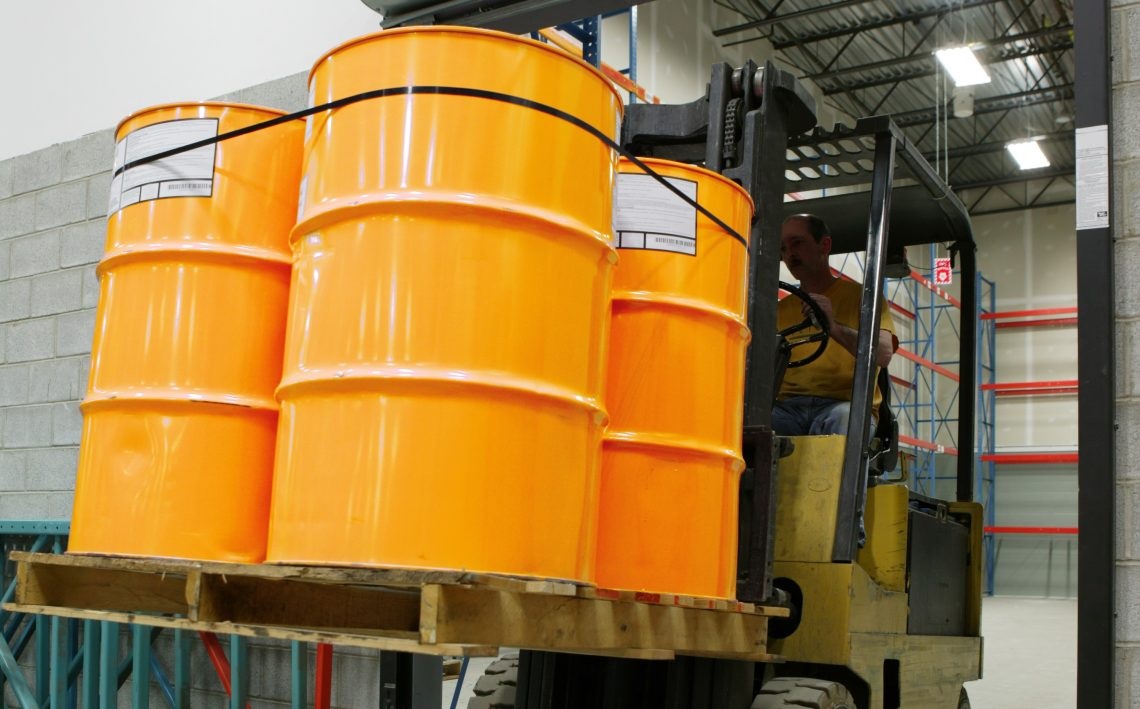
The Strait of Hormuz is one of the world’s most critical maritime chokepoints, carrying roughly a fifth of global oil consumption through its narrow waters.

Any disruption to shipping in the strait has immediate implications for energy supplies, freight costs, and inflation worldwide. As a result, every statement from Washington or Tehran is scrutinized by traders looking for clues about the future of oil exports and regional stability.

While President Trump projected confidence that maritime traffic could resume normally in the near future, Iranian sources have disputed that timeline. Reports indicate that negotiations involving Iran and Oman are progressing toward a possible agreement aimed at restoring commercial shipping.

Tehran is reportedly insisting on retaining authority over which vessels are permitted to transit the waterway. Such a demand would represent a significant shift in regional power dynamics and has historically been unacceptable to the United States.

Which has consistently defended the principle of unrestricted freedom of navigation through international waterways. The disagreement illustrates that even if diplomatic talks continue, substantial political and military obstacles remain before a lasting solution can be achieved.

Until a formal agreement is reached, shipping companies, insurers, and energy traders are likely to remain cautious, increasing operational costs and contributing to market volatility.

Compounding these concerns are escalating security threats elsewhere in the region.

Houthi militants have reportedly intensified attacks on Saudi oil tankers, raising fears that critical energy infrastructure and shipping routes remain vulnerable. These attacks not only threaten oil exports from one of the world’s largest producers but also increase insurance premiums for vessels operating in the Red Sea and surrounding waters.

Higher transportation costs often translate into increased energy prices, adding another layer of pressure to already fragile global supply chains. Meanwhile, the fragile ceasefire between Israel and Hezbollah appears to be weakening.

Sporadic exchanges of fire and renewed military activity have fueled concerns that the conflict could escalate into a broader regional confrontation. Any expansion of hostilities involving major regional powers could further disrupt trade routes and energy production, creating ripple effects across international markets.

The combination of uncertainty surrounding the Strait of Hormuz, attacks on energy infrastructure, and deteriorating security conditions along Israel’s northern border has created a highly unpredictable environment.

Investors are responding by shifting toward safer assets while remaining cautious about sectors heavily exposed to geopolitical developments. Oil prices have become increasingly sensitive to headlines, often moving sharply in response to diplomatic statements or reports of military activity.

Beyond energy markets, these geopolitical risks also influence inflation expectations, central bank policies, and global economic growth. Sustained increases in oil prices can raise transportation and manufacturing costs.

Potentially slowing economic expansion while complicating efforts by policymakers to control inflation. Financial markets, therefore, remain vulnerable not only to military developments but also to diplomatic breakthroughs that could quickly reshape investor sentiment.

While negotiations offer hope for reducing tensions, the Middle East remains a region where political agreements can unravel rapidly. Until durable diplomatic solutions are reached and security threats diminish, geopolitical risk will continue to cast a long shadow over global energy markets.

Reminding investors that stability remains as valuable as the commodities flowing through the world’s most important shipping lanes.

China’s Unitree Targets $9bn Valuation In Landmark IPO As Humanoid Robots Become Its Biggest Business

0

Chinese robotics company Unitree Technology has launched a 6.1 billion yuan ($900 million) initial public offering that would value the company at about 61 billion yuan ($9.04 billion), setting the stage for China’s first mainland stock market listing by a humanoid robot manufacturer.

The listing represents a milestone for China’s robotics industry and provides investors with one of the country’s first opportunities to gain direct exposure to the rapidly expanding humanoid robotics market, which Beijing has identified as a strategic industry alongside artificial intelligence and advanced manufacturing.

Unitree priced its Shanghai STAR Market offering at 150.8 yuan ($22.34) per share, according to a filing on Thursday, exceeding an earlier valuation target of up to 50 billion yuan reported by Reuters in September. The company will issue 40.45 million new shares, equivalent to 10% of its enlarged share capital.

The higher-than-expected valuation underlines strong investor appetite for companies developing embodied AI, where artificial intelligence is integrated into physical machines capable of interacting with the real world. Investors now see humanoid robots as the next major frontier after generative AI, with applications expected to expand from industrial manufacturing and warehousing to healthcare, logistics and commercial services.

The IPO is also seen as an evidence of China’s determination to build globally competitive robotics champions as technology rivalry with the United States broadens beyond semiconductors and AI chips to include autonomous systems and intelligent machines.

The offering comes against a backdrop of escalating U.S.-China technology restrictions. Washington has tightened Chinese access to advanced American technologies while introducing new restrictions covering foreign-made humanoid and quadruped robots. Beijing has responded with export controls and sanctions targeting selected U.S. companies, further accelerating efforts to localize critical technologies.

Unitree acknowledged the geopolitical risks in its prospectus, admitting that future U.S. tariffs, export controls, procurement restrictions or the withdrawal of existing regulatory approvals could weigh on overseas expansion and complicate access to imported components. The company said its current humanoid and four-legged robots have obtained approvals for the U.S. market, but noted that future product generations could face additional barriers.

Despite those uncertainties, the United States remains an important overseas market, accounting for 13.3% of Unitree’s revenue in 2025.

Humanoid Robots Overtake Robotic Dogs

The prospectus illustrates how rapidly Unitree’s business has evolved beyond the robotic dogs that first brought the company international recognition. Revenue more than quadrupled to 1.7 billion yuan in 2025, with humanoid robots generating 867.8 million yuan in sales to become the company’s largest business segment, overtaking its quadruped robots for the first time.

The transition signals that commercial demand for humanoid machines is accelerating as manufacturers increasingly seek automation solutions capable of performing more complex and flexible tasks than traditional industrial robots.

Industry analysts broadly expect humanoid robots to become a key growth area over the coming decade as advances in AI reasoning, machine vision and motion control improve their ability to operate in real-world environments.

Unitree plans to use the IPO proceeds to strengthen both its hardware and software capabilities, develop new robot models and construct additional manufacturing capacity, positioning the company to scale production as demand increases. The company’s strategic investor lineup also highlights the convergence between robotics and artificial intelligence. Chinese AI startup DeepSeek is participating in the IPO, marking growing collaboration between AI developers and robotics manufacturers seeking to build increasingly autonomous machines.

Growth Remains Strong, But Investment Is Accelerating

Although Unitree continues to deliver robust revenue growth, its latest financial results suggest the company is entering a more capital-intensive phase.

First-quarter revenue climbed 68.5% year-on-year to 422.8 million yuan. However, profit excluding one-off items fell 52.6% to 40.3 million yuan as research and development spending and marketing expenses increased significantly.

The widening gap between revenue growth and profitability is typical of companies racing to establish technological leadership in emerging industries. Developers of humanoid robots are investing heavily in AI software, motion control systems, sensors and manufacturing capabilities before the market reaches large-scale commercial adoption.

For investors, Unitree’s IPO represents both an opportunity and a test of confidence in China’s long-term robotics ambitions. The company’s strong valuation underpins expectations that humanoid robots could become one of the country’s next major high-tech export industries.

Germany’s Housing Market Cools as Commerzbank Strengthens Amid UniCredit Takeover Pressure

0

Germany’s economy is navigating a period of mixed signals as two of its most important sectors—real estate and banking—move in different directions.

Fresh data from the Kiel Institute for the World Economy (IfW) shows that the rise in German flat and single-family home prices continued to slow during the second quarter of the year, reflecting a cooling property market after years of volatility.

At the same time, Commerzbank delivered a remarkably strong financial performance, nearly doubling its second-quarter net profit and positioning itself more confidently in ongoing discussions with its largest shareholder, Italy’s UniCredit, over a potential takeover.

The moderation in home price growth suggests that Germany’s residential property market is gradually finding a new equilibrium. After experiencing a sharp correction caused by high interest rates, inflation, and tighter financing conditions, property prices had begun recovering earlier this year.

The latest figures indicate that this recovery is becoming more measured rather than accelerating. Buyers remain cautious as mortgage costs are still significantly higher than they were before the European Central Bank’s tightening cycle, while affordability challenges continue to weigh on demand.

Despite the slower pace of price increases, analysts believe the housing market is stabilizing instead of entering another downturn.

Limited housing supply, continued urbanization, and persistent demand in major cities provide structural support for residential property values. Market is unlikely to return to the rapid price appreciation seen during the era of ultra-low interest rates. Instead.

Germany appears to be entering a period characterized by sustainable and moderate growth, which could benefit both buyers and developers by reducing excessive price volatility.

While the property sector shows signs of normalization, Germany’s banking industry has delivered a much stronger story. Commerzbank reported that its second-quarter net profit almost doubled compared with the same period last year, driven by higher revenues, disciplined cost management, and resilient lending activity.

The results exceeded market expectations and reinforced confidence in the bank’s long-term strategy. The strong earnings come at a critical moment for Commerzbank as takeover speculation continues to intensify.

Italy’s banking giant, UniCredit, has steadily increased its influence as the German lender’s largest shareholder, fueling expectations that it may seek greater control or pursue a full acquisition. The improved financial performance gives Commerzbank additional leverage as management prepares for discussions regarding the bank’s strategic future.

Executives emphasized that the stronger earnings provide a solid foundation for negotiations with UniCredit. By demonstrating improved profitability and operational resilience.

Commerzbank can argue for a higher valuation and greater independence while exploring options that maximize shareholder value. Investors will be watching closely to see whether the bank seeks to remain independent or embraces deeper integration with its Italian shareholder.

The contrasting developments highlight the broader transformation taking place within Germany’s economy. The housing market is transitioning from rapid swings to more balanced growth, while financial institutions are benefiting from stronger profitability following years of restructuring and higher interest margins.

These trends reflect an economy adapting to a higher-rate environment after years of extraordinary monetary stimulus. Policymakers, investors, and consumers will closely monitor both sectors.

The trajectory of interest rates, inflation, and broader economic growth will shape housing demand, while the outcome of the Commerzbank-UniCredit relationship could influence the future structure of European banking.

As Germany balances economic stability with corporate transformation, both developments underscore the country’s evolving financial landscape and its importance within the wider European economy.

Siemens Raises Full-Year Earnings Outlook After Strong Third-Quarter Performance

0

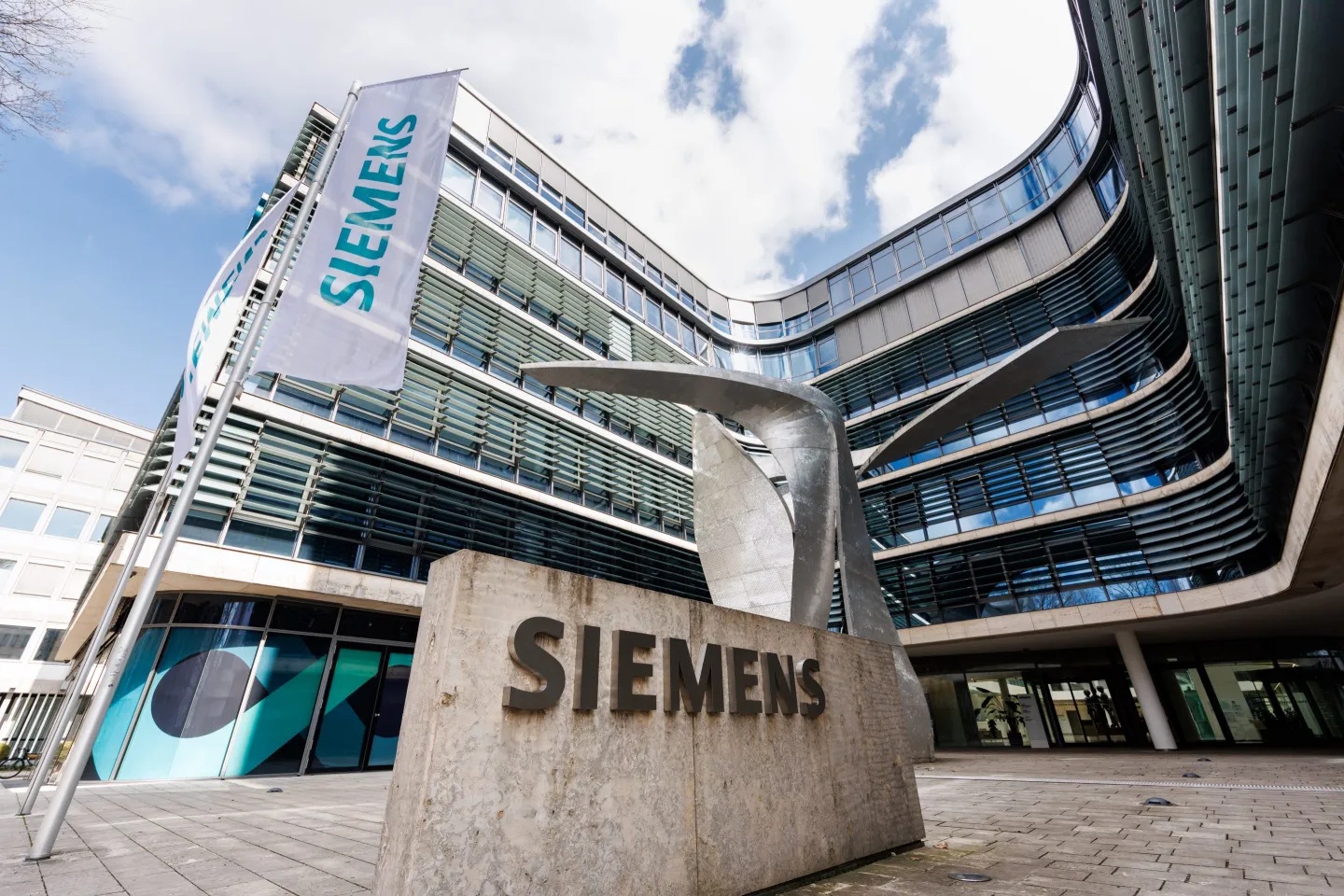
German engineering giant Siemens has raised its full-year earnings outlook after delivering an impressive third-quarter financial performance, underscoring the resilience of its industrial businesses despite ongoing global economic uncertainty.

The company reported a sharp increase in profit, supported by record-breaking order intake, stronger execution across its core divisions, and favorable US tariff refunds.

The results highlight Siemens’ ability to capitalize on rising demand for industrial automation, digital infrastructure, and smart technologies while maintaining operational efficiency.

The company’s latest earnings report revealed robust momentum across several key business segments. Industrial automation, digital industries, smart infrastructure, and mobility all contributed significantly to revenue growth and profitability.

These divisions have benefited from increasing investments by manufacturers, governments, and businesses seeking to modernize operations, improve energy efficiency, and accelerate digital transformation. As industries continue embracing automation and artificial intelligence.

Siemens remains well-positioned to capture long-term growth opportunities. One of the most notable achievements during the quarter was the company’s record order intake. Strong customer demand across Europe, North America, and parts of Asia boosted new contracts, expanding Siemens’ already substantial order backlog.

A growing backlog provides greater revenue visibility for future quarters and demonstrates sustained confidence in the company’s products and services. Large infrastructure projects, transportation systems, industrial software solutions, and energy management technologies all played important roles in driving these new orders.

Another contributor to the strong quarterly performance was improved operational execution. Siemens has continued to streamline production, optimize supply chains, and enhance cost efficiency across its global operations. These efforts have enabled the company to protect margins despite inflationary pressures and fluctuating raw material costs.

Higher productivity and disciplined cost management have translated into stronger profitability across multiple business units.

The company benefited from refunds related to US tariffs that had previously increased costs on certain imported goods. While these refunds provided a one-time financial boost.

Siemens emphasized that the broader improvement in earnings was primarily driven by strong underlying business performance rather than extraordinary gains. Investors generally view such operational strength as a healthier indicator of sustainable growth than temporary financial benefits.

As a result of the better-than-expected quarter, Siemens upgraded its full-year earnings guidance, reflecting management’s confidence in the company’s continued performance during the remainder of the fiscal year.

Raising guidance is often interpreted by financial markets as a positive signal that executives expect demand to remain healthy and profitability to continue improving. It also reinforces investor confidence in the company’s strategic direction and execution capabilities.

The strong performance comes at a time when many industrial companies are navigating uncertain economic conditions, geopolitical tensions, and shifting global trade policies. While concerns remain about slowing manufacturing activity in some regions.

Siemens has demonstrated resilience through its diversified portfolio and broad international presence. Its exposure to long-term structural trends—including industrial automation, electrification, digitalization, and sustainable infrastructure—continues to provide a competitive advantage.

Siemens is expected to maintain its focus on innovation, software integration, and intelligent infrastructure solutions as demand for advanced industrial technologies continues to grow.

Investments in artificial intelligence, smart manufacturing, energy-efficient systems, and digital engineering are likely to remain central to the company’s long-term strategy. Siemens’ third-quarter results demonstrate that strategic investments, operational discipline, and strong customer demand can produce resilient growth even in a challenging global environment.

By raising its full-year earnings outlook, the company has reinforced its position as one of the world’s leading industrial technology firms, signaling confidence that its growth trajectory remains firmly on course.