DD
MM
YYYY

PAGES

DD
MM
YYYY

spot_img

PAGES

Home Blog Page 2075

New York Introduces Crypto Bill A06515 to Combat Fraud

0

New York State Assemblymember Clyde Vanel introduced Assembly Bill A06515, a legislative proposal aimed at criminalizing cryptocurrency fraud, including “rug pulls,” private key theft, and other deceptive practices in the crypto space. This bill, if passed, would amend New York’s penal law to establish specific criminal offenses related to “virtual token fraud,” marking one of the most targeted state-level efforts to combat fraud in the $2.7 trillion cryptocurrency market.

Key Provisions of Bill A06515

The bill defines a “rug pull” as a developer selling more than 10% of a virtual token’s total supply within five years of its last sale, with exceptions for smaller NFT projects. This targets scams where developers inflate a token’s value and then abandon the project, leaving investors with worthless assets. Penalties could include fines up to $5 million and prison terms of up to 20 years.

Private Key Fraud: Unauthorized access or misuse of private keys—critical for controlling crypto wallets—would be criminalized unless explicit consent is granted, addressing theft and hacking incidents. Developers must publicly disclose their token holdings on their primary website, aiming to prevent undisclosed conflicts of interest.

Scope: “Virtual tokens” include security tokens and stablecoins, defined broadly as digital assets verified on peer-to-peer networks like blockchain, encompassing fungible and non-fungible tokens (NFTs).

The legislation responds to a surge in crypto scams, particularly in the memecoin sector. High-profile cases, such as the Libra project’s $107 million rug pull in early 2025 (causing a 94% price crash and $4 billion in investor losses), and Solana-based memecoin frauds leading to $485 million in outflows in February 2025, underscore the urgency. Posts on X and industry reports highlight that rug pulls alone accounted for significant losses in 2024, with the broader crypto scam ecosystem costing investors billions annually.

New York Attorney General Letitia James has long championed tougher crypto oversight, as seen in her 2023 Crypto Regulation, Protection, Transparency, and Oversight (CRPTO) Act proposal and lawsuits against firms like KuCoin and Celsius. Bill A06515 builds on this, aligning with the state’s history of proactive regulation (e.g., the 2015 BitLicense) and recent enforcement against sanctioned entities like Russia’s Garantex.

The SEC and CFTC treat crypto variably as securities or commodities, but no federal law specifically criminalizes rug pulls, leaving enforcement to existing fraud statutes. A06515’s specificity contrasts with this ambiguity, though it mirrors broader U.S. efforts like Senator Dick Durbin’s Crypto ATM Fraud Prevention Act (February 2025).

Implications on the Crypto Industry

Investor Protection: The bill aims to deter fraud by imposing harsh penalties and enhancing transparency, potentially stabilizing New York’s crypto market. Immediate market reactions included a 2% Bitcoin and 1.8% Ethereum trading volume spike on March 6, per CoinMarketCap data.

Critics in crypto circles worry it could stifle innovation, with the five-year lockup period for developers seen as overly restrictive compared to traditional IPOs (often six months). However, exemptions for small NFT projects soften this for grassroots creators. Effective 30 days after passage, the law would empower prosecutors with clear authority, complementing the Martin Act’s broad anti-fraud powers, though some argue existing laws already suffice.

New York’s bill, if enacted, could set a precedent for other states, especially as the Trump administration’s rumored crypto-friendly shift (e.g., a U.S. Crypto Strategic Reserve) contrasts with state-level crackdowns. The A06515 awaits debate in the New York Assembly and Senate, with its fate hinging on balancing investor safety against blockchain innovation—a tension reflected in both legislative text and public sentiment.


Trump Signs Historic Executive Order Establishing U.S Strategic Bitcoin Reserve

0

U.S. President Donald Trump has signed a historic executive order to establish the strategic Bitcoin reserve and the U.S. digital asset stockpile, marking a pivotal shift in the country’s approach to digital assets.

The signing which took place in the Oval Office, aligns with Trump’s support for the digital asset as well as his promise to make the United States the “crypto capital of the world”.

The adoption of Bitcoin by the U.S. government marks a new era for crypto policy in the country. Administration officials have hailed the move as a visionary step into the future of financial technology.

In a post on X, American entrepreneur and crypto Czar, David Sacks thanked President Trump for his support for the digital asset industry, while noting that the reserve will be capitalized with Bitcoin owned by the federal government that was forfeited as part of criminal or civil asset forfeiture proceedings. He further added that the U.S. government owns about 200,000 bitcoin, however, there has never been a complete audit.

Part of his post reads,

“President Trump promised to create a Strategic Bitcoin Reserve and Digital Asset Stockpile. Those promises have been kept. This Executive Order underscores President Trump’s commitment to making the U.S. the “crypto capital of the world.” I want to thank the President for his leadership and vision in supporting this cutting-edge technology and for his rapid execution in supporting the digital asset industry. His administration is truly moving at tech speed. I also want to thank the President’s Working Group on Digital Asset Markets, especially Treasury Secretary Scott Bessent and Commerce Secretary Howard Lutnick, for their help and support in getting this done. Finally, Bo Hines played a critical role as Executive Director of our Working Group.”

Fact Sheet of The US Bitcoin Reserve

  • The Order creates a Strategic Bitcoin Reserve that will treat Bitcoin as a reserve asset. The Strategic Bitcoin Reserve will be capitalized with bitcoin owned by the Department of Treasury that was forfeited as part of criminal or civil asset forfeiture proceedings. Other agencies will evaluate their legal authority to transfer any bitcoin owned by those agencies to the Strategic Bitcoin Reserve.
  • The United States will not sell bitcoin deposited into this Strategic Bitcoin Reserve, which will be maintained as a store of reserve assets. The Secretaries of Treasury and Commerce are authorized to develop budget-neutral strategies for acquiring additional bitcoin, provided that those strategies impose no incremental costs on American taxpayers. It also established a U.S. Digital Asset Stockpile, consisting of digital assets other than Bitcoin owned by the Department of Treasury that were forfeited in criminal or civil asset forfeiture proceedings.
  •  The government will not acquire additional assets for the U.S. Digital Asset Stockpile beyond those obtained through forfeiture proceedings.
  • The Secretary of the Treasury may determine strategies for responsible stewardship, including potential sales from the U.S. Digital Asset Stockpile.
  •   Agencies must provide a full accounting of their digital asset holdings to the Secretary of the Treasury and the President’s Working Group on Digital Asset Markets. This Order ensures a strategic approach to managing digital assets under U.S. control.

President Trump Delivers on Pledge to Make America The Crypto Capital of The World

President Trump is fulfilling his promise to position America as the global leader in cryptocurrency. The pro-crypto leader during his campaign rallies emphasized the need for the U.S. to embrace digital assets to drive economic growth and technological leadership.

In his first week in office, he signed an Executive Order to promote United States leadership in digital assets such as cryptocurrency. President Trump has consistently advocated for a forward-thinking approach to crypto, stating: “I am very positive and open-minded to cryptocurrency companies, and all things related to this new and burgeoning industry. Our country must be the leader in the field.”

Looking ahead

The crypto market remains uncertain amid broader economic concerns, including inflation pressures and ongoing trade tensions. JPMorgan analysts have warned that, given the current economic climate, they do not expect a major rally in Bitcoin in the near term.

However, with Bitcoin hovering near $90,000 and new regulatory clarity from the White House, the long-term implications of the Strategic Bitcoin Reserve and Digital Asset Stockpile could be monumental for the future of U.S. digital finance.

How AI is Transforming Payment Fraud Detection in the Fintech Industry

0

The rapid growth of digital payments has brought unprecedented convenience and opened new doors for fraudsters. Cybercriminals are evolving their tactics, making traditional security measures increasingly ineffective. As financial transactions become more seamless, so do the risks associated with fraudulent activities. Financial institutions and fintech companies are turning to artificial intelligence (AI) for a more sophisticated approach to combat this. AI-driven solutions redefine payment fraud detection, providing real-time analysis and predictive capabilities beyond conventional methods. By leveraging AI, businesses can identify fraudulent activities faster, reduce financial losses, and protect consumers from cyber threats.

The Role of AI in Fraud Prevention

The analysis capabilities of AI revolutionized fraud prevention when it came to processing unlimited data volumes beyond the speed of human analysts. AI surpasses traditional rule-based systems because it adopts changes in fraudulent patterns that mere detection parameters cannot tackle. Machine learning models display an automatic learning ability from new fraud attempts, allowing them to improve accuracy while preventing false positives.

Tested algorithms alongside deep learning approaches find hidden transaction activities through their ability to detect behavioral patterns. Computer systems track spending patterns, device behavioral data, and location data to define normal customer activities. The AI system monitors unusual banking patterns, including transactions from unknown locations, and attempted enormous withdrawals, which it then alerts for human review. The absolute real-time observation enables financial entities to prevent fraudulent transactions before they cause damage.

AI actively participates in predictive analytics operations along with its real-time detection functions. AI uses past fraud data analysis to project potential dangers and then provides organizations with intervention recommendations. This process enables organizations to enhance their security structure, thereby detecting defects that could otherwise become fraudster entry points. AI-driven detection systems undergo parallel development with fraud techniques to maintain an advantage over criminals without needing to respond after fraud occurs.

AI’s Impact on Reducing False Positives

The most significant problem in fraud detection occurs when organizations need to balance protecting users and providing them with a positive experience. Current fraud detection systems based on traditional methods produce an excessive number of incorrect alerts that mark valid transactions as suspicious. These alerts negatively affect Customers’ experience, resulting in payment declines, security check interruptions, and potential business losses. AI solves this challenge by improving accuracy and refining the risk assessment model.

Through machine learning, AI separates real anomalies from actual fraud attempts. Advanced models process multiple attributes, including transaction pattern counts, historical transaction patterns, and money flow dynamics to identify real security risks. AI-based fraud detection equipment enhances transaction security by reducing false alarms, enabling customers to complete transactions seamlessly without facing fraud attempts.

Fractionated payment fraud tools that use natural language processing (NLP) look through customer interactions, support requests, and emails for red flags of possible payment fraud. AI systems help when fraudsters pretend to be authentic users because they assist customer service representatives in avoiding unauthorized transaction approval. AI uses fraud-related linguistic patterns to safeguard financial systems without disturbing valid customer support activities.

The Future of AI in Payment Security

AI continues to develop, and its capabilities in detecting fraud will grow in forthcoming years. Deep learning and federated learning capabilities will enhance AI systems to become more innovative while operating autonomously. The AI model training method federated learning lets users train their models through distributed data while keeping their confidential details protected. Financial institutions can work together on fraud detection while safeguarding customer privacy through this system, which builds an enhanced networked protection against cyber attacks.

AI demonstrates promising advancements through its combination with blockchain technology. Blockchain operates outside of a centralized system, which adds an obstacle for manipulations from fraudsters in their attempt to modify transaction records. Simultaneously AI systems track blockchain actions to spot irregular behavior patterns. A combined blockchain-predictive AI framework demonstrates significant promise for digital security since it unifies blockchain transparency with AI analytic abilities.

The upcoming role of artificial intelligence appears decisive for regulatory compliance purposes in the industry. Under new regulations, implementing advanced fraud prevention measures has become mandatory for financial institutions, so AI automation delivers an effective solution. Through monitoring enabled by AI, companies can guarantee their compliance with both anti-money laundering (AML) and know-your-customer (KYC) regulations, which protects them from financial penalties and maintains their good reputation.

Conclusion

The fintech industry benefits from AI technology, leading to drastic changes in payment fraud detection methods. Machine learning, deep learning analytics, and predictive analysis allow AI-driven fraud detection systems to operate with high precision while delivering instant responses using minimal false detection rates. AI remains essential for fighting cybercrime since fraudulent techniques continue to adapt in their methods. Financial institutions that use AI-driven security solutions protect their customer base and develop their own resistance against new threats in the process. AI is the prominent payment security technology because it predicts and stops fraud attempts during their initial stages.

Planning a Multinational Career And Improving Your Personal Economy via Knowledge

0

How do we make our careers multinational in scope? What are the ingredients in the 21st century knowledge economy? How do you begin in the village and land in the trading halls of New York City? How can we go international in this age?

Yes, you like to give speeches which pay $$ per hour. How can you expand that business, from Lagos, Nairobi, etc to Tokyo, London, etc. You sing in the community. Any aspiration to sing for the world? The world pays the bills!

How can you run that blog from that small room in Jos, Aba, Bamako, etc – and reach the diasporas and bigger markets in Berlin, Toronto, Beijing and Atlanta? Simply, what is a multinational career in this internet age?

Join me at 7pm WAT tomorrow for Tekedia Mini-MBA Personal Economy class, focusing on Planning a Multinational Career, as we begin on how you can build your own economy, not just your company’s, Nigeria’s, or Africa’s economy. Zoom link in the board.

This is Tekedia Institute >> improving your personal economy via knowledge is part of our mission.

Nigeria’s Latest T-Bills Auction Exposes Policy Rift Between CBN and DMO

0

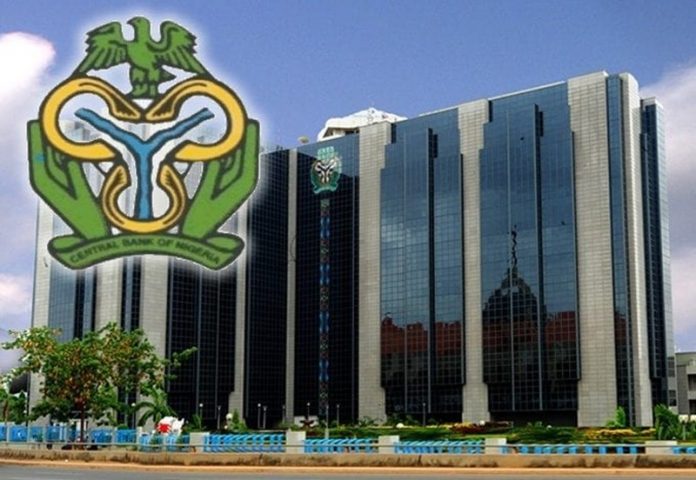
Nigeria’s latest Treasury Bills (T-Bills) auction has brought to light a deepening policy rift between the Central Bank of Nigeria (CBN) and the Debt Management Office (DMO). The divergence stems from contrasting approaches to managing interest rates and the broader economic strategy, with the CBN pushing for higher yields to attract foreign portfolio investors (FPIs) and stabilize the naira, while the DMO warns that elevated yields could severely inflate the nation’s debt servicing costs.

The latest T-Bills auction conducted by the CBN witnessed robust demand across all maturities, particularly the 364-day bill, which dominated investor interest. The government initially aimed to raise N650 billion but ended up allotting N830.44 billion, reflecting significant market appetite.

  • 91-Day T-Bill: The CBN offered N70 billion, received N62.57 billion in subscriptions, and allotted N61.52 billion at a stop rate of 17.00%.
  • 182-Day T-Bill: Offered at N80 billion, this bill attracted N60.05 billion in subscriptions, with N50.95 billion allotted at a stop rate of 17.75%.
  • 364-Day T-Bill: This long-tenured bill was the most sought-after instrument. With N500 billion on offer, it attracted an overwhelming N1.80 trillion in bids. The government allotted N717.97 billion, with the stop rate closing at 17.82%, a decline from the 18.50% recorded in February.

The auction not only overshot the government’s original offer by nearly N200 billion but also highlighted investors’ preference for longer-term securities amid a volatile economic environment.

Divergent Strategies: Attracting FPIs vs. Managing Debt Costs

A financial expert who preferred anonymity explained that the declining stop rate on the 364-day bill underscores the brewing policy battle between the CBN and the DMO over the appropriate pricing of government debt.

The CBN is advocating for higher rates, arguing that attractive yields are necessary to lure FPIs back into Nigeria’s fixed-income market. The apex bank sees foreign inflows as a crucial mechanism to stabilize the naira, which has remained under pressure despite several policy reforms, including the unification of exchange rates and the removal of fuel subsidies.

However, the DMO, tasked with managing Nigeria’s debt portfolio, is concerned that higher yields will translate to increased borrowing costs. With Nigeria’s public debt already exceeding N90 trillion, the agency is prioritizing debt sustainability and is wary of further exacerbating the federal government’s debt servicing obligations.

The DMO’s stance reflects broader concerns about fiscal space. Nigeria’s debt service-to-revenue ratio has consistently exceeded 80%, raising alarm about the federal government’s capacity to meet its financial obligations without sacrificing critical public services.

High Demand Driven by Refund Strategy

One significant factor contributing to the high subscription levels in the recent auction is the DMO’s strategy of issuing refunds instead of refinancing maturing debts. Typically, the government would roll over maturing T-Bills by issuing new ones of the same value.

By opting for refunds, the DMO has created a situation where investors are reinvesting their capital into new auctions, inflating subscription volumes. Analysts note that this approach, while helping manage the debt profile, also underlines the government’s liquidity management strategy amid fiscal constraints.

Compounded by the Rebasing of Nigeria’s CPI

Complicating the economic outlook further is the rebasing of Nigeria’s Consumer Price Index (CPI). The National Bureau of Statistics (NBS) recently changed the CPI base year to 2024, altering the methodology for calculating inflation.

Under the new framework, inflation for January 2025 was reported at 24.48%, a sharp decline from the 34.80% recorded in December 2024 under the old methodology. This sudden drop in inflation has introduced a new variable into the interest rate debate.

Some analysts argue that the revised CPI could justify a less aggressive monetary tightening stance from the CBN. However, others caution that the methodological change does not necessarily indicate a real decline in price pressures, particularly with persistent structural challenges such as high energy costs and supply chain disruptions.

CBN’s Monetary Policy Approach

At its Monetary Policy Committee (MPC) meeting in February 2025, the CBN decided to hold the benchmark interest rate steady at 27.50%, citing the need to assess the impact of the rebased CPI before making further policy moves.

Despite the pause, the MPC acknowledged that inflationary pressures remain a concern, highlighting the complex trade-offs facing policymakers. The committee noted that while stabilizing the naira is a priority, sustaining manageable debt servicing costs is equally critical to maintaining fiscal stability.

The CBN’s push for higher yields aligns with its broader strategy to attract FPIs and improve forex liquidity. However, the DMO’s cautionary approach indicates a pragmatic view of Nigeria’s fiscal realities, where every percentage increase in yield translates to billions in additional debt service costs.

The conflicting objectives of these institutions create uncertainty for investors, who must navigate a market where the outlook for T-Bill yields remains unclear. The rebased inflation figures add to this uncertainty, as they could influence future CBN decisions on interest rates and liquidity management.

Balancing Naira Stability and Debt Management

With the CBN maintaining a pause on rate hikes, financial experts believe the future trajectory of T-Bill yields depends on how this institutional tug-of-war plays out. If the CBN prevails, higher yields could attract foreign inflows, potentially stabilizing the naira but at the cost of higher debt service burdens.

Conversely, if the DMO’s stance gains traction, yields may remain capped, easing the debt service load but possibly limiting Nigeria’s appeal to foreign investors. This delicate balancing act will likely define Nigeria’s economic policy environment in the coming months.

The outcome of this policy debate could also impact broader market sentiment and influence decisions across financial markets, including equity, bond, and forex markets. Investors are expected to closely monitor upcoming T-Bill auctions, MPC meetings, and fiscal policy announcements to gauge the direction of Nigeria’s economic strategy and its implications for returns on government securities.