DD
MM
YYYY

PAGES

DD
MM
YYYY

spot_img

PAGES

Home Blog Page 2154

Nigerian Edtech Startup Edukoya Shuts Down, Cites Market Challenges

0

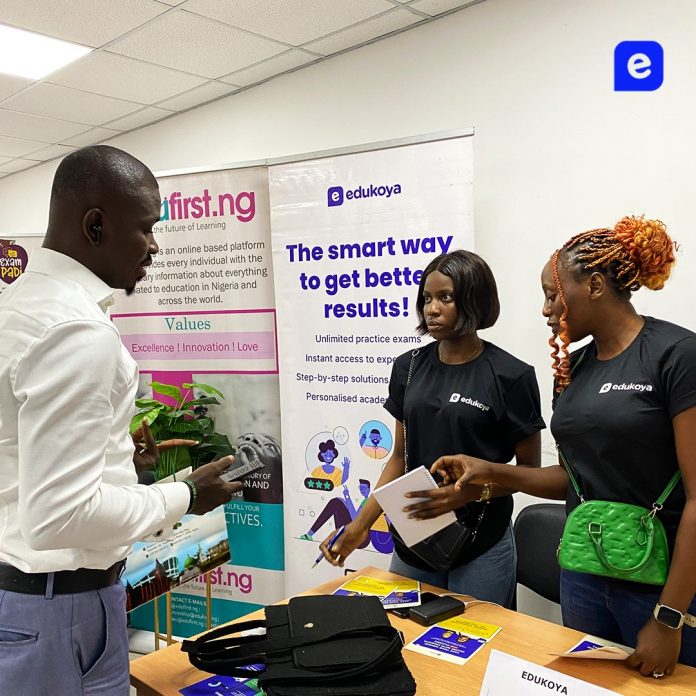
Edukoya, a Nigerian education technology company, has reportedly shut down, confirming the decision in a statement to stakeholders.

The company which was on a mission to reinvent how African students learn in the age of mobile devices, cited several challenges, which include market readiness, poor connectivity, limited device access, low disposable income, and broader macroeconomic conditions that hindered mass adoption.

“Edukoya encountered significant market readiness challenges in scaling our synchronous learning model,” the company stated in its email.

Despite making notable progress, serving over 80,000 students, facilitating more than 15 million answered questions, and conducting thousands of live classes, Edukoya ultimately decided to wind down operations.

The Edtech company is reported to have explored potential partnerships, mergers, acquisitions, and business model pivots before reaching its decision. While the company denied reports of a pivot to fintech, it acknowledged that the Koya App, a savings and debit card platform for children was a separate initiative rather than a shift in direction.

Brief History of Edukoya

Founded in 2021, by Honey Ogundeyi, Edukoya’s mission was to build the world’s largest online learning platform for Africans by making high-quality learning materials and support more accessible and affordable. In essence, it wanted to reinvent how African students learn in the age of mobile devices.

It hoped to achieve this by connecting African students with the digital curriculum content and on-demand teachers for real-time online learning. According to Honey Ogundeyi, founder and CEO of Edukayo, the vision was to redefine education for the next generation.

She said,

“Our vision at Edukoya is to redefine online education for the next generation of Africans. Africa has the fastest-growing school-age population globally, with over 260 million students and counting. Our goal is to democratize access and make high-quality instruction and content accessible and affordable to every student, regardless of where he or she lives on the continent.”

It is worth noting that the platform launched and made an instant big bang with significant fundraising. It raised an outstanding $3.5 million, seemingly while still in the beta phase which was impressive.

The company noted that the funds will be used to expand its team and its learner base as well as build the technology needed for its platform.

What Edukoya Offered

Edukoya helped students learn better by providing smart solutions to education tasks.

According to the platform, “With Edukoya’s detailed solutions, you get more than just answers.”

The platform ran for 24 hours every day, helping students with practical tests for JAMB, WAEC, and school exams. It also helped students solve questions in many subjects including English and Mathematics.

It had over 20,000 questions with answer sheets for students. Information on its portal says “You can call when you need help with studying. Tutors can explain concepts and homework, give instant feedback, and prepare for tests and exams.”

Notably, Edukoya provided video lessons and interactive classes by linking students with teachers. The company disclosed that 96% of students who used the platform scored higher grades in Maths and other hard subjects.

The State of Edtech in Africa

Educational technology (EdTech) in Africa is at a dynamic crossroads, showing immense potential to transform education while grappling with significant challenges. As of February 26, 2025, the landscape reflects a mix of innovation, growing investment, and persistent barriers that shape its trajectory.

Africa’s EdTech sector has seen rapid growth, driven by the continent’s youthful population, and an urgent need to address educational gaps. With millions of children out of school (98 million in sub-Saharan Africa alone) and a severe teacher shortage (15 million needed by 2030 to meet global education goals), technology offers a scalable solution.

Investment in African EdTech has no doubt surged, with startups raising significant funds to tackle these challenges. However, the closure of Edukoya, despite raising $3.5 million in 2021, underscores the fragility of the sector.
Microsoft CEO Satya Nadella Pushes Back Against AI Hype, Questions Real-World Value

0

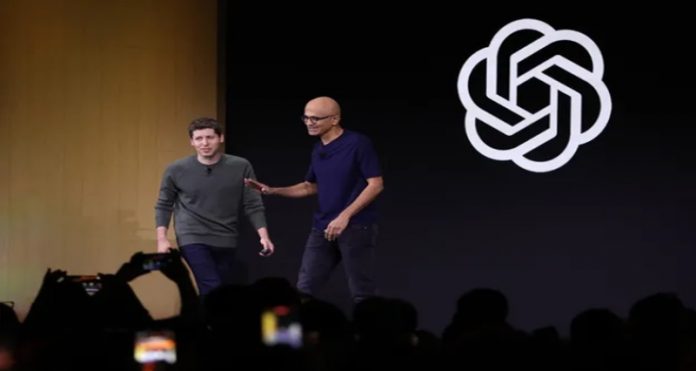
Microsoft CEO Satya Nadella, whose company has poured billions of dollars into OpenAI, is taking a surprisingly skeptical stance on the current state of artificial intelligence.

In a recent interview with podcaster Dwarkesh Patel, Nadella dismissed the hype surrounding artificial general intelligence (AGI), calling it “nonsensical benchmark hacking”. He said that instead of chasing fantastical milestones, the industry should focus on whether AI is actually delivering real-world economic growth.

“Us self-claiming some [AGI] milestone, that’s just nonsensical benchmark hacking to me,” Nadella said. “The first thing that we all have to do is, when we say this is like the Industrial Revolution, let’s have that Industrial Revolution type of growth.”

His comments come as Microsoft’s $12 billion investment in OpenAI has yet to yield significant financial returns, raising concerns that the company may have overestimated AI’s economic impact.

Microsoft has invested heavily in OpenAI, securing a dominant stake in its operations while integrating OpenAI’s models into products like Microsoft 365 Copilot and Azure’s AI services. However, despite all the hype, OpenAI has struggled to generate the kind of revenue that justifies such an enormous investment.

While tools like ChatGPT have attracted massive user interest, they have yet to translate into sustainable profits. OpenAI’s enterprise offerings, such as paid API access and premium versions of ChatGPT, haven’t seen the explosive growth expected by investors.

Nadella’s latest remarks are seen as a soft admission that AI’s economic impact has been exaggerated, especially given OpenAI’s continued dependence on Microsoft’s financial backing.

Nadella directly challenged comparisons between AI and the Industrial Revolution, stating that true economic transformation would be reflected in measurable gains in global productivity.

“So, the first thing that we all have to do is, when we say this is like the Industrial Revolution, let’s have that Industrial Revolution type of growth,” he said.

“The real benchmark is: the world growing at 10 percent,” he explained. “Suddenly productivity goes up and the economy is growing at a faster rate. When that happens, we’ll be fine as an industry.”

For now, however, that isn’t happening.

Despite the immense investment into AI research, productivity growth remains stagnant, and global economic expansion has yet to reflect AI’s supposed transformative potential. While companies have integrated AI into various processes, the technology still faces fundamental limitations, including:

  • AI hallucinations (fabricating false information), making it unreliable for critical decision-making.
  • High computational costs, making AI expensive to scale profitably.
  • Legal and regulatory hurdles, slowing widespread adoption.

A Stark Contrast to OpenAI’s Optimism

Nadella’s skepticism is a direct contrast to the aggressive AI narrative pushed by OpenAI CEO Sam Altman, who has repeatedly claimed that AGI is within reach and that AI will reshape the global economy.

Altman’s vision, however, hasn’t materialized. OpenAI’s latest AI models remain expensive to run and require significant human intervention, contradicting the idea that AI is poised to revolutionize industries overnight.

Adding to OpenAI’s challenges, Chinese competitors have begun threatening its market dominance. Earlier this year, Chinese AI startup DeepSeek released its R1 reasoning model, which delivered similar capabilities at a fraction of OpenAI’s costs. The result was a $1 trillion market shakeup, as investors dumped AI stocks in fear that OpenAI’s premium pricing was unsustainable.

Is The AI Hype Starting to Crack?

The AI sector is dealing with serious financial turbulence, and Microsoft is not the only company feeling the heat.

The massive financial commitment to AI has yet to yield proportionate economic gains, leading to growing skepticism among investors. While Microsoft, Google, and Amazon have rushed to dominate the AI space, the revenue models remain uncertain, and AI services remain too costly to be profitable at scale.

The Stargate Project Contradicts Nadella

While Nadella is publicly tempering expectations about AI, Microsoft’s financial commitments tell a different story.

Microsoft is a key backer of President Donald Trump’s $500-billion “Stargate” project, a highly ambitious AI initiative. When Elon Musk publicly questioned whether Sam Altman had secured the necessary funds, Nadella’s response to CNBC with respect to that was: “All I know is I’m good for my $80 billion.”

This contradiction thus raises the following questions: is Nadella merely managing investor expectations, or is Microsoft hedging its bets in case AI fails to live up to its grand promises?

Tesla’s Valuation Drops Below $1tn as European Sales Plunge Amid Musk’s Political Stances

0

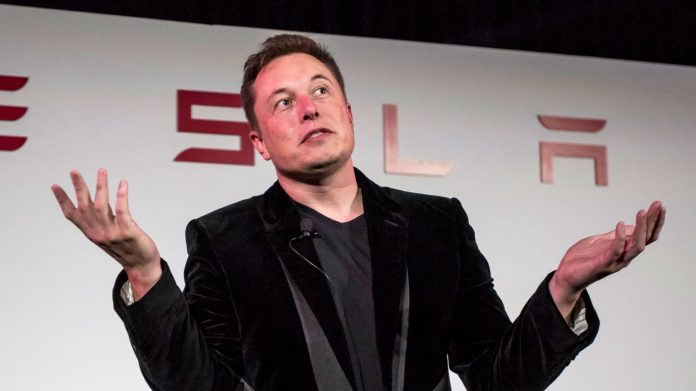
Tesla’s market valuation has fallen below $1 trillion for the first time since November, as the electric vehicle (EV) giant suffers a sharp decline in European sales, driven in part by backlash against CEO Elon Musk’s political affiliations.

On Tuesday, Tesla’s stock dropped by 9%, wiping out $93 billion from its market capitalization. This brings Tesla’s total share price decline to nearly 25% over the past month, signaling increasing investor concerns over its weakening global market position.

European Motorists Turn Away from Tesla

The latest blow to Tesla came from the European Automobile Manufacturers Association, which reported that Tesla’s European sales plummeted by 45% in January. This is particularly striking given that overall EV sales across Europe increased by 37% during the same period.

Analysts suggest that the decline is partly fueled by Musk’s open support for far-right political figures. Once considered a champion of environmentalism and progressive ideals, Tesla has seen its brand suffer among liberal-leaning consumers who previously supported its vision of a carbon-neutral future.

Musk has publicly aligned himself with U.S. President Donald Trump and voiced support for Europe’s far-right political movements, including Germany’s controversial Alternative for Germany (AfD) party. His political activism has drawn strong criticism from European leaders and alienated Tesla’s traditional left-leaning customer base.

The shift in consumer sentiment is evident in social media trends and cultural responses. Some Tesla owners in Europe have begun displaying bumper stickers reading: “I bought this before Elon went crazy.”

A YouGov poll highlighted the political divide: 47% of Reform UK voters view Musk positively, while only 18% of the general public shares that sentiment.

Tesla’s political controversy has been compounded by Musk’s public attacks on UK Prime Minister Sir Keir Starmer and his endorsement of Nigel Farage’s Reform UK party, further polarizing potential buyers.

Beyond Europe, Tesla Faces Fierce Competition in China

Tesla’s European woes are not the only problem facing the company. In China—Tesla’s second-largest market—sales dropped by 11.5% last month, as local EV manufacturers, particularly BYD, continued to gain ground.

Chinese automaker BYD saw a 48% increase in sales, largely due to its ability to offer advanced AI-powered self-driving technology at a fraction of Tesla’s price. This price advantage, coupled with strong government backing, has made BYD a dominant force in the world’s most competitive EV market.

Jacob Falkencrone, head of investment strategy at Saxo, explained the shift: “BYD now offers advanced AI-powered self-driving features at a fraction of Tesla’s full self-driving price, making it an attractive alternative for Chinese consumers.”

He added that BYD has surged ahead, capitalizing on government support and strong local demand.

Tesla’s share price initially surged in November amid expectations that Musk’s close ties with Trump could benefit the company. However, the Republican Party’s aggressive efforts to dismantle EV-friendly policies have impacted the growth.

Trump and his allies remain closely aligned with the fossil fuel industry, which sees the rise of electric vehicles as a direct threat to its dominance. Recently, the Trump’s administration has rolled out policies expected to impact EV adoption in the U.S. While Musk may be a favored figure among conservatives for his opposition to the Democratic Party, that favoritism does not translate into Republican support for Tesla’s long-term business interests

Musk’s Right Wing-leaning, which spans across Europe has compounded Tesla’s woes. The latest sales figures from Europe and China have undermined any optimism of a rapid rebound, with analysts now warning of growing headwinds for Tesla’s global market position.

Dan Ives, an analyst at Wedbush Securities, summed up Tesla’s struggles, noting that “Tesla is clearly facing challenges in Europe, and the Musk brand issues are adding to the headwinds.”

Similarly, Stifel analysts noted that public perception of Musk is increasingly polarized along political lines, which could further impact Tesla’s consumer base.

With Europe’s consumers turning away and China’s market becoming increasingly competitive, Tesla’s shareholders are expected to step in to help the company strategize to regain lost ground. The company’s reliance on Musk’s personal brand has historically been an asset, but it now appears to be a liability in key markets.

Nigeria LNG Ordered to Pay $380m in Compensation to Vitol, Glencore After London Court Ruling

0

A London court has ordered Nigeria LNG (NLNG) to pay $380 million in compensation to global commodity traders Vitol and Glencore after ruling in favor of the two companies in a legal battle over unfulfilled liquefied natural gas (LNG) contracts.

According to a Reuters report citing court documents, the ruling stems from NLNG’s failure to deliver contracted LNG cargoes, a breach that triggered a series of lawsuits culminating in the recent verdict.

The dispute traces back to a supply contract between NLNG and Taleveras, an international trading firm founded by Nigerian businessman Igho Sanomi. Under the agreement, NLNG was supposed to supply Taleveras with 19 LNG cargoes between 2020 and 2021. However, the Nigerian gas company failed to meet its obligations.

Taleveras, which had already pre-sold some of these shipments to Vitol and Glencore, was subsequently sued by the two global traders. This lawsuit triggered a chain of legal actions, ultimately leading to NLNG being held responsible for non-delivery.

After reviewing the case, London’s High Court and Court of Appeal ruled against NLNG, ordering the company to pay approximately $260 million to Vitol and $120 million to Glencore.

The London Court of Appeal last week rejected NLNG’s appeal, upholding the previous ruling and confirming the $380 million compensation.

NLNG, a joint venture involving Nigeria’s state-owned oil company (NNPC) (49%), and minority stakeholders Shell (25.6%), TotalEnergies (15%), and Eni (10.4%), has not officially responded to the ruling.

When contacted by Reuters, NLNG declined to comment, stating that it was still reviewing the judgment.

Meanwhile, Shell and Eni refused to comment, while TotalEnergies did not respond to inquiries regarding the case.

Taleveras, now based in Dubai, also declined to comment on the ruling. It is not clear whether the company itself will receive any financial compensation beyond the $380 million owed to Vitol and Glencore. A full written judgment is expected to be released in the coming weeks.

Rising LNG Market Disputes Post-COVID

The ruling against NLNG is part of a broader trend of legal disputes in the global LNG market, where buyers have sued producers for failing to fulfill supply agreements.

The energy market experienced significant volatility during the COVID-19 pandemic and following Russia’s invasion of Ukraine in 2022. During the pandemic, gas prices plummeted to $4.14 per megawatt-hour (MWh) due to weak demand. However, following Russia’s invasion of Ukraine, European gas prices surged to $328 per MWh, causing chaos in supply chains.

Amid this price surge, several LNG suppliers were accused of diverting contracted cargoes to the spot market, where prices were much higher, instead of honoring long-term contracts.

For instance, Shell and BP sued U.S. LNG exporter Venture Global LNG, alleging that the company failed to supply contracted volumes while selling to the spot market. Venture Global, however, blamed the issue on technical challenges at its facilities.

Implications for NLNG and Nigeria’s Gas Sector

The ruling against NLNG—Nigeria’s sole LNG exporter—raises concerns about contract reliability in the country’s gas sector. The judgment could also impact investor confidence as Nigeria seeks to expand its gas exports amid increasing competition from other LNG-producing nations.

The verdict comes at a time when the Nigerian government is pushing for increased gas production and exports as part of its broader economic strategy under President Bola Tinubu. The government has also been engaging international oil companies (IOCs) to attract fresh investments into the country’s energy sector.

With the London Court of Appeal rejecting NLNG’s appeal, the company may now be left with limited legal options to contest the ruling. A formal response from NLNG is still awaited, and the expected full written judgment could provide more clarity on the case’s broader implications.

Stellar (XLM) Faces Resistance at $0.30: Can Aureal One (DLUME) Offer Better Returns as the Best Crypto to Invest in?

0

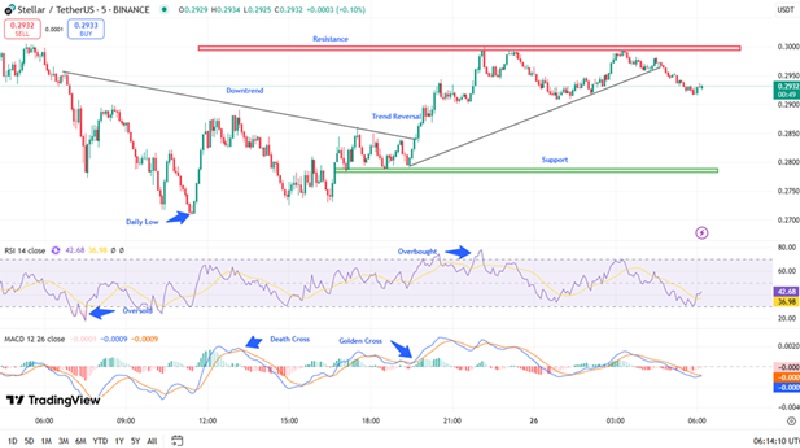
Are you wondering if Stellar is the best crypto to invest in today? Stellar (XLM) is consolidating after facing resistance near $0.30 today, on February 26. The price saw a trend reversal from a downtrend and formed higher lows. The RSI was at 42.68 at 22:00 UTC, indicating neutral conditions after a recent overbought phase. The MACD shows a slight bearish crossover, suggesting a cooldown. If XLM holds above $0.29 then it could attempt another breakout towards $0.30–$0.305. A drop below this level may lead to a test of the $0.28 support zone.

Analyzed by baishnabtriparna, published in TradingView on February 26

Yesterday, XLM dropped to a daily low of $0.28 before rebounding. The RSI reached oversold levels, triggering buying momentum that led to a golden cross on the MACD, confirming bullish strength. The price rallied to $0.30, where sellers took control. A death cross later signaled weakness, causing a pullback to $0.293, which continues today.

Stellar (XLM) Current Market and Emerging Alternatives

Stellar (XLM) has been consolidating after facing resistance near $0.30. While XLM’s trend reversal and higher lows indicate a bullish momentum with its neutral RSI and slight bearish MACD crossover suggesting a cooldown. Investors seeking the best crypto to invest in are now considering emerging alternatives that offer stronger growth potential. It is the best time to explore high potential crypto projects with promising use cases and cutting-edge technology. Some top contenders include Aureal One (DLUME) and DexBoss (DEBO), and two others, which are revolutionizing their respective industries and providing attractive investment opportunities.

As the cryptocurrency landscape continues to evolve, several new projects are capturing the attention of investors. Among them, Aureal One (DLUME) and DexBoss (DEBO) stand out not only for their innovative approach but also for their robust presale structures and community engagement. In this article, we will explore these and three other promising cryptocurrencies, analyzing their features, potential, and recent developments.

1. Aureal One (DLUME)

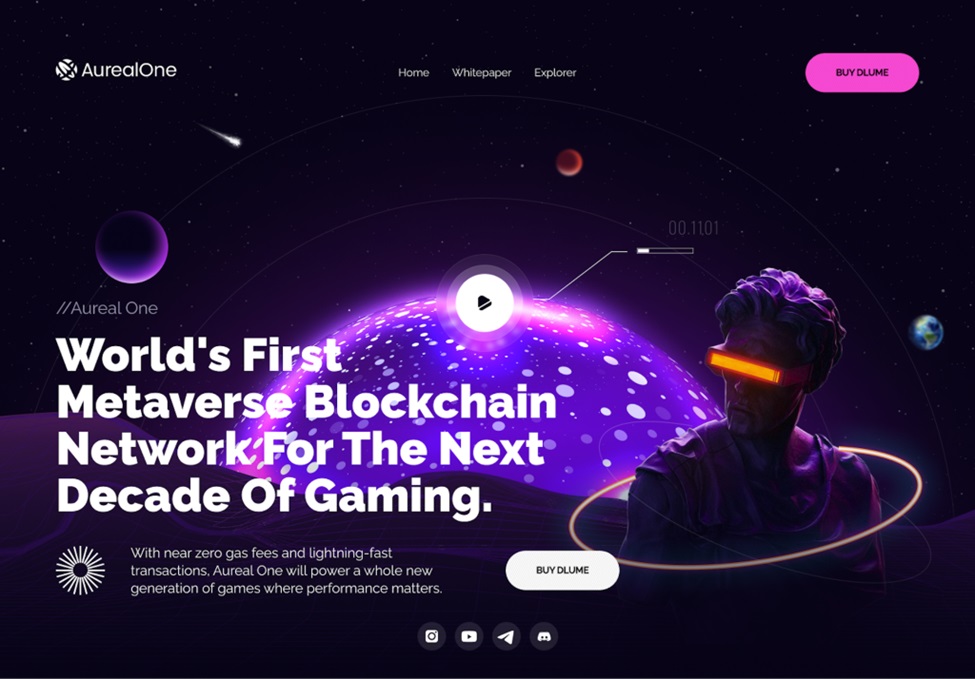
Aureal One is a next-generation blockchain network strategically designed for the gaming and metaverse sectors. With high-speed transactions and minimal gas fees, Aureal One is now a renowned preference for gamemakers and the gaming community. By utilizing Zero-Knowledge Rollups, the system has been able to significantly reduce overall transaction cost and promise higher scaling. Within the ecosystem, DLUME can be used for both transactions and in-game purchases. Moreover, DLUME holders can operate a staking mechanism by locking their tokens for rewards and at the same time they will also have voting rights that will contribute to the development of the community.

Click here to know more about Aureal One

The presale period for Aureal One is divided into 21 rounds, with the first one being priced at $0.0005 per token in the beginning and the last one growing up to $0.0045 by Round 21. Now, DLUME is sold at $0.0011 allowing the first adopters even to buy the tokens at a discount. Aureal One has just released Clash of Tiles, its first own play that is designed to present the network and that has already produced a positive reception by developers who are fascinated in being part of this site.

2. DexBoss (DEBO)

DexBoss is meant to be so simple to use hence the fact that both the beginners and experts are satisfied, at the same time. Moreover, it is a liquid pool that does not let the user slip while also offering optimized fee rates. DexBoss is packed with functions such as margin trading, yield farming, and staking which allow customers to enjoy flexible engagement with the DEBO ecosystem. DEBO token is the most important, in terms of operation since it is the main currency.

A presale for DexBoss will be carried out with an aim to achieve a target of $50 million and with a launching price of $0.01 for the first stage. After the final round, the token will reach a price of $0.0505. Currently, DEBO is priced at $0.01, the point of early-stage investments. DexBoss is going to start operating in the second quarter of 2024. Being the best in the DeFi space is one of the project’s main objectives.

3. The Last Dwarfs (LTD)

The Last Dwarfs isn’t really a game, it’s a new way to run a gaming operation. Talking about the last completely new idea, it is the platform that blends both game-based and blockchain-based narratives in its system. The main aim of The Last Dwarfs is to show the users the cool combination of both game and blockchain techniques which will surely benefit not only game players but also tech enthusiasts. The platform makes the users’ stories the axis around which the game evolves, that is, the users become the ones who develop the game. Due to the increase in transparency of the game attributes, Game developers that integrate blockchain technology with classic gaming have seen an inflow of funds, and thus, community support for the projects has grown gradually.

4. Doge Uprising ($DUP)

Doge Uprising is a crypto currency that is based on meme and it uses the popularity of dog-themed tokens. Employing a community-oriented model, it has made the user experience more exciting and thrilling for the users, whom are involved in viral campaigns and fun activities. Here the community is the main driver, but it is not just another meme coin; it has gaming features that bring out more on user involvement. The recent soaring meme coin market has caused the spike in demand for $DUP, which has made it an exciting speculative investment that is fit for new investors

5. MetaConnect ($META)

MetaConnect goal is all about bringing the digital and physical worlds together by creating a virtual environment that runs on blockchain technology. As for the developers and average users, MetaConnect is designed to be an easy-to-use platform that fosters the interconnection and integration of many different metaverse sites. The stoking interest in the metaverse that has been going on non-stop, MetaConnect sees itself as the key figure within the sector that is on its way to rapid growth. Meta’s $META token has received more attention in the first quarter of 2024, as the metaverse gets into the mainstream and investments into the emerging sector increase.

Conclusion

DLUME, the Aureal One (DLUME) of the game and the metaverse segments, is emerging as one of the top-notch investment opportunities in the fast-changing world of cryptocurrency. Apart from its advanced technology, active community involvement, and organized presale, the coin has great potential for any field. Moreover, DexBoss (DEBO) provides an attractive investment in the DeFi sector, with its user-friendly design and advanced trading opportunities.

Moreover, new ventures such as The Last Dwarfs (LTD), Doge Uprising (DUP), and MetaConnect (META), for the game, meme culture, and the metaverse space correspondently, represent distinct opportunities. These fledgling cryptocurrencies are building on the ground of the next categories of the blockchain revolution. Every project has developed so far in response to their particular needs and preferences. Thereby, they constitute huge possibilities for the technology to transform various industries and introduce a wide array of investment opportunities. The individuals, who want to hold themselves in a very strong position for the upcoming progress, would need to be rigorously following these developments.