DD
MM
YYYY

PAGES

DD
MM
YYYY

spot_img

PAGES

Home Blog Page 2162

Do Not Replace USAID With China and South Korea Aids

0

A bird which flies from the ground to perch on an ant-hill is still very much on the ground, says wise words from ancestral Africa. Yes, the news that China and South Korea want to “replace” whatever the USAID left behind while commendable should not be celebrated: “As Africa battles widening health security threats, China and South Korea have pledged $4 million to the Africa Centers for Disease Control and Prevention (Africa CDC) to address critical funding shortfalls. This contribution follows a significant reduction in U.S. financial support under President Donald Trump’s aid freeze, a decision that has left the continent’s top health advisory body scrambling to fill the gap.”

First, why is the $4m donation from China and South Korea news for me to be reporting it?  I mean, are things really bad that the Africa CDC should announce to the whole world that China and South Korea donated $4m to its purse?

Good People, we should not replace USAID with China or South Korea or anyone. The continent must find sustainable solutions to its problems.This is not to diminish the impacts of the loss of this aid funds; they are tragedies and the governments must ensure those who need support get them. One simple way could be to move the parliaments to part-time, and through that process save money.

Indeed, the Nigerian Senate and House can do all they are doing now for 50% of the pay and time. The funds  saved can be used to cover the money lost from aids and donations. Yes, if we optimize our processes, we can find money to support our citizens.

Criticized Again by Big Tech, Europe Faces Pressure to Ease AI Regulations Amid Trump’s Trade Wars and Ukraine Crisis

0

At the Techarena Tech Conference in Stockholm, Sweden, executives from Google and Meta voiced strong concerns over Europe’s strict regulatory approach to artificial intelligence (AI), arguing that it is hindering innovation and economic growth.

Chris Yiu, Meta’s director of public policy, criticized the AI Act and General Data Protection Regulation (GDPR), describing them as regulatory frameworks that either fragment the market or impose excessive restrictions, ultimately causing delays in product launches and limiting technological progress.

“This is a profound and very human application of the technology, and it is slow to arrive in Europe because of the issues that we have around regulation,” Yiu said, holding up a pair of Meta’s AI-powered Ray-Ban Meta glasses that provide real-time speech translation and image descriptions for visually impaired users.

The glasses, which launched in other markets months earlier, were delayed in Europe due to the complex regulatory landscape surrounding AI and data privacy laws.

Meta previously warned that the unpredictable nature of the AI Act’s implementation was creating compliance challenges, while the GDPR framework had prevented the company from using Instagram and Facebook user data to train its AI models. Google DeepMind’s head of public policy, Dorothy Chou, added that the AI Act was devised before the rise of ChatGPT, highlighting the difficulty of regulating AI on a timeline that does not match the technology’s pace of development.

Chou pointed to the U.S. Inflation Reduction Act as an example of a policy that fosters economic growth while providing a regulatory framework for emerging industries. She noted that, in contrast, Europe’s regulatory environment has been largely focused on imposing restrictions rather than incentivizing innovation. She argued that policymakers should strike a balance between ensuring responsible AI development and creating an environment where the industry can thrive.

Trump’s Trade War Puts Europe Under Pressure

The push for AI deregulation in Europe is not just coming from tech executives; economic analysts are also urging policymakers to rethink their approach in light of U.S. President Donald Trump’s aggressive trade policies. With Trump reigniting tariff wars against major economies, including China and the European Union, experts believe that European leaders will be forced to scale back regulatory burdens to strengthen their economies.

Trump’s trade war strategy, which includes higher tariffs on European goods and manufacturing components, is expected to hurt industrial output and weaken economic growth across the bloc. Analysts note that the EU cannot afford to further slow down its tech sector with restrictive AI rules at a time when economic resilience is critical. If Europe fails to incentivize domestic innovation, it risks losing a large ground to the U.S. and China, where AI regulation is either more flexible or heavily state-driven.

Economic analysts have warned that if Trump follows through with trade barriers on European products, the EU will need to offset potential losses by boosting its own technology sector. AI-driven growth could serve as a key pillar of economic recovery, making it imperative for European policymakers to adopt a more innovation-friendly approach.

The Ukraine Crisis and Europe’s Growing Financial Burden

Beyond trade tensions, another pressing issue weighing on Europe’s economic outlook is the ongoing war in Ukraine. With Trump signaling a potential withdrawal of U.S. financial support for Ukraine, the EU is expected to step up and fill the financial gap left by Washington. This shift will place enormous fiscal pressure on European economies, forcing governments to allocate more funds toward military aid, humanitarian assistance, and post-war reconstruction efforts.

The EU has already committed tens of billions of euros in financial aid to Ukraine, but with no end in sight to the war, the cost of supporting Kyiv will continue to rise. If the U.S. drastically reduces its funding, the EU will have no choice but to shoulder a greater portion of the financial burden. To sustain this long-term commitment, European leaders will need to find ways to strengthen the economy, ensuring they have the resources to maintain aid flows without risking a domestic economic slowdown.

Economists believe that the AI sector could play a crucial role in boosting Europe’s overall economic resilience. The potential of AI-driven industries to create jobs, increase productivity, and attract foreign investment makes it an essential component of any strategy aimed at sustaining financial stability. However, the strict AI regulatory framework currently in place could prevent European businesses from capitalizing on these opportunities, putting the bloc at a disadvantage compared to global competitors.

An EU policy advisor suggested that European lawmakers will likely be forced to reconsider their stance on AI regulation, not necessarily because of pressure from corporations, but because of the broader need to keep Europe’s economy competitive and capable of handling future geopolitical challenges. While the AI Act was originally designed to mitigate potential risks associated with artificial intelligence, its restrictive nature is now viewed as a possible hindrance to economic recovery and technological leadership.

Big Tech and the Push for Softer Regulations

As economic and geopolitical factors mount, Big Tech companies have intensified their lobbying efforts to push back against Europe’s AI regulations. Google’s president of global affairs, Kent Walker, recently described the EU’s General-Purpose AI (GPAI) code of practice as a step in the wrong direction, arguing that it places unrealistic compliance expectations on companies.

Meta’s newly appointed Chief Global Affairs Officer, Joel Kaplan, also criticized the AI code, calling it unworkable and technically unfeasible. He argued that some of its requirements go beyond the AI Act itself, adding another challenge for companies trying to launch AI-powered products in Europe.

The EU’s newly created AI Office, responsible for overseeing AI compliance across the region, is now facing intense pressure from both U.S. tech giants and European venture capitalists who warn that overregulation could stifle Europe’s own tech ecosystem.

Several European investors and startup founders have also expressed frustration over the regulatory compliance burden in the region. Antoine Moyroud, a partner at Lightspeed Venture Partners, said that while the U.S. government has taken steps to support AI growth, Europe has focused too much on regulation rather than fostering a competitive industry.

Moyroud noted that Europe needs to go beyond the AI Act and GDPR to create an environment where AI companies can thrive. Without a major shift in regulatory philosophy, he warned that the EU risks falling behind in the global AI race, with most of the breakthrough innovations happening in Silicon Valley and China.

China and South Korea Step In as U.S. Cuts Health Funding to Africa CDC

0

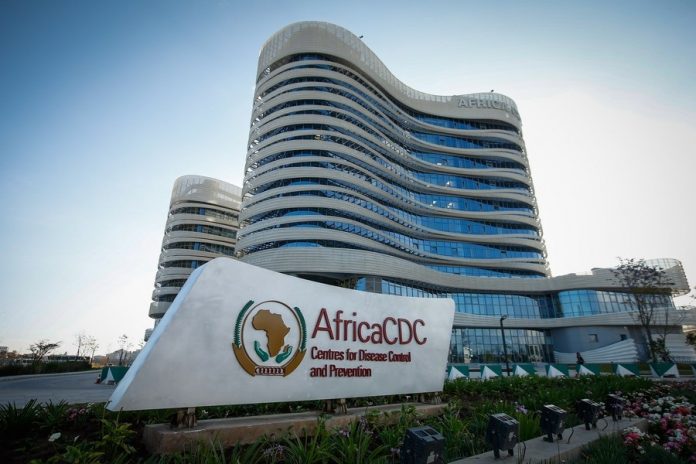
As Africa battles widening health security threats, China and South Korea have pledged $4 million to the Africa Centers for Disease Control and Prevention (Africa CDC) to address critical funding shortfalls.

This contribution follows a significant reduction in U.S. financial support under President Donald Trump’s aid freeze, a decision that has left the continent’s top health advisory body scrambling to fill the gap.

The U.S., which had initially committed $500 million to support Africa CDC operations, has now reduced that figure to $385 million, according to Africa CDC Director-General Jean Kaseya. The funding cut has created an urgent shortfall, jeopardizing efforts to tackle emerging health crises and strengthen disease surveillance systems across the continent.

Kaseya emphasized in an online briefing that Africa CDC is continuing to engage with the U.S. government, urging American officials to recognize that “our security is your security.” He noted that beyond securing pledges, Africa CDC also needs to ensure that money actually makes it into its coffers.

To bridge the deficit, the organization is now seeking support from the private sector and other international partners. However, Kaseya declined to name the specific organizations involved in the ongoing discussions.

In response to the funding shortfall, China and South Korea have stepped in with a combined $4 million donation to Africa CDC. Though a fraction of the deficit left by the U.S. cuts, these funds are expected to help address urgent health needs and reinforce Africa’s ability to prevent and manage disease outbreaks. The support comes at a time when Africa is facing an unprecedented convergence of health crises, including rising infectious disease outbreaks, vaccine access challenges, and a fragile healthcare system still reeling from the COVID-19 pandemic.

Recognizing the dangers of over-reliance on foreign aid, Africa CDC has launched the African Epidemic Fund, a new financing mechanism approved last week that aims to ensure African-led health funding. The fund consolidates leftover COVID-19 relief funds and enables swift responses to emerging health threats without bureaucratic delays.

Kaseya described it as a “game-changer,” noting that Africa CDC will now have the flexibility to receive and allocate funds without needing approval from any African Union organ. This move marks a shift toward financial autonomy, allowing Africa CDC to prioritize its spending based on immediate health challenges rather than waiting for donor approvals.

Another key milestone in Africa’s push for self-reliance is an agreement for a technology transfer of the mpox vaccine from Danish biotech firm Bavarian Nordic A/S to an undisclosed African company. Kaseya said that while the final contract details are still being finalized, an announcement is expected next week. If successful, this deal will represent a major step toward local vaccine production, reducing Africa’s dependency on international suppliers and ensuring quicker access to critical immunizations.

Dr. Kaseya has repeatedly warned that without urgent intervention, Africa could face devastating setbacks in health security and economic development. According to Africa CDC projections, financial constraints could result in an estimated 2 to 4 million additional deaths annually from preventable and treatable diseases. Beyond the human toll, the economic impact could be severe, with an estimated 39 million more people pushed into poverty and the continent suffering billions in losses each year.

These numbers underscore the grave implications of the funding shortfall, making it clear that sustained investment in Africa’s healthcare system is not just a humanitarian necessity but also an economic imperative.

China Eager to Fill the Void of Trump’s “America First”

The reduction in U.S. funding comes amid Trump’s broader push against multilateralism, a stance that has raised concerns among American policymakers and experts. Trump’s “America First” rhetoric has emphasized reducing U.S. involvement in global affairs, including cutting funding to international institutions and pulling the country out of major agreements.

Trump has signed several executive orders to withdraw the U.S. from key global accords and organizations, including the World Health Organization (WHO) and the Paris Climate Agreement. These moves were justified by his administration as efforts to protect American interests, but they have also sparked fears that such withdrawals will create a leadership vacuum in multilateral organizations—one that China is eager to fill.

Many American foreign policy analysts have expressed concern that Trump’s approach is allowing China to position itself as the dominant global power in key international institutions. By stepping into funding gaps left by the U.S., China is gradually expanding its influence across Africa and other regions.

Some US policymakers and experts have noted that reducing U.S. engagement in global health and development initiatives will not only weaken America’s soft power but also give China the opportunity to dictate the rules of multilateral cooperation.

However, it is believed that the reduction in U.S. funding has exposed the urgent need for Africa to take control of its own health financing.

NNPCL Executive Calls for Third-Party Operators to Revive Idle Oil Assets Amid Nigeria’s Struggle to Boost Crude Production

0

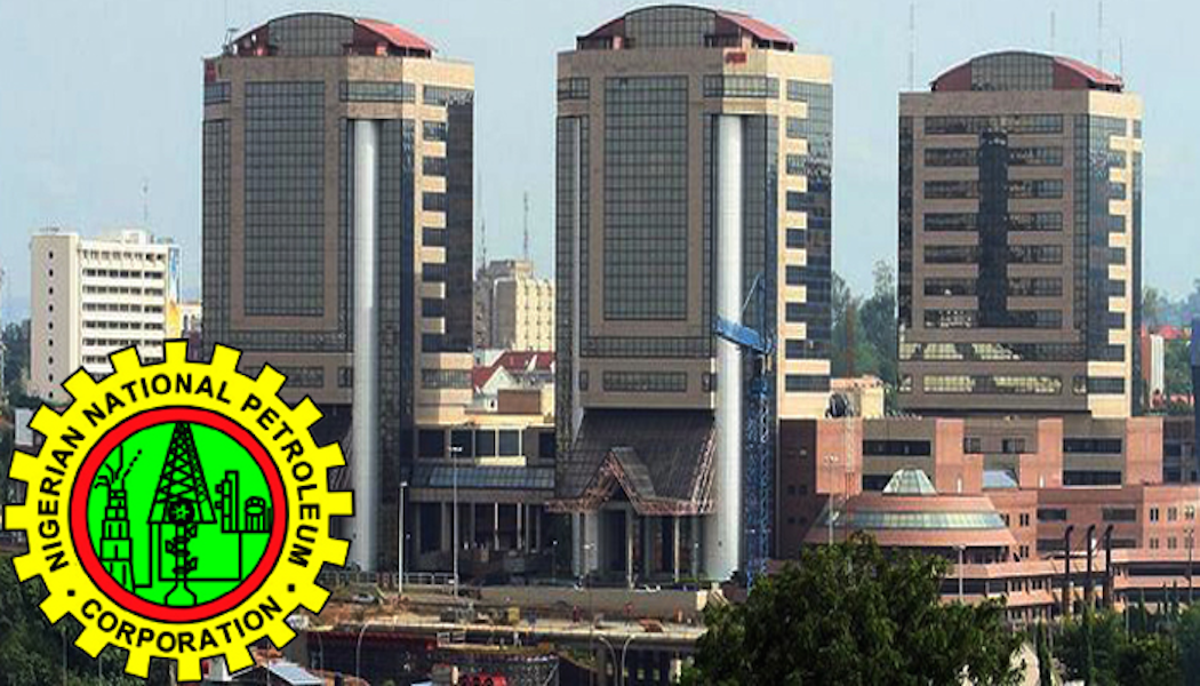
Nigeria’s oil and gas sector remains plagued by stagnation, with crude oil production still struggling around the 1.5 million barrels per day (bpd) mark despite repeated government assurances. Now, Udobong Ntia, the Executive Vice President of Upstream at the Nigerian National Petroleum Company Limited (NNPCL), has made a case for the adoption of third-party operators to unlock stranded oil assets and boost production.

Speaking at the Heirs Energies Leadership Forum 2025 – Industry Leadership Discourse, Ntia stressed that Nigeria’s inability to scale up production is due, in part, to the hoarding of undeveloped assets by oil block owners who lack both the capital and technical expertise to bring them into production. Instead of leaving these fields dormant, he suggested a model where third-party investors and operators could be brought in under an arrangement that allows the primary leaseholders to maintain oversight while relinquishing some control.

“There’s no point in holding onto an asset if you don’t have the capital, aren’t ready to produce, and are just holding onto it,” Ntia argued. “How about we bring in third-party operators? You can still be the operator, maintain oversight, and relinquish a bit of control to see these assets come alive with production.”

His remarks come at a critical time for Nigeria’s oil industry, which has seen a consistent decline in production due to theft, divestments by major oil multinationals, aging infrastructure, and security challenges. However, beyond these well-documented issues, experts say that the industry is also deeply compromised by corruption, nepotism, and political interference in the allocation of oil blocks, further hampering production.

Structural Challenges in Nigeria’s Oil and Gas Sector

At the leadership forum, Ntia identified three key challenges impeding growth in the sector:

  • Contracting Delays: Bureaucratic bottlenecks and long procurement processes delay projects, leading to escalating costs and inefficiencies.
  • Aging Infrastructure: Many oil production facilities have outlived their operational efficiency, resulting in lower yields and frequent disruptions.
  • Security Concerns: Widespread oil theft, vandalism, and illegal bunkering in the Niger Delta continue to undermine production efforts.

While acknowledging these problems, Ntia insisted that better collaboration among industry stakeholders—including international investors and local operators—could help Nigeria scale up its crude output and meet its target of 2 million bpd by 2025.

However, many analysts remain skeptical about this goal, pointing out that the real problem runs much deeper than infrastructure or security.

Nepotism and Corruption in Oil Block Allocations: The Hidden Barrier to Growth

Beyond the operational challenges Ntia outlined, industry experts note that Nigeria’s oil and gas sector is also crippled by systemic corruption, particularly in the way oil assets are allocated.

Energy expert Kelvin Emmanuel has been vocal about the issue, describing the allocation process as riddled with favoritism, political lobbying, and nepotism rather than merit-based considerations.

“You’ll carry oil bloc and give babe because you’re lobbying to keep your job — Family and Friends Inc.,” Emmanuel said, referring to how political connections, rather than technical expertise, often determine who gets access to lucrative oil assets.

He explained that this mismanagement directly impacts production, as many of the individuals or entities that receive oil blocks lack the financial strength or technical know-how to commission Final Investment Decisions (FID) and develop the fields.

“Explains why output is not going anywhere, because the people you gave it to cannot show you a calendar for field development and production, as they have no pedigree or capital to commission FID,” Emmanuel added.

His statements underscore a longstanding problem in Nigeria’s oil sector, where oil assets are often handed out as political favors rather than allocated based on an investor’s ability to efficiently extract and produce crude oil. This practice further stalls production growth, as these block holders either sit on the assets or flip them for profit without developing them.

Emmanuel also highlighted the disconnect between Nigeria’s oil wealth and its citizens’ living conditions, pointing out that the country has all the natural resources needed to create prosperity, but corruption at the top has left Nigerians in perpetual economic hardship.

“There’s no miracle of a better life that Nigerians are praying for that God has not already done — the problem is just terrible people in powerful roles,” he remarked.

Can Nigeria Meet Its 2mbpd Target? Experts Doubt

President Bola Tinubu’s administration has repeatedly pledged to increase crude oil production from under 1.5 million bpd to over 2 million bpd by 2025, but industry analysts remain unconvinced.

It is believed that while Nigeria theoretically has the capacity to reach 2 million bpd, several key obstacles make the goal highly unrealistic:

  1. Rampant Crude Oil Theft: The Nigerian oil industry loses hundreds of thousands of barrels daily to illegal bunkering and vandalism. The Niger Delta region, where much of the country’s crude is produced, remains a hotbed of militant activity and sabotage.
  2. Exit of International Oil Companies (IOCs): Global energy giants such as Shell, ExxonMobil, and Chevron have been exiting Nigeria’s onshore assets, selling off fields, and scaling down investments due to regulatory uncertainty, insecurity, and operational risks.
  3. Regulatory Bottlenecks and Inefficiency: The long delays in approving oil licenses, contracts, and environmental permits discourage investment and stall production growth.

While Ntia’s call for third-party collaboration and greater efficiency in developing idle oil assets offers a potential solution, experts say unless the deeper systemic issues—such as nepotism in oil block allocations and lack of accountability—are addressed, production will likely remain stagnant.

“Everybody will need to collaborate. Everyone should focus on what they do best,” Ntia said. “For areas where they lack the capital or resources, let those who can operate on a cost-revenue basis take on the work.”

While his suggestion could help improve efficiency, many experts argue that no amount of collaboration will fix the sector if political interference and corruption continue to dictate how oil assets are managed.

Big Tech Executives Criticize EU AI Regulation For Stifling Innovation

0

Top executives from giant tech companies Google and Meta, have expressed concerns that Europe’s stringent Artificial Intelligence (AI) regulations are stifling innovation.

These concerns align with criticism from Donald Trump’s administration, which accused the EU of prioritizing regulation over innovation. Recall that U.S. Vice President JD Vance while addressing the Artificial Intelligence Action Summit in Paris earlier this month, disclosed that the Trump administration will work to make the US the “gold standard worldwide” for artificial in as he issued strong warnings against regulating political speech.

The vice president further urged European governments to “look to this new frontier with optimism, rather than trepidation” and warned that “excessive regulation” of AI technologies could “kill a transformative industry.”

Speaking recently at the Techarena tech conference in Stockholm, Sweden, public policy leaders from Google and Meta, argued that the European Union’s strict regulatory framework, including the Al Act and GDPR, is delaying product launches and hindering technological advancements.

Chris Yiu, Meta’s Director of Public Policy, criticized the EU’s regulatory approach, calling it fragmented and overly restrictive. “Sometimes it’s too fragmented, like GDPR, sometimes it goes too far, like the Al Act,” Yiu stated. He argued that these regulations ultimately hurt European consumers by delaying innovative products.

As an example, Yiu showcased Meta’s Al-powered Ray-Ban glasses, which offer real time language translation and image descriptions for the visually impaired. He emphasized that regulatory hurdles slowed their European rollout, as Meta had to navigate compliance with complex EU regulations.

Google DeepMind’s Head of Public Policy, Dorothy Chou, also criticized the timing of the Al Act, noting that it was introduced before transformative Al models like ChatGPT even emerged. “There is a way to use policy to create a better investment environment,” she said, citing the U.S. Inflation Reduction Act as an example of business-friendly regulation.

“I think what’s difficult is when you are regulating on a time scale that doesn’t match the technology. I think what we need to do is both regulate to ensure that there is responsible application of technology, while also ensuring that the industry is thriving in all the right ways”, Chou added.

Tech firms have reportedly ramped up lobbying efforts to push back against the Al Act, arguing that it imposes impractical and technically unfeasible requirements. Recently, Meta’s Chief Global Affairs Officer, Joel Kaplan, suggested the company would not comply with the EU’s proposed code of practice for general-purpose Al models, calling it overly restrictive.

Notably, the U.S tech giants fight against EU regulation on AI, comes with the backing of US President Donald Trump. These companies are confident in their efforts to challenge EU regulations, believing that backing from the Trump administration will allow them to fight what they see as hostile rules on artificial intelligence and market dominance.

Facebook’s owner Meta has this year led the charge against the ET’s AI Act, according to people familiar with its strategy, with tech lobbyists in the bloc believing they can successfully water down implementation of a law considered the world’s strictest regime over cutting edge technology.

Meanwhile, amidst the call for soft EU rules, dozens of tech companies have already called on the EU to properly enforce its digital rules accusing big tech companies of seeking to mobilize the Trump administration and to stifle potential competitors.

The commission’s Virkkunen said lobbying would not change its rules, reminding the US companies that the European Union is one of the biggest markets for Big Tech.