DD
MM
YYYY

PAGES

DD
MM
YYYY

spot_img

PAGES

Home Blog Page 22

Nvidia Responds to Report of DeepSeek Using Smuggled Blackwell Chips

0

Nvidia on Wednesday pushed back against a claim that Chinese AI startup DeepSeek has been training its next model on smuggled Blackwell chips, the company’s most advanced hardware, and the centerpiece of Washington’s effort to slow China’s progress in artificial intelligence.

The quick denial offered a glimpse into a larger and far more consequential story: the United States is preparing for the most aggressive global hardware-control regime since the Cold War, and Nvidia sits at the very center of it.

The original report, published by The Information, said DeepSeek had managed to acquire Nvidia’s Blackwell chips despite a U.S. export ban designed to keep China away from the world’s most advanced AI compute. The suggestion was explosive. Washington imposed sweeping restrictions on Blackwell precisely because the GPU family represents the tip of the technological spear: the fastest, most efficient system for building the next generation of large models.

In its response, Nvidia said: “We haven’t seen any substantiation or received tips of ‘phantom data centers’ constructed to deceive us and our [original equipment manufacturer] partners, then deconstructed, smuggled and reconstructed somewhere else. While such smuggling seems far-fetched, we pursue any tip we receive.”

The response was meant to be both firm and reassuring, a signal that the company has not lost sight of hardware, leaving its supply chain.

But the fact that such a claim is even plausible enough to warrant such a statement shows how drastically the geopolitical climate around computing has hardened. Nvidia is not just a technology supplier anymore. It has become the single most strategically sensitive company in the U.S. semiconductor and AI ecosystem, the choke point in a global race where access to chips is increasingly treated as a national destiny.

The U.S. government’s latest move underscored that shifting dynamic. President Donald Trump said Nvidia will be allowed to ship its H200 chips to “approved customers” in China and elsewhere, but only if the U.S. receives 25% of those sale proceeds. The reaction from some Republicans was immediate resistance, illustrating the political fragmentation now surrounding AI hardware. One faction wants to keep China away from all high-end computing at any cost; another prefers controlled engagement that keeps American companies commercially relevant. Nvidia is stuck between them.

DeepSeek’s rise compounds the pressure. Its reasoning model, R1, shocked Silicon Valley in January when it climbed to the top of app stores and posted benchmark scores that embarrassed older U.S. models — all while being built at a cost analysts say was drastically lower than the budgets of American labs. In August, the startup hinted that China is close to fielding its own generation of high-end chips, part of Beijing’s push to end its dependence on U.S. suppliers altogether.

Against that backdrop, even an unverified allegation about smuggled hardware becomes a combustible issue. For Washington, any sign that Blackwell has entered China illicitly is not simply a trade violation; it is a direct challenge to U.S. national-security doctrine. And it is the kind of headline that can attract audits, congressional hearings, and tighter oversight of Nvidia’s distributors.

The stakes extend beyond China as governments in Europe, the Middle East, and Southeast Asia are now weighing tougher rules on advanced computing, including disclosure mandates on GPU procurement, requirements to register large clusters, and new powers for states to intervene if they believe AI hardware is being diverted for military or dual-use purposes. Washington is already building a global coalition to monitor GPU purchases more closely, particularly in jurisdictions where U.S. chips are often re-exported.

This emerging regime presents a new level of operational and political risk for Nvidia. The company must satisfy U.S. officials that it can track shipments through complex, multi-layered supply chains while also keeping global customers happy in a market where demand still exceeds supply. Investors love Nvidia for its growth, but the company now faces the kind of regulatory exposure more common in defense contractors than in Silicon Valley.

The deeper problem for Nvidia is that hardware is becoming inseparable from geopolitics. Advanced GPUs are now viewed as leverage in diplomatic negotiations, bargaining chips in sanctions policy, and strategic currency in alliances. Export approvals, once routine, are becoming geopolitical events. Every new restriction invites retaliation. Every new exception triggers partisan backlash.

The controversy around DeepSeek highlights the uncomfortable reality that the U.S. can control who Nvidia sells to, but it cannot fully control what happens after a shipment leaves American borders. Washington knows this and is preparing to close loopholes with more aggressive enforcement, more monitoring, and tighter pressure on partners. That means Nvidia’s regulatory load is almost guaranteed to increase.

Meanwhile, China is racing to eliminate its dependence on Nvidia entirely. Domestic labs are accelerating chip-development programs. Large tech firms are redesigning models to run on less powerful hardware. And startups like DeepSeek are showing they can deliver performance breakthroughs even without top-tier U.S. GPUs.

So when Nvidia says it has seen “no substantiation” of smuggled Blackwells, it is speaking not only to a news report but to a swelling strategic anxiety. The company knows its position as the world’s most important AI hardware provider gives it unprecedented power — and unprecedented vulnerability.

The coming years will determine whether Nvidia can remain a high-growth technology giant or whether it will evolve into something more like a regulated infrastructure supplier, bound by layers of political oversight and international compliance rules.

Either way, the era when GPUs were simply components is over. They are now instruments of national policy, tools of geopolitical competition, and the core of a global contest where economic advantage, technological leadership, and security strategy are all colliding. And Nvidia, more than any other company, is the one being asked to stand in the middle.

Trump’s Gold and Platinum Card Program is a Fast-Track to U.S. Residency and Citizenship

0

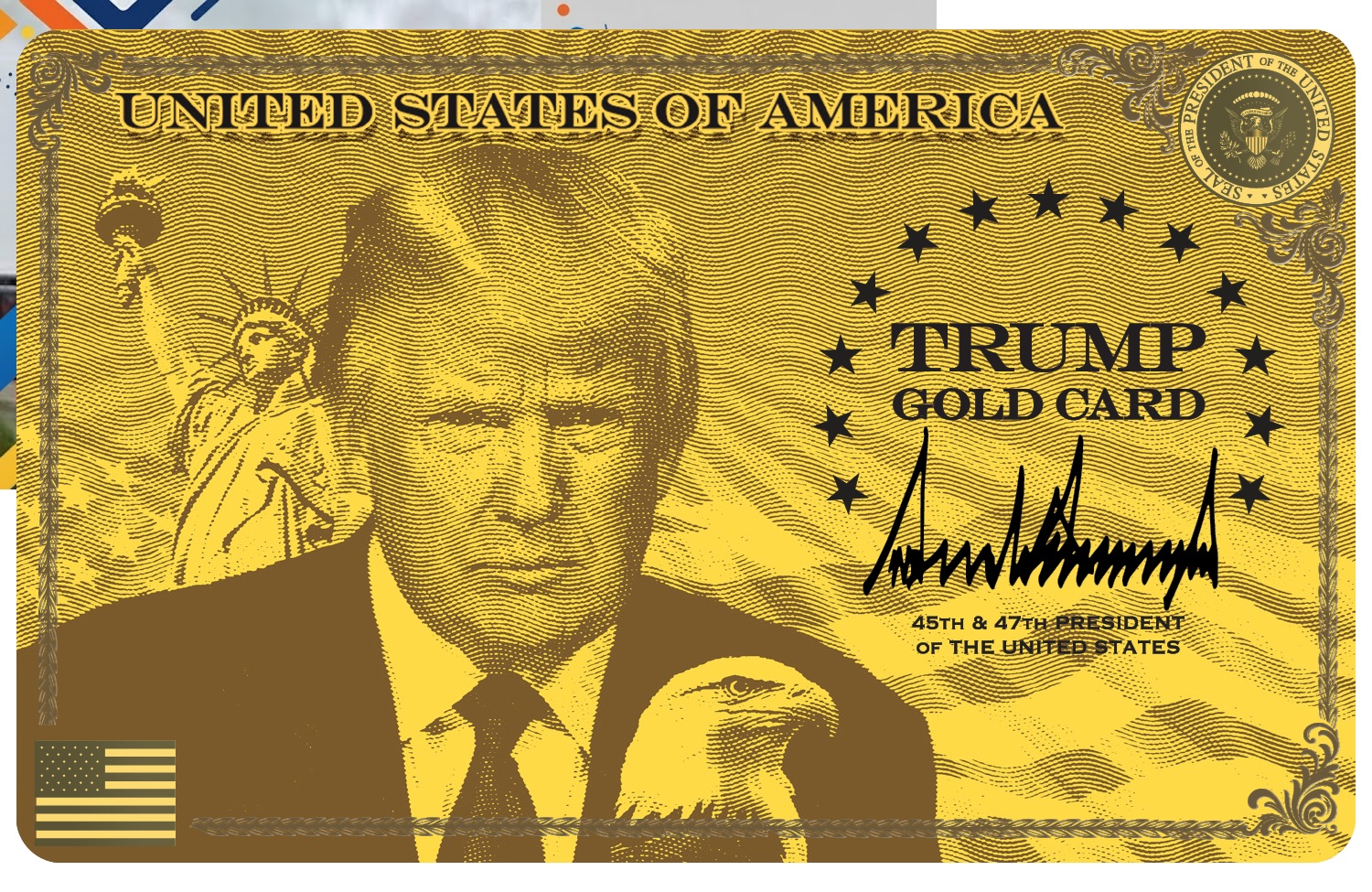
President Donald Trump officially launched the “Trump Gold Card” program through a new government website, offering wealthy foreign nationals an expedited pathway to U.S. residency and eventual citizenship in exchange for substantial financial contributions to the U.S. Treasury.

Trump promoted the initiative on Truth Social, calling it “A direct path to Citizenship for all qualified and vetted people. SO EXCITING! Our Great American Companies can finally keep their invaluable Talent.”

He described it during a White House roundtable with business leaders as a way to attract top talent and generate billions in revenue for the government. This program builds on Trump’s earlier proposals from February 2025 and aligns with his broader immigration strategy, which has included crackdowns on other entry pathways amid recent security concerns, such as the shooting of National Guard members in Washington, D.C.

While it emphasizes vetting for “qualified” applicants, it has drawn criticism for potentially favoring the ultra-wealthy over merit-based immigration. $1 million contribution to the U.S. Treasury, plus a non-refundable $15,000 Department of Homeland Security (DHS) processing fee.

Additional small fees may apply via the U.S. Department of State. Grants immediate U.S. residency equivalent to an EB-1 or EB-2 visa for individuals with “extraordinary abilities,” such as top researchers, artists, or business leaders. This includes the right to live, work, and study in the U.S., with a streamlined path to permanent residency and full citizenship after standard naturalization requirements.

A $2 million “Corporate Gold Card” allows businesses to sponsor employees, with transferable benefits. Foreign nationals who pass a thorough background check by U.S. Citizenship and Immigration Services (USCIS). U.S. citizens or those previously taxed on non-U.S. income are ineligible for certain tiers.

Submit an online application via trumpcard.gov to join the queue; processing aims for “record time.” Allows holders to spend up to 270 days per year in the U.S. without being subject to U.S. taxes on foreign (non-U.S.) income. It also provides a direct route to citizenship, bypassing some traditional visa hurdles.

Not yet launched; applicants can sign up for the waitlist now to secure priority processing. Trump first floated the idea of “gold cards” during his 2024 campaign and reiterated it in early 2025 executive actions, positioning it as a “golden visa” to rival programs in countries like Portugal or Spain but tailored to U.S. interests.

Commerce Secretary Howard Lutnick has championed it, citing demand from corporations needing to retain global talent. The program is expected to raise significant funds—Trump claimed “billions” for the Treasury—while limiting issuance to vetted high-net-worth individuals.

Public reaction on X has been mixed, with excitement from pro-business users and skepticism from others questioning its equity. For instance, one post highlighted the cards as “unlocking life in America” for the wealthy, while another quipped, “ANYONE EVEN HAVE MONEY LEFT?” after the launch.

Earlier posts from April and September 2025 show the program was teased for months, with Trump even showing off a sample card. For the latest updates or to apply, visit the official site at trumpcard.gov.

Note that full details on processing times and exact citizenship timelines are still emerging, and applicants should consult USCIS for legal advice.

Adobe Brings Photoshop, Acrobat, Express to ChatGPT in Push to Embed Creative Tools Inside Conversational AI

0

Adobe is rolling out one of its most significant AI-era integrations yet, bringing Photoshop, Adobe Express, and Acrobat directly into ChatGPT.

The move, announced on Wednesday, means millions of people can now edit images, design graphics, and manage PDFs inside the chatbot without opening a separate app. It also marks a strategic pivot that could reshape Adobe’s business model in the coming years.

The company said the integration is built around the rising demand for fast, chat-based creative workflows. With ChatGPT attracting more than 800 million weekly active users, Adobe is placing its flagship creative tools inside one of the most heavily trafficked digital environments on the planet.

Although Adobe kept the financial details of its agreement with OpenAI under wraps, the decision to embed key applications inside ChatGPT underscores a clear long-term ambition: reach an enormous pool of potential users at the exact moment traditional software boundaries are dissolving.

Users will still need to register with Adobe to activate the tools, meaning the company retains control over accounts and potential upgrades. But the presence of Photoshop, Express, and Acrobat inside ChatGPT gives Adobe immediate visibility among users who may never have sought out Adobe products directly. It also allows the company to capture a generation of creators who prefer conversational interfaces to traditional menu-driven software.

The rollout brings familiar Adobe functions — photo tuning, graphic design, animation, and PDF summarization — into a workflow where someone simply types what they want. Instead of switching to a separate app, ChatGPT quietly triggers the correct Adobe tool to execute the task. Adobe framed the approach as a way to lower friction for beginners while still offering the depth that professionals expect.

The integration spans ChatGPT’s desktop app, web interface, and iOS. Adobe Express has already been live on Android, and the company confirmed that Android support for Photoshop and Acrobat is coming soon. The expansion builds on Adobe’s move in late October, when it introduced conversational AI assistants across its video and image editing platforms, laying the foundation for deeper AI-driven workflows.

Beneath the product announcements lies a broader shift in Adobe’s economic logic. For decades, Adobe’s model depended on users entering its ecosystem directly — through Creative Cloud subscriptions, standalone software, and enterprise deployments. AI is now disrupting that path by placing the “point of creation” inside platforms like ChatGPT. Adobe is now effectively extending its ecosystem outward instead of waiting for users to come in by embedding its tools directly into the conversational interface users already prefer.

This strategy could influence how the company acquires customers, how it prices its services, and how it positions itself against rising AI-native competitors. If a user’s first interaction with Adobe tools happens inside ChatGPT rather than Adobe’s own software environment, the company could gain a massive top-of-funnel advantage. At the same time, Adobe retains control through required registration, which preserves opportunities for upselling paid features, cloud storage, team accounts, and enterprise-level tools.

The integration may also help Adobe counter pressure from fast-growing AI-first design platforms. Tools like Midjourney, Runway, Canva’s AI suite, and a growing list of start-ups have shown that users increasingly value speed, automation, and ease of use over traditional software complexity. By meeting users inside ChatGPT — one of the most frictionless digital environments available — Adobe is showing that it intends to compete aggressively rather than defend old software habits.

The move could also shape how professionals work. Many creators already juggle image editing, layout design, file handling, and communication across multiple apps. Having Photoshop-grade edits and Acrobat functions inside a chat interface could streamline routine tasks and free up professionals to focus on higher-value creative decisions.

Adobe’s late-October overhaul of its editing suite signaled that the company was preparing for this transition. That update introduced conversational assistants capable of executing detailed editing steps, previewing a future where the command line of creation is written in natural language. The shift into ChatGPT is the next stage of that strategy, positioning Adobe not just as a software provider but as an embedded service within a much larger AI ecosystem.

Japan’s New Crypto Regulations Mandate Liability Reserves for Exchanges

0

Reports emerged from Nikkei and major crypto outlets detailing plans by the Financial Services Agency (FSA) to introduce mandatory “liability reserves” for registered crypto exchanges.

These reserves would ensure quick compensation for customers in the event of hacks, unauthorized asset outflows, or operational failures. The proposal is part of a broader regulatory overhaul submitted to parliament in 2026, aiming to align the crypto sector more closely with traditional finance standards.

While not yet law as of now, it’s expected to take effect in 2026, potentially reshaping how exchanges operate by increasing costs but boosting user trust. Exchanges must maintain dedicated funds scaled to their size and risk.

For instance, platforms with ¥1 trillion in annual trading volume could need up to ¥20 billion about $128 million in reserves, with overall caps potentially reaching ¥40 billion for larger firms. This mirrors rules for securities firms, where reserves cover mishandled trades.

To ease compliance—especially for smaller exchanges—firms can offset reserves with insurance policies, creating a hybrid model that reduces the cash burden while maintaining protection.

The rules would require registration of third-party wallet providers and custodians, stricter asset segregation, and faster insolvency procedures to return customer funds. Some stablecoins or high-risk tokens might also face reclassification under the Financial Instruments and Exchange Act, adding insider trading bans and audits.

Japan has a history of major breaches that exposed regulatory gaps in Mt. Gox hack in 2014. The infamous hack led to bankruptcy and a decade-long repayment saga for 740,000+ BTC stolen.

DMM Bitcoin (May 2024): North Korea-linked hackers stole 4,502 BTC ¥48.2 billion or ~$308 million, highlighting vulnerabilities despite cold storage mandates. Bybit hack in February 2025, resulted in a $1.46 billion loss from a security breach.

BI Crypto (October 2025): $21 million stolen. Current laws under the Payment Services Act enforce cold wallets, AML checks, and fund separation, but lack dedicated compensation mechanisms—leaving users waiting years for reimbursements.

This proposal addresses that by ensuring “rapid” payouts, drawing from post-hack delays that eroded confidence. Higher operational costs could squeeze margins, particularly for smaller players, but the insurance workaround might help. Larger firms like bitFlyer or Coincheck may adapt quickly, potentially using models like Binance’s Secure Asset Fund.

Enhanced protection could drive retail adoption—Japan already has 15+ million crypto users—and attract institutional investors, especially with recent tax cuts on gains down to 20% for holdings over five years.

This aligns Japan with global trends, like the EU’s MiCA framework or Hong Kong’s insurance mandates, positioning it as a safer hub amid rising crypto crime, Chainalysis reported Japan in its 2025 mid-year crime update. However, it might slow innovation if over-regulated.

Bybit, MEXC, BingX, KuCoin currently dominate high-leverage altcoin trading for Japanese users via VPNs. Once local exchanges become demonstrably safer and offer competitive products, the FSA is likely to intensify crackdowns on unregistered foreign platforms.

Large user migration back onshore by 2027–2028. Japan will be seen as the “safest” major jurisdiction for retail crypto stricter than Singapore/Hong Kong, clearer than the U.S..

Likely to attract global exchanges to set up licensed Japanese subsidiaries Kraken, Coinbase, and OKX have already expressed interest. Exchanges might take slightly more risk knowing they have a backstop. Reduced competition ? worse UX and innovation in some areas.

Overall, this shift underscores Japan’s “safety-first” approach to crypto, learned from past traumas. If enacted, it could set a precedent for other Asian markets.

Amazon Pays €510m to Settle Tax Dispute, But Faces Escalating Criminal Prosecution in Italy

0

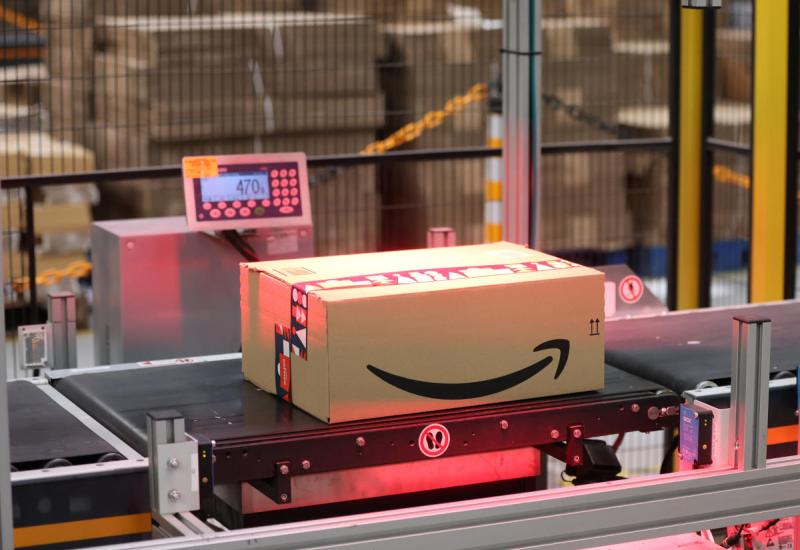
Amazon has reached an agreement with Italy’s tax collection agency to pay 510 million euros (approximately $582 million) to resolve a major tax dispute covering the period 2019-2021.

However, this civil settlement has failed to appease judicial authorities, as Milan’s prosecutors have taken the highly unusual step of publicly disagreeing with the accord and vowing to continue their parallel criminal investigation into the U.S. technology giant.

The 510 million euro settlement was concluded with the Italian Revenue Agency (Agenzia delle Entrate) and addresses tax liabilities stemming from Amazon’s operations, particularly concerning where profits were booked versus where sales took place. The figure represents about 43% of the €1.2 billion in alleged tax evasion Milan prosecutors suspect is linked to the 2019-2021 period.

This is not the first time Amazon has settled a major tax case in Italy. In 2017, the company paid €100 million to resolve disputes dating back to 2011-2015. More recently, an Italian Amazon logistics unit settled a separate probe into alleged tax fraud and illegal labor practices earlier this month by paying approximately €180 million and dismantling a controversial algorithm-based delivery staff monitoring system.

This total of over €720 million paid in recent years underlines the aggressive stance Italian authorities have taken toward taxing multinational tech firms.

Despite the significant civil payment, the Milan Prosecutor’s Office is pushing forward with its criminal probe. This unusual split suggests a fundamental disagreement between the administrative tax body and the judicial branch over the severity and extent of the alleged fraud. Prosecutors, who suspect evasion potentially reaching €1.2 billion and perhaps €3 billion when penalties and interest are factored in, are expected to wrap up their investigation—which places Amazon’s Luxembourg-based European unit and three executives under scrutiny—early next year.

Amazon confirmed the settlement without specifying the amount, but issued a strong rebuke against the ongoing judicial action. The company stated it “will forcefully defend our position on the potential ungrounded criminal case.”

Furthermore, Amazon criticized the regulatory climate, arguing that “Unpredictable regulatory environments, disproportionate penalties, and protracted legal proceedings are increasingly affecting Italy’s attractiveness as an investment destination.”

The Core of the Criminal Allegations: VAT Evasion

The heart of the ongoing criminal investigation involves suspected Value-Added Tax (VAT) fraud related to cross-border e-commerce transactions, specifically concerning non-EU third-party sellers on the Amazon marketplace.

Under Italian law, since 2019, e-commerce platforms like Amazon are held jointly responsible for the non-payment of VAT by non-EU sellers who use their marketplace to sell goods directly to Italian customers. This law, which anticipated a broader EU-wide reform (DAC7) implemented in 2021, aims to standardize VAT collection and prevent tax losses.

Prosecutors allege that between 2019 and 2021, Amazon failed to collect and remit VAT on behalf of these non-EU sellers, many of whom are Chinese, allowing them to evade Italian tax. The total value of the transactions under scrutiny is substantial, potentially posing a direct challenge to Amazon’s core marketplace business model across Europe if the allegations are upheld. The investigation focuses on whether Amazon’s operational algorithms and structures intentionally facilitated the evasion of these obligations.

Multiple Fronts of Scrutiny

The tax dispute is merely one component of Amazon’s growing legal exposure in Italy. Milan prosecutors are currently conducting at least two other, separate, and active investigations into the company’s activities:

  • Second Tax Evasion Probe: A new investigation focusing on alleged tax evasion covering the more recent period of 2021 to 2024.
  • Customs and Tax Fraud Probe: A separate investigation centered on alleged customs and tax fraud involving the importation of goods from China. This probe examines whether proper customs duties and taxes were applied to products crossing EU borders.

The relentless scrutiny in Italy, which is mirrored by increased regulatory intensity across the European Union, underscores the global effort to ensure that digital economy profits are taxed appropriately where sales occur, rather than being routed through low-tax jurisdictions.