DD
MM
YYYY

PAGES

DD
MM
YYYY

spot_img

PAGES

Home Blog Page 22

Automated Game Optimisation Through Machine Learning in Online Casinos

0
machine learning system

Automated optimisation is changing how online casinos improve their games. Data replaces guesswork. Algorithms guide adjustments. Every decision is now informed by behaviour, not assumptions.

Advanced platforms use internal analytics to refine bonus timing, session balance, and feature interaction. The official 1xbetting sportsbook website demonstrates this approach, offering integrated data infrastructure across sports and casino verticals. These changes make game outcomes more consistent while keeping engagement high.

Instead of fixed updates, machine learning enables small but continuous improvements. Developers monitor live metrics and apply those insights to future sessions. This feedback model is now standard across top-tier iGaming platforms.

Data Collection as the Engine of Optimisation

Machine learning begins with tracking. Every session feeds into a database. Every spin, every pause, every bonus event adds to the model.

These systems review:

  • Wager values across different games
  • Session length and exit timing
  • Return frequency by game category

Over time, these insights shape automated rule changes. Platforms like those running through 1xbet apply these patterns to stabilise gameplay and manage pacing. Nothing is altered manually. The changes are small, silent, and data-backed.

Stability and Predictability Through Behavioural Modelling

Rather than chasing novelty, algorithms seek patterns. They adjust feature triggers or payout timing without disturbing core mechanics. The aim is smooth play.

Developers focus on:

  • How frequently features activate
  • How long players stay before exit
  • Whether wins appear in predictable cycles

These patterns help forecast player reactions before changes are made. With its large operational network, the 1xbet company collects extensive datasets that train more accurate models. This reduces risk from poorly planned updates and improves long-term results.

Interface and Feature Personalisation by Session Profile

Optimisation extends beyond core gameplay. Presentation matters. Layout, suggestions, and even bonus highlights change based on prior use. These are subtle shifts designed to match individual playing styles.

You will find:

  • Game recommendations based on last five sessions
  • Bonus feature reminders during idle phases
  • Interface layout that reflects previously used options

These improvements often appear on platforms like the 1xbet website, where casino titles and bonus mechanics adjust without altering base rules. What players see is shaped by how they have played before.

Reward Structures That Reflect Real Use

Traditional promotions used fixed schedules. Now, bonuses align with behavioural clusters. Machine learning helps structure offers that players are more likely to use, not just see.

When registering on the 1xBet website, enter the promo code 1x_3831408 to get the opportunity to increase the maximum bonus on your first deposit. The size of the bonus and the conditions for its wagering depend on the country of registration, so before making your first deposit, be sure to read the bonus accrual rules on the official website.

These codes are effective because they come when they are most relevant. Time of use, game type, and deposit history shape their availability.

Balancing Large Catalogues Through Shared Architecture

Machine learning allows casino operators to manage hundreds of titles. Games no longer operate in isolation. Shared frameworks ensure that one game’s volatility or bonus logic does not damage platform-wide performance.

This is where platforms like the 1xbet best betting site maintain consistency. Algorithms test new titles against existing metrics. If a game performs outside expected norms, it is flagged for review before release.

Long-Term Efficiency and Fewer Manual Updates

Before machine learning, most changes were manual. Developers ran A/B tests, then released patches. This process was slow. Now, simulations can test player responses to feature changes before they happen live.

Rather than launch multiple trial versions, operators feed historical data into simulation models. Outcomes are predicted and only the best-performing variation goes live. These steps improve efficiency and reduce instability.

Such refinement applies across the full ecosystem. This includes classic slots, themed games, and sportsbook-linked products all optimised under one logic, as seen on 1xbet.

Smarter Systems, Calmer Outcomes

Machine learning makes the system quieter. Instead of constant visual change or promotional overload, users experience smooth sessions, timely features, and reliable outcomes.

Optimisation no longer focuses on flash. It values pace, response, and measured adjustment. As platforms scale, automation becomes necessary. It supports developers, reduces player frustration, and stabilises the iGaming environment.

Through controlled, smart learning, casinos become less chaotic. They serve content based on need, not trend. Players benefit from balanced experiences shaped not by assumption, but by proof.
India Moves to Cut EU Car Import Tariffs in Landmark Trade Shift as Free Trade Pact Nears

0

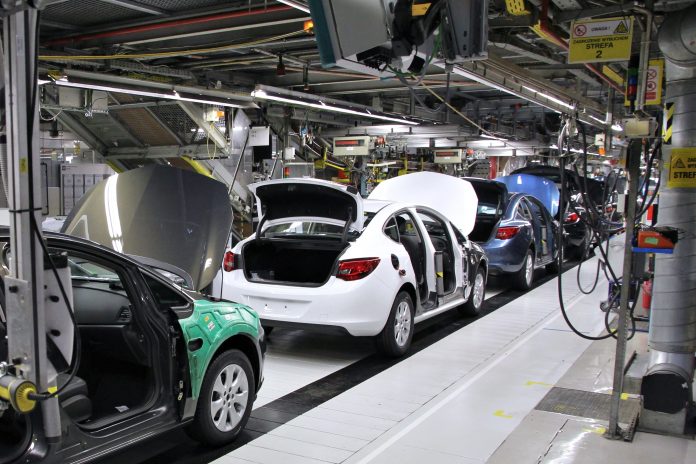
India is on the verge of its most far-reaching opening of the automobile sector, preparing to slash import tariffs on cars from the European Union as negotiations for a long-awaited free trade agreement reach their final stage.

The move would mark a turning point for a market that has remained heavily protected for decades, even as India positions itself as a central player in global manufacturing and supply chains.

According to two sources briefed on the talks, who spoke to Reuters, New Delhi has agreed to immediately reduce import duties on a limited number of cars from the 27-nation EU bloc to 40%, down from rates that currently range between 70% and 110%. The reduced tariff would initially apply to vehicles with an import price above 15,000 euros ($17,739) and would be lowered further to 10% over time. An announcement on the broader trade pact could come as early as Tuesday, with officials informally referring to the agreement as the “mother of all deals.”

The sources requested anonymity because the discussions are confidential and subject to last-minute changes. India’s commerce ministry and the European Commission declined to comment.

The tariff cuts go well beyond automobiles for India. Officials see the EU pact as a way to rebalance trade at a time when Indian exporters are facing pressure in other markets. Shipments of goods such as textiles and jewelry have been hit by 50% U.S. tariffs introduced in late August, sharpening the urgency for New Delhi to deepen access to Europe, one of its largest trading partners.

Still, the auto provisions stand out because of how closely the sector has been guarded. India is the world’s third-largest car market after the United States and China, with annual sales of around 4.4 million vehicles. Yet imported cars have long been treated as luxury goods, burdened with some of the highest tariffs in the world. The policy has helped domestic manufacturers and kept foreign brands’ market share low, but it has also limited consumer choice and slowed the entry of newer technologies.

Under the current proposal, India would allow roughly 200,000 combustion-engine cars a year to be imported at the sharply reduced 40% duty, one of the sources said. The quota could still be revised before final approval, but even in its present form, it would represent the boldest opening of the sector India has ever contemplated.

Electric vehicles are being handled more cautiously. Import duty reductions for battery electric cars will be excluded for the first five years, according to the sources, as the government seeks to protect investments by domestic manufacturers such as Tata Motors and Mahindra & Mahindra in a sector that is still developing. After that initial period, EVs would follow a similar tariff reduction path, aligning with India’s longer-term electrification goals.

European automakers are poised to gain significantly if the plan goes ahead. Volkswagen, Renault, and Stellantis, along with premium brands Mercedes-Benz and BMW, already assemble vehicles in India but have struggled to expand their footprint beyond a niche presence. High import duties have made it expensive to bring in fully built units, limiting their ability to test demand for new models or respond quickly to shifts in consumer preferences.

Lower tariffs would allow these companies to introduce a wider portfolio of vehicles at more competitive prices, one of the sources said, and use imports as a bridge before committing fresh capital to local manufacturing. That flexibility matters in a market where scale is essential, but margins remain tight.

At present, European brands account for less than 4% of India’s passenger car sales. The market is dominated by Suzuki Motor through its long-standing partnership with Maruti, alongside homegrown players Tata Motors and Mahindra, which together command about two-thirds of total volumes. Any meaningful shift in tariff policy has the potential to reshape that balance over time, even if domestic manufacturers remain firmly entrenched.

The timing also aligns with longer-term growth expectations. India’s car market is projected to expand to around 6 million units a year by 2030, making it one of the few major markets still offering sustained volume growth. European manufacturers are already adjusting their strategies accordingly.

Renault is rebuilding its India operations as it looks for growth outside Europe, where competition from Chinese carmakers has intensified. Volkswagen Group, meanwhile, is finalizing the next phase of investment in India through its Skoda brand, betting on deeper localization and exports.

For Prime Minister Narendra Modi’s government, the proposed tariff cuts underline a more pragmatic trade posture. While India continues to champion domestic manufacturing through initiatives such as “Make in India,” the EU deal signals a willingness to trade selective market access for broader economic gains, including export growth, technology transfer, and stronger integration with advanced economies.

If finalized, the agreement would place automobiles at the center of a wider reset in India–EU economic relations, opening a sector long considered politically sensitive and setting a precedent for how India balances protection of domestic industry with its ambitions to play a larger role in global trade.

South Korea’s Sovereign AI Push Lifts Country into Global Top 3 – President Lee Jaemyung

0

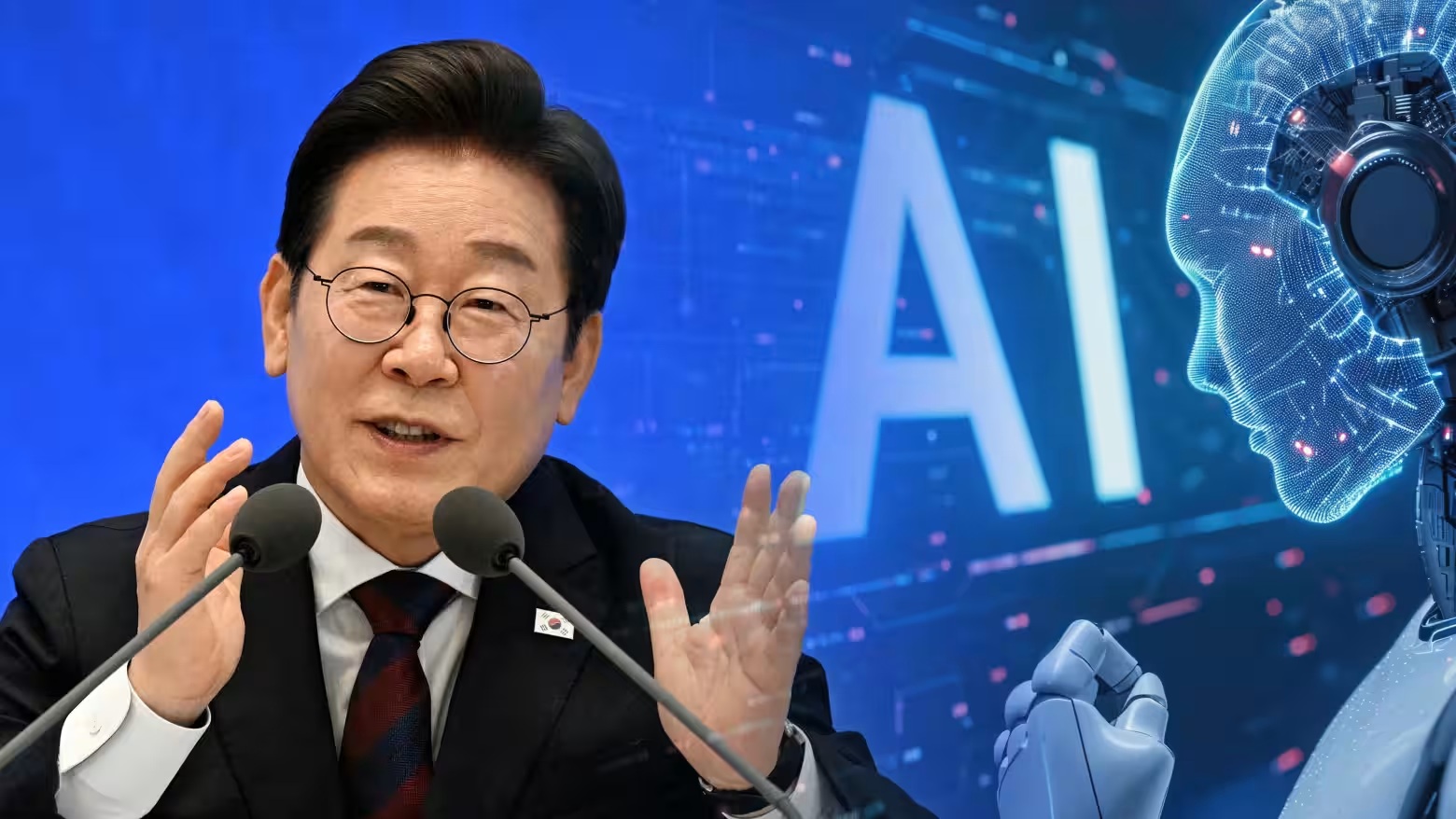
South Korea’s push to build nationally controlled artificial intelligence capabilities is reshaping its position in the global technology race, with overseas analysts now placing the country third worldwide in AI development, behind only the United States and China.

President Lee Jaemyung said the milestone underscores the impact of South Korea’s National Sovereign AI Initiative, a government-backed programme designed to ensure the country can develop, deploy, and govern AI systems independently, in line with its own laws, values, and security priorities.

In a post on his social media account, Lee wrote that South Korea has “firmly established itself as a top-three nation in the AI sector,” attributing the rise to what he described as a nationwide competition driven by the sovereign AI programme.

“Thanks to South Korea’s National Sovereign AI Initiative, several Korean AI research institutes with cutting-edge intelligence have emerged,” he said, adding that the initiative has become the core engine of the country’s AI momentum.

Lee also shared an assessment from Artificial Analysis, an overseas AI research institution that tracks the performance and capabilities of leading AI labs and models worldwide. According to the group, “South Korea is now a definitive third-place nation in the AI field,” with multiple domestic labs reaching near-frontier levels of intelligence. Artificial Analysis identified the National Sovereign AI Initiative as the decisive factor behind that progress.

The concept of sovereign AI sits at the heart of Seoul’s strategy. It refers to a country’s ability to independently build and operate AI systems, covering both physical infrastructure, such as data centers and high-performance computing, and software layers, including foundation models, applications, and governance frameworks. The emphasis is on reducing reliance on foreign platforms while ensuring that AI systems reflect domestic legal standards and societal norms.

Analysts say South Korea is unusually well-positioned to pursue that goal. The country is a global leader in semiconductor manufacturing, particularly in memory chips that are critical for AI workloads. That hardware strength gives Seoul an advantage as demand for computing power surges worldwide and supply chains become more politically sensitive.

Artificial Analysis noted that South Korea is among a small group of countries capable of supporting AI development end-to-end, from chips and servers to large-scale model deployment.

Language has also been a strategic focus. South Korea has invested heavily in AI systems built around Hangul, allowing domestic models to perform strongly in Korean-language tasks without depending on foreign-language foundations. This has practical implications for public services, finance, healthcare, and education, where accuracy and cultural context are essential. Artificial Analysis highlighted this linguistic independence as a key differentiator, especially as many global AI models remain heavily skewed toward English and Mandarin.

The National Sovereign AI Initiative has been structured to foster competition and coordination at the same time. Government support is used to lower barriers to entry for research institutes and startups, while shared infrastructure and datasets help accelerate progress. Officials have argued that this model avoids fragmentation and allows smaller players to compete with well-funded global labs.

South Korea’s rise comes amid an intensifying global debate over AI sovereignty. Governments across Europe, Asia, and the Middle East are reassessing their dependence on U.S. and Chinese technology, driven by concerns over data control, national security, and long-term economic leverage. While Washington and Beijing still dominate in scale, investment, and frontier model development, countries like South Korea are increasingly carving out influence through focused, state-backed strategies.

At the same time, the approach carries challenges. Maintaining near-frontier AI capabilities requires sustained investment in compute, talent, and energy infrastructure, as well as careful regulation to balance innovation with safety. There are also questions about how sovereign AI systems will integrate with global platforms and standards, particularly in cross-border trade and research collaboration.

The emphasis on sovereign AI is part of President Lee’s broader economic and strategic agenda. By anchoring AI development domestically, the government aims to strengthen industrial competitiveness, protect sensitive data, and ensure that future technologies remain aligned with national interests. The initiative also fits South Korea’s long-standing model of close coordination between the state, research institutions, and industry.

The endorsement from Artificial Analysis gives international weight to Seoul’s claims and suggests that its strategy is beginning to deliver measurable results.

TikTok’s Khaby Lame Secures Landmark $900M Deal with Rich Sparkle Holdings, Redefining Creator Economy Scale

0

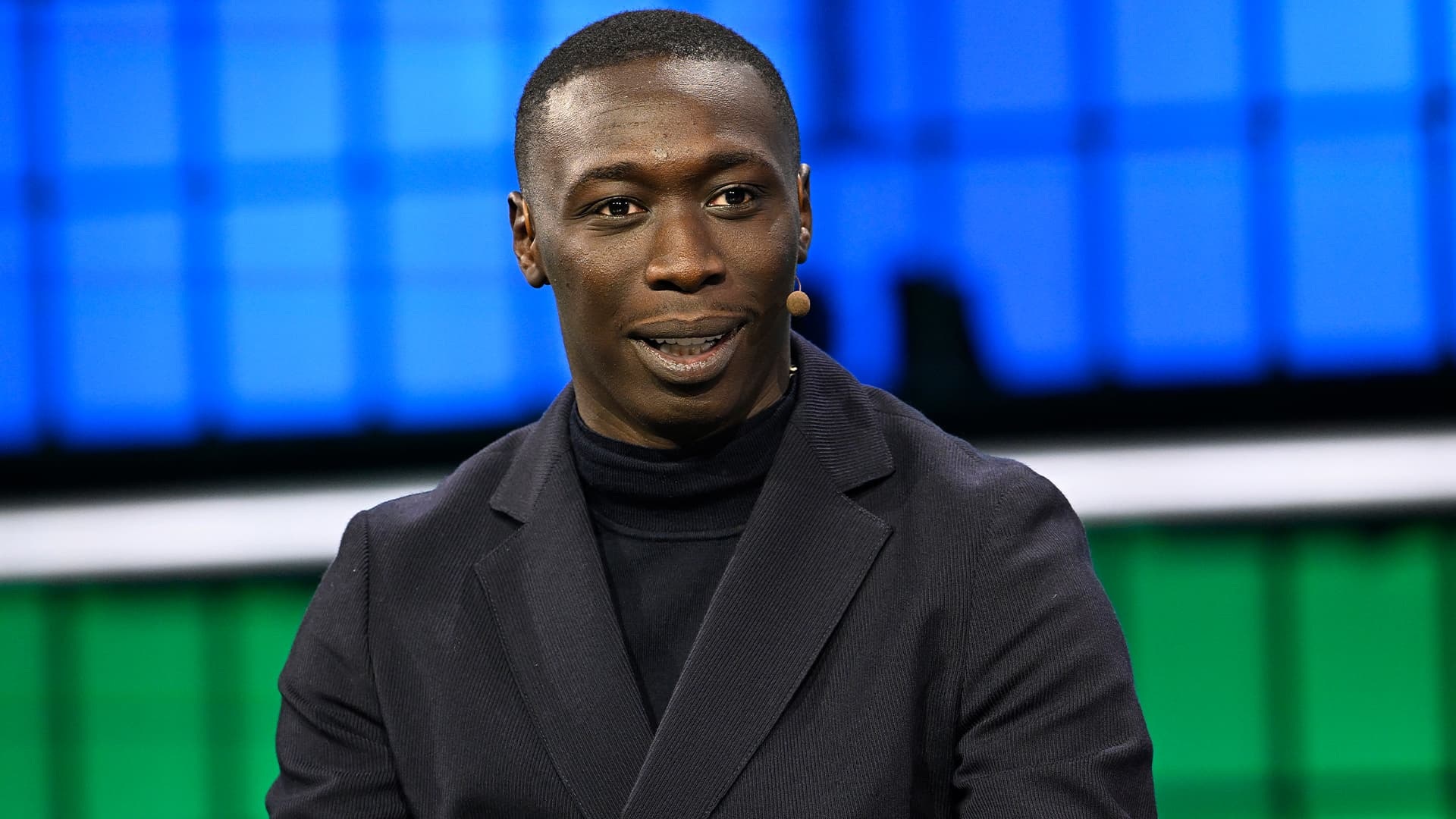
In a transaction that underscores the explosive growth of the creator economy, Khaby Lame—the Senegalese-Italian TikTok phenom with the platform’s largest following—has finalized a groundbreaking $900 million to $975 million all-stock deal with U.S.-listed Rich Sparkle Holdings, announced in mid-January 2026 and closed on January 23.

The agreement involves the partial sale of Lame’s primary operating company, Step Distinctive Limited—in which he held a 49% stake—granting Rich Sparkle exclusive global commercial rights to his brand for an initial 36-month period.

This encompasses brand partnerships, endorsements, licensing, merchandise, and e-commerce ventures, effectively transforming Lame’s viral persona into a scalable, platform-integrated business empire. The deal positions Lame as a controlling shareholder in Rich Sparkle, blending his creative influence with equity ownership in the acquiring entity’s infrastructure.

Rich Sparkle projects that the combined model—leveraging Lame’s audience traffic, advanced fulfillment operations, proprietary technology, and supply chain expertise—could generate over $4 billion in annual sales once fully operational.

Initial expansion targets the United States, the Middle East, and Southeast Asia, with a phased rollout over three years, supported by a strategic alliance with Anhui Xiaoheiyang Network Technology Co., Ltd., a China-based specialist in creator-led e-commerce.

A forward-looking component authorizes the development of an AI-powered digital twin of Lame, replicating his distinctive facial expressions, voice patterns, and behavioral mannerisms for multilingual content creation, virtual livestreams, and 24/7 fan engagement.

This tech infusion aims to extend his reach while adhering to regulated usage guidelines. Beyond digital tools, the strategy includes premium co-branded intellectual property in high-growth sectors like beauty, fragrance, apparel, and lifestyle products, capitalizing on Lame’s universal appeal.

Lame’s journey from a laid-off factory worker in Chivasso, Italy, during the COVID-19 pandemic to a global icon is a testament to the power of minimalist content. His silent, deadpan videos—often debunking overly complex life hacks with simple gestures—have transcended language barriers, amassing an estimated 360 million followers across social platforms, including over 162 million on TikTok alone, making him the app’s most-followed user.

Born in Senegal and raised in Italy, Lame’s wordless format has fostered a culturally diverse audience, turning him into a rare example of truly borderless digital influence.

This deal arrives amid a broader surge in social media monetization, which has evolved into a massive income stream for content creators worldwide. In 2025, global creator revenue reached approximately $20.6 billion, driven by a 16.2% year-over-year increase, fueled by social commerce, brand partnerships, and platform incentives.

Platforms like X (formerly Twitter) and Facebook have recently intensified their involvement, introducing structural shifts to empower creators with more predictable earnings. X, under Elon Musk’s leadership, has pivoted to a “creator-centric” model in 2025-2026, emphasizing ad revenue sharing, subscription tools, and direct fan monetization to build trust and convert audiences into paying communities.

Facebook, part of Meta, has expanded its Reels and Marketplace features, enabling creators to earn through short-form video bonuses, in-app purchases, and affiliate programs, with a focus on AI-driven personalization and social shopping.

These developments reflect a trend where algorithms prioritize meaningful engagement over viral volume, rewarding creators who foster loyal, interactive followings.

Lame’s transaction sets a new benchmark, eclipsing previous high-profile creator deals like MrBeast’s reported $500 million valuation discussions in 2024 or Charli D’Amelio’s multi-million-dollar brand ventures. It highlights how top influencers are institutionalizing their brands, moving from episodic sponsorships to equity-backed enterprises that integrate e-commerce, AI, and global supply chains.

For African creators, where the continent’s digital economy is projected to reach $180 billion by 2025, Lame’s success—rooted in his Senegalese heritage—offers a blueprint for turning local influence into international scale, potentially inspiring similar equity plays amid rising social commerce adoption.

Reactions on X have been overwhelmingly positive, with users hailing it as a “rags-to-riches” story and a game-changer for the creator economy.

BNB and ZEC Gain Momentum, BlockDAG Sees $1 Projections Ahead of Presale Close! Which Is the Next Crypto to Explode?

0

Crypto markets are flashing mixed signals this week. Binance Coin price today has pushed higher from $787 to roughly $911, breaking out of a bearish formation and reclaiming key technical zones ahead of the upcoming Fermi hard fork. This upgrade is expected to cut block confirmation time to 0.45 seconds, improving overall BSC network performance.

At the same time, Zcash news highlights a 9% surge as whale wallets reduce selling pressure and leveraged long positions increase in anticipation of a breakout above $408. Both assets are reacting to trading activity and short-term catalysts, yet BlockDAG follows a very different path.

Instead of chasing momentum, BlockDAG is building a structural advantage. With BDAG priced at $0.001 in Batch 35 and a confirmed $0.05 launch price, adoption continues expanding across more than 3.5 million X1 mobile users and over 312,000 holders. Unlike BNB and ZEC, BlockDAG combines real infrastructure readiness with fixed-entry math, positioning it as the next crypto to explode.

Binance Coin Price Advances Ahead of Network Upgrade

Binance Coin price today has delivered steady upward movement, climbing from $787 in late November to near $911. This breakout pushed BNB above its 50-day moving average and flipped technical indicators bullish, signaling renewed market confidence.

Binance Smart Chain is scheduled to activate the Fermi hard fork on January 14, reducing block times from 0.75 seconds to 0.45 seconds. The upgrade is designed to boost transaction throughput and network stability, helping BSC remain competitive against chains like Ethereum and Solana.

Additional interest is coming from speculation surrounding a potential Grayscale BNB ETF application and an upcoming 1.3 million token burn. Both developments could tighten the circulating supply and strengthen price action.

Binance Coin price today continues reflecting growing optimism, with traders increasingly eyeing a possible push toward the $1,000 level as network improvements roll out.

Zcash News: ZEC Climbs 9% as Whale Activity and Long Positions Increase

Zcash has recorded strong buying pressure, sending ZEC higher by approximately 9%. Large wallet holders have moved significant balances off exchanges, easing sell-side pressure, while leveraged traders have added long positions, signaling rising confidence in continued upside.

Price remains compressed within a multi-month triangle pattern, supported near $371 and capped around $408. This tightening structure often signals an upcoming breakout as volatility builds and positioning intensifies.

Open Interest across derivatives markets has also increased, confirming that more traders are preparing for larger moves. Top trader positioning currently leans bullish, with roughly 61% of accounts holding long exposure.

Zcash news continues pointing toward favorable conditions. With whale accumulation, improving technical structure, and growing speculative interest, ZEC may extend gains if volume and participation remain strong.

From $0.001 to $1: Why BlockDAG Could Become the Next 50× Crypto Story!

BlockDAG is now entering the final stretch of its presale, and the numbers continue to stand out. BDAG is currently available at $0.001 in Batch 35 for a limited time window. Once public trading officially begins on February 16 at the confirmed $0.05 launch price, early participants automatically secure a built-in 50× price difference based purely on a fixed pricing structure.

Opportunities that offer predefined upside like this are extremely rare, especially for a Layer-1 network that is already operational before exchange listings and public market exposure.

What truly separates BlockDAG from short-term hype cycles is its expanding real-world adoption. More than 3.5 million users actively mine through the X1 mobile platform, while over 312,000 holders already participate across the growing ecosystem.

Mining hardware sales have officially closed, reducing new supply inflows, while token availability continues to tighten. With only 2.43 billion coins remaining in the presale allocation, scarcity is becoming an increasingly important factor. Analysts view the $1 milestone as achievable not through speculation, but through accelerating network usage, developer onboarding, and user activity growth.

This is simple math rather than marketing narratives. The move from $0.001 to $0.05 is locked in by launch pricing mechanics. Beyond that level, sustained adoption could push BDAG toward a full Layer-1 breakout cycle. With the presale ending on January 26, the countdown is active. Once this window closes, fixed early access disappears permanently.

Final Thoughts

Across all three assets, Binance Coin price today and Zcash movements reflect trading-driven momentum supported by upgrades and accumulation trends. Both show technical strength, but neither offers the early-stage positioning advantage that BlockDAG provides.

BDAG’s $0.001 presale entry, combined with a confirmed $0.05 listing, establishes a built-in 50× baseline. The network is already operational, smart contracts are live on testnet, and millions of users remain active before public trading even begins. Analysts see the $1 milestone as achievable through continued ecosystem growth and expanding real-world usage.

For investors searching for the next crypto to explode, BlockDAG stands in a category of its own. With January 26 approaching fast, this window defines urgency, offering rare early exposure before the market takes full control of pricing and demand.

Presale: https://purchase.blockdag.network

Website: https://blockdag.network

Telegram: https://t.me/blockDAGnetworkOfficial

Discord: https://discord.gg/Q7BxghMVyu