The crypto market is currently volatile, and Shiba Inu (SHIB) and Solana (SOL) have dropped to former lows causing concern among investors. Currently, traders are looking for an altcoin that has performed well in the volatile market and has the potential for more growth.
Meet IntelMarkets (INTL), an AI-powered crypto gem that is making waves in the market. It has AI-driven trading bots and other advanced tools to increase investors’ chances of profits. Presently in the presale stage, its price is expected to surge by 20x in 2025.
Investors Give Mixed Predictions For Solana (SOL)
In a recent tweet, Emperor_keo notes the Solana coin looks solid despite the downturn in the market. The analyst noted that Solana (SOL) might retest the resistance around the $210-$212 soon.
In the case of a successful breakout, the altcoin price might pump to $250. However, if bears hold their ground, Emperor_keo says the value of the Solana token might drop to $140.
Meanwhile, another analyst, NewsXGlobal says the Solana coin price could soar to a new all-time high in the months ahead. According to them, the value of SOL might pump to $500-$600 in the next bull run.
At the moment, Solana (SOL) has been trading between $186.51 and $242.90 in the past seven days. The sentiment surrounding the altcoin is currently bullish. The Fear and Greed shows Greed. Also, the Stochastic Fast (14) flashes a buy signal which means bulls are gaining traction.
Shiba Inu (SHIB) Remains Under Key Level As Bearish Momentum Remains
Due to the ongoing downtrend in the crypto market, Shiba Inu (SHIB) has remained under the $0.000020 level since the past week. Data from CoinMarketCap shows the Shiba Inu price has been consolidating between $0.00001284 and $0.00001959.
Attempts to break past the upper region have failed due to the ongoing correction in the market. Moreover, the sentiment surrounding the Shiba Inu coin has been bearish. The relative strength index has been under the 50 mark in the last seven days, signaling high bearish pressure.
Also, the Shiba Inu crypto has only recorded 12 green days in the past month. Nevertheless, analysts remain optimistic. Top memecoins are known to produce bullish price surges, making SHIB a good memecoin to watch.
SHIB KNIGHT forecasts the price of the Shiba Inu token might rally to $0.000035 in the coming weeks. The analyst noted that the memecoin’s ongoing downtrend might be over.
IntelMarkets (INTL) Presale Raises $8M In Funding
IntelMarkets (INTL) is aiming high in the world of crypto ICOs and is already leaving behind the competitors with $8 million in funding. Due to the increased interest from investors, the project is expected to reach $10 million by Q1 2025 end. This DeFi giant is not just another trading platform; it is an AI-based ecosystem that helps to make the right trading decisions.
The key to IntelMarkets is the integration of AI tools that can process large volumes of data, trends, and assets in the markets. This gives the trader real-time information that can help in increasing the profit and at the same time reducing the risks.
The Intelli-M bot is the platform’s flagship product that takes crypto trading to the next level. This self-learning, adaptive bots can not only analyze the market and come up with the best strategies but also change the risk parameters according to the trader. Unlike most other bots, Intelli-M adapts its trading approach, providing better and more precise trading information to users.
IntelMarkets is the future of trading. Its AI trading system, high level of automation, and effective risk management tool make it stand out. Priced at $0.082455 per token, INTL is one of the best crypto investments that one can consider in the market today.
Why IntelMarkets is the Best DeFi Token To Buy
Despite the downtrend in the crypto market, the IntelMarkets coin has remained unshakeable. Its crypto ICO has been selling like wildfire and is currently in stage nine. With over $8 million raised and 810% ROI, IntelMarkets is the best crypto to buy right now. Its price is expected to skyrocket by 20x after its listing on top exchanges.
For more information about IntelMarkets (INTL) visit the links below:
A Hong Kong legislator, Johnny Ng, has been actively advocating for the acceleration of research into the feasibility of establishing a Bitcoin reserve. This push comes amid a backdrop of increasing global interest in Bitcoin as a financial asset. Here are some key points regarding this initiative:
Johnny Ng has publicly encouraged a faster study on Bitcoin’s viability as a strategic reserve asset for Hong Kong. This reflects a broader interest in leveraging Hong Kong’s unique “one country, two systems” framework to integrate Bitcoin into its financial reserves, aiming to enhance financial security and attract investment.
Ng’s call for speedier research is in part spurred by developments in other regions. For instance, nations like El Salvador and Bhutan have already integrated Bitcoin into their national reserves, setting precedents for other countries. Additionally, actions in the U.S., including discussions around Bitcoin as a strategic reserve asset by figures like former President Donald Trump, have influenced this conversation.
The idea is that having Bitcoin in reserves could diversify Hong Kong’s financial assets, potentially stabilizing the region’s finances against market fluctuations. It could also position Hong Kong as a leader in digital finance, possibly attracting talent and investment.
Hong Kong’s approach to cryptocurrency regulation is cautious yet progressive, with initiatives like the sandbox program for stablecoins indicating a willingness to explore digital assets. The Financial Services and the Treasury Bureau are working on regulations based on the principle of “same business, same risks, same rules,” which could facilitate the integration of Bitcoin into formal financial systems.
Establishing a Bitcoin reserve could offer several benefits, although it comes with its own set of challenges and risks. Here are some potential advantages:
Holding Bitcoin can diversify a country’s or institution’s reserve assets, reducing dependence on traditional currencies like the US Dollar or Euro. This can potentially lower systemic risk when there’s currency volatility or economic downturns in major economies. Bitcoin has often been described as “digital gold” due to its limited supply (capped at 21 million coins). This scarcity can make it an effective hedge against inflation, especially when traditional fiat currencies are losing value.
By integrating Bitcoin into reserves, a country could signal its openness to technological innovation, potentially attracting blockchain-related businesses, startups, and investments. This could foster an environment conducive to tech development and financial technology (FinTech).
Enhancing Financial Sovereignty: For countries facing economic sanctions or those with less stable currencies, Bitcoin can offer a level of financial independence. It’s not controlled by any single government or financial institution, providing an alternative for international transactions.
Encouraging Cryptocurrency Adoption: A government or central bank adopting Bitcoin could lead to greater public trust and adoption of cryptocurrencies. This could accelerate the transition to a digital economy, especially in payments and remittances.
If Bitcoin’s value increases over time, the reserve could appreciate, providing a financial benefit to the holder, although this comes with the caveat of high volatility. Holding a significant amount of Bitcoin could increase a country’s or institution’s influence in the global cryptocurrency market, potentially allowing them to play a role in setting standards or participating in blockchain governance.
Tourism and Economic Boost: Countries like El Salvador have seen an uptick in tourism and interest from crypto enthusiasts after adopting Bitcoin, which could stimulate local economies. However, these benefits come with considerations:
Bitcoin is known for its price swings, which could be detrimental to a reserve’s stability if not managed properly. Regulatory and Legal Challenges: Integrating Bitcoin into official reserves involves navigating complex regulatory landscapes, both domestically and internationally.
Risks: The decentralized nature of Bitcoin means that securing significant amounts requires robust cybersecurity measures. The energy consumption associated with Bitcoin mining has environmental implications which might conflict with sustainability goals.
In essence, while there are clear potential benefits to having Bitcoin in a reserve, it requires a nuanced approach to risk management, regulatory compliance, and strategic planning to ensure that the advantages are realized without disproportionate exposure to the cryptocurrency’s inherent risks.
This legislative interest highlights a significant moment where traditional finance meets the burgeoning world of cryptocurrencies, with Hong Kong aiming not to lag behind in this innovative financial frontier. However, the complexities of implementing such a policy would involve careful study of market impacts, regulatory frameworks, and international implications.
Investing in trending projects that still have the benefit of novelty can be a strategic move to ensure gains, especially in a bullish market phase. For those seeking the best new crypto coins, this list compiled by our experts could be a real game-changer.
From established projects to yet-to-be-launched initiatives, we have come up with options that could potentially be up to 100x opportunities, thanks to the strong concepts and massive communities each project has managed to amass already.
Best New Crypto Coins With High Potential
MIND of Pepe (MIND)
Few narratives have dominated the crypto sector like artificial intelligence, and MIND of Pepe has seamlessly tied AI into the meme coin world. At a surface level, it may look like another Pepe-themed token, but a closer examination reveals a well-crafted project that merges AI technology with high-engagement features.
This token isn’t just about community-driven speculation—it incorporates AI-powered analytics, interactive market insights, and automated alerts that help traders stay ahead. Holders gain access to early trading signals and market data, making it a hybrid between an AI tool and a meme-based token.
Social media has played a massive role in its success, with crypto influencers and analysts actively discussing its potential. It has already secured over $5 million in presale funding, confirming strong investor demand. With AI continuing to be one of the most discussed trends in crypto, MIND of Pepe could be one of the most impactful new launches this cycle.
Meme Index (MEMEX)
With meme coins being some of the most unpredictable assets in crypto, traders often struggle to decide which ones to back. Meme Index takes the guesswork out of meme coin investing by offering an automated strategy that diversifies exposure across multiple tokens.
Instead of picking individual meme coins and hoping for a breakout, investors can allocate funds based on risk appetite, trending narratives, and real-time data, ensuring that their portfolios adapt as the market evolves. This method offers a more strategic way to capitalize on meme coin cycles without being tied to a single asset.
The idea has already caught the attention of serious meme coin investors, helping the project raise over $3.3 million in presale funding. As meme coins continue to dominate speculative markets, Meme Index could emerge as a go-to platform for structured meme investments, making it one of the best newer crypto projects to watch.
Movement (MOVE)
The Movement project introduces a modular blockchain infrastructure that gives developers the freedom to customize applications without traditional constraints. Unlike rigid blockchain models, Movement is built to be flexible, allowing different components—such as consensus mechanisms and execution layers—to be optimized separately.
The MOVE token is the foundation of this system, powering transactions, staking mechanisms, and governance features. A key aspect of Movement’s appeal is interoperability, as it enables seamless interactions between multiple blockchains, making it a preferred choice for developers building scalable applications.
Despite being relatively new, Movement has already crossed the $1 billion market cap, indicating strong institutional and retail investor interest. As blockchain ecosystems evolve toward modular frameworks, Movement is positioned to be at the forefront of this shift. If adoption continues at this pace, its trajectory could rival some of the largest blockchain networks in the industry.
Solaxy (SOLX)
While Solaxy might have the visual style of a meme coin, its functionality is far from ordinary. Designed as a Layer-2 scaling solution for Solana, it addresses network congestion issues by streamlining transactions and improving overall efficiency.
With Solana seeing increased adoption, its network has experienced occasional slowdowns, leading to the need for faster and more cost-effective solutions. Solaxy provides exactly that by using roll-up technology to bundle multiple transactions together before finalizing them on Solana’s main chain, reducing delays and costs.
This approach has sparked interest across various crypto communities, as more investors seek scalability-focused projects that offer practical utility within major blockchain ecosystems. If Solana’s user base continues to expand, demand for Solaxy could see a sharp increase, positioning it as one of the most relevant new crypto projects in the space.
Wall Street Pepe (WEPE)
Few meme coins have executed their branding as effectively as Wall Street Pepe. Combining the internet’s favorite meme character with a finance-driven aesthetic, this project has managed to capture the interest of both casual traders and serious investors.
The project’s appeal extends beyond its visuals—it provides trading tools, market signals, and staking mechanisms, giving it an edge over other meme coins that rely solely on hype. With market volatility presenting more opportunities for traders, investors have been stocking up on WEPE tokens, leading to consistent buying pressure.
Its presale success is undeniable, with over $69 million raised, making it one of the most heavily backed meme tokens of this cycle. The project has been covered by some of the biggest and most successful crypto YouTubers, including Austin Hilton, who claimed that WEPE could be a potential top gainer. Given its strong community engagement and well-executed theme, Wall Street Pepe is likely to remain a major player among meme coins for the foreseeable future.
Aptos (APT)
When discussing high-potential blockchain networks, Aptos has firmly secured its place among the most promising new entrants. Despite launching just a little over a year ago, it has already competed with some of the biggest layer-1 networks, gaining widespread recognition.
One of Aptos’ most notable innovations is its parallel execution system, which allows transactions to be processed simultaneously rather than sequentially. This results in higher throughput, lower fees, and faster confirmation times, making it an attractive choice for DeFi platforms, gaming applications, and enterprise adoption.
Currently, Aptos has been hovering around $6, but if bullish momentum continues, many analysts believe it could surpass $15, given its developer activity and network expansion. As the crypto market cycles upward, Aptos could be one of the strongest performers among newer large-cap assets.
Best Wallet Token (BEST)
Best Wallet has positioned itself as one of the most versatile multi-chain wallets in crypto, supporting over 60 blockchains with a decentralized, non-custodial framework. What sets it apart is the introduction of the BEST token, which plays a critical role in enhancing the wallet’s utility.
Unlike typical wallet services, Best Wallet integrates trading, staking, portfolio tracking, and a presale aggregator, making it a one-stop solution for crypto users. The BEST token serves as the key to unlocking premium features, including early access to high-potential presales, reduced transaction fees, and exclusive staking rewards.
Its presale has already gained traction with over $9 million raised to date, and early investors recognizing the token’s potential for long-term appreciation. As Best Wallet continues to onboard more users and expand its ecosystem, its new native token BEST is likely to see increased demand, making it a project that combines real-world utility with strong investment potential.
Conclusion
The projects highlighted above present strong opportunities for those looking to maximize returns from newly introduced cryptocurrencies. Many of these tokens are still in their early stages, offering high growth potential backed by strong narratives, community engagement, and market demand.
However, as with any investment in speculative assets, there are risks involved. The same factors that drive rapid price increases can also lead to volatility, making it essential to only invest what one can afford to lose. While some of these projects could see exponential gains, market conditions can change quickly, and patience is often required to navigate fluctuations.
For investors who have already factored in risk management and strategic allocation, projects like MIND of Pepe and Meme Index could be great additions to a well-balanced portfolio. Both leverage trending sectors—AI and structured meme coin investing—giving them strong positioning in the current cycle. With the market showing signs of momentum, getting in early on high-potential tokens could prove to be a rewarding strategy.
Welcome! Unleash your leadership potential, master business excellence, and embrace transformation with Tekedia Mini-MBA. Join us and experience cutting-edge business management & leadership program: online, self-paced, and world-class. At Tekedia Institute, we co-learn with thousands of professionals and students, from many countries, on the mechanics of business, connecting innovation, growth and operational execution, across market territories and industrial sectors..
Our Faculty members come from Microsoft, Google, Shell, Flutterwave, Nigerian Breweries, NNPC, Jobberman, Coca Cola, KPMG, BUA Cement, and other great organizations. Besides pre-recorded courseware, thrice weekly, we hold live Zoom sessions (Tue, Thur and Sat at 7pm WAT).
Go here and register as the academic festival begins on Monday, Feb 10, 2025 –
In a rapid policy reversal, the United States Postal Service (USPS) announced on Wednesday that it would resume accepting all international inbound mail and packages from China and Hong Kong, just 12 hours after initially suspending shipments due to the ongoing US-China trade war.
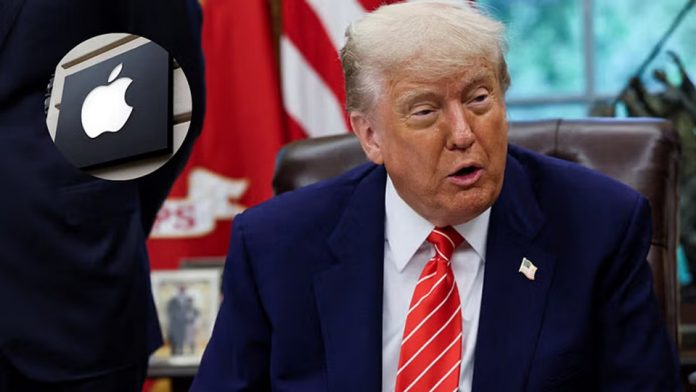
The decision to reinstate package shipments, which had been abruptly halted Tuesday, underscores the confusion surrounding the newly imposed 10% tariff on all Chinese imports, part of an executive order signed by President Donald Trump. The USPS, in a statement on its website, said it was now “working closely” with the Customs and Border Protection (CBP) agency to create an “efficient collection mechanism” for the new tariffs, ensuring that package delivery faces minimal disruption.
A Chaotic Policy Shift Linked to the “De Minimis” Crackdown
The initial suspension of packages followed the elimination of the “de minimis” rule for Chinese imports—a policy that previously allowed packages valued under $800 to enter the US duty-free. This system had been widely used by Chinese e-commerce giants Shein and Temu, allowing them to sell low-cost products directly to American consumers without tariffs.
The sudden reversal suggests pressure from various stakeholders, including possibly major US retailers who both compete with and depend on Chinese suppliers. Notably, Amazon, the world’s largest retailer, has also ramped up its own use of de minimis shipments from China, per SCMP.
Although the USPS did not explain its about-face, the move mirrors the Trump administration’s temporary delay of 25% tariffs on imports from Canada and Mexico. The erratic shifts in trade policy add to the economic uncertainty and further complicate US-China relations, which have become increasingly fraught as both nations escalate tariffs and trade restrictions.
China Reacts With Strong Disapproval and Retaliatory Measures
Before the USPS reversed course, the Hong Kong government issued a statement expressing “strong disapproval” of both the temporary postal suspension and the additional 10% tariffs imposed on Chinese goods.
Beijing also responded aggressively. Chinese Foreign Ministry spokesperson Lin Jian condemned the US move, saying: “We urge the United States to stop politicizing trade and economic issues and using them as tools, and to stop the unreasonable suppression of Chinese companies.”
In retaliation, China announced counter-tariffs ranging from 10% to 15% on select US imports, set to take effect on Monday, February 10. Among the affected goods are:
15% tariffs on coal and liquefied natural gas
10% tariffs on crude oil and agricultural machinery
Additionally, Beijing introduced export controls on strategic metals, such as tungsten—a key material for industrial and defense applications—and tellurium, used in solar panel production.
China also took regulatory action, launching an anti-monopoly investigation into Google and adding US companies to its entity list. The companies include Illumina, a leading US biotechnology firm, PVH Corp, the parent company of Calvin Klein and Tommy Hilfiger.
Amazon’s Silent Role
While it remains unclear what exactly prompted the USPS’s quick reversal, some observers speculate that corporate lobbying may have played a role—particularly from Amazon, which has a complicated relationship with Chinese e-commerce platforms.
Amazon has faced mounting competition from Shein and Temu, both of which heavily rely on the de minimis exemption to avoid US import duties. However, Amazon itself has increasingly utilized the same loophole to ship Chinese-made products to American consumers.
Adding to speculation is the fact that Amazon reportedly donated $1 million to Trump’s 2017 inauguration, and its founder Jeff Bezos was given a prime seat at the ceremony. While Bezos and Trump later had a public falling-out, Amazon remains deeply embedded in the global supply chain, making any disruption in US-China trade logistics a potential concern for its business model.
Will This Escalate Into a Full-Blown Trade War?
The sudden USPS reversal, coupled with broader tariff moves, raises questions about whether Trump’s trade policies are leading to a larger economic confrontation with China.
Julian Evans-Pritchard, a China analyst at Capital Economics, noted that China’s countermeasures appear restrained compared to US tariffs.
“The measures are fairly modest, at least relative to US moves, and have clearly been calibrated to try to send a message to the US,” he said.
Nonetheless, analysts warn that the policy shifts are creating uncertainty for businesses, especially with Trump previously threatening to impose 60% tariffs on all Chinese imports.
According to Capital Economics, Trump’s 10% tariffs affect $450 billion worth of Chinese goods, whereas China’s countermeasures impact only $20 billion in annual US exports. This disparity suggests that Beijing may be holding back on more severe economic retaliation, possibly leaving room for negotiation or future escalation.
Trump’s long-standing negotiation strategy involves ratcheting up pressure before striking a deal, and his latest tariff moves may be part of that playbook. However, it is unclear whether these tactics will yield meaningful concessions from Beijing or simply provoke a deepening trade war.
For now, the resumption of Chinese package shipments highlights the instability of US trade policies—and leaves businesses, consumers, and governments guessing what will happen next.