DD
MM
YYYY

PAGES

DD
MM
YYYY

spot_img

PAGES

Home Blog Page 24

Canada Stated it has No Plans for Free Trade Agreement with China

0

Recent developments involve a limited, sector-specific trade agreement or preliminary deal between Canada and China, and Canada has explicitly stated it has no intention of negotiating a broader free trade pact.

Earlier in January 2026, Canada and China reached a deal that reduces tariffs in specific areas. This includes Canada lowering tariffs on a quota of about 49,000 Chinese electric vehicles (EVs) to around 6% removing a previous 100% surtax, alongside Chinese concessions like reduced tariffs on Canadian canola and visa-free travel for Canadians.

This is not a full free trade agreement (FTA) but a targeted tariff-reduction pact. U.S. President Donald Trump threatened to impose 100% tariffs on all Canadian goods entering the U.S. if Canada proceeds with or makes any significant “deal with China.”

This appears tied to concerns over China gaining indirect access to the U.S. market through Canada, potentially undermining U.S. tariffs on Chinese goods similar to past USMCA/CUSMA tensions.

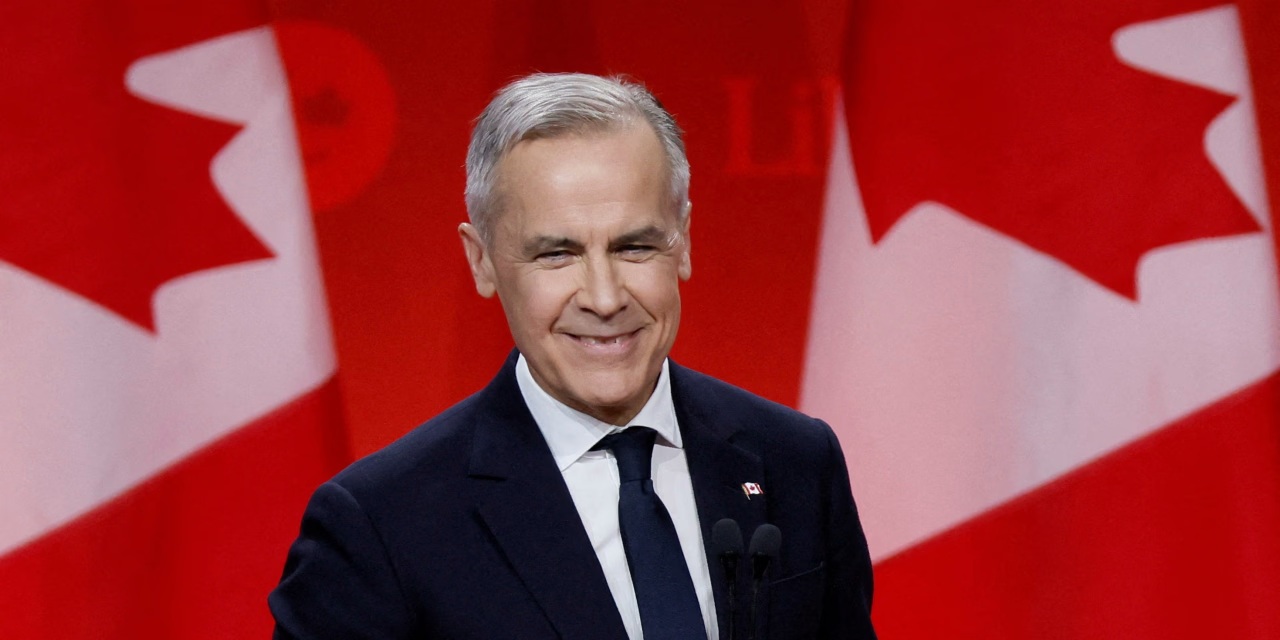
Canadian Prime Minister Mark Carney stated clearly on January 25-26, 2026, that Canada has “no intention” of pursuing a free trade deal with China. He described the recent agreement as limited and not a broad FTA, emphasizing it’s consistent with existing trade frameworks like the USMCA (formerly NAFTA).

This came directly in response to Trump’s threats, effectively ruling out escalation to a full FTA. Canada isn’t abandoning an existing or imminent full FTA because one wasn’t on the table. They’re clarifying no such pursuit exists, likely to de-escalate U.S. tariff risks.

This reflects ongoing trade tensions in North America, with Trump using tariff leverage to influence allies’ dealings with China.

Canada had imposed a 100% surtax (additional duty) on Chinese-made electric vehicles (EVs), on top of the standard most-favoured-nation (MFN) tariff rate. This effectively made the total duty around 106.1% or higher in practice, mirroring or aligning with U.S. measures to restrict Chinese EV imports.

New arrangement

Under the preliminary agreement, Canada will allow a limited quota of Chinese EVs to enter at a significantly reduced rate:Annual quota: Up to 49,000 Chinese-made EVs initially some reports note this quota may increase over time, but 49,000 is the starting cap mentioned.

Tariff rate within quota: Reduced to the standard MFN rate of 6.1% essentially removing the 100% surtax for these units. Vehicles exceeding the quota would likely still face the higher tariffs/surtax, though specifics on over-quota treatment aren’t detailed in public announcements.

This change makes select Chinese EVs like models from BYD, NIO, or others like the Lotus Eletre produced in China much more price-competitive in Canada, potentially cutting landed costs by nearly half in some cases due to the tariff slash.

The EV provision is part of a broader, limited trade reset that includes reciprocal concessions from China, such as: Lowering tariffs on Canadian canola seed to a combined rate of approximately 15% by March 1, 2026 down from previous retaliatory rates around 84% or higher.

Expected visa-free travel for Canadian citizens to China. This is not a comprehensive free trade agreement (FTA) but a targeted, sector-specific deal focused on EVs, agri-food like canola, energy, and people-to-people ties.

Prime Minister Mark Carney has reiterated that Canada has no intention of pursuing a full FTA with China, especially amid U.S. President Trump’s threats of 100% tariffs on all Canadian goods if deeper ties proceed.

The deal aims to reset strained Canada-China relations stemming from past disputes over tariffs, Huawei, and more while staying within existing frameworks like the USMCA to minimize U.S. backlash. Implementation details like exact quota allocation, eligible models, or timelines beyond the initial cap may evolve through further negotiations.


Market Pauses on SOL and SHIB While ZKP Pushes 190M Tokens Into Circulation Every 24 Hours

0
zkp

Crypto markets are entering a measured phase where follow-through has been limited, and conviction remains selective. Recent Solana price prediction discussions have cooled as SOL trades near key support after a volatile start to the month. Meanwhilem Shiba Inu price prediction chatter reflects a similar slowdown as SHIB consolidates below recent highs. Instead of sharp moves, price action across large-cap names has compressed.

In this environment, the conversation around the best crypto to buy is shifting. Rather than reacting to intraday candles, some participants are examining how projects structure access, distribution, and participation during quieter market phases.

That change in focus has brought renewed attention to Zero Knowledge Proof (ZKP), which is advancing a daily, on-chain distribution model that contrasts with the current hesitation seen in SOL and SHIB.

Solana Holds Key Ground as Activity Metrics Stay Elevated

Solana’s recent pullback has refocused attention on structural levels rather than momentum. SOL has hovered near the $130 zone, a level many traders now see as pivotal in Solana price prediction models. A hold above this area has historically supported recovery attempts, while a break would likely weaken near-term confidence.

Beyond price, network metrics remain notable. Roughly 70% of the circulating SOL supply is currently locked to support network operations, representing close to $60 billion in value. This has reduced liquid supply and strengthened network security, even as short-term price action remains cautious. Analysts also point to stabilization signals from trend indicators that often precede either consolidation or a directional move.

For now, Solana sits in a wait-and-see phase. While long-term projections remain ambitious, near-term Solana price prediction frameworks emphasize support defense and volume confirmation before any sustained upside can be considered. This pause has left room for alternative narratives to gain traction.

Shiba Inu Trades Defensively as Leverage & Flows Cool

Shiba Inu has also shifted into a more defensive posture following its early-January advance. SHIB is trading near $0.00000793, down from the $0.00001008 peak that marked the top of its recent rally. From a Shiba Inu price prediction perspective, this move has placed the token back below mid-range Fibonacci levels, forcing buyers to defend nearby support.

Derivatives data reflect this caution. Open interest, which previously exceeded $500 million during peak speculation, has contracted sharply to around $88.5 million, indicating that leverage has largely unwound. Spot flow data reinforces this tone, with recent readings showing approximately $609,700 in net outflows, suggesting sellers remain active during rebounds.

Technically, the immediate support band between $0.00000793 and $0.00000759 is now critical. A failure there could expose $0.00000682, while a recovery would require a reclaim of $0.00000806 and sustained acceptance above the $0.00000868–$0.00000875 zone. As with SOL, Shiba Inu price prediction discussions currently favor consolidation over acceleration.

ZKP Pushes 190M Tokens Into Circulation Every 24-Hour Cycle

Zero Knowledge Proof is drawing attention for how participation is structured rather than how the price changes day to day. ZKP operates a daily, on-chain presale auction that releases 190 million ZKP every 24 hours through a proportional contribution model. There are no fixed prices, private allocations, or preferential access, and tokens are claimable immediately after each auction window closes.

Alongside this mechanism, ZKP is running a $5 million USD giveaway, with 10 winners receiving $500,000 worth of ZKP each. Entry requirements emphasize engagement: holding ZKP, following official channels, sharing the giveaway, and referrals. For people looking for the best crypto to buy, this time-bound structure and transparent access have become part of the appeal during a low-momentum market.

ZKP is designed as a Substrate-based Layer 1 supporting both EVM and WASM execution. It uses zero-knowledge proofs to verify off-chain computation on-chain, enabling complex workloads to be validated without exposing underlying data. Dedicated hardware devices known as Proof Pods perform these computations and generate proofs.

Proof Pods earn ZKP only when tasks are validated. Rewards are calculated using the previous day’s auction reference price, creating a consistent and transparent payout framework. A level-based model determines earning capacity, with higher levels generating proportionally higher rewards tied directly to verified work.

Transparency is central to the system. Every task, proof, and ZKP reward is verifiable on-chain. Users can monitor task history, real-time compute metrics, daily uptime, rewards by level, and upgrade impact through a personalized dashboard and device interface. This visibility is increasingly cited by participants comparing ZKP with other options when weighing the best crypto to buy in a cautious market.

Why Attention Is Shifting

The contrast between consolidation in established assets and structured participation models is becoming clearer. Solana and Shiba Inu price prediction narratives both point to patience, not momentum. In parallel, ZKP’s defined timelines, daily distribution, and verifiable mechanics offer a different way to engage.

As markets reassess risk and timing, the debate around the best crypto to buy is broadening beyond short-term charts. Instead of chasing breakouts, some participants are focusing on how projects operate during quieter phases. Whether SOL and SHIB eventually resume trend moves or extend consolidation, ZKP’s 200M-per-day structure has positioned it firmly within that evolving conversation.

Website: https://zkp.com/

Auction: https://auction.zkp.com/

X: https://x.com/ZKPofficial

Telegram: https://t.me/ZKPofficial

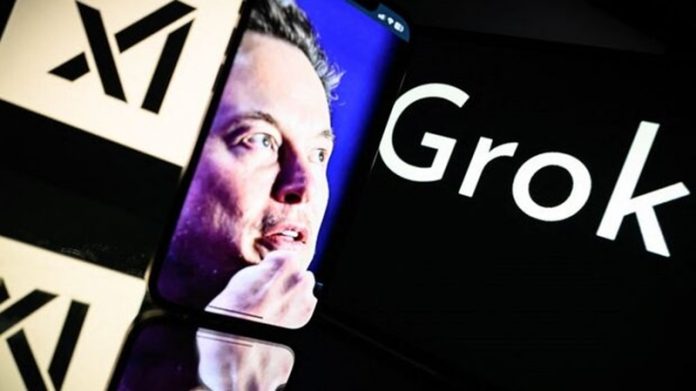
EU opens fresh probe into X over Grok AI risks, deepens scrutiny under Digital Services Act

0

The European Commission has launched a new formal investigation into X, escalating regulatory pressure on the Elon Musk-owned platform over the deployment of its artificial intelligence tool Grok and the risks it poses to users in the European Union.

In a statement, the Commission said the new probe will examine whether X properly assessed and mitigated the risks linked to the rollout of Grok’s functionalities on its platform in the EU. Regulators are particularly concerned about the dissemination of illegal content, including manipulated sexually explicit images, some of which could amount to child sexual abuse material.

“These risks seem to have materialized, exposing citizens in the EU to serious harm,” the Commission said, signaling that its concerns are no longer theoretical but grounded in observed outcomes on the platform.

As part of the new proceedings, the Commission will assess whether X has complied with its obligations under the Digital Services Act to diligently identify and mitigate systemic risks. These include the spread of illegal content, negative effects linked to gender-based violence, and serious consequences for users’ physical and mental well-being arising from the deployment of Grok’s features.

The investigation will also examine whether X conducted and submitted an ad hoc risk assessment report to the Commission before deploying Grok functionalities that significantly altered the platform’s overall risk profile, as required under EU law.

In parallel, the Commission said it has expanded its existing investigation, opened in December 2023, into X’s compliance with the DSA’s rules governing recommender systems. That extension will focus on whether X properly assessed and mitigated systemic risks associated with its recommendation algorithms, including the impact of its recently announced switch to a Grok-based recommender system.

If the Commission’s findings confirm its preliminary concerns, X could be found in breach of several provisions of the DSA, including Articles 34 and 35, which set out obligations for very large online platforms to assess and reduce systemic risks, and Article 42, which governs reporting and oversight requirements.

The Commission stressed that the opening of formal proceedings does not prejudge the final outcome, but said the investigation will be treated as a priority.

The probe is being conducted in close coordination with Coimisiún na Meán, Ireland’s media regulator, which serves as the Digital Services Coordinator for X as the platform’s EU country of establishment. Under the DSA, the Irish authority will be formally associated with the investigation, reflecting the EU’s cross-border enforcement framework.

As part of its next steps, the Commission said it will continue gathering evidence, including through additional requests for information, interviews, and inspections. It also signaled that interim measures could be imposed if X fails to make meaningful adjustments to its service during the investigation.

The formal proceedings give the Commission broad enforcement powers. These include the ability to issue a non-compliance decision and impose further fines, or to accept commitments offered by X to address the concerns identified. Once proceedings are opened, national regulators in EU member states are relieved of their own enforcement powers in relation to the suspected infringements, centralizing oversight at the EU level.

Grok, developed by X’s AI arm, has been integrated into the platform in multiple ways since 2024, enabling users to generate text and images and to receive contextual information related to posts. As a designated very large online platform under the DSA, X is subject to the bloc’s strictest obligations, including the duty to assess and mitigate risks related to illegal content and threats to fundamental rights, particularly those affecting minors.

The new investigation builds on a wider enforcement action that has already seen X penalized under the DSA. On 5 December 2025, the Commission adopted a non-compliance decision against the platform, imposing a €120 million fine over deceptive design practices, lack of advertising transparency, and insufficient data access for researchers. The broader December 2023 proceedings also cover X’s notice-and-action mechanisms and its handling of illegal content, including terrorist material.

In September, the Commission sent X a detailed request for information related to Grok, including questions about antisemitic content generated by the Grok account in mid-2025, highlighting growing regulatory unease about the AI tool’s outputs.

European officials have framed the latest move as part of a broader effort to ensure that AI deployment does not come at the expense of fundamental rights.

“Sexual deepfakes of women and children are a violent, unacceptable form of degradation,” said Henna Virkkunen, the Commission’s executive vice-president for tech sovereignty, security, and democracy. “With this investigation, we will determine whether X has met its legal obligations under the DSA, or whether it treated the rights of European citizens — including those of women and children — as collateral damage of its service.”

Under the DSA, individuals who believe they have been harmed by AI-generated content, including non-consensual intimate images or child sexual abuse material, have the right to lodge complaints with their national Digital Services Coordinator. Support services are also available at the national level for victims of such content.

The case is shaping up as one of the EU’s most significant tests yet of how far the bloc is willing to go in enforcing its landmark digital rulebook against AI-driven features on major platforms, and it could set a precedent for how generative AI systems are governed across Europe.

France Moves to Ban Social Media for Under-15s as Global Trend Accelerates Following Australia’s Lead

0

French President Emmanuel Macron has fast-tracked plans to ban children under 15 from using social media, signaling a growing international trend in regulating digital access for minors amid mounting concerns about mental health, online safety, and the influence of global tech platforms.

In a video released Saturday by BFM-TV, Macron said he instructed his government to initiate an accelerated legislative procedure so that the bill could pass the Senate in time to take effect with the start of the new school year in September.

“The brains of our children and our teenagers are not for sale,” he said. “The emotions of our children and our teenagers are not for sale or to be manipulated. Neither by American platforms, nor by Chinese algorithms.”

The move comes as French health authorities continue to warn about the dangers of excessive smartphone use. According to the National Agency for Food, Environmental, and Occupational Health and Safety (ANSES), half of French teenagers spend between two and five hours a day on their devices. Nearly 90% of young people aged 12 to 17 access the internet every day via smartphones, and 58% use social networks regularly.

The agency’s December report highlighted the harmful effects of social media exposure, including lower self-esteem, higher anxiety, and increased vulnerability to content linked to self-harm, drug use, and suicide. Several French families have lodged complaints against TikTok, alleging that the platform’s algorithms contributed to teen suicides.

Macron emphasized that the legislation will create clear and enforceable rules: “We’re banning social networks for under-15s and we’re going to ban mobile phones in our high schools. Clear for our teenagers, clear for families, clear for teachers, and we are moving forward,” he said.

The bill, set for public examination on Monday, aims both to restrict social media use for minors under 15 and to enforce tighter mobile phone regulations in secondary schools.

France is not alone in exploring such measures. The United Kingdom recently signaled it is considering restricting social media access for young teenagers as part of broader online safety reforms. European policymakers are increasingly framing social media restrictions as a public health and child protection issue, rather than solely a technology regulation matter.

Australia’s experience has served as a reference point for France and other countries. Since imposing a ban on children under 16 from accessing social media platforms, Australian authorities have deactivated approximately 4.7 million accounts identified as belonging to minors. The policy has triggered debates over privacy, age verification, mental health, and digital rights, yet officials cite measurable improvements in youth well-being and engagement patterns as evidence of its effectiveness.

social media apps

The apparent success of Australia’s approach has catalyzed similar initiatives in Europe, creating a wave of social media regulation aimed at safeguarding children in the digital age.

Experts note that France’s proposed law also fits into the broader European strategy of asserting sovereignty over digital platforms. Macron framed the bill in terms of protecting citizens from foreign algorithms and the commercial exploitation of young users, aligning with EU-wide efforts to regulate technology, including the Digital Services Act. By emphasizing local rules and ethical considerations, France seeks to establish a model of child-centered regulation that other countries may emulate.

Implementation challenges remain, including robust age verification, enforcement mechanisms, and potential legal challenges over privacy and digital rights. Nonetheless, policymakers in France are moving decisively, reflecting a growing consensus that unrestricted social media access for teenagers is increasingly incompatible with public health and education priorities.

With the French bill poised to take effect in September, the global trend toward social media restrictions for teens is accelerating. From Australia to Europe, governments are re-evaluating the balance between digital freedom and child protection, suggesting that Macron’s push may not only reshape France’s schools but also contribute to a broader international shift in how societies regulate youth access to technology.

Nike Cuts 775 U.S. Warehouse Jobs as Automation Push Reshapes Its Supply Chain

0
Nike shoe

Nike is accelerating a sweeping overhaul of its supply chain, cutting 775 jobs across its U.S. distribution network as it leans more heavily on automation and advanced technology to revive margins and restore growth.

The latest layoffs, centered on large warehouses in Tennessee and Mississippi, deepen a workforce reduction that has become a defining feature of the company’s turnaround under CEO Elliott Hill.

The job cuts, first reported by CNBC, come in addition to the 1,000 corporate roles Nike eliminated last summer. Together, they point to a company retrenching after several years of slowing sales, rising costs, and a strategy shift that left parts of its logistics operation larger and more expensive than current demand can support.

In a statement, Nike said the layoffs primarily affect its U.S. distribution operations and are aimed at “reducing complexity” while building a more flexible and efficient business. The company said it is sharpening its supply chain footprint, expanding the use of automation, and investing in new skills to better serve consumers and athletes.

Behind that explanation lies a deeper strategic reset. Under former CEO John Donahoe, Nike aggressively pursued a direct-to-consumer strategy, prioritizing its own stores and digital platforms over wholesale partners. That approach drove heavy investment in distribution centers and staffing to handle higher volumes shipped directly to customers. As growth cooled and wholesale relationships weakened, those facilities were left with excess capacity.

People familiar with the matter say current volumes no longer justify the staffing levels built up during that period.

Hill, who took over as Nike grappled with shrinking margins and uneven demand, has moved quickly to reverse course. His strategy has focused on repairing ties with wholesale partners, clearing stale inventory, tightening spending, and reigniting product innovation. Distribution and logistics, once scaled for rapid direct sales growth, are now being streamlined to fit a leaner model.

Financial pressure has sharpened the urgency of those moves. When Nike reported earnings for its fiscal second quarter in December, the company said net income had fallen 32%. Management pointed to tariffs, turnaround-related costs, and a slowdown in China, one of Nike’s most important markets. Improving margins has become a central goal, and automation is increasingly seen as a key lever.

While Nike has not detailed the specific technologies being rolled out, its language signals a broader shift toward automated picking, sorting, and inventory management systems that can reduce reliance on human labor. It remains unclear how many total U.S. distribution jobs Nike employs, or how many roles could eventually be affected as automation expands further across its network.

Nike’s actions also sit within a much wider corporate trend. Across retail, logistics, and manufacturing, large employers are cutting warehouse and fulfillment roles as artificial intelligence and robotics move from pilot projects to core operations. Distribution centers, with their repetitive and process-driven tasks, are often at the front line of this transition.

UPS offered one of the clearest examples last year when it announced plans to cut 48,000 jobs, citing increased automation across its facilities. Amazon has steadily deployed robots and AI-driven systems in its warehouses, allowing it to process more orders with fewer workers per unit. Walmart and Target have invested billions of dollars in automated fulfillment centers designed to lower labor costs and speed up delivery times.

For workers and local economies, the shift carries real consequences. Distribution centers are major employers in many regions, particularly in the U.S. South, where states such as Tennessee and Mississippi have attracted logistics hubs with tax incentives and promises of stable jobs. As automation accelerates, those employment bases are becoming less secure, even as companies maintain or expand physical infrastructure.

But the challenge goes beyond cost-cutting for Nike. Automation can deliver efficiency and speed, but it also requires significant upfront investment and careful execution. A misstep could leave the company with expensive systems that fail to deliver expected savings or flexibility if demand patterns change again.

For now, management appears committed to pushing ahead. The 775 job cuts signal that Nike’s turnaround will involve difficult trade-offs, particularly for workers caught in the shift. They also underscore how deeply automation is reshaping corporate America’s supply chains, as even one of the world’s most powerful consumer brands retools its operations for a future that demands leaner costs, faster response times, and fewer hands on the warehouse floor.