DD
MM
YYYY

PAGES

DD
MM
YYYY

spot_img

PAGES

Home Blog Page 2438

Exploring the Solv Protocol 2025 Vision

0

Solv Protocol, a platform focused on enhancing Bitcoin’s utility in decentralized finance (DeFi), aims to bridge traditional finance (TradFi) and crypto by driving institutional adoption of Bitcoin (BTC).

Jing Xiong, a key figure in the Solv team (possibly referred to as “JX_Solv”), has outlined a strategy that involves tokenizing Bitcoin Exchange-Traded Funds (ETFs) and utilizing financial tools like convertible bonds through their Bitcoin Reserve Offerings (BRO). This approach is designed to create a self-reinforcing cycle—or “flywheel”—that accelerates Bitcoin’s integration into institutional portfolios and broader financial ecosystems.

Tokenizing Bitcoin ETFs means transforming these traditionally managed investment vehicles into blockchain-based assets, such as SolvBTC or related liquid staking tokens (LSTs). This process allows institutional investors to gain exposure to Bitcoin’s price movements while leveraging the liquidity, transparency, and flexibility of DeFi. By wrapping BTC ETFs into tokens that can be staked or traded across multiple blockchains, Solv Protocol enables institutions to participate in yield-generating opportunities—something Bitcoin, in its native form, doesn’t inherently support due to its lack of staking mechanics.

The use of convertible bonds through BRO is another key element. BRO, or Bitcoin Reserve Offerings, involves issuing SOLV tokens to raise funds (in the form of convertible bonds) that are then used to acquire BTC for Solv’s protocol-owned reserves. These bonds, set to mature in one year with token claims available in 2026, provide a structured way for institutions to invest in Bitcoin-backed assets. The preliminary plan includes three BROs in 2025 (Q1, Q2, and Q3), each minting 42 million SOLV tokens.

This mechanism not only bolsters Solv’s Bitcoin reserves but also offers institutions a familiar financial instrument—convertible bonds—that can later convert into SOLV tokens, aligning TradFi practices with DeFi innovation.
The “flywheel” Jing Xiong mentions refers to a virtuous cycle: as more BTC is tokenized and institutional capital flows in via ETFs and BRO, Solv’s reserves grow, increasing the protocol’s capacity to offer yield-bearing products like SolvBTC/LST.

This, in turn, attracts more institutional participation, further expanding Bitcoin’s utility and liquidity across DeFi ecosystems. The ultimate goal is to transform Bitcoin from a passive store of value into an active financial asset, appealing to institutions seeking both security and returns.

Users deposit native BTC into Solv Protocol’s custody system, which is secured through decentralized infrastructure (e.g., multi-party computation or MPC wallets) and audited for transparency. In exchange, users receive SolvBTC tokens at a 1:1 ratio (1 BTC = 1 SolvBTC). This ensures SolvBTC remains fully backed by real Bitcoin held in reserve. The process is reversible: users can redeem SolvBTC back into native BTC at any time, subject to the protocol’s withdrawal mechanisms.

These LSTs represent staked SolvBTC and accrue yield over time, derived from strategies like lending, liquidity provision, or participation in Solv’s Bitcoin Reserve Offerings (BRO). For example, staking SolvBTC in a pool might earn users additional rewards in SOLV (Solv’s native token) or other assets, while the LST remains liquid and tradable. Bitcoin Reserve Offerings (BRO) Integration SolvBTC ties into the BRO mechanism, where the protocol raises funds by issuing convertible bonds (in SOLV tokens) to acquire more BTC for its reserves.

Solv Protocol’s 2025 vision, as articulated by Jing Xiong, centers on making Bitcoin more accessible and profitable for institutions by tokenizing BTC ETFs and deploying convertible bonds through BRO. This strategy aims to accelerate adoption and create a self-sustaining momentum in Bitcoin finance.
PromptA – For Academic Purpose

0

This is for an academic purpose.

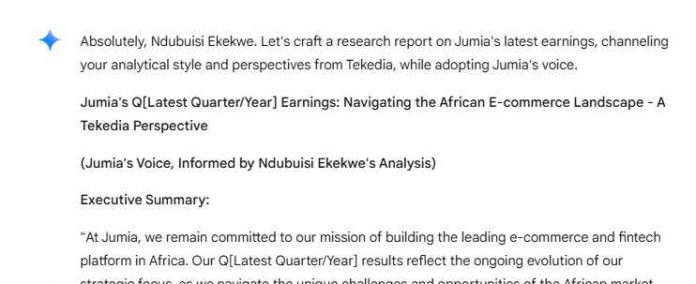
Prompt: I am Ndubuisi Ekekwe, a contributor in Tekedia.com. This is vital information because I want you to understand my previous analysis ofJumia, and the perspectives I write on Tekedia. I want a research report about Jumia’’s latest earnings in the style and voice of Jumia [Tekedia*] that is in line with my previous analysis.

Response using Gemini:

Absolutely, Ndubuisi Ekekwe. Let’s craft a research report on Jumia’s latest earnings, channeling your analytical style and perspectives from Tekedia, while adopting Jumia’s voice.

Jumia’s Q[Latest Quarter/Year] Earnings: Navigating the African E-commerce Landscape – A Tekedia Perspective

(Jumia’s Voice, Informed by Ndubuisi Ekekwe’s Analysis)

Executive Summary: “At Jumia, we remain committed to our mission of building the leading e-commerce and fintech platform in Africa. Our Q[Latest Quarter/Year] results reflect the ongoing evolution of our strategic focus, as we navigate the unique challenges and opportunities of the African market. While we continue to optimize for efficiency and sustainable growth, we acknowledge the importance of contextualizing our performance within the broader economic realities of our operating environments. This report provides a transparent overview of our progress, highlighting key metrics and strategic initiatives.”

Key Highlights & Analysis (Reflecting Ekekwe’s Tekedia Style):

  • “Focus on Unit Economics and Efficiency: Consistent with our strategic pivot, we have continued to prioritize profitability and efficient operations. This is not about chasing vanity metrics like GMV growth at all costs. We are laser-focused on improving our contribution margin and reducing operating losses. As Ndubuisi Ekekwe would emphasize, true value creation lies in building sustainable, resilient businesses, not just chasing fleeting expansion. We are, therefore, focusing on the quality of our customers and transactions, rather than just raw volume. We are seeing results in lower fulfillment expenses, and a more streamlined operation.”
  • “Fintech as a Strategic Lever: JumiaPay remains a critical component of our ecosystem. We are actively expanding its functionalities and integrating it deeper into our e-commerce platform. As Ekekwe has pointed out, fintech is not merely a transactional tool in Africa; it’s a fundamental enabler of economic inclusion. We are building JumiaPay to address the specific needs of our customers, providing secure and convenient payment solutions in a region where financial infrastructure is still developing. We are aware of the competition in the fintech space, and are looking to make JumiaPay a super app for the Jumia ecosystem.”
  • “Logistics and Infrastructure Challenges: Africa’s logistical landscape presents significant hurdles. We are continually investing in our logistics network, optimizing delivery routes, and exploring innovative solutions to overcome infrastructure limitations. As Ekekwe often notes, logistics is the backbone of e-commerce in Africa. We are working to create a reliable and efficient delivery system, recognizing that this is a key differentiator in our markets. We are working to create partnerships, and utilize 3rd party logistics where applicable to lower our costs.”
  • “Market Diversification and Adaptation: Africa is a diverse continent, with varying consumer preferences and economic conditions. We are adapting our strategies to suit the specific needs of each market we operate in. This involves tailoring our product offerings, pricing strategies, and marketing campaigns. As Ekekwe would stress, a one-size-fits-all approach is not viable in Africa. We are building a localized, data-driven approach, and are constantly learning and adapting.”
  • “Consumer Behavior and Trust: Building trust with our customers is paramount. We are investing in initiatives to enhance the customer experience, improve product quality, and address customer concerns. As Ekekwe has highlighted, trust is a critical factor in driving e-commerce adoption in Africa. We are working to build a reputation for reliability and transparency. We are working on increasing customer education, to help them understand the benefits of online shopping.”
  • “The Macroeconomic Context: The current macroeconomic environment, characterized by inflation and currency fluctuations, presents challenges. We are closely monitoring these developments and taking proactive measures to mitigate their impact. We recognize that these factors affect consumer spending and business operations. We are focused on cost management and operational agility to navigate these uncertainties.”

Looking Ahead:

“We remain optimistic about the long-term potential of e-commerce and fintech in Africa. Our focus on sustainable growth, operational efficiency, and customer-centricity will continue to guide our strategic decisions. We are committed to building a robust and resilient business that creates value for our stakeholders and contributes to the economic development of the continent. We will continue to innovate and adapt, leveraging technology and data to better serve our customers and partners.”

Conclusion:

“Jumia is navigating a complex and dynamic market. We are committed to building a sustainable and profitable business that delivers value to our customers, partners, and shareholders. We are learning, adapting, and innovating, and we are confident in our ability to capitalize on the opportunities that lie ahead.”

Note: This report is constructed to reflect Ndubuisi Ekekwe’s analytical style and perspectives from Tekedia, while adopting Jumia’s voice. To enhance this report further, please provide the specific details of Jumia’s latest earnings report (e.g., specific numbers, key metrics, and any specific challenges or successes mentioned). This will allow for a more detailed and accurate analysis.

*this error affected the attribution of the Voice. Ought to be Tekedia’s Voice, not Jumia’s Voice.

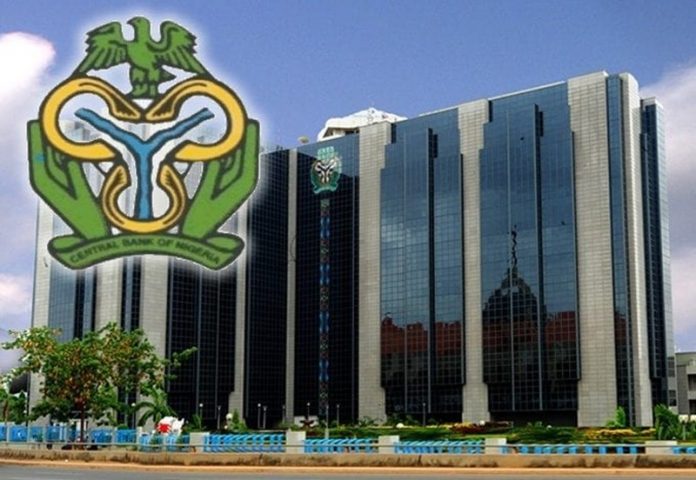
Nigeria Central Bank’s Tight Grip on Monetary Policy Squeezes Private Sector Credit by N1.07tn

2

In an economy of high-stakes monetary policies and stubborn inflation, Nigeria’s private sector credit took a measured tumble of N1.07 trillion (1.41%) in January 2025. The total credit slid to N74.88 trillion, down from N75.90 trillion in November 2024.

This decline echoes the Central Bank of Nigeria’s (CBN) persistent hawkish stance under Governor Yemi Cardoso, whose aggressive policies aimed at taming inflation are now sending ripples through business financing.

Curiously, the CBN did not publish data for December 2024, leaving analysts to piece together the puzzle. The Nairametrics Research Team stepped in, estimating an N536 billion drop in credit from November to December, putting December’s credit at about N75.42 trillion. The absence of official data has only fueled speculation about the broader impact of monetary tightening on Nigeria’s private sector.

For a bit of perspective, credit to the private sector was N76.47 trillion in January 2024. By December, based on estimates, it had slid to N75.42 trillion, a N1.05 trillion (1.38%) dip. This is a far cry from the growth seen earlier when credit surged from N62.54 trillion in December 2023 to a high of N76.48 trillion in January 2024. This credit expansion was a brief but significant chapter, ending when the CBN began its six straight Monetary Policy Rate (MPR) hikes from February 2024 onward.

The CBN’s unyielding rate hikes have set the tone for a tighter credit market, squeezing businesses with high borrowing costs. While the 0.71% month-on-month decline in January 2025 might seem modest, it adds to a broader trend where high interest rates are choking business credit access. Many businesses, especially small and medium enterprises (SMEs), are finding the credit market increasingly hostile, struggling to secure funding for growth and operations.

The credit crunch is not an isolated incident but a symptom of a broader strategy by the CBN to rein in inflation. The M3 money supply, which covers net foreign assets (NFA) and net domestic assets (NDA), has ballooned over the past year, standing at N108.97 trillion in November 2024, climbing to N109.41 trillion in September 2024, and peaking again in January 2025. This growing money supply, juxtaposed with declining private sector credit, highlights a peculiar situation where liquidity is present but not translating into accessible credit for businesses.

The sectoral breakdown of private sector credit tells its own story. The manufacturing sector maintained its lead, grabbing 14.1% of total credit. General commerce followed closely with 13.4%, agriculture took 9.2%, and the finance and insurance sector lagged with 7.3%. While the manufacturing and commerce sectors are soaking up credit, agriculture, and finance remain on the fringes, raising concerns about the distribution of credit and its impact on economic diversification.

Despite the tight credit conditions, Nigeria’s economy managed to post a 3.84% year-on-year growth in real terms in Q4 2024, improving on the 3.46% growth from the previous quarter. The annual real GDP growth rate hit 3.4% in 2024, a boost from 2.74% in 2023. However, the impressive GDP growth contrasts sharply with the private sector credit, which as a percentage of GDP, dropped to 27.81% in 2024 from 33.26% in 2023.

Comparatively, Sub-Saharan Africa reported an 8.19% increase in private sector credit by commercial banks as a share of GDP in 2023, reaching 27.73%. This regional growth underscores a more credit-friendly approach elsewhere, spotlighting Nigeria’s struggle to maintain a healthy credit-to-GDP ratio.

The high borrowing costs have not only slowed business expansion but also affected job creation. SMEs, which are the backbone of the economy, now find it increasingly difficult to survive, let alone thrive, in such a restrictive environment.

As Nigeria’s economy balances on this tightrope, expectations are high for the next CBN’s moves. There are calls for a more measured approach to monetary policy—one that still keeps inflation in check but does not starve the private sector of much-needed credit. The broader concern is that if the tightening continues unabated, the economic gains reflected in the GDP might not translate into tangible growth for businesses and households.

The CBN’s iron grip on the economy through stringent policies might have its merits, but the fallout is becoming increasingly clear. As businesses brace for what lies ahead, the hope is that a more balanced approach will emerge, offering a lifeline to Nigeria’s private sector and, by extension, the economy at large.

Shiba Inu vs. DTX Exchange: Which One Could Mint 10,000 New Millionaires?

0

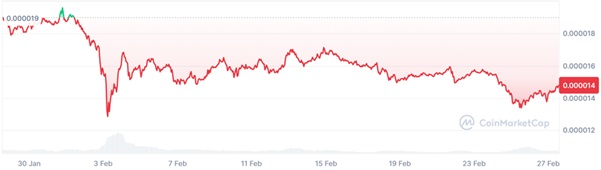
As Shiba Inu (SHIB) continues its roller-coaster price action, investors are scrutinizing its long-term potential versus emerging platforms like DTX Exchange. The SHIB price currently stands at $0.000014, with recent performance showing a 2.44% daily gain despite a concerning 22% monthly decline.

Meanwhile, DTX Exchange’s presale has quietly captured significant attention, with its token price increasing from $0.02 to $0.18 through eight successful stages, suggesting potentially different trajectories for these two crypto assets. With the 2x potential that it has on ROI, it represents a potential good crypto to buy for March.

Shiba Inu vs. DTX Exchange: Millionaire Maker?

Shiba Inu’s explosive growth in 2021 created a wave of crypto millionaires, with early adopters seeing astronomical returns on investments as small as $100. Those days of 10,000x gains now seem distant for SHIB, as the token struggles to maintain momentum in the current market cycle.

Investors now weigh whether SHIB price can rebound to past highs or if rising platforms like DTX Exchange offer the next big wealth-building chance. Unlike meme-driven tokens such as Shiba Inu (SHIB), DTX stands apart as a full-scale trading hub with 120,000+ assets—from stocks and crypto to forex and ETFs—combining blockchain access with real-world utility.

While SHIB mostly stays popular through memes and online buzz, DTX actually helps traders worldwide by using blockchain technology. This real-world usefulness explains why over 720,000 investors have joined DTX’s presale, betting it’s a smarter pick for steady growth compared to hype-driven coins.

The platform’s integration of decentralized and centralized elements positions it as a top crypto to invest in for those seeking substantial returns without relying solely on market speculation.

DTX at $0.18: Outpacing SHIB Price’s 24% Dip

While Shiba Inu has experienced a concerning 24% price decline over the past month, DTX Exchange has demonstrated remarkable presale momentum, advancing from $0.16 to $0.18 in its latest stage, which is a bonus stage because of the high demand for the token.

This contrasting performance highlights the divergent investor sentiment between established meme coins and emerging utility-focused platforms. The current SHIB price action reflects broader market uncertainty, whereas DTX’s continuing upward trajectory signals growing institutional and retail confidence.

Source: SHIB Price, Monthly Chart, CoinMarketCap

DTX Exchange’s current $0.18 valuation represents a strategic entry point for investors seeking exposure to what many consider the best new crypto to invest in within the trading platform sector. With a confirmed listing price of $0.36, early participants stand to 2x their investment upon exchange debut, creating a compelling value proposition.

DTX handles 200,000 transactions per second—outpacing even meme coin chains like Shiba Inu (SHIB)—proving its tech edge over traditional blockchain networks. Fractional multi-asset trading capabilities position DTX as a potential game-changer for investors looking to diversify with minimal capital requirements.

This feature allows users to gain exposure to traditional markets alongside cryptocurrencies, creating unique portfolio opportunities not available through single-asset holdings like SHIB. And the $15.2 million already raised during the DTX presale phases demonstrate substantial financial backing for what market watchers increasingly view as a top crypto coins project with significant upside potential.

DTX’s 800% Presale And 2x Upside Potential

DTX’s presale has jumped 800% (from $0.02 to $0.18), beating most cryptos. Its hot demand led to a bonus phase after the 8th presale round, with investors eyeing big returns before its launch.

The platform offers pro-level trading tools and a “Phoenix Wallet” that lets you manage stocks, crypto, and forex all in one place—something most platforms don’t offer. Unlike hype-driven coins, DTX focuses on real-world uses, not just speculation.

Conclusion

While Shiba Inu remains a recognized name in crypto, the SHIB price is having a hard time, while DTX Exchange’s unique hybrid model and growing investor base signal stronger potential for substantial returns.

With presale gains already reaching 800% and listing set to deliver another 2x increase, DTX positions itself as a compelling contender for creating the next wave of crypto millionaires. If you’re interested in learning more about DTX Exchange, check out the links below.


Learn more:

Visit the DTX Website

Buy Presale

Join the Telegram Community

President Trump Announces US Crypto Strategic Reserve

0

President Donald Trump has announced plans for a U.S. Crypto Strategic Reserve that includes Solana (SOL), Cardano (ADA), and Ripple (XRP). Referencing his January 23, 2025, executive order, “Strengthening American Leadership in Digital Financial Technology,” which directed the Presidential Working Group on Digital Asset Markets to move forward on this initiative. Trump described the reserve as a way to elevate the cryptocurrency industry after what he called “corrupt attacks” by the Biden Administration and pledged to make the U.S. the “Crypto Capital of the World.”

President Donald Trump has announced that Bitcoin (BTC) and Ethereum (ETH) will be included in the U.S. Crypto Strategic Reserve, in addition to the previously mentioned Solana (SOL), Cardano (ADA), and Ripple (XRP). This update came shortly after his initial announcement earlier today, where he specified SOL, ADA, and XRP as part of the reserve, sparking surprise and concern among some crypto enthusiasts, particularly Bitcoin and Ethereum supporters, due to the omission of BTC and ETH.

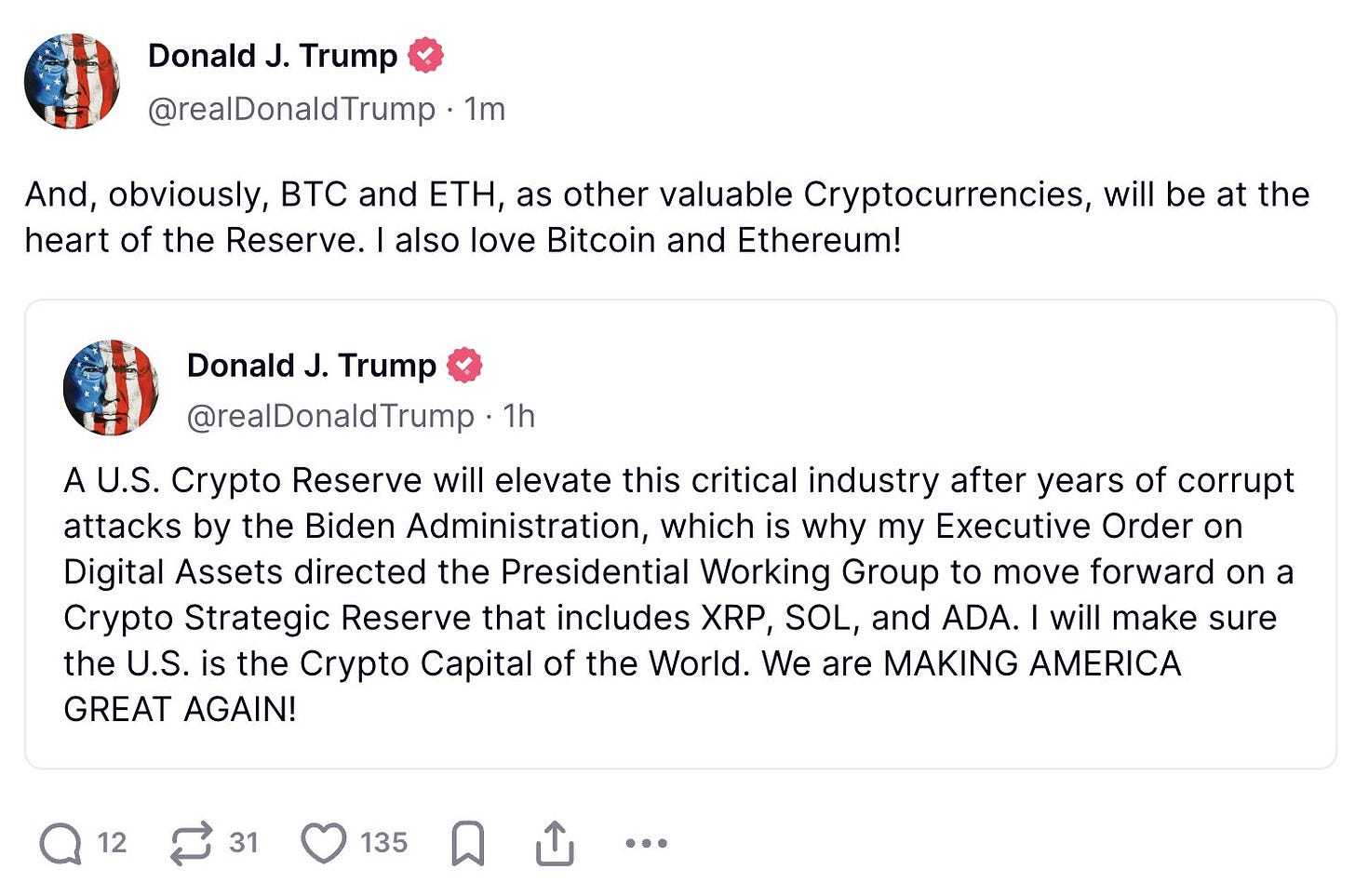
Trump clarified his position in a subsequent statement on X, stating, “And, obviously, BTC and ETH, as other valuable cryptocurrencies, will be at the heart of the Reserve. I also love Bitcoin and Ethereum!” This clarification aligns with his broader pro-crypto stance and addresses the disappointment expressed by some in the crypto community, as seen in posts on X where users speculated that BTC and ETH could not be excluded given their prominence and Trump’s personal and corporate investments in these assets.

This announcement marks a notable development in Trump’s pro-crypto agenda, which has evolved since his 2024 campaign. Previously, he had focused heavily on Bitcoin, promising a “strategic national Bitcoin stockpile” at events like the Bitcoin 2024 conference. However, this latest post omits Bitcoin and instead highlights SOL, ADA, and XRP—cryptocurrencies often associated with U.S.-based innovation or adoption, such as Solana’s high-performance blockchain, Cardano’s research-driven approach, and Ripple’s focus on cross-border payments with XRP.

The market response has been significant: following Trump’s post, SOL surged by about 12.5% to $158, ADA spiked 37% to $0.87 (its highest in nearly a month), and XRP climbed 21% to $2.61 (its highest in over a week). Even Bitcoin, though not mentioned, rose by more than 3% to around $87,445, reflecting broader market enthusiasm for Trump’s crypto-friendly policies.

However, the announcement raises questions. The executive order mentions using cryptocurrencies seized by law enforcement as a starting point, but it’s unclear how the reserve will acquire or manage SOL, ADA, and XRP, especially if the government doesn’t currently hold significant amounts of these assets. The Presidential Working Group, chaired by Trump’s Special Advisor for AI and Crypto, David Sacks, is expected to provide a detailed report by July 2025, which will likely outline the reserve’s structure, funding, and strategic purpose.

Critics, including some economists and former regulators, have expressed skepticism about the viability of a crypto reserve, citing the volatility of these assets and the risk of tying national strategy to speculative digital currencies. Others note that SOL, ADA, and XRP have faced regulatory scrutiny in the past—XRP, for instance, was involved in a long-running legal battle with the SEC over its status as a security, which was partially resolved in 2023 but remains contentious.

Trump’s focus on these specific cryptocurrencies may also reflect political or economic alliances, given his reported meetings with crypto leaders like Ripple’s Brad Garlinghouse and his administration’s emphasis on U.S.-based tech. The omission of Bitcoin, a globally dominant cryptocurrency, has puzzled some in the crypto community, though it could indicate a strategic pivot toward newer, U.S.-centric platforms.