DD
MM
YYYY

PAGES

DD
MM
YYYY

spot_img

PAGES

Home Blog Page 2610

Pepe Coin Price Prediction: Crypto Reports Suggest Buying PEPE Before Surge; Investors Also Buying Chainlink And New Viral Meme Coin Crossing $500K In Presale

0

As the November bull rally commenced on November 5th, Dogecoin emerged as the best memecoin to invest in as it doubled its price in days. However, Pepe soon overtook DOGE and has maintained its price gains. Investors are also investing in Chainlink as more projects integrate its oracles and Yeti Ouro, a new utility memecoin project that analysts believe could be the next golden opportunity.

Pepe And Chainlink Attract Investors For Different Reasons

Pepe and Chainlink have emerged as two of the best investment opportunities in crypto but for completely different reasons. Pepe investors have been investing in the memecoin to capitalize on its parabolic rise in the ongoing bull market. Since the month began, Pepe has gained over 120%, bringing its total gains this year to an incredible 1,500%.

Most impressively, on November 14th, it hit a new all-time high of $0.0000251, taking its market cap to $10.45 billion. Since then, it has been caught in a consolidation pattern that analysts say could propel it to a new all-time high over the coming weeks. This performance has cemented Pepe’s position as the third-largest memecoin after Dogecoin and Shiba Inu and is now three times higher than the next highest memecoin: Bonk.

Chainlink is attracting investors who are seeking more sustained price actions. The project has become one of the most important in the entire industry with its oracles and other interoperability features. Oracles are the foundation of DeFi, as they allow decentralized applications to tap into off-chain data. Without oracles, there are no DeFi, no dApps and no DEXes, and Chainlink is the dominant provider of these important tools.

Chainlink’s oracles and other features, such as the cross-chain interoperability protocol (CCIP), have become integrated into every other major decentralized platform. Even TRON, which previously provided its network with native oracle solutions, discontinued them to integrate Chainlink’s oracles.

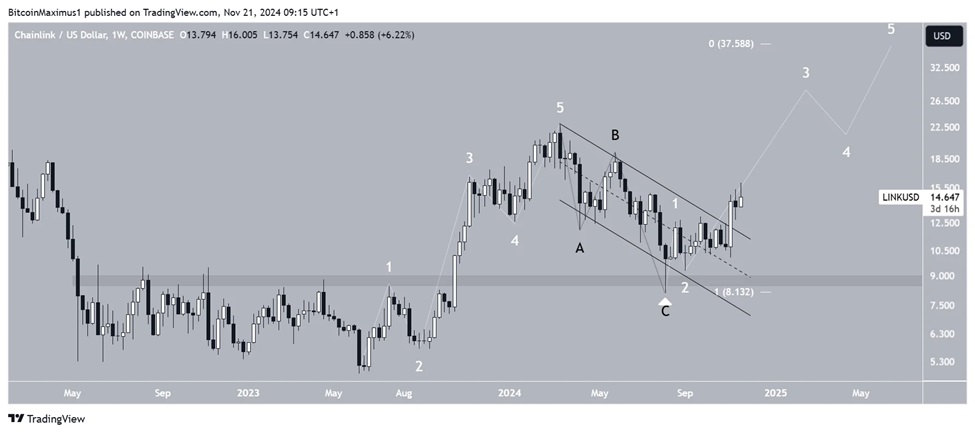
Chainlink’s LINK hasn’t performed as well as its peers, gaining 40% this month and a mere 15% overall this year. However, it recently broke from a descending parallel channel that it has traded in for days, indicating the potential for a bull run.
Viral Memecoin Crosses $500K In Presale

Elsewhere, Yeti Ouro, a new viral utility memecoin that has taken the market by storm, recently crossed the $528,000 mark in its ongoing presale. With its native token, YETIO, going for $0.012 in the first stage of its presale, investors have identified the opportunity to acquire the token at a steep discount before it surges past the $1 mark over the coming year.

The Yeti Ouro team recently released a new video that provides a behind-the-scenes look at the development of Yeti Go, the thrilling play-to-earn racing game. The video, which has revitalized investor interest in the memecoin, introduces the team members and shows the hard work and dedication that has gone into making the game thrilling and engaging.

Yeti Go is built using Unreal Engine, making it immersive and fun to play. Winners of each race receive a reward in YETIO tokens. They also use the token to purchase weapons, trade in-game items, and stake to unlock exclusive rewards. YETIO’s supply is capped at a billion tokens, and 5% is allocated to its token-burning mechanism.


Join the Yeti Ouro Community

Website: https://yetiouro.io/

X (Formerly Twitter): https://x.com/yetiouro

Telegram: https://t.me/yetiouroofficial

Discord: https://discord.gg/YtUsEZ2ZrV

Solana (SOL) Price Targets $400 in 60 Days, While Top Rival Rexas Finance (RXS) eyes a 17060% Rally from $0.09 to $15

0

Once more making news, Solana has surged to $256.62 as of writing and is aiming for the $400 level in the next 60 days as SOL’s momentum builds. Unquestionably, Solana performs with a current market worth of more than $121 billion and a top 5 ranking on CoinMarketCap. Still, within this buzz, a young talent is silently drawing in smart investors: Rexas Finance (RXS).  Priced at $0.09 as of writing, RXS is expected to skyrocket to $15 by 2025—a startling 17,060% growth. This ETH-based DeFi initiative is more than just another token; it’s a revolution in real-world asset (RWA) tokenization that might perhaps outshine Solana’s expansion.

Why Investors Are Flocking to Rexas Finance

Although Solana’s performance is outstanding, her main priorities are minimal fees and fast transactions. Conversely, Rexas Finance is carving out a niche addressing even more of a market: real-world assets. Think real estate, gold, art, and goods—all tokenized and reachable with just a click anywhere. Think about this: While gold adds $121.2 trillion and the art sector brings another $65 billion yearly, the worldwide real estate market is valued at an amazing $379.7 trillion. Rexas Finance is democratizing access to investments long beyond reach for the typical individual by tokenizing these assets. This is not only DeFi; it is the direction of world finance. Currently, in presale stage 7, Rexas Finance is priced at $0.09 as of writing. With about 217 million RXS tokens sold, the presale already generated over $13.7 million as of the time of writing. And it’s accelerating—89.8% of this stage 7 is already filled.

The price will jump 15.11% after it reaches a goal of $16.25 million at the end of stage 7. Early investors are looking at possible returns of nearly 170% before the token even launches at $0.20 on three out of the top 10 tier-1 exchanges in early 2025, Meanwhile, rising solidly among the top 10 cryptocurrencies, market analysts estimate RXS might have a market valuation of $67 billion by 2025. Rexas Finance has followed a community-first strategy unlike many crypto initiatives supported by venture funding. Early adopters should thus have more control and benefits. Already showing openness and real-time tracking, the project has been listed on CoinMarketCap and CoinGecko.

Leading blockchain security company Certik, audited Rexas Finance since security is the priority in cryptocurrencies. For investors, this certification gives still another degree of confidence.  However, Rexas Finance is sponsoring an interesting $1 million giveaway to honor its presale success. Each of the twenty fortunate winners will get RXS tokens valued at $50,000. With almost 279,000 entries thus far, the competition is getting fierce. Participants can raise their chances of winning by finishing projects and distributing the giveaway link.

Rexas Finance Offers Real-World Value In  The Trillion-Dollar Market

Rexas Finance distinguishes itself with practical application. Users of the platform can tokenize their assets without writing one line of code thanks to a Token Builder. Real estate, art, or goods—the process is straightforward and approachable. The Rexas Launchpad also gives fresh ideas to gather money, therefore encouraging DeFi innovation. Being flexible and future-proof, the platform supports several token standards like ERC-20, ERC-721, and ERC-1155. Rexas Finance is positioned to take a sizable portion of the trillion-dollar total available market for RWA tokenizing. RXS is laying the path for a financial revolution by closing the distance between actual assets and blockchain technology.

Why Right Now Is the Ideal Time for Investing?

Solana’s road to $400 is interesting, but the true chance is in the early identification of highly prospective enterprises. At $0.09 as of writing, RXS presents a difficult-to-overlook entry point. The presale is moving fast; once it ends, this pricing will not be accessible once more. Given estimates of $15 by 2025, the possible profits are rather remarkable. Although Solana keeps making news, programs like Rexas Finance will shape DeFi going forward. RXS is a unique prospect because of its emphasis on real-world asset tokenization, open community-first approach, and presale accelerating fast development. Seize your opportunity to join this financial revolution. Rexas Finance will rule the future.


For more information about Rexas Finance (RXS) visit the links below:

Website: https://rexas.com

Win $1 Million Giveaway: https://bit.ly/Rexas1M

Whitepaper: https://rexas.com/rexas-whitepaper.pdf

Twitter/X: https://x.com/rexasfinance

Telegram: https://t.me/rexasfinance

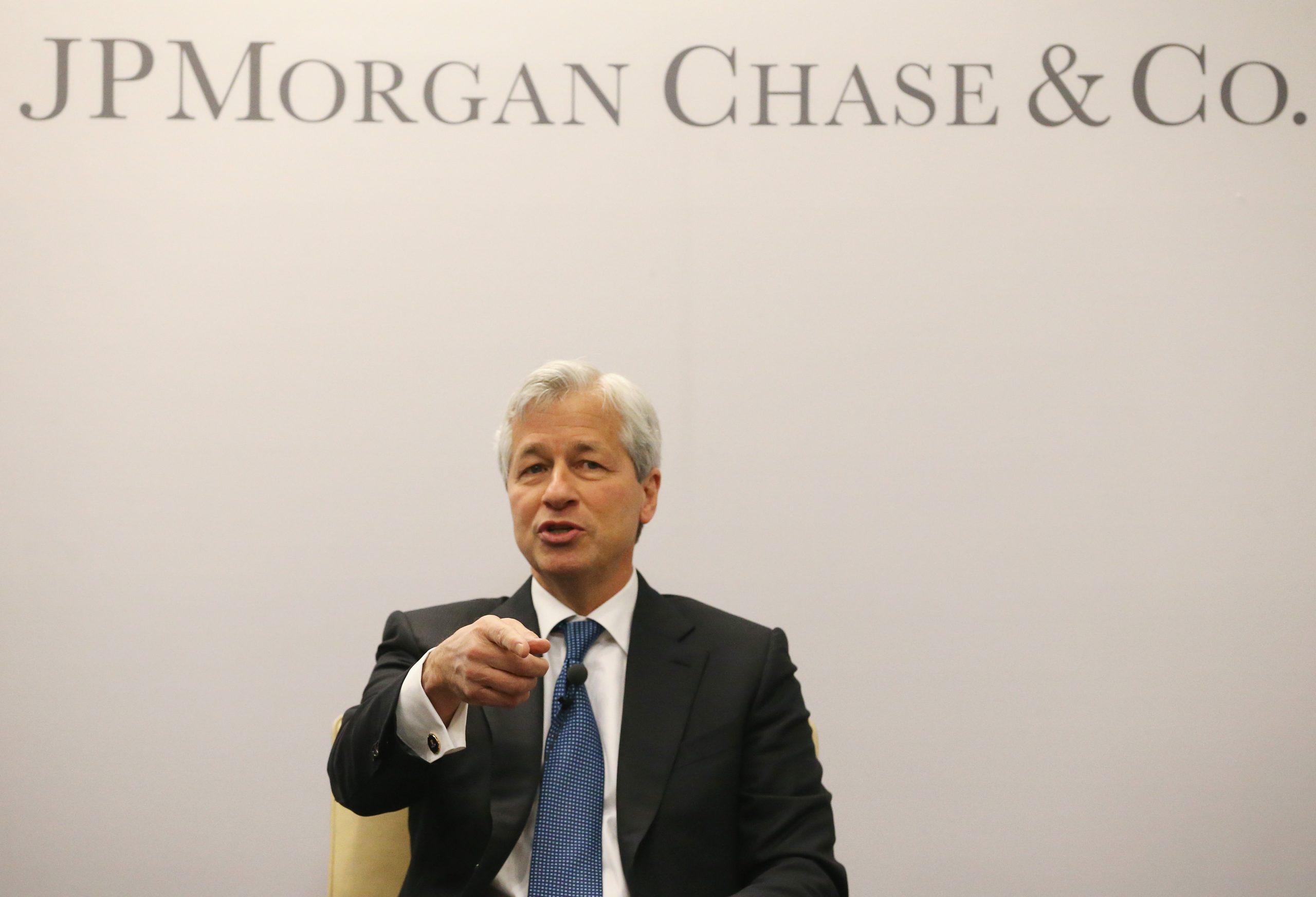
AI Will Enable 3.5 Days Work Week, Help Future Generations to Live 100 Years Old – JPMorgan CEO Dimon

1
JP Morgan Chase puts contents through its CEO account, it goes viral. But the same content via JPMC account, no one cares (WSJ)

JPMorgan CEO Jamie Dimon is embracing the transformative potential of artificial intelligence (AI), countering fears about its negative implications for humanity.

In a Bloomberg TV interview, Dimon discussed how AI could revolutionize work-life balance, productivity, and longevity, even as it presents significant challenges and risks. Dimon suggested that future generations could work a reduced three-and-a-half-day workweek and live significantly longer, potentially reaching 100 years of age, thanks to advancements in AI.

Dimon explained that AI, already in use by thousands of JPMorgan employees, is helping automate tasks across various functions, including error detection, trading, research, and hedging. Highlighting AI as a “living, breathing thing,” Dimon stressed its dynamic nature and long-term transformative power.

He dismissed doomsday predictions: “Technology has always replaced jobs… Your children are going to live to 100 and not have cancer because of technology, and literally they’ll probably be working three and a half days a week,” he said.

Dimon’s prediction aligns with findings from a 2022 McKinsey report that estimated generative AI and other technologies could automate tasks that take up 60% to 70% of employees’ time. This automation could contribute between $2.6 trillion and $4.4 trillion annually to the global economy. The reduced burden of repetitive tasks could lead to shorter workweeks while maintaining productivity.

A real-world example comes from the University of Cambridge, which studied the impact of a four-day workweek on 61 organizations. The study found a 65% reduction in sick days, decreased burnout, and overwhelmingly positive feedback, with 92% of participating companies deciding to retain the shorter work schedule. These findings reinforce Dimon’s vision of AI enabling significant improvements in work-life balance.

Managing Job Displacement

Dimon acknowledged the fears of job loss associated with AI. A Goldman Sachs report estimates that AI could displace 300 million jobs worldwide, with about a quarter of the American workforce at risk. Dimon, however, emphasized JPMorgan’s commitment to mitigating these effects through “redeployment.”

Drawing on JPMorgan’s acquisition of First Republic Bank in 2023, he noted that 90% of the acquired workforce was retained despite transitional roles.

“At First Republic we’ve offered jobs to 90% of people. They accepted, but we also told them some of those jobs are transitory. But we hire 30,000 people a year, so we expect to be able to get them a job somewhere local in a different branch or a different function if we can do that,” Dimon explained. “We’ll be doing that with any dislocation that takes place as a result of AI.”

Addressing the Risks of AI

“Technology has done unbelievable things for mankind, but, you know, planes crash, pharmaceuticals get misused—there are negatives,” he said. Dimon called for regulatory “guardrails” to ensure AI is used responsibly, echoing concerns raised by tech leaders like OpenAI CEO Sam Altman and Apple co-founder Steve Wozniak.

“This one, the biggest negative in my view, is AI being used by bad people to do bad things. Think of cyber warfare,” he said.

The risks of AI misuse are especially pressing in cybersecurity. Malicious actors could leverage AI to conduct sophisticated cyberattacks, posing risks to global security and stability. Dimon emphasized the importance of collaboration between industry leaders and governments to develop effective regulations, even though such frameworks may take time due to the novelty of the technology.

AI’s Broader Economic Impact

Dimon also highlighted AI’s potential to revolutionize industries by reducing costs and enhancing efficiency. For example, McKinsey’s report underscored how automation could unlock billions of dollars in value by streamlining operations across sectors. However, Dimon noted that society must adapt to the disruptions caused by technological advancements.

“People have to take a deep breath,” Dimon said. “Technology has always replaced jobs. Your children are going to live to 100 and not have cancer because of technology, and literally they’ll probably be working three and a half days a week.”

A Historical Perspective

Dimon’s projections echo earlier predictions by renowned economist John Maynard Keynes, who in 1930 envisioned a 15-hour workweek due to technological advancements. While this vision has yet to materialize—the current average workweek in the UK is 36.4 hours—AI’s rapid development brings society closer to realizing Keynes’s predictions.

As AI continues to evolve, its impact on industries, work culture, and society at large will be profound. For Dimon and JPMorgan, the focus remains on leveraging AI to enhance productivity, improve employee well-being, and create sustainable opportunities.

Navigating Ontario’s Traffic Laws: Protecting Your Rights and Driving Privileges

0

Ontario’s traffic laws are designed to ensure safety and accountability on the roads, but their complexity often leaves drivers feeling overwhelmed. Despite their efforts to follow regulations, many motorists face charges that can have serious financial and legal consequences. Understanding these laws and knowing when to seek professional assistance is vital to protecting your rights and minimizing the impact on your life.

The Costly Consequences of Driving Offences

One of the most common yet severe infractions is driving without valid insurance. A no insurance ticket in Ontario carries significant penalties. For first-time offenders, fines range from $5,000 to $25,000, along with a 25% victim surcharge. Repeat offences can see penalties soar to $50,000, compounded by potential license suspensions for up to one year and vehicle impoundment. Beyond the legal repercussions, drivers face long-term challenges such as steep insurance premiums or even denial of coverage.

According to the Ontario Ministry of Transportation, over 500,000 traffic-related charges were issued last year. These statistics highlight the prevalence of violations and the need for drivers to understand their legal rights. Many are unaware that effective legal representation can often result in reduced penalties or dismissed charges, emphasizing the value of professional guidance.

Why Professional Representation Matters

Handling traffic offences without expert assistance is a risky endeavor. Ontario’s legal system is intricate, and prosecutors are adept at building cases to secure convictions. For offences like impaired driving, careless driving, or driving without insurance, the stakes are high. A conviction can lead to fines, demerit points, license suspensions, and even a criminal record, affecting not just your driving privileges but also your personal and professional life.

Legal experts, such as Traffic Paralegal Services, specialize in traffic-related offences and provide tailored support to clients. These licensed professionals focus on understanding the nuances of Ontario’s traffic laws and identifying weaknesses in the prosecution’s case. Procedural errors, insufficient evidence, or missteps during traffic stops are common areas where skilled representation can make a difference. By leveraging their expertise, legal professionals can negotiate for reduced fines, fewer demerit points, or outright dismissal of charges.

The Role of Traffic Paralegals in Ontario

Traffic Paralegal Services offer a cost-effective and specialized alternative to traditional lawyers. Paralegals are licensed and regulated to provide legal advice and representation in specific areas, including traffic law. Their expertise in traffic offences allows them to guide clients through the complexities of the legal process while ensuring compliance with procedural requirements.

Accumulating demerit points or facing long-term penalties like license suspensions can significantly disrupt a driver’s life. For example, losing driving privileges may affect employment or family responsibilities. Certain convictions can also result in a criminal record, which can have far-reaching implications. Paralegals help mitigate these risks by presenting robust defenses, ensuring proper filing of court documents, and adhering to strict timelines to prevent automatic convictions.

Benefits of Professional Legal Assistance

Studies underscore the effectiveness of professional representation. Research from the Traffic Injury Research Foundation reveals that drivers with legal counsel are more likely to see charges reduced or dismissed compared to those who represent themselves. This statistical evidence reinforces the importance of having an experienced advocate on your side.

Additionally, the stress of handling legal proceedings can be daunting. From court appearances to interactions with prosecutors, the process is emotionally taxing. Engaging a professional not only improves your chances of a favorable outcome but also alleviates the stress of managing the case alone.

Practical Steps to Protect Your Driving Record

Beyond representation in court, legal experts can advise drivers on proactive steps to mitigate the impact of charges. For instance, enrolling in driving courses demonstrates a commitment to safer driving and may positively influence court outcomes. Maintaining a clean driving record is crucial, as it affects insurance premiums, employment opportunities, and overall freedom.

Investing in professional legal assistance may seem costly upfront but often results in significant savings by reducing fines, preserving driving privileges, and preventing skyrocketing insurance rates. Legal experts ensure your case is handled with the attention and skill it deserves, safeguarding your rights and future.

Protecting Your Rights in Ontario

Facing a traffic offence in Ontario is a serious matter. The aggressive stance of prosecutors and the complexity of traffic laws make it challenging for individuals to navigate the legal system effectively. Professional legal services, such as Traffic Paralegal Services, offer invaluable support in addressing these challenges.

By seeking expert assistance, you can ensure that your rights are protected and that your case is presented in the best possible light. Whether you are dealing with a no insurance ticket, demerit points, or other traffic violations, the guidance of a skilled legal professional can make all the difference.

Nigeria’s Manufacturing Sector Plummets to 3.62% in Q3 2024

0
In Soulmate Factory with Founder

Nigeria’s manufacturing sector is grappling with an unprecedented downturn, as its nominal year-on-year GDP growth nosedived by 90.11% in the third quarter of 2024.

The sector’s growth plummeted from 36.59% in Q3 2023 to a dismal 3.62% in Q3 2024, underlining the severity of challenges confronting manufacturers. This data, highlighted in the National Bureau of Statistics (NBS) latest Gross Domestic Product (GDP) report, underscores the sector’s struggle to navigate recent economic reforms introduced by President Bola Tinubu.

While the sector recorded a quarter-on-quarter growth of 31.67% in nominal terms, its contribution to nominal GDP declined to 14.30%, down from 16.18% in the same quarter of the previous year.

The report further noted that the nominal GDP growth in manufacturing, although marginally higher than the preceding quarter’s 1.91%, reflects systemic weaknesses in the sector. Real GDP growth in manufacturing was reported at 0.92%, slightly better than the 0.48% recorded in Q3 2023 but lower than the 1.27% achieved in Q2 2024.

The real contribution of manufacturing to GDP also showed a decline, standing at 8.21%, compared to 8.42% in Q3 2023 and 8.46% in Q2 2024.

The NBS data paints a bleak picture of the sector, which comprises thirteen key sub-sectors, including oil refining, cement, food, beverages and tobacco, textiles, chemicals, and motor vehicle assembly. These sub-sectors, traditionally viewed as engines of industrial growth, now face stagnation or decline. The food, beverages, and tobacco sub-sector, often a robust contributor to manufacturing output, showed limited momentum, exacerbating the sector’s overall weak performance.

The sharp decline in manufacturing GDP growth highlights the persistent and interconnected challenges undermining Nigeria’s industrial output. Limited access to foreign exchange is one of the critical issues, severely affecting manufacturers’ ability to import raw materials and maintain operations.

The shortage of forex, coupled with the naira devaluation, has led to skyrocketing production costs, making local goods less competitive both domestically and in export markets. Compounding these issues are infrastructural deficiencies, particularly in power supply. Many manufacturers rely on diesel generators due to unreliable electricity, significantly inflating production expenses.

The impact of these structural challenges is evident in industrial capacity utilization rates, which have steadily declined. This reduction has broader implications, including job losses and a stifling of export diversification efforts—two critical areas for Nigeria’s economic stability.

The sector’s struggles have been mirrored by the fate of several companies. According to the Manufacturers Association of Nigeria (MAN), 767 manufacturing companies shut down operations, while 335 others were classified as distressed in 2023.

The challenges facing the sector are not new, but their intensification in recent years has reached unprecedented levels. Odiri Erewa-Meggison, Chairman of the Export Promotion Group within MAN, described this period as the most challenging in the history of the manufacturing sector. Her remarks underline the sense of crisis among industry stakeholders.

The persistent inflationary pressures have not only eroded consumer purchasing power but also dampened demand for manufactured goods, creating a vicious cycle of reduced revenues and operational strain for manufacturers.

Earlier this year, MAN projected a tough start for the manufacturing sector in 2024, with expectations of improvement in the latter half of the year. However, the Q3 data indicates that these anticipated gains have yet to materialize, underpinning the need for urgent and effective policy interventions.

Segun Ajayi-Kadir, Director General of MAN, has stressed the importance of implementing policy stimuli and fostering domestic growth through export-oriented strategies. According to him, enhancing the sector’s resilience and ensuring steady growth requires a synthesis of targeted trade policies and infrastructure development.

Beyond the numbers, it is believed that the manufacturing sector’s plight illustrates the deep structural flaws in Nigeria’s economic framework. For instance, reliance on imported raw materials not only inflates costs but also exposes the sector to global supply chain disruptions. Similarly, the inadequacy of transport infrastructure hampers distribution networks, increasing the cost and inefficiency of moving goods to market.

Economists have advocated potential solutions, which require coordinated efforts from both the public and private sectors. They are as follows:

First, stabilizing the power supply is essential to reduce reliance on expensive alternatives like diesel generators. Power sector reforms that prioritize renewable energy and grid expansion could significantly lower production costs. Secondly, forex reforms are crucial to improving manufacturers’ access to foreign currency, allowing for smoother importation of raw materials. Enhancing export incentives and establishing trade agreements could also help manufacturers gain a foothold in international markets.

Furthermore, investing in infrastructure, such as transport and logistics networks, would ease the movement of goods and reduce production costs. On the policy front, reducing import dependency by promoting local sourcing of raw materials could create more resilient supply chains. Tax incentives and low-interest loans for manufacturers could provide much-needed financial relief, allowing them to scale operations and invest in technology.