DD
MM
YYYY

PAGES

DD
MM
YYYY

spot_img

PAGES

Home Blog Page 2614

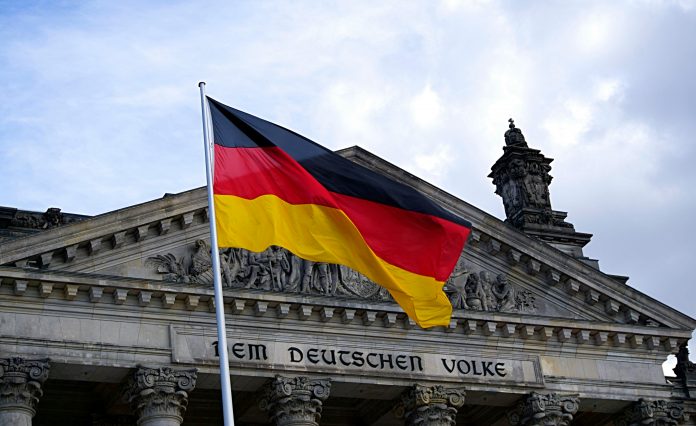
Germany Rejects European Commission Warning on Spending Initiatives, as Russia Expels Two German ARD Employees

0

Germany’s stance on its spending plans has been a topic of significant discussion, particularly in light of the European Commission’s warning. The German Finance Ministry has expressed confidence in its fiscal strategy, emphasizing its commitment to adhering to the new EU fiscal rules designed to enhance the sustainability of public finances.

Despite the European Commission’s assessment that Germany’s cumulative spending might exceed agreed limits, the German government has underscored that any projected excess is minimal. Moreover, the necessity for a new budget draft for 2025 by the new German government has been highlighted, considering the previous draft was only approved by the Cabinet and not passed by parliament due to a coalition collapse over economic policy disagreements.

The EU’s fiscal regulations, which mandate member states to keep their deficit below 3% of GDP and debt below 60% of GDP, have undergone reforms aimed at bolstering economies and ensuring long-term fiscal health. These reforms include the submission of multi-annual spending plans to the commission, a move towards greater financial resilience.

Germany’s position is particularly noteworthy given its historical advocacy for strict spending limits, a stance typically shared with other wealthier EU members like Austria and the Netherlands. This contrasts with the perspectives of some southern EU countries, which have often favored more flexible spending approaches.

The situation underscores the complex interplay between national sovereignty and collective fiscal responsibility within the EU framework. Germany, traditionally an advocate for strict spending limits, finds itself at a crossroads, balancing its own economic priorities with the broader objectives of the EU.

The German Finance Ministry’s response to the European Commission’s warning is not merely a matter of budgetary figures; it is a statement of intent. By emphasizing its dedication to the new EU fiscal rules, Germany is signaling its willingness to engage in constructive dialogue while maintaining its fiscal autonomy.

The current discourse around Germany’s fiscal policy reflects the tension between maintaining fiscal discipline and addressing immediate economic challenges, a balancing act that has significant implications for the entire European Union.

This fiscal debate comes at a time when the EU is still grappling with the economic aftermath of the COVID-19 pandemic and the ongoing conflict between Russia and Ukraine. These challenges have strained the finances of even the most frugal EU countries, highlighting the need for flexibility and resilience in economic planning.

Germany’s approach to the EU’s fiscal guidelines reflects a broader trend of re-evaluating financial policies in light of recent global events. The country’s position also raises questions about the future of EU fiscal governance and the balance between collective rules and individual member state discretion.

As the EU continues to reform its debt and deficit rules, member states are required to submit multi-annual spending plans to the Commission. This process aims to fortify European economies and ensure the long-term sustainability of public finances. Germany’s current fiscal stance is a pivotal part of this ongoing narrative, as it navigates the dual objectives of national economic stability and EU fiscal solidarity.

The outcome of Germany’s budgetary discussions will have significant implications for the EU’s financial landscape. It will set a precedent for how member states can assert their fiscal policies while remaining committed to the collective economic goals of the Union. As such, the eyes of Europe and the world remain fixed on Germany’s next move in this intricate fiscal dance.

Russia Expels Two German ARD Employees

In a significant development in international relations, Moscow has taken the step of expelling two employees from the German public broadcaster ARD. This move comes as a retaliatory measure following Germany’s actions towards two Russian journalists. What remains clear is that the freedom of the press and the ability of journalists to operate without undue interference are essential components of a healthy international system.

The Russian Foreign Ministry has revoked the accreditation of these individuals and ordered their departure from the country. This decision is a reflection of the ongoing tensions between Russia and Germany, and by extension, the European Union, especially in the context of the sanctions imposed by the EU on Russian media entities since December 2022.

The European Union’s sanctions on Channel One, which have been in place since December 2022, play a role in this scenario, highlighting the intersection of media operations within the context of international sanctions and diplomatic relations. These sanctions, while targeting broadcasting capabilities, do not directly impact the staff’s presence in Berlin, yet they contribute to the overall tension between the EU and Russia.

The expulsion of the ARD employees is a manifestation of the complex interplay of media freedom, diplomatic relations, and national security concerns. The ARD, a significant entity in the German media landscape, has been responsible for providing coverage of Russian affairs, and this action severely limits its capacity to report from Moscow.

The German Foreign Ministry has condemned the expulsion, labeling it as “unacceptable” and a display of “Russian arbitrariness.” This incident underscores the fragile nature of international journalism, where reporters often find themselves caught in the crosshairs of geopolitical disputes.

The situation also highlights the differences in the legal processes and administrative actions between the two countries. While Germany maintains that the decisions regarding residence status are made independently by state authorities and can be appealed, Russia’s move is seen as a direct and immediate response without a similar legal recourse for the affected journalists. This disparity in handling such matters raises questions about the principles of reciprocity and proportionality in diplomatic actions.

The recent expulsion of two German journalists from Moscow marks a significant moment in the ongoing complexities of international relations. This action by Russia is a retaliatory move following Germany’s decision regarding two journalists from Russia’s state TV. The situation underscores the delicate balance of diplomacy, media freedom, and the principle of reciprocity in state actions.

This incident could potentially strain the relations between Germany and Russia, which have already been tested in recent years due to various geopolitical tensions. The principle of reciprocity often governs diplomatic actions, and such tit-for-tat measures can lead to a spiral of retaliation affecting not just the entities directly involved but also the broader international community.

As the situation develops, it will be crucial to monitor the responses from both the Russian and German governments, as well as the broader international community. The implications for press freedom, diplomatic relations, and the treatment of foreign correspondents are significant. This incident serves as a reminder of the delicate balance that must be maintained between national interests and the universal values of freedom of expression and the press.


Exploring the Phenomenon of Dogecoin’s Market Valuation

0

In the ever-evolving landscape of cryptocurrency, Dogecoin has emerged as a unique player. Originally created as a joke, Dogecoin has captured the imagination of investors and the general public alike, leading to a market valuation that has seen significant fluctuations over time. As of the latest data, Dogecoin’s market value stands at approximately $56.56 billion, with a price per coin hovering around $0.44.

The resurgence in Dogecoin’s value can be attributed to several factors. Firstly, the cryptocurrency market is known for its volatility, with prices driven by investor sentiment, market trends, and the influence of prominent figures. Elon Musk, for example, has been a vocal supporter of Dogecoin, and his endorsements have historically led to spikes in its valuation.

Secondly, Dogecoin’s appeal lies in its branding as the “fun and friendly internet currency.” Its association with the popular “doge” meme gives it a cultural edge that resonates with a community looking for alternatives to more traditional cryptocurrencies like Bitcoin and Ethereum.

Furthermore, technological advancements and updates to the Dogecoin network, such as the release of Libdogecoin, have contributed to its legitimacy and potential for real-world application. This library allows developers to build Dogecoin-compliant products with ease, potentially expanding its use cases beyond mere speculation.

The concept of cryptocurrency as “internet-native money” is becoming increasingly accepted, with digital currencies like Dogecoin being integrated into various online platforms for transactions and tipping. This integration into the digital economy signifies a shift in how value is perceived and exchanged in an internet-centric world.

Despite its origins and the whimsical nature of its mascot, Dogecoin’s market performance is a testament to the unpredictable and dynamic nature of the cryptocurrency market. Whether it will sustain its current valuation or experience another round of volatility remains to be seen. However, its journey from meme to a multi-billion-dollar asset highlights the intersection of culture, technology, and finance in the digital age.

Recent trends suggest that Dogecoin’s market dominance is on the rise. Analysts have observed a pattern where Dogecoin’s value does not decline as steeply as other cryptocurrencies during market downturns, indicating a resilient demand for DOGE. Moreover, the potential integration of Dogecoin as a payment method on various platforms could further solidify its position in the market.

The social aspect of Dogecoin cannot be overlooked. The volume and social dominance of Dogecoin have hit new peaks, reflecting its growing relevance and demand. This social momentum is often fueled by discussions and promotions across social media platforms, where DOGE frequently trends, capturing the attention of new and seasoned investors alike.

For those interested in the cryptocurrency market, Dogecoin represents both the potential and the risks inherent in this new form of digital asset. As with any investment, due diligence and a clear understanding of market forces are essential before participating in the trading of Dogecoin or any other cryptocurrency.

As the digital economy continues to grow, cryptocurrencies like Dogecoin will likely play an increasingly significant role. Their ability to capture both the serious and lighthearted aspects of the internet culture makes them a fascinating subject for both investors and observers of the financial technology space.

Next Crypto to Explode: Discover 2025’s Most Promising 1000x Crypto Picks

0
CREATOR: gd-jpeg v1.0 (using IJG JPEG v80), quality = 82

The present trend of high volatility index and low bond yields sign that the crypto market will enter the bull run phase very soon. While it is challenging to identify the next cryptocurrency to explode, as most of the crypto performs well during a rally, Aureal One, with DexBoss, 5thScape and two others added in the list is showing prominent and conspicuous growth potential and emerging as the next crypto to explode.

In the current dynamic drift, it is tough to ascertain the massive gain potential of the cryptos as the crypto market is ever-evolving. A deep insight into the performance of the cryptos will help discover the most promising 1000x cryptos. Here, we present a well-researched list of the next crypto to explode.

Next Crypto to Explode

  1. Aureal One (DLUME)
  2. DexBoss (DEBO)
  3. 5thSCAPE (5SCAPE)
  4. Shiba Inu (SHIB)
  5. SUI (SUI)

Most of the above-listed cryptos have high growth potential, returning 1000x gains for their advanced technological incorporations. Investors are now moving towards technology-based decisions rather than popularity-based decisions. Though popularity is essential, cryptos with technology incorporations are gaining more weight. Reason being, technically sound platforms offer high user feasibility to create innovative digital assets, trade them, and eventually increase the transactions of the exchange, growing its popularity!

The market trend is now moving towards technology-based investments. Let us discuss more about the top-performing cryptos and discover which crypto will explode in 2025

  1. Aureal One (DLUME)

Aureal One aims to resolve issues like reduced speed and high transaction fees. With Zero-Knowledge Rollup technology and metaverse-blockchain integration, Aureal One addressed these issues. This feature attracts many technocrats as they find it feasible and affordable to create digital assets. An increase in the number of assets will increase DLUME value, and eventually, Aureal One will emerge as the next crypto to explode with massive gains.

Using metaverse-integrated blockchain technology, Aureal One introduced two ecosystems, namely Darklume and  Clash of Tiles. Darklume allows users to create and trade digital assets, and Clash of Tiles is a game. As explained above, the greater the digital assets, the higher the crypto value. If you are doubtful which crypto will explode in 2025, it is Aureal One.

The current presale price of Aureal One is $0.0042, the lowest of all the presale cryptos and will increase to $0.01.

Click here to know more about Aureal One

Aureal One is making technological innovations and revolutionizing the crypto world with its presale structure and token swap mechanisms. The plan is to launch the DarkLume ecosystem in early 2025, by when the next bull run will begin, according to the experts. The strategic launch of the crypto will boost its value by 1000x, making it the next crypto to explode.

2. DexBoss (DEBO)

The DexBoss aims to bridge the gap between traditional and decentralized finance. With advanced near–real-time order execution, DexBoss allows trading over 2000 cryptocurrencies. The platform offers high-leverage trading and advanced financial tools for fast order execution. High-end technological integrations are attracting investors, increasing the value of the crypto in the market. Raising $6.9 million in its presale phase, DexBoss is the next crypto to explode, bringing massive gains.

DexBoss expanded its Virtual Reality to enhance User Experience. Also, it offers fiat integration, staking, and liquidity farming, enhancing its appeal.

3. 5thSCAPE (5SCAPE)

The 5thSCAPE recently expanded its Virtual Reality access and improved its Augmented Reality solutions, enhancing User Experience in its virtual landscape. Also, the low pricing interested the digital asset creators, increasing the transactions and eventually appreciating the crypto value.

Virtual Reality and Augmented Reality are the two technologies that are booming rapidly. 5thSCAPE is focusing on them to expand user access and capitalize on the growth.

The current presale price of 5thSCAPE is $0.00327 and is marching towards a 1000x shoot-up in the next bull run. Allocating 80% of its tokens for presale and booming constantly since the launch, 5SCAPE is the next crypto to explode.

 4. Shiba Inu (SHIB)

The SHIB is an Ethereum-based token. Launched in 2020, Shiba Inu has been a constant performer. Currently, the platform is supporting 470 billion tokens and has the potential to reach an all-time high in 2025.

The daily trading volume of Shiba Inu is $3.69 billion, an upsurge of 129%, making the crypto a leading player.

Apart from SHIB, the Shiba Inu uses two other tokens, BONE and LEASH.

With the launch of the Shibarium Layer 2 project, the market value of SHIB tokens soared by 216%. Shiba Inu is a sure-shot top performer and the next crypto to explode in the coming Bull Run.

5. SUI (SUI)

The SUI network recently integrated with the Router Chain platform, allowing users to exchange tokens between EVM and SUI. The integration enables SUI users to experience cross–chain networks, bypassing the traditional switching methodologies.

The Nitro bridge of the Router platform will serve as the connector. SUI has been taking innovative measures to enhance user experience and has been booming in the market for quite a long time. With its continuous technology–driven innovative decisions, SUI pushes itself to the position of the next crypto to explode.

Recently, SUI pulled $325 million from Ethereum and will add to Bitcoin staking, delaying the rally. Bitcoin has been in the news constantly for its march towards touching $100k. However, it is facing several hurdles and is rallying. SUI is one among them.

Conclusion

With the crypto market striding towards the bull run, most cryptos are in their appreciating phase. The question is which crypto will explode in 2025. Though all the cryptos discussed above have maximum gain potential, Aureal One has the potential to bring 1000x gains through its blockchain-metaverse integration. Aureal One draws the attention of users interested in digital asset creation. Also, the current presale price of Aureal One is low, at $0.0042. Above all, Aureal One takes Blockchain technology to a different zone by adopting innovative ideas and is the next crypto to explode.

Marathon Digital Buys 703 BTC amid BASE Blockchain Breaking 10M Daily Transactions

0

Marathon Digital Holdings Inc., a prominent player in the cryptocurrency mining sector, has made a significant move by adding an additional 703 bitcoins to its holdings. This strategic acquisition brings the company’s total bitcoin reserves to a staggering value of over $3.3 billion, marking a bold statement in the digital asset space.

The company’s aggressive accumulation strategy is a testament to its confidence in the long-term value of bitcoin. Marathon Digital’s approach mirrors the actions of other forward-thinking corporations that are increasingly considering cryptocurrency as a viable component of their treasury management.

This move by Marathon Digital is particularly noteworthy given the volatile nature of the cryptocurrency market. Despite the fluctuations in bitcoin prices, the firm’s decision to increase its holdings suggests a bullish outlook on the future of digital currencies. It also highlights the growing trend among companies to diversify their asset portfolios with cryptocurrencies, which are often viewed as a hedge against inflation and currency devaluation.

Marathon Digital’s recent acquisition is part of a broader strategy to strengthen its position as a leading corporate holder of bitcoin. The company has been leveraging innovative financial instruments, such as zero-interest convertible notes, to fund its purchases. This method of raising capital has allowed Marathon Digital to expand its bitcoin reserves without diluting shareholder value, a move that has been well-received by investors.

Interestingly, BASE Blockchain has achieved a remarkable milestone by breaking 10 million daily transactions for the first time. This significant achievement marks a new era for the BASE blockchain, showcasing its growing popularity and the increasing trust in its capabilities.

The surge in daily transactions can be attributed to the influx of users in its memecoin protocols – Clanker and Virtuals. The BASE blockchain’s ability to handle such a high volume of transactions efficiently demonstrates its robustness and scalability, which are essential for the adoption of blockchain technology in various sectors.

This milestone is not just a testament to the technical prowess of the BASE blockchain but also reflects the vibrant community that supports and utilizes it. The increase in transactions was also accompanied by a surge in the price of BASE tokens, which saw an increase of over 200% in the past week.

The BASE blockchain’s achievement is a significant moment in the history of blockchain technology, as it is the first to surpass 10 million transactions in a single day. This event could potentially lead to increased investor interest and further innovations in the space.

The implications of Marathon Digital’s bitcoin reserve strategy extend beyond the company itself. It reflects a larger shift in the corporate world towards the adoption of digital assets. As more companies begin to recognize the potential of cryptocurrencies, we may see an increase in institutional investment, which could further stabilize and legitimize the market.

Marathon Digital’s commitment to increasing its bitcoin holdings also underscores the importance of cryptocurrency mining operations. By bolstering its reserves, the company is not only investing in the asset but also supporting the underlying infrastructure that maintains the integrity and security of the bitcoin network.

Marathon Digital’s addition of 703 bitcoins to its holdings is a significant development in the cryptocurrency landscape. It showcases the company’s strategic vision and reinforces the notion that digital assets are becoming an integral part of corporate finance. As the digital economy continues to evolve, Marathon Digital’s actions may well pave the way for other companies to follow suit, potentially leading to a more robust and mature cryptocurrency market.

Australia Passes World-first Legislation to Ban Under 16 Kids from Social Media

0
CREATOR: gd-jpeg v1.0 (using IJG JPEG v80), quality = 82

Australia has passed landmark legislation to ban children and under the age of 16 from using major social media platforms such as TikTok, Instagram, Snapchat, and Facebook.

This move, described as a world-first, seeks to address growing concerns about the impact of social media on young people’s mental health and well-being. The legislation, which has bipartisan support, will come into effect at the end of 2025. However, its swift passage through parliament has sparked criticism, and tech companies, mental health experts, and independent lawmakers have voiced significant reservations.

The new law will require social media platforms to implement strict age-verification measures to block underage users, with fines of up to $50 million for companies that fail to comply. However, parents and young people who bypass these rules will face no penalties.

Platforms exempt from the ban include YouTube, messaging apps like WhatsApp, and online gaming services, which the government says primarily support education, and health, or do not require logins for access. Many argue that these exemptions create inconsistencies and leave gaps in protecting young users.

The legislation was introduced and passed through parliament in a matter of days. It was tabled on a Thursday, referred to a Senate inquiry on the same day, and debated following a three-hour hearing the following Monday. Many stakeholders expressed concern about the limited time for consultation. A Senate inquiry report noted that nearly all submissions criticized the “extremely short” time frame.

Labor Senator Karen Grogan acknowledged the need for legislation but cautioned, “Legislation is a necessary tool, but it is not a panacea. Young people, and in particular diverse cohorts, must be at the center of the conversation as an age restriction is implemented to ensure there are constructive pathways for connection.”

The Greens, independents, and several Coalition MPs objected to the process, arguing it was rushed and lacked thorough scrutiny. Liberal MP Bridget Archer broke ranks with her party to vote against the bill in the House of Representatives, while Coalition senators Matt Canavan and Alex Antic crossed the floor in the Senate to join the crossbench in opposing it.

Tech Companies Raise Objections

The legislation poses a major challenge to the business models of social media giants, which rely heavily on teenage users for both engagement and advertising revenue. Meta, the parent company of Facebook and Instagram, expressed concerns about the process.

“We will respect the law, but we are concerned about the process which rushed the legislation through while failing to properly consider the evidence, what industry already does to ensure age-appropriate experiences, and the voices of young people,” it said in a statement.

TikTok echoed these sentiments, calling the law “rushed” and “unworkable,” adding that it is riddled with “unanswered questions and unresolved concerns.” Snapchat-owner Snap Inc. warned that previous international efforts to enforce mandatory age verification had largely failed. X, formerly Twitter, also criticized the law, raising “serious concerns as to the lawfulness of the bill.”

Platforms like YouTube and messaging services such as WhatsApp and Discord are exempt from the restrictions, even though they too have been associated with risks such as cyberbullying and grooming. Critics argue these exemptions undermine the law’s intent.

Lucy Thomas, co-founder of the anti-bullying organization Project Rockit, cautioned: “We need to tread very carefully or we risk dialing back young people’s rights and pushing them into more isolated, less supported places.”

Mental Health Experts Divided

The law has also divided mental health experts, with some backing the restrictions and others warning of unintended consequences. Clinical psychologist Danielle Einstein, who supported the campaign to raise the age for accessing social media, said, “I don’t see any mental health benefits for young people from using social media.”

However, Nicole Palfrey from Headspace offered a more nuanced view, highlighting the importance of balancing harm reduction with the benefits of connection, particularly for youth in remote areas.

She explained: “When we hear from psychologists and parents, they are very much confronted with [the] pointy end; they only see the harms, and I think that’s incredibly valid. But social media can also provide critical support and help-seeking opportunities.”

Global Implications and Enforcement Challenges

The legislation marks a significant escalation in global efforts to regulate social media amid growing concerns about its links to mental health issues, online scams, lower academic performance, and grooming. If successful, Australia’s measures could inspire similar actions in other countries, further increasing pressure on tech companies to adapt their practices.

However, enforcement remains a key question, as the government has ruled out requiring Digital IDs for age verification. This decision leaves the implementation of age-verification measures in the hands of social media platforms, raising doubts about the law’s practicality.

Despite these issues, proponents of the law argue that it represents a crucial step in protecting young Australians. Labor Senator Grogan emphasized, “We cannot allow platforms to prioritize profit over the mental health and safety of our children.”