DD
MM
YYYY

PAGES

DD
MM
YYYY

spot_img

PAGES

Home Blog Page 2624

Central Bank of Nigeria (CBN) Hikes Monetary Policy Rate to 27.50% Amid Inflation Surge

0

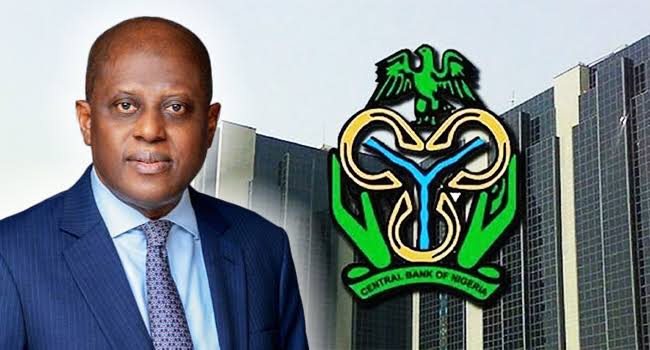
In another move to combat Nigeria’s rising inflation, the Central Bank of Nigeria (CBN) has increased the Monetary Policy Rate (MPR) to 27.50% from 27.25%. The decision, announced by Governor Yemi Cardoso after the Monetary Policy Committee (MPC) meeting in Abuja on Tuesday, marks the sixth interest rate hike this year.

The MPC’s unanimous decision to raise the rate by 25 basis points reflects the apex bank’s determination to address persistent inflationary pressures.

“The Committee was unanimous in its agreement to raise the monetary policy rate by 25 basis points to 27.50 percent,” Cardoso stated.

The CBN also retained key monetary tools: the Cash Reserve Ratio (CRR) at 50% for Deposit Money Banks and 16% for Merchant Banks, the Liquidity Ratio (LR) at 30%, and the Asymmetric Corridor at +500/-100 basis points around the MPR.

The CBN’s move follows troubling inflation data released by the National Bureau of Statistics (NBS). In October 2024, the inflation rate surged to 33.88%, up from 32.7% in September, marking a 1.18 percentage point month-on-month increase. The NBS attributed the spike to rising transportation costs and food prices.

Year-on-year, the inflation rate was 6.55 percentage points higher than October 2023’s 27.33%, highlighting the prolonged economic strain.

“The considerations of the meeting were held on the backdrop of renewed inflationary pressures as the headline food and core measures rose year on year in October 2024. Members therefore agreed unanimously to remain focused on addressing price developments,” Cardoso explained.

Despite the inflation surge, Nigeria’s economy has shown signs of resilience. Recent GDP figures revealed a modest 3.46% growth in the third quarter of 2024, driven by gains in the non-oil sector. These improvements provided a degree of optimism, influencing the CBN’s decision to maintain its inflation-focused monetary tightening strategy.

Business Leaders Sound the Alarm

However, the central bank’s aggressive rate hikes have drawn criticism from business leaders and economists, who argue that the policy may have unintended consequences.

Prominent business leaders have expressed concern that the continuous hikes in interest rates will squeeze investments and stall economic growth. By increasing borrowing costs, the higher MPR discourages businesses from accessing credit, potentially slowing expansion plans, job creation, and productivity gains.

Muda Yusuf, CEO of the Centre for the Promotion of Private Enterprise (CPPE), cautioned that increasing the rate could stifle economic activity.

“Interest rates have gone to 30% and above. Now how many sectors can fund their business with the current level of interest rates? Can the manufacturing sector support manufacturing investment?” Yusuf asked.

“Banks are advising companies that they have, as a result of the last MPC. Interest rates have been revised to 38%. Of course, there is no way the financial sector can support manufacturing, under that kind of framework. The same thing in agriculture, how can you, as a farmer, go and borrow money at 30%? Same with the real estate, which is critical for any economy.”

He added that the tight monetary policy may have limited success in addressing inflation, given that much of the current inflationary pressure stems from structural issues, such as food supply constraints and high energy costs.

Cardoso defended the MPC’s decision, emphasizing its commitment to price stability as a prerequisite for sustainable growth.

“Members remain focused on ensuring a sustainable path for the economy,” he said, underscoring the importance of curbing inflation to create an environment conducive to economic recovery.

While acknowledging the risks associated with higher borrowing costs, the CBN believes that controlling inflation will eventually restore investor confidence and stabilize the economy.

Tekedia Capital Welcomes Zimi

0

Africa’s largest market is the diaspora market. The diaspora has the size and the financial resources to fund the next phase of Africa’s development and growth. This diaspora includes the first and new generations of diasporas. Yet, the question is this: how do you reach them? Answering that is an opportunity for this century.

Tekedia Capital welcomes Zimi (withzimi.com), a tech-enabled fulfillment provider that is bringing Amazon Prime-like delivery to exporters in emerging markets. Simply, it makes it easier, faster, and cheaper to sell products internationally. Merchants, you reach global buyers in as little as 2 days while saving up to 80% on shipping costs!

The opportunity for Zimi, founded by Stanford alums Audrey Djiya and Peter Nsaka, is huge.  Tekedia Capital (capital.tekedia.com) wishes them open markets as they serve not only the American and European markets but also the solid Brazilian market which has the largest African population besides Nigeria.

Good People, you need to zimi those your products in Lagos, Yaounde, Accrra, Nairobi, etc to New York, London, Berlin, etc.. Zimi is the pathway for USD, Euro, GBP, etc revenues.

Nigeria’s Investment Climate and Davido in the Public Court

0

In recent days, Nigerian music superstar Davido has found himself in the eye of a public storm over remarks about Nigeria’s economic state and its appeal to investors. His comment, perceived by some as a criticism of the country, has sparked intense debate. While many lauded him for speaking the truth, others decried his remarks as unpatriotic and damaging to the nation’s investment image. This controversy highlights not only the power of influential voices but also the delicate balance between truth-telling and national branding in the face of economic challenges.

Davido, whose music and influence resonate across continents, reportedly criticized Nigeria’s economic conditions, pointing out critical issues such as fuel price hikes and the broader struggles that many Nigerians face. While some believe his statements were made out of genuine concern for the ordinary citizen, others argue that they were ill-timed and irresponsible, especially coming from someone whose family is deeply invested in Nigeria’s power generation sector. This dichotomy raises several questions about patriotism, accountability, and the role of public figures in shaping national narratives.

Balancing Patriotism and Truth

One of the strongest criticisms against Davido’s comments is the perceived lack of patriotism. Critics argue that as a prominent Nigerian, he should promote the country’s image rather than discourage potential investors. After all, investment climates are shaped not just by policies and infrastructure but also by perceptions. Public figures, especially those with a global platform, are unofficial ambassadors of their nations. Negative remarks from such individuals can ripple across international communities, damaging investor confidence and undermining economic prospects.

However, others argue that concealing the truth about Nigeria’s challenges does more harm than good. They contend that sugarcoating the reality of high inflation, erratic power supply, insecurity, and corruption delays meaningful reforms and perpetuates underperformance. Truth-telling, even when uncomfortable, is seen as a catalyst for accountability and systemic improvement. The balance, therefore, lies in presenting the truth constructively—highlighting challenges while also showcasing opportunities and resilience.

Davido

Economic Realities vs. National Image

The controversy also underscores the undeniable realities of Nigeria’s economic landscape. Despite being Africa’s largest economy, Nigeria faces persistent challenges: unreliable infrastructure, high operational costs, multiple taxation systems, and a volatile foreign exchange market. Critics of Davido’s remarks point to these issues as reasons why his statements should not have been made public, fearing they could deter much-needed foreign direct investment (FDI).

On the flip side, proponents of his candour argue that acknowledging these challenges is essential to finding solutions. They cite examples of local and foreign investors, including Nigeria’s own Dangote, who have encountered significant hurdles despite committing billions of dollars to the country. For Nigeria to attract sustainable investments, policymakers must address these foundational issues rather than rely solely on optimistic rhetoric.

The Role of Influencers in Shaping Narratives

Davido’s situation brings to light the growing role of influencers in shaping public perception and policy discussions. With millions of followers across social media platforms, his words carry significant weight. This influence can be both a blessing and a curse. While influencers have the power to amplify national pride and attract international attention, their statements, if perceived negatively, can exacerbate existing stereotypes about Nigeria as a risky investment destination.

As a cultural icon, Davido’s brand is intertwined with Nigeria’s identity. His global success is a testament to the country’s creative potential, and his statements are often viewed as reflective of broader societal sentiments. However, critics argue that public figures must exercise caution and responsibility when making statements about national issues. In Davido’s case, the backlash suggests that many Nigerians expect influencers to inspire hope and solutions, even while addressing difficult truths.

Elite Responsibility and Hypocrisy

The controversy also touches on a deeper issue: the perceived hypocrisy of Nigeria’s elites. Some critics argue that Davido’s privileged background, including his family’s substantial investment in the Nigerian power sector, should preclude him from publicly criticizing the country’s investment climate. This sentiment reflects a broader frustration with elites who are seen as benefiting from Nigeria’s system while distancing themselves from its problems.

However, others see Davido’s remarks as an example of elite accountability—a rare instance of a privileged individual speaking out on behalf of ordinary Nigerians. His criticism of fuel price hikes and economic mismanagement resonates with many citizens who feel abandoned by both the government and the elite class. This divide emphasizes the need for a more collaborative approach to national development, where elites use their platforms and resources to drive meaningful change.

Constructive Narratives for National Growth

The Davido controversy offers valuable lessons for Nigeria. First, it points out the importance of fostering constructive narratives about the country. While it is essential to acknowledge economic and social challenges, these discussions must be framed in ways that encourage solutions and inspire confidence. Public figures, policymakers, and citizens alike must find common ground in promoting a balanced perspective—one that neither denies reality nor undermines the country’s potential.

Second, the incident highlights the need for systemic reforms. For Nigeria to attract and sustain investment, it must address the root causes of its economic challenges, from corruption to infrastructure deficits. These reforms should be accompanied by transparent communication that reassures both local and foreign stakeholders of the government’s commitment to progress.

Our analyst notes that the debate reminds Nigerians of the power of words. In a world increasingly shaped by perception, every statement matters. Influencers like Davido must recognize their role in shaping global opinions about Nigeria, while critics must engage in dialogue that prioritizes the country’s collective interests over personal attacks.

The US & Ireland are Forging Strong Ties in the Gaming Industry

0

Ireland’s technological innovation has drawn the attention of some of the biggest names in the global technology industry in recent years, especially from the United States.

The country’s skilled workforce and business-friendly policies have turned it into a lucrative destination for US organisations looking to broaden their horizons.

For instance, companies such as SiriusXM have made inroads into the Irish gaming industry, while homegrown tech firm W4 Games are setting benchmarks globally.

Irish companies are also leaving an indelible mark on the US technology market, especially in sectors such as online gaming and visual effects (VFX).

Flutter Entertainment, who have inspired many of the brands listed on comparison platform Casino.com IE, have become a major player across the Atlantic Ocean.

Liberal laws across numerous American states have allowed Flutter to successfully export its expertise from Ireland to the US.

A Magnet for Global Innovation

Ireland provides a ready-made workforce, boasting a talent pool renowned for technology expertise in areas such as software engineering and data analytics.

The country also serves as a gateway to the European market, making it a strategic base for US companies, and its favourable tax regime adds to the appeal.

The support from the Industrial Development Agency (IDA) in Ireland also plays a significant role.

The agency has been instrumental in creating conditions that attract foreign investment, from offering financial incentives to facilitating connections with local partners.

According to SiriusXM’s executive vice president Joe Inzerillo, Dublin is a ‘globally recognised hub for technology expertise’, a mantra shared by many US companies.

The new SiriusXM Technology Centre highlights key areas where Ireland is becoming a leader, such as automotive technology, data science and software development.

With global trends shifting towards smart, connected vehicles, SiriusXM’s Dublin team will develop advanced software for in-vehicle entertainment systems.

Ireland’s proficiency in data analytics paves the way for SiriusXM to improve customer engagement, scalability and efficiency in subscription-based models.

The country’s reputation for high-quality software engineering echoes its ability to deliver scalable, cutting-edge solutions, which favours SiriusXM.

The company’s expansion is part of a larger story of Ireland’s tech industry becoming more popular on the global stage, especially in the US.

Irish tech exports to the US exceeded €1.1 billion last year, and the US remains the largest export market for Enterprise Ireland-supported companies.

This growth is facilitated by initiatives like the recent trade mission to the US west coast, led by Ireland’s Minister for Enterprise, Trade and Employment, Peter Burke.

Tech giants such as Netflix and NVIDIA partnered their mission to deepen Ireland’s integration into the US tech ecosystem. The success of Irish gaming start-up W4 Games exemplifies this dynamic.

W4 Games have evolved in the gaming market. They have partnered with Meta to improve the Godot engine for virtual reality, emphasising Ireland’s ability to spearhead a new era of tech reforms.

A Partnership for the Future

Ireland’s tech renaissance extends into the creative sectors, especially visual effects (VFX).

The Irish VFX industry has grown by a staggering 326 percent over the past five years, with firms such as SSVFX gaining international recognition.

SSVFX recently won an Emmy Award for their work on the critically acclaimed movie Shogun. That success exemplifies how Irish talent is becoming a key player in global entertainment.

The VFX sector is thriving, with major studios lining up to tap into Irish expertise, and incentives such as the Section 481 tax credit have contributed to their success.

The link between Irish technical prowess and US creative demand strengthens Ireland’s position as a key player in global entertainment production.

Irish companies are exporting innovative products and contributing significantly to the US economy.

Over $240 billion in Irish foreign direct investment (FDI) has flowed into the US, creating jobs and driving economic activity.

Companies such as Otonomee, which recently expanded operations in Florida, and Phorest Salon Software are examples of big Irish firms embedding themselves into local markets.

Phorest expanded its partnership in Washington to strengthen its presence in the US, while Otonomee recently launched operations in Florida to add over 120 new jobs in 2024 alone.

These expansions create jobs and reinforce Ireland’s reputation as a reliable partner for innovation.

The deepening ties between Ireland and the US in technology and creative industries are more than economic transactions – they symbolise a shared vision for innovation and growth.

As SiriusXM and other US companies continue to invest in Ireland, they are leveraging the country’s resources but also contributing to a thriving ecosystem that benefits both nations.

With government support, a skilled workforce and a proven track record, Ireland’s future as a leader in tech and entertainment is brighter than ever.

Resilience in Adversity: A Call for Positive Narratives in Nigeria

0

“…if things are tough, is it a reason not to be reasonable?” This thought-provoking statement by Alexandra Tchomte serves as an important reminder for Nigerians to maintain their resilience and composure in the face of persistent political and economic challenges. While the realities of insecurity, inflation, unemployment, and infrastructural deficiencies are undeniable, the way we respond to these adversities can shape not only our outlooks but also the global perception of our nation.

Nigeria, Africa’s largest economy and most populous country has often been defined by its challenges rather than its potential. However, reframing the narrative—by choosing to focus on solutions rather than problems, and opportunities rather than obstacles—can foster a sense of collective resilience and optimism. The question is: How do we, as Nigerians, ensure that tough times do not push us to use negative words or behaviours that inadvertently demarket our country?

Acknowledging Challenges Without Succumbing to Negativity

There is no denying that Nigeria faces significant challenges, ranging from economic uncertainty and unemployment to political instability and insecurity. These issues, understandably, generate frustration among citizens. However, airing grievances in a way that frames the nation as hopeless can inadvertently damage its global image.

For instance, when Nigerians share overly negative narratives on social media or during international engagements, it risks reinforcing stereotypes about the country as a place of perpetual crisis. While acknowledging the problems is essential for finding solutions, the words we choose can either inspire collective action or deepen despair.

This is not a call to silence dissent or sugarcoat reality; rather, it is a call to frame conversations constructively. Instead of saying, “Nothing works in Nigeria,” we might say, “Despite the challenges, Nigerians continue to innovate and find solutions.” This subtle shift highlights resilience while still acknowledging the need for systemic change.

Harnessing the Power of Positive Storytelling

Words hold immense power. They shape perceptions, influence actions, and inspire change. As Nigerians, we must recognize the role of storytelling in creating a vision of hope for the future. Stories of success—no matter how small—should be amplified to show that progress is possible even in the toughest conditions.

Consider the countless Nigerian entrepreneurs who have built thriving businesses despite poor infrastructure or the students who have achieved academic excellence despite limited resources. These stories demonstrate the ingenuity and tenacity of Nigerians and serve as a counter-narrative to the often overwhelming tales of hardship.

By celebrating such stories, we not only inspire others within the country but also reshape how the world views Nigeria. A nation’s image is not solely determined by its challenges but by how its people rise above them.

Resilience as a National Identity

Resilience is deeply ingrained in the Nigerian spirit. Over the decades, Nigerians have weathered economic downturns, political transitions, and social upheavals while maintaining a sense of hope and determination. This resilience should be celebrated as a cornerstone of our national identity.

However, resilience must be complemented by reasonableness. This means resisting the urge to let frustration cloud our judgment or push us to actions that further destabilize the nation. It also means engaging in constructive dialogue, supporting reforms, and holding leaders accountable without resorting to destructive rhetoric or actions.

For example, during fuel scarcity or currency devaluation, it is tempting to lash out with statements that paint the entire nation in a negative light. But resilience calls for focusing on solutions—whether through advocacy for better policies, supporting local businesses, or finding innovative ways to adapt.

Guarding Nigeria’s Reputation on Global Platforms

In an increasingly interconnected world, the words Nigerians use to describe their country can have far-reaching implications. Investors, tourists, and international partners often form opinions based on the narratives they encounter. While constructive criticism is necessary for progress, consistently negative portrayals can deter opportunities.

Take, for example, the tech industry in Nigeria. Despite challenges, the sector has attracted significant international investment, making Lagos a hub for African startups. This success story would not have been possible if the dominant narrative was solely focused on corruption or insecurity.

As individuals, we can contribute to Nigeria’s global reputation by balancing our critiques with stories of resilience and potential. When speaking about the country, whether online or abroad, we should ask ourselves: Am I contributing to the solution or perpetuating despair?

Fostering Unity Through Positive Communication

Resilience is not just an individual trait; it is a collective effort. In times of adversity, Nigerians must come together to support one another and build a sense of unity. Positive communication plays a crucial role in this process.

Instead of spreading messages that deepen division or blame, we can focus on fostering understanding and collaboration. For example, during elections, instead of engaging in heated rhetoric, citizens can encourage dialogue about the qualities needed in leaders and the policies that will benefit all Nigerians. Similarly, in workplaces and communities, celebrating small wins and encouraging a sense of shared purpose can inspire resilience and hope.

Looking Ahead: A Vision for Nigeria

Resilience is not just about enduring tough times; it is about envisioning a better future and taking steps to achieve it. Nigerians have repeatedly demonstrated their ability to adapt, innovate, and thrive despite challenges. By choosing reasonableness and positive narratives, we can build on this foundation to create lasting change.

The road ahead will not be easy, but as Tchomte’s statement reminds us, tough times are not an excuse to abandon reason. Instead, they are an opportunity to reaffirm our commitment to resilience, optimism, and constructive action.

Let us choose our words carefully, tell stories of hope, and work together to build a Nigeria that reflects the best of our potential. After all, the narrative we create today will shape the legacy we leave for future generations.