DD
MM
YYYY

PAGES

DD
MM
YYYY

spot_img

PAGES

Home Blog Page 2646

The Exploration Company Secures $160m to Advance Reusable Space Capsule for Astronauts and Cargo

0

The European space industry took a significant step forward as The Exploration Company (TEC) announced on Monday that it had successfully raised $160 million in a funding round.

This investment will propel the development of its innovative Nyx capsule, designed to transport astronauts and cargo to space stations while emphasizing reusability—a crucial aspect of modern space exploration.

The funding round was co-led by venture capital firms Balderton Capital and Plural. It also included substantial contributions from French Tech Souveraineté, a French government-backed investment vehicle, and DeepTech & Climate Fonds, a German government-backed fund. The infusion of capital underscores growing European interest in establishing a foothold in the increasingly competitive space industry.

A Game-Changer in Space Transportation?

Nyx, TEC’s flagship product, is a reusable capsule engineered to carry passengers and cargo into space aboard rockets. Once the payload is delivered, Nyx is designed to re-enter Earth’s atmosphere and be prepared for subsequent missions. This focus on reusability, also adopted by Elon Musk’s SpaceX, mirrors the industry shift toward cost-efficient and sustainable space exploration.

“It’s a big market, and it’s growing at more than 10% annually because more nations want to fly their astronauts and go to the moon,” said Hélène Huby, TEC’s founder and CEO, in an interview with CNBC. “There is an increased demand for sending people to stations and sending cargo to stations.”

This growing demand is largely driven by the ambitions of nations like the U.S., China, and India, which are expanding their presence in space. One of the most ambitious projects in this arena is NASA’s Gateway program, which will establish the first lunar-orbiting space station.

Carving Out a European Niche in a Global Market

The space capsule market is dominated by a handful of players, including SpaceX’s Dragon capsule, as well as Chinese and Russian rivals. TEC aims to position Europe as a significant player in this domain, providing an alternative to existing solutions.

“We said, ‘Okay, let’s build this capacity in Europe so that Europe can have its own capsule. Also, the world needs an alternative solution. We cannot only bet on SpaceX,’” Huby explained.

The Nyx project is advancing rapidly. TEC is currently developing the second version of the capsule, which is slated for a test launch next year. The final version, expected by 2028, will partially benefit from funding provided by the European Space Agency (ESA).

TEC’s vision has already garnered significant market validation. The company has secured $800 million in contracts for Nyx’s use in upcoming missions. Its partners include Starlab, a company designing a next-generation space station, and Axiom Space, which specializes in developing commercial space station modules.

Huby disclosed that TEC aims to play a pivotal role in enabling the return of cargo from space—a niche that will gain prominence as space activities around Earth and the moon increase.

“If you have more people, you also have a need for more cargo. So this is what is happening around the Earth and around the moon,” she said.

A Bright Future for Europe’s Space Aspirations

The burgeoning space industry represents a strategic opportunity for Europe to reduce its reliance on non-European players and to contribute more robustly to global space endeavors. With its reusable technology and ambitious plans, TEC is positioning itself as a vital partner in the evolving space economy.

TEC is expected to become a cornerstone of Europe’s space industry, providing the continent with its first domestically produced reusable capsule while helping to address the growing global demand for space exploration and cargo transport solutions.

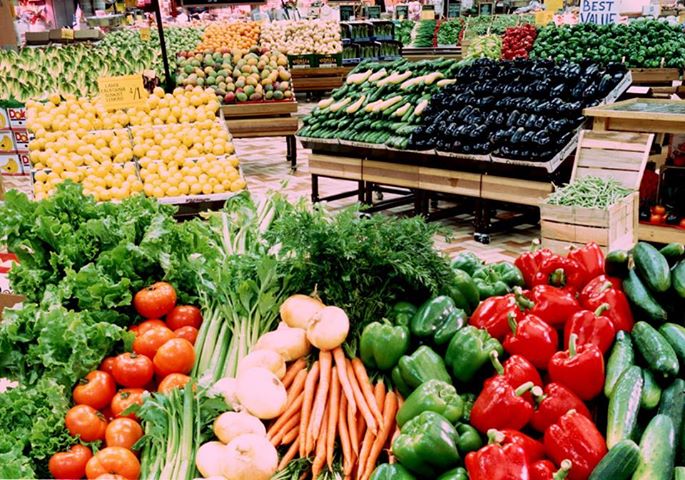
Nigeria Outlines New Initiatives to Boost Food Production

0

As Nigeria grapples with a deepening food security crisis, the Federal Government has reiterated its commitment to enhancing agricultural productivity and sustainability. This renewed pledge was made during the 46th National Council on Agriculture and Food Security meeting, held in Calabar, Cross River State.

At the meeting, Senator Abubakar Kyari, the Honorable Minister for Agriculture and Food Security, unveiled a series of measures aimed at bolstering the country’s agricultural sector. These include:

  • Delivering agro-inputs, such as seeds and fertilizers, to farmers.
  • Repositioning agricultural institutions and enhancing collaboration among farmers, herders, and communities.
  • Developing irrigation schemes to ensure year-round farming.
  • Improving soil fertility and establishing modern laboratories in research institutes.
  • Partnering with universities and agricultural colleges to produce industry-ready graduates.

“These efforts are designed to foster synergy, encourage entrepreneurship, and drive sustainable growth in agriculture,” Kyari stated.

In addition, the Minister of State for Agriculture and Food Security, Senator Dr. Aliyu Sabi Abdullahi, emphasized the need for leveraging technology and infrastructure to maximize agricultural potential.

“By combining innovation, infrastructure, and entrepreneurship, we can create sectoral linkages and promote social inclusion while addressing food security challenges,” he explained.

At the state level, Cross River Governor Bassey Otu, represented by his Deputy, Peter Odey, expressed his administration’s commitment to supporting smallholders with agricultural inputs and grants.

“Our goal is to empower farmers to increase food production and align with federal policies under President Bola Ahmed Tinubu’s administration,” Odey stated.

Food Security Crisis Worsens

However, while the government’s initiatives have been applauded for their long-term potential, they fall significantly short of addressing the immediate food shortages ravaging millions of Nigerians. Experts argue that while such efforts are commendable, they lack the scale required to counteract the immediate food crisis.

Over 31.8 million Nigerians currently face acute food shortages, with this figure projected to rise to 33.1 million by August 2025, according to the United Nations. Persistent security challenges, economic hardships, and the removal of fuel subsidies have compounded the crisis, leaving millions unable to afford basic staples.

The most glaring example of this crisis is the soaring price of rice, a staple food in Nigeria. A 50kg bag of rice now costs around N125,000, nearly double the national monthly minimum wage of N60,000. This surge in prices has rendered rice and other staples unaffordable for many households, exacerbating malnutrition, particularly among women and children.

In a bid to stabilize food prices, the Federal Government recently approved the regulated importation of food items, including rice, to bridge the supply gap. However, the implementation of this policy has been mired in bureaucratic bottlenecks, delaying the expected relief for Nigerians.

Many Nigerians have expressed frustration with the government’s perceived inaction, particularly regarding the delay in implementing the food import policy.

While the initiatives outlined at the Calabar meeting emphasize long-term solutions, such as agricultural education, research, and irrigation schemes, experts have called short remedies such as:  

  • Fast-tracking food importation processes to stabilize prices.
  • Addressing the root causes of insecurity to enable farmers to return to their lands.
  • Introducing targeted subsidies to make food staples affordable for vulnerable populations.

Kyari urged stakeholders to embrace inclusiveness and transparency in agribusiness. He said, “Only through collective effort can we achieve sustainable food security.”

Many believe that Nigeria’s chances to overcome its current food crisis depend much on how fast the government can rise to the occasion and implement both short and long-term initiatives.

Nigeria’s Inflation Rate Surges to 33.8% in October 2024 Amid Rise in Cost of Living

0

Nigeria’s headline inflation accelerated in October 2024, reaching 33.8%, up from 32.7% in August, according to the National Bureau of Statistics (NBC).

On a month-on-month basis, food inflation was highest in Adamawa (5.08%), Sokoto (4.86%), and Yobe (4.34%), while Kwara (1.11%), Ondo (1.31%), and Kogi (1.50%) recorded the slowest rise in Food inflation.

This surge is reported to be the highest inflation level in the past two decades, intensifying pressure on households, businesses, and policymakers. The increase was driven majorly by rising food and energy prices, compounded by the lingering effects of subsidy removal and currency depreciation. 

Notably, Nigerians are grappling with the country’s worst cost-of-living crisis in decades. The increase in the costs of food prices has created significant barriers for many families in the country, making it more difficult for them to access essential food items. Recall that in 2023, Picodi, an international e-commerce organisation, revealed that Nigerian households spend 59 percent of their income on food, the highest globally.

While the harvest season last month initially helped stabilize food prices, flooding in key agricultural states increased transportation costs, which reversed these gains. The floods reportedly destroyed enough food to feed 8.5 million people for six months. Additionally, delays in implementing a 150-day waiver on food imports exacerbated the situation. The NBS report indicated that staple items such as rice, bread, and cooking oil experienced significant price surges.

Also, the cost of Petrol has surpassed N1,000 per liter increasing the cost of transportation, while Electricity tariffs have significantly increased, particularly for high-tier consumers, yet power outages persist, with multiple grid collapses reported.

Several analysts noted that the persistent exchange rate volatility is one of the central issues aggravating inflation. They further noted that the Central Bank of Nigeria (CBN) monetary tightening has struggled to fully anchor inflation expectations amid these structural challenges.

At its last meeting in September, the CBN raised interest rates by 50 basis points, citing continued increases in core inflation. With inflationary pressures showing no signs of slowing down, analysts predict the Bank will deliver another 25 to 50 basis point hike at its next Monetary Policy Committee meeting.

According to a Steve Hanke report, Nigeria’s inflation stood at a crushing 111%/yr, making it the 4th highest in the world.  The country’s current inflation surge underscores the urgent need for policies to stabilize prices and alleviate the economic burdens on Nigerians. The CBN’s upcoming decision will be closely watched as it seeks to balance inflation control with economic growth.

However, experts predict that food inflation will likely remain high until the insecurity crisis deterring farmers from planting is resolved. Meanwhile, President Tinubu’s administration has emphasised that tackling the country’s food insecurity is a key focus in his economic reform.

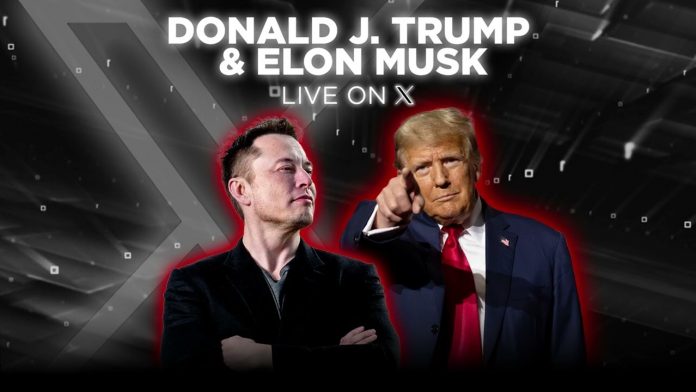
Donald Trump, Elon Musk and the Evolving Value of X (Twitter)

1

Is X (yes, Twitter) worth the $44 billion that Elon Musk paid when he took it private?

In the past, I had argued that he blew money which he has in unlimited form. But today, I am updating that Musk bought X at a discounted value. Possibly, using the double play strategy which I explained in a Harvard Business Review piece, and which simply means that where you capture value in business may not necessarily be what people see as the core nucleus of your business (yes, the one oasis). 

Musk has played a double play strategy where X delivered a platform which assisted his candidate to win the US presidency. But that X must not be the product (or company) through which Musk must capture value. Since the election, Musk has possibly added at least $70 billion to his virtual bank digits, and that might not have been possible without his voyage into X.

So, he paid $44b and there is a value return of $70b already, so, how can you say that he overpaid in X since without X, the platform which enabled his political ascension might not have been possible? If X is a tool which was bought for a mission, X delivered. As we speak, it has generated more than $44b.

As Guardian UK and other media empires exit X, the platform can mutate as a place to reshape outlooks for future elections. If that is the case, X can even earn more money because it is the world’s #1 political square with the capacity to deliver huge results in the future.

Of course, X does not need to make tons of money for Musk, but it simply needs to make making money in other areas possible. The risk for X, though,  is what happens in four years since there would not be Trump on any ballot. Why worry – that is a political eternity for anyone to worry about right now.

Why Analysis Says This Will Be the Next Crypto to Explode, Surpassing Dogecoin’s Rally

0

Are you on the lookout for the next crypto to explode? The cryptocurrency market is evolving, with some projects standing out through groundbreaking innovations and strong adoption potential. These coins drive significant technological and financial advancements. Market sentiment says, these projects could be the next crypto to explode as they have the potential to disrupt industries from finance to gaming. With robust community support and real-world applications, Aureal One’s DLUME coins are strong contenders for long-term success. They might even surpass Dogecoin’s rally. This article explores why these coins are poised to lead the next big wave in crypto by offering substantial returns and redefining the market landscape.

Top Next Crypto to Explode

  1. Aureal One (DLUME)
  2. DexBoss (DEBO)
  3. 5thScape (5SCAPE)
  4. Cardano (ADA)
  5. Solana (SOL)
  6. Tezos (XTZ)
  7. Algorand (ALGO)
  8. Cosmos (ATOM)

These cryptocurrencies stand on scalable, robust technology and attract both developers and investors. Each offers unique value propositions to tackle specific industry challenges by creating sustainable, practical, real-world applications. As the next crypto to explode, among eight, Aureal One’s DLUME coins provide innovative solutions that could lead to surpassing Dogecoin’s rally. Its technologies enhance transaction efficiency, security, and scalability. These advancements could transform finance, healthcare, and entertainment industries. Explore each project’s specifics to see why they might spark the next major crypto rallies.

1.  Aureal One (DLUME)

Aureal One is the next crypto to explode, transforming blockchain gaming and the metaverse with cutting-edge technology. Powered by Zero-Knowledge Rollups (ZK-Rollups), Aureal One delivers fast transactions and near-zero gas fees. It solves the limitations of traditional blockchains in gaming applications. The ecosystem includes two flagship projects, Darklume and Clash of Tiles, showcasing real-time gaming and virtual world interactions. Aureal One presale price is $0.00428082 per token. With a projected listing price of $0.01, it promises a 2x return.

Visit AurealOne Official Website

Aureal One aims to be the ideal platform for next-gen blockchain gaming. It could even surpass Dogecoin’s rally and achieve a billion-dollar market cap. The platform’s native token, DLUME, offers utility in gaming and staking rewards, with limited presale supply creating scarcity-driven value. The upcoming launch of Clash of Tiles underscores AurealOne’s disruptive potential in blockchain gaming. Users can leverage DLUME for strategic gameplay and in-game transactions. As one of the first blockchain networks for gaming and metaverse, Aureal One offers a unique opportunity in the cryptocurrency ecosystem.

2.  DexBoss (DEBO)

DexBoss (DEBO) is the next crypto to explode with its DeFi approach. The platform supports over 2,000 cryptocurrencies and offers advanced tools like high-leverage trading, liquidity farming, and staking. The DEBO token has a supply of 1 billion. Its presale starts at $0.01, rising to $0.15, and it also offers a potential 15x return. The buyback-and-burn mechanism reduces supply and boosts token value. This strategy positions DexBoss to potentially surpass Dogecoin’s rally in the market.

Backed by a $50 million fundraising goal, DexBoss plans platform launches and advanced features. It will partner with over ten fiat-crypto gateways by Q4 2025. The tokenomics model ensures long-term value for investors, with staking and liquidity rewards offering passive income. DexBoss’s high trading volume and adoption strategy set it apart in DeFi. With innovative features and community-driven governance, DexBoss could achieve a market cap surpassing $1 billion, becoming a frontrunner in crypto.

3.  5thScape (5SCAPE)

5thScape is an innovative project merging blockchain with virtual and augmented reality (VR/AR). It creates a mixed-reality platform for gaming, education, and real estate. Users experience immersive interactions with 5SCAPE, the platform’s native token. This token facilitates transactions within the ecosystem, offering a seamless, rewarding experience. 5thScape raised over $6 million in its presale phase, showing strong investor interest. As VR and AR technologies grow, 5thScape is set to capitalize on the trend.

4.  Cardano (ADA)

Cardano is quickly emerging as the next crypto to explode. It features a robust, scalable blockchain for developing decentralized applications and smart contracts. Cardano’s scientific approach and layered architecture focus strongly on security. This third-generation blockchain draws attention from the tech community and makes significant strides in adoption across various sectors. Recent developments have sparked optimism, leading to predictions of substantial price increases. Analysts predict a bright future for ADA, expecting its market price to potentially reach as much as $4.50 by 2030.

5.  Solana (SOL)

Solana is becoming the next crypto to explode. In 2023, its price soared by 932.67%. This significant leap thrust Solana into prominence as a highly talked-about digital asset. It excels with ultra-fast processing speeds and minimal transaction fees. Its unique Proof-of-History consensus combines effectively with Proof-of-Stake. These attributes position Solana as a formidable player in decentralized finance. Developers and institutional investors are noticing. Although it faced some network issues, Solana maintains its momentum. Strategic partnerships with leading companies like Visa and Shopify continue to merge blockchain with mainstream commerce and payments.

6.  Tezos (XTZ)

Tezos is a blockchain designed for peer-to-peer transactions and smart contracts using its token XTZ. Users can vote directly on protocol updates, ensuring network upgrades without hard forks. This unique governance model ensures consensus-driven evolution while avoiding network splits. Tezos supports diverse, decentralized applications, enhancing its utility as a blockchain platform. Recent updates enabled it to handle one million transactions per second in tests. This performance sets Tezos apart from other blockchain networks. Its adaptability strengthens its ecosystem through active development in DeFi and NFT platforms.

7.  Algorand (ALGO)

Algorand could be the next crypto to explode, offering remarkable growth potential and innovation opportunities. This blockchain platform delivers instant transactions, low fees, and energy efficiency, attracting global businesses. In 2024, Algorand’s roadmap includes expanding its permissionless infrastructure and integrating Python for more developers. Key upgrades, such as dynamic round times, aim to enhance performance and scalability. The new staking rewards program will encourage increased network participation. Algorand’s governance model earns positive market feedback, promoting ecosystem health through strategic incentives. These advancements position Algorand to thrive in decentralized finance, potentially significantly boosting its adoption and value.

8.  Cosmos (ATOM)

Cosmos (ATOM) aims to create an interconnected blockchain ecosystem. It enhances scalability and interoperability. Cosmos allows seamless communication between different blockchains, improving decentralization and efficiency. Its unique consensus mechanism, Tendermint, offers high performance and security. This attracts developers and projects looking for strong blockchain solutions. As demand for cross-chain functionality grows, Cosmos stands out. Investors should watch its progress closely. Cosmos may become a leader as the next crypto to explode.

The Top Pick

All the coins we mentioned in this article can bring exponential growth. However, Aureal One stands out as the next crypto to explode due to its innovative approach to blockchain gaming and the metaverse. It has a strong technological foundation and market position. Aureal One is set to surpass Dogecoin’s rally and lead in the crypto world. Its integration of advanced technologies taps into a rapidly growing gaming market. Aureal One is a prime candidate for the next crypto to explode, potentially surpassing Dogecoin’s rally. Before investing, conduct thorough research and explore possible risks and rewards of your investment.