DD
MM
YYYY

PAGES

DD
MM
YYYY

spot_img

PAGES

Home Blog Page 2669

A Foray into U.S. Federal Reserve Interest rates of 25BPS

0

The Federal Reserve’s recent decision to lower interest rates by 25 basis points (BPS) marks the second rate cut in three months, a move that reflects the central bank’s response to the current economic landscape. This strategic decision aims to adjust borrowing costs, potentially affecting millions of Americans and the broader economy.

The reduction brings the federal funds rate to a range of 4.5% to 4.75%, down from the previous 4.75% to 5% level. This change is significant as the federal funds rate influences various consumer and business loans, impacting everything from mortgage rates to the cost of financing for companies.

The rate cut is part of the Fed’s ongoing efforts to recalibrate monetary policy to support sustained economic growth while managing inflation levels. The adjustment follows a larger 0.5-point cut in September and reflects the central bank’s strategy to right-size its policy in response to current economic conditions.

The Federal Reserve’s actions often have a ripple effect on the economy, influencing various consumer debt instruments such as mortgages, credit cards, and auto loans. By lowering the cost of borrowing, the Fed aims to encourage spending and investment, which can help maintain economic momentum.

Primarily, it is a response to cooling inflation, which has been a pressing concern over the past few years. By lowering interest rates, the Fed is attempting to encourage borrowing and spending, which can help fuel economic growth. However, this must be balanced against the risk of too much inflation, which can erode purchasing power and savings.

The unanimous decision to cut rates indicates a consensus among Fed officials on the need to adjust the benchmark overnight borrowing rate. This move is seen as a balancing act to support the labor market, which has shown signs of softening, while also striving to bring inflation closer to the central bank’s 2% target.

Looking ahead, there is speculation about another rate cut of 25 BPS in December. This anticipation stems from ongoing economic indicators and market expectations. However, the future path of rate adjustments is not set in stone and will depend on a variety of factors, including economic data and global events.

The impact of these rate cuts on the average consumer may not be immediately noticeable, but over time, as borrowing costs decrease, it could lead to more affordable loans and credit. For those with variable-rate debts, such as credit cards or adjustable-rate mortgages, the effects might be seen sooner in the form of lower interest payments.

It’s also worth noting that the Fed’s decisions are made in the context of the broader economic policy. With the re-election of President Donald Trump, there are questions about how his economic priorities, such as tariffs and tax cuts, might influence future policy decisions and potentially affect inflation.

The Federal Reserve’s recent rate cuts are a proactive measure to support the U.S. economy by making borrowing more affordable. While the immediate effects may be subtle, the long-term implications for consumers, businesses, and the overall economic health are significant. As always, the Fed’s future actions will be closely watched as they navigate the delicate balance between fostering growth and controlling inflation.

Schaeffler announces 4700 jobs to be cut in Germany, as the Country Navigates Coalition Challenges

0

The recent announcement by Schaeffler, a prominent German automotive and industrial supplier, regarding the reduction of 4,700 jobs has sent ripples through the European job market. This decision, influenced by a 44.9% drop in third-quarter profits, highlights the ongoing challenges within the automotive industry, especially as it pivots towards electric vehicle production.

The job cuts are a part of a broader strategy to enhance competitiveness and secure long-term growth in the face of a challenging market environment and the intensifying global competition. Schaeffler’s plan includes three main strands: improving earnings from the Bearings & Industrial Solutions division, realizing synergies from the recent merger with Vitesco Technologies, and addressing the transformation of the automotive supply industry due to a decline in ICE (Internal Combustion Engine) technology and a slowdown in new programs for electric drives in Europe.

The automotive industry is undergoing a significant transformation as it shifts towards electric vehicles (EVs), and many companies are facing challenges similar to those of Schaeffler. The transition is not just about changing the type of vehicles produced; it involves a complete overhaul of the manufacturing process, supply chains, and workforce skills.

One of the primary challenges is the cost of EVs. Consumers often find EVs too expensive compared to their internal combustion engine counterparts, which hinders widespread adoption. Companies like Byd and CATL are working on developing more affordable battery technologies to address this issue.

Another significant challenge is the lack of charging infrastructure, which leads to “range anxiety” among potential EV buyers. This is a concern that needs to be addressed by both private companies and public policy to ensure the successful adoption of EVs.

Toyota, a pioneer in hybrid technology, is also facing challenges as it has been slow to offer a fully battery-powered vehicle. Similarly, Ram plans to release its competitor to Ford’s Lightning only by 2024, indicating a slower transition to EVs for some established manufacturers.

The industry is also dealing with compressed development timescales, ever-tightening regulatory limits, and rapid technology changes, all of which require companies to adapt quickly. The shift from internal combustion engines to EVs necessitates new strategies and innovations to stay competitive in the evolving market.

The restructuring will result in a gross loss of about 4,700 jobs in Europe, with approximately 2,800 in Germany. However, production relocations are expected to reduce the net job loss to about 3,700 positions, which corresponds to about 3.1 percent of the total post-merger headcount. The company’s merger with Vitesco Technologies in October 2024 increased its workforce to roughly 120,000 employees. The downsizing will affect 10 locations in Germany and five additional sites in Europe, including the closure of two facilities.

Schaeffler’s move reflects the broader trends in the automotive industry, where companies are grappling with high costs, sluggish demand, and a significant shift towards electric mobility. The company aims to achieve a savings potential of about 290 million euros per year by the end of 2029, with one-time expenditures estimated at about 580 million euros. These measures are to be implemented in a socially equitable manner, based on the Future Accord of 2018.

The automotive industry’s transition to electric vehicles is a necessary evolution for environmental sustainability and innovation. However, it also poses significant challenges for the workforce involved in traditional manufacturing processes. Schaeffler’s announcement is a stark reminder of the delicate balance between progress and the human impact of industrial transformation.

Navigating through Coalition Challenges in Germany

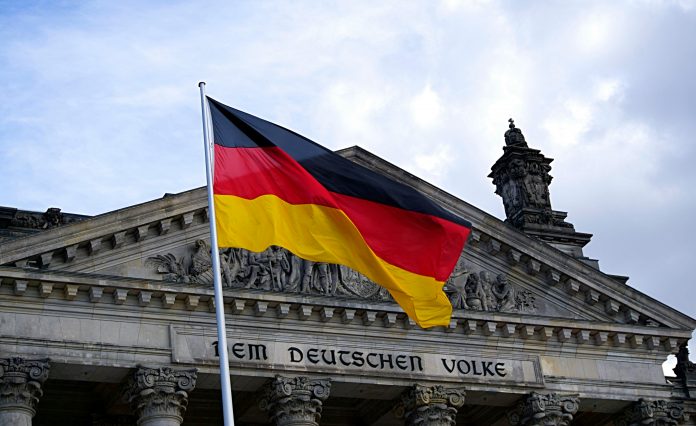
Meanwhile, in the dynamic arena of German politics, the recent events have marked a significant moment in the nation’s governance. The coalition partners, representing a spectrum of political ideologies, have convened once again in a concerted effort to resolve a burgeoning crisis that threatens the stability of the government. This meeting comes at a critical juncture, as the coalition grapples with economic policy disagreements and the future direction of their partnership.

The coalition, a blend of diverse political entities, has been the cornerstone of Germany’s political structure, embodying the spirit of cooperation and compromise. However, the current scenario underscores the inherent complexities of coalition governments, where differing priorities and visions can lead to friction. The cancellation of a key parliamentary budgetary committee meeting has further exacerbated tensions, casting uncertainty over Germany’s 2025 budget and highlighting the delicate balance of power within the coalition.

The dramatic developments have culminated in the collapse of the coalition, prompting Chancellor Olaf Scholz to navigate the challenges of leading with a minority government. This turn of events was precipitated by the dismissal of Finance Minister Christian Lindner, which led to a domino effect of resignations within the Free Democrats, one of the coalition’s key parties. In an unexpected twist, Transport Minister Volker Wissing retracted his resignation, choosing to remain in his ministerial role while severing ties with his party.

One of the central points of contention has been the proposal of a state investment fund to support companies of all sizes, which was met with resistance from both the Chancellor and the finance minister. This reflects the broader issue of how to stimulate the economy while managing fiscal responsibilities and social welfare commitments.

The coalition’s difficulties have been compounded by external pressures, such as the global economic climate and the return of Donald Trump as U.S. president, which have added urgency to the need for a cohesive economic strategy. The internal tensions and policy disputes have culminated in the dramatic collapse of the coalition, leading to a minority government and raising the possibility of an early election.

The unfolding situation has brought to the fore the intricate dance of political alliances and the quest for consensus in the face of divergent agendas. Chancellor Scholz’s decision to seek a vote of confidence and the possibility of an early election have introduced new variables into the equation, signaling a potential reshaping of Germany’s political landscape.

The outcomes of these meetings and the subsequent decisions will not only shape the future of Germany’s domestic policies but also have implications for its role on the international stage. The resilience of the coalition framework is being tested, and the coming days will reveal the capacity of Germany’s political institutions to adapt and evolve in response to internal pressures.

The situation remains fluid, with the potential for further developments as the coalition partners continue their deliberations. It is a testament to the vibrancy of democratic processes, where dialogue and negotiation are essential mechanisms for resolving conflicts and charting a path forward. The eyes of the nation and the international community are fixed on Germany, anticipating the next steps in this political saga.

10 FAQs About Nigeria’s Presidential Tax Reforms Bills Answered

0

In light of widespread interest and heated debate surrounding Nigeria’s proposed tax reforms, Taiwo Oyedele, Chairman of the Presidential Committee on Fiscal Policy and Tax Reforms, responded to ten frequently asked questions to clarify the intent and impact of the reform bills.

Sharing his insights in a social media post on Monday, Oyedele acknowledged that the reforms have sparked an intense reaction from stakeholders, a response he sees as integral to refining the policies.

“It is not unusual for a major reform such as this to elicit keen interest from all stakeholders,” he stated. “This development is necessary to achieve the best outcomes that benefits all as it provides an opportunity for further engagements which is healthy for the system.”

The Committee has gathered questions to address misconceptions and help stakeholders understand the implications of the reform, aimed at boosting transparency and fostering collaboration.

Tax Reform Bills – 10 Most Frequently Asked Questions

Question 1: What is the whole fiscal and tax reforms all about?

Answer 1: Nigeria’s tax system has over time become complex, stifling growth and unable to generate the required revenue for development. This is largely due to lack of policy clarity and inconsistency, obsolete and ambiguous tax laws, weak and fragmented revenue administration.

The main objectives of the reform is to redesign the system to support growth by addressing current challenges such as multiplicity of taxes, ambiguous and obsolete provisions, reduce the tax burden on individuals and businesses while promoting the ease of doing business to facilitate sustainable economic growth and deliver shared prosperity for Nigerians.

The key targets include single digit number of taxes, harmonised and efficient revenue administration, increase in tax to GDP ratio, economic competitiveness, and removal of tax burden on the poor.

Question 2: How representative or inclusive was the process leading up to the various proposals?

Answer 2: The committee comprised over 80 individuals from all walks of life across the 6 geopolitical zones of Nigeria representing more than 20 government institutions, the organized private sector, trade associations, professional bodies, professional services firms, and the civil society. The composition ensures there is adequate gender balance, with people of different faiths and the youth. About 45 students were selected from 22 universities across Nigeria who support the secretariat work, conduct research and participate in committee meetings on a rotational basis.

Tailored sessions were conducted for more than 40 sectors representing over 90% of the economy and focus group engagements for people with disabilities, youths, and Nigerians in the diaspora. The committee requested inputs from all stakeholders and received memoranda from people in all the 36 states and the FCT.

Furthermore, exposure consultation sessions were organized for CFOs with over 300 companies represented, journalists, public analysts, tax consultants, and business owners. We also had engagements with the Nigeria Governors’ Forum, the Federal Executive Council, National Economic Council, finance commissioners, the Joint Tax Board, among others.

Question 3: Why is the VAT proposal generating so much controversy? Are we trying to fix what is not broken?

Answer 3: The current VAT system is fractured. The major issues include:

(i) disputes over VAT administration between some states and the federal government resulting in some landmark judgements and pending court cases. This is compounded by the fact that VAT is not stated in the 1999 Constitution thereby creating a lacuna. Our analysis shows that a central collection system is more efficient and benefits all. Once the contentious issues have been resolved, then VAT can be properly included in the constitution. The current sharing formula of FG 15%, States 50% and LGs 35% is proposed to become FG 10%, States 55% and LGs 35%.

(ii) imposition of parallel consumption taxes in some states along with VAT which increases the tax burden on the people and contributes to multiple taxation. The reform seeks the discontinuation of all consumption taxes other than VAT.

(iii) basis of distribution – the current formula for sharing VAT among states is based on 20% derivation, 50% equality and 30% population. The tax reform proposes a different model of derivation which will attribute VAT to the place of supply and consumption rather than the current model which attributes VAT to the state where it is remitted thereby favoring states with companies headquarters. Further, derivation under the new model will account for 60% of VAT distribution for better equity and to discourage any state from seeking to administer VAT as a state tax, which will not only result in much lower revenue for all tiers of government but will impose a higher burden on businesses.

The proposed derivation model is contained under S.22 (12) of the Nigeria Tax Administration Bill which states that “For the purpose of attribution, any return under this section shall provide details of derivation of taxable supplies by location …”

The controversy has arisen from the perception that the proposed formula would lead to lower revenue for some states. However, the 5% to be ceded by the FG can be set aside for equalization transfers to cater for any shortfall to a state under the new model. This ensures that no state is worse off in the short term while significantly enhancing economic activities and revenue for all states in the medium to long term.

Question 4: Are the bills also seeking to merge or scrap some agencies?

Answer 4: No. The bills are seeking to merge taxes and harmonize revenue administration. The system will leverage technology for integration which will ensure seamless revenue administration with greater efficiency and less burden for people and businesses. Government agencies will be able to focus on their primary mandates rather than being distracted with revenue targets. Agencies that are currently collecting taxes and levies other than regulatory fees will therefore be funded through the budgetary process.

Question 5: One of the reform targets is to double Nigeria’s tax to GDP ratio over the next few years. Are we to expect more taxes?

Answer 5: The plan is to reduce the overall tax burden, not increase it. By simplifying the tax system, harmonizing taxes and addressing impediments to investments, the reforms will boost economic activities and therefore enhance revenue generation for all tiers of government. This will ensure that we can raise tax revenue without raising tax burden, through various strategies including removal of disincentives to business formalization, use of technology and data for intelligence, tax simplification and enhanced administrative capacity. Beyond raising revenue, curbing tax evasion also ensures that there is a level playing field for all rather than implicitly penalizing compliant taxpayers and rewarding evaders.

Question 6: How will the reforms benefit businesses, large and small?

Answer 6: Businesses have consistently cited tax issues such as multiplicity of taxes and complex tax compliance requirements as major impediments to investment and competitiveness. Addressing these issues will therefore facilitate economic growth and boost the country’s GDP.

Some of the proposals include reduction of corporate income tax rate from 30% to 25% over the next 2 years and the elimination of earmarked taxes on companies to be replaced with a harmonized single levy at a reduced rate.

Others include the elimination of minimum tax on loss-making companies and those with low margins, grant of input VAT credit to businesses on assets and services to reduce the cost of investment, ability to pay taxes on foreign currency transactions in naira, WHT, and VAT exemptions for small businesses and a higher threshold of N50m annual turnover for corporate income tax exemption. There will be an office of the tax ombudsman to check administrative excesses and protect vulnerable taxpayers. In addition, their tax incentives are being rationalized with clear rules to ensure certainty and provide a level playing field for all investors, while a new priority sector incentive regime will replace the current pioneer status scheme, etc.

Question 7: Is it true that workers will pay more PAYE tax?

Answer 7: The current taxable income bands and rates were introduced in 2011. Due to the lack of review, the structure has resulted in “fiscal drag” where many low income earners have been pushed to the top bracket over time due to high inflation. Also, the system discourages formalization given that the tax rate on companies is nearly double that of enterprises which also encourages arbitrage in many cases.

The proposal seeks to address these issues and simplify the system by eliminating various reliefs and allowances while adjusting the bands and rates to achieve an overall lower effective tax rate for workers. This will ensure that an individual with basic education should be able to file their tax returns without any assistance. There is a rent relief allowance to provide additional benefits for low-income earners.

Individuals earning about N1.7m or less per month will pay lower PAYE tax while those earning the new minimum wage and slightly more will be fully exempted. These thresholds will result in about 98% of workers in the public and private sectors paying lower taxes while the top 2% will pay slightly more in a progressive manner up to 25% for high-net-worth individuals.

Question 8: Are there specific proposals for the ordinary Nigerian?

Answer 8: Yes. The lowest-income earners accounting for about one-third of all workers will be fully exempted from tax while low and middle-income earners will pay less. This is consistent with the policy philosophy of not taxing poverty. Also, self-employed persons and entrepreneurs will enjoy tax exemptions available to individuals in formal employment.

The VAT reform includes a zero (0%) rate for food, education, health, and the exemption for rent and public transportation. These items constitute an average of 82% of household consumption and nearly 100% of low-income households which will ameliorate the rising cost of living for the masses.

In addition, there are proposed changes to the income tax laws to facilitate remote work opportunities for Nigerians in Nigeria within the global business process outsourcing. This will empower our youths to play a key role in the digital economy space.

Question 9: We have seen different recommendations and proposals in the past. What will be different this time around?

Answer 9: The Presidential Fiscal Policy and Tax Reforms Committee was set up with a broad mandate covering fiscal governance, revenue transformation, and economic growth facilitation. In addition, the committee is charged with implementation rather than merely submitting a report of recommendations at the end of its assignment which has a much lower chance of success. The various proposals were co-created with inputs from Nigerians, using data and evidence to inform the recommendations.

There are measures to ensure that the reforms are institutionalized via legal framework and administrative structures including systems to curb corruption and block loopholes through technology, self-service, and tax agents regulation as well as planned amnesty and whistleblowing framework to sanitize the system.

Question 10: What else is being done beyond the new tax bills?

Answer 10: There are various proposals that have been implemented or are at different stages of implementation including the 2024 WHT Regulations, Executive Orders, and the 2024 National Fiscal Policy with clear principles for fair taxation, responsible borrowing, and sustainable spending including frameworks for subsidy and cash transfers, ESG and Sustainable Development Goals.

Watch the explainer here https://bit.ly/48LIVBN

More information can be found on the committee’s social media accounts, fiscalreformsng on X, LinkedIn, Instagram, Facebook, YouTube channel, and website https://fiscalreforms.ng. You can also reach us via email at enquiries@fiscalreforms.ng or via WhatsApp chat at +234 810 975 3151.

Tekedia Capital, Tesla Case Study, Seeking Alpha and The Power Law of Venture Investing

0

In 2006, Elon Musk wanted to raise money for Tesla. Kleiner Perkins, an American venture capital firm, priced the electric vehicle company $50 million. Musk later went for another investor which closed a deal at $70 million.

By November 2021, that car company was worth $1.24 trillion. Today, it is worth about $1.01 trillion. Good People, that is a massive economic-transduction, unleashing wealth for families, people and institutions.

When companies come to Tekedia Capital, we truly like to know the opportunity cost of NOT investing because no one can easily forgive himself or herself for missing the Teslas of the future. From Monday, we will share 15 companies Tekedia Capital just invested in during our ongoing Tekedia Capital cycle. They cover companies on quantum computing, modern AI insurance infrastructure in US,  paytech in Southeast Asia, fintech in Mexico, B2B ecommerce in Nigeria, wealth management startup in India, and more.

We profile the startups here.

Power law of Early Stage Investing

The power law in venture capital (VC) is a principle that describes how a small number of investments can generate the majority of returns for a portfolio. This is different from a normal distribution, where returns are spread more evenly. 

The power law is a fundamental feature of VC, and is based on decades of historical data. It’s a type of heavy-tailed probability distribution, which means that a small number of occurrences have a disproportionately large impact. In VC, these outliers are often called “home runs”. 

 Some implications of the power law include:

  • A few big winners: A small number of investments can account for the majority of gains in a VC portfolio.  
  • Enduring many failed investments: The power law helps explain why VCs can endure many failed investments.  
  • Identifying unicorns: It’s essential for VC funds to identify, assist, and protect their ownership positions in unicorns.  

Some strategies for taking advantage of the power law include:

  • Looking for opportunities in untapped markets with minimal competition
  • Focusing on ventures that could tap into vast markets with the potential to be massive
  • Avoiding established incumbents
  • Looking for companies that seem out of the ordinary or operate without any apparent past or present competition
  • Looking for companies that show robust growth in their early stages 

Missed Out on Bitcoin? This New DeFi Project Offers Massive Potential Gains

0

Bitcoin’s meteoric rise has left many wondering if they missed their chance for life-changing gains. But FXGuys is positioning itself as the Top PropFi Project in the decentralized finance (DeFi) space for those looking to capitalise on the next big opportunity in crypto. With its innovative features like Trade2Earn, Staking, and a Trader Funding Program, FXGuys has the potential to deliver impressive returns, attracting both experienced traders and crypto newcomers alike.

>>>BUY $FXG TOKENS HERE<<<<

FX Guys is currently in its Stage 1 presale, offering early investors the chance to buy $FXG tokens at the highly affordable price of $0.03. After selling out 68,000,000 tokens in a private round and raising over $1,000,000, FXGuys is gaining significant traction as a high-potential altcoin. If you missed Bitcoin’s early days, FXGuys might just be the project to watch in 2024.

What Makes FXGuys Stand Out in the DeFi Space?

FXGuys is quickly establishing itself as one of the best DeFi projects, combining traditional finance with decentralized solutions. What sets FXGuys apart is its comprehensive ecosystem to benefit traders and token holders. Here’s what makes FXGuys a must-watch project:

  1. Staking $FXG: FXGuys offers a robust staking system, allowing token holders to earn 20% profit and revenue share from broker trading volume. This unique feature provides passive income opportunities and rewards users for holding their tokens.
  2. Trader Funding Program: One of FXGuys’ most innovative features is its Trader Funding Program, allowing top retail traders to access a funded account with up to $500,000 in trading capital. After passing evaluations or trading challenges, traders can split profits 80/20, in the trader’s favour, making it one of the best platforms for ambitious traders looking to scale their strategies.
  3. No Buy or Sell Tax: Unlike many other DeFi projects, FXGuys has no buy or sell tax on its tokens. Combined with no KYC decentralized trading, the platform is highly appealing to traders looking for efficiency and privacy in their trading activities.

FXGuys and the Rise of PropFi: Why This Matters

FX Guys isn’t just another DeFi token—it’s a leader in the PropFi space, a growing trend that merges proprietary trading with decentralized finance. PropFi offers traders access to broker-backed trading accounts while retaining the benefits of blockchain technology.

With its custom trading platform, FXGuys Trader, the project allows users to choose between different trading platforms, such as MT5, Match-Trader, cTrader, and DXtrade, depending on their location and preferences. This flexibility attracts a range of traders, from retail investors to institutional players.

>>>BUY $FXG TOKENS HERE<<<<

Additionally, the FXGuys stands out as one of the best proprietary trading firms in crypto, enabling traders to increase their earning potential with little upfront capital. Its accessibility and comprehensive features make it ideal for funded prop firms and futures prop firms looking to capitalize on the growing PropFi trend.

The FXGuys Trade2Earn Program: Driving Volume and Activity

One of the key drivers of FXGuys’ ecosystem is its Trade2Earn program. For every trade a user makes, they earn $FXG tokens, providing an additional incentive to keep trading on the platform. This program not only increases trading volume but also rewards users in a way that directly contributes to the project’s growth and liquidity.

By combining staking, Trade2Earn, and a Trader Funding Program, FXGuys is positioning itself as one of the best defi tokens in the market today. These features create a well-rounded ecosystem where traders and investors can benefit from both active and passive income streams.

Why FXGuys Could Be Your Next Big Move

With its Stage 1 presale still underway, FXGuys offers massive potential gains for early investors. The token’s price of $0.03 is a steal when considering the project’s growth potential and the traction it’s already gained. The team has raised over $1,000,000 in a private round by selling 68,000,000 $FXG tokens, showing strong investor confidence in the project.

Unlike many other altcoins, FXGuys offers a complete ecosystem, with real utility for both traders and token holders. Its unique blend of Staking, Trade2Earn, and a Trader Funding Program gives it the potential to become one of the best defi projects in the coming years.

>>>BUY $FXG TOKENS HERE<<<<

Conclusion: FXGuys Is Poised for Success

For those who feel they missed out on Bitcoin’s explosive growth, FXGuys offers a new opportunity with similar upside potential. FXGuys combines the best DeFi and PropFi by focusing on a trader-centric ecosystem, making it a top choice for traders, investors, and funded prop firms.

With features like Staking, no buy or sell tax, and its Trader Funding Program, FXGuys is not just another token—it’s a complete platform for traders and investors looking to capitalize on active and passive income streams. If you’re searching for a project with massive potential gains, FX Guys is one of the best proprietary trading firms to keep on your radar in 2024.


To find out more about FXGuys follow the links below:

Website | Whitepaper | Socials | Audit


Exclusive FXGuys Promo Code:

USE PROP10 FOR 10% BONUS