DD
MM
YYYY

PAGES

DD
MM
YYYY

spot_img

PAGES

Home Blog Page 2680

Mastering Research Proposals: Essential Tips from Expert-Led Sessions

0

In the realm of academic research, developing a strong and well-structured research proposal is a critical first step for any graduate student. During a recent series of advanced research training sessions, Mutiu Iyanda, a seasoned researcher and mentor, led in-depth discussions on key components of academic research proposals, highlighting common pitfalls and effective strategies. This piece synthesizes these discussions, offering valuable insights on crafting a research proposal that stands out, supported by practical examples and real-world applications.

Structuring the Research Proposal: From General to Specific

One of the fundamental aspects of writing a compelling research proposal is mastering the background to the study. Mutiu emphasized the importance of starting with a broad overview and gradually narrowing down to specific details. This approach not only provides context but also helps to clearly define the scope of the research problem. He advised students to incorporate relevant statistics to paint a vivid picture of the current situation, enabling readers to grasp the magnitude of the issue being investigated.

For instance, in reviewing two proposals—one from Hakeem and another from Tolani—Mutiu pointed out the need for logical flow and coherence. He suggested linking paragraphs effectively to create a seamless narrative that guides the reader from the general context to the specific research focus. Additionally, he highlighted the importance of identifying gaps, whether geographical, methodological, or population-related, to justify the need for the study. By considering these aspects, students can build a strong case for their research, demonstrating its significance and relevance.

Enhancing Academic Writing with Proper Citations

Effective academic writing is grounded in evidence, and Mutiu did not shy away from addressing the shortcomings he observed in some participants’ drafts. During the review of Omotolani’s work, Mutiu raised concerns about the lack of specific references and the tendency to present arguments without citing credible sources. In academic writing, especially at the graduate level, proper citations are essential not only for supporting claims but also for acknowledging the work of others and avoiding plagiarism.

Azeez, another participant, echoed Mutiu’s concerns, noting that presenting information without citations undermines the credibility of the research. Omotolani initially defended his work as being based on his understanding, but Mutiu insisted that this approach was not acceptable. He emphasized that strong academic writing requires students to engage with existing literature, provide evidence for their claims, and integrate citations throughout their work. This practice not only strengthens the argument but also demonstrates the writer’s engagement with the academic community.

Formulating Effective Research Questions and Hypotheses

Research questions are the foundation of any study, guiding the direction of inquiry and shaping the overall research design. Mutiu’s session on formulating effective research questions focused on the need for clarity, specificity, and alignment with the theoretical framework. He advised that research questions should be empirically testable, backed by preliminary evidence, and logically sound.

Mutiu discussed different types of research questions, including descriptive, comparative, and correlational questions for quantitative studies, as well as exploratory and explanatory questions for qualitative research. He stressed the importance of avoiding overly broad questions, as they can lead to vague findings. Instead, students were encouraged to define key variables clearly and ensure that the research questions are focused and measurable.

In addition, Mutiu provided feedback on various types of hypotheses, distinguishing between simple and complex, directional and non-directional, associative and causal hypotheses. He underscored the importance of understanding the relationships between variables and choosing appropriate methods for testing these hypotheses. For instance, he recommended using statistical hypotheses for quantitative analysis and emphasized the potential benefits of combining qualitative and quantitative approaches to capture a more comprehensive view of the research problem.

Personalized Approach to Research Design and Methodology

One of the key takeaways from Mutiu’s sessions was the emphasis on adopting a personalized approach to research design. He encouraged participants to tailor their research methods to fit the unique context of their study, rather than following a one-size-fits-all model. This flexibility is especially important in qualitative research, where the direction of inquiry may evolve based on participant responses.

Mutiu reviewed different types of research questions, such as contextual, descriptive, explanatory, and ethnographic questions, and highlighted the need to match the research design to the type of question being addressed. For example, exploratory questions might require in-depth interviews or focus group discussions, while hypothesis-generating questions could benefit from longitudinal studies.

Hakeem suggested providing specific examples for each type of research question, a suggestion Mutiu endorsed. By offering concrete examples, students can better understand how to apply these concepts in their own research, ensuring that their methodology aligns with their research objectives.

The Power of Trend Analysis in Research Planning

Trend analysis was emphasized as an important step in creating the groundwork for a successful research study. Mutiu recommended that a detailed trend analysis be performed early in the study process since it gives useful insights that inform the creation of the proposal’s background, problem description, and methodologies. He even advised that the trend analysis be published as a separate publication, given its potential to add to the current research.

Oladosu described his experience, stating that the trend analysis compelled him to go deeper into the literature and uncover significant gaps. Hakeem reiterated a similar sentiment, emphasizing the importance of presenting the trend analysis before finalizing the plan. This approach not only improves the study proposal but also establishes the student as a qualified and informed researcher in their field.

Building a Strong Foundation for Academic Success

Mutiu Iyanda’s discourses give a thorough foundation for graduate students who want to thrive in academic research. Students can improve the quality and impact of their dissertations or theses by focusing on the structure of the research proposal, the relevance of citations, developing good research questions, and incorporating AI techniques. Understanding these core features is critical for any researcher seeking to produce rigorous, well-structured, and influential academic work. By implementing these tactics and ideas, students will be better prepared to manage the intricacies of academic writing and contribute valuable knowledge to their disciplines.
Impact of Recent Presidential Election on US Equities

0

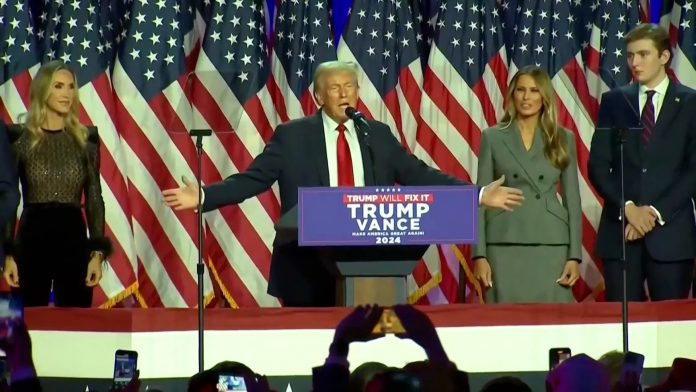
The valuation of US equities is a complex and multifaceted issue, influenced by a myriad of factors ranging from economic policies to global events. The statement that a $1.62 trillion gain in market capitalization implies investors believe the election of a particular candidate—Donald Trump, in this case—is worth $3.24 trillion of additional value to US equities is an intriguing proposition that merits a closer examination of the underlying assumptions and potential implications.

Firstly, it is essential to understand that market capitalization is driven by investor sentiment, which in turn is influenced by expectations of future earnings, economic growth, and policy environment. The anticipation of a Trump presidency has been associated with certain policy expectations that could potentially affect these factors. For instance, analysts predict that Trump’s policies might bolster the US dollar and stock market, particularly in sectors like technology and fossil fuels. This is predicated on the belief that his administration would implement policies favorable to these industries, such as deregulation and tax cuts.

Moreover, historical data suggests that the resolution of political uncertainty, such as the confirmation of a presidential election winner, tends to drive strong year-end returns for equities. This phenomenon can be attributed to the market’s preference for stability and predictability, which allows investors to make more informed decisions based on the known policy landscape.

However, it is also crucial to consider the potential risks and uncertainties associated with such an administration. Trade policies, for example, could have significant implications for the global economy and, by extension, US equities. The proposed tariffs and changes in trade agreements could reinforce economic fragmentation, leading to higher inflation and impacting global supply chains.

Global events, such as political unrest, or changes in international relations, can create uncertainty in the markets, often leading to volatility. Investors tend to seek stability, and unpredictable geopolitical landscapes can cause significant market fluctuations. Innovation and technological breakthroughs can disrupt industries, creating new market leaders and rendering others obsolete. Companies at the forefront of technological innovation can see their stock prices soar, while those unable to adapt may suffer.

Furthermore, the impact on the US equities market cannot be viewed in isolation from the broader economic context. Factors such as the Federal Reserve’s monetary policy, global economic trends, and technological advancements play a substantial role in shaping the market’s trajectory. The expectation of continued robust earnings growth is a key driver for equity market appreciation, and this outlook may be influenced by the administration’s policy agenda as it unfolds.

While the election of a president can have a significant impact on investor sentiment and market valuations, it is one of many factors that contribute to the overall picture. The assertion that Trump’s election is worth an additional $3.24 trillion to US equities is a simplification that does not account for the complex interplay of economic indicators, policy decisions, and global events that collectively influence market behavior. As with all financial analyses, it is important to approach such statements with a critical eye and consider the broader economic landscape in which these valuations are made.

MultiChoice Group Projects First Half Loss of 2024, Amid Forex And Macroeconomic Pressures

0

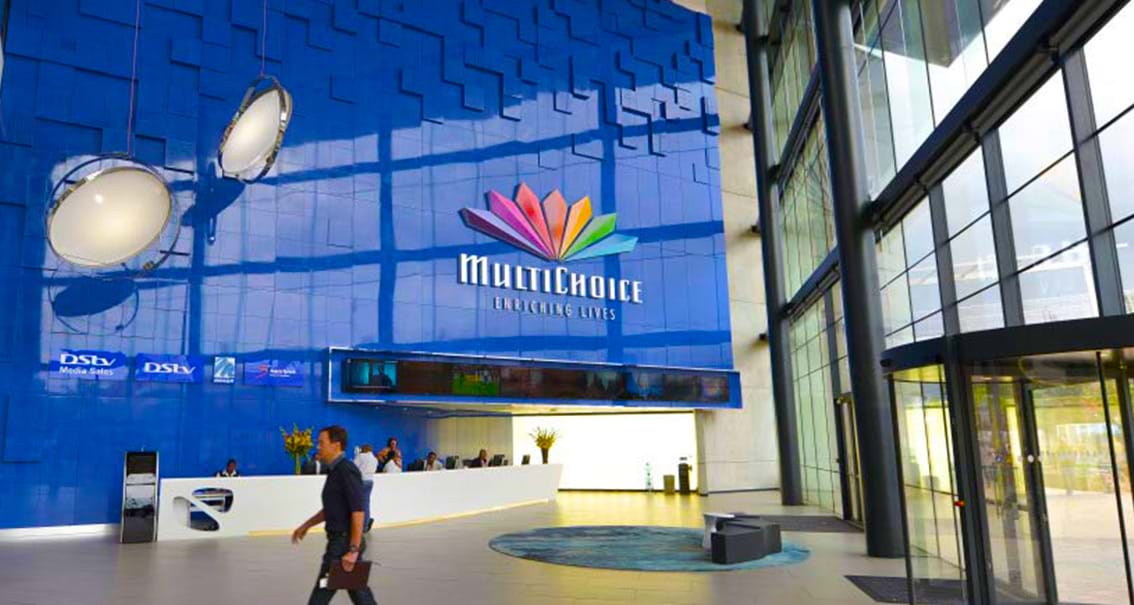
Multichoice, the satellite television company behind DStv, SuperSport, and Showmax, has announced it will report a financial loss for the first half (H1) of 2024, with its official report due on November 12.

In a statement, Multichoice attributed the loss to challenging macroeconomic conditions and adverse foreign exchange rates impacting its key markets, particularly Nigeria and Zambia.

The company noted,

“The first half of the 2024 financial year was negatively impacted by severe pressure in the macroeconomic, foreign exchange rate, and consumer environment in key markets, most notably Nigeria and Zambia.”

Recall that Multichoice Nigerian branch alone incurred over $216.9 million in foreign exchange losses over the past year, a figure four times greater than combined losses in the previous four years.

Inflationary pressure and currency devaluation in markets like Nigeria and Ghana reduced consumers spending power, leading to a decline in active subscribers. Citing economic challenges, Multichoice Nigeria had In April increased the prices of DStv and GOtv packages by at least 25%. This marked the third increment since last year, following the initial adjustment implemented on May 1, 2023. 

Fast forward to June 2024, in Nigeria, the company’s active subscribers dropped to 8.1 million (a 1.2 million decline), reducing the country’s revenue contribution to the rest of Africa segment from 44% to 35%.

Multichoice had stated that due to the challenging market dynamics, the short-term focus of its RoA (Nigeria, Angola, Kenya, Ghana, and Zimbabwe) business was shifted from subscriber growth to safeguard profitability and cash flows. 

The company has expressed that its investment in Showmax, a video streaming website, contributed a larger share to its financial decline. Cornered in a bid to surpass streaming competitors like Netflix and Prime Video, the company highlighted that Showmax has reached the peak of its investment cycle. Additionally, Multichoice intends to implement an inflationary pricing strategy and aims for R2 billion in cost savings by March 2025 to mitigate weaker subscriber activity and foreign exchange challenges.

“Multichoice has entered the peak investment cycle of Showmax and expects losses and headline losses per share to increase as a result of the early life cycle of the Showmax business”, the company noted.

It also expects to report a further R2.1-billion in forex “movements” through its income statement on “non-quasi equity intergroup loans in the current period”.

As part of its financial forecast, Multichoice expects to report an R2.1 billion foreign exchange impact from intergroup loans, further straining results. Adjusted for R2.3 billion in forex losses in other African operations and a R1.6 billion increase in Showmax investment.

The company projects a year-on-year increase of over 30% in group trading profit, driven by inflation-adjusted pricing and cost optimization strategies.

Robinhood, Kraken, and Galaxy Digital Team up to Launch USDG Stablecoin

0

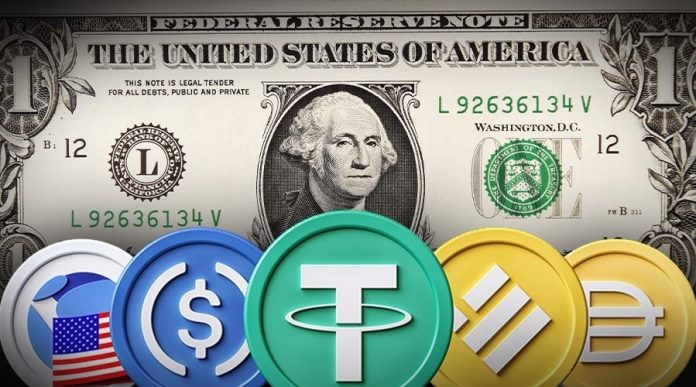
In a groundbreaking move, Robinhood, Kraken, and Galaxy Digital have joined forces to launch a new stablecoin, USDG, which stands for Global Dollar. This collaboration marks a significant milestone in the evolution of digital currencies, offering a promising new asset that aims to bring stability and reliability to the cryptocurrency market.

Stablecoins are a type of cryptocurrency designed to maintain a stable value by being pegged to a reserve asset, such as the US dollar or gold. The introduction of USDG is set to revolutionize the stablecoin space by providing a digital currency that is not only stable but also backed by a consortium of reputable financial technology and cryptocurrency companies.

The USDG stablecoin is the result of a strategic partnership between three major players in the crypto world. Robinhood, a financial services company known for its user-friendly investment platform, brings to the table its vast user base and expertise in democratizing finance. Kraken, one of the largest and oldest Bitcoin exchanges, offers its robust security measures and a deep understanding of the crypto market. Galaxy Digital, a diversified financial services firm dedicated to the digital asset sector, provides institutional-grade investment solutions and a wealth of industry knowledge.

One of the key differentiators for USDG is its commitment to transparency and regulatory compliance. Unlike USDT, which has faced scrutiny over its reserve transparency, USDG aims to provide clear and regular attestation reports to build user trust and meet regulatory standards. This is in line with USDC’s approach, which has been lauded for its transparency through monthly attestation reports by independent accounting firms.

This tripartite alliance has given birth to the Global Dollar Network, a platform centered around USDG, which will be issued out of Singapore. The choice of Singapore as the issuance location is strategic, considering the country’s progressive stance on fintech and its upcoming stablecoin framework under the Monetary Authority of Singapore.

The USDG stablecoin is set to “revolutionize” the stablecoin ecosystem and set high standards for compliance, addressing the need for a regulated and reliable digital currency that can meet the stringent demands of global enterprises. With the promise of yield incentives for adoption, USDG is not just a stablecoin but also an investment opportunity that could potentially offer returns to its holders.

The launch of USDG is a testament to the collaborative efforts of these companies to foster innovation in global money movement. By leveraging the collective strengths of each partner, the Global Dollar Network aims to incentivize the development of both crypto and broader financial solutions involving USDG. This initiative represents a significant step forward in the quest for a more inclusive and efficient global financial system.

As the world of finance continues to evolve, the introduction of USDG by Robinhood, Kraken, and Galaxy Digital is a clear indication that the future of money is digital. With its potential to provide a safe, stable, and compliant stablecoin option, USDG could very well be at the forefront of this transformation, reshaping the stablecoin landscape and offering a solution that aligns with the needs of today’s global economy.

Crypto News: Big Investors Abruptly Swarm Solana (SOL), Dogecoin (DOGE), and Rexas Finance (RXS)—What’s Happening?

0

At the grand entrance to November, big investors, dubbed whales, increased their accumulation of Solana, Dogecoin, and Rexas Finance.

  • A Solana whale withdrew 206,111 SOL (worth $36 million) from Binance and staked it.
  • Large investors bought over 2.1 billion DOGE tokens last week
  • Rexas Finance has reached a notable presale milestone, with big investors purchasing 73% of the tokens allocated to Stage 5 and raising $5.6 million in just a few days.

These activities have generated buzz across the crypto market as enthusiasts speculate on a possible bull rally.

Rexas Finance (RXS): Big Investors Bought 73% of RXS Stage 5 Allocated Tokens Within 72 Hours

Rexas Finance (RXS) is redefining the cryptocurrency landscape with a one-of-a-kind platform focused on real-world asset tokenization. After completing Stage 4 in a remarkable way, Rexas finance presales show no signs of slowing down as Stage 5 records a meteoric rise in big investor activities. Whales immediately seized 73% of the tokens allowed for this round, generating $5.6 million in investments within 72 hours. At $0.07 per token, early buyers are positioning themselves for potential gains as the presale moves on to the next price level of $0.08. Experts have associated this feat with the uniqueness of Rexas Finance’s value proposition and potential for huge returns.

The platform lets users create, manage, and sell tokens that are backed by real assets. This lets more people invest in commodities, real estate, and other high-value assets. Rexas Finance’s tokenization makes asset ownership more accessible and liquid, positioning it as a potential initiative with tangible value. Rexas Finance also has various unique features that increase its appeal to investors. Rexas Token Builder simplifies token generation for all user levels, while Rexas Treasury optimizes yield farming across blockchains. In addition, the AI Shield safeguards smart contracts with real-time monitoring and AI-driven audits, increasing platform trust and security.  For those who are already participating, the ongoing $1 million giveaway will see 20 winners receive $50,000 in RXS tokens, adding to the excitement.

The final listing price on exchanges will be $0.20, potentially yielding large returns for those who join early. Given the platform’s potential growth—up to 20x—Rexas Finance offers a unique opportunity to engage in a transformative asset tokenization ecosystem. This uniqueness and growth potential explain why big investors have been accumulating the RXS tokens in November.

2.1B Dogecoin Accumulation Fuels Optimism of Impending Price Surge

Dogecoin has witnessed fresh interest from big investors, with huge investors buying over 2.1 billion DOGE tokens last week. This rise represents the highest level of whale accumulation since January, indicating strong market confidence. Historically, more whale activity has been associated with price increases, as large players imply a favorable outlook. Right now, Dogecoin is trading at $0.1468, up 17% over last month. Analysts note that Dogecoin has a cyclical trend and that price swings often accompany significant whale purchases. This trend and the current meme coin market upswing set Dogecoin for a potential bullish run.

$38M Solana Whale Bets Drive Price Action

Solana’s recent whale activity has also sparked interest, with big investors purchasing and staking massive quantities of SOL. One significant wallet just removed 206,111 SOL (worth $36 million) from Binance and staked it, boosting confidence in Solana’s future profits. This accumulation has kept Solana’s price over $175, and analysts believe that if the rising trend continues, SOL might break past $200. Solana’s growing ecosystem, particularly in the meme coin and NFT sectors, has drawn liquidity and boosted SOL demand. As whales continue to stake and the ecosystem expands, Solana could see price leaps in November.

Conclusion: Seize the Rexas Finance Opportunity

Rexas Finance stands out among these trending assets due to its excellent base in real-world asset tokenization and great presale performance. As whales drive growth and confidence in Solana and Dogecoin, Rexas Finance welcomes investors to participate in its presale today, positioned for gains ahead of the final listing. Don’t pass up this opportunity to participate early in a platform that combines usefulness, innovation, and exponential growth potential.


For more information about Rexas Finance (RXS) visit the links below:

Website: https://rexas.com

Win $1 Million Giveaway: https://bit.ly/Rexas1M

Whitepaper: https://rexas.com/rexas-whitepaper.pdf

Twitter/X: https://x.com/rexasfinance

Telegram: https://t.me/rexasfinance