DD
MM
YYYY

PAGES

DD
MM
YYYY

spot_img

PAGES

Home Blog Page 2681

Nigeria Moves to Grab Share of $730bn Leather Market, Announces Plan to Establish Tanneries Across 36 States

0

The Nigerian Institute of Leather and Science Technology (NILEST) has announced plans to establish mini tanneries across the 36 states to bolster the leather industry’s capacity to process hides and skins into leather.

Director-General Mohammed Yakubu highlighted this initiative in a recent interview, explaining that these tanneries will play a vital role in reviving the leather sector and reducing Nigeria’s dependence on animal skin for consumption, particularly in the form of “ponmo.”

Missed Opportunities in a Booming Global Market

The global leather goods market was valued at approximately $440.64 billion in 2022 and is projected to reach $738.61 billion by 2030, growing at a compound annual growth rate (CAGR) of 6.7% from 2023 to 2030. Leather’s applications span a wide range of industries, including luxury goods, fashion, and automotive, with strong demand fueled by international markets.

However, Nigeria has largely missed out on this lucrative market due to domestic consumption of hides and skins as ponmo, instead of processing them into leather goods for export.

In Lagos State alone, where approximately 100,000 cows are slaughtered daily, only a small fraction of the hides can be processed, as there are only 48 tanneries available to manage the output.

Yakubu noted that Nigeria’s leather industry, once thriving with 84 active leather companies that even had branches in Italy and Spain, has declined due to infrastructure challenges. According to him, reviving this sector could generate significant foreign exchange and create employment opportunities.

While technological expertise is not an issue—NILEST has been equipping tanneries with the necessary technical knowledge—the industry faces steep production costs due to high power expenses. The leather industry’s production costs are largely driven by power, accounting for more than 50% of expenses, which limits its competitiveness against countries like China, Brazil, and India.

Yakubu emphasized the need for government concessions, especially regarding affordable energy.

Power, he stressed, is the primary obstacle, rather than tax issues, and should be the focus of government support to help leather processing industries grow and attract foreign investment.

“We must provide cheap power to our industries, particularly the leather industries, for them to be able to compete with their foreign counterparts,” he said.

The planned mini tanneries, producing between one to five tonnes of leather per week, could absorb a substantial portion of these hides and skins, potentially reducing ponmo consumption and directing resources toward economic growth.

Addressing Unemployment Through Leather Production

NILEST’s plans include establishing mini tanneries in clusters across Nigeria, with each processing unit focusing on leather production for export. Yakubu anticipates that these tanneries will increase employment for the country’s youth and contribute to foreign exchange earnings.

“Whatever concession is given to the industries will never be a waste,” he remarked, emphasizing the importance of prioritizing the leather industry’s energy needs to revive its capacity for production and export.

Establishing mini tanneries is expected to help Nigeria capture a slice of the global leather market, unlocking a revenue stream that could contribute to the nation’s economic stability and growth. The initiative also aligns with broader economic goals of reducing import dependence and enhancing Nigeria’s position in global trade, providing a new path for the country’s industrial sector and a more sustainable approach to utilizing animal resources.

If successful, this initiative will not only reduce ponmo consumption but also position Nigeria as a competitive player in the global leather market, transforming a valuable natural resource into an engine of economic growth and a source of international revenue.


Cardano (ADA) Up Over 25% but Whales are Focused on This New AI Crypto – Can It Overtake Litecoin (LTC)?

0

The crypto market entered a bullish phase after Bitcoin (BTC) went on price discovery, inching towards $80,000. Cardano (ADA), one of the top altcoins, also swung high—over 25% gain in the past 7 days.

Despite this, IntelMarkets (INTL), a new AI altcoin, is in the spotlight. Its bullish narrative and significant upside potential make it a new whale favorite, tipped to overtake Litecoin (LTC). Is it a new DeFi project to watch out for?

IntelMarkets (INTL): New AI-DeFi Token With Significant Growth Prospects

IntelMarkets (INTL) is on whales’ radars given its significant upside potential. Also driving whale interest is its AI-DeFi narrative and its vision of transforming the crypto trading scene with AI. In the spotlight, it has been hailed as the best new crypto to invest in.

The ICO is in the fifth stage, going for only $0.045 per token. This low price is another layer of its appeal, driving retail interest. Gearing up to shake up the crypto market and compete against popular names like Cardano (ADA) and Litecoin (LTC), it is tipped for a 50x jump in value after its debut.

Moreover, its future transformation of the $347 billion crypto trading market makes it a new DeFi project to bet on. Taking a different approach, its AI-powered trading platform will integrate artificial intelligence across all levels—the first true modern-gen exchange protocol. Its trading bots can analyze high data volumes in seconds, providing users with top-notch trading strategies.

Cardano (ADA): 25% Rally

Cardano (ADA), a top-ten cryptocurrency, is this week’s unexpected winner. It outperformed most top crypto coins, breaking out from a 3-month consolidation. Eyeing further gains, it is one of the altcoins to watch.

The Cardano price soared over 25% in the past seven days, hovering above $0.43. It gained over 17% on the daily chart, leading in gains. Meanwhile, an analyst suggests a jump between $7 and $10 for Cardano (ADA) by 2025, placing it on the list of the best cryptos to invest in.

Moreover, bullish indicators like the Awesome Oscillator at 0.012 and Momentum (10) at 0.080 hint at why it is a good crypto to buy. As one of the best bets heading into the upcoming bull run, now might be a great time to expand your portfolio.

Litecoin (LTC): Targets a Breakout Above $65

Litecoin (LTC), created based on the Bitcoin protocol, provides fast, secure and low-cost payments. As one of the top 20 cryptocurrencies, it is among the top altcoins, explaining the rising institutional interest.

Mirroring the overall crypto market, it gains traction. The Litecoin price is up over 3% in the weekly timeframe, changing hands above $70. Aiming for a breakout above $75, its monthly top, investors have been paying keen attention.

Meanwhile, a crypto analyst predicts $800 and $4500 as the next zone for Litecoin—an ambitious forecast considering the current price. The last Litecoin (LTC) all-time high was $412 in 2021, which might be flipped during the upcoming bull run. Moreover, the exponential moving average (10) at 69.73 and the simple moving average (10) at 69.24 are bullish signals.

Why IntelMarkets (INTL) Is a Token Worth Betting on Ahead of Cardano (ADA) and Litecoin (LTC)

IntelMarkets (INTL) is a novel AI-driven project aiming to reshape the crypto trading scene with artificial intelligence. Its promising narrative and solid fundamentals set the stage for massive growth, potentially surpassing Cardano (ADA) and Litecoin (LTC) in gains.

Buy Presale

Website

Telegram


Mastering Research Proposals: Essential Tips from Expert-Led Sessions

0

In the realm of academic research, developing a strong and well-structured research proposal is a critical first step for any graduate student. During a recent series of advanced research training sessions, Mutiu Iyanda, a seasoned researcher and mentor, led in-depth discussions on key components of academic research proposals, highlighting common pitfalls and effective strategies. This piece synthesizes these discussions, offering valuable insights on crafting a research proposal that stands out, supported by practical examples and real-world applications.

Structuring the Research Proposal: From General to Specific

One of the fundamental aspects of writing a compelling research proposal is mastering the background to the study. Mutiu emphasized the importance of starting with a broad overview and gradually narrowing down to specific details. This approach not only provides context but also helps to clearly define the scope of the research problem. He advised students to incorporate relevant statistics to paint a vivid picture of the current situation, enabling readers to grasp the magnitude of the issue being investigated.

For instance, in reviewing two proposals—one from Hakeem and another from Tolani—Mutiu pointed out the need for logical flow and coherence. He suggested linking paragraphs effectively to create a seamless narrative that guides the reader from the general context to the specific research focus. Additionally, he highlighted the importance of identifying gaps, whether geographical, methodological, or population-related, to justify the need for the study. By considering these aspects, students can build a strong case for their research, demonstrating its significance and relevance.

Enhancing Academic Writing with Proper Citations

Effective academic writing is grounded in evidence, and Mutiu did not shy away from addressing the shortcomings he observed in some participants’ drafts. During the review of Omotolani’s work, Mutiu raised concerns about the lack of specific references and the tendency to present arguments without citing credible sources. In academic writing, especially at the graduate level, proper citations are essential not only for supporting claims but also for acknowledging the work of others and avoiding plagiarism.

Azeez, another participant, echoed Mutiu’s concerns, noting that presenting information without citations undermines the credibility of the research. Omotolani initially defended his work as being based on his understanding, but Mutiu insisted that this approach was not acceptable. He emphasized that strong academic writing requires students to engage with existing literature, provide evidence for their claims, and integrate citations throughout their work. This practice not only strengthens the argument but also demonstrates the writer’s engagement with the academic community.

Formulating Effective Research Questions and Hypotheses

Research questions are the foundation of any study, guiding the direction of inquiry and shaping the overall research design. Mutiu’s session on formulating effective research questions focused on the need for clarity, specificity, and alignment with the theoretical framework. He advised that research questions should be empirically testable, backed by preliminary evidence, and logically sound.

Mutiu discussed different types of research questions, including descriptive, comparative, and correlational questions for quantitative studies, as well as exploratory and explanatory questions for qualitative research. He stressed the importance of avoiding overly broad questions, as they can lead to vague findings. Instead, students were encouraged to define key variables clearly and ensure that the research questions are focused and measurable.

In addition, Mutiu provided feedback on various types of hypotheses, distinguishing between simple and complex, directional and non-directional, associative and causal hypotheses. He underscored the importance of understanding the relationships between variables and choosing appropriate methods for testing these hypotheses. For instance, he recommended using statistical hypotheses for quantitative analysis and emphasized the potential benefits of combining qualitative and quantitative approaches to capture a more comprehensive view of the research problem.

Personalized Approach to Research Design and Methodology

One of the key takeaways from Mutiu’s sessions was the emphasis on adopting a personalized approach to research design. He encouraged participants to tailor their research methods to fit the unique context of their study, rather than following a one-size-fits-all model. This flexibility is especially important in qualitative research, where the direction of inquiry may evolve based on participant responses.

Mutiu reviewed different types of research questions, such as contextual, descriptive, explanatory, and ethnographic questions, and highlighted the need to match the research design to the type of question being addressed. For example, exploratory questions might require in-depth interviews or focus group discussions, while hypothesis-generating questions could benefit from longitudinal studies.

Hakeem suggested providing specific examples for each type of research question, a suggestion Mutiu endorsed. By offering concrete examples, students can better understand how to apply these concepts in their own research, ensuring that their methodology aligns with their research objectives.

The Power of Trend Analysis in Research Planning

Trend analysis was emphasized as an important step in creating the groundwork for a successful research study. Mutiu recommended that a detailed trend analysis be performed early in the study process since it gives useful insights that inform the creation of the proposal’s background, problem description, and methodologies. He even advised that the trend analysis be published as a separate publication, given its potential to add to the current research.

Oladosu described his experience, stating that the trend analysis compelled him to go deeper into the literature and uncover significant gaps. Hakeem reiterated a similar sentiment, emphasizing the importance of presenting the trend analysis before finalizing the plan. This approach not only improves the study proposal but also establishes the student as a qualified and informed researcher in their field.

Building a Strong Foundation for Academic Success

Mutiu Iyanda’s discourses give a thorough foundation for graduate students who want to thrive in academic research. Students can improve the quality and impact of their dissertations or theses by focusing on the structure of the research proposal, the relevance of citations, developing good research questions, and incorporating AI techniques. Understanding these core features is critical for any researcher seeking to produce rigorous, well-structured, and influential academic work. By implementing these tactics and ideas, students will be better prepared to manage the intricacies of academic writing and contribute valuable knowledge to their disciplines.

Impact of Recent Presidential Election on US Equities

0

The valuation of US equities is a complex and multifaceted issue, influenced by a myriad of factors ranging from economic policies to global events. The statement that a $1.62 trillion gain in market capitalization implies investors believe the election of a particular candidate—Donald Trump, in this case—is worth $3.24 trillion of additional value to US equities is an intriguing proposition that merits a closer examination of the underlying assumptions and potential implications.

Firstly, it is essential to understand that market capitalization is driven by investor sentiment, which in turn is influenced by expectations of future earnings, economic growth, and policy environment. The anticipation of a Trump presidency has been associated with certain policy expectations that could potentially affect these factors. For instance, analysts predict that Trump’s policies might bolster the US dollar and stock market, particularly in sectors like technology and fossil fuels. This is predicated on the belief that his administration would implement policies favorable to these industries, such as deregulation and tax cuts.

Moreover, historical data suggests that the resolution of political uncertainty, such as the confirmation of a presidential election winner, tends to drive strong year-end returns for equities. This phenomenon can be attributed to the market’s preference for stability and predictability, which allows investors to make more informed decisions based on the known policy landscape.

However, it is also crucial to consider the potential risks and uncertainties associated with such an administration. Trade policies, for example, could have significant implications for the global economy and, by extension, US equities. The proposed tariffs and changes in trade agreements could reinforce economic fragmentation, leading to higher inflation and impacting global supply chains.

Global events, such as political unrest, or changes in international relations, can create uncertainty in the markets, often leading to volatility. Investors tend to seek stability, and unpredictable geopolitical landscapes can cause significant market fluctuations. Innovation and technological breakthroughs can disrupt industries, creating new market leaders and rendering others obsolete. Companies at the forefront of technological innovation can see their stock prices soar, while those unable to adapt may suffer.

Furthermore, the impact on the US equities market cannot be viewed in isolation from the broader economic context. Factors such as the Federal Reserve’s monetary policy, global economic trends, and technological advancements play a substantial role in shaping the market’s trajectory. The expectation of continued robust earnings growth is a key driver for equity market appreciation, and this outlook may be influenced by the administration’s policy agenda as it unfolds.

While the election of a president can have a significant impact on investor sentiment and market valuations, it is one of many factors that contribute to the overall picture. The assertion that Trump’s election is worth an additional $3.24 trillion to US equities is a simplification that does not account for the complex interplay of economic indicators, policy decisions, and global events that collectively influence market behavior. As with all financial analyses, it is important to approach such statements with a critical eye and consider the broader economic landscape in which these valuations are made.

MultiChoice Group Projects First Half Loss of 2024, Amid Forex And Macroeconomic Pressures

0

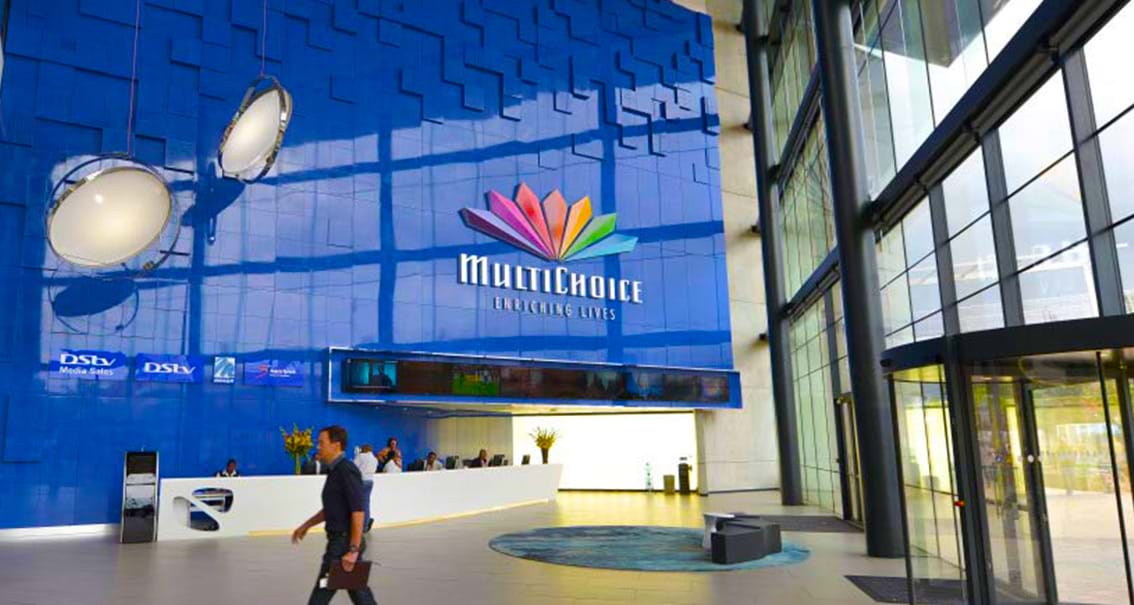
Multichoice, the satellite television company behind DStv, SuperSport, and Showmax, has announced it will report a financial loss for the first half (H1) of 2024, with its official report due on November 12.

In a statement, Multichoice attributed the loss to challenging macroeconomic conditions and adverse foreign exchange rates impacting its key markets, particularly Nigeria and Zambia.

The company noted,

“The first half of the 2024 financial year was negatively impacted by severe pressure in the macroeconomic, foreign exchange rate, and consumer environment in key markets, most notably Nigeria and Zambia.”

Recall that Multichoice Nigerian branch alone incurred over $216.9 million in foreign exchange losses over the past year, a figure four times greater than combined losses in the previous four years.

Inflationary pressure and currency devaluation in markets like Nigeria and Ghana reduced consumers spending power, leading to a decline in active subscribers. Citing economic challenges, Multichoice Nigeria had In April increased the prices of DStv and GOtv packages by at least 25%. This marked the third increment since last year, following the initial adjustment implemented on May 1, 2023. 

Fast forward to June 2024, in Nigeria, the company’s active subscribers dropped to 8.1 million (a 1.2 million decline), reducing the country’s revenue contribution to the rest of Africa segment from 44% to 35%.

Multichoice had stated that due to the challenging market dynamics, the short-term focus of its RoA (Nigeria, Angola, Kenya, Ghana, and Zimbabwe) business was shifted from subscriber growth to safeguard profitability and cash flows. 

The company has expressed that its investment in Showmax, a video streaming website, contributed a larger share to its financial decline. Cornered in a bid to surpass streaming competitors like Netflix and Prime Video, the company highlighted that Showmax has reached the peak of its investment cycle. Additionally, Multichoice intends to implement an inflationary pricing strategy and aims for R2 billion in cost savings by March 2025 to mitigate weaker subscriber activity and foreign exchange challenges.

“Multichoice has entered the peak investment cycle of Showmax and expects losses and headline losses per share to increase as a result of the early life cycle of the Showmax business”, the company noted.

It also expects to report a further R2.1-billion in forex “movements” through its income statement on “non-quasi equity intergroup loans in the current period”.

As part of its financial forecast, Multichoice expects to report an R2.1 billion foreign exchange impact from intergroup loans, further straining results. Adjusted for R2.3 billion in forex losses in other African operations and a R1.6 billion increase in Showmax investment.

The company projects a year-on-year increase of over 30% in group trading profit, driven by inflation-adjusted pricing and cost optimization strategies.