DD
MM
YYYY

PAGES

DD
MM
YYYY

spot_img

PAGES

Home Blog Page 27

Central Bank of Nigeria Sees Inflation Falling Below 13% in 2026 Amid High Interest Rate

0

Nigeria’s inflation outlook is expected to improve significantly in 2026, with the Central Bank of Nigeria (CBN) projecting headline inflation to moderate to an average of 12.94%, driven by easing food prices and a decline in the cost of premium motor spirit (PMS).

The projection, contained in the apex bank’s 2026 Macroeconomic Outlook for Nigeria, reinforces expectations that price pressures may finally be coming under control after years of instability.

According to the CBN, improved domestic supply conditions and stabilizing energy prices are expected to reduce cost pressures on households and businesses, supporting broader price stability.

“Headline inflation is projected to moderate to an estimated average of 12.94 per cent in 2026, driven by declining food and premium motor spirit (PMS) prices,” the bank said in the report.

The projection comes against the backdrop of a sharp statistical reset in Nigeria’s inflation data following the recent rebasing of the Consumer Price Index (CPI). The rebasing, which updated consumption weights to better reflect current spending patterns, resulted in a notable downward adjustment in headline inflation levels. Following the rebasing, the inflation rate dropped to 14.45% in November 2025 from 16.05% in October, according to the National Bureau of Statistics.

That decline has been widely interpreted as evidence that underlying price pressures may be easing more rapidly than previously assumed, especially as food inflation — long the most persistent driver — shows signs of moderation. Energy-related costs, particularly PMS, have also stabilized relative to the sharp shocks seen earlier in the subsidy reform period.

Despite this improvement, the CBN has maintained a tight monetary stance, keeping the Monetary Policy Rate (MPR) at a high 27%. The decision has drawn increasing scrutiny from economists and business leaders, many of whom argue that monetary conditions are now excessively restrictive relative to the inflation trend.

While the central bank has defended its position by citing the need to anchor inflation expectations and safeguard exchange rate stability, critics say the lag between the inflation slowdown and monetary easing is beginning to weigh heavily on the real economy.

At 27%, the MPR feeds into lending rates that often exceed 30% for many businesses, particularly small and medium-sized enterprises. Economists have repeatedly warned that such borrowing costs are choking productive activity, discouraging investment, and limiting the ability of firms to expand or even sustain operations.

Analysts have noted that while tight policy may have helped stabilize prices and the currency, the absence of any commensurate reduction in the benchmark rate, despite rebased inflation and easing headline numbers, risks undermining growth. Manufacturing firms, agribusinesses, and service providers continue to cite financing costs as one of their biggest constraints, especially in an environment already burdened by weak consumer demand and high operating expenses.

The CBN, however, appears cautious about easing too quickly. In its outlook, the bank pointed to several factors that could still influence liquidity and price dynamics in 2026, including exchange rate movements, fiscal operations, and election-related spending. Political activity ahead of elections is expected to increase government expenditure and financial flows, which could reintroduce inflationary pressures if not carefully managed.

Beyond inflation, the apex bank projected a bullish capital market outlook for 2026, supported by ongoing bank recapitalization, rising investor confidence, and policy measures aimed at strengthening the financial system. Stronger banks, the CBN believes, will be better positioned to intermediate credit and support economic growth, even under tight monetary conditions.

If the inflation projection materializes, it would mark a sharp turnaround from the price instability that defined much of the past two years. A sustained moderation toward the low-teens could ease pressure on households, improve business planning, and gradually restore confidence across the economy.

However, economists argue that monetary policy must evolve alongside the data. With inflation rebased and trending lower, calls are growing louder for the CBN to recalibrate its stance, warning that prolonged ultra-tight policy could deepen stress in the private sector and slow Nigeria’s recovery.

The central bank said it remains committed to deploying appropriate policy tools to sustain macroeconomic stability, support growth, and strengthen the financial system, even as debates intensify over how quickly policy should shift from inflation-fighting to growth support.

Nigeria’s Domestic Airline Capacity Shrinks 7.5% in December as Cost Pressures Deepen Industry Strain

0

Nigeria’s domestic aviation market closed 2025 on a weaker footing, with available airline seats falling sharply in December amid persistent structural and financial challenges confronting local carriers.

Data from OAG’s Africa Aviation Market Monthly Airline Data Updates for December 2025 shows that total domestic seat capacity in Nigeria declined to 850,420 seats, down from 919,400 seats in December 2024. The 7.5% year-on-year drop places Nigeria among the worst-performing major domestic aviation markets on the continent during the period.

The figures underline a broader slowdown in activity across Nigeria’s domestic air travel sector at a time when several African peers are expanding capacity and rebuilding momentum after years of disruption.

By contrast, South Africa consolidated its position as Africa’s largest domestic aviation market. Available seats there rose to 1,803,097 in December 2025 from 1,686,956 a year earlier, representing growth of nearly 7%. Kenya also posted solid gains, increasing domestic capacity by 8.6% to 456,500 seats, while Tanzania recorded one of the strongest expansions on the continent, surging 27% to 415,130 seats.

North African markets largely moved in the opposite direction from Nigeria. Egypt recorded modest growth of 2.5%, while Algeria expanded capacity by more than 26%. Morocco grew its domestic seat count by almost 12%, and Cape Verde posted the fastest percentage growth among surveyed markets, with capacity jumping nearly 34%.

Not all markets fared well. Ethiopia experienced a contraction, while the Democratic Republic of Congo recorded one of the sharpest declines, shedding close to 29% of its domestic seat capacity year on year.

For Nigeria, the decline reflects deep-rooted challenges that have constrained airline operations for years. A major factor has been limited access to dry-lease aircraft, which restricted fleet expansion and replacement. For a long period, Nigeria was blacklisted by the Aviation Working Group over non-compliance with the Cape Town Convention, following past aircraft defaults by local carriers. That status effectively shut Nigerian airlines out of global leasing markets.

Although Nigeria has since made progress, raising its Cape Town Convention compliance score from 49% to 75.5% and securing removal from the AWG watchlist in October 2024, the recovery has been slow. According to government disclosures, only one airline has so far qualified for a dry-lease aircraft, which the Minister of Aviation said would arrive in October 2025. Most carriers continue to rely on wet leases or outright purchases, with aircraft prices reaching as high as $80 million.

Dry leasing remains critical to restoring domestic capacity because it allows airlines to operate aircraft under their own crews and schedules, giving them full control over routes and costs. Without it, fleet planning becomes more expensive and less flexible, limiting the ability of airlines to add seats consistently.

Financing conditions have further compounded the problem. High interest rates and limited access to affordable credit continue to restrict aircraft acquisition. At the same time, Nigeria’s lack of functional wide-body maintenance, repair, and overhaul facilities has forced airlines to ferry aircraft overseas for servicing. Air Peace chief executive Allen Onyema has said a single ferry trip can cost as much as $400,000, with aircraft sometimes grounded for months, shrinking available capacity, and disrupting schedules.

Pressure on the sector is also intensifying ahead of proposed fiscal changes. Onyema has warned that provisions in the tax reform package scheduled to take effect in January 2026 could significantly raise operating costs. Central to his concern is the reintroduction of value added tax on aircraft, spare parts, and air tickets — items that were exempted under the 2020 Finance Act to stabilize the aviation industry.

According to Onyema, importing an aircraft valued at around $80 million would immediately attract 7.5% VAT under the new rules, translating into billions of naira at current exchange rates. He has argued that airlines lack the financial buffers to absorb such costs, especially in an environment where borrowing rates can climb as high as 35%.

“By the time you bring these things in, at the end of the day, the cost of operation will be huge,” Onyema said. “Your ticket fares will hit N1.something million soon.”

He warned that pushing additional taxes onto already stretched operators could have devastating consequences.

“If we implement that tax reform, Nigerian airlines could go down within three months,” he said.

While several local carriers, including Air Peace and Ibom Air, are developing maintenance facilities, these projects are not yet operational. Until they come on stream, aircraft downtime will remain a drag on capacity and reliability.

Taken together, the December figures paint a picture of a domestic aviation market struggling to regain altitude. Without faster access to leasing, cheaper financing, operational infrastructure, and regulatory stability, Nigeria risks falling further behind regional peers that are steadily rebuilding and expanding their domestic air networks.

Indian Oil Corp Buys First Colombian Crude Cargo Amid Sharp Decline in Russian Imports

0

Indian Oil Corporation, India’s largest refiner, has purchased its first cargo of Colombian crude under an optional supply agreement with state-owned Ecopetrol, signaling accelerated diversification away from Russian oil as tighter Western sanctions disrupt supplies and elevate compliance risks.

IOC acquired 2 million barrels of Castilla Blend heavy sour crude for delivery in late February 2026—one very large crude carrier load—sources familiar with the transaction confirmed. The purchase activates a longstanding framework contract signed in late 2021 and renewed annually, allowing up to 12 million barrels (six VLCCs) based on mutually agreeable terms, primarily pricing competitiveness.

The move coincides with a projected plunge in India’s Russian crude imports to a three-year low of around 1.2 million barrels per day in December 2025, down from 1.84 million bpd in November, according to ship-tracking firm Kpler. Russian volumes, which peaked at over 2 million bpd earlier in the year and averaged 1.7 million bpd annually, are expected to account for only 25% of India’s total crude imports this month versus 38% in November, marking the lowest share since November 2022.

Escalating Sanctions Driving The Shifts

U.S. measures effective November 21 targeted major Russian producers Rosneft and Lukoil, alongside dozens of vessels in the “shadow fleet.” EU restrictions, including a lowered price cap and bans on refined products from third-country processing of Russian crude, have heightened banking and insurance scrutiny, prompting Indian refiners—especially state-owned ones like IOC—to curtail direct purchases from sanctioned entities.

The impact of sanctions will depend on the reaction of banks and companies in China and India, the main buyers of Russian oil, accounting for 90% of Russia’s seaborne exports.

President Donald Trump’s administration imposed additional duties on Indian goods linked to Russian energy trade, contributing to caution among buyers. On August 27, 2025, the U.S. imposed a 25 percent duty on India’s Russian oil purchases on top of the 25 percent reciprocal tariffs, escalating to 50% specifically targeting India’s Russian oil trade.

Narrowing discounts on Russian Urals (now $2-4 per barrel below Brent versus $10-16 earlier) have made Middle Eastern and Latin American grades more attractive, particularly as West Asian suppliers like Saudi Arabia and UAE cut official selling prices. Urals oil discount to India has widened sharply to over $5/bbl as Indian refiners reduce Russian crude imports amid mounting US sanctions.

Colombian Castilla crude, with an API gravity of 18.8° and sulfur content of 1.97%, is a heavy sour blend of heavy crudes produced in the Llanos Basin, suitable for India’s complex refineries designed to process similar grades. Colombia’s crude exports, primarily heavy blends like Castilla and Vasconia, have averaged 324.880 thousand barrels monthly historically, with key markets in the U.S. and Asia.

This purchase marks a rare activation for IOC, which typically sources over 80% of its needs from Russia and the Middle East, as South American crudes have historically lacked a price edge due to higher freight costs from longer shipping routes.

The first Colombian lift highlights evolving economics: improved competitiveness amid sanctions-induced Russian supply fragmentation, plus strategic hedging against geopolitical risks. India emerged as the largest buyer of Russian seaborne oil, drawn by sustained discounts of $5–10 per barrel compared to Brent. These discounted imports helped India save an estimated $10 billion in forex in 2024-2025 but exposed it to U.S. reprisals.

India’s exports of refined products from Russian crude have also faced scrutiny, with bans in some markets. To mitigate, refiners increased intakes from the UAE (up 50% in 2025), Iraq, the US (83% surge in 2025), Angola, Venezuela, and Guyana. Annual Russian imports fell 18% in 2025, with Russia’s share dipping to 40-45% from over 50% peaks. Kpler data suggests Indian refiners are likely to remain opportunistic buyers of Russian crude, provided price advantages persist, and sanctions do not escalate further.

As India’s top importer, processing ~1.4 million bpd across nine refineries, IOC has ramped up spot purchases and long-term deals with non-Russian suppliers. The Ecopetrol contract, optional and volume-flexible, allows hedging without firm commitments. Similar pacts with Mexico’s Pemex and Brazil’s Petrobras remain largely untapped but could activate if Russian flows contract further.

The shift supports India’s refining sector—capacity ~5.5 million bpd, third-largest globally—and aligns with energy security goals amid volatile prices. It could encourage similar activations of dormant Latin American deals, enhancing supply resilience while navigating U.S.-India trade negotiations. However, experts warn that full diversification is gradual; Russia remained India’s top supplier in December 2025 at 1.146 million bpd, despite lower volumes caused by sanctions-related disruptions.

Heirs Energies Buys 20% of Seplat for $500m, Becomes Largest Shareholder in Landmark Africa-Backed Deal

0

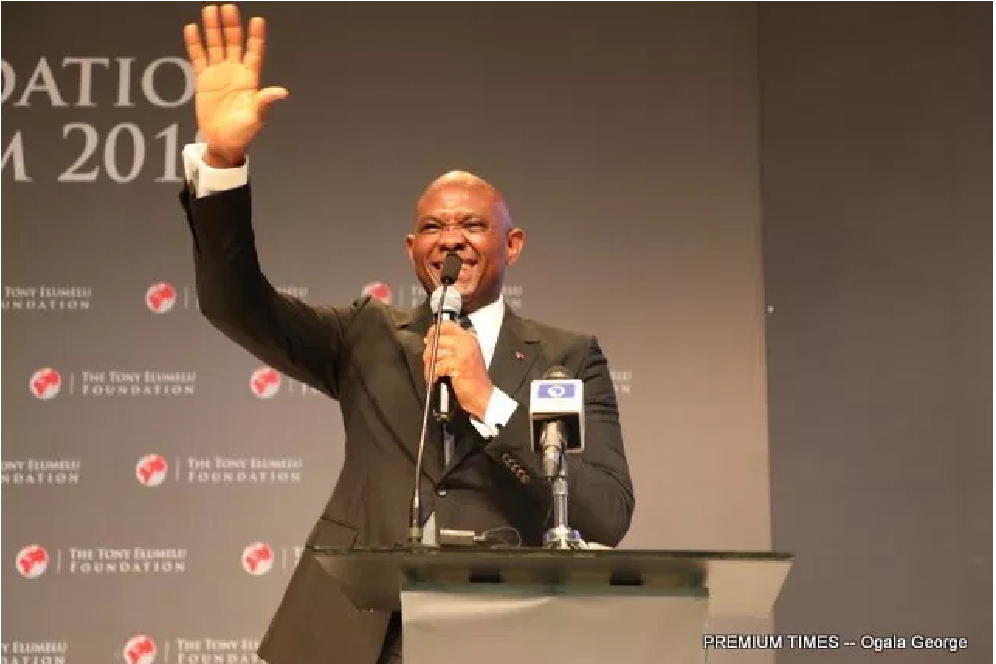
Tony Elumelu’s Heirs Energies has emerged as the single largest shareholder in Seplat Energy after acquiring a 20% stake in the Nigerian oil and gas producer for about $500 million, in a transaction that reshapes Seplat’s ownership structure and underscores the growing role of African capital in funding large-scale energy deals.

The stake was acquired from French oil and gas company Maurel & Prom (M&P), which agreed to sell its entire 20.07% holding in Seplat to Heirs Energies for a total consideration of $496 million. The deal covers 120.4 million shares priced at 305 pence per share, according to disclosures made by M&P on December 31, 2025.

At the time of the announcement, Seplat was trading at about 275 pence on the London Stock Exchange, meaning the transaction was struck at a premium of roughly 10.9% to the prevailing market price. The structure of the deal includes an upfront payment of $248 million, with the balance payable within 30 days and secured by an irrevocable letter of credit. A further $10 million in contingent consideration may be payable, depending on Seplat’s share price performance over the next six months.

The acquisition was backed by two major African development finance institutions, Afreximbank and the Africa Finance Corporation (AFC), reinforcing the narrative that large, strategic transactions on the continent can increasingly be financed without relying primarily on Western capital.

The deal also comes just days after Heirs Energies secured a separate $750 million financing facility from Afreximbank to fund its operations and expansion plans, giving the group significant financial headroom to pursue transactions of this scale.

With the purchase, Heirs Energies, a subsidiary of Heirs Holdings, takes its stake in Seplat to about 20.46%, overtaking all other shareholders and cementing its position as the company’s largest investor. Seplat’s other major shareholders include Petrolin Group with 13.77%, Sustainable Capital with 9.77%, Professional Support at 8.5%, and Allan Gray Investment Management with 5.57%.

Seplat currently produces about 286,000 barrels of oil equivalent per day, making it one of Nigeria’s most significant indigenous energy companies. Heirs Energies, by comparison, produces roughly 70,000 barrels of oil equivalent per day from its flagship asset, OML 17 in the Niger Delta. That asset delivers over 50,000 barrels of oil per day and about 120 million cubic feet of gas daily, with a reserves base estimated at more than 1.5 billion barrels of oil and 2.5 trillion cubic feet of gas.

Commenting on the transaction, Tony Elumelu, chairman of Heirs Energies, framed the deal as both a commercial investment and a statement of intent.

“This acquisition reflects our strong belief in Africa’s ability to own, develop, and responsibly manage its strategic resources,” Elumelu said. “It is a long-term investment in Nigeria’s and Africa’s energy future and aligns with our mission to drive energy security, industrialization, and shared prosperity.”

He added that Seplat has built “a resilient, well-governed platform with compelling long-term prospects,” and said Heirs Energies was pleased to support its continued growth and value creation.

For Maurel & Prom, the sale represents a major exit from a long-standing investment. M&P has been one of Seplat’s three founding shareholders and the largest single investor since the company was established in 2010. Over that period, the French firm played a central role in Seplat’s evolution into a major independent producer with a diversified oil and gas portfolio.

“We are incredibly proud to have supported Seplat’s journey over the last fifteen years,” M&P chief executive Olivier de Langavant said, describing the investment as having delivered “very strong returns” since inception. He said the timing was right for M&P to monetize its position and redeploy capital into direct oil and gas asset investments as part of an accelerated growth strategy.

The transaction marks a clear transition in Seplat’s shareholder base, with a foreign founding investor handing over to a Nigerian-led, Africa-focused energy group as a long-term strategic shareholder. Legal and financial advisers to the deal were Herbert Smith Freehills, Kramer, and Morgan Stanley, respectively.

While no detailed regulatory timeline has been disclosed, the secured structure of the transaction and the involvement of major financial institutions suggest a carefully coordinated process. Once completed, the deal will further consolidate Heirs Holdings’ position as one of Africa’s most influential integrated energy groups, spanning upstream oil, gas supply to the domestic power market, and broader infrastructure investments.

Beyond the immediate change in Seplat’s register, the transaction carries wider implications for Nigeria’s energy sector. It signals sustained investor confidence in well-run indigenous producers at a time when international oil companies continue to rationalize their onshore exposure. It also highlights a gradual shift toward African ownership and financing of strategic assets, a theme that could encourage further consolidation and partnership activity across the sector.

Seplat, founded by Austin Avuru and ABC Orjiako through the merger of Shebah Petroleum and Platform Petroleum in 2009, ends 2025 with a market capitalization of about £1.66 billion and a renewed shareholder base anchored by a deep-pocketed local investor with an explicit long-term growth agenda.

Chinese AI Firm MiniMax, Others, Launch $2.15bn Hong Kong IPO In Year-End Rush

0

Chinese artificial intelligence startup MiniMax Group has taken center stage in Hong Kong’s resurgent equity markets, spearheading six new listings worth a combined HK$16.7 billion ($2.15 billion) launched on Wednesday.

This is a fresh signal that AI developers and chipmakers are now driving the city’s IPO revival and shaping expectations for deal flow in 2026.

The flurry of offerings caps a blockbuster year for Hong Kong, which raised $36.5 billion from 114 new listings in 2025, its strongest performance since 2021 and more than triple the roughly $11.3 billion raised in 2024, according to LSEG data. Bankers and investors say the renewed momentum reflects a convergence of easing regulatory bottlenecks, pent-up demand from mainland firms, and surging investor appetite for companies positioned at the heart of China’s push for technological self-reliance.

MiniMax, one of the country’s most closely watched large language model developers, is seeking to raise up to HK$4.19 billion from the sale of 25.4 million shares priced between HK$151 and HK$165, ahead of its planned debut on January 9. At the top end of the range, the offering would value the company at about $6.5 billion, placing it firmly among the most valuable Chinese AI startups to tap public markets.

Founded in early 2022 by former SenseTime executive Yan Junjie, MiniMax develops multimodal AI systems capable of processing text, audio, images, video, and music. Its portfolio includes models such as MiniMax M1, Hailuo-02, Speech-02, and Music-01, which are increasingly being pitched as building blocks for consumer applications, enterprise tools, and creative content platforms.

The listing makes MiniMax one of the first Chinese large language model developers to seek a public flotation in Hong Kong, a milestone that analysts see as symbolically important for the sector.

Alongside MiniMax, semiconductor specialists OmniVision Integrated Circuits and GigaDevice Semiconductor have also kicked off bookbuilding for their Hong Kong IPOs, each aiming to raise about $600 million. Their presence underscores how chip designers are once again finding receptive capital markets, even as global semiconductor supply chains remain shaped by geopolitical constraints and export controls.

“The wave of IPO approvals does suggest a shift in accelerating AI startup development through capital market access,” said Lian Jye Su, chief analyst at tech research firm Omdia.

He added that while the United States still leads in frontier computing power and model performance because of its dominance in advanced chips, access to public funding allows China to “build a resilient, self-sufficient AI ecosystem with minimal impact from tech restrictions.”

Investor enthusiasm for Chinese AI stocks has been building steadily since the rise of DeepSeek, a domestic alternative to ChatGPT that reignited interest in homegrown AI capabilities. That momentum has been reinforced by recent global dealmaking, including Meta’s acquisition of Manus, which has fueled expectations that strategic investment and IPO activity in the sector will remain robust into 2026.

The demand is not limited to software-focused AI firms. Chinese memory chipmaker ChangXin Memory Technologies and Baidu’s AI chip unit Kunlunxin are among the companies exploring listings on domestic or Hong Kong exchanges, Reuters has reported, as capital markets reopen for hardware players critical to China’s AI ambitions.

Onshore, recent IPOs of AI chip firms Moore Threads and MetaX were thousands of times oversubscribed, with shares trading well above their offer prices even after recent pullbacks, highlighting the depth of retail and institutional demand.

MiniMax’s offering has attracted heavyweight cornerstone investors, including Alibaba, the Abu Dhabi Investment Authority, Boyu Capital, and Mirae Asset, according to its prospectus. The presence of both Chinese and global long-term investors is seen by bankers as a vote of confidence in the company’s technology roadmap and in Hong Kong’s ability to host large, internationally marketed tech listings.

Other issuers launching deals on Wednesday span a broad range of sectors, from biotech firm Suzhou Ribo Life Science to cathode copper producer Yunnan Jinxun Resources and logistics company Hongxing Coldchain (Hunan). Together, they illustrate how the IPO window has widened beyond a narrow set of technology names, even though AI and semiconductors remain the main draw for investors.

Looking ahead, the pipeline shows little sign of slowing. Semiconductor designer Shanghai Biren Technology is set to debut on Friday, effectively opening the 2026 listing calendar, followed by offerings from Zhipu AI, Shanghai Iluvatar CoreX Semiconductor, and surgical robotics maker Shenzhen Edge Medical on January 8. For market participants, the sequencing is deliberate: anchoring the new year with high-profile AI and chip listings is expected to reinforce confidence that Hong Kong’s equity markets have moved decisively out of their post-pandemic slump.

Proceeds from the latest wave of offerings will largely be channeled into research and development, product expansion, and working capital, company disclosures show. In a market increasingly defined by strategic competition in artificial intelligence and semiconductors, investors are betting that sustained funding access will be as critical as technological breakthroughs in determining which players emerge as long-term winners.