DD
MM
YYYY

PAGES

DD
MM
YYYY

spot_img

PAGES

Home Blog Page 270

Apple to Introduce Passport-Linked Digital IDs in Wallet, Expanding Its Push Into Digital Identity

0

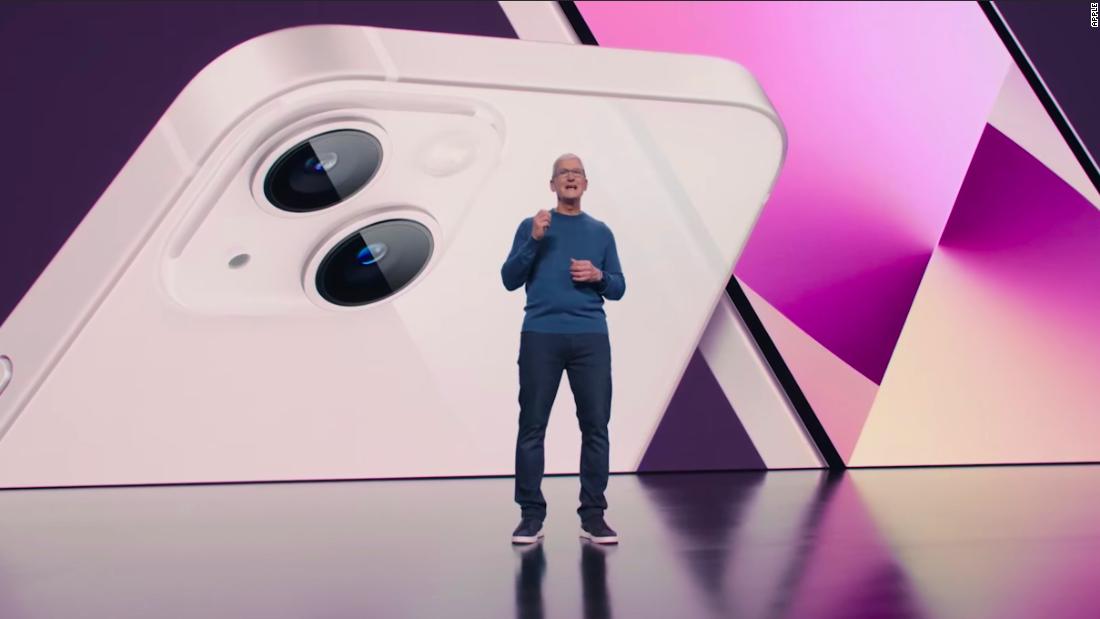
Apple announced that U.S. users will soon be able to create a digital ID using their passport in Apple Wallet, marking a significant step in the company’s expansion beyond payments into identity management.

The new feature, revealed by Jennifer Bailey, Vice President of Apple Pay and Apple Wallet, at the Money 20/20 USA conference, will allow travelers to use a verified passport-based digital ID at select TSA checkpoints for domestic air travel.

The functionality, first teased during the rollout of iOS 26, had not yet launched when the update debuted. Apple said the feature will arrive “in an upcoming software update,” positioning it as part of the company’s broader effort to make Wallet “a secure place for everything that represents you.”

Bailey said the feature “builds on the progress we’ve made with state-issued IDs,” referring to Apple’s ongoing partnerships with U.S. state governments. So far, 12 states and Puerto Rico have adopted support for digital driver’s licenses or state IDs in Apple Wallet—representing roughly a third of U.S. license holders.

A Timely Move Amid Real ID Enforcement

The timing of the announcement aligns with new Real ID enforcement rules that took effect in May, which require compliant identification for air travel within the United States. Many state-issued IDs that haven’t yet met Real ID standards can no longer be used at TSA checkpoints, making Apple’s digital passport ID an attractive alternative for frequent travelers.

Although the feature won’t replace a physical U.S. passport, Apple says it will streamline travel by allowing passengers to verify their identity through their iPhone or Apple Watch, alongside existing digital boarding passes in Wallet.

Bailey emphasized that the integration with TSA will enhance “speed, convenience, and security,” as travelers can move through checkpoints without needing to hand over physical documents.

Wallet’s Expanding Role Beyond Payments

At the conference, Bailey also detailed Apple Wallet’s growing ecosystem, describing it as a digital hub that now extends far beyond payments.

She noted that Apple Pay is now active in 89 markets worldwide, supported by more than 11,000 banks and networks, including 15 domestic payment networks in the U.S. In addition, 90% of U.S. retailers now accept Apple Pay, up from just 3% at its launch 11 years ago.

Wallet’s non-payment capabilities have also expanded rapidly. Users can already store car keys, transit passes, and hotel room keys in the app. Transit support now covers over 250 regions and 800 cities globally, while more than 2 million hotel room keys have been issued through the app, covering 65,000 hotel properties. Meanwhile, 29 car manufacturers and over 300 models support Apple’s Car Key feature, allowing drivers to unlock and start vehicles with their devices.

A Step Toward a Broader Identity Future

Apple’s forthcoming passport-linked Digital ID initiative underscores its ambition to make the iPhone central to personal identity in the digital era. Analysts say the move could position Apple as a key player in the identity verification space, an area increasingly important for travel, fintech, and government services.

The company has framed Wallet as part of a privacy-centric approach, with all identity data encrypted and stored securely on the user’s device rather than in Apple’s cloud systems.

The digital ID project could ultimately lay the groundwork for future integrations — such as access to government portals, health credentials, or global travel verification — placing Apple Wallet at the center of how users prove who they are, both online and in person.

JPMorgan Makes First National Security Investment in U.S. Antimony Miner Perpetua Resources

0
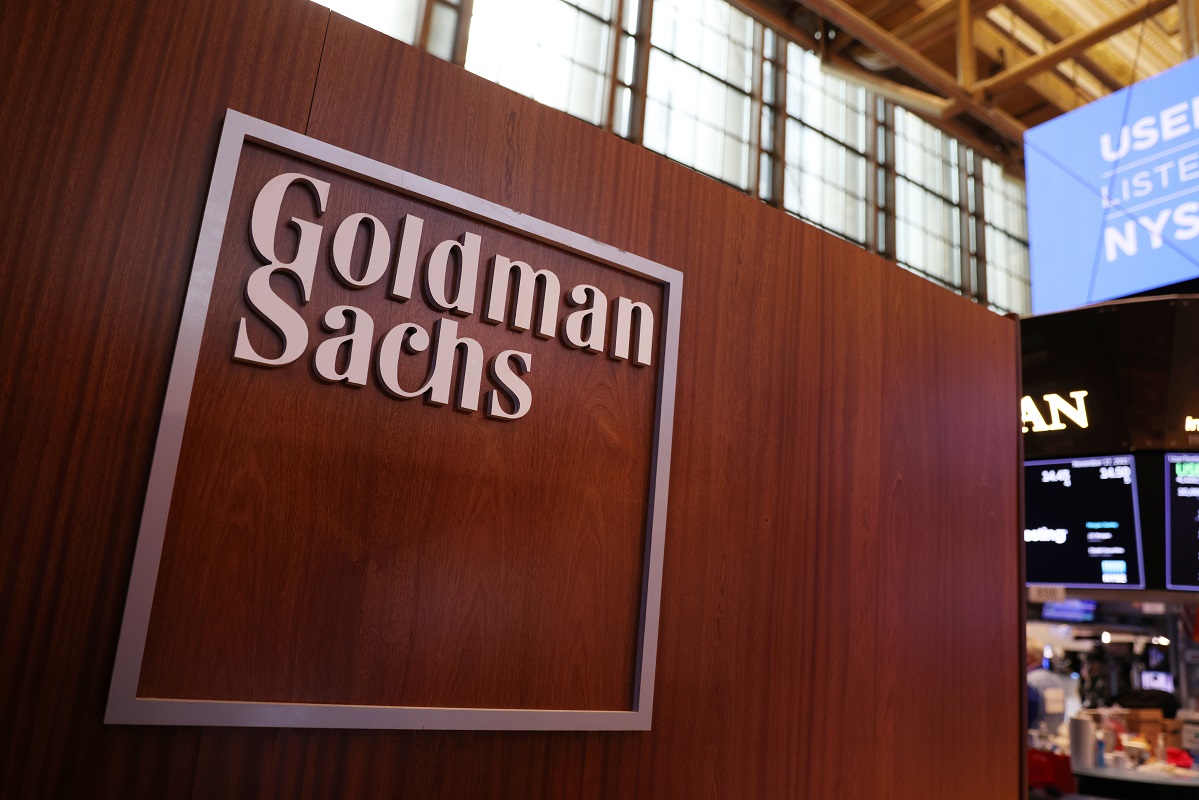
The logo for Goldman Sachs is seen on the trading floor at the New York Stock Exchange (NYSE) in New York City, New York, U.S., November 17, 2021. REUTERS/Andrew Kelly/Files

JPMorgan Chase has made its first investment under a new $1.5 trillion national security fund, backing Perpetua Resources — the Idaho-based company developing the largest antimony mine in the United States.

Under the agreement signed Sunday and released on Monday, JPMorgan will invest $75 million of its own funds for a nearly 3% stake in Perpetua, marking a rare direct investment by the Wall Street giant in a mining operation. The transaction is expected to close on Tuesday.

The bank will also have the option to exercise $42 million in warrants within three years. According to data from LSEG, JPMorgan currently holds about 20,000 shares of Perpetua.

Antimony is a metal essential for national defense — used in bullets, night vision gear, solar panels, flame retardants, and microelectronics — yet the United States currently has no domestic source of it.

China, which produces and processes the majority of the world’s supply, halted antimony exports in late 2024, disrupting global markets and prompting Western governments to scramble for new supply chains.

Perpetua’s Idaho project, located about 138 miles north of Boise, will produce more than 35% of the U.S. annual antimony needs once fully operational by 2028. It will also generate about 450,000 ounces of gold annually, providing a dual revenue stream that can help stabilize operations against commodity market swings or geopolitical disruptions.

“This is all about putting America first again relative to the supply chain, in this case for critical minerals,” said Jon Cherry, CEO of Perpetua Resources.

The project, which has estimated reserves of 148 million pounds of antimony and 6 million ounces of gold, is backed by billionaire investor John Paulson and has bipartisan support. Both President Donald Trump and former President Joe Biden approved the necessary permits, underlining the project’s national importance.

The Perpetua deal is the first investment from JPMorgan’s Security and Resiliency Initiative, a $1.5 trillion program unveiled earlier this month to support industries vital to U.S. defense and energy independence.

“With this investment, we are supporting a company in an industry critical to national security and American resiliency, precisely the focus of our new initiative,” said Doug Petno, co-CEO of JPMorgan’s commercial and investment banking division.

JPMorgan CEO Jamie Dimon previously said the initiative was born out of a “painfully clear” realization that “the United States has allowed itself to become too reliant on unreliable sources of critical minerals.”

Broader Industry Partnerships

In a parallel move, Agnico Eagle Mines Ltd., a Toronto-based gold producer, announced a $180 million investment in Perpetua for a 6.5% stake, as well as plans to assist in the mine’s development.

Both investments were priced at Perpetua’s closing stock price last Friday.

The U.S. Export-Import Bank is also considering a loan package to support the project, as part of a broader government effort to strengthen domestic production of critical minerals.

However, Perpetua still needs a refining partner for its antimony output. The company is in talks with Glencore, Trafigura, Clarios, and Sunshine Silver and expects to finalize a deal by the end of the year.

However, the project faces legal challenges from the Nez Perce Tribe in Idaho, which has raised environmental concerns, including the mine’s potential impact on salmon populations in nearby rivers.

Perpetua has said it will continue discussions with tribal representatives and environmental regulators to ensure the project meets all standards for water quality and habitat protection.

What It Means for U.S. Industry

The Perpetua investment underscores Washington’s growing focus on economic security through mineral independence, an area where China’s dominance has long been viewed as a strategic vulnerability.

JPMorgan’s entry into resource funding is believed to represent a turning point in how Wall Street views mining — traditionally seen as high-risk — as now essential to national resilience.

The Perpetua project is expected to serve as a blueprint for public-private cooperation in critical mineral development, marking a new era of U.S. industrial policy that blends corporate investment, federal support, and strategic resource planning.

Mobile Gaming Tech: How Chicken Road Drives Revenue

0

Chicken Road exemplifies mobile gaming revenue generation in 2025, leveraging innovative technology and strategic monetization to achieve sustainable profitability. The chickenroad.in platform demonstrates how smart design creates multiple income streams. This article explores revenue models, technological innovations, and business strategies driving Chicken Road’s success, offering insights for gaming entrepreneurs.

Core Revenue Streams

In-app purchases dominate earnings. Power-ups and skins generate 65% of income. This microtransaction model scales efficiently.

Advertisement integration provides steady cash flow. Rewarded videos boost session length by 40%. This non-intrusive approach maintains user satisfaction.

Subscription tiers offer premium benefits. Ad-free play and exclusive content retain 15% of users. This recurring revenue ensures stability.

Affiliate partnerships expand reach. Casino integrations drive referral commissions. This ecosystem approach multiplies earnings.

Merchandise sales capitalize on brand loyalty. Character-themed products convert 5% of players. This diversification strengthens income.

Technology Driving Monetization

AI personalization increases purchase likelihood. Targeted offers based on play patterns boost conversion 30%. This precision maximizes revenue per user.

Real-time analytics optimize pricing. Dynamic adjustments respond to demand fluctuations. This flexibility captures maximum value.

Cloud infrastructure scales cost-effectively. Pay-as-you-go model reduces overhead. This efficiency supports profit margins.

Blockchain enables secure microtransactions. Instant settlements reduce fees. This technology streamlines revenue flow.

5G connectivity enhances premium features. Lag-free multiplayer justifies subscriptions. This performance drives upgrade rates.

Business Strategies for Revenue Growth

User acquisition focuses on viral sharing. Referral bonuses encourage organic growth. This cost-effective method scales efficiently.

Retention programs reduce churn significantly. Daily login rewards maintain 70% monthly active users. This consistency builds predictable income.

Seasonal events spike revenue temporarily. Limited-time challenges increase spending 200%. This timing capitalizes on engagement peaks.

Cross-promotion partnerships expand audience. Bundle deals with complementary apps. This collaboration accesses new markets.

Data licensing creates additional streams. Anonymized analytics sold to researchers. This B2B approach diversifies earnings.

Advanced Monetization Tactics

Dynamic difficulty adjustment encourages purchases. Increasing challenges prompt power-up buys. This psychological nudge boosts sales.

Limited-time offers create urgency. Flash sales convert 45% of viewers. This scarcity principle drives immediate revenue.

Tiered reward systems ladder player investment. Progressive benefits unlock with spending. This structure encourages escalation.

Personalized bundles match player preferences. AI-curated packages increase acceptance 60%. This customization maximizes value.

Exit-intent offers retain departing users. Discounted bundles prevent churn. This recovery tactic salvages potential losses.

The Future of Mobile Gaming Revenue

AI revenue managers will optimize pricing. Real-time adjustments based on user behavior. This automation maximizes profits continuously.

Global payment integration will expand markets. Local currencies and methods reduce barriers. This accessibility drives international growth.

Sustainable monetization will attract conscious consumers. Green servers and ethical practices. This positioning appeals to modern values.

Metaverse gaming will create new economies. Virtual real estate and assets. This innovation opens unprecedented revenue streams.

Community-funded development will emerge. Player investments shape features. This crowdfunding model ensures aligned incentives.

Revenue Sector Market Share (%) Examples of Strategy
In-App Purchases 40% Power-ups, premium skins
Advertising Models 25% Rewarded videos, banner ads
Subscription Tiers 20% Ad-free, exclusive content
Future Innovations 15% AI pricing, metaverse assets

Frequently Asked Questions (FAQ)

How does Chicken Road generate revenue?
In-app purchases and rewarded ads lead earnings.

What technology drives monetization?
AI personalization and cloud scaling optimize income.

Which strategies boost profits?
Dynamic pricing and limited-time offers excel.

What’s the future of gaming revenue?
AI managers and metaverse economies will transform models.

TikTok Deal To Be Concluded During Trump–Xi Summit in Korea on Thursday

0

The United States and China have finalized an agreement on TikTok’s future, Treasury Secretary Scott Bessent announced on Sunday, marking the culmination of months of high-stakes negotiations that have dominated Washington–Beijing tech relations.

Bessent, speaking on CBS’ Face the Nation from Kuala Lumpur, said both sides had completed all outstanding details of the long-awaited deal, which will be formally concluded when U.S. President Donald Trump and Chinese President Xi Jinping meet in Korea later this week.

“We reached one in Madrid, and I believe that as of today, all the details are ironed out,” Bessent said. “That will be for the two leaders to consummate that transaction on Thursday in Korea.”

Bessent, who has spearheaded negotiations on behalf of the U.S. Treasury, declined to provide specifics of the agreement but said his primary goal — securing China’s approval for the transaction — had been achieved.

“My remit was to get the Chinese to agree to approve the transaction, and I believe we successfully accomplished that over the past two days,” he said.

The Structure of the Deal

The agreement follows a legislation signed by former President Joe Biden, requiring ByteDance, TikTok’s Chinese parent company, to divest its U.S. operations or face a nationwide ban. Trump had extended the deadline several times as both the U.S. and China negotiated the structure of the transaction.

Under the terms of the deal, TikTok’s U.S. operations — including its proprietary recommendation algorithm, source code, and content moderation systems — will be placed under a new board of directors based in the United States. Oracle, led by Trump ally Larry Ellison, will assume control of data security and infrastructure oversight to ensure compliance with U.S. national security requirements.

Investment firms, including Fox Corporation, Andreessen Horowitz, and Silver Lake Management, will hold equity stakes in the restructured TikTok entity, with Fox’s participation apparently confirmed by Trump in recent remarks. But the involvement of Fox — owner of Fox News and a long-time Trump media ally — is expected to draw scrutiny over potential conflicts of interest and political influence within the entertainment and social media industry.

The deal represents one of the most significant breakthroughs in the Trump administration’s tech and trade diplomacy with China since 2020, when the U.S. first moved to restrict Chinese technology firms over security concerns.

The White House has framed the TikTok agreement as a model for balancing economic engagement with digital sovereignty.

For China, the resolution comes amid intensifying scrutiny over its export controls on rare earth minerals. Chinese regulators had previously hesitated to approve ByteDance’s sale, citing sovereignty over its proprietary algorithms.

Weighing The Impact

Analysts say the finalized TikTok deal could serve as a template for how the U.S. manages Chinese-owned digital platforms operating on American soil. The arrangement — which retains ByteDance’s minority ownership but shifts operational control to a U.S.-based entity — could pave the way for a new regulatory model balancing foreign investment and national security oversight.

It is believed this could be the first truly hybrid tech governance structure between the U.S. and China, and if it works, could redefine how both countries handle cross-border data management in the future.

The deal also represents a political win for Trump, who has repeatedly promised to “make America the digital capital of the world.” His administration’s push for U.S. oversight of TikTok aligns with his broader strategy to repatriate digital infrastructure, boost domestic technology investment, and project U.S. influence in the global tech economy.

The final signing of the TikTok agreement is scheduled to coincide with the Trump–Xi summit in Seoul later this week. Both leaders are expected to hold a joint press briefing afterward, potentially unveiling details of the transaction and outlining next steps for implementation.

If approved and executed smoothly, the deal could end years of uncertainty over TikTok’s fate in the U.S. market, ensuring the platform’s continued operation while addressing Washington’s national security concerns.

For Beijing, the agreement allows it to preserve face by retaining some control over ByteDance’s intellectual property. Bessent said an official statement outlining the structure of the new TikTok entity will be released after the leaders’ meeting in Korea.

What’s Driving the Growing Attention Around the Zero Knowledge Proof (ZKP) Whitelist? Slots Open Soon!

0

The Zero Knowledge Proof (ZKP) blockchain is increasingly attracting attention across crypto communities as conversations intensify around its upcoming whitelist phase. This presale project, which focuses on decentralized AI computation, privacy protection, and verifiable compute, has been gaining traction among early watchers looking for the next standout opportunity in the presale market.

Built on a framework that prioritizes data sovereignty and computational balance, the Zero Knowledge Proof (ZKP) ecosystem addresses key challenges facing the AI and blockchain industries. Its approach to distributed intelligence and privacy-preserving computation has helped position it as one of the best presale crypto projects for those seeking innovation rooted in transparency and security. As anticipation grows, many are taking note of its entry into the upcoming crypto presale cycle.

ZKP Redefines Distributed Compute for AI

One of the defining aspects of the Zero Knowledge Proof (ZKP) blockchain lies in its approach to AI-driven distributed compute. Rather than relying on centralized servers, it utilizes a network of participants that contribute both computing power and storage space, fostering balance, reliability, and inclusivity within the ecosystem.

The Proof of Intelligence mechanism allows nodes to contribute verified computational resources, ensuring that AI workloads are processed efficiently and verifiably. This system minimizes dependency on traditional infrastructure and creates a scalable environment suited for complex AI tasks. The result is a decentralized architecture that can support parallel AI processing across multiple participants while maintaining integrity.

Complementing this, the Proof of Space component ensures data availability and network resilience through decentralized storage verification. By rewarding both compute and storage contributions, the ecosystem establishes a merit-based structure that strengthens participation and fairness.

These components together have positioned the Zero Knowledge Proof (ZKP) blockchain as one of the most discussed entries among upcoming crypto presale projects targeting decentralized intelligence.

Privacy as a Cornerstone of Innovation

Amid rising discussions on data privacy and control, many in the crypto space are asking what is zero knowledge proof and how it applies to next-generation blockchain networks. The Zero Knowledge Proof (ZKP) ecosystem applies this concept directly to its operational design, ensuring data validation without compromising confidentiality.

Through the use of zero-knowledge mechanisms, computations on encrypted data can occur without revealing the underlying information. This design safeguards sensitive models, user data, and proprietary algorithms, making the network suitable for privacy-intensive applications. It allows collaborative AI development and data exchange without fear of exposure, maintaining a balance between transparency and confidentiality.

This privacy-first approach has become one of the central reasons analysts list the Zero Knowledge Proof (ZKP) blockchain among the best presale crypto projects of interest. As privacy concerns grow across digital infrastructure, the project’s ability to verify without exposure resonates strongly with developers, enterprises, and privacy-conscious participants.

Market Conversations Grow Around ZKP’s Whitelist Phase

As excitement builds around the upcoming whitelist phase, the ZKP blockchain has emerged as a recurring topic in analyst discussions and crypto community forums. The upcoming phase represents the first opportunity for participants to engage more deeply with the project, drawing interest from both retail and institutional followers tracking early presale opportunities.

The ecosystem’s dual consensus model continues to stand out as a structural advantage, balancing computational output and data reliability. By allowing contributors to earn based on both intelligence and storage, it ensures that network efficiency is maintained while fostering fairness in participation. This combination of scalability, privacy, and verifiability is what sets the project apart within the broader landscape of upcoming crypto presale entries.

The decentralized data marketplace being built within the Zero Knowledge Proof (ZKP) ecosystem adds another layer of appeal. It provides a framework for securely sharing and monetizing data and AI models under the protection of zero-knowledge cryptography. This component aligns with the project’s goal of building a balanced ecosystem where contributors of all sizes can benefit, reinforcing its long-term utility beyond the presale phase.

The growing volume of discussion surrounding the whitelist indicates the market’s recognition of the project’s potential. Investors and analysts alike are closely following how it positions itself within both AI and blockchain narratives, viewing it as an early example of how decentralized compute could shape the next wave of blockchain adoption.

Closing Analysis

The growing curiosity surrounding the Zero Knowledge Proof (ZKP) blockchain reflects a wider trend toward projects that prioritize data protection, verifiable computation, and decentralized AI infrastructure. By introducing a structure that blends scalability with privacy, it speaks to both technical and community-driven audiences seeking sustainable innovation in blockchain.

As the whitelist phase approaches, anticipation continues to rise across the crypto community. For many tracking the best presale crypto projects, the Zero Knowledge Proof (ZKP) blockchain represents more than an opportunity; it symbolizes a potential turning point for how privacy and intelligence intersect within decentralized systems. While still in its prelaunch stage, the ZKP crypto’s vision and design have already positioned it as one of the most closely watched projects in the upcoming crypto presale space.

Find Out More At:

https://zkp.com/