DD
MM
YYYY

PAGES

DD
MM
YYYY

spot_img

PAGES

Home Blog Page 2711

Solayer Labs releases sUSD Stablecoin on Solana backed by US Treasury Bills

0

Solayer Labs has announced the release of its new stablecoin, sUSD, on the Solana blockchain. This stablecoin is not just another addition to the growing list of digital currencies; it stands out for being backed by US Treasury Bills, a feature that aims to provide enhanced stability and trust in the volatile crypto space.

The sUSD stablecoin is part of a broader strategy by Solayer Labs to introduce tokenized real-world assets (RWAs) on the Solana platform. The backing by US Treasury Bills is a strategic move that could potentially attract more conservative investors who are looking for safer investment options within the cryptocurrency domain. This is because US Treasury Bills are considered one of the safest investments, backed by the credit of the United States government.

Solayer Labs, in collaboration with OpenEden, has created a system where anyone can mint the yield-bearing sUSD token with as little as $5 in USDC. This low entry barrier is designed to democratize access to tokenized assets, allowing a wider range of investors to participate in the market. The sUSD protocol operates as a request for quote (RFQ) marketplace, where users deposit USD Coin (USDC) and are matched with tokenized RWAs to receive sUSD.

The introduction of sUSD is a testament to the innovative spirit of Solayer Labs and its commitment to bridging the gap between traditional finance and the burgeoning world of cryptocurrencies. By leveraging the Solana blockchain’s capabilities, Solayer Labs is not only providing a stable investment option but also contributing to the overall growth and maturity of the crypto ecosystem.

Unlike many other stablecoins, sUSD provides an annual yield of 4-5%, which accrues directly within the user’s wallet. This means that holders of sUSD can earn a passive income simply by holding the stablecoin, similar to earning interest in a traditional savings account.

The technical architecture of sUSD also contributes to its advantages. The Token 2022 interest-bearing extension allows the token to accrue yield while remaining fully on-chain, ensuring transparency and security for its users. Moreover, the decentralized, non-custodial Request for Quote (RFQ) protocol used by the sUSD Pool maximizes yield opportunities and distributes risk among multiple liquidity providers.

Furthermore, sUSD’s integration with Actively Validated Services (AVS) expands its utility beyond just being a stable store of value. It plays a critical role in securing decentralized infrastructure, making it a vital tool for the Solana network and potentially other decentralized networks in the future.

The low entry barrier for minting sUSD, with a minimum of just $5 in USDC, democratizes access to tokenized assets. This feature allows a broader range of investors, from retail to institutional, to participate in the market and benefit from the stability and yield that sUSD offers.

In addition to these advantages, sUSD also offers instant redemption back to USDC, addressing liquidity concerns often associated with real-world asset holdings on-chain. This feature ensures that users can quickly convert their sUSD back into a more liquid form of cryptocurrency if needed.

The launch of sUSD comes at a time when the market for tokenized RWAs is predicted to see significant growth. Financial institutions and business consulting firms anticipate a 50-fold increase in this market by 2030, representing a $30-trillion global opportunity. Stablecoins like sUSD are at the forefront of this expansion, offering a digital alternative to traditional financial assets that is both stable and yield-bearing.

As the crypto market continues to evolve, the role of stablecoins will become increasingly important. They provide a necessary counterbalance to the often-unpredictable nature of cryptocurrencies, offering a semblance of stability in a market known for its fluctuations. With the launch of sUSD, Solayer Labs is positioning itself as a key player in this evolving landscape, providing a product that could redefine the way we think about stability and investment in the digital age.

Is Emory University’s Investment in Bitcoin ETFs Strategic?

0

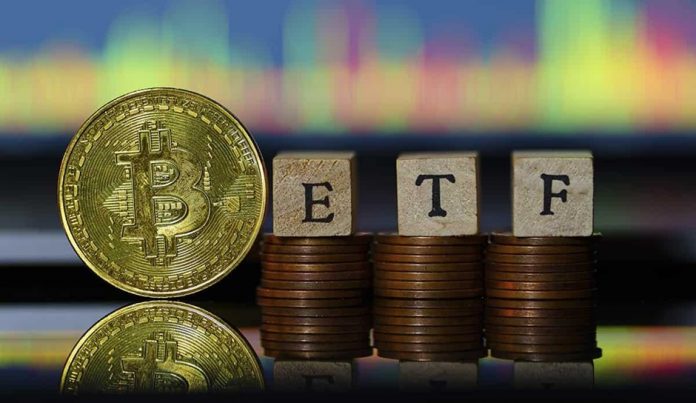
In a groundbreaking move, Emory University has disclosed a significant investment in Bitcoin ETFs, amounting to $16 million. This bold step not only diversifies the university’s investment portfolio but also positions it as a pioneer among educational institutions in the adoption of cryptocurrency assets.

The investment, specifically in the Grayscale Bitcoin Mini Trust, reflects a progressive approach to endowment fund management. With a total asset base of $21 billion, Emory’s foray into the realm of digital currency is a testament to the growing acceptance of Bitcoin as a legitimate and valuable asset class.

The decision by Emory University to invest in Bitcoin ETFs is not just about financial diversification; it’s a strategic move that acknowledges the potential of blockchain technology and its impact on the future of finance. By taking this step, Emory is leading the way for other institutions to consider the inclusion of digital assets in their investment strategies.

The move is not without precedent; other major players such as Tesla, Block, and PayPal have also invested in Bitcoin, signaling a growing confidence in cryptocurrency as a viable asset class. Emory’s investment is particularly noteworthy as it is one of the first known instances of a higher education institution directly engaging with Bitcoin ETFs.

The strategic nature of this investment lies in its timing and the choice of vehicle. Bitcoin ETFs offer a more regulated and accessible means for institutional investors to gain exposure to Bitcoin without the complexities of direct ownership of the cryptocurrency. This approach mitigates some of the risks associated with the volatility and security concerns of holding actual Bitcoin, while still providing the potential for substantial returns.

Moreover, the investment comes at a time when Bitcoin ETFs have received regulatory approval and are witnessing increased institutional adoption. Emory’s investment could be seen as a vote of confidence in the long-term viability of Bitcoin as an asset class, and it sets a precedent for other universities to consider similar investments as part of their portfolio diversification strategies.

The significance of this investment is further highlighted by the fact that Emory University is the first university endowment to publicly report such exposure to Bitcoin ETFs. This not only demonstrates confidence in the stability and growth potential of Bitcoin but also signals to other risk-averse endowments the viability of including cryptocurrencies in their portfolios.

The Grayscale Bitcoin Mini Trust, chosen by Emory for its investment, is a product that has quickly gained traction despite its late entry into the market. With approximately $2.3 billion worth of Bitcoin under management, it stands as a successful fund within the cryptocurrency space.

Emory’s investment is a clear indicator of the evolving landscape of endowment investments and the increasing role that cryptocurrencies play within it. It underscores the university’s recognition of cryptocurrency as an emerging asset class with the potential to contribute positively to its endowment’s growth and diversification. As digital currencies continue to gain mainstream acceptance, we can expect to see more institutions following Emory’s lead, exploring the potential of Bitcoin and other cryptocurrencies to enhance their investment portfolios.

Bitcoin ETFs will Soon Hold 1M Tokens, nearly as Satoshi Holdings

Meanwhile, the landscape of cryptocurrency investment is witnessing a remarkable evolution as Bitcoin Exchange-Traded Funds (ETFs) approach a significant milestone: the accumulation of nearly 1 million Bitcoin tokens. This development is not just a testament to the growing acceptance of Bitcoin as an investment asset but also highlights the pivotal role ETFs are playing in the broader financial ecosystem.

Bitcoin ETFs, which allow investors to gain exposure to Bitcoin without the complexities of direct ownership, have seen a surge in inflows, with U.S.-based spot funds currently holding about 396,922 Bitcoin. BlackRock’s iShares Bitcoin Trust is on the cusp of crossing the 400,000 Bitcoin mark, a clear indicator of the burgeoning interest from institutional and retail investors alike.

The implications of this accumulation are profound. The holdings of these ETFs are nearing the amount attributed to Satoshi Nakamoto, the pseudonymous creator of Bitcoin, who is believed to own around 1.1 million tokens. This comparison is not just symbolic but also indicative of the shifting dynamics in Bitcoin ownership and the potential influence on the market.

Bitcoin ETFs simplify the investment process, allowing investors to buy shares through conventional brokerage accounts. This eliminates the need for dealing with cryptocurrency exchanges and managing private keys. Bitcoin ETFs introduce a new asset class to investors’ portfolios, which can help in diversifying investment risks. Some Bitcoin ETFs also include stocks or other assets, offering a more balanced investment option.

Operating within regulated financial frameworks, Bitcoin ETFs offer improved investor protection compared to direct cryptocurrency investments. This regulatory oversight can provide a sense of security for investors wary of the relatively unregulated nature of cryptocurrencies.

The aggressive buying by ETFs has led to a situation where their combined holdings are close to one million BTC, which equates to nearly 2% of Bitcoin’s total supply. BlackRock, with the largest BTC reserve among them, holds approximately 403,714 BTC. This concentration of Bitcoin within ETFs could have significant implications for the asset’s price and liquidity.

The month of October has been particularly noteworthy, with spot Bitcoin ETFs experiencing record inflows totaling over $3 billion. During one trading week, the 11 spot Bitcoin ETFs bought a combined 15,194 BTC, which is nearly five times the 3,150 BTC mined in that period. This level of acquisition by ETF issuers is unprecedented and underscores the strong demand driving the market.

Market observers have pointed out that with the ETF issuers now holding a substantial portion of BTC’s supply, their influence on market liquidity and price stability is likely to grow. The relatively fixed supply of BTC means that such high levels of inflow or outflow from ETFs could introduce greater volatility risk. This is especially pertinent during periods of market turbulence or significant financial events.

As we look to the future, the trajectory of Bitcoin ETFs will be closely watched by investors and market analysts alike. The milestone of 1 million tokens is more than just a number; it represents the maturation of cryptocurrency as an asset class and the increasing integration of digital assets into the traditional financial world.

The journey of Bitcoin ETFs from a novel concept to a significant market force reflects the evolving narrative of cryptocurrency. It is a narrative that is increasingly characterized by institutional adoption, regulatory clarity, and mainstream acceptance. As Bitcoin ETFs continue to amass tokens and influence, they are not only shaping the present landscape of investment but also paving the way for the future of finance.

The European Court of Justice Upholds a €2.4bn fine imposed on Google by the European Commission

0
The US is after Google also

The European Court of Justice has upheld a €2.4 billion fine imposed on Google by the European Commission, affirming that the tech giant’s search practices unlawfully disadvantaged competitors.

The judgment marks the conclusion of a lengthy legal battle between British entrepreneurs Shivaun and Adam Raff and Google, representing a significant victory for small businesses in the digital marketplace.

The Raffs’ journey began in June 2006, when they launched Foundem, a price comparison website aimed at providing users with transparent options across multiple shopping platforms. However, on the day of its debut, Google’s automated filters pushed Foundem’s site deep into the search results, effectively cutting off its primary source of web traffic. This obscurement made it challenging for Foundem to compete, as most users never saw the site in search results.

“Google essentially disappeared us from the internet,” recounted Shivaun Raff. Despite earning recognition from Channel 5’s The Gadget Show as the UK’s best price comparison website, Foundem was unable to recover its search visibility, undermining its viability in a market dominated by Google’s algorithms.

From Complaint to Major Investigation

In the years following their site’s suppression, the Raffs made multiple attempts to appeal Google’s decision. However, after receiving no resolution, they took their grievances to European regulators. The Raffs’ 2010 complaint ultimately led the European Commission to initiate an investigation, revealing similar suppression tactics affecting around 20 other comparison shopping services, including Kelkoo, Trivago, and Yelp.

In 2017, after a lengthy review, the European Commission found that Google had illegally promoted its comparison shopping service, Google Shopping, while demoting rivals like Foundem. The ruling came with a historic €2.4 billion fine, one of the largest ever levied by the Commission, which Google initially contested. Over the next few years, the case continued, traversing appeals through various European courts.

Timeline: Key Legal Milestones

The ruling represents the culmination of a seven-year legal journey. The timeline of key events highlights the difficulties small businesses face in addressing anti-competitive practices.

2017

The European Commission issues a €2.4 billion fine against Google, citing unfair search practices.
Google initiates changes to its shopping search results but promptly files an appeal.

2021

The General Court of the European Union upholds the fine, and Google submits a second appeal.

2024

March: The European Commission opens a new investigation under the Digital Markets Act, evaluating whether Google continues to favor its services.

September: The European Court of Justice rejects Google’s final appeal, cementing the €2.4 billion fine and marking the official end of the case.

The Challenge for Small Businesses and the Impact of the Ruling

This decision is not just a win for the Raffs, who launched the now-defunct comparison site Foundem, but it also marks a precedent-setting case in regulatory oversight of digital giants, especially regarding search engine fairness.

The Raffs’ case has already helped inspire regulatory change in the EU, with legislation like the Digital Markets Act aiming to limit anti-competitive behaviors by tech giants. The Digital Markets Act is expected to play a critical role in promoting fair competition within the European digital marketplace.

While this ruling confirms that Google’s search algorithms can be scrutinized and challenged, it is ultimately too late for Foundem, which closed in 2016 after failing to regain competitive visibility. The Raffs, however, continue their pursuit of justice, with a civil damages lawsuit against Google set for 2026, potentially seeking compensation for Foundem’s forced closure.

Google’s Response and Continued Compliance Debate

Following the ruling, Google defended its past actions, claiming that changes made in 2017 have effectively leveled the playing field. A company spokesperson stated:

“The changes we made have worked successfully for more than seven years, generating billions of clicks for more than 800 comparison shopping services.”

However, the European Commission’s ongoing investigation suggests that regulators remain unconvinced of Google’s commitment to fostering fair competition. With the Digital Markets Act in place, any lingering concerns about Google’s search practices are likely to be revisited under stricter regulations.

Europe Reining In On Big Tech

The fine against Google is emblematic of Europe’s escalating regulatory push to keep Big Tech in check, part of a broader strategy aimed at reshaping the tech industry. However, while this approach has intensified significantly over the last decade, some experts caution that the aggressive regulatory stance could hinder economic growth in the region, potentially discouraging tech investment and stifling innovation.

Europe’s increasing vigilance has not only focused on Google; in fact, the European Union has penalized numerous Big Tech companies, signaling a region-wide intent to establish greater accountability within the digital market.

Meta (formerly Facebook) faced a $1.3 billion fine in 2023 for alleged data protection violations, the largest fine ever imposed under the General Data Protection Regulation (GDPR). Amazon was also handed a record $888 million fine in 2021 by Luxembourg’s data protection authority for GDPR violations, and Apple has repeatedly come under scrutiny for practices related to its App Store, with fines totaling hundreds of millions of euros.

As Big Tech companies expand globally, regulators in the EU argue that stricter oversight is essential to protect consumer rights and maintain competition. However, industry experts are increasingly concerned that these measures could deter foreign investments and, in turn, slow down Europe’s tech sector.

Google, in particular, has been a primary target of European regulators for years, and the €2.4 billion fine issued in 2017 was not its first encounter with heavy penalties. In 2018, the European Commission hit Google with a $5 billion fine for imposing unfair restrictions on Android device manufacturers, arguing that the company’s practices restricted competition by forcing manufacturers to pre-install Google’s apps on devices. Just a year later, in 2019, Google was ordered to pay an additional $1.7 billion fine for anti-competitive advertising practices involving its AdSense platform.

The €2.4 billion fine underscores a broader shift in regulatory standards across Europe, particularly as new legislation like the Digital Markets Act (DMA) brings additional rules specifically targeting major digital platforms. Under the DMA, “gatekeeper” companies like Google and Amazon must meet specific obligations designed to prevent anti-competitive practices, including data-sharing requirements and prohibitions against self-preferencing.

In many ways, Foundem’s closure is emblematic of the struggles of countless small businesses fighting for fair treatment within digital ecosystems controlled by powerful corporations. Although Foundem’s story ended prematurely, the legal milestone it achieved is expected to endure as a deterrent against monopolistic practices and as a symbol of the resilience required by small entities to assert their right to compete on a level playing field.

From Sports Fan to Casino Player: Bridging the Gap Between Passion and Play

0

The Shared Thrill

Imagine the electrifying moment when your favorite athlete scores the winning point just as the buzzer sounds. Now, picture the adrenaline rush as the roulette wheel spins, and the ball lands exactly where you predicted. Both scenarios ignite a passion fueled by anticipation, risk, and the joy of victory. While sports fandom and casino gaming might appear to inhabit separate worlds, they are connected by a shared enthusiasm for competition and chance. Fans invest emotionally in their teams, celebrating triumphs and enduring defeats as personal experiences. Casino players navigate similar emotional landscapes, facing the uncertainties of the next card or spin. This exploration seeks to uncover the parallels between being a sports fan and a casino player, revealing how the skills and thrills of one can enrich the experience of the other.

The Competitive Edge: Strategy and Skills

For sports fans, the excitement often lies not just in watching a game but in dissecting every play, analyzing team strategies, and predicting outcomes based on player performance and statistics. This analytical approach transforms a simple game into a complex puzzle, where understanding the nuances can make the difference between just cheering and truly appreciating the sport.

Similarly, casino games like poker and blackjack are arenas where strategy and skill are paramount. Success isn’t solely dependent on luck; it requires a deep understanding of the game mechanics, probability calculations, and the ability to read opponents. Players must make calculated decisions, often under pressure, which mirrors the strategic thinking sports fans employ when evaluating their favorite teams.

Bridging these two worlds, platforms such as M Egypt provide an opportunity for sports enthusiasts to apply their analytical skills to casino gaming. The strategic mindset developed from years of following sports can enhance one’s approach to games of chance and skill. Just as a coach devises a game plan to outmaneuver the opposition, a casino player strategizes to tilt the odds in their favor.

The transition from sports fan to casino player also involves embracing a new competitive environment. Both realms reward those who can think ahead, adapt to changing situations, and remain composed under pressure. Whether it’s anticipating a team’s next move or deciding when to hold or fold in a card game, the essence of competition and strategy remains the same.

Community and Social Interaction

The camaraderie among sports fans is a powerful force that unites individuals from all walks of life. Whether they’re gathering in a crowded stadium or engaging in spirited debates at a local pub, the shared passion for their favorite teams and athletes creates a strong sense of belonging. This collective enthusiasm not only enhances the enjoyment of the sport but also fosters lasting friendships and a vibrant community spirit.

In a similar vein, the casino environment offers its own unique brand of social interaction. Players often find themselves immersed in lively conversations at the gaming tables, sharing tips, stories, and the thrill of anticipation. Games that encourage group participation, such as poker or roulette, become social hubs where people connect over common interests and the excitement of the game.

Bridging the gap between these two worlds, modern gaming platforms are introducing interactive experiences that combine the best of sports fandom and casino entertainment. For example, engaging games like M aviator provide players with a dynamic environment where they can not only enjoy the thrill of gaming but also connect with others who share their enthusiasm. This fusion of social interaction and gaming excitement creates a community atmosphere reminiscent of cheering in the stands during a critical match.

The parallels between sports and casino communities highlight a fundamental human desire for connection and shared experiences. Whether it’s celebrating a team’s victory or the exhilaration of a successful bet, these moments are often amplified when shared with others. Embracing the social aspects of both arenas enriches the experience, turning individual enjoyment into collective celebration.

Risk, Reward, and Entertainment

The thrill of uncertainty is a common thread that weaves through both sports fandom and casino gaming. Sports enthusiasts revel in the unpredictable nature of each game—the possibility that an underdog might upset a favored team or that a last-minute play could change the outcome. This inherent risk adds a layer of excitement, making every match more than just a display of skill but a suspenseful narrative where anything can happen.

In the world of casino gaming, risk and reward are even more pronounced. Players are drawn to the allure of potential winnings, fully aware that each bet carries the possibility of loss. Games like slots, poker, and roulette offer not just the chance for monetary gain but an entertaining experience filled with anticipation and strategy. The balance between risk and reward in casinos creates an engaging environment where every decision can lead to a thrilling payoff.

As technology advances, the line between sports and casino entertainment continues to blur, especially with the rise of mobile platforms. Fans and players alike can now engage with their favorite games and teams anytime, anywhere. This shift highlights The Impact of Mobile Technology on Gambling, which has revolutionized how people interact with betting and gaming activities. Mobile apps provide instant access to live odds, real-time game stats, and virtual casino experiences, enhancing both the convenience and the entertainment value of these pursuits.

Understanding the role of risk is essential for enjoying both sports and casino games responsibly. It’s not just about the potential rewards but also about embracing the entertainment aspect. Setting personal limits and recognizing the purpose of these activities—as enjoyable pastimes rather than guaranteed income sources—ensures that the excitement remains positive. Whether cheering for a last-second goal or waiting for the dealer’s next card, appreciating the balance of risk and reward can lead to a more fulfilling and enjoyable experience.

The intersection of risk, reward, and entertainment defines much of what makes both sports and casino gaming captivating. By approaching each with a sense of enjoyment and responsible awareness, enthusiasts can fully immerse themselves in the excitement that both worlds have to offer.

Bridging the Gap

The worlds of sports fandom and casino gaming, though distinct at first glance, are connected by shared passions and experiences that resonate with enthusiasts of both realms. The strategic thinking that sports fans employ when analyzing games—scrutinizing player stats, understanding team formations, and predicting outcomes—is remarkably similar to the skills needed in strategic casino games like poker or blackjack. This analytical mindset allows for a seamless transition between cheering for a favorite team and calculating odds at the gaming table.

Community plays a pivotal role in both arenas. The collective excitement felt in a stadium filled with fans mirrors the camaraderie found among players in a bustling casino. Both environments thrive on social interaction, shared victories, and even mutual commiseration in the face of losses. These shared emotional journeys strengthen bonds and enhance the overall enjoyment of the experience.

Risk and reward are fundamental elements that add thrill to sports and casino gaming alike. The unpredictability of a game-winning goal or the suspense of a high-stakes bet taps into the same adrenaline rush. Understanding and embracing the inherent risks, while engaging responsibly, allows for a more fulfilling experience in both activities.

By acknowledging these parallels, sports fans can find new avenues for entertainment within casino gaming, and vice versa. This cross-over enriches one’s appreciation for strategy, heightens social interactions, and adds layers of excitement to leisure time. Bridging the gap is not just about exploring a new hobby; it’s about expanding one’s horizons and finding joy in the interconnectedness of competitive and social pursuits.

How Tokenizing of Videos on Pump.fun Works

0

Pump.fun, a platform known for its memecoin launchpad, has recently added a groundbreaking functionality that allows users to tokenize videos. This innovative feature is not just a leap forward for content creators but also for the cryptocurrency community at large.

Tokenization is the process of converting rights to an asset into a digital token on a blockchain. Traditionally, this concept has been applied to assets like real estate, art, and commodities. However, Pump.fun has taken this a step further by enabling the tokenization of videos, transforming them into unique digital assets that can be bought, sold, or traded on the blockchain.

Why Tokenize Videos?

The idea behind video tokenization is simple yet powerful. By turning a video into a token, creators can create a unique digital representation of their work that can be owned, collected, or traded like any other cryptocurrency. This not only opens up a new revenue stream for creators but also creates a new way for fans and collectors to support and invest in their favorite content.

The process of tokenizing a video on Pump.fun is straightforward. Creators upload their video, select a thumbnail, and customize their token with special features and descriptions to make it stand out. Once tokenized, these videos can potentially go viral, increasing their value and the creator’s visibility.

Impact on the Cryptocurrency Ecosystem

Pump.fun’s video tokenization feature could have significant implications for the cryptocurrency ecosystem. It blurs the lines between meme coins, traditionally seen as a more playful aspect of crypto, and non-fungible tokens (NFTs), which represent ownership of a unique item or piece of content. This fusion could attract a new audience to the crypto space, one that is more interested in the content and cultural value of digital assets rather than just their financial worth.

Moreover, the ability to tokenize videos could lead to a more vibrant and diverse market for digital assets. It provides a platform for creativity and innovation, where the only limit is the creator’s imagination. As more people join platforms like Pump.fun, the potential for a video to become a sought-after digital asset increase, creating more opportunities for creators and collectors alike.

Despite the excitement around video tokenization, there are challenges and considerations that need to be addressed. One of the primary concerns is the issue of video copyright. Pump.fun has yet to provide clear guidelines on the copyright implications of tokenizing videos, which could lead to legal complications for creators and the platform.

Furthermore, the distinction between meme coins and NFTs remains unclear. While Pump.fun asserts that the videos associated with tokens are not stored on-chain, the question of whether this method of tokenization differs from traditional NFTs or simply creates meme coins tied to a video is still up for debate.

Pump.fun’s addition of video tokenization functionality is a significant milestone in the digital asset space. It represents a new era where videos are not just content to be consumed but assets to be owned and traded. As the platform continues to grow and evolve, it will be interesting to see how this feature shapes the future of content creation and the broader cryptocurrency market.