DD
MM
YYYY

PAGES

DD
MM
YYYY

spot_img

PAGES

Home Blog Page 2722

Moniepoint Raises US$110M Validating that Opportunities Remain in Nigeria

0

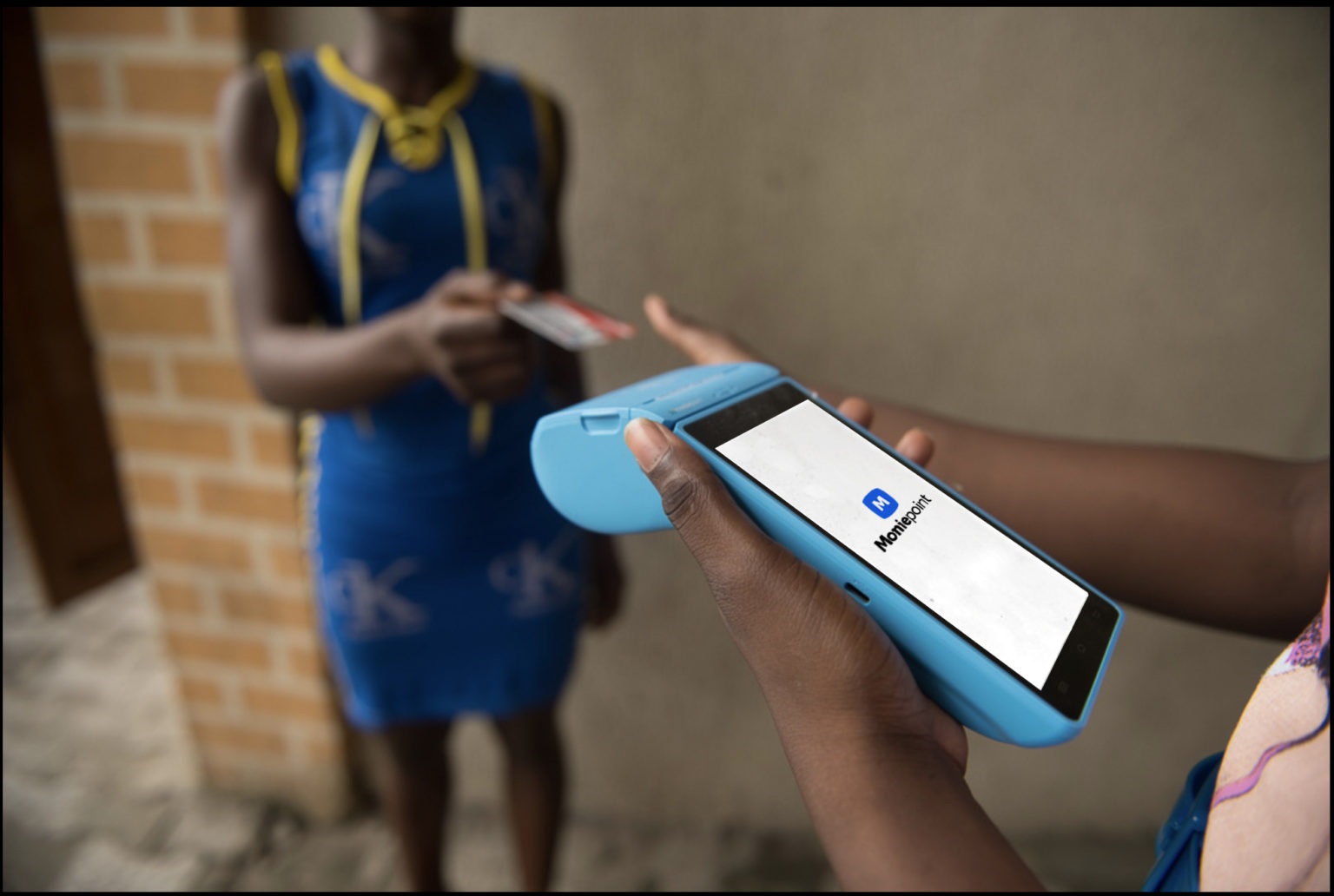
Good People, this is a very great one for Nigeria and Africa: “Moniepoint Inc., Africa’s fastest growing fintech, announces it has successfully raised US$110 million in equity financing, to power the dreams of millions of businesses and their customers across Africa and the diaspora.

“Founded in 2015 by Tosin Eniolorunda and Felix Ike, Moniepoint (formerly known as TeamApt) has an enviable track record of serving customers across Africa. Initially focused on providing infrastructure and payment solutions for banks and financial institutions, Moniepoint has grown into Nigeria’s leading business banking provider, trusted by millions of businesses. Each month, Moniepoint processes over 800 million transactions, with a monthly total value exceeding US$17 billion—all while operating profitably.”

I congratulate Moniepoint Team, Nigeria and the investors because this is a massive validation. At Tekedia Capital, we’re currently investing in 15 companies, and when you wake up, and read that $110m has been raised, you are reminded that abundance remains in the future. Congrats Moniepoint because this is a very big one.

Young People, we want more. As I have always noted, the best time to do great things in Nigeria is now because the best companies have not been started.  We want more.

According to Reuters, this deal makes Moniepoint a unicorn: ‘Sources close to the transaction said the new funding valued Moniepoint above $1 billion, giving it “unicorn” status – a term for tech firms with a valuation of a billion dollars or more.’

Moniepoint Secures $110M Investment to Scale Digital Payments And Banking Solutions

Moniepoint Secures $110M Investment to Scale Digital Payments And Banking Solutions

0

Moniepoint Inc., Africa’s fastest growing fintech, announces it has successfully raised US$110 million in equity financing, to power the dreams of millions of businesses and their customers across Africa and the diaspora.

Founded in 2015 by Tosin Eniolorunda and Felix Ike, Moniepoint (formerly known as TeamApt) has an enviable track record of serving customers across Africa. Initially focused on providing infrastructure and payment solutions for banks and financial institutions, Moniepoint has grown into Nigeria’s leading business banking provider, trusted by millions of businesses. Each month, Moniepoint processes over 800 million transactions, with a monthly total value exceeding US$17 billion—all while operating profitably.

The Series C investment was led by Development Partners International’s African Development Partners (ADP) III fund – a premier fund focused on Africa. Other new investors include Google’s Africa Investment Fund and Verod Capital – a leading African private equity firm. Global impact firm, Lightrock, an existing investor, also participated.

The new capital follows a successful period for Moniepoint building on its profitable business model with major operational and financial milestones. In August 2023, Moniepoint entered the personal banking market through its subsidiary, Moniepoint Microfinance Bank, experienced 2,000% growth in personal finance customers over the past year, and was ranked as Africa’s fastest growing fintech for the second consecutive year by the Financial Times.

The capital raised will be used to accelerate Moniepoint’s growth across Africa, building an all-in-one, seamlessly integrated platform for African businesses of all sizes. This platform will include services such as digital payments, banking, foreign exchange (FX), credit, and business management tools, making it a one-stop shop for business solutions.

The investment conviction from DPI, Google’s Africa Investment Fund, Verod and Lightrock is testament to the impact Moniepoint is having through digital and financial inclusion and its game changing ability to foster economic activity and development. It also speaks to the unique combination of growth and profitability the business has demonstrated, growing revenue at over 150% CAGR in recent years with industry leading gross profit and EBITDA margins.

Moniepoint’s financial inclusion efforts support initiatives by many African governments to widen access to the formal financial system and drive economic growth – a vital necessity given c. 83% of employment across Africa is in the informal economy. Moniepoint’s positive impact towards financial inclusion was recognized by the Central Bank of Nigeria in 2022, when it received the National Inclusive Payment Initiative Award.

Tosin Eniolorunda, Founder and Group CEO of Moniepoint Inc., said:

Our mission is to help our customers solve their challenges by making our platform more innovative, transparent, and secure. The proceeds from this raise will speed up our efforts to drive financial inclusion and support Africa’s entrepreneurial potential. I want to sincerely thank the entire Moniepoint team for making this achievement possible.

“We’ve been encouraged by the diversity and huge swathe of those who have found value in our platform and the services we provide in helping to create financial happiness. But, we’re just getting started, as it is just day one from here.”

Adefolarin Ogunsanya, Partner at Development Partners International, commented:

“We are delighted to lead this investment round in Moniepoint, one of Africa’s most exciting and fastest growing companies. A profitable business led by an excellent leadership team with clear strategic vision, Moniepoint is well positioned to continue its impressive growth trajectory while driving financial inclusion for underserved businesses and individuals across Africa.

“DPI has a long track record of supporting businesses like Moniepoint to achieve their next stage of scale. The company’s combination of innovative technology, fast growth, and positive impact on the continent underpins our conviction in its future success. We look forward to working closely with Tosin and his talented team to expand Moniepoint’s customer base by providing businesses and individuals with first-class banking and payments services.”

In this latest capital raise – DPI, Google’s Africa Investment Fund, and Verod join existing blue-chip investors in Moniepoint such as QED Investors, Novastar Ventures, Lightrock, British International Investment, Global Ventures, Endeavour Catalyst, and New Voices Fund.

Danladi Verheijen, Managing Partner at Verod Capital said:

Our investment in Moniepoint aligns with our mission to back high-growth companies that drive both market leadership and transformative social impact. By supporting Moniepoint’s ambitious expansion, we are advancing financial access and unlocking the potential of underserved markets, fostering widespread economic empowerment.”

Also speaking on the fundraise, Ravi Sharma, Partner at Lightrock, noted:

“Tosin and the dedicated team at Moniepoint have achieved something remarkable. They have built one of the most promising fintechs in Africa by creating economic opportunities for others, most notably SME businesses – critical drivers of economic and social progress.

“Their innovative offering which combines digital payments, banking, and business management tools, is transforming the financial landscape for millions of businesses across the continent. All of us at Lightrock are proud to be supporting Moniepoint through this next chapter as they scale their presence and positive impact.

Gbenga Ajayi, Partner and Head of Middle East and Africa at QED Investors added:

“We are delighted to welcome DPI and Google to the Moniepoint journey. We have been very impressed with the execution of the team and strong customer focus over the past few years. The results speak for themselves – Moniepoint has outperformed expectations, and it continues to deliver superior products to merchants across Nigeria. We couldn’t be more excited for the company’s next phase of growth.”


AFRICA’S FASTEST-GROWING FINTECH – MONIEPOINT SECURES US$110 MILLION INVESTMENT TO SCALE DIGITAL PAYMENTS AND BANKING SOLUTIONS

Series C round led by Development Partners International; other investors include Google’s Africa Investment Fund, Verod Capital and Lightrock


London, UK – 29 October 2024: Moniepoint Inc. (“the Company” or “Moniepoint”), Africa’s fastest-growing fintech, announces it has successfully raised US$110 million in equity financing, to power the dreams of millions of businesses and their customers across Africa and the diaspora.

Founded in 2015 by Tosin Eniolorunda and Felix Ike, Moniepoint (formerly known as TeamApt) has an enviable track record of serving customers across Africa. Initially focused on providing infrastructure and payment solutions for banks and financial institutions, Moniepoint has grown into Nigeria’s leading business banking provider, trusted by millions of businesses. Each month, Moniepoint processes over 800 million transactions, with a monthly total value exceeding US$17 billion—all while operating profitably.

The Series C investment was led by Development Partners International’s African Development Partners (ADP) III fund – a premier fund focused on Africa. Other new investors include Google’s Africa Investment Fund and Verod Capital – a leading African private equity firm. Global impact firm, Lightrock, an existing investor, also participated.

The new capital follows a successful period for Moniepoint building on its profitable business model with major operational and financial milestones. In August 2023, Moniepoint entered the personal banking market through its subsidiary, Moniepoint Microfinance Bank, experienced 2,000% growth in personal finance customers over the past year, and was ranked as Africa’s fastest-growing fintech for the second consecutive year by the Financial Times.

The capital raised will be used to accelerate Moniepoint’s growth across Africa, building an all-in-one, seamlessly integrated platform for African businesses of all sizes. This platform will include services such as digital payments, banking, foreign exchange (FX), credit, and business management tools, making it a one-stop shop for business solutions.

The investment conviction from DPI, Google’s Africa Investment Fund, Verod and Lightrock is testament to the impact Moniepoint is having through digital and financial inclusion and its game changing ability to foster economic activity and development. It also speaks to the unique combination of growth and profitability the business has demonstrated, growing revenue at over 150% CAGR in recent years with industry leading gross profit and EBITDA margins.

Moniepoint’s financial inclusion efforts support initiatives by many African governments to widen access to the formal financial system and drive economic growth – a vital necessity given c. 83% of employment across Africa is in the informal economy. Moniepoint’s positive impact towards financial inclusion was recognised by the Central Bank of Nigeria in 2022, when it received the National Inclusive Payment Initiative Award.

Tosin Eniolorunda, Founder and Group CEO of Moniepoint Inc., said:

Our mission is to help our customers solve their challenges by making our platform more innovative, transparent, and secure. The proceeds from this raise will speed up our efforts to drive financial inclusion and support Africa’s entrepreneurial potential. I want to sincerely thank the entire Moniepoint team for making this achievement possible.

“We’ve been encouraged by the diversity and huge swathe of those who have found value in our platform and the services we provide in helping to create financial happiness. But, we’re just getting started, as it is just day one from here.”

Adefolarin Ogunsanya, Partner at Development Partners International, commented:

“We are delighted to lead this investment round in Moniepoint, one of Africa’s most exciting and fastest growing companies. A profitable business led by an excellent leadership team with clear strategic vision, Moniepoint is well positioned to continue its impressive growth trajectory while driving financial inclusion for underserved businesses and individuals across Africa. 

“DPI has a long track record of supporting businesses like Moniepoint to achieve their next stage of scale. The company’s combination of innovative technology, fast growth, and positive impact on the continent underpins our conviction in its future success. We look forward to working closely with Tosin and his talented team to expand Moniepoint’s customer base by providing businesses and individuals with first-class banking and payments services.”

In this latest capital raise – DPI, Google’s Africa Investment Fund, and Verod join existing blue-chip investors in Moniepoint such as QED Investors, Novastar Ventures, Lightrock, British International Investment, Global Ventures, Endeavour Catalyst, and New Voices Fund.

Danladi Verheijen, Managing Partner at Verod Capital said:

Our investment in Moniepoint aligns with our mission to back high-growth companies that drive both market leadership and transformative social impact. By supporting Moniepoint’s ambitious expansion, we are advancing financial access and unlocking the potential of underserved markets, fostering widespread economic empowerment.”

Also speaking on the fundraise, Ravi Sharma, Partner at Lightrock, noted:

“Tosin and the dedicated team at Moniepoint have achieved something remarkable. They have built one of the most promising fintechs in Africa by creating economic opportunities for others, most notably SME businesses – critical drivers of economic and social progress. 

“Their innovative offering which combines digital payments, banking, and business management tools, is transforming the financial landscape for millions of businesses across the continent. All of us at Lightrock are proud to be supporting Moniepoint through this next chapter as they scale their presence and positive impact.

Gbenga Ajayi, Partner and Head of Middle East and Africa at QED Investors added:

“We are delighted to welcome DPI and Google to the Moniepoint journey. We have been very impressed with the execution of the team and strong customer focus over the past few years. The results speak for themselves – Moniepoint has outperformed expectations and it continues to deliver superior products to merchants across Nigeria. We couldn’t be more excited for the company’s next phase of growth.”

Financial Technology Partners acted as exclusive financial and strategic advisor to Moniepoint.

Nigeria Secures $350M from AfDB for Kano-Maradi Rail Project Amid Renewed Criticism

0

In a move that revives one of the most controversial infrastructure projects of recent years, Nigeria has secured $350 million in funding from the African Development Bank (AfDB) to proceed with the Kano-Maradi rail line, a cross-border railway that will connect Nigeria’s northern state of Kano with Maradi in Niger Republic.

This development was announced by Senator Adamu Aliero, Chairman of the Senate Committee on Land Transport, during an oversight visit to the Nigeria Railway Corporation (NRC) headquarters in Lagos, according to NAN.

The project, envisioned as a link to boost regional trade, was initially slated to be funded largely by China, until they opted out, prompting Nigeria’s search for alternative financing.

Senator Aliero emphasized that the rail project forms a critical aspect of the government’s ongoing rail modernization agenda, reflecting a commitment to strengthening both domestic and international connectivity.

“The African Development Bank has released $350 million to the Federal Government for the construction of a rail line from Kano to Maradi,” he stated.

Aliero disclosed that Tinubu’s recent visit to China was focused on finalizing talks for financing that would cover the remaining 85% needed to complete Nigeria’s rail modernization projects, including the Kano-Maradi line. The Federal Government’s supplementary budget, recently passed by the National Assembly, allocated over N530 billion as counterpart funding, signaling a commitment to seeing these projects through.

The financing gap is expected to be covered by a mix of international lenders and development institutions, including China Exim Bank, the International Finance Corporation (IFC), and additional funding from the AfDB.

The Kano-Maradi rail project, one of Nigeria’s flagship infrastructure undertakings, was initially approved in 2020 by the Federal Executive Council under the administration of former President Muhammadu Buhari. Valued at $1.96 billion, this rail line spans 283.75 kilometers, traversing Kano, Jigawa, and Katsina states in Nigeria, before crossing into Maradi in Niger Republic.

In 2021, Nigeria formalized a Memorandum of Understanding (MoU) with Mota-Engil, a prominent Portuguese construction firm, to handle the construction, design, and financing of the Kano-Maradi rail project. The $1.9 billion contract, the largest in Mota-Engil’s history, covers every aspect of the project, from rail construction to the supply of rolling stock.

Progress on the project has been steady, with updates from government officials and international partners supporting an optimistic outlook. In May 2024, Nigeria’s Minister of Transportation, Saidu Alkali, stated that the first segment of the project, the Kano-Daura section, is slated for completion by 2025. Further reassurance came two months later when Jorge Adao Martins Dos Santos, the Portuguese Ambassador to Nigeria, confirmed that the overall project remains on track for completion within two years, with Portuguese firms actively engaged in the construction process.

An Ambitious but Contested Step Toward Regional Integration

The Kano-Maradi railway is part of Nigeria’s broader rail modernization strategy, aimed at linking the nation with its neighbors to facilitate regional trade across West Africa. On paper, it is seen as a milestone that could cement Nigeria’s role as a trade hub in the region. However, critics argue that the economic logic behind the project is flawed, and many have questioned whether the cross-border link will provide significant benefits to Nigeria itself.

Skeptics, including economists and policymakers, have pointed out that the project’s price tag might be better spent on routes within Nigeria that would have more immediate economic impact. The Lagos-Abuja and East-West routes, for instance, are seen as higher-value corridors that could serve Nigeria’s bustling commercial centers and increase the efficiency of domestic transport for both passengers and freight.

The rail project was said to be political, with many accusing Buhari, a northern Fulani, of prioritizing the development of transport links with his cousins in Niger Republic, a neighboring country with comparatively less economic interdependence with Nigeria than other West African nations.

In November 2021, members of the National Assembly’s Joint Committee on Land and Marine Transport took the issue head-on, summoning then-Minister of Transportation Rotimi Amaechi to explain the rationale behind constructing a standard gauge rail line to Maradi. Lawmakers argued that this route seemed to disproportionately benefit the Niger Republic at Nigeria’s expense.

Furthermore, they pointed out that while the Kano-Maradi line was slated to be a standard gauge rail, routes in the South-East, South-South, and North-East regions were marked for narrow gauge construction. These discrepancies led lawmakers to characterize the rail project as “discriminatory.”

The decision to prioritize a cross-border rail link over more economically viable routes raised suspicions about the motive behind the project. Legislators questioned why the federal government would prioritize a route benefiting a foreign nation over projects that would primarily serve Nigerian economic hubs.

“We are now looking at the difference between ‘Project D’ which is the construction of 284 kilometers Nigeria-Maradi railway standard world-class line against ‘Project C’ where you talked about the total rehabilitation and reconstruction of Port Harcourt to Maiduguri eastern rail network defined as narrow gauge.

“For a segment of this country that is known for trade and commerce, they need railway as they need air. If the ministry feels that doing 287 kilometers of railway track from Kano to Maradi will be funded with borrowed money…to be paid by our children…

“I also know the economy of Niger Republic and I believe the economy of the Southeast is bigger than that of Maradi. I am not even talking of South-South.

“So what policy guide, what study of federal character integration would make the Ministry of Transportation to put 284 kilometres railway from the end of the north to Maradi and then constructing a Narrow Gauge in the South East and South South…?” Chairman of the House Committee on Transportation, Pat Asadu, remarked.

Now, under the leadership of President Bola Tinubu, the Nigerian government has opted to continue with the Kano-Maradi rail project, reigniting debates around the value of the project. Many argue that, given Nigeria’s pressing infrastructure needs within its own borders, the decision to push forward with such a cross-border railway is misplaced.

The debate reignites against the backdrop of Nigeria’s economic downturn, forcing the country to depend on borrowing to fund most of its infrastructural projects.

The Impact of Knowledge Management Tools on Organizational Efficiency and Productivity

0
A group of professionals using a knowledge management tool to enhance collaboration and knowledge sharing, working seamlessly on projects through a sophisticated platform with real-time communication features.

In today’s fast-paced corporate environment, efficiency and productivity are the hallmarks of successful organizations. Knowledge management tools have emerged as a cornerstone for cultivating these attributes within companies of all sizes. By facilitating the organized sharing, storage, and retrieval of information, such systems empower employees to access and leverage the collective intelligence of their workplace. Understanding how knowledge management can play a pivotal role is essential in navigating the complex landscape of modern business operations. Below, we delve into the various ways these tools enhance organizational performance.

Enhancing Collaboration and Knowledge Sharing with Sophisticated Platforms

A modern knowledge management tool does more than just store information; it facilitates collaboration and knowledge sharing that break down traditional organizational barriers. Sophisticated platforms enable real-time communication and teamwork, aligning staff from different departments or locations on common projects and goals.

These platforms often come equipped with social features akin to those found on popular social media sites. Such features can include comment sections, buttons, and sharing options. This hones a culture of sharing and collaboration, as employees are encouraged to openly contribute to the organization’s collective wisdom.

Fostering an environment where knowledge is freely exchanged not only improves the quality of work but also stokes innovation. Employees with access to broader insights are better equipped to devise creative solutions and bring new ideas. This collaborative spirit becomes a driving force for organizational advancement.

Furthermore, knowledge management platforms can include analytics tools that track engagement and identify popular content. This feedback loop contributes to a better understanding of the most valuable information to employees, thereby shaping future resource allocation and knowledge creation strategies.

Streamlining Decision-Making Processes: Knowledge Management Tools at Work

Employees use a knowledge management tool to streamline decision-making by quickly accessing relevant data and resources.

A centralized knowledge management system can significantly streamline an organization’s decision-making processes. Employees can make informed decisions quickly with immediate access to relevant data, case studies, and precedent-setting projects.

Time-sensitive decisions can be expedited as staff avoid the lag of seeking information through traditional means. This rapid retrieval of necessary information means companies can respond more swiftly to market changes, customer needs, and internal issues. A dynamic knowledge management system is particularly critical in industries where timeliness can provide a competitive edge.

Moreover, businesses can better forecast trends and outcomes by leveraging historical data and documented experiences stored within knowledge management systems. Fueled by a well-organized data repository, predictive analytics can significantly enhance strategic planning and resource allocation.

This capacity to make quicker, well-informed decisions leads to operational agility. When an organization can pivot easily and accurately, it stands out in a crowded market and can capitalize on emerging opportunities while mitigating potential risks.

Measuring the Impact of Knowledge Management on Organizational Productivity

Demonstrating the direct impact of knowledge management on organizational productivity can be challenging but is far from impossible. One metric used is reduced time spent searching for information. Companies can quantify efficiency improvements by tracking how employees’ information-seeking behaviors change post-implementation.

Another measure is the monitoring of project completion rates and times. By centralizing resources and facilitating collaboration, knowledge management systems can help reduce redundant efforts and miscommunication, leading to faster project turnarounds. The correlation between robust knowledge systems and productivity becomes evident as these benefit timelines are documented.

Employee engagement and satisfaction are further indicators of the effectiveness of knowledge management practices. In environments where knowledge is easily shared and accessible, employee morale often improves, reducing turnover and greater employee retention rates. This stability contributes to the overall productivity of the workforce.

Lastly, feedback from clients and customers provides valuable insights into the effectiveness of an organization’s knowledge management strategy. When businesses can deliver faster and more accurate responses to customer needs, this typically translates into higher customer satisfaction, loyalty, and profitability.

Overall, knowledge management tools are crucial in enhancing organizational efficiency, productivity, and collaboration by providing easy access to valuable information and fostering a culture of knowledge sharing. These tools enable quicker decision-making, streamline operations, and ultimately contribute to greater employee satisfaction and improved business performance.

Mobile Internet Usage Surges, 57% of Global Population Now Connected as Sub-Saharan Africa Region Lags – GSMA Report

0

According to the GSMA, a global organization unifying the mobile ecosystem in its “State of Mobile Internet Connectivity 2024” report, mobile internet adoption continues to increase, with 57% of the world’s population (4.6 billion people) now using mobile internet on their own devices.

While adoption typically leads to daily use in Asian and Latin American countries, this is not the case in the Sub-Saharan African countries surveyed.

However, the growth rate at which people are adopting mobile internet remained flat in 2023. Around 160 million people started using mobile internet in 2023, which is similar to the growth in 2022 but represents a slowdown compared to 2015–2021 when more than 200 million people became connected each year.

More than 90% of the growth in 2023 came from low and middle-income countries (LMICs), where 95% of the unconnected population lives. Yet, despite high adoption rates in these regions, connectivity still faces structural and affordability challenges.

Commenting on the survey’s findings, John Giusti, Chief Regulatory Officer at the GSMA, said while progress continues to be made in improving infrastructure and increasing mobile internet adoption, significant digital divides exist.

“in addition, although most users access mobile internet daily, their activities are often limited to just one or two activities, even though many express a desire to do more. This highlights persistent barriers – affordability, lack of skills and literacy, concerns around safety and security and a lack of relevant content and services that prevent users from getting online and then using mobile internet to meet their life needs once they are online.

“Governments, mobile operators, and international organizations must collaborate to address barriers such as affordability, digital skills, and awareness of mobile internet and the benefits it can provide This effort must also focus on investing in local, digital ecosystems and ensuring robust online safety frameworks”, he said.

A range of reasons explain why people are not adopting mobile internet despite living in areas covered by mobile broadband. Key factors include lack of awareness of mobile internet not being able to afford an internet-enabled phone, and lack of literacy and skills. Among existing mobile internet users, many want to use the internet more and face barriers to further use. Key factors here include safety and security concerns, affordability, and the connectivity experience. Lack of perceived relevance also plays a role.

The cost of entry-level handsets continues to limit access, particularly for the poorest segments of LMIC populations, where the expense can equal up to 99% of average monthly income. Closing the mobile internet usage gap could yield a substantial economic impact. The projected gain is estimated at $3.5 trillion in additional GDP from 2023 to 2030, with over 90% of this benefit flowing to LMICs.

Mobile Internet Connectivity by Region

East Asia & Pacific reportedly has the third highest levels of connectivity after North America and Europe & Central Asia, with 72% of the region’s population using mobile internet. However, this continues to mask significant variation within the region. In high-income countries (HICs), including Japan, South Korea and Australia, 84% of the population used mobile internet as of the end of 2023, compared to 71% for LMICs in the region. In the Pacific Islands, mobile internet adoption is much lower (28%), with more than one in six people remaining uncovered; it has a larger coverage gap than in Sub-Saharan Africa.

Sub-Saharan Africa remains the region with the lowest connectivity levels and largest coverage gap. Within LMICs, individuals in rural areas are 28% less likely to use mobile internet than their urban counterparts, and women are 15% less likely than men.  Connectivity is highest in Southern and Western Africa at around 30%, and lowest in Central Africa at 19%. Central Africa also has the largest coverage gap, at 34%. Eastern Africa has the largest usage gap within the region, at 68%.

Specifically, when looking at adults aged 18+, levels of connectivity in Sub-Saharan Africa increased from 27% to 46%, from 46% to 59% in South Asia and from 49% to 63% in MENA. However, more than half of adults aged 18+ were still unconnected in Sub-Saharan Africa, while more than a third were unconnected in South Asia and MENA. 5G network adoption has reportedly accelerated, with over 1.5 billion connections worldwide by 2023.

The number of individuals using a smartphone for mobile internet rose to 4.3 billion by the end of 2023, with the majority of users now connected via 4G or 5G. However, nearly a third of mobile internet users in regions like Latin America, the Caribbean, and MENA still rely on 3G or feature phones.

However, in over 100 countries most of them LMICs have yet to launch 5G. Rising data consumption and improved network quality are evident in LMICs, yet the disparity in download speeds is significant: while high-income countries enjoy nearly 100 Mbps, speeds remain below 20 Mbps in LDCs, LLDCs, and SIDS.

In a positive shift in mobile internet usage, the gender gap in mobile internet adoption has narrowed for the first time since 2020. More women across LMICs are using mobile internet than ever before. However, there are still 265 million fewer women than men in these countries using and reaping the benefits of mobile internet. Between 2017 and 2020, the mobile internet gender gap narrowed substantially, but in 2021 and 2022 progress stalled. The latest data shows that for the first time since 2020, the mobile internet gender gap has narrowed once again, with women now 15% less likely than men to use it.

This is due to a higher rate of mobile internet adoption by women in 2023 and a slower rate of adoption by men compared to 2022. This reduction in the mobile internet gender gap was driven primarily by South Asia and brings the overall mobile internet gender gap back to its 2020 level. Sub-Saharan Africa and South Asia continue to be the regions with the widest mobile internet gender gaps. Around 60% of women who are still not using mobile internet across LMICs live in these regions.

In summary, while mobile internet adoption continues to rise, a complex web of barriers spanning affordability, awareness, and network accessibility prevents equitable global connectivity. Addressing these challenges could unlock significant socioeconomic benefits, especially for underserved regions.