
DD
MM
YYYY

PAGES

DD
MM
YYYY

spot_img

PAGES

Home Blog Page 2729

EigenLayer: Progress and Challenges in Building a Decentralized Template

0

The blockchain industry is witnessing a significant evolution with the development of EigenLayer, a platform that aims to enhance the capabilities of Ethereum’s Restaking narrative. EigenLayer represents a leap forward in the quest for a more decentralized and secure blockchain ecosystem. This innovative protocol allows users to restake their Ethereum holdings to secure multiple services, earning rewards while contributing to the network’s security.

EigenLayer has made notable strides in its development, particularly in the areas of restaking for security, rollup services, applied cryptography, MEV management, and AI inference services. The platform’s design enables developers to build a wide range of distributed systems without the complexities of hosting their own trust networks. These systems, known as, Actively Validated Services (AVS) serve as middleware protocols offering various services to the broader EigenLayer network.

The platform’s name, derived from the German word “Eigen,” meaning “one’s own,” encapsulates its ethos of providing a flexible layer for innovation. EigenLayer’s restaking mechanism is a standout feature, allowing users to stake assets within a protocol, receive a liquid staking receipt token, and use it across various DeFi primitives without an unbonding period.

Challenges in Balancing Neutrality and Decentralization

Despite the progress, EigenLayer faces challenges in maintaining a balance between neutrality and decentralization. The EigenLayer community has proposed policies to address these challenges, such as removing caps on staked Total Value Locked (TVL) and payments from AVSs to stakers, while capping protocol incentives and governance participation at 33% for any single participant. These measures aim to prevent dominance by a single token or participant, which could undermine the protocol’s decentralization.

The community’s efforts to balance these principles reflect a broader challenge within the blockchain industry: achieving credible neutrality while promoting a decentralized and impartial protocol. This balance is crucial for cultivating trust among ecosystem participants and ensuring the long-term viability of the platform. As with any innovative technology, EigenLayer faces a myriad of security challenges that it must navigate to maintain the integrity and trust of its users.

One of the primary security concerns for EigenLayer is the risk of operator security breaches, which can include malicious attacks from Actively Validated Services (AVS) or external threats exploiting vulnerabilities within the system. To mitigate these risks, EigenLayer has implemented a robust set of best practices for operators, including regular updates and patches for containers and the host system, stringent key management, and vigilant monitoring of container runtime behavior for any suspicious activities.

Furthermore, EigenLayer addresses the potential for malicious attacks and the associated risks by employing network segmentation, regular audits, and isolation through virtual machines to combine the flexibility of containers with the isolation benefits of VMs. These measures are crucial in preventing inter-container attacks and ensuring that any compromised container does not affect the broader network.

Another challenge is the complexity of integrating EigenLayer with existing protocols and the scalability of security pools. To overcome these obstacles, EigenLayer is focused on optimizing algorithms and implementing efficient management strategies to ensure the scalability and integration of its security solutions.

EigenLayer’s approach to security is not just about implementing technical measures; it also involves a community-driven effort to maintain a balance between neutrality and decentralization. The community has proposed policies to prevent dominance by a single token or participant, which could compromise the protocol’s decentralized nature.

Looking ahead, EigenLayer’s success will depend on its ability to navigate these challenges and continue fostering innovation. The protocol’s potential to provide crypto-economic security services to AVSs positions it as a pivotal player in the blockchain space. As the industry evolves, EigenLayer’s approach to balancing neutrality and decentralization will serve as a case study for other protocols striving to achieve similar goals.

A key component of EigenLayer’s infrastructure is EigenDA, a decentralized data availability layer that boosts Ethereum’s scalability by separating data availability from execution. This separation significantly lowers gas fees and improves throughput, addressing one of the most pressing scalability issues faced by the Ethereum network.

EigenLayer’s innovative protocol allows for the recycling of established security mechanisms, which significantly streamlines the development of new and existing blockchain projects. This method not only enhances the scalability of blockchain networks but also bolsters security across the ecosystem by leveraging the collective security mechanisms of participating blockchains.

EigenLayer’s mechanism operates by allowing validators of an existing blockchain, such as Ethereum, to “stake” their tokens not only for the security of the Ethereum network but also to secure additional layers or protocols built on top of it. This dual-purpose use of staked tokens creates a symbiotic relationship between the base layer and the new protocols, enhancing the overall security and functionality of the blockchain ecosystem without requiring additional resources.

Despite these advancements, EigenLayer does face challenges, such as the risk of slashing, which can quickly deplete staked ETH if validators misbehave. However, this risk is inherent to the staking mechanism and is a necessary deterrent to ensure validator compliance and network security.

EigenLayer’s progress in building a decentralized template is commendable, yet the journey is far from over. The platform must continue to adapt and refine its policies to ensure a fair and secure ecosystem for all participants. With its commitment to neutrality and decentralization, EigenLayer is poised to play a significant role in the future of blockchain technology.
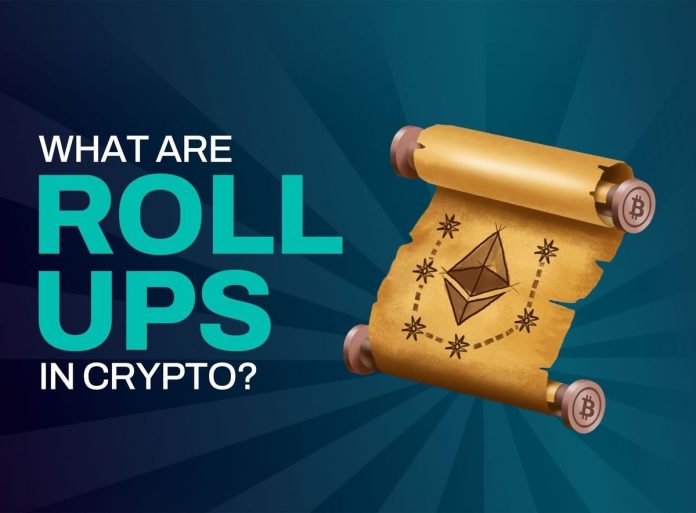

Navigating the Hidden Costs of Rollups in Crypto

0

The crypto landscape is ever evolving, and with it comes the continuous innovation of scaling solutions such as rollups. Rollups have been heralded as a significant step forward in addressing the scalability issues faced by blockchain networks. They work by rolling up or batching multiple transactions into a single one, thereby reducing the strain on the network and allowing for faster and more cost-effective transactions.

These Layer-2 scaling solutions are designed to enhance the throughput of blockchain networks by processing transactions off the main chain and then posting them as a single transaction. Among the various rollup solutions, two primary types stand out: Optimistic Rollups and Zero-Knowledge Rollups (ZK-Rollups).

However, as with any technological advancement, there are hidden costs and challenges that need to be addressed. The creation of Superlane, a pioneering move towards rollup interoperability, marks a significant milestone in the crypto world. It aims to facilitate seamless interactions between different rollups, enhancing the user experience and efficiency.

The discussion around the costs of rollups is multifaceted. On one hand, Optimistic Rollups are generally more affordable due to less computationally intensive proof generation. On the other hand, they may incur additional fees due to potential fraud proofs and reversions. ZK Rollups, while offering stronger privacy guarantees, involve more expensive proof generation, leading to higher transaction fees.

Celestia’s recent performance upgrades have also been a topic of interest, as they play a crucial role in data availability. These upgrades could potentially lower the costs associated with rollups by improving the underlying infrastructure that supports them.

ZK-Rollups, on the other hand, use zero-knowledge proofs to validate transactions without revealing any transaction data. This method not only enhances scalability but also maintains privacy. Examples of ZK-Rollups include zkSync’s Hyperchains and Polygon’s Hermez, which offer secure and cost-effective token transfers.

The rollup ecosystem is rapidly expanding, with projects like B² Network, Bitlayer, BOB, Citrea, QED Protocol, Zulu Network, GOAT Network, Mezo, Bitfinity Network, and Arch Network leading the way. These solutions are paving the path for decentralized finance (DeFi), gaming, and other high-throughput applications, demonstrating the versatility and potential of rollups in the cryptocurrency space.

The growth of ‘Off the Grid’ in the Avalanche ecosystem is another example of how rollups are being utilized in innovative ways, particularly in the realm of crypto and gaming. This growth reflects the potential of rollups to revolutionize various sectors by providing scalable and efficient solutions.

Moreover, the emergence of AI-driven meme coin traders has added a new dimension to the crypto market. While this development is intriguing, it also raises questions about the long-term implications of AI in trading and the hidden costs that might arise from such practices.

As the technology matures, it’s clear that rollups will play a pivotal role in the future of blockchain scalability, offering a blend of speed, efficiency, and security. While rollups offer a promising solution to the scalability issues of blockchain networks, it is crucial to remain vigilant about the hidden costs and challenges they present for developers and consumers alike.

Merging B2B Content and SaaS in Web3

0

The integration of B2B content strategies with Software as a Service (SaaS) models is witnessing a transformative shift with the advent of Web3 technologies. This evolution is not merely a technological upgrade but a complete paradigm shift that promises to redefine how businesses interact and operate in the digital space.

Web3, characterized by its decentralized nature, leverages blockchain technology to create a more secure, transparent, and user-centric internet. This new era of the web introduces innovative concepts such as decentralized finance (DeFi), non-fungible tokens (NFTs), and decentralized autonomous organizations (DAOs), which are reshaping the way users interact, transact, and govern online spaces.

For B2B content and SaaS providers, Web3 offers an unprecedented opportunity to enhance trust and transparency, streamline collaboration, and assert greater control over data. The immutable nature of blockchain creates a tamper-proof ledger, ensuring the provenance of supply chains, simplifying regulatory compliance, and enabling secure contract execution through smart contracts.

The potential for decentralized collaboration in Web3 is immense. It allows for frictionless partnerships, where organizations can connect seamlessly without the need for complex integrations, fostering new forms of collaboration and shared business ventures. This disintermediation removes the reliance on brokers or centralized platforms, potentially lowering costs and increasing efficiency in transactions and processes.

Moreover, Web3 empowers businesses with data ownership and monetization capabilities. Companies can maintain full control over their data, deciding who has access and under what conditions. This shift in data sovereignty opens up new avenues for creating revenue streams through secure sharing and sale of anonymized or aggregated B2B data within decentralized marketplaces.

The role of B2B partnerships in the Web3 ecosystem cannot be overstated. These collaborations span various industries, including finance, supply chain, healthcare, and entertainment. By leveraging each other’s strengths, businesses can share risks, pool resources, and drive innovation and adoption of Web3 technologies.

One of the key benefits of such partnerships is the acceleration of innovation. When companies collaborate, they combine their expertise and resources to develop new solutions faster than they could independently. This synergy not only speeds up the development process but also ensures that the resulting products are robust, scalable, and secure.

Here are some notable examples:

Strategic Consultancy Alliances: Companies like Vayner3 are playing a pivotal role in bridging the gap between traditional businesses and Web3 opportunities. They provide strategic consultancy services, helping brands and enterprises to navigate the emerging world of Web3, from strategy to creative execution.

Blockchain Infrastructure and Financial Institutions: Tech companies specializing in blockchain infrastructure are partnering with financial institutions to create cutting-edge DeFi products. These collaborations are crucial for developing robust, scalable, and secure financial solutions in the Web3 space.

Global Shipping and Blockchain: An example of Web3’s impact on global trade is the partnership between Maersk, the world’s largest shipping company, and IBM. Together, they have developed TradeLens, a blockchain-based platform that enhances the transparency and efficiency of tracking global shipments.

Fashion and NFTs: In the realm of fashion, luxury brands like Gucci are forming partnerships with established Web3 brands or NFT projects. These collaborations lead to increased brand engagement and open up new revenue streams through digital collectibles and experiences.

Entering the Web3 space involves certain risks, such as regulatory challenges and technological uncertainties. However, B2B partnerships can help mitigate these risks by sharing the responsibility and working together to navigate the complexities of the new digital landscape.

In conclusion, the merger of B2B content and SaaS in the Web3 world is paving the way for a more interconnected, efficient, and innovative digital ecosystem. As businesses continue to explore and embrace these new technologies, we can expect to see a significant transformation in how B2B interactions and services are delivered, ultimately leading to a more decentralized and empowered internet experience for all stakeholders involved. The journey into Web3 is just beginning, and the possibilities are as vast as the digital universe itself.

Apple Regains Spot in China’s Top Smartphone Vendors, Ranks Second Amid Huawei’s Comeback

0

According to recent data from the International Data Corporation (IDC), Apple has regained its position among the top five smartphone vendors in China for the third quarter (Q3) of 2024.

Apple captured a 15.6% share of the Chinese market, placing it in second position, though slightly down from the 16.1% recorded the previous year. The rise in the sale of Apple smartphones in China is reportedly driven by the launch of the iPhone 16 series.

The iPhone 16 performed better in China than its predecessor three weeks into the phone’s launch, according to a report. The pricier Pro and Pro Max models also made up a larger percentage of the overall mix

Recall that in July 2024, Apple was edged out of the top five smartphone vendors’ list in China in the second quarter, following fierce competition from domestic brands such as Huawei. Apple’s market share in China shrank to 14% in the second quarter, from 15% in the first quarter and 16% in the same period a year ago.

The Cupertino giant which was the third-largest smartphone vendor in the second quarter last year, dropped to the sixth spot with about 9.7 million in shipments. Apple’s performance in the country came under particular scrutiny after reports said government officials had been mandated not to use iPhones for work. Apple, meanwhile, has moved to slash the prices of its phones to boost sales in China.

The recent improved performance in China is due in part to production issues that plagued the iPhone 15 rollout a year ago and likely impacted early sales. Demand for Apple’s new iPhone 16 offering, which went on sale the same day as Huawei released a tri-foldable phone, has been strong. Sales were 20% in the first three weeks since its launch compared to Apple’s 2023 device, Reuters reported.

The uptick has helped to put Apple back into the top five smartphone companies in China, IDC noted. Trailing closely behind is Huawei, which held third place with a 15.3% market share. However, Huawei’s smartphone shipments surged by 42% year-on-year, signaling a significant rebound after years of U.S. sanctions that severely impacted its access to advanced chips and software, thereby stunting its smartphone business.

Since launching its Mate 60 series, featuring an unexpectedly advanced chip, Huawei has been aggressively expanding, even introducing a groundbreaking tri-foldable device, the Mate XT, has intensified competition in China’s smartphone market. Huawei’s strong resurgence has exerted considerable pressure on Apple, especially in China, one of Apple’s largest markets globally.

IDC’s report underscored Huawei’s momentum, noting the company has achieved four consecutive quarters of double-digit growth, a trend expected to continue as the tri-foldable phone drives interest in foldable technology. To bolster its standing, Apple is banking on its iPhone 16 and new Al capabilities, branded as Apple Intelligence, which the company plans to introduce in the U.S this fall.

Notably, Apple CEO Tim Cook recently visited China, meeting with senior government officials and leaders of local tech companies, a move analysts suggest may aim to secure key partnerships to support the rollout of Apple Intelligence.

Web 3 – No Utility, No Solution ? No Problem !

0

We hear a lot of people announce a ‘problem’ that ‘Web 3 has no utility’. Maybe we need to unpack this a bit.  In context, let me say I mean products that relate to the Web3 space, which are not a cryptocurrency.

There are probably three groups of people that are critical to the existence of any product. Those who invest (financiers, not HODLers or degens), those who execute, and those who buy.

One of the problems with online platforms, particularly LinkedIn and X, is the people that seem to be making the most noise, neither constitute major funders, product owners, or ‘rock star’ buyers.

I don’t get the sense of how this supposed ‘lack of utility’ has actually impacted them first hand.

‘Products in Web3 have no utility’ seems to be a staple topic that gets regurgitated, along with the importance of ‘story telling’. I previously covered ‘story telling’ with a narrative that without placing product at its centre, it becomes irrelevant.

Moving on, I would say, storytelling is fine, but there never seems to be a deeply illustrated ‘story’ with multiple experiences, that showed me where someone had a Web 3 utility challenge with products, either funding it, creating it, or owning and trying to use it. It’s usually headline declaratives from folk with no tangible engagement and consequently, no story to tell.

Back to the dawn of humankind, there was a need for three things, food, clothing and shelter. This is the cornerstone of utility that still exists today.

Some folk realized they were no good at hunting, no good at skinning hides and fashioning garments from them, and no use at discovering new caves. They still had to make a living somehow. So, they managed to make dyes from readily available plants and minerals and make cave drawings. Others articulating things in front of camp fires at night, with waving hands, body movements, gestures and grimaces.

As they improved control on vocals they developed speech and language, and STORY TELLING began. Articulation skills led to ACTING. Other control abilities led to MUSIC. Social skills from language blended with successful battle strategy led to social hierarchy and the birth of POLITICS.

No pensions. If you couldn’t usefully integrate you died. Older warriors earned their meat by training youths and creating sparring tournaments, leading to SPORT.

This is the ethereal world began for survival of people who either couldn’t or didn’t want to compete directly in what put food in their belly, clothes on their body, and a roof over their head (3 necessities).

They began to bring their ethereal crafts to the 3 necessities, and clothing emerged with features that no longer prioritized protection, and regulating body temperature for ‘The Naked Ape’. Catwalks can exhibit the most unwearable of garments. Homes were sold aesthetic features; it was no longer someone’s ‘castle’. They became adorned with highly prized ornaments – Ainsley, Wedgewood, Waterford Glass; Souvenirs of iconic events; Paintings of ‘Renowned’ Artists; Antiques. Simple acts of cooking became Artisan ‘HAUTE CUISINE’

Our problem in our complicated world is that we see product utility, and solving a problem within the narrow extent of what it is being applied to. You can put wings on a pig, but it is still a pig. It could be argued that utility, and problem solving, when applied to a situation where the line of integrity to the ‘3 necessities’ is broken, is absolutely no utility or problem solving at all.

They have a new football design which can’t deflate, puncture, and has no compressed air in it. Is this solving a problem? Football is 22 grown adults running around a field, kicking a piece of animal hide which has been sewn into a sphere.

In answer to challenges with cigarettes, a product was developed called vapes.. but what is it really bringing? Slightly short of 600 years ago, some Englishman spoke to Native Americans who he found inhaling burning dried vegetation in a chalice.

They found the leaves, rolled them into a thin pencil-like shape, got people to stick them in their mouths, and set fire to the other side.

How is offering an improvement to this model linking with the ‘3 necessities’?

And yet, globally, both Football and Tobacco are collectively trillion dollar industries.

So this uninformed talk about product utility and problem solving in web3 collectible/tradeable products is an illusion.

Every iteration of Human Kind thinks the product dynamic within a new technology is different. The reality is, it is just a continuum; all the way back to those who discovered fire, and invented the wheel, who felt the same way too.

Rather than looking at product utility and problem solving, it might be a good idea for retail-end web3 focusing on collectibles/tradeables to be looking at historic evidence on subjective concepts of quality, exclusivity, dedicated human effort, and luxury.

Quality – Quality comes at a cost. Package the product with tokenization which has significant fees and takes time to mint. Tokenize on blockchain cores with higher security and decentralization. High TPS, low minting cost architectures are the enemy of quality.

Exclusiveness/Luxury – Unique tokenization protocols that have coding structures foreign to what can be accommodated on wallets like MetaMask, Coinbase, Trust or Rainbow, and require their own dedicated wallet.

Dedicated Human Effort – No 10k runs of cheap PfPs on algorithms, each product must individually evidence human effort.

These are the things that matter.

No Utility, No Solution ? No Problem !


Preview our Sino Amazon/Sinosignia releases (Ente)

Preview our Sino Amazon/Sinosignia releases (Pinterest)

Visit 9ja Cosmos LinkedIn Page

Visit 9ja Cosmos Website