DD
MM
YYYY

PAGES

DD
MM
YYYY

spot_img

PAGES

Home Blog Page 2731

The Product-Market Fit Challenge and Why Organized Retail Struggles in Nigeria

0

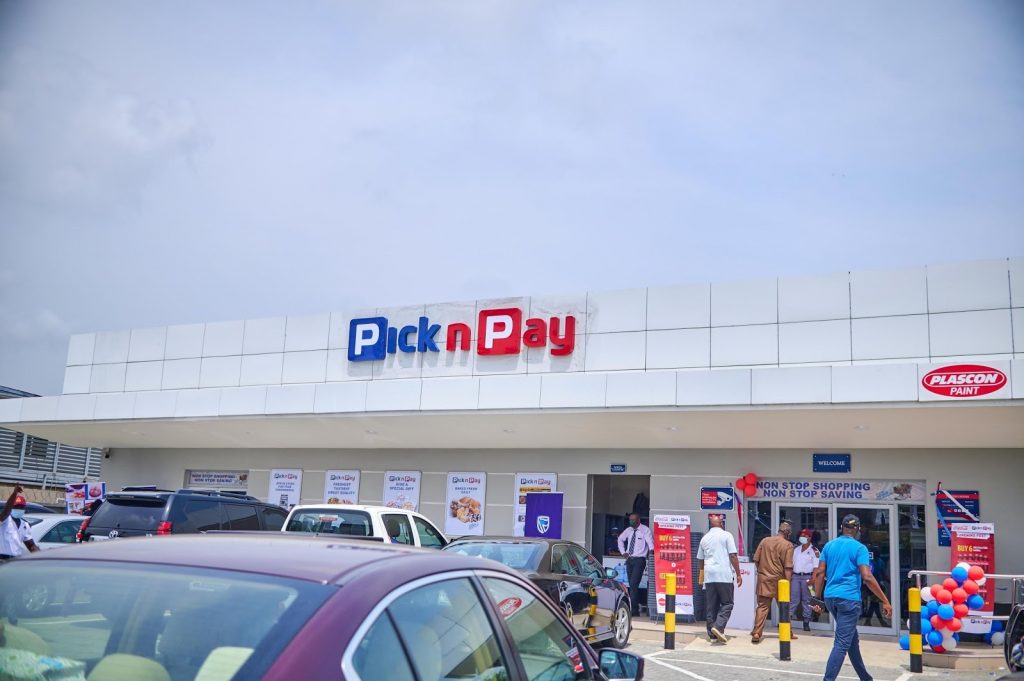
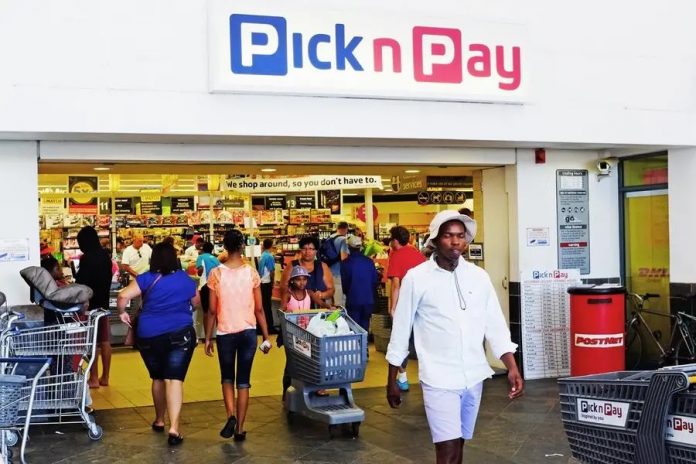
Pick n Pay came to Nigeria, and in 2021, I wrote below in a piece titled “What Is Pick n Pay Playbook in Nigeria?”. From their press release, it was not the Nigeria that I know that they were describing. Today, PnP is gone: “In a strategic move that underscores the dynamic nature of international retail, South African grocery chain Pick n Pay has announced its departure from the Nigerian market.”

From 2021: ‘Shoprite came to Nigeria in Dec 2005 when Naira was about N127 to a dollar; the South African Rand was about 7 rand to a dollar then. Last year when it began the exit process from Nigeria,  one dollar exchanged for N380… Nonetheless, the biggest problem was not the currency deterioration in Nigeria but the fact that the middle class was shrinking, affecting the capacity of Shoprite to capture value with the presence of supermarkets, open markets and even street-sellers as competitors.

‘When that exit was announced, I wrote, “Shoprite may not be doing terribly bad in Naira but struggles in Rand when it reports in South Africa. It is exiting Nigeria even though it makes tons of naira.”

‘But in the midst of this paralysis, another South African retailer is here: Pick ‘n Pay. My question is this: what is the playbook for success in Nigeria considering that Shoprite, Mr Price and Woolworths could not overcome the paltry effective 30 million addressable market in Nigeria? Yes, I model that Nigeria has only 30 million who earn “decent” income and those 30 million support the remaining 180 million citizens.’

Today’s comment: The product-market fit is not there to run this type of business in Nigeria. Unlike South Africa, Nigeria’s most significant opportunity for B2C operations lies with consumers who earn around $4 – $8 per day, but that spectrum is not a very sweet domain for organized retail. You need at least $15 per day to make it fascinating for the likes of Shoprite and Pnp. So, there is a clear product-market fit dislocation and that has made organized retail challenging in Nigeria.

The Pick n Pay’s Exit from Nigeria

The Pick n Pay’s Exit from Nigeria

0

In a strategic move that underscores the dynamic nature of international retail, South African grocery chain Pick n Pay has announced its departure from the Nigerian market. This decision comes after the company sold a 51% stake in its joint venture, marking a significant shift in its operational focus.

Pick n Pay’s foray into Nigeria was met with optimism less than five years ago, as the retailer sought to tap into Africa’s most populous nation. However, the journey has been fraught with challenges. The company’s exit adds to a growing list of multinational corporations that have found the Nigerian business environment daunting.

The reasons for this retreat are manifold. Economic volatility, fluctuating market demands, and infrastructural hurdles have all played a part in shaping the company’s decision. Pick n Pay reported a larger half-year loss, driven by trading losses in its core supermarket operations and rising borrowing costs.

Despite these setbacks, Pick n Pay’s clothing and online businesses have shown “solid momentum,” suggesting that while the Nigerian venture has not met expectations, other areas of the business are thriving. The company’s CEO, Sean Summers, has expressed a “quiet confidence” in the ability to reduce trading losses in the Pick n Pay business by up to 50% for the full year.

The departure of Pick n Pay is a reflection of the broader challenges that foreign companies face in Nigeria. From regulatory complexities to currency fluctuations, the barriers to sustained profitability are significant. Other companies, such as Shoprite and Jumia, have also scaled back their operations or exited the market altogether, citing similar concerns.

Pick n Pay’s departure adds to a growing list of multinational companies that have found the Nigerian market challenging. These factors have led to a reevaluation of business strategies, with some companies choosing to shut down or relocate their operations. The implications of such exits are profound. They not only affect the companies’ bottom lines but also have potential repercussions for the Nigerian labor market and the broader economy. The exit of these firms can lead to job losses and reduce the diversity of products and services available to Nigerian consumers.

However, this trend also presents opportunities for local businesses to step in and fill the void left by departing multinationals. It could lead to a strengthening of local industries and the emergence of new market leaders. This trend raises questions about the future of foreign investment in Nigeria and the strategies companies must employ to navigate such a complex landscape. It also highlights the need for a supportive business environment that can attract and retain international retailers.

As Pick n Pay restructures its international strategy, the Nigerian market remains a testament to the resilience required to operate in emerging economies. The lessons learned from such exits could pave the way for more sustainable business models and partnerships that can withstand the pressures of Nigeria’s unique market conditions.

For now, the retail landscape continues to evolve, and companies like Pick n Pay must adapt to the ever-changing tapestry of global commerce. The exit may be a setback, but it also opens up opportunities for local enterprises to fill the void and for foreign players to reassess and potentially re-enter the market with renewed vigor and a deeper understanding of the local context.

World Bank Urges Nigerian Government to Prioritize Youth Employment Amid Critical Economic Reforms

0

The World Bank has urged Nigeria’s Federal Government to prioritize job creation for its youth as the country grapples with surging inflation and rising living costs. Ndiame Diop, the World Bank’s Country Director for Nigeria, emphasized this need, stating that youth employment would serve as a crucial buffer for Nigeria’s younger generation amid the economic strain triggered by recent reforms under President Bola Tinubu’s administration.

Following the elimination of fuel subsidies in May 2023, fuel prices soared from N175 per liter to an official rate of N1,025 per liter in Lagos, marking a sharp increase in the cost of living. In the face of these pressures, the World Bank’s latest report, titled ‘Nigeria Development Update: Staying the Course: Progress Amid Pressing Challenges,’ highlighted the importance of government reforms but cautioned that they have compounded Nigeria’s already fragile economic situation.

“Nigeria took the bold and courageous move to undertake difficult but critical reforms,” stated the report. “This against the backdrop of an already fragile economic position, high food and transport inflation, and other heightened uncertainties. If these reforms were not done, Nigeria would have fallen into a serious fiscal crisis that would have made it difficult for government to meet its obligations to citizens.”

Beyond just creating jobs, the World Bank highlighted the importance of adequate wages to meet current economic demands. The report urged the government to focus on expanding opportunities for youth to access adequately paying jobs, which would enable them to cope with the high cost of living.

“It will be important to consolidate the improving fiscal outlook and scale up the support for the poorest households to cope with purchasing power losses and hardships,” the report stated, adding that “expanding opportunities for growth and productive jobs, especially for young Nigerians is most urgent and crucial.”

Youth Employment Initiatives Are Falling Short

President Tinubu has launched several initiatives aimed at empowering youth and addressing the nation’s employment needs, including:

  1. 3 Million Tech Talents (3MTT) Initiative: Led by the Ministry of Communications and Digital Economy, this initiative is designed to equip young Nigerians with digital skills to meet the demands of a growing tech sector.
  2. National Skills Business Development Initiative (NSBDI) by SMEDAN: Targeted at small businesses, NSBDI promotes skill development in entrepreneurship and business management.
  3. Nigerian Youth Academy (NiYA): This academy focuses on training youth in various skill sets to meet workforce needs across different sectors.
  4. Industrial Training Fund’s (ITF) Skill Up Artisans Program: This program is designed to empower young Nigerians with skills in artisanal trades, including construction and craftsmanship.
  5. National Automotive Design and Development Council (NADDC) Mechatronics Training: The initiative focuses on advancing Nigeria’s automotive sector by providing training in mechatronics and automotive maintenance.

However, the World Bank and local economists assert that these programs are insufficient to meet Nigeria’s vast employment needs. Economists argue that, while the initiatives offer specialized skills and some employment opportunities, they fall short of the real demand for adequately paying jobs that can sustain Nigeria’s economy. Many of these initiatives focus on entry-level or mid-level skills, which may not necessarily lead to sustainable employment.

Nigerian economists agree that simply offering employment programs isn’t enough to address the underlying economic hardship; rather, the creation of jobs that offer sufficient income is essential. Adequately paying jobs that match the rising cost of living would boost household income, helping to stabilize the economy and enhancing fiscal flexibility. Many warn that, without meaningful income growth, particularly through better-paying jobs, the country’s consumer spending power will continue to decline, ultimately harming the broader economy.

In agreement, the World Bank’s report notes that higher-paying jobs would empower households with stronger purchasing power, which could lead to an increase in consumer spending and drive economic growth.

Economists propose creating adequately paying jobs in industries like technology, manufacturing, and agriculture, which could boost production, reduce import dependency, and promote a more resilient domestic economy.

While government-led programs provide a foundation, the World Bank notes the need for private-sector growth and foreign investment. Economists suggest that incentives to support private-sector expansion could create more employment opportunities with competitive wages. Foreign investment, especially directed toward high-growth sectors with substantial employment potential, could also significantly enhance Nigeria’s job market, has been advocated.

World Bank’s Advice to Halt Ad-Hoc FX Auctions

In a separate recommendation, the World Bank advised Nigeria’s Central Bank (CBN) to avoid unscheduled foreign exchange (FX) auctions, advocating for a transparent and consistent FX framework.

In August 2024, the CBN held an FX auction, selling $876.26 million to end-users in one of the most substantial interventions seen in recent years. The CBN said the auction was aimed at boosting foreign exchange liquidity, reducing demand pressures, and supporting price stability.

However, the World Bank’s report cautioned against such ad-hoc measures, noting that “exchange rate policy should continue to be geared towards maintaining a unified, market reflective exchange rate, whilst deepening the FX market.”

The report further recommended that the CBN should allow more flexibility for FX trading and aim to maintain a transparent, market-driven exchange rate system.

“Allowing market participants to trade FX with more flexibility across time would also contribute to deepening the FX market,” the report added.

Solayer Labs releases sUSD Stablecoin on Solana backed by US Treasury Bills

0

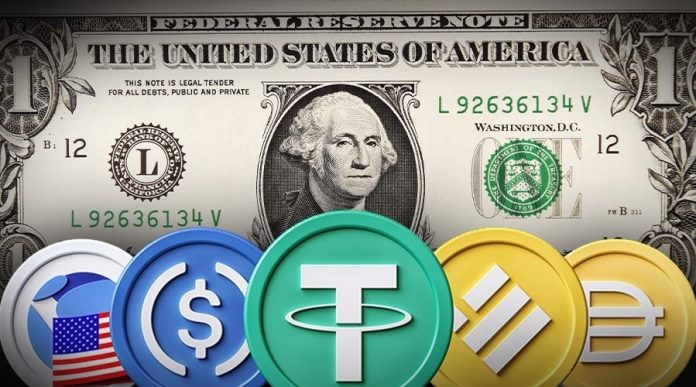
Solayer Labs has announced the release of its new stablecoin, sUSD, on the Solana blockchain. This stablecoin is not just another addition to the growing list of digital currencies; it stands out for being backed by US Treasury Bills, a feature that aims to provide enhanced stability and trust in the volatile crypto space.

The sUSD stablecoin is part of a broader strategy by Solayer Labs to introduce tokenized real-world assets (RWAs) on the Solana platform. The backing by US Treasury Bills is a strategic move that could potentially attract more conservative investors who are looking for safer investment options within the cryptocurrency domain. This is because US Treasury Bills are considered one of the safest investments, backed by the credit of the United States government.

Solayer Labs, in collaboration with OpenEden, has created a system where anyone can mint the yield-bearing sUSD token with as little as $5 in USDC. This low entry barrier is designed to democratize access to tokenized assets, allowing a wider range of investors to participate in the market. The sUSD protocol operates as a request for quote (RFQ) marketplace, where users deposit USD Coin (USDC) and are matched with tokenized RWAs to receive sUSD.

The introduction of sUSD is a testament to the innovative spirit of Solayer Labs and its commitment to bridging the gap between traditional finance and the burgeoning world of cryptocurrencies. By leveraging the Solana blockchain’s capabilities, Solayer Labs is not only providing a stable investment option but also contributing to the overall growth and maturity of the crypto ecosystem.

Unlike many other stablecoins, sUSD provides an annual yield of 4-5%, which accrues directly within the user’s wallet. This means that holders of sUSD can earn a passive income simply by holding the stablecoin, similar to earning interest in a traditional savings account.

The technical architecture of sUSD also contributes to its advantages. The Token 2022 interest-bearing extension allows the token to accrue yield while remaining fully on-chain, ensuring transparency and security for its users. Moreover, the decentralized, non-custodial Request for Quote (RFQ) protocol used by the sUSD Pool maximizes yield opportunities and distributes risk among multiple liquidity providers.

Furthermore, sUSD’s integration with Actively Validated Services (AVS) expands its utility beyond just being a stable store of value. It plays a critical role in securing decentralized infrastructure, making it a vital tool for the Solana network and potentially other decentralized networks in the future.

The low entry barrier for minting sUSD, with a minimum of just $5 in USDC, democratizes access to tokenized assets. This feature allows a broader range of investors, from retail to institutional, to participate in the market and benefit from the stability and yield that sUSD offers.

In addition to these advantages, sUSD also offers instant redemption back to USDC, addressing liquidity concerns often associated with real-world asset holdings on-chain. This feature ensures that users can quickly convert their sUSD back into a more liquid form of cryptocurrency if needed.

The launch of sUSD comes at a time when the market for tokenized RWAs is predicted to see significant growth. Financial institutions and business consulting firms anticipate a 50-fold increase in this market by 2030, representing a $30-trillion global opportunity. Stablecoins like sUSD are at the forefront of this expansion, offering a digital alternative to traditional financial assets that is both stable and yield-bearing.

As the crypto market continues to evolve, the role of stablecoins will become increasingly important. They provide a necessary counterbalance to the often-unpredictable nature of cryptocurrencies, offering a semblance of stability in a market known for its fluctuations. With the launch of sUSD, Solayer Labs is positioning itself as a key player in this evolving landscape, providing a product that could redefine the way we think about stability and investment in the digital age.

Is Emory University’s Investment in Bitcoin ETFs Strategic?

0

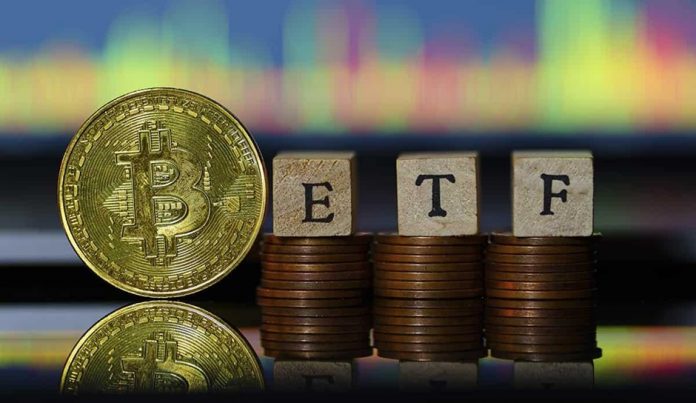
In a groundbreaking move, Emory University has disclosed a significant investment in Bitcoin ETFs, amounting to $16 million. This bold step not only diversifies the university’s investment portfolio but also positions it as a pioneer among educational institutions in the adoption of cryptocurrency assets.

The investment, specifically in the Grayscale Bitcoin Mini Trust, reflects a progressive approach to endowment fund management. With a total asset base of $21 billion, Emory’s foray into the realm of digital currency is a testament to the growing acceptance of Bitcoin as a legitimate and valuable asset class.

The decision by Emory University to invest in Bitcoin ETFs is not just about financial diversification; it’s a strategic move that acknowledges the potential of blockchain technology and its impact on the future of finance. By taking this step, Emory is leading the way for other institutions to consider the inclusion of digital assets in their investment strategies.

The move is not without precedent; other major players such as Tesla, Block, and PayPal have also invested in Bitcoin, signaling a growing confidence in cryptocurrency as a viable asset class. Emory’s investment is particularly noteworthy as it is one of the first known instances of a higher education institution directly engaging with Bitcoin ETFs.

The strategic nature of this investment lies in its timing and the choice of vehicle. Bitcoin ETFs offer a more regulated and accessible means for institutional investors to gain exposure to Bitcoin without the complexities of direct ownership of the cryptocurrency. This approach mitigates some of the risks associated with the volatility and security concerns of holding actual Bitcoin, while still providing the potential for substantial returns.

Moreover, the investment comes at a time when Bitcoin ETFs have received regulatory approval and are witnessing increased institutional adoption. Emory’s investment could be seen as a vote of confidence in the long-term viability of Bitcoin as an asset class, and it sets a precedent for other universities to consider similar investments as part of their portfolio diversification strategies.

The significance of this investment is further highlighted by the fact that Emory University is the first university endowment to publicly report such exposure to Bitcoin ETFs. This not only demonstrates confidence in the stability and growth potential of Bitcoin but also signals to other risk-averse endowments the viability of including cryptocurrencies in their portfolios.

The Grayscale Bitcoin Mini Trust, chosen by Emory for its investment, is a product that has quickly gained traction despite its late entry into the market. With approximately $2.3 billion worth of Bitcoin under management, it stands as a successful fund within the cryptocurrency space.

Emory’s investment is a clear indicator of the evolving landscape of endowment investments and the increasing role that cryptocurrencies play within it. It underscores the university’s recognition of cryptocurrency as an emerging asset class with the potential to contribute positively to its endowment’s growth and diversification. As digital currencies continue to gain mainstream acceptance, we can expect to see more institutions following Emory’s lead, exploring the potential of Bitcoin and other cryptocurrencies to enhance their investment portfolios.

Bitcoin ETFs will Soon Hold 1M Tokens, nearly as Satoshi Holdings

Meanwhile, the landscape of cryptocurrency investment is witnessing a remarkable evolution as Bitcoin Exchange-Traded Funds (ETFs) approach a significant milestone: the accumulation of nearly 1 million Bitcoin tokens. This development is not just a testament to the growing acceptance of Bitcoin as an investment asset but also highlights the pivotal role ETFs are playing in the broader financial ecosystem.

Bitcoin ETFs, which allow investors to gain exposure to Bitcoin without the complexities of direct ownership, have seen a surge in inflows, with U.S.-based spot funds currently holding about 396,922 Bitcoin. BlackRock’s iShares Bitcoin Trust is on the cusp of crossing the 400,000 Bitcoin mark, a clear indicator of the burgeoning interest from institutional and retail investors alike.

The implications of this accumulation are profound. The holdings of these ETFs are nearing the amount attributed to Satoshi Nakamoto, the pseudonymous creator of Bitcoin, who is believed to own around 1.1 million tokens. This comparison is not just symbolic but also indicative of the shifting dynamics in Bitcoin ownership and the potential influence on the market.

Bitcoin ETFs simplify the investment process, allowing investors to buy shares through conventional brokerage accounts. This eliminates the need for dealing with cryptocurrency exchanges and managing private keys. Bitcoin ETFs introduce a new asset class to investors’ portfolios, which can help in diversifying investment risks. Some Bitcoin ETFs also include stocks or other assets, offering a more balanced investment option.

Operating within regulated financial frameworks, Bitcoin ETFs offer improved investor protection compared to direct cryptocurrency investments. This regulatory oversight can provide a sense of security for investors wary of the relatively unregulated nature of cryptocurrencies.

The aggressive buying by ETFs has led to a situation where their combined holdings are close to one million BTC, which equates to nearly 2% of Bitcoin’s total supply. BlackRock, with the largest BTC reserve among them, holds approximately 403,714 BTC. This concentration of Bitcoin within ETFs could have significant implications for the asset’s price and liquidity.

The month of October has been particularly noteworthy, with spot Bitcoin ETFs experiencing record inflows totaling over $3 billion. During one trading week, the 11 spot Bitcoin ETFs bought a combined 15,194 BTC, which is nearly five times the 3,150 BTC mined in that period. This level of acquisition by ETF issuers is unprecedented and underscores the strong demand driving the market.

Market observers have pointed out that with the ETF issuers now holding a substantial portion of BTC’s supply, their influence on market liquidity and price stability is likely to grow. The relatively fixed supply of BTC means that such high levels of inflow or outflow from ETFs could introduce greater volatility risk. This is especially pertinent during periods of market turbulence or significant financial events.

As we look to the future, the trajectory of Bitcoin ETFs will be closely watched by investors and market analysts alike. The milestone of 1 million tokens is more than just a number; it represents the maturation of cryptocurrency as an asset class and the increasing integration of digital assets into the traditional financial world.

The journey of Bitcoin ETFs from a novel concept to a significant market force reflects the evolving narrative of cryptocurrency. It is a narrative that is increasingly characterized by institutional adoption, regulatory clarity, and mainstream acceptance. As Bitcoin ETFs continue to amass tokens and influence, they are not only shaping the present landscape of investment but also paving the way for the future of finance.