DD
MM
YYYY

PAGES

DD
MM
YYYY

spot_img

PAGES

Home Blog Page 2793

An Option for US Justice Department Over Breaking Up Google

1

Google won search business via innovation, but Google made a mistake by hoping to use money to sustain its position when it decided to pay $billions to Apple and other device makers for premium positions in their ecosystems. That is illegal and must be condemned.

That said, Google does not need to be broken apart as the US justice department is considering: “The U.S. Department of Justice (DOJ) on Tuesday proposed significant recommendations regarding Google’s search engine business practices, hinting at a potential breakup of the tech giant as a remedy for antitrust concerns.” Doing that will hurt many businesses and consumers. Let me return to business history.

In the 19th century, railroads played a pivotal role in shaping the American economy, with intense competition and financial struggles characterizing the industry. However, this era also saw the rise of monopolies like Standard Oil, which revolutionized the oil industry through efficient production and transportation methods. The Panic of 1873 further exacerbated economic challenges, leading to significant repercussions for both businesses and consumers. In response to concerns about monopolistic practices, the Sherman Antitrust Act was introduced in 1890 to regulate anti-competitive behavior and promote fair competition. Fast forward to today where tech utilities dominate.

For Rockefeller’s Standard Oil, the real antitrust issue was not about crude oil. Standard Oil won via innovation in the oil industry, and became the category-king. What caused the problem was that it wanted to use railroads distribution pricing competitiveness, via bulk discounts, to keep its position. Those discounts provided asymmetric unfair positioning which other oil producers could not match. The government stepped in and helped, breaking the oil giant into pieces.

Today, breaking Google will not deliver any better result for consumers unlike what the government accomplished in the era of Rockefeller. If you live in our modern world, it is going to be nearly impossible to live a day without using a Google product, and that can happen at zero bill to you. No other company can boast of that feat. So, changing this equilibrium via breakup means consumers would be hurt.

What the government needs to do is to fine Google, and put a suspension on any contracted lead generation that offers exclusivity for a decade. We expect Apple to build a native search since it cannot be bribed out with $20 billion yearly from Google anymore. That is enough of a problem for Google besides what OpenAI ChatGPT is bringing along. Breaking Google is not necessary because that can reposition Apple once Apple Search goes live.

More so, Amazon runs a big search business now, and that means that Google has lost ad revenues from many SMEs since those firms prefer Amazon which puts their products before those actually in the spirit and process of shopping, unlike what Google delivers in the free web.  You can also put what Meta via Facebook and Instagram is doing in that sector. Google’s payment to Apple and others was out of panic, and not necessary out of strength. Stop that payment with a fine, and that will do it.

U.S. Department of Justice Considers Breakup of Google Amid Antitrust Recommendations

0

The U.S. Department of Justice (DOJ) on Tuesday proposed significant recommendations regarding Google’s search engine business practices, hinting at a potential breakup of the tech giant as a remedy for antitrust concerns.

This was disclosed in a 32-page lawsuit filed at the United States District Court for the District of Columbia. The DOJ’s filing indicated necessary remedies to prevent and restrain Google’s monopoly maintenance.

Part of the lawsuit reads,

In order to address Google’s offenses, the remedies here should account for alternative and future forms of monopoly maintenance in the affected markets and reasonably related markets in addition to the specific conduct to date. It is therefore critical that any remedy carefully consider both past, present, and emerging market realities to ensure that robust competition, not Google’s past monopolization, will govern the evolution of general search and text advertising. To attain these goals, remedies, and laws related to similar conduct in other jurisdictions must also be considered to determine what measures this Court should impose to prevent Google from maintaining its monopolies in the future through conduct that evades or circumvents the Court’s final remedy order.

With the governing legal framework and complex market dynamics in mind, and consistent with the Court’s September 18 Order, Plaintiffs are currently considering remedies to address four categories of harms related to Google’s (1) search distribution and revenue sharing, (2) generation and display of search results, (3) advertising scale and monetization, and (4) accumulation and use of data. For each area, the remedies necessary to prevent and restrain monopoly maintenance could include contract requirements and prohibitions; non-discrimination product requirements; data and interoperability requirements; and structural requirements.”

Notably, the Plaintiffs have initiated discovery efforts to ensure that the proposed Final Judgment, including any specific remedies, effectively addresses the harms caused by Google’s unlawful conduct, considering current market realities.

The DOJ also mentioned it is considering structural changes to prevent Google from leveraging products such as Chrome, Android, and Play Store to give undue advantage to its search services, including emerging Al-powered search technologies. Moreover, the agency recommended limiting Google’s default agreements, like those with Apple and Samsung, which cost the company billions in payouts, and suggested introducing a “choice screen” allowing users to pick from alternative search engines.

These remedies are designed to curtail Google’s control over search distribution and prevent it from dominating future technologies. The recommendations follow an August ruling by a U.S. judge that Google holds a monopoly in the search market, violating Section 2 of the Sherman Act.

The final decision on these remedies won’t come until a court ruling by August 2025, and any appeal by Google could prolong the case. Although some legal experts believe the court may push for an end to Google’s exclusive agreements, a complete breakup of the company seems unlikely.

The proposed break up of Google is coming after the tech giant in September 2024, lodged an antitrust complaint with the European Commission, accusing Microsoft of employing unfair licensing contracts to suppress competition in the lucrative cloud-computing industry. According to Google’s allegations, it claims that Microsoft uses restrictive licensing terms to “lock in” clients and dominate the cloud market.

After a federal judge declared Google’s search engine a monopoly, the Justice Department has made recommendations for how to fix it, including possibly breaking up the tech giant. U.S. District Judge Amit Mehta found in August that, by paying billions to operators of web browsers and phone makers to be their default search engine, Google cornered the market. Regulators, who have also targeted its online ad business on antitrust grounds, in a new filing have outlined proposals including potentially ending exclusive agreements with Apple and Samsung, or restricting data tracking. Google said some of the proposals could hurt businesses and consumers.

The Use of Augmented Reality (AR) and Virtual Reality (VR) in Workplaces

0

When it comes to technological innovation, entrepreneurs constantly face the question: adopt or resist? Augmented Reality (AR) and Virtual Reality (VR) are no longer confined to gaming and entertainment. Their potential in the workplace is growing, and businesses are faced with a critical decision: to embrace these technologies or cling to the tried-and-true methods that have served us well for decades?

AR and VR as a gamechanger in the Workplace

According to Frontier Economics, AR is a technology that blends real life and digital life by overlaying virtual sensory elements in the user’s physical environment, while VR uses headset-mounted displays to create an immersive audio-visual experience. The aim is to simulate the user’s presence in a virtual environment using images and sounds. Both AR and VR have unique capabilities that can reshape how tasks are performed in various industries. So, where do they fit in the professional space?

AR and VR have exciting potential applications across various fields.

In retail, AR is redefining the shopping experience. Customers can now try on clothes without entering a dressing room or visualize how a new sofa would look in their living room before purchasing. IKEA’s AR app, for example, allows customers to virtually place furniture in their homes before making a selection, enhancing decision-making and reducing returns.

In the tech and media sectors, AR and VR are transforming engagement. Media companies are using VR for immersive storytelling, letting audiences step inside a story or experience a documentary firsthand. Meanwhile, tech giants are leveraging AR for product demonstrations and interactive user manuals. A notable example is Microsoft’s HoloLens, which creates mixed reality experiences for both entertainment and practical applications, enhancing the way users interact with products and tools.

In manufacturing, companies like Boeing are employing AR to simplify complex assembly processes. Workers use AR glasses that project assembly instructions directly onto the parts they are working on, reducing errors and significantly increasing efficiency. This overlay of real-time data improves accuracy and speeds up production lines.

Healthcare is another sector experiencing the benefits of VR. Surgeons can practice complex procedures in virtual operating rooms, improving their precision and preparedness before performing them on patients. VR is also being used for pain management, offering immersive experiences that help patients find relief from chronic pain by distracting them from discomfort.

Where It May Fall Flat

While AR and VR technologies offer enormous potential, they aren’t a one-size-fits-all solution. For some industries, sticking to the status quo may make more sense. Take fine dining, for instance. High-end restaurants prioritize the sensory experience of dining. While AR might enhance menu presentation, extensive use of such technology could detract from the core dining experience.

Similarly, in professional sports, the fast-paced, physical nature of many sports limits the practical application of AR/VR during actual gameplay. However, these technologies are finding use in training and fan engagement.

There is also traditional craftsmanship. Artisans working with physical materials (e.g., woodworkers, tailors) rely heavily on tactile feedback and years of hands-on experience. While AR might assist in design visualization, it’s unlikely to replace the core skillset.

The performing arts is another example. Theatre, dance, and music thrive on the electric connection between performers and their audience. While AR and VR might revolutionize stage design or rehearsal processes, their use during live performances remains limited. In high-stakes environments like emergency services, the need for clear, unobstructed vision and immediate situational awareness makes current AR and VR technologies impractical.

Even in traditional sectors such as law, consulting, or certain areas of finance, AR and VR might seem out of place, or even distracting. Industries driven by personal, face-to-face interactions—like counseling or customer service—depend on human connection, which these technologies could inadvertently hinder rather than enhance.

To Adopt or Not?

The status quo may seem safe, but it carries its risks. Businesses that resist innovation could be left behind as competitors leverage AR and VR to improve efficiency, customer experience, and employee training.On the flip side, jumping into AR and VR without a clear strategy could lead to wasted resources if the technology doesn’t align with the business’s needs or industry standards.

Whether workplaces should adapt depends on the industry, business goals, and readiness to innovate. In sectors like retail, manufacturing, tech, and healthcare, AR and VR offer clear advantages and can help companies stay competitive. But in more traditional fields, they might seem excessive, making the status quo seem like a smarter option for now. The key is to recognize where these technologies can truly add value and where they might be more gimmicks than game-changers, and sometimes, for many businesses, the sweet spot lies somewhere between total adoption and complete rejection.

The Rise of Memecoins in Institutional Portfolios

0

As we approach the final quarter of 2024, the cryptocurrency landscape is witnessing a significant shift in investment strategies, particularly with the rise of memecoins. These digital assets, often inspired by internet memes and culture, are increasingly catching the eye of institutional investors.

In the early months of 2024, institutional holdings in memecoins surged, led by prominent names such as Dogecoin (DOGE), Shiba Inu (SHIB), and the emerging Pepe Markets. By April, investments reached a high of $300 million, a staggering increase from the $63 million recorded at the start of the year. This trend underscores a growing interest from professional investors in a sector once dominated by retail traders.

The Open Network (TON) has been at the forefront of this movement, launching Memelandia, a decentralized hub designed to fuel the meme coin ecosystem with innovative decentralized tools. This initiative aims to leverage TON’s integration with Telegram to enhance meme activity on the platform, creating a unique environment for meme tokens to grow.

The surge in institutional allocations to memecoins is not just a fleeting trend but a strategic move that reflects the evolving nature of the crypto market. Institutions are diversifying their portfolios, moving beyond traditional assets like Bitcoin (BTC) and Ethereum (ETH) to include memecoins, which offer liquidity and a touch of cultural resonance.

The allure of memecoins for institutional investors lies not only in their potential for high returns but also in their ability to diversify portfolios beyond traditional assets. With a calculated risk-taking approach, institutions are capitalizing on the peaks of popularity of these atypical cryptocurrencies. Dogecoin remains the darling of institutions, representing a significant share of their memecoin holdings, followed by PEPE and SHIB, which continue to attract attention despite their speculative nature.

This trend is not limited to institutions; retail investors have also shown a notable preference for memecoins, with their holdings exploding by 478% between February and April. The strategies of retail investors appear more diversified than those of institutions, with an average allocation of 4% of their portfolios to memecoins, compared to 2.5% for institutions.

The rise of memecoins in institutional portfolios is a testament to the evolving perception of value in the digital age. As the line between ‘meme’ and ‘mainstream’ continues to blur, the financial world watches with keen interest to see how this trend will unfold in the future.

As Q4 2024 unfolds, the market may witness an even greater institutional allocation to memecoins. This shift is indicative of the sector’s maturation and the recognition of memecoins as a legitimate asset class with potential for high returns. The increased institutional presence could also bring about more stability and credibility to these digital assets.

However, with any investment, especially in the volatile crypto market, there are risks involved. Institutions venturing into memecoins must navigate the market with due diligence and a robust risk management strategy. The whimsical nature of memecoins, often driven by social media trends and influencer endorsements, can lead to unpredictable market movements.

As we look towards the end of 2024, memecoins appear to be a key play for institutional investors seeking to capitalize on the dynamic and ever-evolving crypto market. With careful consideration and strategic investment, these digital assets could offer a new frontier for portfolio diversification and growth in the digital age.

Marathon’s Anduro and the Whiskey Pilot Project

0

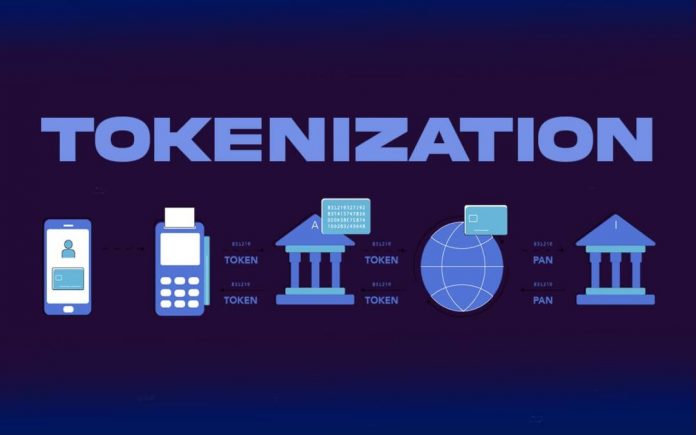
In a groundbreaking move, Marathon Digital Holdings incubated multi-chain Layer-2 network, Anduro, has unveiled a pioneering tokenization platform named Avant. This innovative platform is set to revolutionize the way we think about investing in real-world assets (RWAs) by leveraging the robustness and security of the Bitcoin blockchain.

Tokenization is a process that converts rights to an asset into a digital token on a blockchain. The significance of this process lies in the enhanced liquidity, accessibility, and transparency it offers, making it easier for investors to buy, sell, and trade assets that were previously less accessible.

The concept of tokenization is not new, but its application on the Bitcoin network marks a significant shift in the blockchain landscape. Traditionally, tokenization has found its home on networks like Ethereum and Solana, where the market cap for tokenized Treasury notes soared past $2 billion as of August 2024. However, Anduro’s Avant platform is poised to carve a unique niche in this domain, starting with an intriguing pilot project: the tokenization of whiskey barrels.

Marathon’s move into the realm of RWAs via Anduro’s Avant platform is indicative of a broader trend where mining companies are diversifying their revenue streams. With the Bitcoin block reward halving, these companies are seeking alternative sources of income, and transaction fee revenue through tokenization presents a viable option.

The choice of whiskey as the first asset to be tokenized under this platform is both strategic and symbolic. Whiskey, a commodity known for its traditional value and aging process, represents a tangible and stable asset that can benefit significantly from the transparency and liquidity that tokenization offers. By issuing digital representations of whiskey barrels as tokens on the blockchain, investors can trade and own fractions of these assets, democratizing access to investment opportunities that were previously limited to a select few.

Anduro’s approach to tokenization is tailored to resonate with the ethos of the Bitcoin community. Rather than replicating existing models from other blockchains, Anduro aims to introduce a system that aligns with the principles valued by Bitcoin enthusiasts. This includes a focus on hard industries and assets that are immediately recognizable and have inherent value.

The collaboration with tokenization specialist Vertalo has been instrumental in developing Avant. Vertalo’s expertise in bridging traditional finance with decentralized finance (DeFi) ensures that the platform not only adheres to the highest standards of security and compliance but also provides a user-friendly experience for both seasoned investors and newcomers to the world of blockchain investments.

As the blockchain industry continues to mature, the convergence of traditional and decentralized finance becomes increasingly inevitable. Platforms like Avant are at the forefront of this convergence, offering innovative solutions that could potentially transform the way we interact with and perceive value in the digital age.

The pilot project with whiskey barrels is just the beginning. As Anduro’s platform gains traction, we can expect to see a diverse range of assets being tokenized, each bringing new opportunities and challenges to the table. The success of this initiative could pave the way for a future where the tokenization of real-world assets on the Bitcoin blockchain becomes the norm, providing a secure, transparent, and accessible investment landscape for all.