DD
MM
YYYY

PAGES

DD
MM
YYYY

spot_img

PAGES

Home Blog Page 2799

BlockDAG Miner Sales Surge Past $5M with $20 Value Prediction—Cardano Gains, Litecoin Eyes $300

0

As the crypto market evolves at breakneck speed, more investors are jumping in instead of sitting on the sidelines. This shift is apparent with top contenders like BlockDAG taking the lead.

BlockDAG’s miner sales recently crossed the $5 million threshold, with over 12,600 units sold, driving presale earnings to nearly $92 million. Demand for these eco-friendly and energy-efficient miners is surging, driven by their profitability in mining BDAG coins.

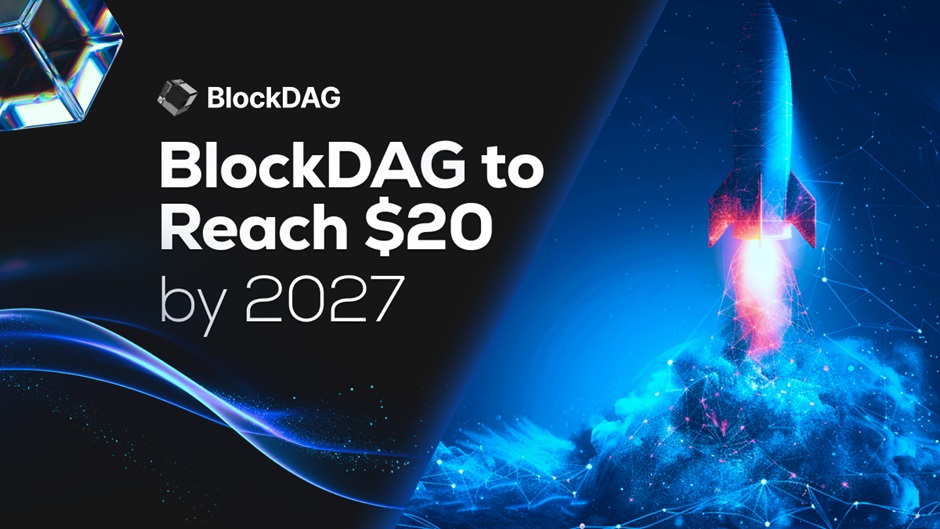
After an astonishing 1960% rise, experts forecast that the coin could hit $20 by 2027, sparking a rush to accumulate BDAG coins before the market heats up further.

Meanwhile, Cardano has shown promising gains but faces potential short-term dips. Litecoin, known for its steady growth, could see a breakthrough to $300 if key resistance levels are surpassed.

Cardano Price Analysis: Short-Term Warnings Emerge

Cardano’s (ADA) price climbed from $0.326 on September 16 to $0.415 by September 27, a strong upward trend. However, some caution is advised as the TD Sequential indicator signals a potential short-term correction on the horizon.
Currently, ADA is trading around $0.40, down 0.30% in the last 24 hours but still up 13% over the past week. Analysts suggest that if ADA cannot maintain its position above the $0.40 threshold, it might consolidate between $0.31 and $0.40 for some time, making this a critical level to watch in the near term.

Litecoin Outlook: Could a $300 Target Be in Sight?

Litecoin (LTC) has experienced modest growth, with its price sitting at $67.71 after a 3.8% increase in the last week. This comes after a year of limited movement, where LTC posted only a 5% gain compared to Bitcoin’s massive 139% surge.

Despite a 30% drop in its market cap to $4.3 billion, Litecoin continues to see significant transaction volume. While analysts remain cautious, some believe that if LTC can clear key resistance levels, it could be headed for a $300 target—a goal that would mark a major comeback for the coin.

Why BlockDAG Miners Are Gaining Ground So Quickly

BlockDAG’s $5 million miner sales milestone—achieved through the sale of over 12,600 units—reflects growing interest in its mining technology. This enthusiasm has helped push BlockDAG’s presale earnings to nearly $92 million, with 13.8 billion BDAG coins circulating.

One major driver behind this rapid growth is the appeal of the BDAG coin, supported by the innovative X Miner series. This series includes options for both cloud and hardware mining, capable of generating between 20 and 2000 BDAG coins daily, depending on the setup.

With the introduction of the X1 Miner app, BlockDAG has made mining more accessible than ever. Now, even those without technical expertise can mine up to 20 BDAG coins per day from their smartphones. This move opens up crypto mining to a broader audience, allowing both beginners and seasoned miners to participate.

The hardware options in the X Miner series offer the potential to mine hundreds or even thousands of coins daily, reinforcing BlockDAG’s position as a leader in making crypto mining more eco-friendly and accessible. Analysts suggest the coin might rise to $20 by the year 2027. With the presale price of $0.0206 per BDAG coin, the opportunity for exponential gains is real.
Summing Up

Cardano’s price is looking favorable, but it must stay above $0.40 to avoid a downturn. Litecoin, on the other hand, appears more stable, with indicators pointing to a possible breakout that could push its price toward $300.

Yet, BlockDAG stands out as a top performer in the crypto world. The X Miner series provides an accessible and eco-friendly way to mine crypto, whether you’re a tech expert or a complete beginner.

With BDAG coins having risen by 1960%, and predictions indicate they could climb to $20 by 2027, BlockDAG’s miner sales have skyrocketed, with over 12,600 units sold in record time.

Learn About BlockDAG – Act Now Before Prices Increase:

Presale: https://purchase.blockdag.network

Website: https://blockdag.network

Telegram: https://t.me/blockDAGnetwork

Discord: https://discord.gg/Q7BxghMVyu

FTX Estate’s Bankruptcy Plan Approved in Delaware

0

In a landmark decision, a Delaware judge has approved the bankruptcy plan for the FTX estate, marking a significant step forward in one of the most complex financial cases in recent history. The approval, which came after meticulous consideration of the reorganization plan, will allow for the distribution of recovered assets to the majority of the crypto exchange’s customers and creditors.

The plan, which includes the expected full repayment of customers and creditors with up to $16.5 billion in recovered assets, is a rare outcome in bankruptcy cases, especially in the volatile cryptocurrency market. According to reports, 98% of FTX’s creditors will receive 119% of the amount of their allowed claim as of November 2022, when the exchange filed for bankruptcy protection.

This decision comes nearly two years after FTX spiraled into bankruptcy, a period marked by uncertainty and legal complexities. The company’s efforts to raise funds for the repayment included selling a number of assets, such as venture investments held by the exchange and other investments held by Alameda Research, the crypto hedge fund associated with FTX’s founder, Sam Bankman-Fried.

This development is not just a relief for those directly affected by the collapse of FTX but also serves as a beacon of hope for the future of cryptocurrency regulation and stability. The plan ensures that 98% of the customers who held $50,000 or less on the exchange will receive their repayments within 60 days—a swift and decisive action that underscores the commitment to rectifying the wrongs of the past.

Moreover, the plan sets a precedent for how bankruptcy proceedings of such complex financial entities should be handled, with FTX’s case being hailed as a model for dealing with intricate Chapter 11 bankruptcy cases. The meticulous process of asset recovery and the collaborative efforts of various stakeholders have paved the way for a plan that not only addresses the immediate concerns of repayment but also reflects a broader commitment to transparency and due process.

The case of FTX and SBF has been closely watched by the financial world, not only because of the size of the bankruptcy but also due to the broader implications it holds for the cryptocurrency industry. The approval of the bankruptcy plan by Judge John Dorsey is a testament to the resilience of the legal system in adapting to the challenges posed by new financial technologies and markets.

As the FTX estate moves forward with the implementation of the bankruptcy plan, it sets a precedent for how similar cases might be handled in the future. It also provides a glimmer of hope for those who have been financially affected by the collapse of the exchange, offering them a path to recovery that seemed uncertain just a short while ago.

The FTX bankruptcy case is a reminder of the risks inherent in the cryptocurrency market and the importance of regulatory oversight and financial prudence. It also highlights the potential for recovery, even in the face of seemingly insurmountable odds, through the diligent work of legal professionals and the robustness of the bankruptcy system.

UN Agency Recommends Criminalization of Unlicensed Virtual Asset Service Providers (VASPs).

0

In a significant move to combat cyber fraud, a United Nations agency has put forth a recommendation urging Southeast Asian countries to criminalize the operation of unlicensed Virtual Asset Service Providers (VASPs). This recommendation comes in the wake of a detailed report highlighting the role of some VASPs in facilitating transactions for fraudulent outfits and high-risk gambling sites.

The report, released by the United Nations Office on Drugs and Crime (UNODC), underscores the urgency for governments to acknowledge the severity and reach of cyber-enabled fraud, which has become a global threat with rapidly evolving criminal ecosystems in the region. The UNODC’s call to action is not just about curbing illegal activities but also about protecting the integrity of the financial system and the safety of individuals.

The agency’s recommendations include greater monitoring of organized crime involvement in casinos, junkets, cyber fraud operations, and other businesses linked to scam operations. Additionally, it emphasizes the need for better training for authorities in online gambling operations and money laundering methods enabled by sophisticated technologies, particularly cryptocurrencies.

The report sheds light on the alarming scale of cyber fraud in Southeast Asia, which cost the region up to $37 billion last year. Organized crime groups have been rapidly integrating malware, generative AI, and deepfakes to enhance their fraudulent activities, posing a significant challenge to law enforcement agencies.

Moreover, the UN Human Rights Office has reported that hundreds of thousands of individuals are trafficked to work as online scammers in Southeast Asia. These victims, often coerced into committing crimes, face a range of serious human rights violations, including torture, sexual violence, forced labor, and other abuses. This highlights the dual victimization present in these schemes, where both the defrauded individuals and those forced into scamming operations suffer.

With cybercriminals constantly devising new methods to exploit vulnerabilities, it is crucial for individuals to adopt robust measures to safeguard their personal information and assets. Here are some essential steps you can take to protect yourself from cyber fraud:

Implement a full-service internet security suite that offers protection for your devices, online privacy, and identity. This can help shield your private and financial information when you’re online. Create complex passwords that combine letters, numbers, and symbols. Avoid using the same password across different sites and update them regularly. Consider using a password manager to securely store and manage your passwords.

Regularly update your operating systems and internet security software. Cybercriminals often exploit known vulnerabilities, so staying current with updates can close these security gaps. Manage your social media settings to limit the amount of personal information you share. Be wary of friend requests from strangers and think twice before clicking on links or sharing content.

Secure your home Wi-Fi with a strong password and consider using a VPN for additional security, especially when using public networks. Discuss internet safety with your children and family members. Make them aware of the risks and teach them how to recognize potential cyber threats. Keep up to date with the latest security breaches and understand how they might affect you. This knowledge can help you take timely action to protect your data.

The UN’s recommendations are a clarion call for a coordinated response from Southeast Asian nations. By criminalizing the operation of unlicensed VASPs, the region can take a firm stance against the facilitators of cyber fraud and protect countless individuals from falling prey to these nefarious activities. The implementation of these measures will require a concerted effort from all stakeholders, including governments, financial institutions, and international bodies, to ensure a safer and more secure digital environment for all.

Crypto Industry raised $823M in September 2024

0

In September 2024, the cryptocurrency industry witnessed a significant influx of capital, with companies raising a staggering $823 million. This remarkable fundraising effort was distributed across 200 different companies, showcasing the vibrant and dynamic nature of the crypto market. The leading contributor to this impressive total was Celestia, which secured $100 million for its ecosystem fund, followed by Infinex with a $65 million raise through public token sales.

The month’s fundraising activities were dominated by the DeFi sector, with 33 companies announcing raises, reflecting the sustained interest and confidence in decentralized finance. Protocol Development also saw substantial investment, raising a total of $192 million, indicating a strong investor belief in the future of blockchain infrastructure.

Here’s a look at some of the most notable projects that are shaping the future of the cryptocurrency world.

Polygon (MATIC) has been at the forefront with its significant mainnet upgrade, transitioning to a new $POL token. This upgrade is expected to enhance the network’s capabilities, potentially increasing its market presence.

Thorchain (RUNE) also made waves with its hard fork upgrade, aimed at improving network functionality and security. Such technological advancements are crucial for maintaining the integrity and efficiency of blockchain networks.

Flow (FLOW) is another project that caught the attention of the crypto community with its Crescendo Network upgrade. By focusing on enhancing its blockchain infrastructure, Flow aims to attract more developers and users, which is vital for the growth of its ecosystem.

Polkastarter (POLS) launched its V4 version, which focuses on enhancing platform features and user experience. This update is anticipated to increase the platform’s appeal among project developers and investors, showcasing the importance of user-centric design in the crypto space.

Yield Guild Games (YGG) opened its beta version, allowing a wider audience to participate in its play-to-earn ecosystem. This launch could potentially expand YGG’s user base and engagement, highlighting the growing trend of gamification in finance.

Numerai (NMR) released its V5 “Atlas” data, aimed at refining its data science-driven investment strategies. This release could provide valuable insights and enhance Numerai’s competitiveness in the market, demonstrating the intersection of finance and advanced data analytics.

These projects represent just a fraction of the innovation occurring within the crypto space. They exemplify the diverse applications of blockchain technology, from enhancing network performance to creating new financial ecosystems.

This financial momentum is a testament to the ongoing innovation within the crypto ecosystem. It highlights the diverse range of projects and initiatives that continue to attract investment, from modular blockchain projects like Celestia, which are focused on scalable solutions, to decentralized exchanges like Infinex, which emphasize the need for secure and non-custodial trading experiences.

The substantial amount raised by protocol development companies underscores the critical importance of enhancing blockchain scalability, interoperability, and security. As the industry evolves, the development of layer-1 and layer-2 protocols remains a key focus for investors, who are keenly aware of the need for robust infrastructure to support the growing ecosystem.

Moreover, the Humanode Ecosystem Funding Program’s launch, with a $10 million commitment to support Sybil-resistant projects, indicates a strategic move towards fostering innovative applications that prioritize unique user identities over mere account numbers. This approach could pave the way for a new wave of consumer dapps aiming to reach a broader audience while ensuring security and authenticity within the blockchain space.

As we step into the final quarter of 2024, the crypto industry’s resilience and adaptability are evident. Despite the market’s inherent volatility, the substantial capital raised in September signals a collective optimism and a forward-looking stance among investors and developers alike. The continued investment in DeFi and protocol development is not just about the current state of the market but about laying the groundwork for a more decentralized and secure financial future.

The crypto market’s ability to draw such significant investment during a single month is a clear indicator of its potential and the faith that investors have in its future. As the industry continues to mature, it will be interesting to see how these investments will fuel the next generation of blockchain innovations and decentralized applications.

US Elections: Impact of Endorsements and State Polls, Cryptos and S&P 500 Options Show Divergent Trends

0

The political arena is abuzz with the latest developments as former President Donald Trump takes the lead over Vice President Kamala Harris in Polymarket betting odds following an endorsement from Elon Musk. This shift in the betting market reflects the dynamic nature of political campaigns and the influence high-profile endorsements can have on public perception and sentiment.

Polymarket, a decentralized prediction market platform, has become a barometer for gauging election outcomes based on real-money betting. The recent endorsement by Elon Musk, a prominent figure in the tech industry, appears to have swayed the odds in Trump’s favor, with a 3-percentage point lead over Harris. This endorsement comes at a critical time as the nation gears up for the upcoming presidential election.

However, despite the national trend, Trump still trails in Nevada, a key battleground state with a history of predicting the overall election outcome. The significance of Nevada’s role in the election cannot be overstated, as it has been predictive of the national result in eight of the last nine contests. This divergence between national betting odds and state polls highlights the complexity of electoral dynamics and the importance of state-by-state strategies.

One of the most talked-about endorsements comes from former Vice President Dick Cheney, who crossed party lines to endorse Vice President Kamala Harris. This unexpected move has sparked discussions on bipartisan support and its impact on voters. Similarly, other Republicans such as State Rep. Dan Wolf from New Hampshire and former U.S. Senators Jeff Flake and William Cohen have also endorsed Harris, showcasing a shift in political alliances.

On the other side, President Donald Trump has garnered support from various individuals and groups, reinforcing his position in the race. The list of endorsements for Trump reflects a consolidation of his base, with many prominent figures and organizations backing his campaign.

Moreover, media endorsements are also shaping the narrative, with newspapers and magazines taking stances that could influence their readership’s voting decisions. The alignment of media outlets with specific candidates provides insight into the broader media landscape’s political leanings.

The influence of endorsements on election odds is a fascinating aspect of political science. High-profile endorsements can serve as a signal to voters, potentially validating a candidate’s platform and swaying undecided voters. In this case, Musk’s endorsement may have bolstered Trump’s standing among certain voter demographics, particularly those interested in the intersection of politics and technology.

On the other hand, state polls provide a more granular view of the electorate’s preferences, capturing local issues and sentiments that may not be reflected in national trends. For instance, while Trump leads in the national presidential election poll, he faces challenges in swing states, which are crucial for securing the electoral college votes needed for victory.

The contrast between Polymarket odds and state polling data underscores the multifaceted nature of political forecasting. While prediction markets offer real-time insights based on financial stakes, polls provide a snapshot of voter intentions, influenced by a myriad of factors including demographics, campaign strategies, and current events.

As the election approaches, it will be essential for both campaigns to navigate these indicators strategically. For Trump, maintaining momentum from national endorsements while addressing state-specific concerns will be key. For Harris, leveraging her lead in critical swing states could offset the national betting trends and secure a path to victory.

The interplay between endorsements, prediction markets, and state polls presents a complex picture of the electoral landscape. As observers and participants alike scrutinize these indicators, the coming weeks will be pivotal in shaping the narrative and outcome of what promises to be a highly contested presidential race.

U.S. Elections- Cryptos and S&P 500 Options Show Divergent Trends

As the U.S. election approaches, investors and traders are closely monitoring the financial markets for signs of how different asset classes might react to the outcome. A particularly interesting development has been observed in the options markets for Bitcoin and the S&P 500, where a divergence in trends suggests varying expectations among market participants.

Strangles and straddles are both options trading strategies that allow investors to profit from significant movements in a stock’s price, regardless of the direction of the move. A straddle involves buying a call and a put option with the same strike price and expiration date. This strategy is beneficial when an investor believes a stock’s price will move significantly but is uncertain about the direction of the movement. The profit is made if the stock moves enough in either direction to cover the cost of both options.

On the other hand, a strangle also involves buying a call and a put option, but with different strike prices. The call option has a higher strike price than the put option. This strategy is used when an investor expects a significant price movement but thinks that there is a greater likelihood of the movement in one direction over the other. It is generally less expensive than a straddle because the options are out of the money.

Both strategies are used in situations where high volatility is expected but the direction of the market movement is unclear. They are particularly popular around events that are expected to result in significant price movements, such as earnings announcements or economic data releases.

Bitcoin, the leading cryptocurrency, has seen a noticeable bias toward call options in the short term, as reported by CoinDesk. This indicates that traders are anticipating potential upside volatility or higher price movements around the election time. Call options provide buyers with the opportunity to profit from a price rally, suggesting optimism about Bitcoin’s price trajectory in the near term.

In contrast, the S&P 500 options market is showing a preference for put options, which typically offer protection against price declines. This trend could be interpreted as a sign of caution or pessimism regarding the equity market’s performance during the election period. The divergence between the two markets is striking and raises questions about the correlation between Bitcoin and traditional equities, which has been positive in recent times.

The divergent trends in the options markets are not just a matter of academic interest; they have practical implications for investors and traders. For Bitcoin, the stronger demand for calls might reflect a belief that the cryptocurrency could serve as a hedge against uncertainty or benefit from geopolitical tensions. On the other hand, the bias for puts in the S&P 500 options market could indicate that investors are bracing for potential volatility or a downturn in the equity markets.

This situation sets the stage for what could be a significant shift in market dynamics. If Bitcoin’s price indeed moves independently of the S&P 500 around the election, it could challenge the prevailing notion of Bitcoin’s correlation with traditional assets. Alternatively, if one market is mispriced, it could lead to unexpected outcomes for traders betting on these trends.

As the election date nears, the markets will likely continue to evolve, and the strategies of traders and investors will adapt accordingly. Whether Bitcoin will decouple from equities or whether traders in one market will be caught off-guard remains to be seen. What is clear, however, is that the U.S. election is a pivotal event that could have far-reaching effects on various asset classes, including cryptocurrencies and equities alike.