
DD
MM
YYYY

PAGES

DD
MM
YYYY

spot_img

PAGES

Home Blog Page 2813

Russia Blocks Discord citing “Unlawful Information Posting”

0

The recent move by Russian authorities to block the Discord messaging platform has sparked significant discussion and concern among users and advocates of digital rights. The decision, announced by the Russian telecommunications watchdog Roskomnadzor, is based on allegations of “unlawful information posting” on the app.

This development is part of a broader trend of increasing internet regulation in Russia. Over the past few years, the government has been taking more stringent measures to control the digital landscape, citing national security and public order as reasons. The blocking of Discord is seen by many as an extension of these efforts, especially considering the platform’s growing popularity as a communication tool not just for gamers, but for various communities and interest groups.

The official statement from Roskomnadzor claims that Discord failed to comply with an order to remove nearly 1,000 items of content deemed illegal under Russian legislation. This has led to concerns about the implications for free speech and the right to private communication. Experts and citizens alike have criticized the move, calling it an attack on free expression and an attempt to stifle dissent.

The landscape of internet freedom in Russia has been changing rapidly, with several platforms facing restrictions or outright bans. The blocking of Discord is part of a series of actions taken by Russian authorities to control the digital space within the country’s borders. Here’s an overview of other platforms that have faced similar fates in Russia:

Facebook and Instagram: These popular social media platforms were banned following a court ruling on March 21, which deemed the parent company Meta guilty of “extremist activities.” The ban was a result of Meta’s temporary policy change that allowed posts calling for violence against Russian soldiers during the conflict with Ukraine.

Twitter: Twitter has also been under scrutiny and faced accessibility issues in Russia. The platform has been a significant channel for political discourse and public mobilization, which has put it at odds with the Russian government’s desire to control online content.

TikTok: The video-sharing app TikTok has faced restrictions, particularly in limiting users’ abilities to upload new content, as part of the broader effort to control the narrative around the conflict in Ukraine.

Google and YouTube: While not completely blocked, Google and YouTube have faced significant pressure from Russian authorities to remove content that the government considers illegal or against its interests.

Telegram: Despite attempts to block Telegram in the past, the platform remains operational in Russia. It has become a popular alternative for communication, especially after the blocking of other platforms.

Netflix: The streaming service Netflix has been included in the list of platforms that have faced restrictions in Russia. This move is part of the broader control over media and information dissemination.

Twitch: The live streaming platform for gamers has also faced restrictions, although the extent and nature of these limitations are not as clear as those for other platforms.

The pattern of blocking and restricting access to these platforms indicates a tightening grip on the internet and a challenging environment for digital rights in Russia. The situation continues to evolve, and it remains to be seen how these actions will impact the future of online communication and freedom of expression in the country.

The situation highlights the delicate balance between regulating online platforms to prevent illegal activities and protecting the rights of users to freely communicate and express themselves. It also raises questions about the role of international tech companies in adhering to the laws of countries where they operate, especially when those laws may conflict with the companies’ policies or international human rights standards.

As the conversation around this issue continues, it is clear that the blocking of Discord in Russia is not just about a single platform or a specific set of content. It is about the broader dynamics of internet governance, digital rights, and the ongoing debate over censorship and freedom in the digital age.
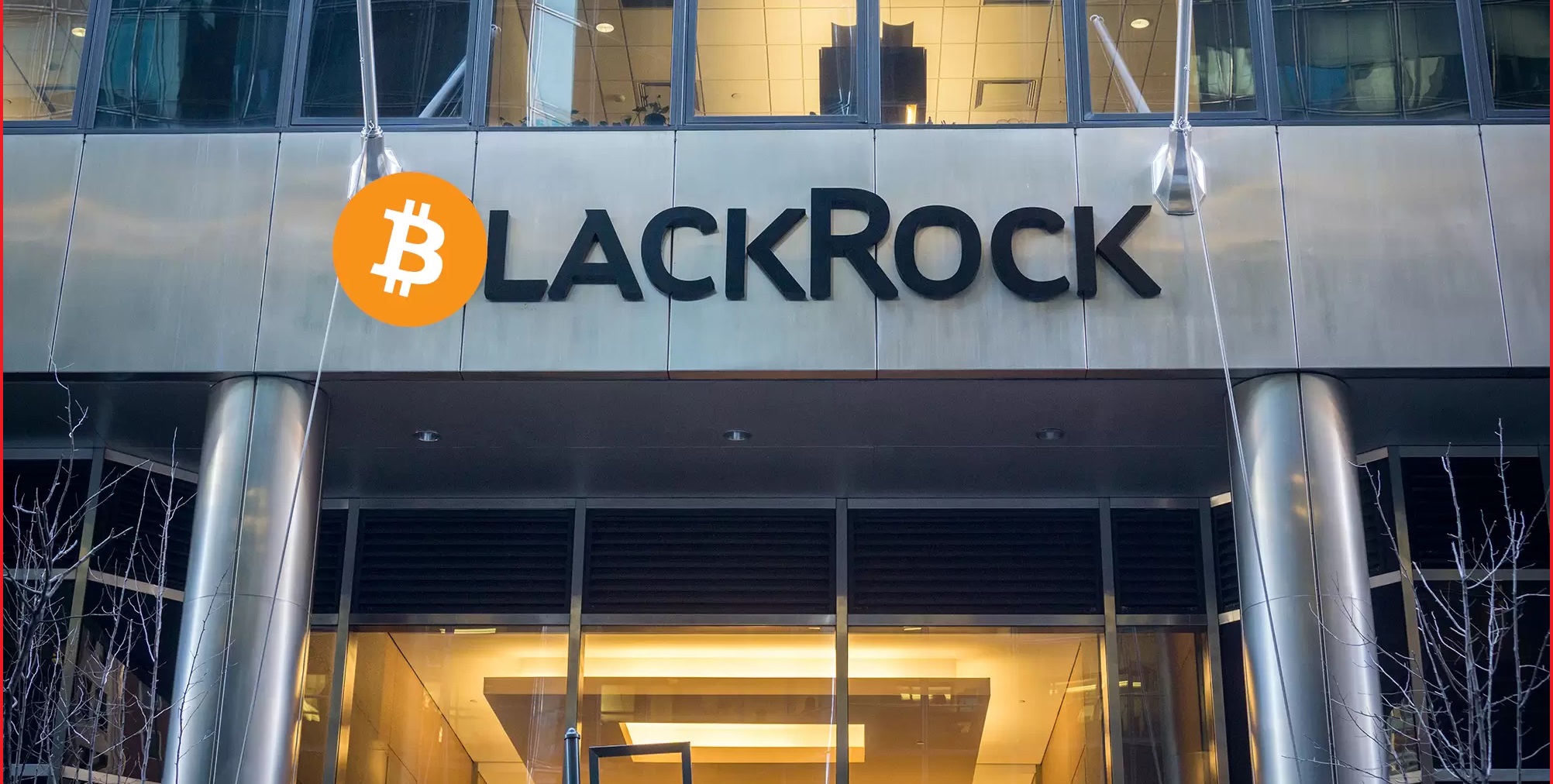

Cryptocurrency Adoption Surpassing the Internet and Mobile Phones – BlackRock 

0

In a world where technology evolves at an unprecedented pace, the adoption of cryptocurrency is setting a new benchmark for rapid growth. BlackRock, the world’s largest asset manager, has recently highlighted this phenomenon, stating that the adoption rate of digital currencies and blockchain technology is outpacing that of historical tech revolutions like the internet and mobile phones.

The digital age has transformed the way we live, work, and interact. With the rise of streaming services, online gaming, and digital content consumption, the need for digitally native assets has become more pronounced. Cryptocurrencies, with their decentralized nature, offer a solution that aligns with our digital consumption habits. They provide a means of transaction that is both native and intuitive to the online spaces we inhabit.

A significant factor contributing to the swift adoption of cryptocurrencies is the declining trust in traditional institutions. A Gallup poll revealed a stark lack of confidence in national governments, with approximately 68% of Americans expressing distrust. This sentiment is not confined to the United States; it is a global phenomenon that has led many to seek alternatives in decentralized digital assets.

Millennials and Generation Z: The Digital Natives

Millennials and Gen Z, the first generations to grow up in a digital world, are at the forefront of adopting cryptocurrencies. Their familiarity with digital platforms and ease of access to digital wallets have played a crucial role in normalizing the use of digital currencies. Regulatory clarity in recent times has further facilitated this adoption, making it easier for individuals to invest in and use cryptocurrencies.

The trajectory of cryptocurrency adoption suggests a transformative shift in the financial landscape. BlackRock’s analysis indicates a steeper growth curve for digital assets compared to the internet or mobile technology. This rapid adoption speaks volumes about the potential of cryptocurrencies to redefine our financial systems and the way we perceive value and exchange.

The lack of a clear regulatory framework is a major impediment to the adoption of cryptocurrencies. Governments and financial institutions worldwide are grappling with how to classify, regulate, and tax digital assets, leading to a climate of uncertainty that can deter both individual and institutional investors.

Popular cryptocurrencies like Bitcoin and Ethereum are known to face scalability challenges. As the number of users grows, the networks struggle to process transactions quickly and cost-effectively, leading to bottlenecks and increased transaction fees. The high volatility of cryptocurrencies can be a double-edged sword. While it presents opportunities for significant gains, it also poses risks for investors and users looking for stable value storage or predictable transaction costs.

The decentralized nature of cryptocurrencies makes them a target for cyberattacks. Security breaches, such as wallet hacks and exchange vulnerabilities, undermine trust in the ecosystem and pose a risk to users’ funds. For cryptocurrencies to function as a medium of exchange, they need to be widely accepted by merchants and service providers. Currently, the number of businesses that accept cryptocurrencies is limited, which restricts their everyday use.

The accelerated adoption of cryptocurrency is a testament to the changing times and the evolving needs of a digitally connected economy. As we continue to witness this growth, it becomes increasingly clear that digital currencies are not just a passing trend but a fundamental component of our future financial infrastructure.

Analyst Predicts Mega 150x Rally For Cardano (ADA), ETFSwap (ETFS), And Chainlink (LINK)

0

This end of the year can be a good time for Investors to recover from the 2024 bearish sentiments. However, this is only possible by investing in the right token. According to crypto analysts, Cardano (ADA), ETFSwap (ETFS), and Chainlink (LINK) will achieve a mega 150x rally before December. Keep reading to know the reason for this bold projection.

ETFSwap (ETFS) Set To Reward Early Investors With 150x Price RallyA Mega 150x Rally

As the crypto market evolves, ETFSwap (ETFS) presale takes center stage with more records. It is considered the best-performing presale in 2024, raising over $6 million in cash inflow. ETFSwap (ETFS) shows more potential by the day and is ready to reward early investors following its mega rally projection.

ETFSwap (ETFS) is in good company with high-yielding tokens, Cardano (ADA) and Chainlink (LINK), for several reasons. The ETFS token possesses numerous features like optimal market liquidity, an 87% APR on all investments, and up to 50x marginal capital trading.

Crypto veterans are sure that ETFSwap (ETFS) will experience an upshot that will multiply its price by 150x, as with Cardano (ADA) and Chainlink (LINK). However, ETFSwap (ETFS) investors have an edge because the token provides unrestricted access to the ETF market and other trading opportunities. In addition, its unique AI trading tools provide investors with market data, lucrative recommendations, and informed predictive analysis.

Like Cardano (ADA) and Chainlink (LINK), ETFSwap (ETFS) prioritizes maximum security measures that protect investments. This commendable effort ensures investors do not need to worry about the safety of their assets. The platform has undergone a KYC verification process by SolidProof and a rigorous smart contract audit by CyberScope. This development creates a safe ecosystem for all ETFSwap (ETFS) investors.

The network is undergoing detailed UI testing to develop its robust backend for phase 1 of the beta platform. After completion, ETFSwap (ETFS) will begin phase 2 of its main net launch for more rewards. Phase 2 will allow current holders to enjoy staking protocols, unrestricted access to ETF prices, swapping features, and more liquidity pools.

It keeps getting better for early investors as the presale phase of ETFSwap (ETFS) promises maximum gains. Many current holders are rushing to add more ETFSwap (ETFS) tokens due to their affordable price and expected ROI. Purchase the ETFS token at only $0.03846 per token and recover from the bearish market sentiments. Crypto pundits say this rally will take place in the coming days.

Cardano (ADA) Bullish Signals Hint At A Parabolic Rally

According to crypto analysts, Cardano (ADA) has been sending strong buy signals. The consistent performance has been encouraging for current holders and potential investors. Further analyses have shown that Cardano (ADA) may be set for a parabolic rally soon.

These further analyses showed the formation of a bullish Megaphone pattern on its weekly chart. According to Crypto pundits, Cardano (ADA) can enjoy a mega 150x rally before the end of this year. They expect the potential bullish sentiment to, in turn, improve the price of Cardano (ADA) to $5. The odds just keep getting better for long-term investors.

Recent Partnership To Skyrocket Chainlink (LINK) Market Position

Chainlink (LINK) is one of the hottest coins out there. Just like ETFSwap (ETFS), Chainlink (LINK) is gaining more attention from investors. The token, which has been on a bullish uptrend since the start of October has secured a new partnership.

Chainlink (LINK) partnered with SWIFT to improve blockchain interoperability. This partnership will allow investors to stake tokens on one blockchain and receive rewards on another. Chainlink (LINK) ensures optimum security through CCIP’s Risk Management Network. More partnerships, more investors.

Conclusion

As crypto enthusiasts look to recover from bearish sentiments, Cardano (ADA), ETFSwap (ETFS), and Chainlink (LINK) have gained the hearts of many investors. These three crypto tokens are set for a mega 150x rally, but ETFSwap (ETFS) leads the pack. Buy now at $0.03846 per token.


For more information about the ETFS Presale:

Visit ETFSwap Presale

Join The ETFSwap Community 

South African Revenue Service Enforces Crypto Tax Compliance, Urges Declaration of Assets

0

The South African Revenue Service (SARS) has announced plans to enforce tax compliance on crypto assets, a move that signals the growing regulatory focus on digital currencies.

Reports reveal that the tax authority now mandates taxpayers to declare their crypto holdings, aiming to ensure proper taxation on their assets.

SARS is tasked with collecting all revenues due to the government, ensuring compliance with tax and customs laws, and facilitating legitimate trade through customs services. While over 5.8 million South Africans hold crypto assets, SARS is concerned that these crypto assets and trades are not being declared on the tax returns of taxpayers.

However, The South African Revenue Service believes that most taxpayers and traders are honest and that they expect to be assisted in fulfilling their legal obligations. Pursuant to its legal mandate, SARS provides certainty and clarity about all legal obligations for taxpayers and traders. It is also working assiduously to make it easy and simple for taxpayers and traders to seamlessly comply with their obligations.

Also, the tax authority is collaborating with the Financial Sector Conduct Authority (FSCA) to gather information from registered crypto asset service providers, alongside receiving data directly from local exchanges.

SARS Commissioner Edward Kieswetter emphasized the need for taxpayers to honestly and dutifully honor their legal obligations by declaring all their income.

He said,

“SARS has been working ceaselessly to ensure compliance by all taxpayers, and those who are evading their responsibility make the burden of compliance difficult for compliant taxpayers. This is not only unfair to honest taxpayers but affects the vulnerable in society disproportionately by limiting the state’s ability to deliver social grants and other much needed social benefits.”

To address this, SARS is encouraging South Africans to voluntarily declare their crypto assets while warning that it will take decisive action against those who remain non-compliant. “Technology has enhanced SARS’ ability to root out non-compliant taxpayers, and we will pursue all without fear, favor, or prejudice”, Kieswetter added.

SARS is also exchanging information with other global tax authorities through multilateral agreements, further strengthening its compliance efforts. The tax authority is expanding its audit teams and incorporating artificial intelligence, machine learning, and algorithms to bolster enforcement initiatives.

Recently, SARS sent query letters to taxpayers with crypto holdings to better understand their investments and trading activities and assess their compliance status. With these steps, the South African Revenue Service mirrors the Federal Inland Revenue Service (FIRS) of Nigeria, which also recently introduced new tax laws regulating cryptocurrency.

SARS recent plan to enforce tax compliance on crypto assets is coming after the Financial Sector Conduct Authority, (FSCA), declared that crypto assets are now included under the definition of ‘financial products’ in terms of the Financial Advisory and Intermediary Services Act.

Global eCommerce Fraud Set to Reach $107 Billion in 2029, Driven by AI-Powered Attacks – Report

0

A new report by Juniper Research has revealed that eCommerce fraud is predicted to surge from $44.3 billion in 2024 to $107 billion by 2029.

The sharp rise which represents a staggering 141% increase over five years, is largely attributed to the rise in AI-driven fraud attacks, which are becoming more sophisticated and difficult to detect.

The report underscores how AI technology has revolutionized the way fraudsters operate within the e-commerce ecosystem. Also, it exposes how Al-driven techniques, such as deepfakes, pose serious risks to online merchants by bypassing traditional verification systems.

In addition to deepfake technology, fraudsters are also reportedly utilizing Al to generate synthetic identities and fraudulent transactions at scale. This allows them to produce more convincing fake identities and automate attacks, leading to a surge in the volume and quality of fraudulent activities. These Al-enabled attacks can overwhelm traditional, rules-based fraud prevention systems, leaving merchants and financial institutions vulnerable.

Adding to the complexity is the growing issue of “friendly fraud,” where legitimate customers themselves commit fraudulent acts, such as falsely claiming a refund or disputing a charge. This type of fraud is on the rise and poses a unique challenge, as it is often harder to detect and mitigate compared to attacks by external fraudsters.

The report, titled “Global Merchant Fraud Prevention Market 2024-2029”, underscores the importance of fraud prevention systems equipped with Al capabilities. According to report author Thomas Wilson, he noted that merchants- especially those in developed markets with larger eCommerce operations must invest in fraud detection systems that can rapidly identify and counter evolving threats.

He wrote,

“eCommerce merchants must seek to integrate fraud prevention systems that offer Al capabilities to quickly identify emerging tactics. This will prove especially important in developed markets, where larger merchants are at higher risk of being targeted for fraud, such as testing stolen credit cards.”

To combat the rising threat of Al-driven fraud, the report notes that eCommerce merchants are increasingly turning to the same Al technologies used by fraudsters to mitigate fraudulent activities. By incorporating Al into their fraud detection systems, merchants can analyze transaction patterns in real-time, enabling them to quickly identify suspicious activity. This proactive approach is crucial in the fight against the increasingly complex and automated nature of Commerce fraud.

One of the most promising ways for merchants to secure transactions is by integrating biometric identification methods into their checkout processes. This could involve using techniques such as liveness detection, which can distinguish between al human actions and Al-generated deepfakes.

Liveness detection and other biometric systems can offer stronger protection by verifying that the user is a genuine, present individual rather than an Al-created identity or pre-recorded video. By implementing these advanced security measures, merchants can protect themselves and their customers from increasingly sophisticated fraud attempts.

However, as Al continues to evolve, the report underscores the need for continuous innovation in fraud prevention strategies to keep pace with the growing capabilities of cybercriminals.