DD
MM
YYYY

PAGES

DD
MM
YYYY

spot_img

PAGES

Home Blog Page 2846

El Salvador’s Bitcoin Bet Paying Off, Investment Soars Over $119M as Crypto Hits New High

0

El Salvador’s bold investment in Bitcoin has so far yielded impressive returns, surpassing $119 million profit, as Bitcoin reaches a new all-time high at $85,000.

The Central American nation, a pioneer in adopting Bitcoin as legal tender in 2021, is reaping the rewards of its early commitment to the crypto asset. The country’s recent surge in Bitcoin investment is coming after it reported in August this year, a BTC holdings valuation of $400 million, up from an initial investment of $135 million.

With Donald Trump’s recent victory in the 2024 presidential election, Bitcoin has now more than doubled from the year’s low of $38,505, trading at $84,622, as at the time of writing this report, having earlier touched a record high of $82,527.

El Salvador’s holdings, tracked by a portfolio tracker for President Nayib Bukele, showed a current gain of 86% as Bitcoin continues to break records. Investment firm Bernstein has since encouraged others to follow El Salvador’s lead, advising clients to increase their crypto portfolios, with some experts predicting Bitcoin could hit $100,000 before Trump’s inauguration.

Since making Bitcoin legal tender in 2021, El Salvador ventured into uncharted financial waters, attracting international attention and criticism. Despite the skepticism from entities like the International Monetary Fund, Bukele’s administration remained steadfast in its commitment to Bitcoin, integrating it into the nation’s economy and planning future projects.

In an interview earlier this year. Bukele highlighted the multifaceted advantages of adopting Bitcoin, noting that it has enhanced El Salvador’s global image, attracted investments, and boosted tourism. He acknowledged that there is still “time to make some improvements” to the regulations but emphasized the positive impact Bitcoin has had on financial inclusion and the country’s status as a pioneer in cryptocurrency adoption.

Furthermore, he pointed out that the cryptocurrency debate is gaining traction internationally, with some countries now holding Bitcoin reserves or investing in Bitcoin mining. El Salvador’s strategic embrace of Bitcoin continues to set a precedent in the global financial landscape, demonstrating the potential benefits of integrating digital currencies into national economies.

With the U.S. poised to have its first openly pro-crypto president, this development has further fueled Bitcoin’s surge, which has also been a financial boon for other early adopters like MicroStrategy, seeing a return on investment above 100%.

A report by Cointelegraph revealed that MicroStrategy’s Bitcoin stash increased to more than $20 billion in value as the leading cryptocurrency rallied above $80,000. MicroStrategy’s 252,200 Bitcoin is now worth $20.5 billion, putting the company up over 104% on its Bitcoin investment strategy, according to “Saylor Tracker,” named after the firm’s executive chairman, Michael Saylor.

Spot Bitcoin ETFs set new record of $1.3B net inflows as BTC Trade above $80k ATH

0

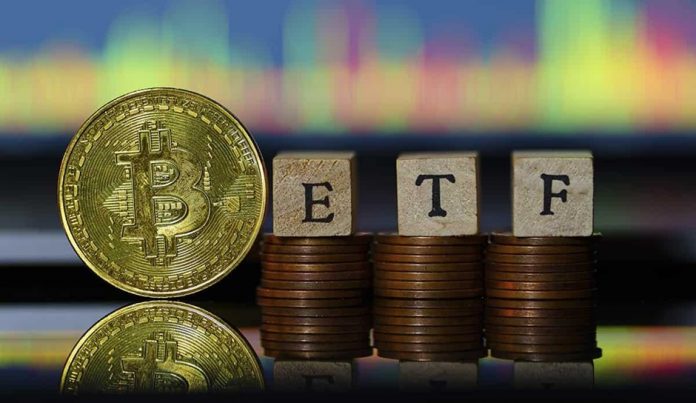
The cryptocurrency market has been witnessing a remarkable surge, with spot Bitcoin Exchange-Traded Funds (ETFs) setting new records for net inflows. This influx of investment is a strong indicator of the growing confidence and interest in Bitcoin as a viable asset class. The recent performance of Bitcoin, trading at an all-time high (ATH) of $80,000, underscores the significant momentum behind the digital currency.

Bitcoin is known for its price volatility. Rapid fluctuations can result in substantial gains or losses within a short period, making it a risky investment for those not prepared for the possibility of sudden market moves. The regulatory environment for Bitcoin is still evolving. Governments around the world are grappling with how to handle cryptocurrencies, leading to potential legal changes that could affect their value and legality.

However, Spot Bitcoin ETFs have become increasingly popular as they offer investors exposure to Bitcoin without the need to directly purchase and store the cryptocurrency. This ease of access has contributed to the record $870 million net inflows, with BlackRock’s IBIT ETF leading the charge at $642 million. The trend continued with a historic surge in investment on November 7, when total net inflows reached $1.38 billion, marking the highest single-day figure to date.

The bullish sentiment in the market is further evidenced by the performance of Bitcoin itself. The top cryptocurrency rose by almost 4.50% to reach a new inflation-adjusted record high of $80,116. This rally comes just days after Donald Trump’s reelection in the United States presidential elections, a period that has historically seen Bitcoin establish record highs.

Analysts are now turning their attention to the future, with many anticipating a continued bull run. The factors driving this optimism include the strong demand for US-based ETFs and Federal Reserve interest rate cuts. Bitcoin has outpaced traditional investments like stocks and gold, surging roughly 80% in 2024 alone.

The role of spot Bitcoin ETFs in this price boom cannot be overstated. For instance, BlackRock Inc.’s iShares Bitcoin Trust (IBIT) recorded daily net inflows of nearly $1.4 billion on November 8, highlighting the significant impact of these investment vehicles on the cryptocurrency market.

Despite the robust security measures of the Bitcoin network, there’s always a risk of theft through hacking. Investors need to ensure they use secure wallets and be aware of the cybersecurity risks involved. The technology underpinning Bitcoin is complex and not immune to flaws. Software errors or advancements in quantum computing could potentially compromise the security of the Bitcoin network. The cryptocurrency market is susceptible to manipulation and fraudulent schemes. Investors should be cautious of these risks and conduct thorough research before investing.

Investors should carefully consider these risks and their own risk tolerance before deciding to invest in Bitcoin. Diversification and due diligence are key strategies to mitigate some of these risks. It’s also advisable to keep abreast of the latest developments in the cryptocurrency space to make informed decisions.

As Bitcoin’s price hovers around this new ATH, the question on many investors’ minds is whether this trend will continue. The anticipation of a rise toward $100,000 is palpable, with analysts citing Bitcoin’s historical performance post-US elections as a potential indicator of future growth.

The current landscape of the cryptocurrency market is one of excitement and potential. With spot Bitcoin ETFs leading the way in terms of investment inflows, and Bitcoin itself reaching new heights, the stage is set for what could be an unprecedented era of growth for digital currencies. As the market continues to evolve, it will be interesting to see how these trends develop and what new records will be set in the world of cryptocurrency investment.

Can we have a BTC ETF priced in Naira?

2

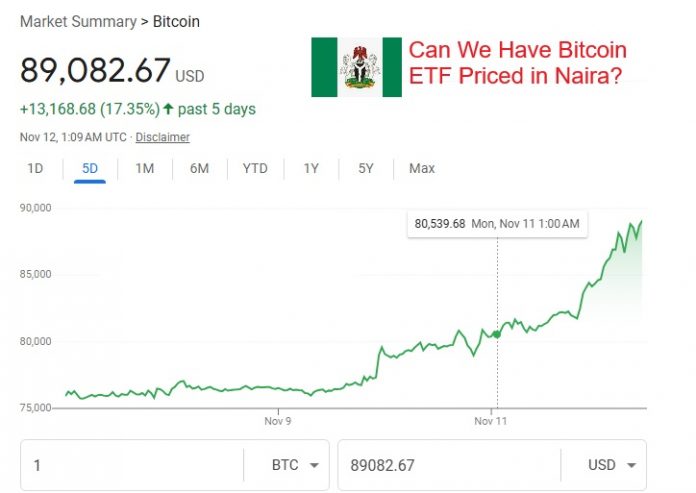
Can we have a BTC ETF priced in Naira? Anyone doing something along that line in Nigeria? Tekedia Capital is interested provided you currently have an active  fund/portfolio manager, or underwriter license from SEC Nigeria.

Bitcoin is trending around $89,000 now, and it could hit whatever. So, in this world, we can just sleep, do nothing, and our coin investments will be growing. No production and nothing. This is very scary for the future of economies.

Why should a young man keep a job if he can buy a coin and that coin can grow from nothing to something purely on the faith of others. Of course you can argue if that is not what happens with stocks traded in stock exchanges? There is a huge difference: for stocks, a company is producing something to support the movement of those assets. But in cryptos, nothing like that. Yes, no balance sheets or income statements out of any core production system, to fix frictions in markets,  but the thing keeps moving!

As ETH, BTC, etc evolve, economic architectures will be distorted, and nations which fail to capture value in this new asset class may lose. That is why I think someone in Nigeria must push for a Bitcoin ETF so that our people can join the party wherever it takes. ETF provides a path that is better than self-custody which remains complicated for most citizens.

Our goal is to be a founding investor. Connect with Tekedia Capital if you see it from our angle. We do not advocate people buying and selling cryptos. Nonetheless, we invest in infrastructures which power the crypto economics and its evolving economies.

bitcoin ETF is an exchange-traded fund that tracks the performance of bitcoin with futures contracts, which are derivative investment securities that allow investors to speculate on the future price of assets. By investing in an ETF, investors can gain exposure to the price movements of bitcoin without holding the digital currency itself.

Bitcoin futures contracts are agreements between two parties to buy or sell a specific amount of bitcoin at a predetermined price on a specific date in the future. The futures market provides investors with a way to hedge against potential price swings in the underlying asset, which, in this case, is bitcoin.

Why Is My Vape Not Charging? Find the Solution Fast

0

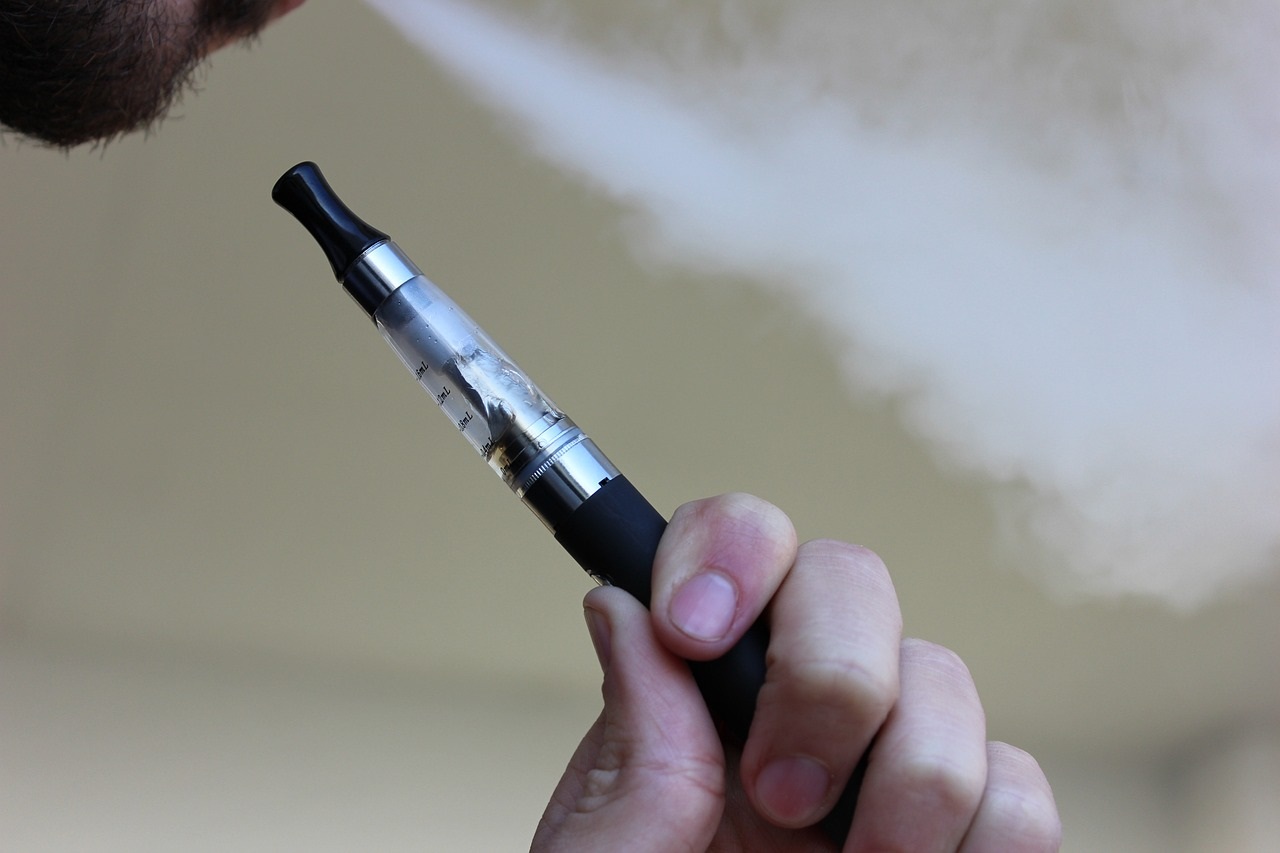
Charging a vape is supposed to be a simple process. When the battery is dead, you either see a warning on the screen, or your device’s light blinks. You connect the device to your computer’s USB port, and an hour or two later, it’s ready to use again. The charging process makes a vape feel much the same as any other consumer device – except when it doesn’t work. When your vape isn’t charging, all of your expectations get thrown out the window – especially if the device in question happens to be your only vape. Now, charging your device isn’t just a matter of the slight inconvenience of waiting an hour or two – it’s a question as to whether you’re going to have to endure a nicotine fit while you go out to buy a new vape.

Here’s the good news: Charging a battery is usually a pretty straightforward process – and unless there’s something seriously wrong with the battery in your device, you should have no real trouble getting it working again. Fixing a vape that isn’t charging is usually just a matter of making a good connection from the power source to the device, and that’s what we’re going to help you do in this guide.

Your Vape Isn’t Charging Because the USB Cable Is Broken

If you’re having trouble charging your vape, try replacing the USB cable before you do anything more drastic.

The most common reason why a vape doesn’t charge is because the cable has a problem. People overestimate the durability of USB cables they look fairly solid on the surface and are used to charge almost every type of portable device. Behind the scenes, though, experienced users are beginning to complain that these cables seem less reliable than they used to be – especially the latest USB-C cables. When a USB cable is constantly connected and removed day after day, the internal wires start to become weak – especially if you’re grasping the cable by the middle and not by the connectors. When the wires begin to disconnect, the cable can no longer deliver power reliably – and at that point, your vape won’t charge. If you have a charging issue with a vape – or just about any battery-powered device – replacing the cable is always the first thing you should try.

Your Vape Isn’t Charging Because You’re Using the Wrong Power Source

You should only charge a vape through your computer’s USB port or through a wall charger that the device’s maker has specifically recommended.

Are you charging your vape through your computer, or are you trying to charge it through a wall adapter? If you’re using a wall adapter, there’s a good chance that the charging current is greater than what your device expects to receive – especially if you’re using the adapter for a quick-charging device like a computer or mobile phone. The batteries in today’s high-end electronic devices are designed to handle quick charging. A modern smartphone has a specialized charging circuit that starts out with a higher current to get the battery to a usable state as quickly as possible and eventually slows to a trickle as the battery fills up to prevent overheating.

The problem with using that type of wall adapter to charge a vaping device, though, is that your vape isn’t designed to handle the higher charge current and could possibly overheat. It’s also possible that your vape will simply refuse to charge at all if you connect it to the wrong type of wall adapter. Try connecting the vape to your computer instead. If it still doesn’t charge, it’s possible that the battery overheated and was damaged when you connected the device to the wrong type of charger. You should still run through the other troubleshooting steps in this article, though, before you conclude that the device is dead.

Your Vape Isn’t Charging Because the Port Is Dirty

You can use a toothpick or other non-metal tool to remove dust and lint from a dirty USB charging port.

Another reason why you might have trouble charging your vape is because the port is clogged with dust or lint from your pocket. Once again, this comes down to the fact that your vape can’t charge without a good electrical connection between the power source and the battery. Check the device’s charging port with a flashlight. Does it look dirty? If so, dig the contaminants out with a thin tool like a toothpick. Don’t use a metal item to clean your vape’s charging port because it could scratch the thin metal plating inside the port.

Your Vape Isn’t Charging Because It’s Fake

A fake vape is unreliable and potentially dangerous. Always buy from a reliable vape shop to ensure that you’re getting authentic vapes.

Have you ever read about fake vapes online or in your favorite magazine? If you haven’t, it’s time for you to become aware of a problem that’s been sweeping across the vaping industry for the last several years. For quite some time, unscrupulous manufacturers have been making counterfeit versions of popular vaping products – and these days, disposable vapes are the manufacturers’ biggest targets. If you have a device that’s refusing to charge and have followed all of the other steps in this article, you should consider the possibility that your vape is actually counterfeit. Did you buy it from a convenience store or gas station? That’s where most fake vapes end up. Buy from a reliable vape shop that gets its products only from the original manufacturers and authorized distributors.

Your Vape Isn’t Charging Because It’s Damaged or At the End of Its Life

If you have a refillable vape, it changes the nature of the problem somewhat because you probably recharged your device many times already without ever experiencing an issue. In this case, it’s possible that your vape isn’t charging because the battery has actually reached the end of its life. Before the issue began, did you notice that your device’s battery life seemed dramatically shorter? If that’s the case, it’s possible that the battery no longer holds a charge. It’s also possible that your device is finished if it stopped charging after you dropped it on a hard surface or in water. In either of these cases – and if you’ve tried the other ideas in this guide without success – it’s probably time to consider buying a new vape.

Naira May Fall to N1,993/$1, Increasing Healthcare Cost By 2028 – BMI Report

0

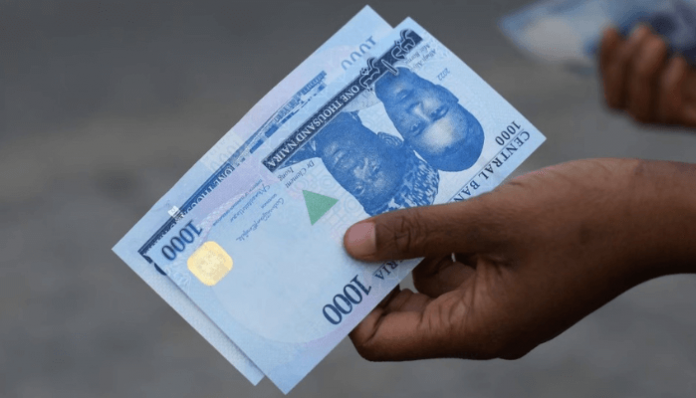
BMI, the research arm of Fitch Solutions, has projected a significant depreciation in Nigeria’s currency, forecasting that the naira could fall to N1,993 per US dollar by 2028.

This expected devaluation is poised to place substantial strain on Nigeria’s medical devices market, increasing costs for both importers and consumers within the sector. The findings are detailed in a report titled, “Weak Naira and Structural Challenges to Constrain Nigeria’s Medical Devices Market Growth,” which underscores how currency depreciation and structural economic challenges may hinder growth in the country’s healthcare sector.

The report explains that Nigeria’s healthcare market is heavily dependent on imports of medical devices, with more than 95% of the market relying on foreign supplies.

“We expect that the naira will end 2028 at N1,993/$ from N306/$ in 2018,” BMI’s report said, indicating an accelerated decline that could severely impact the affordability of medical equipment in Nigeria.

Commenting on the ripple effects, the report added, “Continued weakness of the naira will increase medical device import costs and erode consumer purchasing power,” especially for high-cost medical equipment like diagnostics, orthopedics, and dental tools.

This depreciation, BMI warns, could undermine both the health sector and the general public’s purchasing power to invest in essential medical technologies, especially given the limited funding in Nigeria’s public health sector.

Policy Interventions To Tame Rising Costs

President Bola Tinubu’s administration has attempted to mitigate these rising costs. In June 2024, Tinubu signed an executive order eliminating tariffs, excise duties, and VAT on selected medical machinery and raw materials. This measure aimed to reduce local production costs and enhance competitiveness.

However, BMI notes that these interventions may not be enough to offset the economic challenges, adding, “Despite these attempts, Nigeria’s medical devices market will continue to face operational and demand headwinds over the near term.”

While Nigeria grapples with high import dependency and rising costs, the global medical devices market continues to grow. By 2028, Nigeria’s market is anticipated to reach N171.1 billion ($344.7 million), primarily driven by the large population, high rates of chronic and communicable diseases, and a push toward universal health coverage.

“Improving health spending through a focus on universal health coverage, coupled with a large population size and double burden of chronic and communicable diseases, will sustain high demand for all medical devices, particularly diagnostics, consumables, and hospital equipment over the near to medium term,” BMI said.

Manufacturing Challenges, Companies’ Exodus

In recent years, several foreign manufacturers, including major pharmaceutical companies, have suspended or halted operations in Nigeria due to the harsh economic landscape. Türkiye’s Jubilee Syringe Manufacturing (JSM), once a major syringe producer, paused its Nigerian operations in January 2024, citing operational disruptions. This decision followed similar exits by Sanofi and GlaxoSmithKline, which withdrew due to challenging conditions in Nigeria’s macroeconomic environment.

“Key barriers include the scarcity of skilled labor, limited access to modern technology and inadequate infrastructure,” the report notes, adding that these obstacles make Nigeria a tough landscape for local production in the medical device sector.

Industry expert Dr. Kehinde Olu, CEO of Nigeria’s Medix Technologies, shares the impact of these challenges: “Local manufacturing for medical devices in Nigeria is a distant goal. The infrastructure simply doesn’t exist yet to make domestic production competitive. The costs associated with importing raw materials alone make it difficult for any company to maintain an edge in the global market,” he said.

Regulatory Bottlenecks

Another critical impediment, according to the report, is the cumbersome regulatory environment, which creates significant delays in the approval process and complicates the entry of new medical devices into the market.

“The country faces a substandard regulatory environment and bureaucratic hurdles which often delay the approval and market entry of new medical devices, discouraging investment and innovation,” BMI outlines.

The recent operationalization of the African Medicines Agency (AMA) has the potential to improve the regulatory landscape for medical products across Africa, but the report cautions that it will take time to feel its impact fully.

“If implemented effectively, the AMA could enhance regulatory alignment across African countries, but the benefits for Nigeria’s market are only likely to materialize in the long term,” BMI asserts.

Infrastructure and Supply Chain Hurdles

The report also underscores that Nigeria’s unreliable electricity supply, transportation networks, and limited access to technology are significant impediments to local production.

“Despite government efforts to incentivize local production, these structural challenges, in addition to a challenging macroeconomic environment, will limit growth prospects for medical device manufacturers in Nigeria,” the report said.

While the naira’s depreciation is expected to make imported medical devices increasingly unaffordable, a weaker currency could benefit exports by enhancing the competitiveness of locally manufactured medical products, according to BMI. However, without substantial improvements in infrastructure, skilled labor availability, and regulatory efficiency, the report suggests that local manufacturing will struggle to take advantage of this potential export edge.

“Despite government efforts to build a conducive environment, persistent structural and macroeconomic issues are likely to continue to challenge Nigeria’s medical devices market growth over the near to medium term,” the report said.