DD
MM
YYYY

PAGES

DD
MM
YYYY

spot_img

PAGES

Home Blog Page 2877

AI Tokens Buck Crypto Market Drop, as ETH Market Liquidity Dropped by 20% Since ETFs Listing

0

In a surprising twist within the volatile world of cryptocurrency, AI tokens such as ICP and FET have bucked the downward trend of the broader crypto market, showcasing resilience in the face of a market downturn. This unexpected stability comes as tech giant Apple announced its foray into artificial intelligence with its “Apple Intelligence” initiative during the “It’s Glowtime” event which highlighted the company’s foray into integrating artificial intelligence (AI) capabilities into its smartphones.

The current scenario highlights the interconnectedness of technology sectors and how advancements in one area can influence another, particularly in the dynamic and ever-evolving landscape of cryptocurrency markets. The AI tokens’ resilience against the market drop is a testament to the growing interest and confidence in the potential of AI and blockchain technologies to transform various industries.

This bullish behavior of AI tokens stands in stark contrast to the performance of the broader crypto market, which has been under pressure due to various macroeconomic and political factors. Notably, market leaders such as Bitcoin (BTC) and Ether (ETH) experienced losses following a debate where pro-crypto U.S. presidential candidate Donald Trump did not perform as expected against rival Kamala Harris. The CoinDesk 20 Index (CD20), which measures the broader crypto market, reported a loss of 0.7% during the same period.

Here’s a look at some of the AI tokens that are making waves in the cryptocurrency market:

NEAR Protocol (NEAR); Aims to be a platform that facilitates the creation of decentralized applications, with a focus on usability among developers and users.

SingularityNET (AGIX): Allows anyone to create, share, and monetize AI services at scale, fostering a global AI marketplace.

Ocean Protocol (OCEAN): Designed to unlock data for AI, enabling data sharing and data monetization while preserving privacy.

The Graph (GRT): Provides indexing and querying services for decentralized applications, aiming to make data more accessible.

However, AI tokens, particularly those associated with blockchain projects that are supposedly involved with AI, have outperformed the market. The Internet Computer Protocol’s ICP token saw an increase of about 10%, making it the best-performing token among the top 100 cryptocurrencies by market value. The Artificial Superintelligence Alliance’s FET token also saw a significant increase, ranking fifth with a 5% gain. Smaller AI tokens have posted even more impressive gains, with ChartAI’s EYE token leading with a 50% surge.

Apple’s announcement did not directly mention crypto or blockchain technology, but the market has responded positively, anticipating that the integration of AI into smartphones will have a beneficial impact on AI-related blockchain projects. The key feature of Apple Intelligence is a software development kit (SDK), which will allow developers to build apps using on-device generative models while maintaining security and privacy through Private Cloud Compute.

The market’s reaction to Apple’s AI initiative reflects a growing confidence that AI and blockchain technologies will become increasingly integrated into our daily lives, particularly through mobile devices. As Pranav Maheshwari, an engineer at the Graph Protocol, commented, “Just like everyone’s buzzing about Apple Intelligence in phones now, soon it’ll be all about crypto. People will want blockchain and crypto payments baked into their phones. Watch the shift happen. Slowly, then suddenly.”

This development serves as a reminder of the dynamic and interconnected nature of technology sectors. As AI continues to advance and find new applications, its influence on related fields like cryptocurrency is likely to grow, potentially leading to more stability and innovation within the market. The AI tokens’ performance amid a market drop is a testament to the potential of AI in shaping the future of technology and finance.

ETH Market Liquidity Dropped by 20% Since ETFs Listing

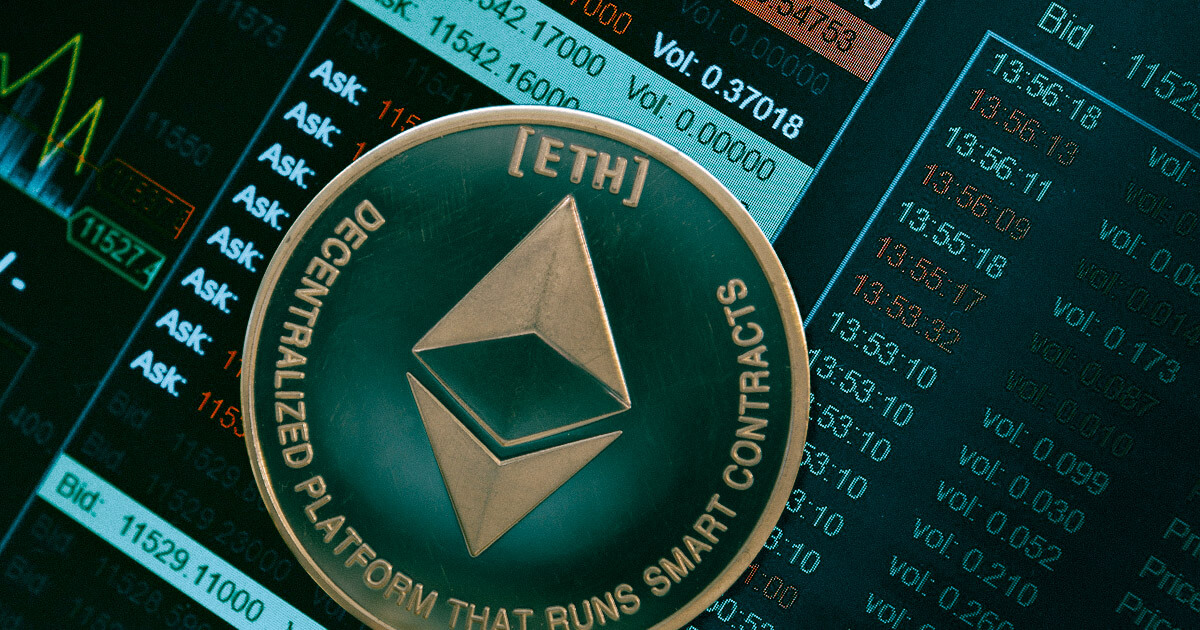
The Ethereum (ETH) market has experienced a significant liquidity drop, estimated at 20%, following the listing of Ether Exchange-Traded Funds (ETFs). This development has sparked discussions among investors and analysts, as it contrasts with the initial expectations that ETFs would enhance market liquidity.

Liquidity in financial markets is a measure of how easily assets can be bought or sold in the market without affecting the asset’s price. High liquidity is often associated with a stable market where large transactions can be executed swiftly and with minimal price impact. Conversely, a drop in liquidity can lead to increased price volatility and potentially deter investors seeking stable trading environments.

The introduction of Ether ETFs was anticipated to attract more investors and, consequently, increase liquidity. This was based on the premise that ETFs, by offering exposure to ETH without the need for direct ownership, would simplify the investment process and appeal to a broader investor base, including those less familiar with the complexities of cryptocurrency trading.

However, the reality has been quite different. Since the ETFs’ debut on July 23, there has been a noticeable decline in market depth, which refers to the volume of buy and sell orders close to the market price. The average 5% market depth for ETH pairs on U.S.-based centralized exchanges has decreased by 20% to approximately $14 million, and by 19% on offshore exchanges to around $10 million. This reduction implies that even relatively small orders can now have a more significant impact on the market price, indicating a less robust market.

Several factors may have contributed to this decrease in liquidity. One of the primary reasons could be the substantial outflow from Ether ETFs, with over $500 million withdrawn since their introduction. Additionally, the overall poor market conditions and the typical lower trading activity during the summer season may have exacerbated the situation.

Here are some potential strategies to improve Ethereum’s liquidity:

Automated Market Makers (AMMs): AMMs like Uniswap v3 have shown promise in providing deeper liquidity for ETH pairs compared to some centralized exchanges. By allowing liquidity providers to concentrate their funds within certain price ranges, AMMs can offer more capital efficiency and potentially higher returns for liquidity providers.

Liquidity Incentives: Offering incentives for providing liquidity can attract more participants to the market. This could involve yield farming opportunities, where liquidity providers earn additional tokens as rewards for their contributions to liquidity pools.

Layer 2 Solutions: Implementing Layer 2 scaling solutions can reduce transaction costs and improve the overall efficiency of trades. This can encourage more activity and, consequently, more liquidity. Uniswap’s integration with Optimism, a Layer 2 solution, is an example of this approach.

The implications of this liquidity drop are manifold. For one, it could lead to increased price volatility, making ETH a less attractive investment, especially for institutional investors who prefer more liquid and stable markets. Furthermore, a less liquid market may discourage new market participants, potentially slowing the growth of the ETH market.

Moreover, the perception of ETH as a mature and stable asset could be affected. Investors may view ETH as a riskier investment, which could influence its adoption rate and integration into traditional financial products and services. The liquidity drop could also impact the development and deployment of decentralized finance (DeFi) applications, which rely on the liquidity of underlying assets to function effectively.

In conclusion, the drop in ETH market liquidity post-ETF listing is a complex issue with far-reaching consequences. It highlights the need for a nuanced understanding of how new financial products can interact with existing markets and the importance of monitoring market dynamics closely following significant events such as the introduction of ETFs. As the cryptocurrency market continues to evolve, it will be crucial for investors, regulators, and market participants to stay informed and adapt to these changes.

Access to Products And Pricing: Dangote Refinery Still Mired in Controversy Days After The Commencement of Fuel Supply

0

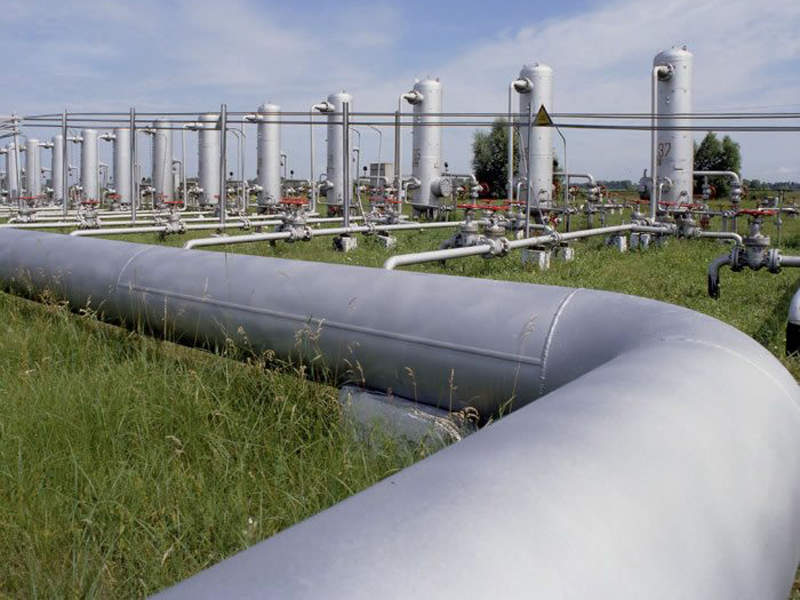
The excitement surrounding the launch of the Dangote Petroleum Refinery in Lagos is quickly giving way to a more complicated reality as days go by.

While the refinery’s operations marked a significant step in Nigeria’s efforts to refine petroleum locally, issues have arisen, particularly regarding access to products and pricing, casting shadows over the initial optimism.

For days now, petroleum marketers, represented by the Independent Petroleum Marketers Association of Nigeria (IPMAN), said they have been completely left out of. Despite NNPC Limited lifting petrol from the Dangote Refinery last Sunday, marketers still struggle to access the product, according to a report by BusinessDay.

Abubakar Maigandi, IPMAN’s president, was candid about the situation, explaining that the marketers are still relying on old stocks of petrol as they await clarity on pricing from NNPC Limited. According to him, the price uncertainty has left marketers at a standstill.

“We have not been supplied petrol from Dangote Refinery as we wait for the NNPC on pricing,” he said.

“We are still selling old stocks of petrol. There is still so much uncertainty about pricing or when we will lift Dangote petrol,” the IPMAN President stated.

However, Dangote Refinery told Vanguard it has been making strides in delivery. As of this week, the refinery reported that it had delivered 111 million liters of petrol in just three days, far surpassing NNPC’s earlier assertion that the refinery could only supply 16.8 million liters.

A spokesperson from Dangote confirmed that loading operations were ongoing and that they would continue supplying the market.

“We are refining and have no reason not to load. So, loading is ongoing and we would continue to provide the product to the market,” The Group Chief Branding and Communications Officer of Dangote Refinery, Anthony Chiejina, stated.

Contrary to this assertion, a source within NNPC suggested that Dangote’s operations were struggling to meet initial promises, thus casting doubt over the refinery’s capacity to end Nigeria’s dependency on fuel imports anytime soon.

This uncertainty isn’t just a bump in the road—it underscores deeper complications that have dogged the nation’s petroleum sector for years.

The Pricing Controversy and A Deepening Rift

The heart of the matter lies in the price dispute that erupted between NNPC Limited and Dangote Refinery shortly after the refinery began operations. Last Monday, September 16, NNPC released its pricing details for petrol from Dangote Refinery, stating that it was purchasing the product at an eye-watering price of N898 per liter. This announcement sent shockwaves across the industry, as this figure seemed exorbitantly high for locally refined petroleum, sparking controversy and criticisms even among stakeholders.

Dangote Refinery, however, pushed back almost immediately, refuting NNPC’s claim. According to the refinery’s management, the crude oil processed was not yet part of the naira-dollar transaction arrangement that was meant to take effect in October. They argued that the current pricing should reflect the global market in which crude is still purchased in dollars, not naira. However, the refinery did not say how much it was selling to the NNPCL.

An Industry Still in Flux

The ramifications of this pricing dispute are significant. Across Nigeria, petrol prices have soared, with some locations reporting prices as high as N1,000 per liter, while others hover around N1,200. This disparity has left many wondering when, or if, the full benefits of local refining will be felt by everyday Nigerians.

The price debate which has escalated over the week has prompted the question: if the refinery is supposed to reduce Nigeria’s dependence on imports and stabilize prices, why are local consumers still grappling with such high costs?

The roots of the current price controversy stretch far beyond this single transaction between NNPC and Dangote Refinery. For years, Nigeria’s petroleum sector has been hamstrung by a tangled web of policy, subsidy programs, and mismanagement. NNPC, historically, has maintained a near-monopoly on fuel imports and distribution, a control mechanism that has left it at the center of nearly all pricing disputes.

At the heart of the price dispute is the cost of the crude oil purchase made earlier by Dangote Refinery. The refinery has explained that the feedstock was purchased in dollars and thus, must be sold accordingly. This means the naira-based deal made between the Nigerian government and Dangote Refinery will only take effect following the exhaustion of the current feedstock. The refinery said that it will begin in October.

Against this backdrop, many believe that NNPC is used to setting prices unilaterally, thus, reaching a consensus with Dangote on pricing will birth friction.

As Nigeria moved to deregulate its downstream petroleum sector, expectations were high that private sector players like Dangote Refinery would usher in a new era of price stability and transparency. But as seen in this case, the complexities of pricing, supply agreements, and government policies mean that even with the country’s largest refinery now operational, old issues of distrust and inefficiency still plague the system.

Nigeria Denies Frustrating Dangote’s 1,200km Subsea Gas Pipeline Project

0

The Ministry of Petroleum Resources (Gas) has moved to clarify the reasons behind Dangote Group’s decision to abandon the much-anticipated 1,200km subsea gas pipeline project. Contrary to what many may have believed, the Ministry insists that government policies had nothing to do with the project’s suspension, stating that the move was purely a business decision.

This disclosure, contained in a statement signed by Louis Ibah, spokesperson to the Minister of Petroleum Resources (Gas), Rt. Hon. Ekperikpe Ekpo, pushes back against recent comments made by a senior official from Dangote Group.

Devakumar Edwin, Vice President of Dangote Industries Limited, during a webinar hosted by Nairametrics, had alluded to policy roadblocks as the reason for pulling the plug on the pipeline, a project that would have transported natural gas from offshore sources to Nigeria’s shores. These comments sparked a flurry of backlash, leading to the Ministry stepping in with its version of events.

In its response, the Ministry explained that the decision to scrap the pipeline project was made long before President Bola Ahmed Tinubu took office, stressing that it was a business choice driven by internal factors within the Dangote Group. The Ministry noted that the Tinubu administration has made significant strides to promote private sector investments, especially in the gas value chain, and any assertion to the contrary would be misleading.

“The attention of the Honourable Minister of State Petroleum Resources (Gas), Rt. Hon. Ekperikpe Ekpo, has been drawn to the recent statement attributed to the VP Oil and Gas of Dangote Group, regarding the abandonment of plans to build a 1,200km subsea gas pipeline due to government policies,” the Ministry’s statement read.

It further clarified, “Hon. Ekpo notes that the decision to build or abandon the project was solely a business decision of the Dangote Group, taken long before the inauguration of the President Bola Ahmed Tinubu-led administration.”

Policy-Friendly Environment Under Tinubu

Far from hindering private sector participation, the Ministry listed several government policies introduced to encourage investment in Nigeria’s gas sector. Among these initiatives are the Gas Pricing & Domestic Demand Regulations (2023), the Natural Gas Pipeline Tariff Regulations (2023), and the Petroleum Industry Act (PIA) of 2021, which is seen as a landmark framework aimed at revolutionizing Nigeria’s oil and gas sectors.

Under President Tinubu, the Ministry insists, Nigeria’s gas sector has been receiving significant attention, with the government doing everything within its power to encourage private entities like Dangote Group to participate in gas infrastructure development. Several gas projects have already been commissioned, further evidence that the Tinubu administration is not only gas-friendly but is also prioritizing the sector as a cornerstone for the country’s economic growth.

Dangote’s Version: Business as Usual or Policy Struggles?

Edwin had pointed fingers at existing policies that, in his view, restricted the company’s ability to fully explore opportunities in the gas sector. He noted that policies at the time did not allow a single entity to operate across the upstream, midstream, and downstream sectors of the oil and gas industry, which complicated Dangote Group’s plans for the subsea pipeline.

But that wasn’t all. Edwin also cited another policy that granted the Nigerian government ownership of gas pipelines, regardless of who constructed them, as another significant obstacle. According to him, these hurdles were enough to put the ambitious project on ice.

While Dangote Group’s narrative makes a compelling case for why the pipeline project was shelved, the Ministry strongly disagrees with Edwin’s assertions. It maintains that the Petroleum Industry Act (PIA), signed into law in 2021, offers extensive incentives for private entities to invest in both the midstream and downstream gas sectors. The Ministry also argues that the policies currently in place are designed to remove such bottlenecks, not create them.

“There is no provision in the Petroleum Industry Act (PIA) or its predecessor policies and legislation that discourages private sector investment in gas infrastructure,” the Ministry’s statement noted. This direct rebuttal challenges the perception that government regulations have been stifling potential projects in the gas value chain.

Toward A Profitable Nigerian Gas Sector

The back-and-forth between the government and Dangote Group sheds light on the broader complexities of Nigeria’s gas industry. As the country seeks to diversify its economy away from oil, gas is becoming a crucial sector that could provide long-term energy security and significant revenue streams. For this to happen, however, the government needs the full backing of the private sector.

In recent years, Nigeria has been positioning itself as a gas giant, with vast untapped reserves and strategic initiatives aimed at boosting local production. The Tinubu administration has prioritized gas as part of its broader economic strategy, underlining investment in gas infrastructure as key to achieving energy sustainability. The government has also pushed forward with the National Gas Masterplan, a blueprint designed to harness the country’s gas potential.

The fate of the 1,200km subsea gas pipeline may be sealed, but the broader discussion about Nigeria’s gas sector is far from over. For Dangote Group, the decision to shelve the project appears to have been rooted in pragmatic business considerations, while for the government, it is a missed opportunity. Nevertheless, the Ministry of Petroleum Resources (Gas) remains optimistic that its policies will continue to attract private investors.

The clarification from the Ministry paints a picture of an administration keen on building bridges, not roadblocks, for private enterprises eager to invest in the gas value chain.

US Lawmaker Warns Prolonged Detention of Binance Executive in Nigeria Could Harm Bilateral Relations

0

U.S. lawmaker French Hill has expressed concerns over the prolonged detention of Binance executive Tigran Gambaryan in Nigeria, warning that it could strain relations between the two nations.

Hill who serves as Vice Chairman of the House Financial Services Committee and Chairman of the subcommittee overseeing digital assets and financial technology, stated that Tigran Gambaryan is not being held by Iran or Russia but he is being held by the country’s supposed friend, Nigeria.

In a video posted on X (formerly) Twitter, he said,

“In this administration, we have seen a lot of action on Americans held wrongfully detained abroad. And they frequently get a designation. But suddenly, here we have a country like Nigeria where we didn’t, we removed them from the list in the Biden administration on religious freedom issues. We’ve signed a commercial and investment partnership with the country in the middle of this tragedy.

“And I don’t think the leadership, the national security advisor, the president, the cabinet leadership in Nigeria gets they are putting our relationship on the line because of the way they are handling the situation. We need the president engaged here. This is wrong. This is a dispute that in no way involves Tigran Gambaryan and we’re watching him decline in his health. It is a horrifying situation and this country is a friend of the US; we are not talking about Iran, or Russia here, we are talking about Nigeria.”

He further stated that the response from the Nigerian government is embarrassing, stating that the US will continue to press harder to ensure the release of the Binance executive.

In response to his concerns the US Under Secretary for Management, John Bass disclosed the efforts made by the US government to ensure the release of Tigran Gambaryan out of detention.

He said,

“I think we are picking our way through some complicated tangles within the Nigerian system but I am hopeful we are taking out ways to resolve those in the near future, and I can assure you that the secretary and deputy secretary. Along with myself are seized with this and doing everything possible to get him out soon.”

He concluded by disclosing that the US embassy has been asked to advocate for the humanitarian release of Tigran Gambaryan because of the horrible conditions in the prison, his innocence, and his health.

This is not the first time that the US government is pushing for the release of the Binance executive. Recall that in May this year, the US Secretary of State Antony J. Blinken raised the issue with his Nigerian counterpart, quoting anonymous senior State Department officials. Richard M. Mills Jr, the U.S. ambassador to Nigeria, also called for Gambaryan’s release in private conversations with Nigeria’s president, finance minister, attorney general, and trade minister.

Backstory

Recall that the Nigerian government detained Binance executive Tigran Gambaryan since February 2024, in a dispute between the cryptocurrency exchange and the Nigerian government. Nigerian government alleged that Binance harmed the nation’s economy by allowing users to transfer funds out of the local currency, causing its collapse.

In a bid to address the issue, Gambaryan, 40, traveled to Nigeria in February for meetings with local officials about Binance’s business dealings in the country. He was however detained by the Nigerian government for tax evasion and money laundering, though the tax charges against him was later dropped.

Responding to his arrest, Binance CEO Teng said,

“To invite a company’s mid-level employees for collaborative policy meetings, only to detain them, has set a dangerous new precedent for all companies worldwide”.

In March, Binance stopped all transactions and trading in naira after a country-wide crackdown on crypto exchanges that authorities blamed for feeding a black market for foreign exchange.

Tigran Gambaryan’s trial for money laundering in Nigeria will on Oct. 9 determine whether he will be released on bail or remain in prison custody after a judge deferred ruling on his request. Despite calls for his release, Nigerian officials have maintained that Gambaryan’s case must proceed through the country’s judicial system.

Everything You Need to Know About VR Betting

0

Virtual reality has truly transformed industries, and this also extends to the gambling world. VR betting allows people to place wagers while socializing in digital realms. In fact, it can blur the line between what is real and what is online. VR tech is only evolving and getting more sophisticated. Soon enough, virtual reality betting may just be how we gamble online. If you are done reading Irish online casino reviews on bestcasinosonlines.com, let’s see what the hype is all about.

How Did VR Betting Emerge?

Virtual reality betting is changing the way people gamble with advanced VR technology. It lets players enjoy virtual casinos that mimic famous spots like Las Vegas, all from their own homes.

Players can customize their avatars, choosing their looks and creating new identities. This personal touch helps them express themselves and connect with others.

Interaction is key in VR betting. Players get to socialize with each other just like in a real casino. Actually, this is making the experience more fun and community-focused.

Platforms also offer live dealer games where users interact with real dealers via video.

VR Offers Experiences That Immerse You Digitally

Virtual reality betting offers a realistic casino experience by immersing you in a digital world. With a VR headset, you can enjoy the sights and sounds of a real casino.

You can interact with games using simple movements. These include things such as pulling a virtual slot machine lever or placing chips on a digital roulette table. This makes the virtual casino feel more authentic.

VR betting is also social. You can see and talk to other players through avatars. You can start chatting and celebrating wins in a real casino.

1. Players Experience Better Interaction

With VR, players interact in a more engaging way compared to traditional online gambling. Instead of just texting or limited actions, VR allows players to talk and use gestures as they would in a real casino. It lets players share tips, jokes, and express emotions.

VR betting platforms also offer live dealer games, where players interact with real croupiers in real time. This adds authenticity to the experience. Players can chat with dealers and immerse themselves in the action. This ends up blurring the line between virtual and real gambling.

2. Users Turn VR Betting into Social Hotspots

If VR headsets end up becoming more common among people, virtual casinos could become bustling social hubs. You enter a virtual casino and see other players as avatars. You can chat, gesture, and bond with them no matter their location in real life.

Virtual casinos can also host events like concerts and parties. This ends up making them a super fun place to connect with other people. This social element attracts new users who seek both gaming excitement and social interaction.

When users enter VR betting platforms, they can join groups and collaborate. These communities improve the gaming experience. They can offer lots support and even opportunities to work together.

Key Benefits of VR Betting

  • Immersive Experience: Feels like being in a real casino with 3D environments and realistic sights and sounds.
  • Enhanced Excitement: The immersive experience keeps players more engaged and excited.
  • Social Interaction: Players can chat and use gestures, making the games more interactive and fun.
  • Customization: Choose your character’s appearance and the gaming environment, from flashy casinos to quiet spots.

It’s Not All Smooth Sailing

Virtual reality betting has a lot of promise. But, it also struggles with technical issues like delays, graphics, and device compatibility.

Fortunately, developers are working to improve it. They are using advanced technology to make VR betting smoother with better graphics and new gameplay options.

There Is So Much Room for Market Growth

The virtual reality betting market is expected to grow as VR tech becomes better and more affordable. More people will likely try VR betting.

Combining VR with technologies like AR and blockchain could lead to new innovations in gambling. This makes VR betting a promising opportunity for developers, operators, and investors.

The Industry Will Face Certain Regulatory Challenges

Regulatory issues in VR betting stem from the fact that current gambling laws do not fit VR’s unique features. VR offers experiences that are very immersive, which is different from regular online gambling. Laws need updating to address these new aspects.

Regulators are worried about responsible gaming because its nature can make gambling more risky. They might need stricter rules, such as time limits, spending caps, and self-exclusion options.

Another concern is underage gambling. VR’s accessibility to younger users increases the risk of minors participating in virtual betting.

Policymakers should also take into consideration the impact of VR on gambling addiction. Regulators might need to work with mental health experts to find ways to help those who are struggling with gambling in VR.

We Also Have to Consider the Ethical Aspect of VR Betting

Ethical concerns with immersive experiences include their impact on users. This is especially true regarding gambling addiction and risky behavior.

To address this, developers and operators need to collaborate on safety measures. They should be providing resources for those struggling with gambling issues.

What Comes Next in VR Betting: Expectations and Predictions

The future of VR betting looks bright and exciting. With more tech improvement will come more realistic VR betting.

Enhanced graphics will play a key role. With better visuals and upgraded hardware, virtual casinos will look and feel more real. The casino environment and characters will be more lifelike. This will be making the gaming experience even more immersive.

Haptic feedback systems will make VR betting more authentic. These systems recreate touch sensations, like vibrations and textures. Holding a poker chip or feeling the fun of a slot machine win will be even more realistic.

Motion tracking technology will also enhance VR betting. It tracks players’ body movements and gestures, making gameplay more natural. Players will be able to gesture to hit or stand in blackjack or reach out to spin the roulette wheel. This tech provides more control and makes the virtual world feel real.