DD
MM
YYYY

PAGES

DD
MM
YYYY

spot_img

PAGES

Home Blog Page 2882

OpenAI Hits 300 Million Weekly Active Users Amid Rapid Growth And Fierce Competition

0

Artificial Intelligence company OpenAI has hit a significant milestone after it reached 300 million weekly active users.

The surge in OpenAI active users comes after a sharp increase from 250 million users reported last week.

OpenAl has ambitious plans to expand its user base, targeting 1 billion active users next year. The artificial intelligence company is intensifying its growth strategy as it competes with Amazon-backed Anthropic, Elon Musk’s ×Al, and established tech giants like Google, Meta, Microsoft, and Amazon. These players are vying for dominance in the generative Al market, which is projected to exceed $1 trillion in revenue within the next decade.

OpenAl’s monthly revenue hit $300 million in August, up 1,700 percent since the beginning of 2023, and the company expects about $3.7 billion in annual sales this year, according to financial documents reviewed by The New York Times. OpenAl estimates that its revenue will balloon to $11.6 billion next year.

Notably, the company’s revenue in August more than tripled from a year ago, according to documents, and about 350 million people up from around 100 million in March, use its services each month as of June.

Launched in 2015, OpenAI was founded s a nonprofit organization dedicated to researching and advancing artificial intelligence (AI) technology. The company has a long-term focus on fundamental advances in AI and its capabilities.

In March 2019, OpenAI shifted from nonprofit to capped-profit status and became formally known as OpenAI LP, controlled by parent company OpenAI Inc. Almost two years later, in January 2021, OpenAI introduced Dall-E, a generative AI model that analyzes natural language text from human users and then generates images based on what is described in the text.

In November 2022 the company released its AI Chatbot ChatGPT, which heralded as the world’s most advanced chatbot for its ability to provide answers to users on a seemingly unlimited range of topics.

ChatGPT has so far continued to enjoy rapid growth. It reached 100 million users roughly two monthsafter its initial release thanks to generative AI features that grabbed the attention of businesses and consumers. At the time, UBS analysts said they “cannot recall a faster ramp in a consumer internet app.”

According to Altman, 92 percent of Fortune 500 companies were using OpenAI products, including ChatGPT and its underlying AI model GPT-4 as of November last year. Roughly 10 million ChatGPT users pay the company a $20 monthly fee, according to documents. OpenAl expects to raise that price by $2 by the end of the year, and will aggressively raise it to $44 over the next five years, the documents said. More than one million third-party developers use OpenAI’s technology to power their services.

In 2025, OpenAI hopes to reach user numbers surpassed only by a handful of technology platforms such as TikTok and Instagram, by investing heavily in infrastructure that can improve its AI models. The company predicts its revenue will hit $100 billion in 2029, which would roughly match the current annual sales of Nestle.

Interested in Trying to Dive into iGaming? To help get the ball rolling, here are five solutions

0

The iGaming space is booming, and if you have the funds, there is plenty of revenue. The sector’s growth has continued to exceed traditional entertainment, from online casinos and sports betting to live dealer platforms. Breaking into iGaming isn’t as simple as setting up a website, though; it requires dealing with technical, legal, and operational complexities.

You don’t need to reinvent the wheel if you want to launch your iGaming brand. Below are five solutions for iGaming brands that are proven to help you establish your presence and succeed in this competitive business.

  1. White Label Solutions: The Fast Track to Market Pre-designed solutions are white-label solutions, which are pre-designed by a particular company and then can be rebranded as your own and operated by you. They offer pre-integrated games, payment systems, and backend management tools, which leave you to focus on marketing and player acquisition.

Why Choose White Label? 

Low Initial Investment: You don’t have to create your software or games from scratch.

Quick Launch: They can be up and running in weeks.

Regulatory Compliance: Licensing and jurisdictional requirements are often handled by the providers.

Ideal For: 

This is an opportunity for new entrepreneurs who want a low-risk entry. For Brands that want to concentrate on branding and player engagement rather than technical development.

  1. Turnkey Solutions: This is a complete business package. White-label platforms are turnkey solutions that offer much more than a white-label platform. Some of these include website development, technical support, payment integration, licensing assistance, and even marketing tools.

Why Choose Turnkey? 

End-to-End Setup: Everything you need to run your business is ready to go.

Scalability: Effortless to expand into new markets or to add more gaming features.

Time-Saving: It offers a market-ready solution and reduces operational delays.

Ideal For:

Entrepreneurs are looking for hands-off technical development. This is for brands looking for a quick, easy, and scalable way to get into iGaming.

  1. Game Aggregators: Get Premium Content to Power Your Platform. The iGaming world runs on content, and a great game library is the difference between success and failure. Game aggregators provide access to hundreds (or thousands) of games from multiple top-tier providers. With this one-stop solution, you don’t have to deal with the hassle of negotiating individual contracts.

Why Choose Game Aggregators? 

Variety: It has everything from slots to table games, live casino, and specialty games in one place.

Player Retention: Game catalogs are regularly updated, ensuring players keep playing.

Cost-Effective: For example, aggregators typically offer better pricing than individual contracts.

Ideal For: 

Those looking to improve the quality of their content offerings or those already have a wide range of content. For startups looking for a diverse library, they don’t have to manage multiple partnerships.

  1. Affiliate Marketing Platforms: Proven Models to Drive Traffic. iGaming can only rely on affiliate marketing. An affiliate marketing platform enables your brand to work with affiliates who bring players to your site for a commission.

Why it’s worth choosing Affiliate Marketing

Performance-Based: It’s cost-effective because you are only paying for results.

Broad Reach: Affiliates have an audience that will see your brand.

Scalability: As your brand expands, expand your network.

Ideal For: 

Customer acquisition-focused brands. Aggressive growth and market penetration-oriented operators.

  1. Custom-Built Solutions: If you are a Brand with a Unique Vision, Custom-built solutions offer the most excellent flexibility and are appropriate for businesses with specific requirements or innovative ideas. This includes working with a development team to build a platform that fits your needs.

Why Choose Custom-Built?

Unique Branding: Build a platform that’s all you.

Innovative Features: Integrate a high level of functionalities not present in out-of-the-box solutions.

Competitive Edge: Stand out in a crowd of brands.

Ideal For:

Brands that are already established but who want to get into iGaming. Those who have a clear vision and enough resources to develop.

Finding Your Path in iGaming

Getting into iGaming can be very intimidating, but having the right solution can make the entry easier and position you for success. Whether you’re looking for a quick launch with white label solutions, a comprehensive package with turnkey options, or a fully customized platform, we have a path for you.

First, consider who your target market is, how much you can afford to spend, and what kind of growth you are hoping to achieve. But with the right strategy and tools, your iGaming brand can flourish in this profitable and fast-paced industry.

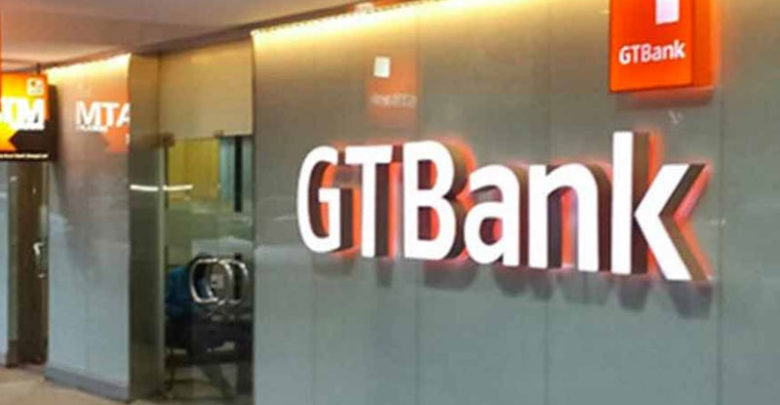
Trust and Efficiency in GTBank: A Call for Consistency

0

In today’s interconnected and fast-paced global economy, financial institutions play a pivotal role in facilitating transactions, enabling investments, and supporting individual and business aspirations. For this role to be effective, institutions must demonstrate two critical attributes: trust and efficiency. These aren’t just abstract ideals; they are the foundation of customer relationships and a bank’s long-term reputation.

Recently, I found myself grappling with an experience that highlights the gap between customer expectations and institutional performance. As a loyal client of GTBank, I opened a domiciliary account to facilitate international transactions and leverage opportunities that require such financial tools. The process seemed straightforward, but a critical step—the confirmation of a referee—has remained unresolved, rendering the account practically unusable. This delay has not only caused frustration but also led to missed opportunities and diminished value, undermining the very purpose for which the account was created.

This experience forces me to ask a fundamental question: How can financial institutions ensure that their systems and processes align with the promises they make to customers?

The Expectations vs. Reality Gap

When customers engage with a financial institution, they do so with the expectation of seamless service delivery. Trust is the cornerstone of this engagement, built on the belief that the institution will act promptly, efficiently, and in the client’s best interest. Efficiency, on the other hand, ensures that processes are streamlined, delays are minimized, and outcomes are predictable. Together, these qualities create an ecosystem where customers feel valued and empowered.

However, when there is a disconnect between these expectations and the reality of service delivery, the consequences can be far-reaching. In my case, the inability to use the account due to administrative delays has impacted my personal and professional endeavours. Every day that the issue remains unresolved deepens the frustration and erodes confidence in the institution’s commitment to its customers.

Why Trust Matters in Financial Services

Trust is the bedrock of financial relationships. Customers entrust banks with their wealth, financial plans, and aspirations, believing that the institution will safeguard their interests. This trust is cultivated through consistent service, transparency, and accountability. A single negative experience, however, can cast doubt on years of positive engagement, affecting not just the immediate relationship but also long-term loyalty.

In financial services, trust is also intertwined with risk management. Customers rely on banks to deliver services that mitigate risks associated with delays, errors, or inefficiencies. When this trust is compromised, the risks shift back to the customer, creating dissatisfaction and potential reputational harm for the institution.

The Role of Efficiency in Building Customer Loyalty

Efficiency in service delivery is not just an operational goal; it is a strategic imperative. In a competitive market, customers have multiple options, and delays or inefficiencies can prompt them to explore alternatives. Moreover, in an era where technology offers instant solutions, manual delays or systemic bottlenecks can seem outdated and unacceptable.

For instance, in my situation, the confirmation of a referee—a standard step in the onboarding process—should be routine and timely. The delay not only reflects inefficiency but also signals a lack of urgency in addressing customer needs. This misalignment between operational processes and customer expectations risks undermining the institution’s credibility.

Rebuilding Trust: Lessons for GTBank and Others

As I await the resolution of my issue, I reflect on the broader implications of this experience. It is a reminder that trust, once lost, is difficult to regain. For GTBank and similar institutions, the focus should be on demonstrating reliability through action, not just promises. Customers need to see tangible improvements that affirm their faith in the institution’s ability to deliver.

For other customers, my story serves as a cautionary tale about the importance of holding financial institutions accountable. Banks are service providers, and customers have the right to demand timely and efficient solutions. Collective action and feedback can push institutions to prioritize customer-centric practices.

Secure $TICS at $0.028 Before It Reaches $0.25 – The Best Crypto for Short-Term ROI, Algorand’s Parabolic Surge, and Tron’s Record High

0

The cryptocurrency market is brimming with opportunities, especially for short-term investors looking to capitalise on promising projects. This month, Qubetics, Algorand (ALGO), and Tron (TRX) are three standout cryptocurrencies. Qubetics is enhancing financial accessibility with its cutting-edge crypto wallet, Algorand is riding a parabolic wave, and Tron has hit new record highs amid a broader altcoin surge. These projects rank among the best cryptos to invest in for short-term gains.

Qubetics: Redefining Crypto Management with Qubetics Wallet

As cryptocurrency adoption grows, secure and accessible wallet solutions have become indispensable. The Qubetics Wallet is set to revolutionise how users interact with their digital assets, offering seamless management tools across multiple platforms.

Designed to cater to a diverse user base, the Qubetics Wallet will launch on iOS, Android, and desktop platforms. This accessibility empowers users to easily manage their $TICS tokens and other digital assets, regardless of their preferred device or operating system. Its intuitive interface ensures that users—from crypto novices to seasoned traders—can navigate the platform effortlessly.

Qubetics is currently in Presale Phase 11, with $TICS tokens priced at $0.028. Over $4.3M has been raised, with 266M tokens sold to more than 6,200 holders. Weekly price hikes culminate in a 20% increase in the final stage and a post-presale target of $0.25; the ROI potential is remarkable. Early investors can expect up to a 783.45% return, solidifying Qubetics as one of the best cryptos to invest in for short-term gains.

Algorand: A Parabolic Rally with More to Come

Algorand (ALGO) has captured market attention with a stunning 450% price surge, marking its strongest rally. After hitting an all-time low of $0.08 in August 2023, ALGO began its upward trajectory, breaking from a 900-day descending resistance trend.

In November, ALGO saw five successive bullish weekly candlesticks, pushing its price to $0.60—a 932-day high. Breaking such a long-standing resistance line suggests the correction phase is over, indicating potential for further gains. However, analysts predict a short-term dip before the next rally, providing an excellent entry point for investors.

Tron: Hitting a Seven-Year High Amid Altcoin Momentum

Tron (TRX) has reached a record price of $0.43, marking its highest value in seven years. This 81% surge pushed its market capitalisation beyond $35.1 billion, reflecting growing investor confidence in the altcoin.

TRX’s explosive rally coincides with broader momentum in the altcoin market, driven by regulatory optimism in the U.S. While market leaders like Bitcoin and Ethereum have remained relatively stable, altcoins like Tron, XRP, and Hedera (HBAR) have experienced significant gains.

Tron’s performance makes it a prime choice for short-term investors. Its ability to reach new highs amid shifting market dynamics demonstrates strong resilience and investor interest, solidifying its place as one of the best cryptos for short-term profits.

Conclusion: Best Cryptos to Invest in for Short Term

Qubetics, Algorand, and Tron present exceptional opportunities for short-term investors. Qubetics offers a secure and accessible wallet solution with high presale ROI potential. Algorand’s parabolic rally signals continued growth after potential short-term corrections, while Tron’s record-breaking performance showcases its strength in the altcoin market.

For those seeking to capitalise on the dynamic crypto market, these projects represent some of the best cryptos to invest in for short-term gains. Whether you’re eyeing innovative technology, technical rallies, or market momentum, these assets provide a well-rounded portfolio for immediate returns.

For More Information:

Qubetics: https://qubetics.com

Telegram: https://t.me/qubetics

Twitter: https://x.com/qubetics

Netflix Denies Claims of Nigerian Market Exit, Reaffirms Commitment to Local Content

0

Global streaming platform Netflix has refuted rumors suggesting it is exiting the Nigerian market, reaffirming its commitment to investing in Nigerian content despite growing concerns about its long-term viability in the country, according to TechCabal.

The speculation arose from comments made by celebrated Nigerian filmmaker Kunle Afolayan at the 2024 Zuma International Film Festival, where he disclosed that Netflix had canceled several films previously commissioned from other Nigerian filmmakers.

Afolayan, who has been a key partner in Netflix’s push to amplify Nigerian storytelling, expressed gratitude that seasons two and three of his series Anikulapo had already been produced. However, he hinted at Netflix’s dissatisfaction with the financial returns from the Nigerian market, despite the global success of its locally produced content.

“Three years ago, when we signed the three-film deal with Netflix, it was really exciting,” Afolayan said. “Thank God we had shot seasons two and three [of Anikulapo] because all the other people that were commissioned with us at the same time were canceled.”

Although Afolayan did not explicitly state that Netflix was withdrawing from Nigeria, his remarks, coupled with Netflix’s challenges in a market plagued by economic constraints, fueled speculation about the company’s future in the country.

Netflix Responds to Speculation

In a statement to TechCabal on Wednesday, Netflix dismissed the rumors, stating, “We are not exiting Nigeria. We will continue to invest in Nigerian stories to delight our audience.”

The company, however, did not address the reported cancellations of Nigerian projects, leaving questions about its broader strategy unanswered. The reassurance from Netflix comes as the platform faces mounting pressure from local competitors and an economy that has eroded consumers’ spending power.

A Common Challenge for Businesses

Netflix’s struggle in Nigeria mirrors the challenges faced by many businesses operating in the country. Nigeria’s high inflation rate, compounded by the depreciation of the naira, has drastically reduced disposable incomes, forcing households to cut back on non-essential expenses such as entertainment subscriptions.

With a standard plan priced at N7,000 ($4) per month, Netflix is considered a luxury by many Nigerians, especially as inflation has surged to record levels in recent years. This economic squeeze has made it difficult for the streaming giant to compete with more affordable alternatives, such as Showmax, which offers a similar service at lower prices tailored to Nigeria’s income demographics.

The financial strain is part of a broader economic challenge that has also impacted multinational companies, with some, like Amazon Prime Video, pulling out of Nigeria altogether. Amazon Prime exited the market earlier in 2024, just one year after launching a slate of original Nigerian productions and undertaking a major marketing campaign, citing profitability concerns.

Netflix’s Commitment to Nigeria’s Film Industry

Since its entry into Nigeria in 2016, Netflix has invested over $23 million in the local film industry, licensing more than 250 titles, including blockbuster hits like Lionheart, The Wedding Party 2, and King of Boys. The platform’s collaborations with industry heavyweights such as Mo Abudu of EbonyLife Productions and Kunle Afolayan have elevated Nollywood’s profile on the global stage.

Netflix’s original productions, co-productions, and licensing agreements have created a pipeline for Nigerian content to reach international audiences. Its deal with Kunle Afolayan, for instance, resulted in a three-film contract, including the acclaimed Anikulapo, which was celebrated globally for its storytelling and production quality.

Despite its contributions, Netflix has struggled to capture a significant share of Nigeria’s competitive streaming market. This backdrop has also been attributed to Nigeria’s unreliable electricity supply and high data costs, which have created additional barriers for consumers, limiting the potential audience for streaming platforms.

Netflix’s pricing, while competitive on a global scale, places it beyond the reach of many Nigerians. This pricing dilemma, combined with reduced consumer spending power due to inflation, has significantly constrained the platform’s growth.

Inflation in Nigeria, currently at 33.8%, has soared in recent years, driven by rising food prices, foreign exchange shortages, and the government’s removal of fuel subsidies. As disposable incomes dwindle, many Nigerians have deprioritized luxury expenses, affecting businesses reliant on consumer spending.

For Netflix, this has translated into declining subscription numbers and growing competition from low-cost alternatives. Analysts have noted that while Netflix’s investment in high-quality Nigerian content is commendable, the streaming platform’s premium pricing strategy makes it less accessible in a country where everyone is fighting for food.