DD
MM
YYYY

PAGES

DD
MM
YYYY

spot_img

PAGES

Home Blog Page 2893

As Flight Tickets Rise, Nigeria Risks an Economic Meltdown

0

Airlines in Nigeria are increasing ticket prices. Now you can connect to my post where I noted thus: “The number of active aircrafts parked in Nigeria’s leading local airport at 9pm have dropped by more than 30% from Jan 2023 numbers. “

Of course, if the supply chain is muted in an economy at this scale, that economy fades. It is possible that the aviation sector will need federal support. The private hospitals and clinics just noted that they’re off by 50% as many have closed shops; most Nigerians have no funds to go to hospitals.

(It may be time to use the savings from USD floating and fuel subsidy removal to support these sectors)

We are in the second year, with 13 more years to go, as the World Bank has explained that the impacts of recent reforms will become positively evident in about 15 years. So, adjust well because we are not airborne yet, still taxing on the tarmac.

But who knows, a judge can rule that Air Peace cannot increase prices. So, there is still hope as the judiciary can bring all the support. One can even rule that $1 is now N400. They have the power and can make all the issues disappear.

[Updated] Air Peace 100% Fare Increase: Aviation Sector On The Brink As Tinubu’s Reforms Take Toll

0

Editor’s Note: Air Peace has disputed this increase.

Last week, Air Peace announced a decision to implement a 100 percent increase in airfare across all local routes, once again highlighting the far-reaching consequences of Nigeria’s current economic trajectory – buoyed by President Bola Tinubu’s economic reforms.

In an email sent to customers, Air Peace confirmed that the cost of air travel on all domestic routes will double.

“Please be informed that effective 1st November 2024, Air Peace would be adding a 100% increase to their fares across all local routes,” the airline stated, advising customers to contact their consultants for further assistance.

This means that domestic flights will become significantly more expensive, with the cost of a one-way ticket from Lagos to Abuja expected to rise from N143,000 to N286,000.

The dramatic increase in ticket prices underlines the broader impact of Tinubu’s reform agenda on nearly every sector of the economy. Since taking office, the president has pursued a series of aggressive economic policies aimed at stabilizing the nation’s finances, including the removal of fuel subsidies and the floating of the foreign exchange market to eliminate the disparity in official and black-market exchange rates.

While these measures were designed to improve Nigeria’s fiscal position and attract foreign investment, their implementation has resulted in sharp cost increases across essential goods and services, with the aviation sector among the hardest hit.

However, the impact of President Tinubu’s reforms extends well beyond the aviation sector. The removal of fuel subsidies, intended to free up government funds for infrastructure and social programs, has also resulted in an unprecedented rise in petrol prices, now exceeding N1,000 per liter.

The ripple effect has been felt across various sectors, as businesses struggle to absorb the additional costs of transportation and energy. For Nigerians, this has translated into higher prices for goods and services, making life more expensive overall.

The aviation industry has been particularly vulnerable to these reforms due to its reliance on imported aviation fuel, maintenance parts, and equipment, which are all affected by the soaring exchange rates. Jet fuel, which is purchased in U.S. dollars, now costs significantly more due to the weakened naira. This situation has left airlines with no choice but to pass the increased costs onto passengers, resulting in multiple rounds of fare hikes in recent months.

Air Peace’s latest announcement, however, represents the most substantial increase to date and signals the deepening crisis within the sector.

Flying Becomes a Luxury Few Can Afford

As airfares double, air travel is quickly becoming a luxury that many Nigerians can no longer afford. With the cost of living already at an all-time high, families are finding it increasingly difficult to allocate funds for domestic flights, especially as the festive season approaches. The significant jump in ticket prices is expected to reduce demand for air travel, as more Nigerians opt for cheaper—albeit riskier—road transportation.

For many travelers, the cost of a round trip between major cities such as Lagos, Abuja, and Port Harcourt is now equivalent to several months’ worth of wages. One of the stark realities is that a large portion of the population, particularly those in middle- and lower-income brackets, may be priced out of the air travel market altogether.

The situation has raised concerns that only a select few Nigerians will have the privilege of flying, while the rest are left to navigate Nigeria’s deteriorating road network amidst growing security concerns.

Aviation Sector on the Brink

The challenges facing Nigeria’s aviation sector are multifaceted. However, at the core of the problem is the high cost of aviation fuel, which constitutes approximately 40 percent of an airline’s operating expenses. With the naira’s sharp devaluation following the central bank’s unification of exchange rates, the price of jet fuel has surged above N1,000 per liter, squeezing profit margins for airlines.

The result has been not only increased airfares but also a scaling back of services, as some airlines have had to reduce the frequency of flights or cut certain routes entirely to manage costs.

Furthermore, the sector is struggling to cope with the high cost of importing spare parts and other maintenance materials, which are also paid for in foreign currency. This has led to a rise in operational costs and maintenance backlogs, further complicating the ability of airlines to maintain a regular flight schedule. Air Peace, which is Nigeria’s largest carrier, has been vocal about these issues, frequently citing the economic environment as a key factor behind its pricing decisions.

The ongoing crisis in Nigeria’s aviation sector has spurred calls for the Tinubu administration to reconsider its policies and introduce measures that could alleviate the financial strain on airlines and consumers alike. Stakeholders have suggested a range of options, including providing subsidies for aviation fuel, offering tax relief to airlines, or creating special financial support packages to help the sector weather the storm.

As Nigeria heads into the holiday season, the outlook for the aviation sector remains uncertain. The significant decline in passenger traffic, resulting from the increased cost of flying, is expected to affect not only the revenues of airlines but also the broader economy. In addition to potential job losses in the sector, the tourism industry, which relies heavily on air transport, could also suffer setbacks as higher travel costs deter both domestic and international tourists.

Economists have warned that the aviation sector’s struggles are a microcosm of the larger economic difficulties, and without timely intervention, the ripple effects could further strain an already fragile economy.

Register for next Tekedia Mini-MBA, and Save BIG on Early Discounts

0

We have reserved your seat for the next edition of Tekedia Mini-MBA (Feb 10 – May 3, 2025). We ask you to lock it by registering immediately. You also get our three ebooks, free cybersecurity course from Facyber, and early bird discounts.

More so, after our acquisition of Quizac, we’re bringing gaming into the world of entrepreneurial business education for the Tekedia community. Can you improve your business sagacity through gaming? And can you design a better one on whatever you do in business? Pick a seat and join us at the best school.

Plus Wallet vs. Exodus Wallet: Leading Trust Wallet Alternatives — Compare Security & Rewards

0

Choosing the right crypto wallet from the plethora available can be daunting. Users often seek wallets that meet essential trading requirements, yet the current market expects more than just fundamental features.

Trust Wallet is favored by traders for its support of multiple cryptocurrencies, but Exodus Wallet and Plus Wallet are notable alternatives, providing more perks and adaptability.

This article explores the main advantages of each wallet, assisting users in determining which offers enhanced convenience and improved chances to increase their crypto profits in 2024.

Exodus Wallet: A User-Friendly Crypto Solution

Exodus, a non-custodial wallet, is accessible on desktop and mobile devices and supports a broad spectrum of cryptocurrencies. Its intuitive interface makes it simple to manage, exchange, and stake coins. A significant benefit is its compatibility with Trezor hardware wallets, offering an offline storage solution for existing hardware wallet users. The wallet also features around-the-clock online support, though it is restricted to chat without phone support.

However, Exodus has drawbacks, including the absence of critical security measures such as two-factor authentication, which is available with Plus Wallet, potentially increasing vulnerability to security threats if device security or private keys are compromised.

Moreover, its transaction fees are variable, occasionally leading to unexpectedly high costs.

Plus Wallet: Trade Smarter, Earn More

Available on Android and iOS, Plus Wallet is a mobile-oriented wallet designed to allow users to trade and manage their assets conveniently from one screen. Embracing the philosophy “More is More,” Plus Wallet delivers maximum benefits consistently.

A standout feature is the ‘Swap to Earn’ program, rewarding users instantly for each swap executed, without limitations. This feature enables users to generate a continuous passive income through regular trading activities.

Referring new users to Plus Wallet also increases rewards, as referrers gain from the trading activities of their referrals, enhancing earnings effortlessly.

Moreover, security is not compromised for rewards. Plus Wallet secures private keys with robust encryption, preventing external access and maintaining user control over funds. It also includes two-factor authentication with Face ID and PIN code for extra security.

The wallet’s efficiency is evident in its swift token listing process. Unlike other wallets that might take weeks to list new tokens, Plus Wallet does so in just 15 minutes, providing faster access to new trading opportunities. Supporting a vast array of cryptocurrencies like Bitcoin, Ethereum, Solana, and Ripple, Plus Wallet stands out as a top Trust Wallet alternative, enabling users to diversify their portfolio and amplify their income effectively.

Which Wallet Emerges as the Superior Choice?

While Exodus Wallet offers a straightforward interface and integration with Trezor for those prioritizing hardware wallets in their setup, it lacks essential security features like two-factor authentication and may impose higher transaction fees.

Conversely, Plus Wallet fulfills essential trading needs and enhances user experience with its efficient and flexible system. It ensures superior security with two-factor authentication and empowers users to earn unlimited passive income through its Swap to Earn feature. These attributes make Plus Wallet an exemplary Trust Wallet alternative for cryptocurrency traders.


Explore Plus Wallet:

Website: https://pluswallet.app/

Download: https://onelink.to/pluswalletapp

Twitter: https://x.com/pluswalletapp

Instagram: https://www.instagram.com/pluswallet.app/

India and Germany’s Green Hydrogen Roadmap in 2024

0

In a landmark move, India and Germany have agreed on a green hydrogen roadmap, marking a significant step towards sustainable energy and climate action. This agreement is a testament to the growing international collaboration in the fight against climate change and the shared commitment to the Paris Agreement goals.

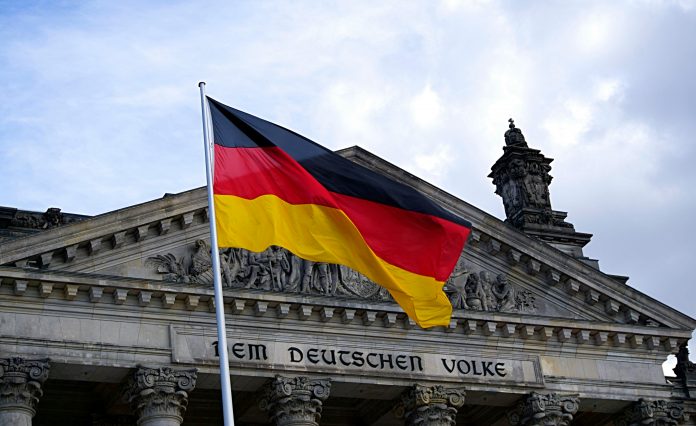
The Indo-German Green Hydrogen Roadmap was officially exchanged during the 7th Inter-Governmental Consultations (IGC) in New Delhi on October 25, 2024, in the presence of Indian Prime Minister Shri Narendra Modi and German Chancellor Shri Olaf Scholz. This roadmap outlines a strategic partnership between the two nations, focusing on the research and development of hydrogen as an alternative energy source.

Hydrogen, particularly green hydrogen, is considered a key element in the transition to a low-carbon economy. It is an energy carrier that can be used in various sectors, including transportation, industry, and power generation, with water being the only emission when it is consumed. The roadmap between India and Germany aims to promote the market ramp-up of green hydrogen, which is produced using renewable energy sources, thereby reducing carbon emissions.

The Indo-German Green Hydrogen Roadmap outlines a collaborative approach to the research and development of hydrogen as an alternative energy source. It emphasizes the importance of green hydrogen in achieving the decarbonization goals set by both countries under the 2015 Paris Agreement. Germany has set ambitious targets for hydrogen to generate between 95 and 130 terawatt-hours of power per year, which would require a significant portion to be imported. India aims to produce an annual 5 million tons of hydrogen by the end of the decade.

Germany’s plan to generate a substantial portion of its power through hydrogen, with a significant percentage expected to be imported, complements India’s goal to ramp up its hydrogen production capacity annually by the end of the decade. This synergy is not only a testament to the countries’ commitment to decarbonizing their economies but also highlights the potential for green hydrogen to become a cornerstone of global energy strategies.

This agreement is not just about government initiatives; it also calls for the active participation of scientists, students, and businesses. The roadmap defines various work areas that are now being attended to, with the expectation that the private sector will play a crucial role in advancing this green technology. The construction of terminals in India for the export of green ammonia is also a part of the plan, which will facilitate the global trade of green hydrogen.

Moreover, the roadmap is part of a broader Indo-German commitment to decarbonization, with Germany pledging 10 billion euros in funding for various green projects in India through 2030. This underscores the shared commitment of both nations to climate action and sustainable development goals. The roadmap also emphasizes the importance of private sector engagement, research cooperation, and legislative coordination. It even includes support for the construction of terminals in India for the export of green ammonia, showcasing the breadth of the partnership’s vision.

The Indo-German Green Hydrogen Roadmap is a declaration of intent that sets the stage for a long-term partnership in energy transition. It is a strategic move that will not only benefit the two countries but also set an example for international cooperation in the fight against climate change. As the world looks for ways to reduce carbon emissions and move towards sustainable energy solutions, the collaboration between India and Germany offers a blueprint for others to follow.